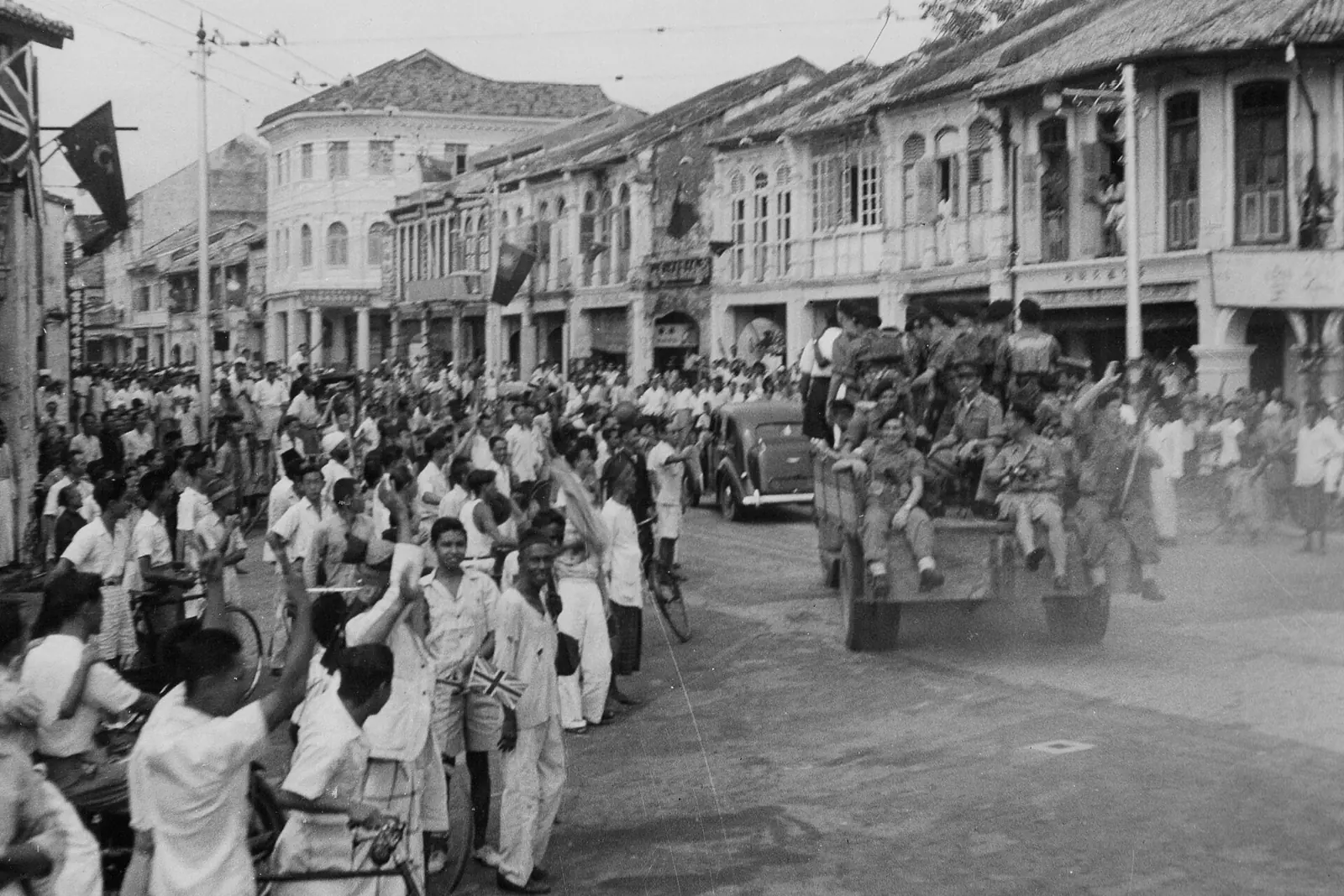
Kuala Lumpur is a city that rewards a well-chosen bed: pick the right neighbourhood and you can walk to dinner, catch the monorail in flip-flops and watch the skyline light up from your window. Pick the wrong one and you'll spend your holiday in gridlocked traffic on a six-lane highway. Here's how the city's main hotel districts actually feel once you're inside them.
KLCC and the Golden Triangle: For First-Timers and Skyline Chasers
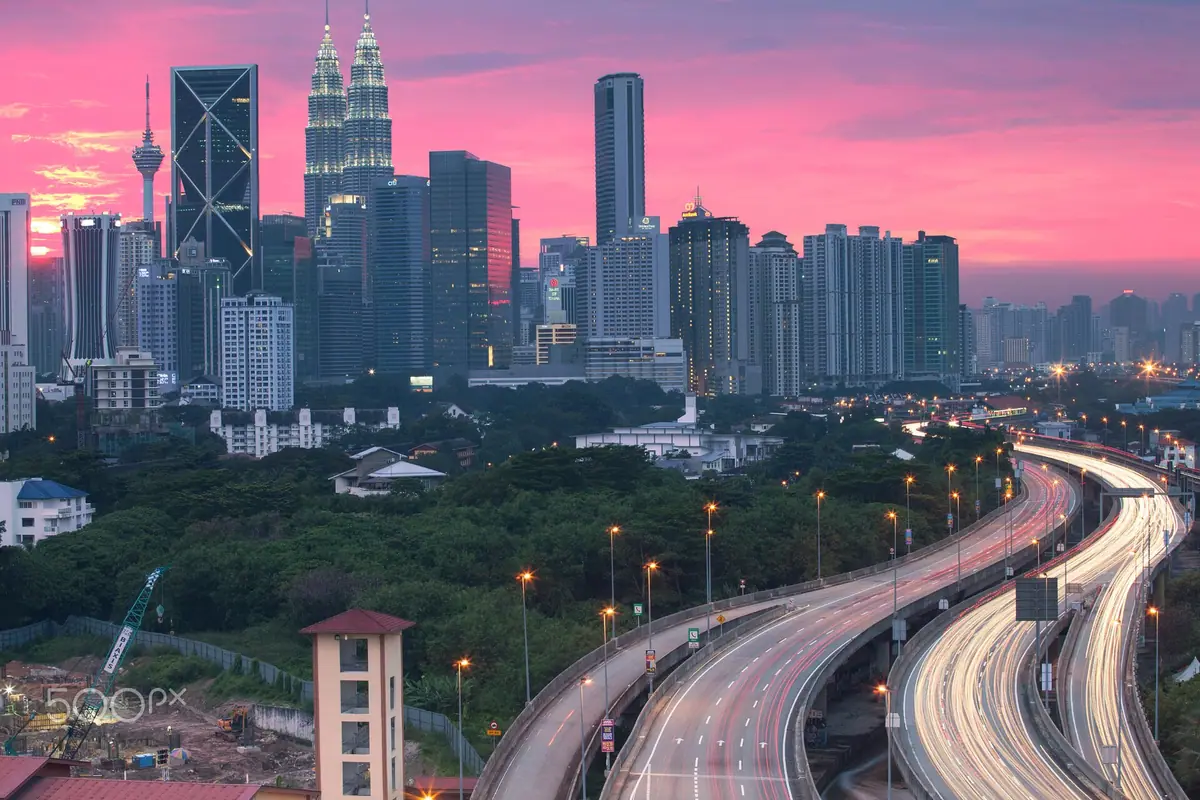
Kuala Lumpur's postcard image is built around KLCC, the purpose-built commercial heart wrapped around the base of the Twin Towers. Staying here means waking to floor-to-ceiling glass and a horizon of silver-and-blue towers; if your room faces the right way, you'll get the silhouette that appears on every souvenir magnet lit up outside your window at night. The 20-hectare park at the foot of the towers is the neighbourhood's living room — a jogging track, a shallow children's pool, a man-made lake and evening fountain shows that begin after dark and draw a cheerful crowd most nights.
This is the most convenient base for a first visit and for anyone in town on business. Covered, air-conditioned walkways link the towers, the convention centre and the surrounding malls, so you can walk to Bukit Bintang in roughly twenty minutes without ever stepping into direct sun — a genuinely useful trick in a city where afternoons sit stubbornly around 32°C. The monorail and MRT are a short stroll away, and taxis and ride-hailing cars are plentiful.
The trade-offs are real. Room rates at the international five-star towers here are the city's highest, restaurants inside the complexes are priced for expense accounts, and the streets go quiet after about 10pm. Ask for a room above the twentieth floor facing the park; lower floors on the main road catch traffic noise late into the night. It's also worth checking whether the pool is shaded in the afternoon, and whether breakfast is included — the spread at this level is often the best-value meal of the day.
Bukit Bintang and Changkat: Eating, Shopping and Late Nights
If KLCC is the city's office, Bukit Bintang is its appetite. This is the district where you can eat char kway teow from a plastic stool on Jalan Alor at 11pm, walk two streets and order a cocktail at a rooftop bar, then buy trainers at a mall the size of a small airport the next morning. The back lanes off Jalan Alor and around Changkat Bukit Bintang hold the highest concentration of hotels in the city — everything from polished four-stars to tiny boutique conversions and well-run hostels tucked above restaurants.
Transport is the quiet advantage here. The monorail runs straight through the district, and an elevated, air-conditioned pedestrian network links several malls and stations, which means you can move between dinner, shopping and your room without getting rained on. It's a five-minute ride or a comfortable walk to the KLCC park, and Merdeka Square and Chinatown are within reach on foot if you're happy to sweat a little.
Noise is the thing to manage. Rooms facing Jalan Alor, Changkat or the main strip can stay loud until 2–3am, especially at weekends, and street-level floors catch delivery bikes and bin lorries from about 6am. Request a high floor on the rear side, or a room set back from the street; a hotel with double glazing makes more difference here than almost anywhere else in Kuala Lumpur.
Chinatown, Merdeka 118 and Pudu: Heritage Character on a Budget
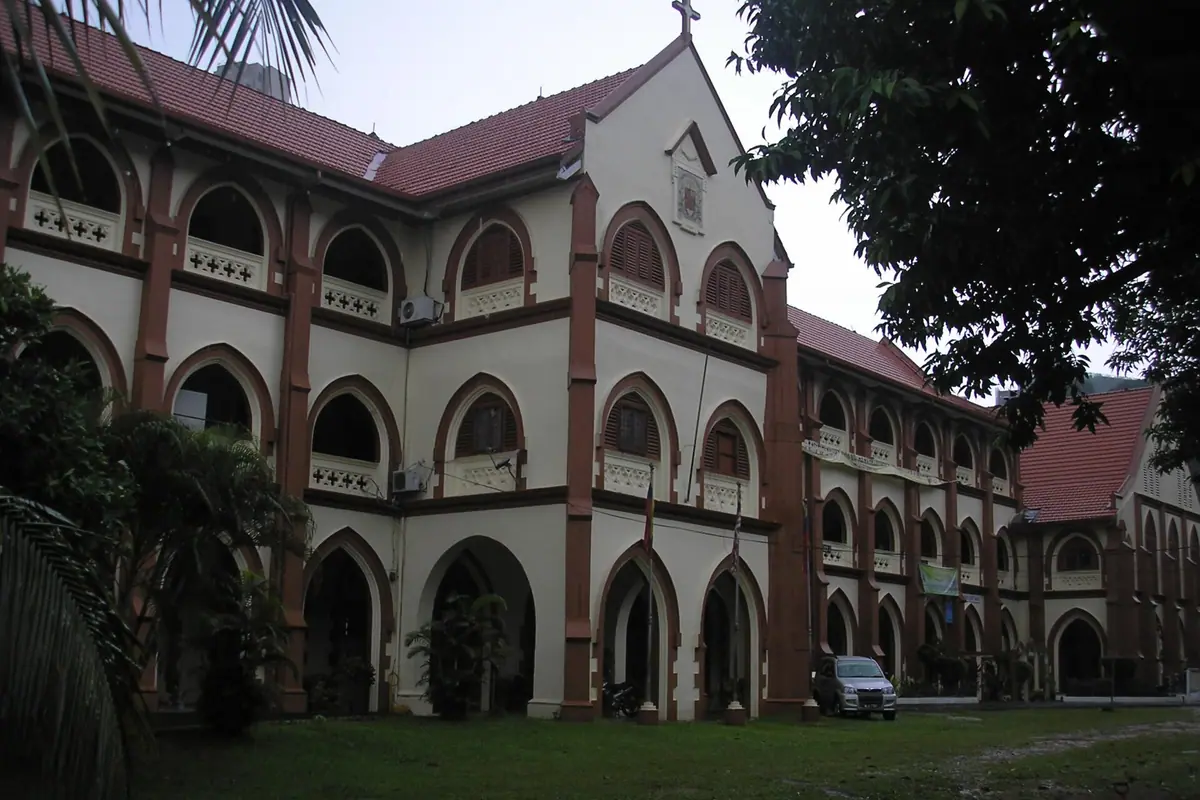
A few stops from the glitter, Chinatown around Petaling Street offers the version of Kuala Lumpur that existed before the towers. Pre-war shophouses with air wells and wooden shutters have been converted into small boutique hotels, some with just eight or ten rooms, courtyards and rooftop plunge pools. It's the most atmospheric place to sleep in the city centre, and usually the cheapest — though budget options range from beautifully restored to merely cheap, so look carefully at recent photos before committing.
The location is better than its reputation suggests. The Pasar Seni interchange puts you on the MRT and LRT, two temples and a historic mosque sit within a few minutes' walk, and the colonial heart around Merdeka Square is an easy stroll. The new supertall tower nearby has pulled fresh investment into the area, and there are more cafés and small galleries than there were a few years ago.
Expect the quirks of old buildings: thinner walls, occasional plumbing that gurgles, rooms without windows, and steep staircases in shophouse conversions. Bring earplugs if you're a light sleeper, and keep your wits about you in the emptier lanes after midnight. In exchange you get streets that smell of roasting chestnuts and incense, and a morning market that starts before sunrise.
KL Sentral and Brickfields: The Transit-Smart Choice
KL Sentral is the city's rail nerve centre, and staying beside it removes most of the friction from a short trip. The airport express train whisks you here in around 28 minutes, while the same journey by road takes 45–60 minutes in normal traffic and considerably longer in a monsoon downpour. From the station you can reach most of the city on the LRT, MRT or monorail, and the suburban rail line runs north to the limestone caves and temples at Batu Caves in roughly half an hour.
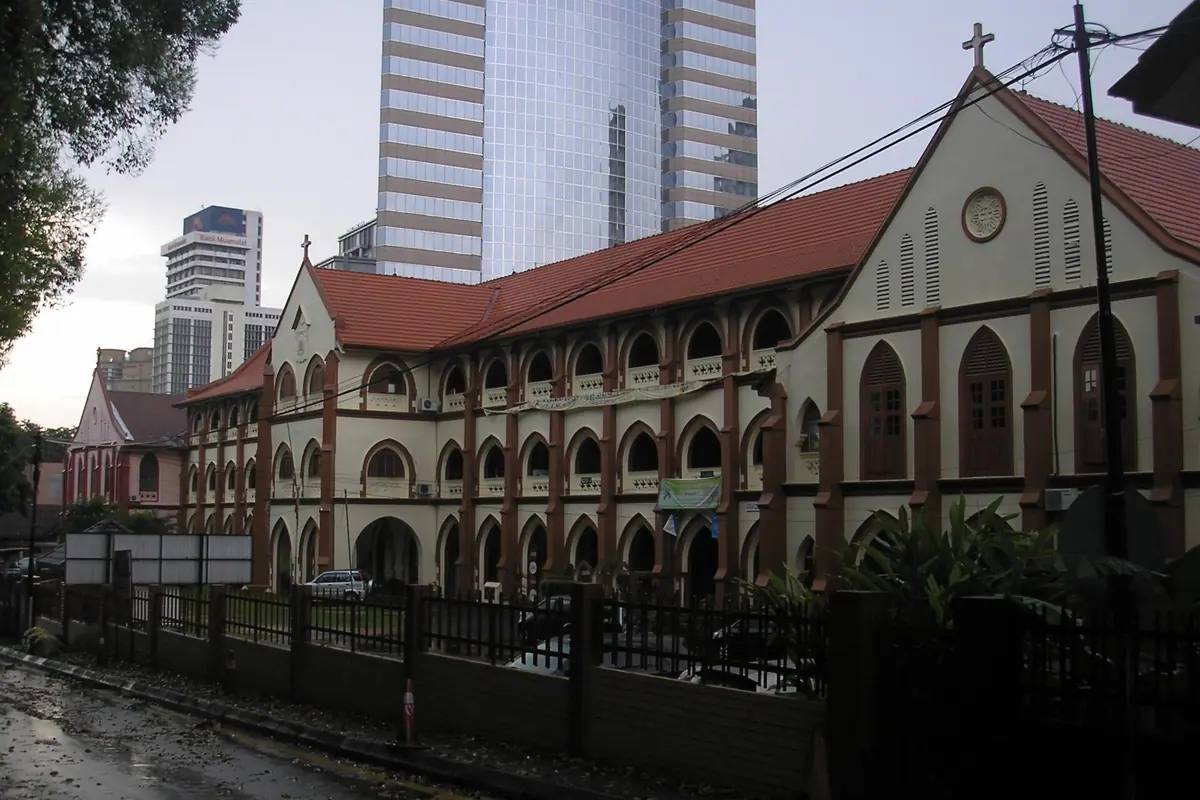
Brickfields, immediately west of the station, is Kuala Lumpur's Little India — a grid of banana-leaf restaurants, flower stalls, sari shops and temples that feels busy and lived-in rather than designed for visitors. Hotels here are mostly mid-range and business-oriented, which means practical rooms, small gyms and reliable air conditioning rather than glamour. Serviced apartments in the area suit longer stays, particularly if you're catching an early flight or using the city as a base for trips to Melaka, Ipoh or Penang.
Be realistic about the setting. This is a transport district, not a scenic one: construction noise, station announcements and heavy traffic on the main road are part of the deal. Hotel quality also varies more sharply here than elsewhere, so filter hard for recent reviews, and if you're sensitive to sound, ask for a room away from the tracks and the elevated line.
Bangsar, Damansara Heights and Mont Kiara: Residential Calm and Long Stays
Once you've seen the sights, many travellers prefer to sleep somewhere that feels like a neighbourhood. Bangsar, a ten-minute drive southwest of the centre, is built around a handful of leafy streets lined with cafés, bakeries, wine bars and independent restaurants — the kind of place where you linger over a long brunch and plan the rest of the day slowly. Guesthouses and small hotels sit above the shops, and the evening atmosphere is relaxed rather than neon-lit.
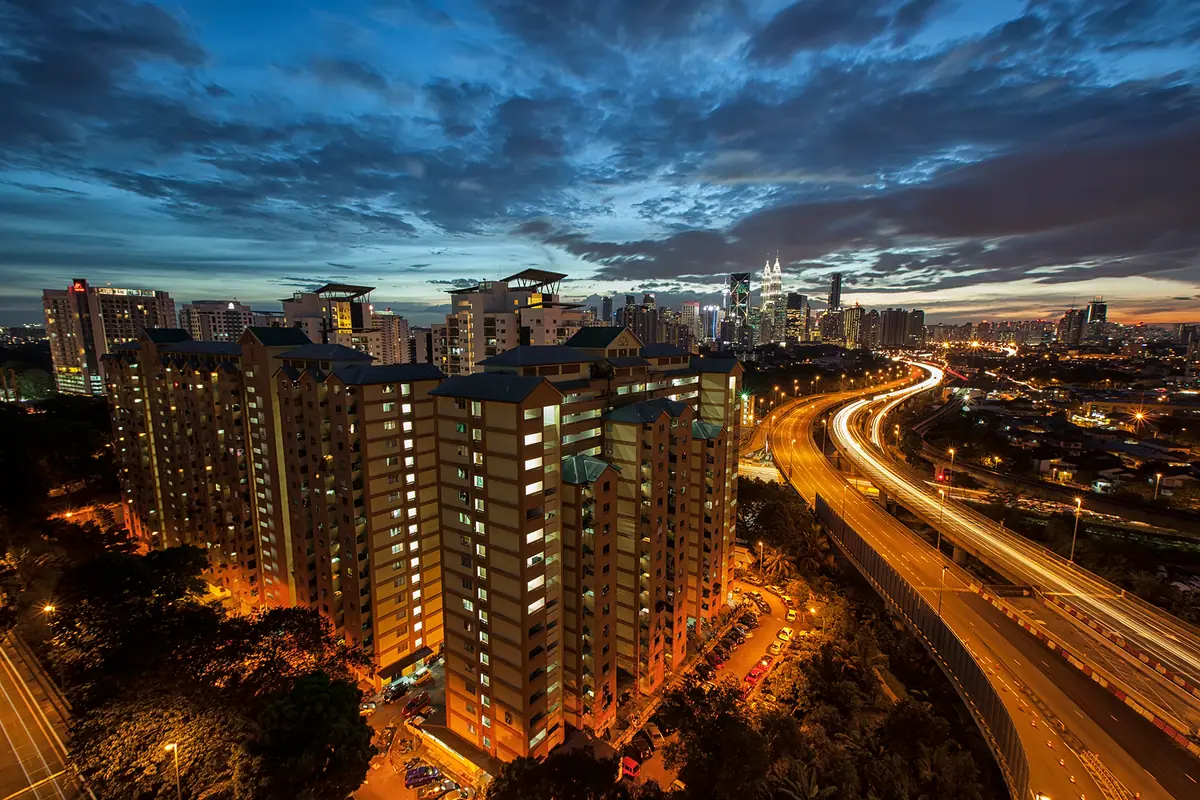
Further out, Damansara Heights is green and quiet, with embassies, low-rise offices and easy access to the newer MRT line, while Mont Kiara is a cluster of condominium towers popular with families, long-stay professionals and anyone who wants an international school, a supermarket and a Korean or Japanese restaurant within walking distance. This is where serviced apartments come into their own: kitchens, washing machines and separate bedrooms at prices that undercut a comparable hotel suite downtown.
The catch is distance. You'll rely on ride-hailing or the train for almost every sight, and the same journey that takes fifteen minutes at 11am can take forty-five during the evening rush. If you're here for a weekend of sightseeing, stay central; if you're here for a week or a month, the extra space and quiet usually win.
How to Choose: Seasons, Surcharges and the Details That Matter
Kuala Lumpur is hot and humid all year, with temperatures typically between 23°C and 33°C and rain that arrives in short, dramatic afternoon bursts rather than all-day drizzle. March to April and October to November tend to be the wettest stretches; June to August and December to February are comparatively drier, though you should still pack a light rain jacket. The city also observes Ramadan, Chinese New Year, Hari Raya and Deepavali, which can mean festive crowds, higher rates around long weekends, and some restaurants closing during the day.
Before booking, check a few practical points that catch people out. Foreign passport holders usually pay a small tourism tax per room per night, sometimes collected at check-in rather than included in the rate. Confirm whether the pool is outdoor and whether it's shaded, since midday sun makes many rooftop pools unusable until late afternoon. If you're sensitive to noise, ask about proximity to mosques, since the pre-dawn call to prayer carries a long way in quiet districts.
Finally, think about how you'll move. Rooms with a view of the towers are lovely but often face the busiest roads; a rear-facing room on a high floor is frequently the better night's sleep. If you're arriving late at night, the airport express stops running in the early hours, so a pre-booked car or a hotel near the station makes more sense than a hopeful taxi queue. And keep small notes on you — the best meals in this city still come from street stalls that don't take cards.
Frequently asked questions
Which area of Kuala Lumpur is best for first-time visitors?
KLCC and the wider Golden Triangle are the easiest introduction: you're within walking distance of the Twin Towers and the park, connected by covered walkways, and close to the monorail and MRT. Bukit Bintang is a strong alternative if you'd rather be surrounded by street food and nightlife, at the cost of some late-night noise.
Is Kuala Lumpur safe to walk around at night?
The main tourist districts are generally fine after dark, and streets around Bukit Bintang and KLCC stay busy well into the evening. Use normal big-city caution: keep bags zipped and in front of you, avoid quiet lanes in Chinatown and Pudu late at night, and take a ride-hailing car rather than walking long distances after midnight.
How many nights should I spend in Kuala Lumpur?
Three to four nights covers the essentials comfortably — the Twin Towers and park, Merdeka Square, Chinatown, a temple or two and a food crawl. Add a night or two if you want day trips to Batu Caves, Putrajaya or the cooler hill stations, or if you plan to move on to Melaka or Penang by train.
When is the best time of year to visit?
The city is warm year-round, so there's no bad season, but June to August and December to February are generally drier. Expect short, heavy downpours during March–April and October–November. Rates rise around major festivals such as Chinese New Year and Hari Raya, so booking early helps.
Should I stay near the airport instead of the city centre?
Only if you have a very early departure, since the international airport sits roughly 50km south of downtown. For most trips, staying in the city and taking the airport express train — about 28 minutes to the main rail hub — is faster and far more enjoyable than a night in an airport hotel.
Plan it — hotels in Kuala Lumpur
Live search, booked directly with trusted providers.
Sort the rest of your trip
Everything for Kuala Lumpur, in one place
Transfer in Kuala Lumpur
Private driver waiting on arrival — no queues, no surprises.
Book a transfer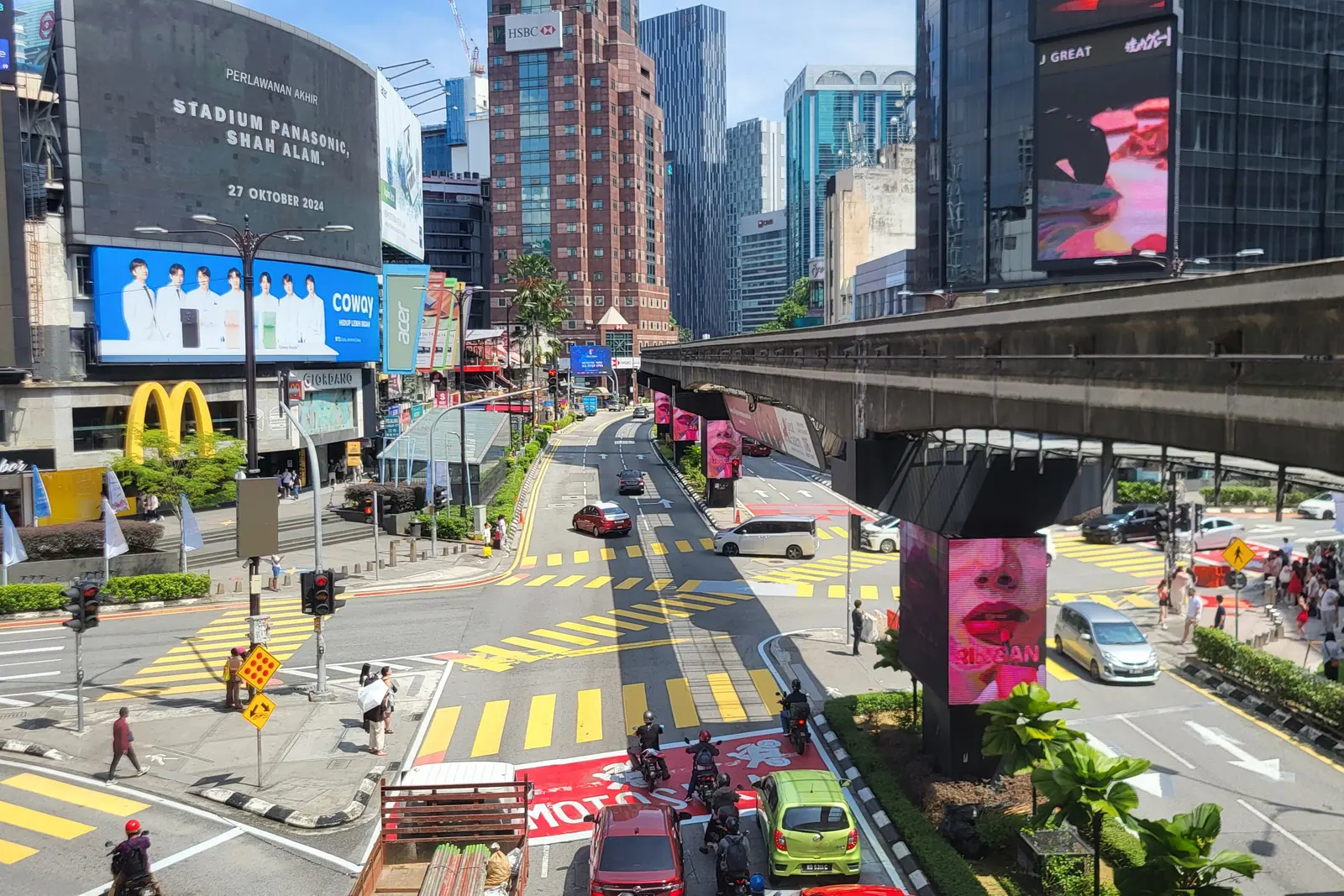
Things to do in Kuala Lumpur
Skip-the-line tickets, guided tours and standout experiences.
See experiences
Stay online in Malaysia
Travel eSIM — data the moment you land, no roaming bills.
Get an eSIM