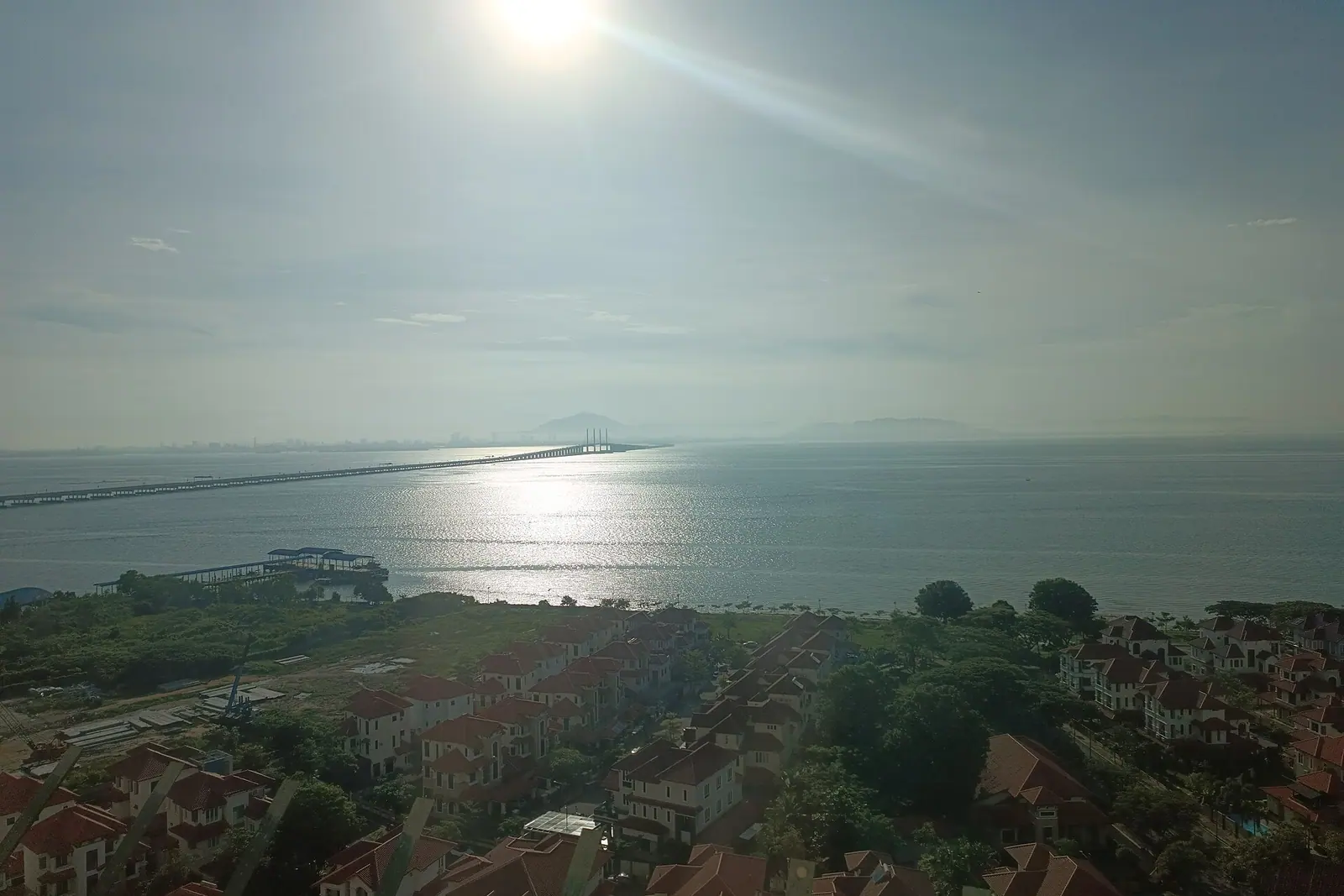
Malaysia rarely makes you choose between eating, sightseeing and getting lost in a rainforest — a single day can open with coconut-scented rice at a roadside stall, wander through a Dutch-era square at noon and close under a jungle canopy. This guide maps the country's essential experiences, from the hawker lanes of Kuala Lumpur to the longhouses of Borneo, so your tour tastes and feels like the real thing rather than a checklist.
Kuala Lumpur: Hawker Lanes, Skyline Views and a City That Eats Late
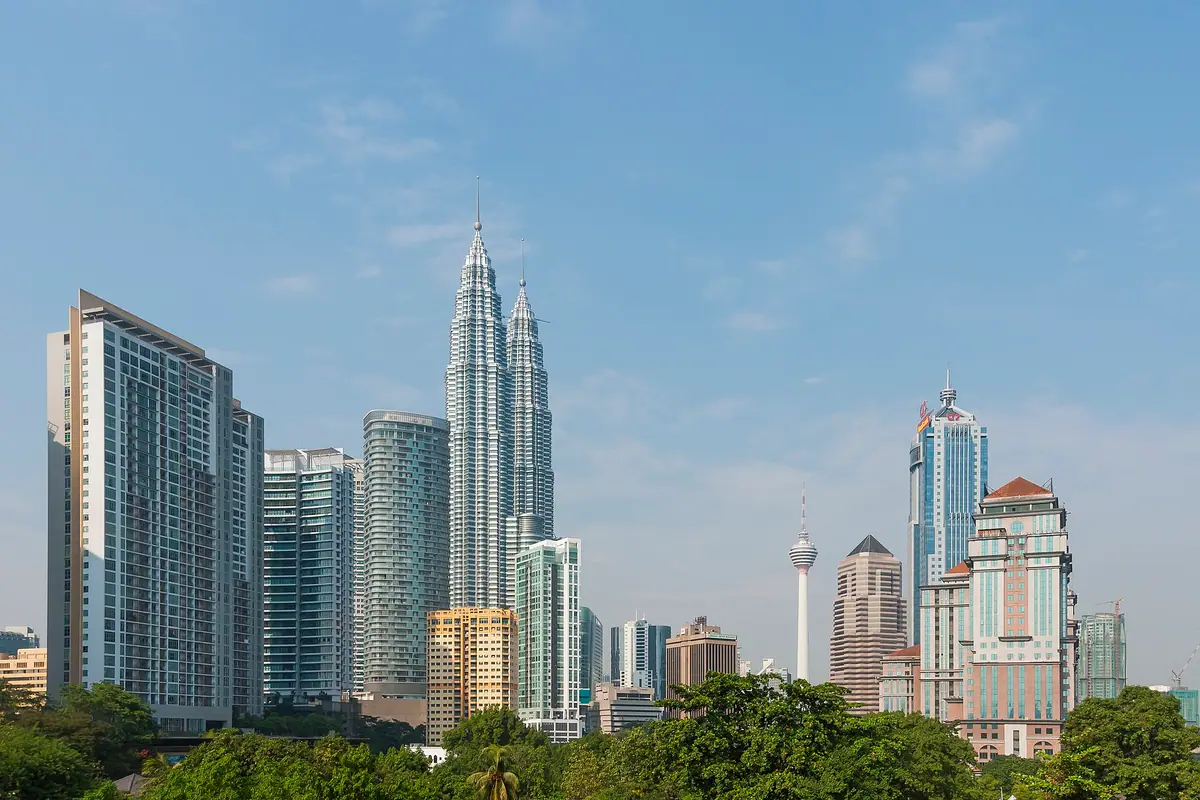
Most journeys begin here, and the city rewards a slow first day. The Petronas Twin Towers and the park beneath them are the obvious opener — come at dusk when the fountains run and the towers switch on — then walk north to Merdeka Square, where the Sultan Abdul Samad Building's copper domes frame the exact spot where independence was declared. Central Market is the reliable stop for batik, pewter and woodcarving, while Brickfields, the city's Little India, smells of jasmine garlands and frying curry leaves.
Food is where Kuala Lumpur becomes memorable. Nasi lemak — rice steamed in coconut milk with sambal, anchovies, peanuts and egg — is breakfast, not a novelty, and warung versions wrapped in banana leaf are the benchmark. At night, Jalan Alor in Bukit Bintang fills with tables and charcoal smoke: grilled stingray, satay, oyster omelette, and bowls of cendol heavy with gula melaka. Order at the stall, give your table number, and remember that a packet of tissues on a chair means the seat is taken.
Give the city two or three days, then take the half-day run out to Batu Caves, where 272 painted steps climb into a limestone cavern temple guarded by a towering golden statue. Go before 9am to beat both the heat and the coach groups. If your timing catches Thaipusam, usually in January or February, the same steps fill with devotees and kavadi bearers in a spectacle unlike anything else in Southeast Asia.
Penang: George Town's Street Food, Clan Jetties and Temple Hills
George Town is the country's great eating and wandering city, a UNESCO-listed grid of shophouses, five-foot walkways and murals that appear around corners. Start at the Clan Jetties, particularly Chew Jetty, where stilt houses still sit over the water, then thread through the ornate Khoo Kongsi clan temple and the Peranakan Mansion for a crash course in Straits Chinese taste — carved timber, porcelain, and impossibly detailed embroidery.
The food here has its own grammar. Char kway teow fried over ferocious heat, asam laksa sour with tamarind and torch ginger, nasi kandar where you point at curries and the server floods the rice with gravy, and a bowl of penang cendol that locals argue about endlessly. New Lane, Chulia Street and the morning market stalls are where to start; eating begins early, and the best stalls sell out well before closing time.
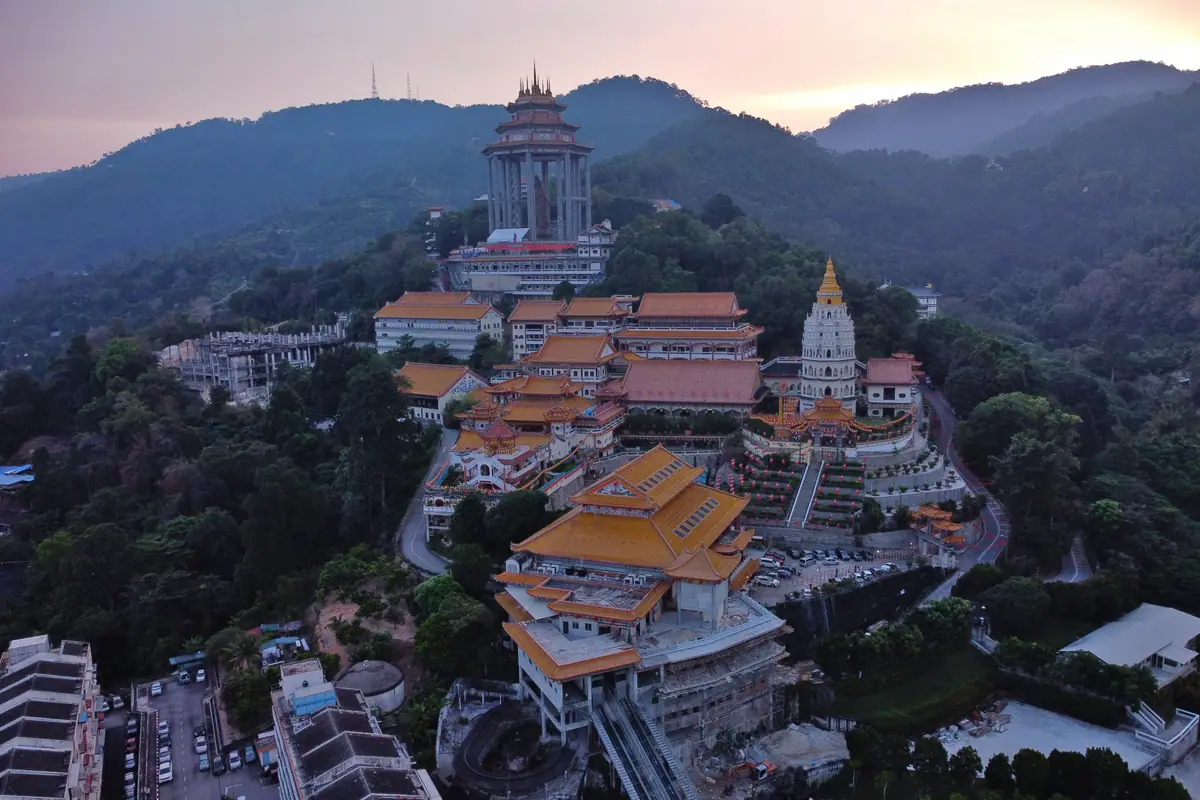
Work off the meals with the funicular railway up Penang Hill for cooler air and a panorama over the strait, then detour to Kek Lok Si, a hillside temple complex crowned by a bronze statue and a seven-tiered pagoda. Down at sea level, Batu Ferringhi offers a beach break. Three or four days lets you eat properly, and the heaviest rain tends to fall between September and November.
Melaka: Peranakan Kitchens and a River Through Colonial History
Compact, walkable and photogenic, Melaka layers Portuguese, Dutch, British, Malay and Chinese history into a few streets. A Famosa's ruined gate and the pink Stadthuys and Christ Church sit within minutes of each other, with St Paul's Hill above offering the best view at sunset. The narrow lanes of the old town are the heart of it: Cheng Hoon Teng, the country's oldest functioning Chinese temple, sits near Kampung Morten's stilt houses and the riverside walk that ties the districts together.
Peranakan cooking is the reason many travellers extend their stay. Chicken rice balls, Nyonya laksa, pai tee, and cendol drowned in palm sugar are all part of the repertoire, and family-run restaurants in converted shophouses serve them with the formality of a home dinner. In the Portuguese Settlement, grilled fish and devil curry round out an evening.
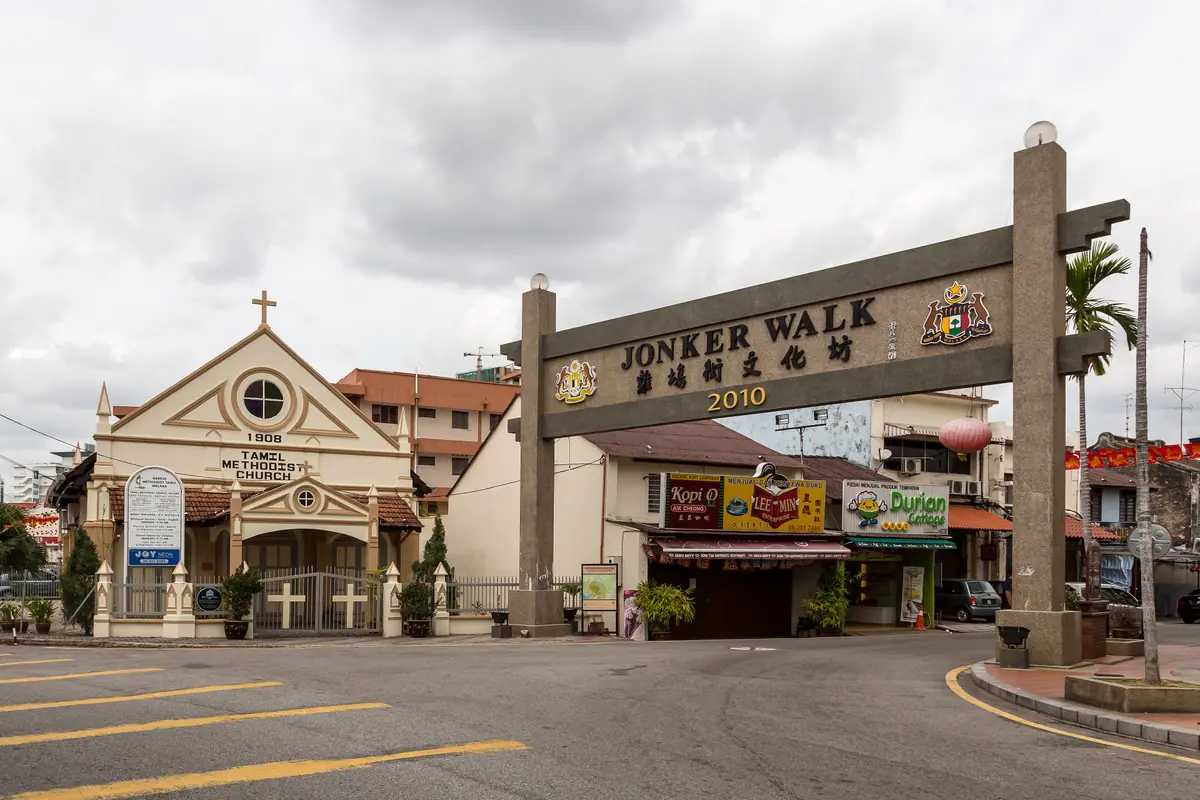
Time your visit around the Jonker Street night market, which takes over the main lane on weekend evenings with food carts, antiques and loud, cheerful chaos. Two days is usually enough, and Melaka works well as a stop between Kuala Lumpur and the south — a short drive either way.
Borneo: Orangutans, Longhouses and Mountain Summits
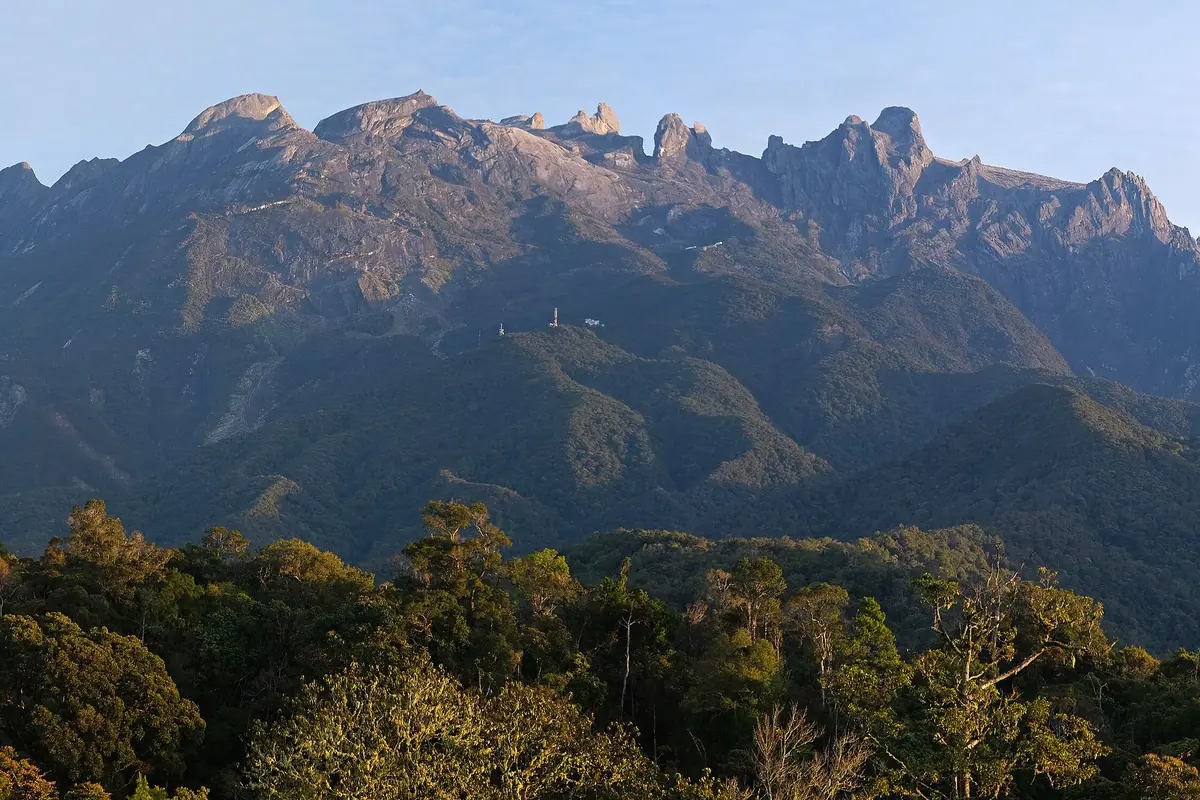
Across the South China Sea, Malaysian Borneo splits into Sabah and Sarawak, and both deserve more than a token stop. In Sabah, Kota Kinabalu is the base for island-hopping off Tunku Abdul Rahman Marine Park and for the climb up Mount Kinabalu, a two-day trek that needs booking months ahead. Further east, Sandakan leads to Sepilok's orangutan rehabilitation centre and the Kinabatangan River, where early-morning boat safaris turn up proboscis monkeys, hornbills and, if you are lucky, wild pygmy elephants.
Sarawak is river country. Kuching is a gentle, food-obsessed city of cat statues and colonial shophouses, with the Semenggoh wildlife centre nearby and Bako National Park a bus ride away. From Miri and Mulu, the cave systems — Deer Cave's vast chamber and the Niah Caves' archaeological darkness — are among the region's great natural sights, and a longhouse stay on the Rejang River puts you in an Iban community for a night of tuak, drums and stories.
Bornean food is distinct from the peninsula: laksa Sarawak with its prawn-and-coconut broth, manok pansuh chicken steamed inside bamboo, and umai, a raw fish salad cured in lime. Bring a small gift and ask before photographing longhouse ceremonies. The driest months for travel generally run from March to September.
Highlands, Islands and Rainforest: Malaysia's Natural Side
Inland from the west coast, Cameron Highlands sits at cooler altitudes where terraced tea estates roll across the hills. Walk the Sungai Palas plantation trails, wander the Mossy Forest boardwalk for orchids and pitcher plants, and stop at a strawberry farm on the way back down. Temperatures here hover around 15 to 20 degrees, so pack a light jacket — a genuine novelty in a country this hot.
For wildlife, Taman Negara is the classic: a 130-million-year-old rainforest with a canopy walkway suspended high in the trees, night jungle walks, and river rapids that double as transport. On the east coast, the Perhentian Islands, Redang and Tioman offer clear water and cheap diving, but they shut down in the northeast monsoon, which usually sweeps through between November and February. Plan island time for March to September and save the west coast — Langkawi, Penang, Pangkor — for the opposite window.
Langkawi deserves its reputation: ride the cable car to the Sky Bridge for views over the archipelago, then take a boat through the Kilim Karst Geoforest Park, where eagles circle mangrove channels and limestone cliffs rise straight from the water. Between rainforest, reefs and rice terraces, the natural half of a Malaysia tour is easily as rich as the cultural one.
Festivals, Etiquette and Travelling with Respect
Malaysia's calendar is crowded with celebrations, and timing a trip around one transforms the experience. Hari Raya Aidilfitri turns the country into open houses and generous buffets; Chinese New Year brings lion dances and lantern-lit streets in Penang and Kuala Lumpur; Deepavali lights up Brickfields; Thaipusam fills Batu Caves with devotion. In Borneo, Gawai Dayak and Kaamatan harvest festivals involve rice wine, dancing and days of feasting.
Etiquette is straightforward but worth knowing. Remove shoes before entering homes and temples, dress modestly at mosques — robes are usually lent at the entrance — and pass or accept things with your right hand. Many kitchens are halal and alcohol is available but not universal, so ask rather than assume. Fridays see longer lunch breaks in some states, and Ramadan changes daytime opening hours for restaurants.
Practically, the climate is hot and humid year-round, with temperatures typically between 27 and 32 degrees, so light clothing and rain protection matter more than layers. English is widely spoken, though a few words of Malay — terima kasih for thank you, makan for eat — earn smiles. Long-distance travel is easiest by short-haul flights between states, with comfortable buses and trains linking the peninsula. Ten days lets you combine a city, a food town and one natural region; three weeks lets you add Borneo without rushing.
Frequently asked questions
What is the best time of year to tour Malaysia?
Malaysia is a year-round destination, but the two coasts have opposite monsoons. The west coast, including Langkawi, Penang and Kuala Lumpur, is generally driest from December to February, while the east coast islands such as Perhentian, Redang and Tioman are best from March to September, when many resorts also reopen after the northeast monsoon. Borneo tends to be driest between March and September. Rain usually arrives in short, heavy afternoon bursts rather than all-day drizzle.
How many days do I need for a Malaysia tour?
Ten days is a solid minimum for a first visit: three nights in Kuala Lumpur, two to three in Penang or Melaka, and the rest in a natural region such as Cameron Highlands or Langkawi. Two to three weeks lets you add a Borneo leg to Sabah or Sarawak without feeling rushed, which is worth it because internal flights eat into travel days.
Is Malaysian street food safe to eat?
Hawker food is a national institution and generally very safe, especially at busy stalls where turnover is high. Choose places with long queues of locals, eat freshly cooked hot food, and be cautious with pre-cut fruit and ice in very quiet spots. Vegetarian travellers do well with Indian restaurants, where meat-free thali and banana leaf rice are standard — just say no meat or fish stock when ordering.
Do I need to speak Malay to travel around Malaysia?
No. English is widely spoken in cities and tourist areas, and menus, signs and transport information are usually in English too. Learning a handful of Malay phrases such as terima kasih (thank you), selamat pagi (good morning) and berapa harga (how much) is appreciated, particularly in markets and smaller towns. In Borneo, many people also speak local languages alongside Malay and English.
What should I pack and how should I dress?
Pack lightweight, breathable clothing for constant heat and humidity, plus a compact rain jacket or umbrella. Bring comfortable walking shoes for temple steps and jungle trails, and reef-safe sunscreen for island days. For religious sites, cover shoulders and knees — women are usually offered a robe at mosques — and carry a light scarf. A modest outfit also helps in rural areas and longhouse communities.
Sort the rest of your trip
Everything for Malaysia, in one place
Stay in Malaysia
Hotels, guesthouses and apartments — compared in one search.
Search hotels
Transfer in Malaysia
Private driver waiting on arrival — no queues, no surprises.
Book a transfer
Stay online in Malaysia
Travel eSIM — data the moment you land, no roaming bills.
Get an eSIMMore guides in Malaysia
Best Places to Visit in Malaysia: Twin Towers, Temples, Rainforest and Reef
Top Things to Do in Malaysia: Landmarks, Islands and Wild Borneo
A One-Week Malaysia Itinerary by Flight: Kuala Lumpur, Penang and Langkawi
Best Time to Visit Malaysia: When to Book Hotels, Island Resorts and Rainforest Lodges
Where to Stay in Kuala Lumpur: The Best Neighbourhoods for Every Kind of Trip