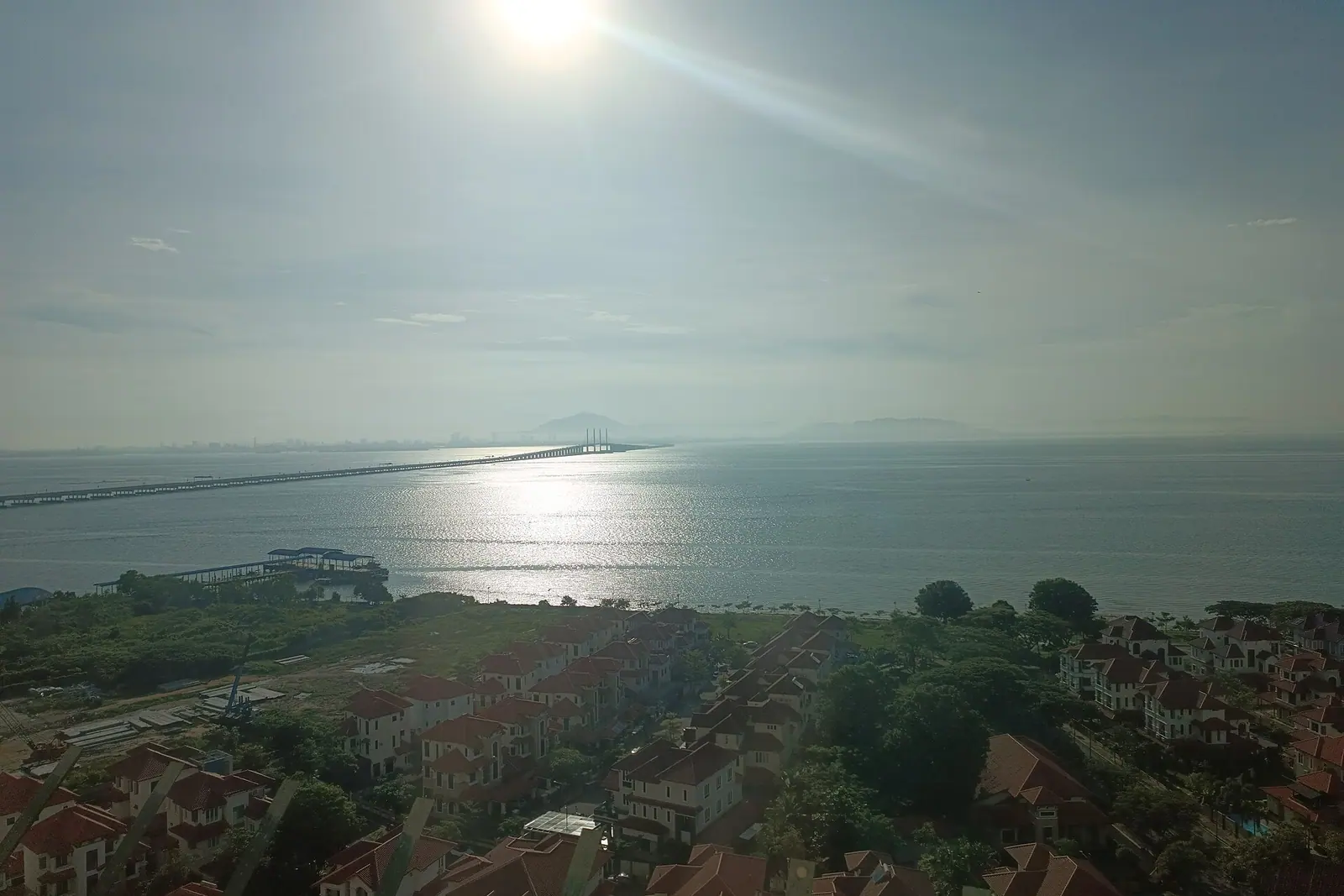
Malaysia doesn't have one travel season — it has two, split by the South China Sea. Get the timing right and you'll wake up to glassy water off the Perhentian Islands or dry, clear views from the Langkawi Sky Bridge; get it wrong and you'll be watching the northeast monsoon hammer a shuttered beach resort. Here's how the calendar actually works, and when to lock in your room.
The Short Answer: Two Monsoons, Two Very Different Holidays
Malaysia sits in a strange meteorological position: it gets rain all year, but the rain arrives on two separate schedules. From roughly November to February, the northeast monsoon drives heavy weather across the east coast of Peninsular Malaysia and eastern Sabah, while the west coast — Kuala Lumpur, Penang, Langkawi, Melaka — enjoys its driest, sunniest stretch. From about May to September, the pattern flips, with the milder southwest monsoon dampening the west coast while the east coast islands and Borneo's dive sites hit their best conditions.
In practice, that gives you two genuine sweet spots: late March to May, and September to early October. These shoulder windows deliver reasonable weather almost everywhere, thinner crowds and noticeably softer room rates than the school-holiday peaks. If your heart is set on a specific place rather than a specific date, work backwards from the destination: the Perhentian Islands and Tioman for March to October, Langkawi and Penang for December to March, Mount Kinabalu and Sipadan for March to September.
Also expect heat and humidity regardless of month — coastal Malaysia rarely dips below the mid-20s Celsius at night, and lowland afternoons regularly push past 32°C. Rain, when it comes, usually arrives as a violent afternoon downpour that clears within an hour or two rather than a washed-out day. Plan sightseeing for the morning and leave the middle of the afternoon free for a pool, a spa or a long lunch.
West Coast Dry Season: Kuala Lumpur, Penang, Melaka and Langkawi
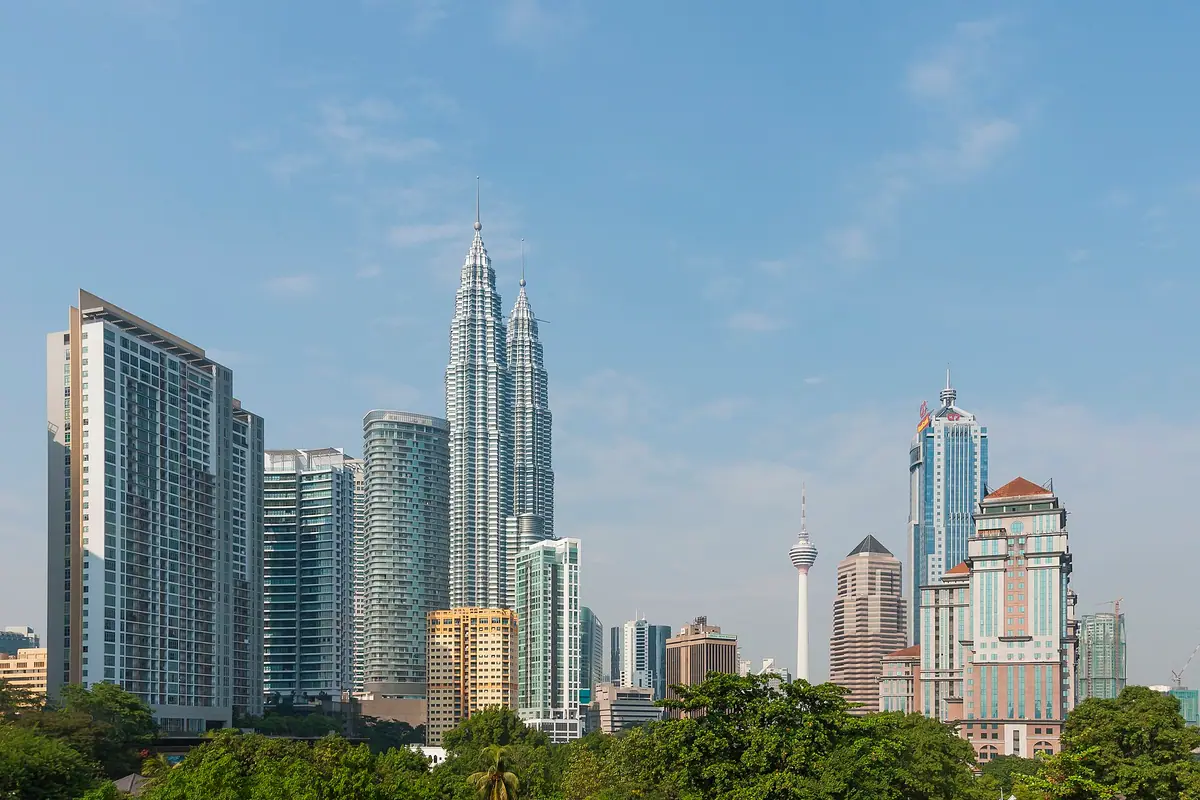
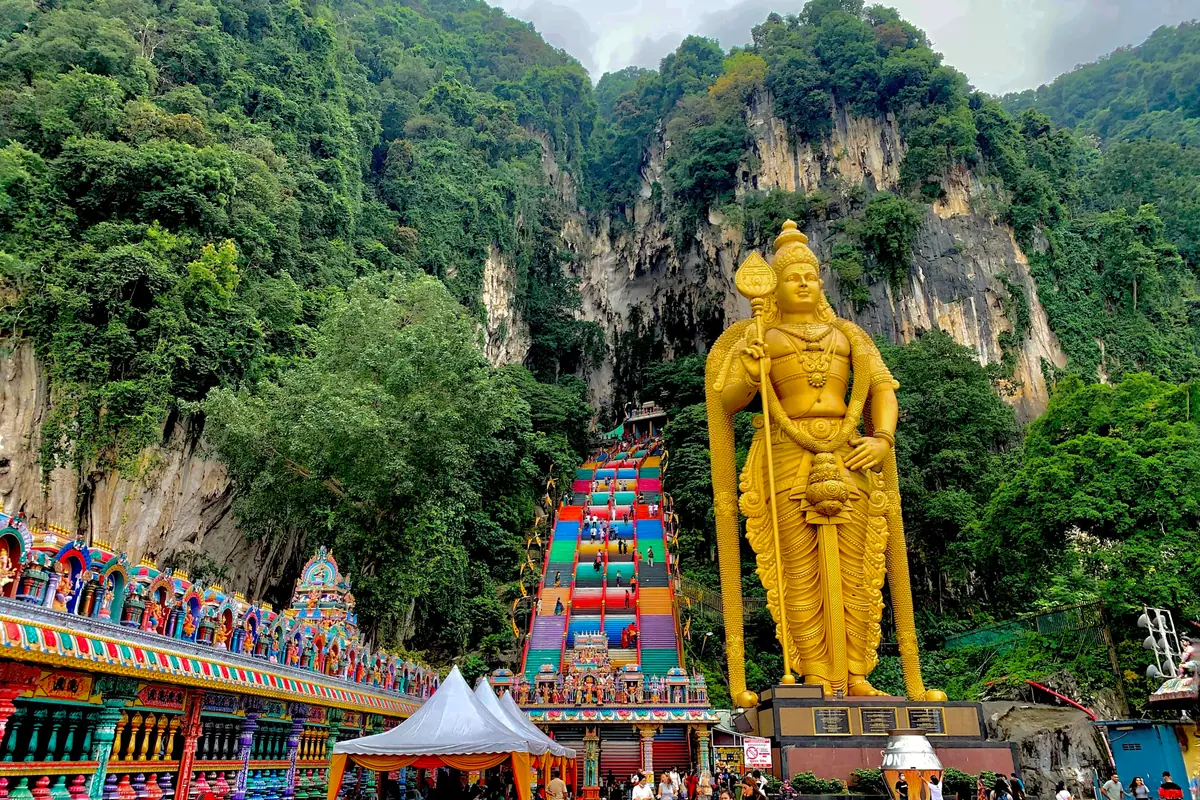
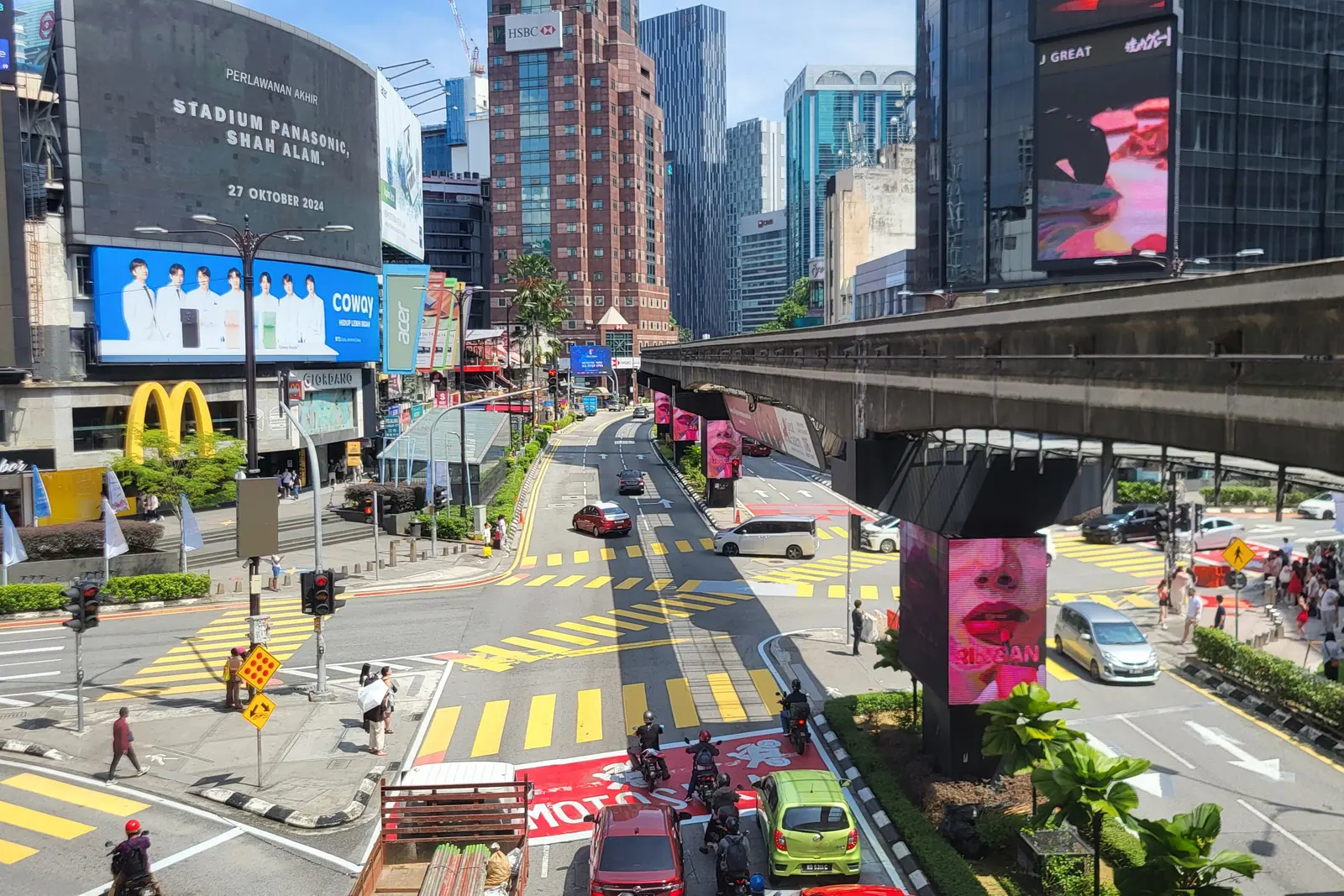
December through February is the west coast's golden window. In Kuala Lumpur, this means long spells of bright mornings ideal for the classic first-timer circuit: the Petronas Twin Towers and their KLCC park, the viewing deck at Menara KL Tower, the colonial facades around Dataran Merdeka and the Sultan Abdul Samad Building, and the 272 rainbow-painted steps of Batu Caves just north of the city. December and January also bring the heaviest crowds, so book city hotels early and use the light early hours to beat both heat and tour buses.
North of the capital, George Town in Penang rewards the same window. The UNESCO-listed old town, its clan jetties, the tiled courtyards of Khoo Kongsi and the hillside sprawl of Kek Lok Si Temple are best explored on foot in the drier months, with a cable-car ride up Penang Hill for the evening view. Further south, Melaka's Jonker Street night market, the ruins of A Famosa and the pink-tiled Christ Church are at their most pleasant in January and February, when the humidity finally relents a little.
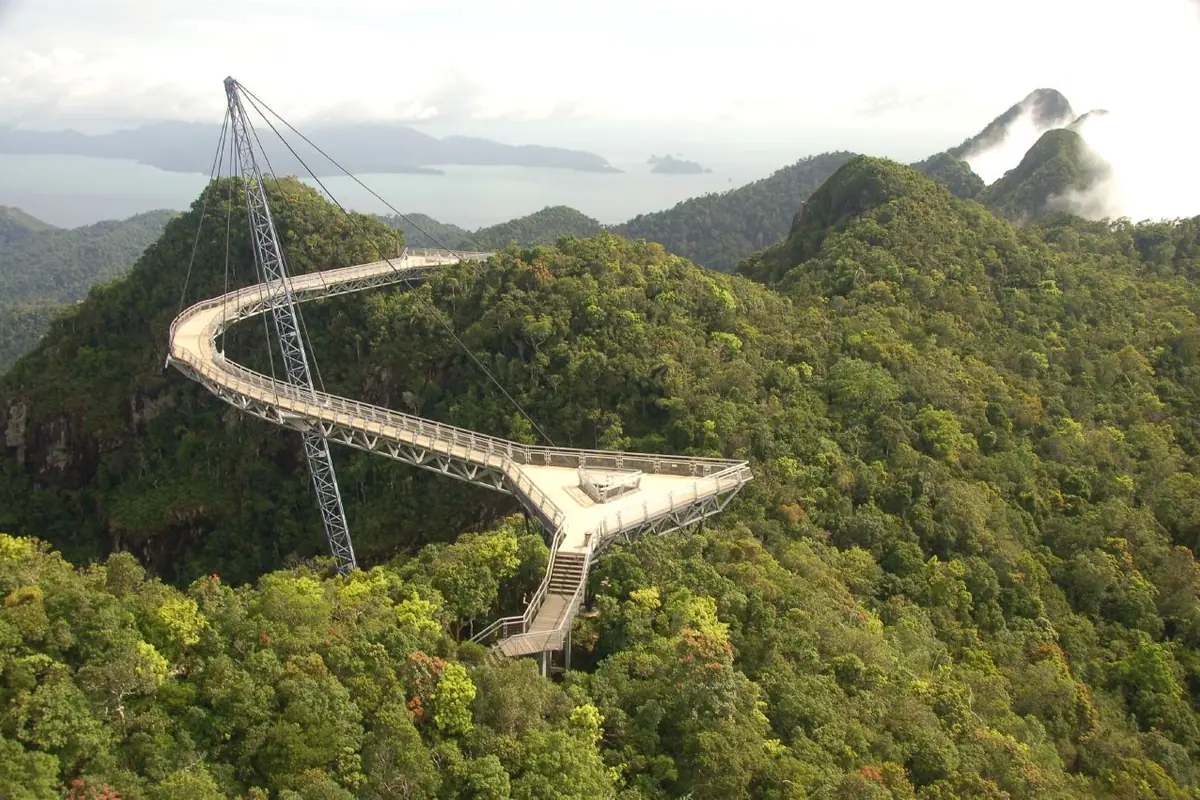
Langkawi, an archipelago off the northern coast, is driest from December to March — exactly when its headline attractions perform. The cable car to the Langkawi Sky Bridge and its vertiginous curved walkway, the mangrove channels of Kilim Karst Geoforest Park and the long, pale curve of Pantai Cenang all shine in this period. Inland, the cool hill stations offer a completely different climate: the Cameron Highlands tea plantations around Brinchang and Tanah Rata sit at 1,500 metres and stay pleasantly cool year-round, though the heaviest cloud tends to gather from October to December.
East Coast Islands and Borneo: When the Sea Opens Up
The east coast of Peninsular Malaysia runs on a dramatically different clock. The northeast monsoon from November to February brings rough seas and lashing rain, and most resorts on the Perhentian Islands, Redang and Kapas simply close for the season — some shut from late October until March. The window that matters is March to October, with April, May, June and September offering the cleanest water for diving and snorkelling. Tioman, further south, follows a similar pattern and offers turtle sightings and the quiet village atmosphere of Juara Beach.
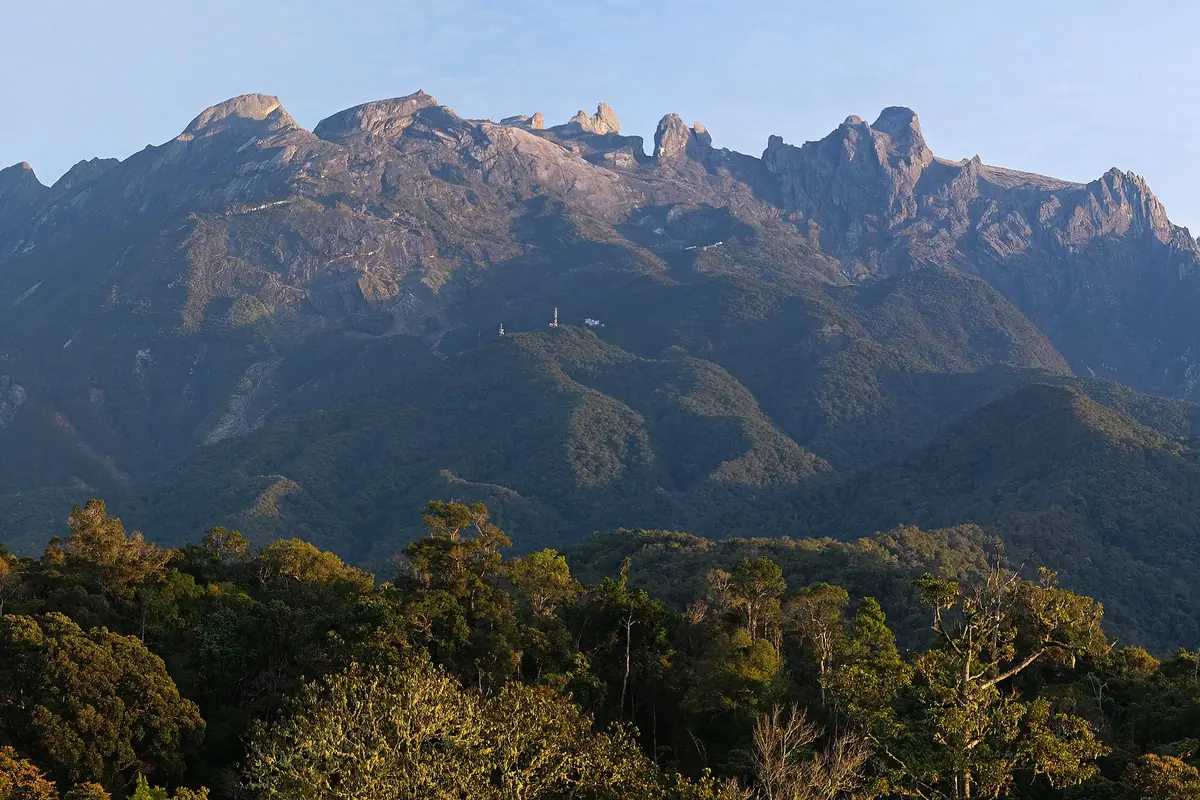
On Malaysian Borneo, the seasons divide again. Sabah, home to Mount Kinabalu, is best from March to September, when the summit trail is most likely to be clear and the coral gardens around Sipadan deliver their famous wall dives — permits are strictly limited, so plan months ahead. This is also when the orangutans at Sepilok and the wildlife-fringed Kinabatangan River are most easily reached, and when island-hopping around Tunku Abdul Rahman Park off Kota Kinabalu is at its calmest.
Sarawak is the exception that rewards the 'wrong' season. Kuching, the Bako National Park trails, the vast cave systems of Gunung Mulu National Park and the Niah Caves near Miri stay accessible year-round, though the wettest stretch runs from December to February. Rainforest lodges here are quiet, cheap and mistily atmospheric in the wet months, and the canopy walkways of Taman Negara in the peninsula — with its Bukit Teresek viewpoint — are likewise open all year, just muddier from November to January.
Festivals, School Holidays and the Rate Spikes You Should Dodge
Malaysia's calendar is dense with celebrations, and each one reshapes hotel availability. Chinese New Year, usually falling in late January or February, is the single biggest domestic travel event: Kuala Lumpur, Penang and Melaka hotels fill weeks in advance, and rates in George Town's heritage shophouses can double. Hari Raya Aidilfitri, which moves roughly eleven days earlier each year, triggers a similar nationwide exodus, with the east coast and highland resorts booked solid by families returning home.
Other dates worth knowing: Thaipusam, when hundreds of thousands converge on Batu Caves near Kuala Lumpur for a spectacular procession, sends city room rates upward for a few days around the full moon in January or February. Christmas and New Year are peak beach season on the west coast. The Kuala Lumpur night race weekend in September or October, Deepavali, and the November-December school break all push demand higher. Between these spikes, you can often find the same resort at a fraction of the price just a week either side.
One more factor: haze. From around June to October, smoke from land-clearing fires can drift over parts of the peninsula, occasionally muting views from the Petronas Towers or Penang Hill. It varies wildly year to year, but if clear skies matter for photography, aim for the first half of the year.
Which Hotels Fill First — And How Far Ahead to Book
Island resorts go first. The finite cluster of beach properties on the Perhentian Islands and Redang sells out months ahead for the June-to-August window, and because the season is short, there's little slack in the system — a booking three to five months out is sensible for a specific resort or villa category. Langkawi and Penang are more forgiving, but the best-positioned places, whether a clifftop villa near Pantai Cenang or a restored shophouse in George Town's core, still disappear two to three months before Christmas and Chinese New Year.
City hotels in Kuala Lumpur behave differently. With thousands of rooms across Bukit Bintang, KLCC and Bangsar, you can book a week or two ahead outside festival peaks and still find good value — but the handful of design-led boutique stays and heritage properties book out early, so identify the two or three you actually want and reserve as soon as flights are confirmed. In Borneo, the calculus shifts again: Mount Kinabalu park lodges, Kinabalu Park accommodation and Sipadan dive resorts operate on limited permits and beds, making six months a realistic lead time for March to September.
For rainforest lodges in Taman Negara, the Cameron Highlands and Sarawak's national parks, availability rather than price is the constraint. These are small properties, often with a dozen rooms, and they fill around long weekends and school breaks. Book directly with the property where possible, ask about transfer arrangements from the nearest town, and confirm whether the wet-season access road or boat schedule affects your dates.
A Practical Playbook: Length of Stay, Packing and Timing Your Days
A realistic first trip splits roughly like this: three to four nights in Kuala Lumpur for the towers, the caves and the food streets of Bukit Bintang; three nights in George Town or Melaka for heritage; four to five nights on a beach, whether that's Langkawi in January or the Perhentians in June; and five to seven nights in Borneo if you're adding Mount Kinabalu, Sepilok or a river safari. Trying to combine both coasts in one short trip is a common mistake — domestic flights eat half a day each time.
Pack for wet and dry simultaneously: quick-drying clothing, a light rain shell, reef-safe sunscreen, and shoes you don't mind soaking. Mosquito repellent matters in Taman Negara, Bako and along the Kinabatangan. For religious sites such as Batu Caves, Kek Lok Si or Melaka's Cheng Hoon Teng Temple, shoulders and knees should be covered, and shoes come off at the door.
Finally, think in half-days. Malaysian heat and monsoon rhythms make mornings the reliable window for temples, trails and viewpoints, with afternoons better suited to museums, markets or a hotel pool. That single habit will do more for your trip than any perfectly chosen month.
Frequently asked questions
What is the single best month to visit Malaysia?
There's no universal best month, but April and September come closest. April offers calm seas on the east coast islands, workable weather in Borneo and reasonable conditions on the west coast; September is excellent for the Perhentians, Redang and Sabah, though west-coast haze can appear. If you're prioritising Kuala Lumpur, Penang and Langkawi, aim for January or February instead.
Do hotels on Malaysia's east coast islands really close in the monsoon?
Many do. From roughly November to February, the northeast monsoon brings rough seas and heavy rain to the Perhentian Islands, Redang and Kapas, and most resorts shut entirely — some from late October until March. Tioman keeps more of its properties open, but ferry schedules thin out and diving conditions deteriorate. The reliable season runs March to October.
Why is it so hard to get a hotel room during Chinese New Year and Hari Raya?
Both are nationwide homecoming periods, when millions of Malaysians travel to see family. City hotels in Kuala Lumpur, Penang and Melaka, plus highland and beach resorts, fill weeks ahead and rates rise sharply. Book two to three months in advance if your dates overlap either festival, and expect higher minimum-stay requirements at beach properties.
How far ahead should I book a hotel in Borneo for Mount Kinabalu or Sipadan?
Much further than most people expect. Summit accommodation on Mount Kinabalu and dive resorts serving Sipadan operate on limited permits and beds, so four to six months ahead is realistic for the March-to-September window. Rainforest lodges in Sarawak and Taman Negara are smaller still, so lock those in as soon as your flights are fixed.
Is the rainy season a bad time to visit Malaysia?
Not at all — it's simply a matter of location. When the northeast monsoon soaks the east coast from November to February, the west coast is in its driest, sunniest stretch, and Sarawak's national parks remain open with lush, quiet rainforest and lower room rates. Rain typically falls in intense afternoon bursts rather than all day, so plan outdoor sightseeing for the morning.
Sort the rest of your trip
Everything for Malaysia, in one place
Transfer in Malaysia
Private driver waiting on arrival — no queues, no surprises.
Book a transfer
Things to do in Malaysia
Skip-the-line tickets, guided tours and standout experiences.
See experiences
Stay online in Malaysia
Travel eSIM — data the moment you land, no roaming bills.
Get an eSIMMore guides in Malaysia
Best Places to Visit in Malaysia: Twin Towers, Temples, Rainforest and Reef

Top Things to Do in Malaysia: Landmarks, Islands and Wild Borneo
A One-Week Malaysia Itinerary by Flight: Kuala Lumpur, Penang and Langkawi

Malaysia Food and Culture Tours: Local Experiences Worth Planning Around
Where to Stay in Kuala Lumpur: The Best Neighbourhoods for Every Kind of Trip