Vancouver squeezes an ocean, a rainforest, a mountain range and a genuinely cosmopolitan downtown into a peninsula you can cross on foot in half an hour. That compactness is what makes it such an unusually good weekend city — but it also means the hotel you choose shapes your trip far more than in a sprawling metropolis. Pick the right pocket of the city and you can spend your two days walking, ferrying and cycling instead of commuting.
Start With the Neighbourhood, Not the Room
Most first-time visitors assume they should book by star rating and price. In Vancouver, it pays to book by geography first. The city's core sits on a peninsula wrapped by Burrard Inlet to the north and False Creek to the south, with Stanley Park anchoring the western tip. Almost every hotel worth considering for a weekend lies somewhere on that peninsula or just across the water in North Vancouver, which changes the character of your stay more than a bigger room or a nicer lobby ever will.
The distances are genuinely small. Stanley Park, the seawall, the aquarium, the markets on Granville Island and the heritage blocks of Gastown are all reachable from a downtown base in under thirty minutes on foot, by bike or on a short ferry hop. Even the outliers — Kitsilano's beaches, the brewery-lined streets of Mount Pleasant, the Italian cafés of Commercial Drive — sit ten to twenty minutes away by transit. If you are arriving by air, the airport lies south in Richmond and connects to the downtown waterfront in roughly twenty-five minutes on the rapid transit line, so no base is inconvenient on arrival day.
One caveat: Vancouver's downtown east side has a concentrated area of street-level social issues around Main and Hastings. Hotels there are cheaper for a reason, and while the area is not off-limits, most weekend visitors are happier a few blocks west or south. Ask yourself whether you want harbour views, heritage brick or a residential street with a bakery downstairs — then let that answer pick your postcode.
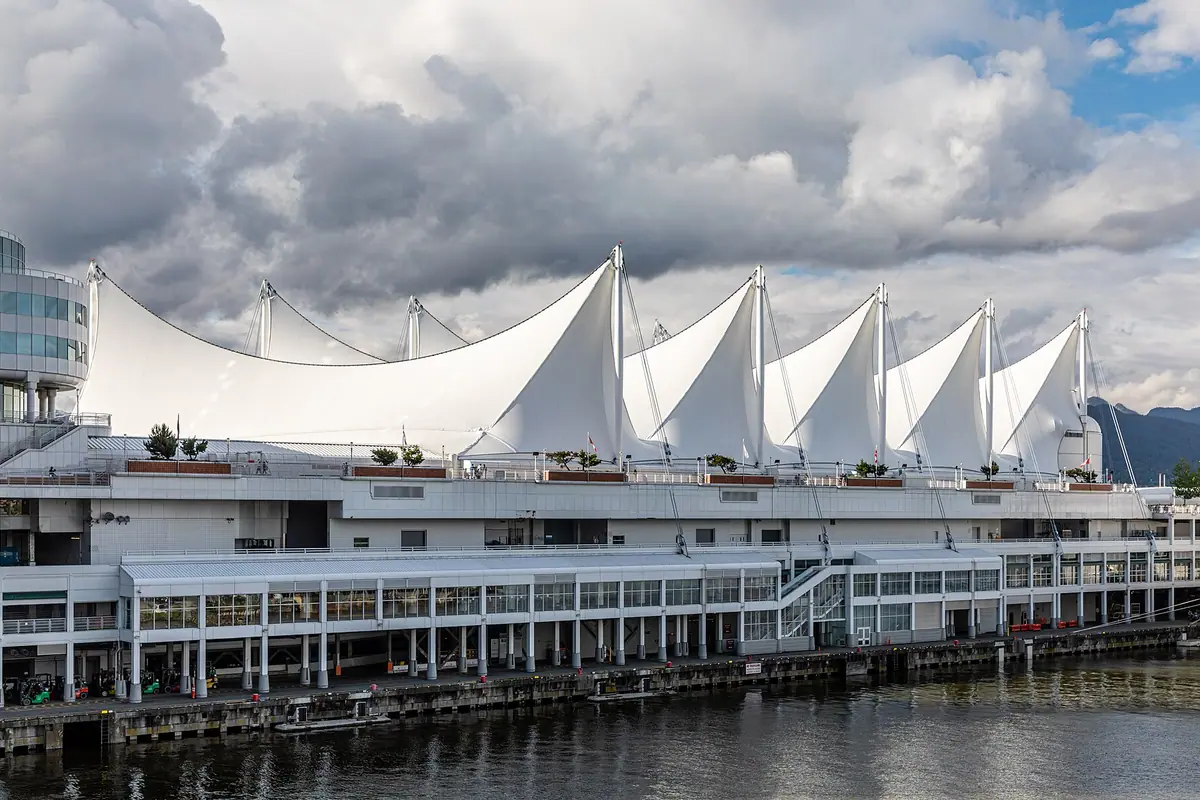
Coal Harbour, Downtown and the West End: Views and Walkability
If your mental image of Vancouver involves glass towers reflecting mountains across a marina, this is the neighbourhood that delivers it. Coal Harbour runs along the northern edge of downtown, where seaplanes buzz in and out and the seawall path curls west toward Stanley Park. Hotels here lean large and polished, with floor-to-ceiling windows facing either the inlet and North Shore mountains or the city skyline. Harbour-facing rooms cost noticeably more, and on a clear summer evening the premium is honestly worth paying once — the light on the water at sunset is the city's signature postcard.
Just south, the commercial spine of Robson Street gives you shopping, casual restaurants and easy access to the art gallery district. The West End, wedged between downtown and Stanley Park, is the sleeper choice: a dense residential grid of low-rise apartment blocks, small boutique properties and guesthouses on quiet, tree-lined streets. You get the same walkability with less traffic noise and better coffee, and English Bay's sunset beach is a five-minute stroll away.
Denman Street, running through the heart of the West End, is where you'll find inexpensive sushi, ramen, gelato and late-night slices — handy when you roll in tired on a Friday night and don't want a production out of dinner. For a weekend built around Stanley Park's 9-kilometre seawall loop, the beaches and the aquarium, this corner of the city is hard to beat.
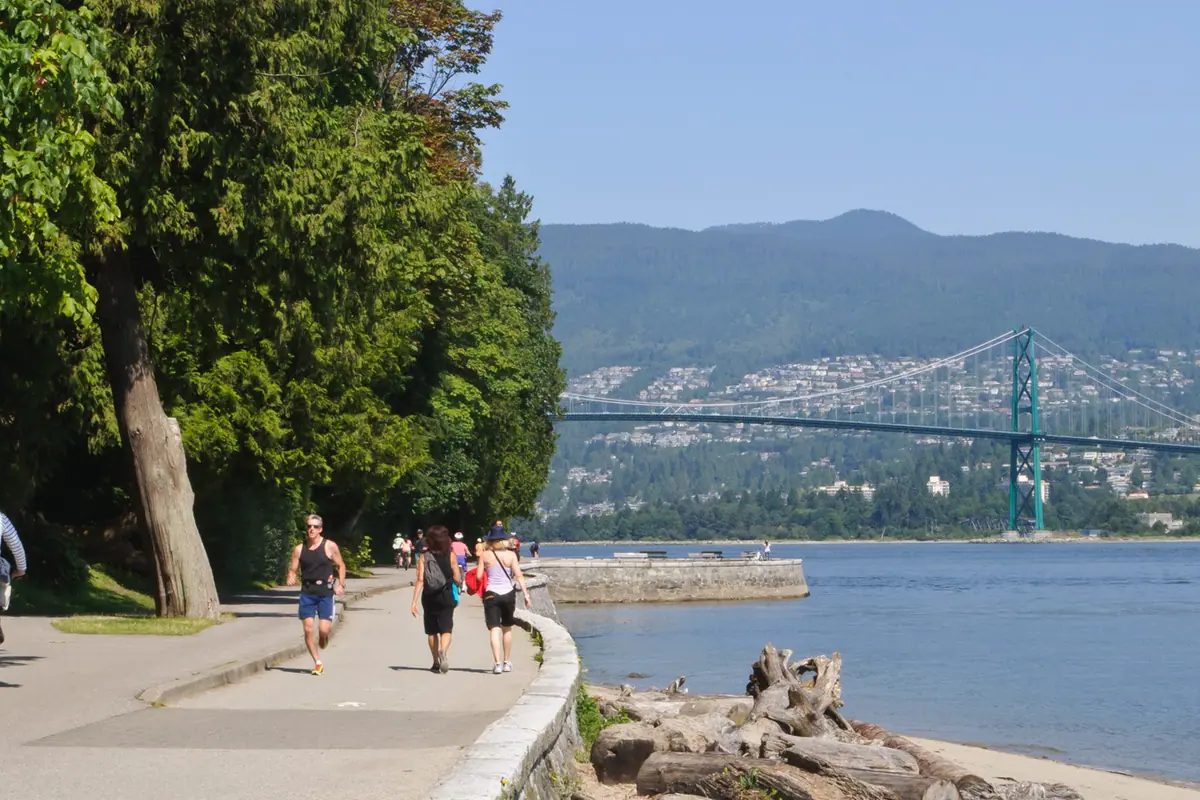
Yaletown and Gastown: Lofts, Cobblestones and Late Plates
Yaletown occupies a cluster of converted brick warehouses on the south edge of downtown, above False Creek. The hotels here tend toward design-led boutique properties with exposed beams and industrial windows, and the neighbourhood's restaurant density is the highest in the city — small plates, wine bars, cocktail rooms, all within a few blocks. The big practical perk is the location: you're steps from the False Creek seawall and the little passenger ferries that chug across to Granville Island, which makes a car-free Saturday almost automatic.
Gastown, at the northeast corner of downtown, is the oldest part of the city: cobblestones,Victorian brick, a steam clock that draws a small crowd every quarter hour, and a mix of independent boutiques and cocktail bars. Staying here puts you in the middle of Vancouver's nightlife, which is either the main attraction or a caution depending on your sleep schedule. Rooms directly above a busy bar can stay loud past midnight on weekends — ask for a higher floor or a room facing away from the street. Chinatown and the classical Chinese garden are a short walk east, and the rapid transit line to the airport and suburbs stops nearby.
Between the two, Yaletown suits couples and anyone who wants a quiet-ish building with a serious food scene on the doorstep; Gastown suits travellers who plan to be out late and like waking up to heritage architecture and a good bakery.
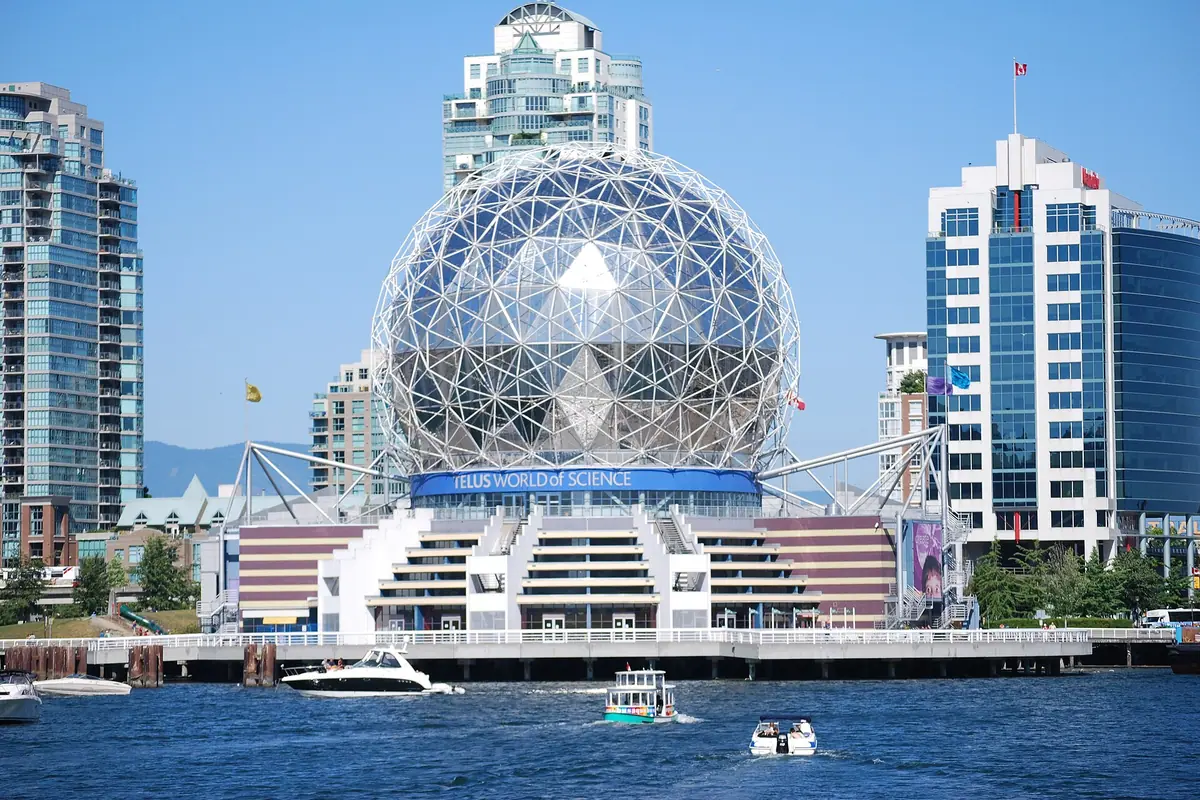
Kitsilano, Mount Pleasant and Commercial Drive: The Local Side
Cross False Creek to the south and west and the hotels thin out, replaced by small inns, guesthouses and a handful of boutique properties. Kitsilano is the classic choice: a beach neighbourhood with a heated outdoor saltwater pool, volleyball courts, and a view back across English Bay to the downtown skyline. Broadway and West 4th Avenue supply the cafés and shops, and downtown is a fifteen-minute drive or a straightforward bus ride away. It's the pick for anyone who'd rather start the morning with a run along the sand than a stroll past a conference centre.
Mount Pleasant, just south of the Olympic Village, has quietly become the city's brewery district, with taprooms clustered along Main Street and a young, unpretentious food scene. Staying here gives you quick access to the seawall on one side and the restaurants of Main Street on the other, and downtown is two or three rapid transit stops away. Commercial Drive, further east, keeps its Italian and Latin American roots — espresso bars, cheese shops, cheap and excellent eats — and is the most affordable base of the three, at the cost of a slightly longer hop into the centre.
All three areas reward a slightly different weekend: Kits for beaches and cycling, Mount Pleasant for beer and brunch, Commercial Drive for budget travellers who want to feel like they're living in the city rather than visiting it.
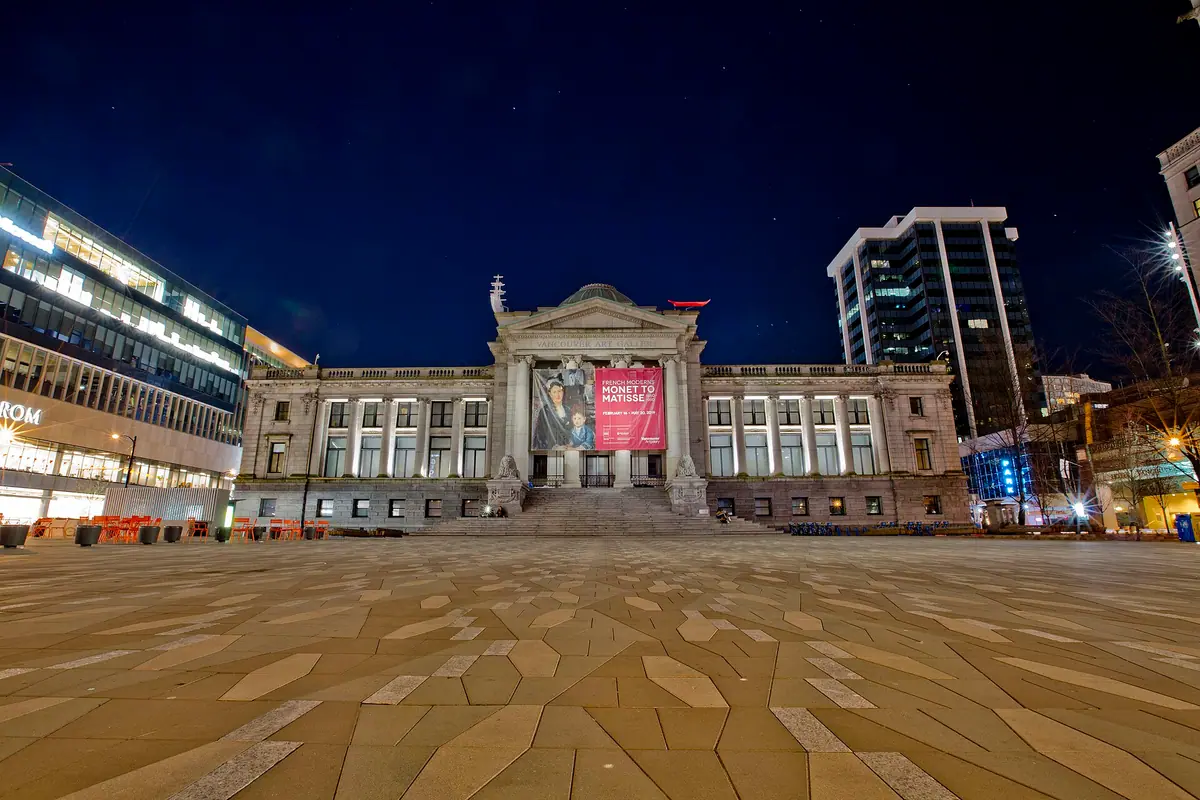
When to Go, and What It Does to Room Rates
Vancouver has a reputation for rain, and it's only half deserved. July and August are reliably dry, warm and bright, which is also when the city is at its busiest — cruise season, festival season and summer holiday crowds all collide. Expect the year's highest rates and book two to three months ahead if you want a specific property or a harbour view. Late May, June and September are the sweet spot: long daylight, mild temperatures, gardens in full flower, and noticeably calmer hotels.
Spring arrives spectacularly. From late March into April, tens of thousands of ornamental cherry trees bloom across the city, with the best displays in the West End, Fairview and the residential streets around Queen Elizabeth Park. Rain is common but rarely all-day, and rates stay moderate. Autumn brings crisp air, golden foliage in Stanley Park and a good chance of clear mountain views before the grey settles in.
From November through February, expect short days, near-constant drizzle at sea level and the cheapest rooms of the year — outside the December holiday weeks. This is ski season on the North Shore, where three local mountains offer night skiing within half an hour of downtown; some hotels run winter shuttles, so ask before booking if that's your plan. Whenever you visit, weekends carry a premium over weeknights, and Sunday nights are usually the softest of the week.
A 48-Hour Weekend Built Around Your Hotel
Arrive Friday afternoon, drop your bags and walk the seawall west from Coal Harbour or Yaletown to English Bay — roughly an hour at an easy pace, with mountains on one side and freighters on the other. Eat somewhere unpretentious on Denman or in Gastown, and be asleep by eleven; you'll want the early start. Saturday is the big day: rent a bike and ride Stanley Park's 9-kilometre loop (allow two hours with stops at Prospect Point and the totem poles), then take the little ferry across False Creek to Granville Island for the public market, where you can assemble a picnic from cheese, bread and whatever's in season.
Spend Saturday evening in Gastown or Yaletown. If you have the energy and the weather cooperates, swap in an afternoon on the North Shore instead — the suspension bridge and the gondola up Grouse Mountain are each a half-day trip, and the views back over the city justify the ticket. Sunday morning, pick your neighbourhood: brunch and the beach in Kitsilano, the conservatory and quarry garden at Queen Elizabeth Park, or the brewery taprooms of Mount Pleasant before an afternoon flight.
A few practical things make the weekend run smoother. Buy a reloadable transit card at the airport station — it covers trains, buses and the SeaBus. Parking downtown is expensive and mostly unnecessary, so skip the rental car unless you're heading to Whistler or the mountains. And pack a light rain shell in every season except high summer: Vancouver's weather changes its mind quickly, and the locals simply ignore it and keep walking.
Frequently asked questions
Which neighbourhood is best for a first weekend in Vancouver?
For most first-timers, Coal Harbour, downtown or the West End gives the best combination of walkability, harbour and mountain views, and quick access to Stanley Park. Choose Gastown or Yaletown if nightlife and restaurants matter most, and Kitsilano or Mount Pleasant if you'd rather stay in a quieter, more residential pocket a short transit ride from the centre.
Do I need a car for a Vancouver weekend?
No — and downtown parking is expensive enough that you'll be glad you skipped it. The rapid transit line from the airport reaches the waterfront in about twenty-five minutes, buses and the SeaBus cover most visitor sights, and the seawall, Stanley Park and Granville Island are best explored on foot, by bike or on the small False Creek ferries. A car only becomes worthwhile for day trips to Whistler or further up the Sea-to-Sky corridor.
When is the best time to visit Vancouver for weather and value?
Late May, June and September offer the best balance: long days, mild temperatures, lower rainfall than winter and less crowding than July and August, which are the driest and most expensive months. Late March and April bring the cherry blossoms, while November to February is the cheapest stretch apart from the December holidays, with rain at sea level and skiing on the North Shore mountains.
How far is the airport from downtown hotels?
The airport sits south of the city in Richmond, roughly twenty-five minutes from the downtown waterfront on the rapid transit line, which runs frequently from early morning until late evening. A taxi or rideshare takes a similar amount of time in normal traffic, longer during weekday rush hours. If you land late, check your hotel's reception hours before choosing a smaller guesthouse over a staffed property.
Is it worth paying extra for a harbour-view room?
On a clear evening, yes — the view across Burrard Inlet to the North Shore mountains is the city's defining image, and a room facing the water turns a standard stay into something memorable. If your budget is tight or the forecast is grey, save the money and take the free version instead: the seawall path along Coal Harbour and the benches at English Bay show you the same scenery for nothing.
Sort the rest of your trip
Everything for Vancouver, in one place
Transfer in Vancouver
Private driver waiting on arrival — no queues, no surprises.
Book a transfer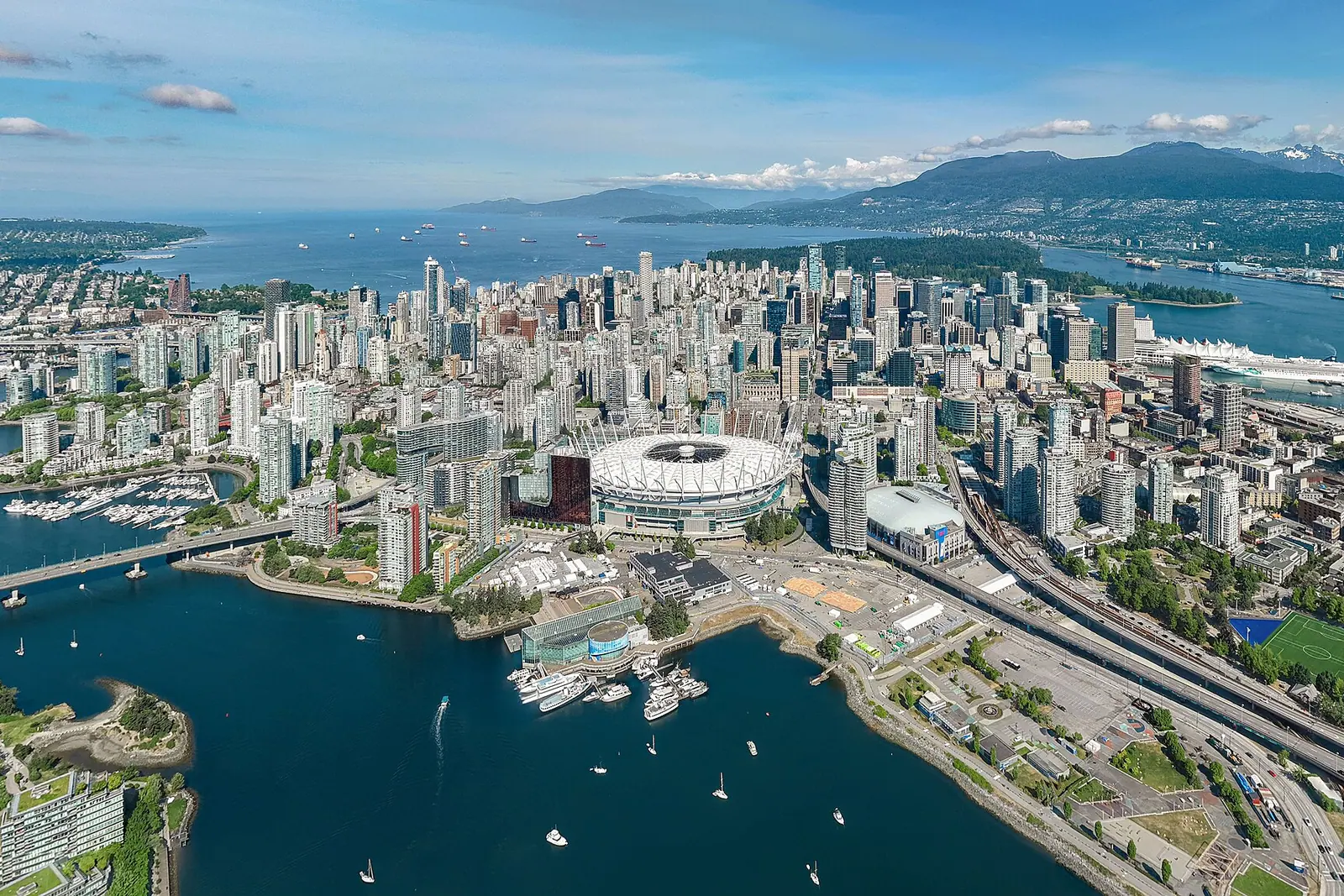
Things to do in Vancouver
Skip-the-line tickets, guided tours and standout experiences.
See experiences
Stay online in Canada
Travel eSIM — data the moment you land, no roaming bills.
Get an eSIMMore guides in Canada

Where to Stay in Canada: Top Cities, Hotels and Must-See Attractions

Canada in One Week by Flight: A 7-Day Itinerary From Coast to Rockies

Best Places to Visit in Canada: Iconic Attractions and Unmissable Experiences Coast to Coast
3 Days in Toronto: A Fly-In Itinerary From Landing to Skyline
