Canada is not one climate but half a dozen stitched together, so the best time to visit depends entirely on whether you want powdered ski runs above Banff, tulips along Ottawa's canal, or the northern lights crackling over a frozen lake. Hotel rates swing harder here than almost anywhere, and timing your stay well can mean the difference between a quiet lakeside room and a sold-out town.
How Canada's Seasons Shape Hotel Prices and Availability
Think of the Canadian year as three overlapping travel seasons rather than four tidy ones. High summer runs from late June through the first week of September, when families descend on Banff, Lake Louise, Whistler and the Atlantic coast. Ski season begins around mid-December and thins out in early March, with a Christmas-to-New-Year spike that is the single most expensive week in the mountain towns. Everything else — roughly late April to mid-June, and October into early December — is shoulder season, when city hotels drop noticeably and resort villages can feel almost abandoned.
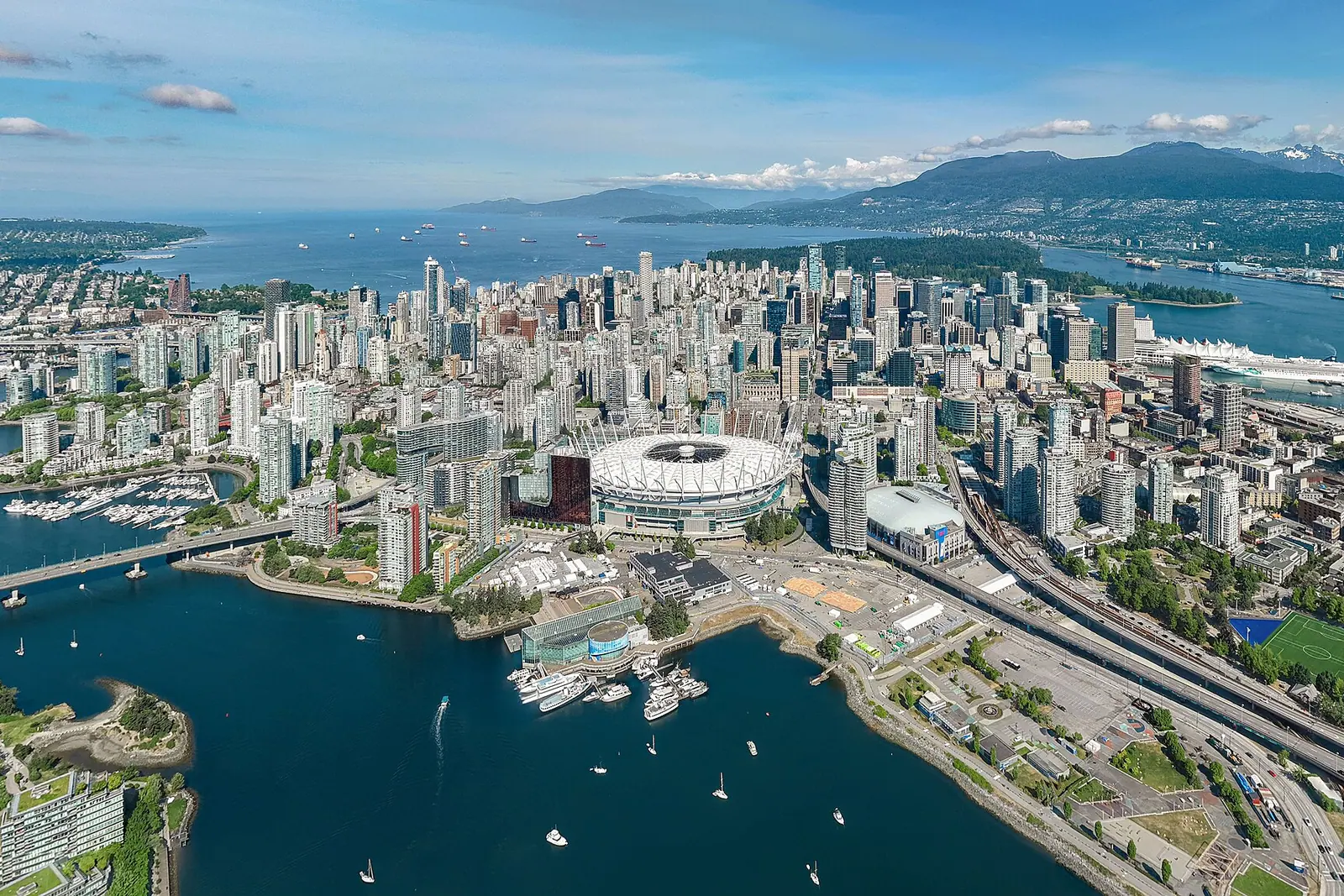
Geography matters as much as the calendar. Vancouver and Victoria on the Pacific coast are mild and damp through winter, with cherry blossoms in late March and the driest, sunniest weather from June to September. The prairie cities of Calgary, Edmonton and Winnipeg swing between humid 30°C summers and brutal, wind-scoured January cold. Québec and Ontario get four proper seasons, while the territories — Yukon, Northwest Territories and Nunavut — offer aurora skies and true Arctic conditions from autumn onward.
Practically speaking, book summer accommodation in the Rockies and Newfoundland four to six months ahead, and lock in Christmas or New Year ski dates as early as you reasonably can. Spring and autumn city stays can often be reserved a few weeks out without pain. If your dates are flexible, the sweet spot for value and decent weather is usually the second half of September, when the crowds retreat but the landscapes are still green and golden.
Winter (December to February): Ice Skating, Ski Hills and Aurora Nights
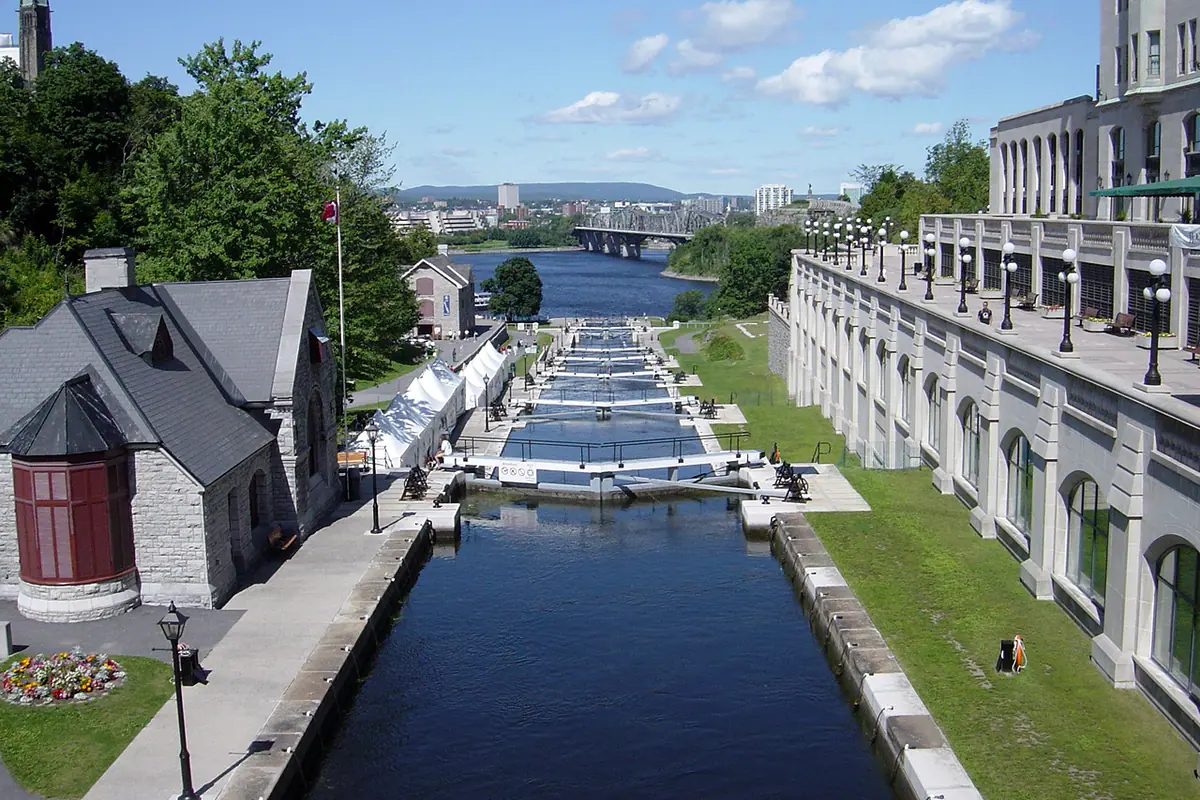
Winter is Canada at its most theatrical. In Ottawa, the Rideau Canal freezes into the world's largest natural skating rink, usually opening in January and running to early March, with skaters gliding past Parliament Hill and steaming cups of hot chocolate at the edge. Québec City hosts its Winter Carnival in late January and early February, complete with ice palaces and canoe races across the semi-frozen St. Lawrence, while Old Québec's Dufferin Terrace becomes a sledding run beneath the turrets of the old château.
Skiers and snowboarders head for Whistler, Banff's Sunshine and Lake Louise, Mont-Tremblant in the Laurentians, and the powder fields around Revelstoke and Jasper. Expect two- to five-night minimum stays over the holidays, peak rates from Christmas through early January, and lift-access lodges that sell out months in advance. Away from the slopes, Yellowknife and Whitehorse deliver some of the clearest aurora viewing on earth, with late August to mid-April offering good odds and the equinox weeks in September and March particularly strong.
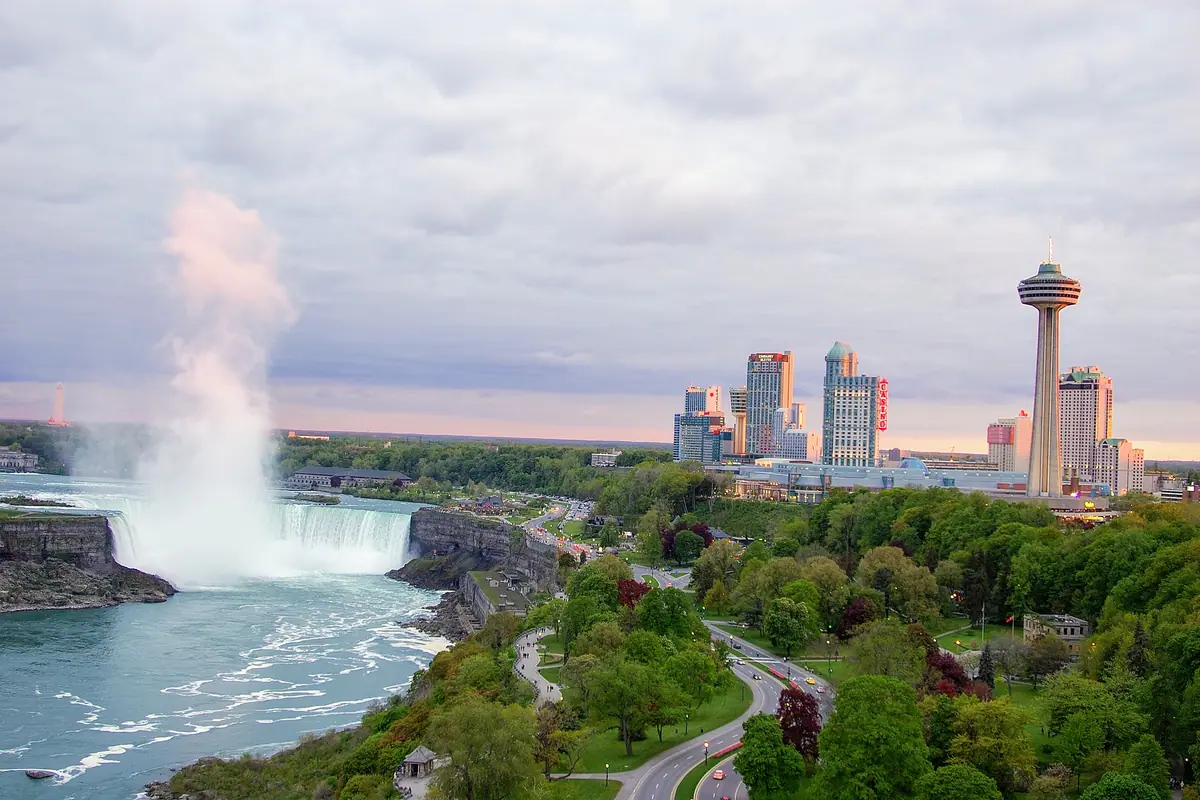
Pack for real cold: layered wool, insulated boots, gloves and a hat are non-negotiable from Winnipeg eastward. Daytime temperatures of -15°C to -25°C are normal in January across the interior, and daylight is short — around eight hours in Toronto, far less in the far north. The payoff is fewer tourists, lower city hotel rates outside ski resorts, and landscapes of frosted spruce and frozen waterfalls at places like Johnston Canyon and Niagara Falls, where the mist turns to ice sculptures.
Spring (March to May): Tulips, Blossoms and Shoulder-Season Bargains
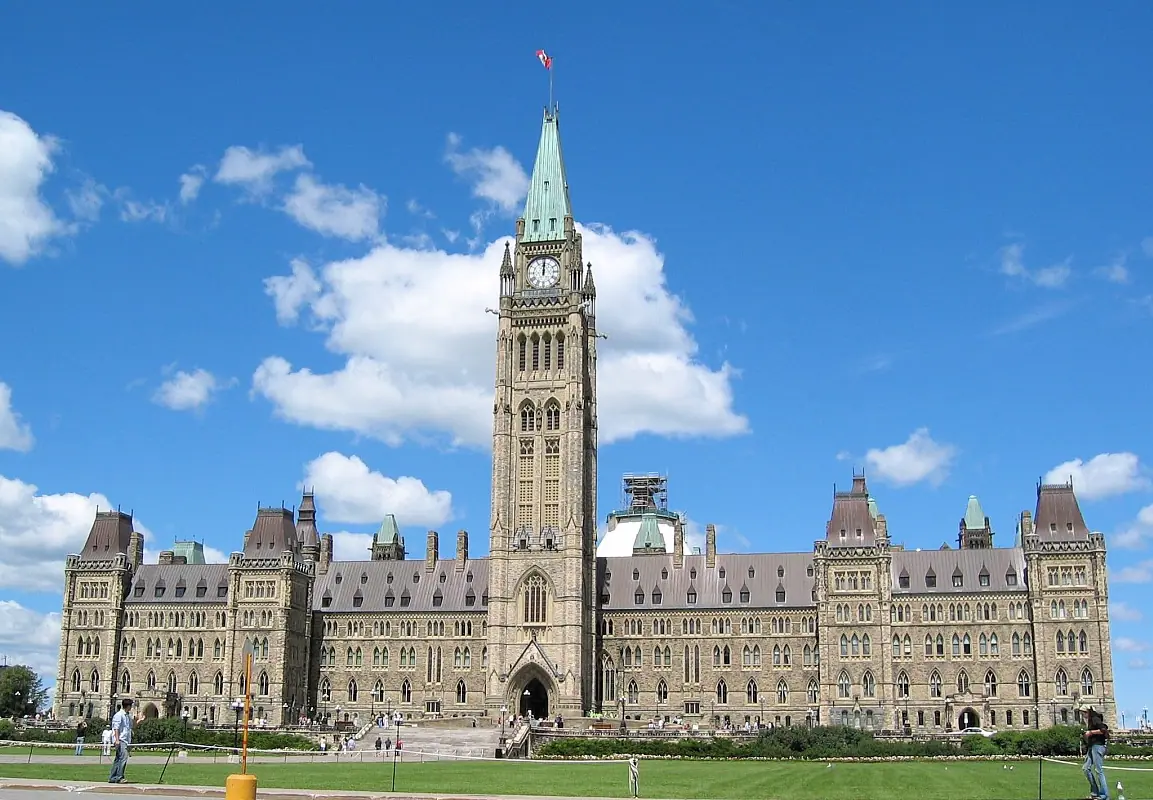
Spring arrives at wildly different speeds depending on where you stand. Vancouver and Victoria bloom first, with cherry blossoms carpeting residential streets from late March into April and Butchart Gardens beginning its bulb display. Ottawa follows in May with the Canadian Tulip Festival, when millions of tulips are planted along the Rideau Canal and around Parliament Hill, and Montréal's Old Port and Plateau neighbourhoods shake off winter over a long, café-filled April.
This is also the great bargain window. City hotels in Toronto, Montréal and Vancouver often sit at their cheapest from late March to mid-May, and you can usually book within a few weeks of travelling. On the Atlantic coast, whale watching begins in the Bay of Fundy and the Saguenay–St. Lawrence Marine Park from late May, when humpbacks, fin whales and minkes return to feed.
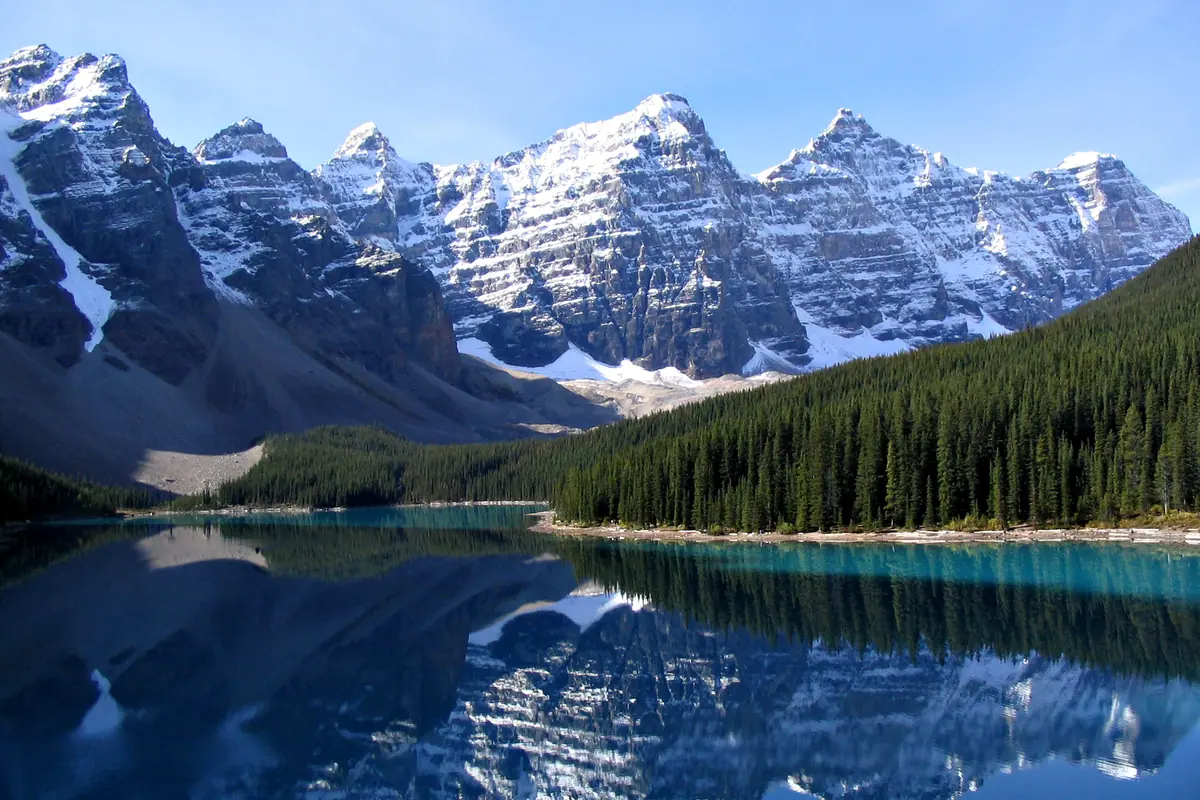
In the mountains, spring is a mud-and-ice season: Lake Louise typically stays frozen into late May or early June, and the road to Moraine Lake generally doesn't open until the end of May. Hiking trails above 2,000 metres are still snowbound, so plan valley walks, gondola rides and hot springs instead. If you want the Rockies without the crowds, early June is a quietly excellent compromise — waterfalls run fat with meltwater, wildlife is active, and rates haven't yet jumped to summer levels.
Summer (June to August): Peak Season in the Rockies and on the Coast
Summer is when Canada delivers its postcard images. In Banff National Park, the turquoise water of Lake Louise and Moraine Lake reaches full colour by late June, the Icefields Parkway to Jasper becomes one of the world's great drives, and the Columbia Icefield lets you walk on ancient ice. Farther east, Niagara Falls thunders at full volume, the CN Tower and Toronto Islands fill with visitors, and Algonquin Provincial Park offers canoe routes and moose sightings at dawn.
On the east coast, Gros Morne National Park in Newfoundland and the Cabot Trail in Cape Breton hit their stride, while Peggy's Cove and the Bay of Fundy's record tides draw steady crowds. Calgary empties its hotels during the Stampede in early July, and festivals fill Montréal, Toronto and Vancouver all season. Book three to six months ahead for anything inside a national park; lodges in Lake Louise, Jasper and Waterton regularly sell out entirely for July and August.
Two cautions are worth knowing. Interior British Columbia and Alberta can see wildfire smoke in July and August, so build flexibility into mountain itineraries and consider late June or early September for clearer skies. And summer heat in central Canada is genuinely humid — Toronto and Montréal can push past 30°C with the humidex. Coastal British Columbia, by contrast, stays mild and dry, making Vancouver, Tofino and Victoria comfortable from June right through September.
Autumn (September to November): Fall Colours, Polar Bears and Empty Cities
Autumn is arguably Canada's most beautiful season and its most underrated for hotel value. The maple display sweeps southward through September and October: the Laurentians and Charlevoix peak in late September, Algonquin Provincial Park and the Agawa Canyon in northern Ontario usually hit their best colour in the first two weeks of October, and the Cabot Trail in Nova Scotia follows shortly after. Even the Rockies turn golden with larch trees in late September, though nights get cold fast.
Wildlife takes centre stage in the north. Churchill, Manitoba, becomes the polar bear capital of the world from October into November, when bears gather on the tundra near Hudson Bay before the ice forms, and tundra vehicles run daily. In the Okanagan Valley of British Columbia, the grape harvest runs through September and October, with tasting rooms and lakeside hotels at their most pleasant.
By November, most of the country goes quiet. City hotels in Toronto, Montréal and Vancouver drop to near-annual lows, museums and restaurants are uncrowded, and you can often book the same day. What you sacrifice is daylight and mood — November is grey, damp and dark, and many mountain attractions and boat tours have already shuttered for the season. Late September and early October, by contrast, combine warm days, vivid foliage and rates that sit well below summer peaks.
Matching Your Dates to the Right Region
Because the country is so vast, the smartest approach is to choose your region first and your month second. For the Pacific coast — Vancouver, Victoria, Whistler, Tofino — aim for June to September, when Stanley Park, Butchart Gardens and the Sea-to-Sky Highway are at their best. For the Rockies, July and August deliver accessible alpine hiking, while late January and February suit skiers chasing dry powder around Banff, Lake Louise and Jasper.
Central and eastern Canada reward late spring through early autumn. Québec City and Montréal are glorious from June to October, with Old Québec's cobbled lanes, the Château and Notre-Dame Basilica especially lovely in September. The Atlantic provinces are best from July to early October, though September sits in hurricane season, so keep an eye on forecasts if you're driving the Cabot Trail or exploring Gros Morne.
Finally, the north operates on its own clock. Aurora season in Yellowknife and Whitehorse runs from late August to mid-April, with winter offering the darkest skies but the harshest cold. Beluga whales fill the Churchill River in July and August, polar bears take over in October and November, and the Calgary Stampede in early July remains the prairie's biggest hotel-filling event. Whichever window you pick, reserve park accommodation early, keep one flexible buffer day, and let the season — not the discount — decide where you sleep.
Frequently asked questions
What is the cheapest time to book a hotel in Canada?
November and the first half of December are typically the quietest and cheapest weeks for city hotels in Toronto, Montréal and Vancouver, followed by late April and early May. Ski resorts drop their rates sharply from late March through June, and even Banff and Lake Louise offer better value in May and early June before summer pricing kicks in. Avoid the Christmas-to-New-Year week and any weekend that collides with a major festival.
When is the best time to see the northern lights in Canada?
Aurora season runs from late August to mid-April in Yellowknife, Whitehorse and Churchill, with the September and March equinoxes often producing the strongest displays. Plan at least three or four nights in one place to allow for cloud cover, and choose a lodge away from town lights. Winter nights are longest and darkest, but temperatures can drop below -30°C, so proper expedition clothing matters.
How far ahead should I book hotels in Banff and Lake Louise for summer?
Four to six months ahead is realistic for July and August, and earlier if you want lakefront or view rooms at Lake Louise, Moraine Lake or Jasper. Christmas, New Year and the first week of July fill up fastest, sometimes a year out. If you're booking late, look at Canmore, Banff's neighbouring town, or consider early June and late September, when availability opens up considerably.
What is the best time for fall colours in Canada?
The maple display moves south through the season. The Laurentians and Charlevoix in Québec usually peak in late September, Algonquin Provincial Park and northern Ontario in the first half of October, and Nova Scotia's Cabot Trail and southern Ontario shortly after. In the Rockies, larch trees turn gold in late September. Book early for the first two weeks of October, when weekend rooms near the best viewing drives sell out.
Is winter a good time to visit Canada?
Yes, if you embrace the cold. Ottawa's Rideau Canal Skateway, Québec City's Winter Carnival, and the ski resorts of Whistler, Mont-Tremblant and Banff are all at their best from January to early March. Expect short daylight hours, temperatures from -5°C on the coast to -25°C inland, and holiday-week hotel rates that are the highest of the year. Outside ski towns, city hotels are often cheaper in winter than in summer.
Sort the rest of your trip
Everything for Canada, in one place
Transfer in Canada
Private driver waiting on arrival — no queues, no surprises.
Book a transfer
Things to do in Canada
Skip-the-line tickets, guided tours and standout experiences.
See experiences
Stay online in Canada
Travel eSIM — data the moment you land, no roaming bills.
Get an eSIMMore guides in Canada

Canada Food, Culture and Local Experiences: A Tour Guide to the Real Country

Where to Stay in Canada: Top Cities, Hotels and Must-See Attractions

Canada in One Week by Flight: A 7-Day Itinerary From Coast to Rockies

Best Places to Visit in Canada: Iconic Attractions and Unmissable Experiences Coast to Coast
3 Days in Toronto: A Fly-In Itinerary From Landing to Skyline