Canada is a country that refuses to be summarised: glacier-fed lakes the colour of mouthwash, Atlantic tides that swallow sea stacks twice a day, and cities where a mossy rainforest sits a bus ride from a skyline. This guide walks through the places a first-time visitor should not miss, region by region, with the seasons and timings that make each one work.
The Rocky Mountain Icons: Banff, Lake Louise and Jasper
Start where the postcards come from. Banff National Park, Canada's oldest, is a 6,600-square-kilometre sprawl of limestone peaks, hot springs and turquoise water threaded by the Bow River. The town of Banff itself is small and walkable, but the reason people cross oceans is the scenery around it: the gondola up Sulphur Mountain for a panorama over the Bow Valley, the hoodoos along Tunnel Mountain Drive, and the frankly ridiculous colour of nearby lakes.
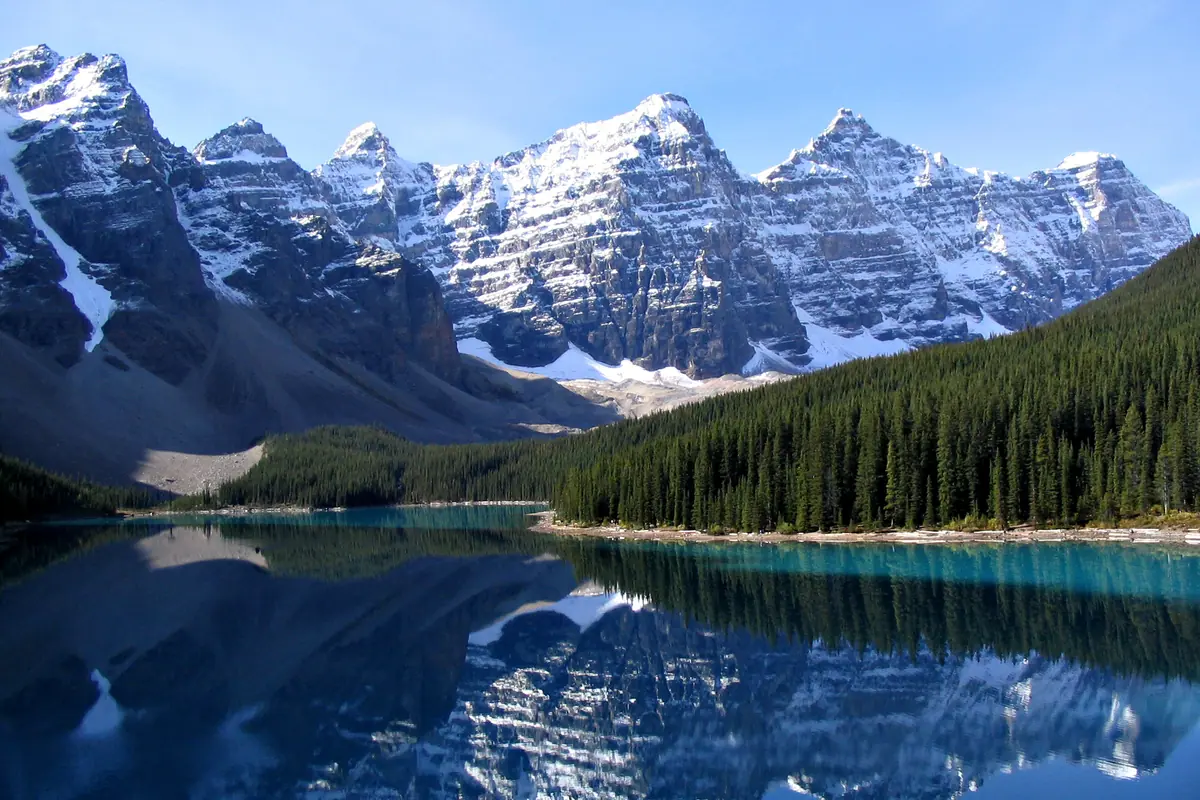
Lake Louise is the centrepiece — a glacier-fed lake backed by the Victoria Glacier, with a flat 4-kilometre shoreline path that suits anyone, plus the harder hike to the Lake Agnes Tea House for those with strong legs. Fifteen minutes further along the same road, Moraine Lake sits in the Valley of the Ten Peaks and is arguably the single most photographed view in the country; it is seasonal, typically reachable only once the access road clears snow in late spring through early autumn, with shuttle access in peak summer.
From there, drive the Icefields Parkway north to Jasper — roughly 230 kilometres of almost continuous mountain scenery, with stops at Peyto Lake, the Columbia Icefield and the Athabasca Glacier, where you can walk on ancient ice with a guided outfit. Budget at least two or three days for the corridor, more if you want to hike. July and August bring the warmest weather and the biggest crowds; late September delivers golden larches and far thinner trails.
Pacific Coast: Vancouver, Whistler and the Tofino Rainforest
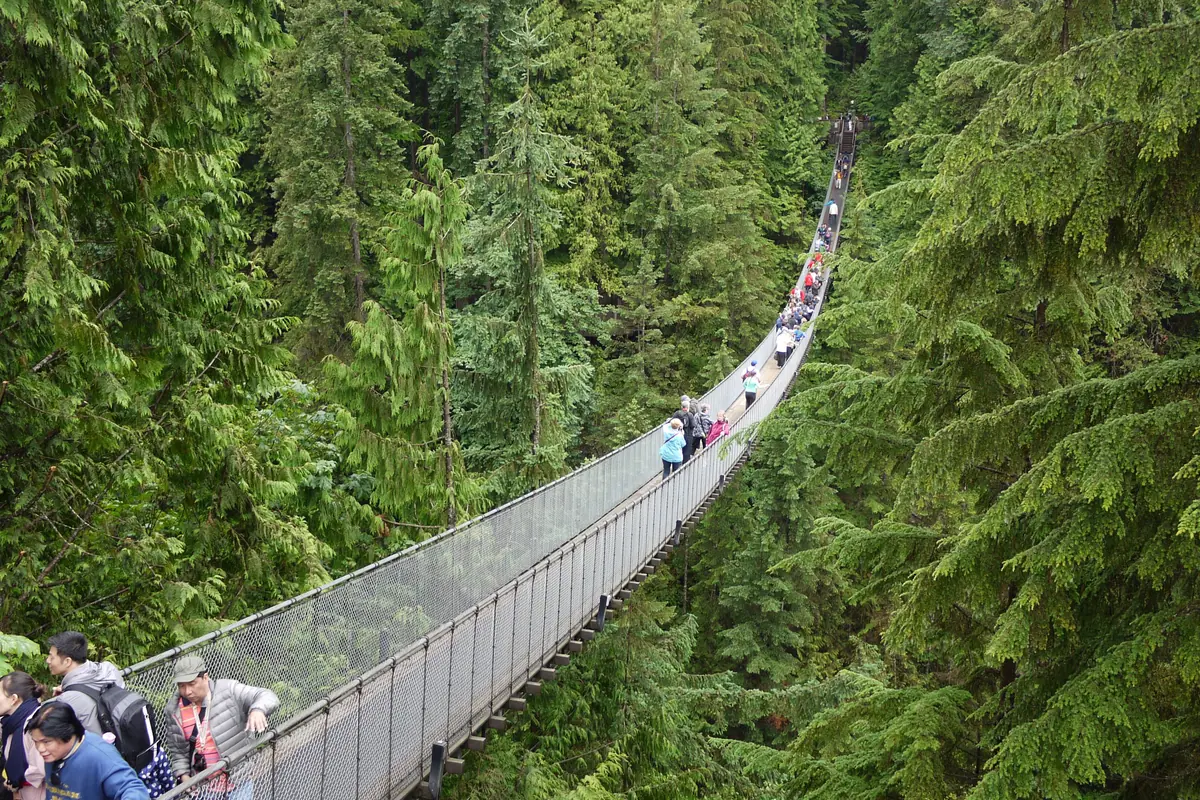
Vancouver folds ocean, mountains and glass towers into one compact city. Stanley Park, a 400-hectare peninsula of cedar and fir, is ringed by the Seawall — a 9-kilometre paved path that locals jog, cycle and rollerblade year-round. Cross to Granville Island for its public market and buskers, wander cobblestoned Gastown for the steam clock, and drive or bus over to the Capilano Suspension Bridge, a swaying 137-metre crossing strung above a rushing canyon.
Ninety minutes north, Whistler turns from a ski town into a summer playground: alpine hiking, downhill biking, and the record-breaking Peak 2 Peak gondola linking Whistler and Blackcomb mountains with views over glaciers and volcanic peaks. Winter here runs roughly November to April and is reliably snow-sure, which is why so many visitors plan their whole trip around it.
For something wilder, head to Tofino on the west coast of Vancouver Island, gateway to Pacific Rim National Park Reserve. Expect temperate rainforest, storm-watching in winter, surfing in a wetsuit in autumn, and long empty beaches broken by sea stacks. It is a four-to-five-hour drive from Victoria with a ferry crossing, so give it at least two nights.
Eastern Canada: Niagara Falls, Toronto, Ottawa, Montréal and Old Québec
Niagara Falls is the classic first stop, and it earns the hype — three waterfalls straddling the border, with the Horseshoe Falls carrying the bulk of the flow. Take the boat tour into the mist, walk the tunnels behind the cascade, and stay for the evening illumination. It is easily done as a day trip from Toronto, though an overnight lets you see the falls lit up and avoids the worst of the coach crowds.
Toronto pairs the 553-metre CN Tower and its EdgeWalk with the Royal Ontario Museum, the Art Gallery of Ontario and the Distillery District's Victorian brick lanes. Two hours east, Ottawa is the underrated one: Parliament Hill with its Changing the Guard ceremony in summer, the Rideau Canal — the world's largest naturally frozen skating rink each winter, a boating route each summer — and the National Gallery's spider sculpture out front.
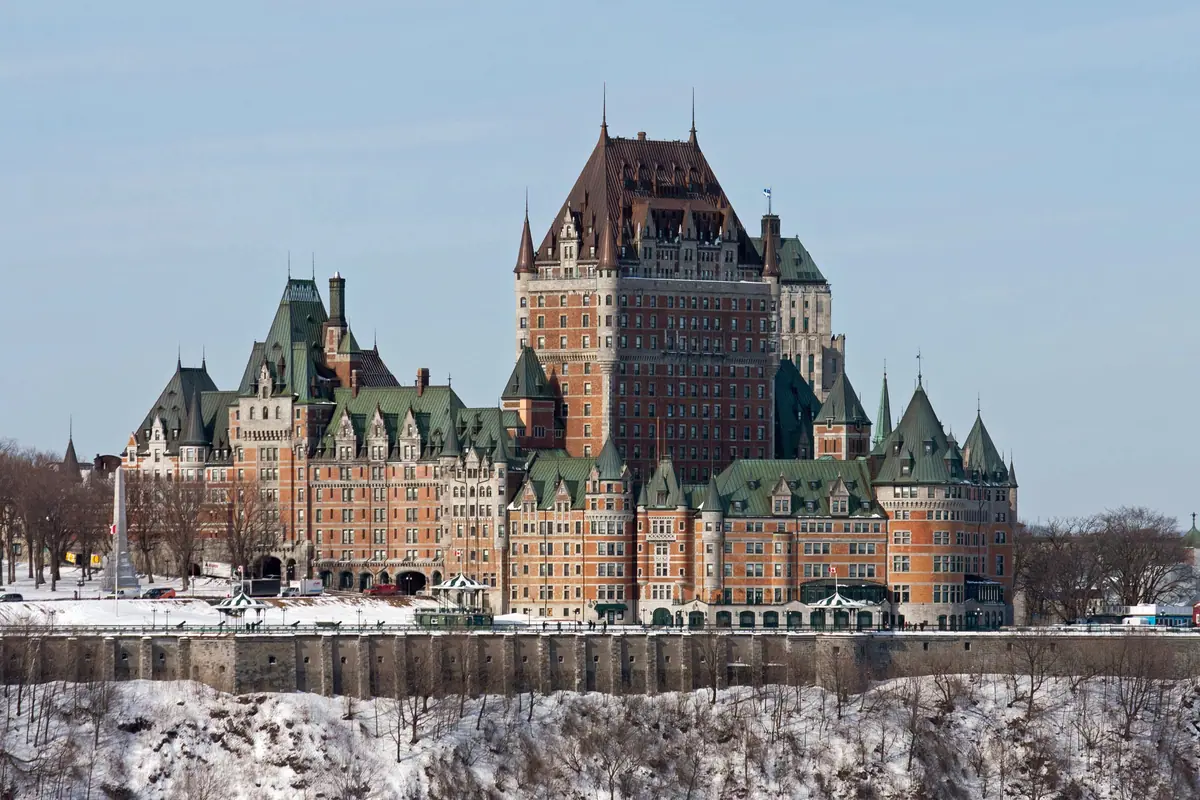
Then comes French Canada. Montréal delivers Notre-Dame Basilica's midnight-blue interior, the climb up Mont-Royal for skyline views, and plate after plate of bagels and smoked meat. Québec City is the jewel: Vieux-Québec is a UNESCO-listed walled old town, and the Château Frontenac looming over the St. Lawrence is the most photographed hotel in the world. Walk the Terrasse Dufferin boardwalk, ride the funicular down to Quartier Petit Champlain, and give the city two full days minimum.
Atlantic Canada: Tides, Cliffs and the Cabot Trail
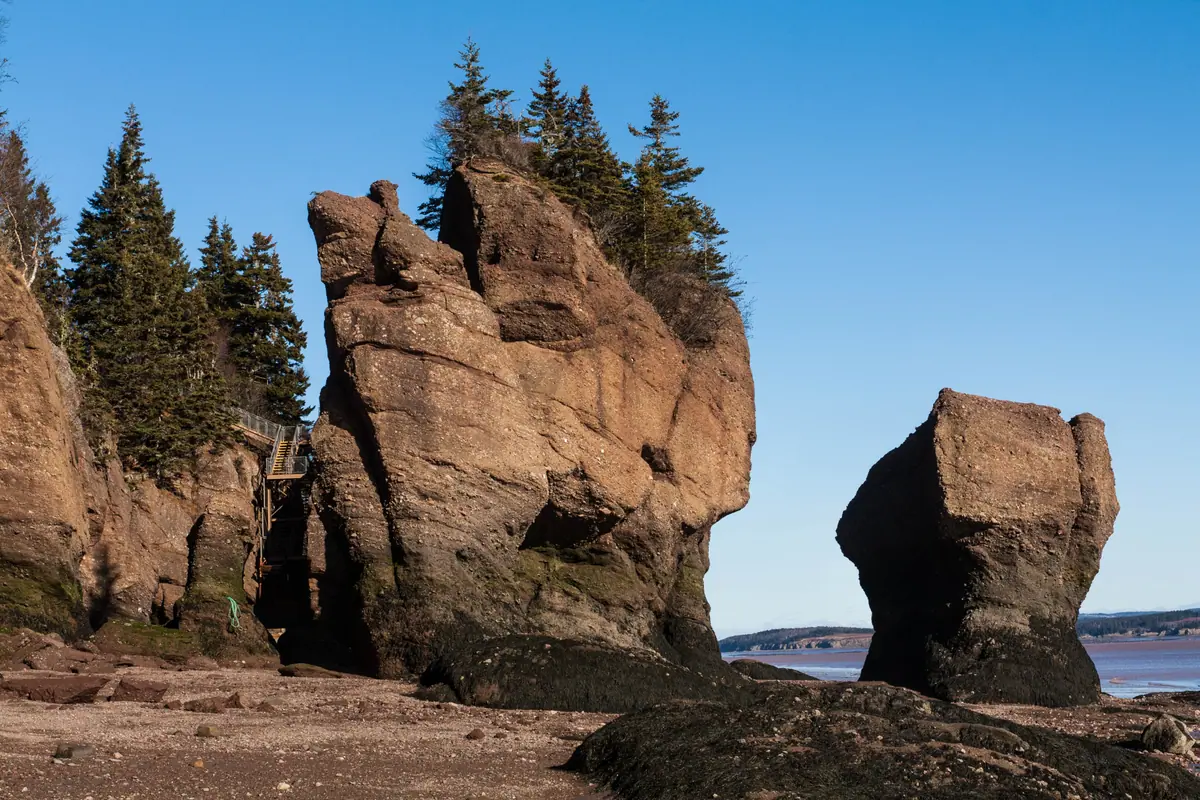
The Bay of Fundy does something nowhere else on earth does quite so dramatically: tides that can rise and fall more than 15 metres in a single cycle. At Hopewell Rocks in New Brunswick you can walk the ocean floor at low tide between flowerpot-shaped sea stacks, then watch the same passage fill with water hours later. Time your visit around the tide tables — this is one destination where the clock genuinely matters.
In Nova Scotia, the Cabot Trail loops 298 kilometres around Cape Breton Highlands National Park, a drive of switchbacks, whale-watching villages and Acadian fishing ports best spread over two or three days. Halifax adds the star-shaped Citadel fortress and a waterfront boardwalk, while Peggy's Cove serves up its famous lighthouse on pink granite at the end of a short coastal drive from the city.
Newfoundland is the wild card. Gros Morne National Park offers a tablelands landscape so geologically strange it helped rewrite plate tectonics, plus the boat trip through Western Brook Pond's fjord walls. Add icebergs drifting past Twillingate in late spring and, if you are lucky and patient, breaching humpbacks offshore in summer.
The North: Aurora, Polar Bears and True Wilderness
Canada's northern territories are a different country entirely — treeless, enormous and lightly visited. Yellowknife, on the shore of Great Slave Lake, is one of the most reliable places on the planet for the aurora borealis, thanks to clear, dry skies and a location directly under the auroral oval. The season runs roughly late August to mid-April, with the deepest, darkest nights from December to March; most visitors book three or four nights to beat the odds of cloud.
Further north in Manitoba, Churchill sits on the Hudson Bay coast and becomes polar bear capital of the world each October and November, when the animals gather on the tundra ice edge. Purpose-built tundra vehicles get you safely close, and the same town hosts beluga whales in summer. Access is by air or a long rail journey, so plan the logistics early.
For sheer scale, the Yukon's Kluane National Park and Reserve holds some of the largest non-polar icefields outside the poles, with day hikes off the Alaska Highway and flightseeing over Mount Logan. Nahanni National Park Reserve in the Northwest Territories offers Virginia Falls — twice the height of Niagara — reachable only by floatplane and river trip. These are expedition-grade destinations: book guided, and allow buffer days for weather.
When to Go and How to Plan a Canadian Trip
Canada is a continent pretending to be a country, so the honest answer to "when should I go?" depends on what you want. Summer (late June to early September) is the only realistic window for the Rockies, Atlantic coast and northern road trips, with long daylight and warm days from roughly 20°C to 30°C depending on region. Autumn brings maple colour in Ontario and Québec, plus fewer crowds. Winter transforms Whistler, Mont-Tremblant and the Rideau Canal into ice and snow playgrounds, while spring is mud, meltwater and quiet waterfalls.
Distances are the thing most first-timers underestimate. Toronto to Vancouver is a five-hour flight; driving the Rockies corridor alone can eat a week. A sensible two-week trip covers one region properly — say the Rockies and Vancouver, or Toronto, Montréal, Québec City and the Atlantic — rather than trying to tick off both coasts. Domestic flights exist but add up fast, so plan travel days into your itinerary instead of treating them as spare.
Practical notes: a national parks discovery pass pays for itself quickly if you visit three or more parks, and campsite and shuttle reservations open months ahead and do sell out for Lake Louise and Moraine Lake in July and August. Tipping is expected in restaurants, tax is added at the till rather than shown on menu prices, and a rental car is close to essential outside the big cities. Layer clothing for mountain weather that can swing 15 degrees in a day, and never skip the bear-safety briefing on any hiking trail.
Frequently asked questions
What is the best time of year to visit Canada?
Late June to early September suits most first trips, especially the Rockies, Atlantic Canada and the northern territories, thanks to warm weather, long daylight and fully open roads. Late September and early October are excellent for autumn colour in Ontario and Québec. If your goal is the northern lights or skiing, aim for December to March instead.
How many days do I need for a first trip to Canada?
Two weeks is the sweet spot. That is enough to do the Rockies properly — Banff, Lake Louise, the Icefields Parkway and Jasper — plus Vancouver, or alternatively to link Toronto, Niagara Falls, Ottawa, Montréal and Québec City with a few days spare. Trying to cover both coasts in under three weeks mostly means time spent in airports.
Do I need a car to get around Canada?
Outside the major cities, yes. Banff, Jasper, the Cabot Trail, the Bay of Fundy and most national parks are far easier with your own vehicle. Toronto, Montréal, Vancouver and Québec City are walkable and transit-friendly, so a common approach is to fly between cities and pick up a rental car only for the scenic stretches.
Where is the best place to see the northern lights in Canada?
Yellowknife in the Northwest Territories is the standout, sitting under the auroral oval with clear, dry skies and aurora visible on most clear nights from late August to mid-April. Whitehorse in the Yukon and Churchill in Manitoba are strong alternatives, and Churchill adds polar bears in October and November.
Is Canada expensive for travellers?
It can be, particularly in peak summer in Banff, Whistler and Tofino. Costs drop sharply if you travel in shoulder seasons, stay in hostels, guesthouses or campgrounds, self-cater some meals and book intercity transport early. National park passes, free city walking tours and the many free museums and galleries in Ottawa help stretch a budget further.
Plan it — experiences in Canada
Live search, booked directly with trusted providers.
Sort the rest of your trip
Everything for Canada, in one place
Stay in Canada
Hotels, guesthouses and apartments — compared in one search.
Search hotels
Transfer in Canada
Private driver waiting on arrival — no queues, no surprises.
Book a transfer
Stay online in Canada
Travel eSIM — data the moment you land, no roaming bills.
Get an eSIMMore guides in Canada

Best Time to Visit Canada: A Season-by-Season Hotel Guide

Where to Stay in Canada: Top Cities, Hotels and Must-See Attractions

Canada in One Week by Flight: A 7-Day Itinerary From Coast to Rockies
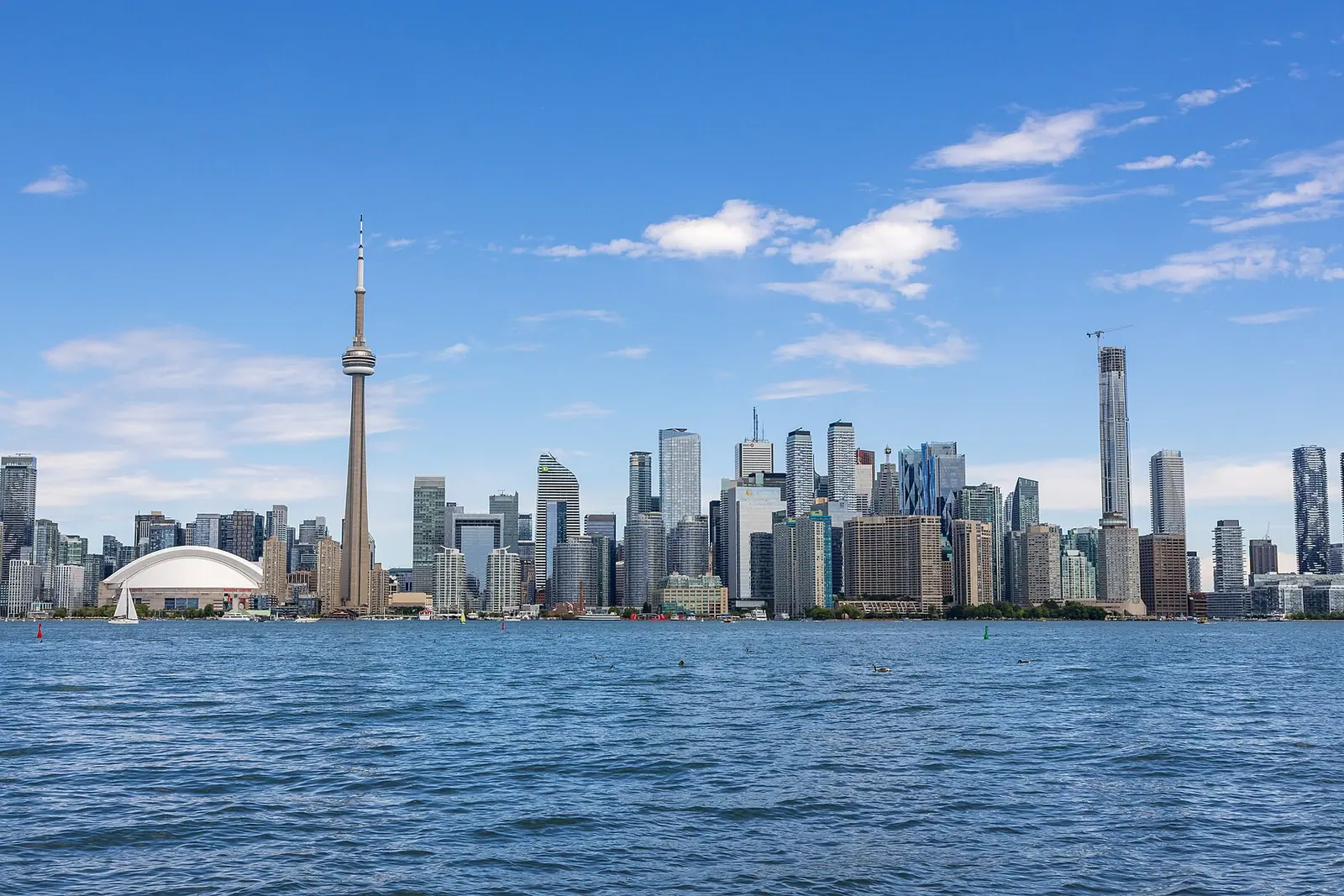
3 Days in Toronto: A Fly-In Itinerary From Landing to Skyline
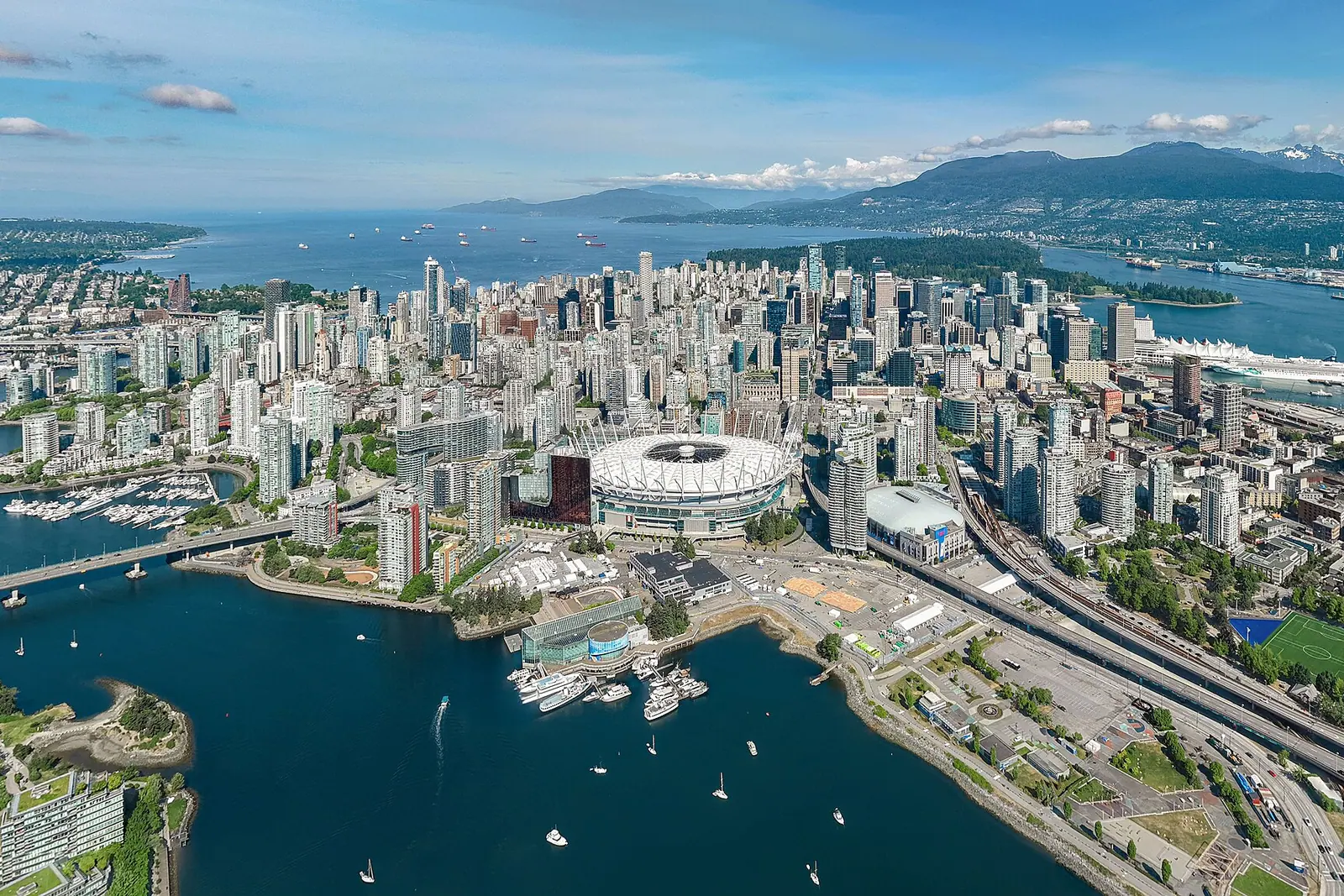
Hotels in Vancouver: Where to Stay for a 48-Hour Weekend Break
