Canada is not one flavour but a patchwork of them — salt-sprayed lobster shacks on red-soil islands, maple steam rising off a sugar shack in March, cedar-smoked salmon on a Pacific shore. This guide follows the country's table and its landmarks, showing you how to eat, wander and understand a place that is far stranger and warmer than its polite reputation suggests.
A Table Set by Many Hands: How Canadian Food Actually Works
Canadian cooking is regional first and national second. Poutine — fries, squeaky curds, hot gravy — began in rural Quebec in the 1950s and now appears from Halifax to Whitehorse, but the best versions still come from roadside snack bars where the curds are delivered fresh and squeak against your teeth. Elsewhere the map splits: tourtière, a spiced meat pie, belongs to Quebec's holiday tables; butter tarts, gooey with raisins or pecans, are cottage-country Ontario; Nanaimo bars are a Vancouver Island invention named for a harbour city.
Underneath the modern menu lies something far older. Indigenous foodways — bannock fried or baked over fire, cedar-plank salmon, wild rice, corn, beans and squash grown together as the Three Sisters, game and foraged berries — are the original Canadian cuisine, and a growing number of Indigenous-owned restaurants, food trucks and guided foraging walks now put them front and centre. Layer on the cooking of everyone who arrived later — dim sum in the suburbs of Toronto and Vancouver, Vietnamese pho, Caribbean roti, Somali and Ethiopian kitchens, Portuguese and Italian neighbourhoods in Montreal and Toronto — and you get a country where a single city block can feed you four continents before dessert.
The sweet thread running through all of it is maple. In late winter and early spring, sugar shacks open their doors for cabane à sucre season, pouring hot syrup onto snow to make taffy on a stick, and serving it alongside ham, omelettes and beans. It is one of the few food experiences in the world with a hard season attached.

Coast to Coast: Regional Flavours Worth the Detour
Start in the Atlantic provinces, where the ocean writes the menu. Prince Edward Island is famous for malpeque oysters and lobster suppers served in church halls and community centres; Nova Scotia brings Digby scallops and Halifax's own donair, a sweet-sauced late-night legend. Newfoundland rewards the curious with fish and chips in St. John's, toutons (fried bread dough) with molasses, and a ritual called a kitchen party, where music happens wherever the kettle is.
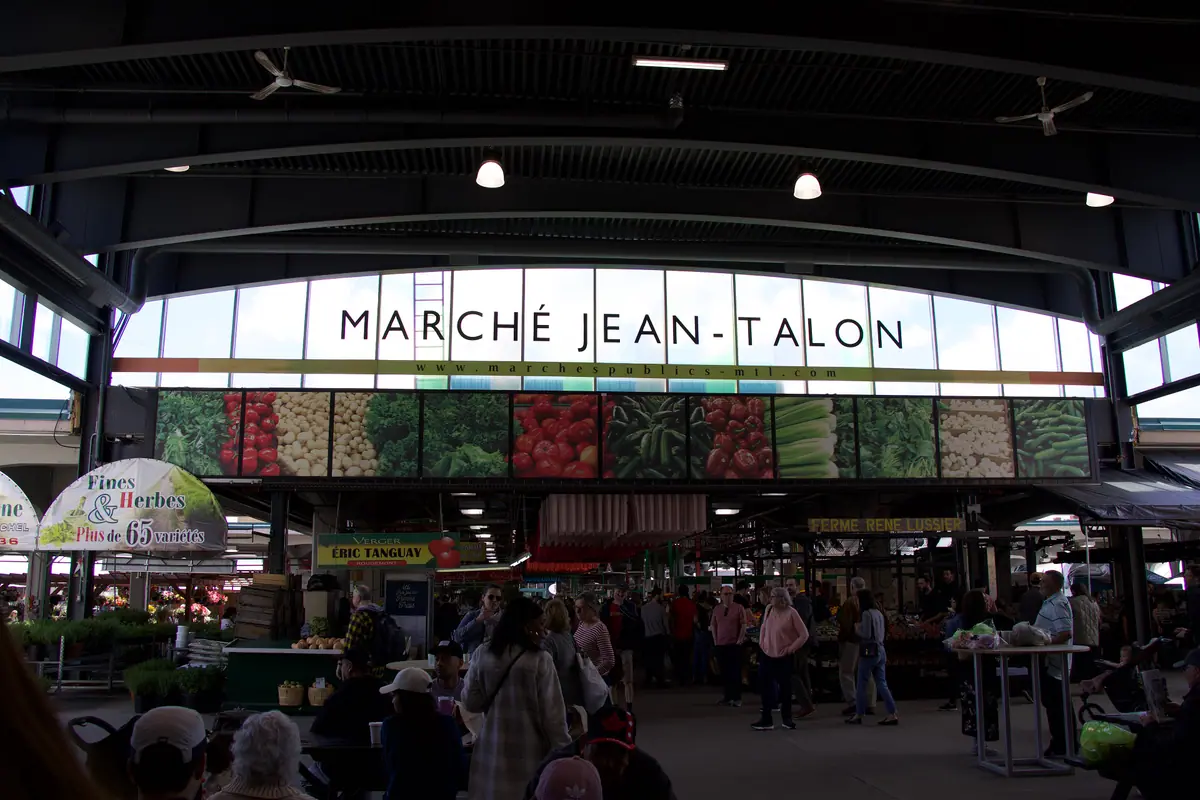
Quebec eats with the seasons. Spring means maple; summer means markets such as Montreal's Jean-Talon, heaped with berries and raw-milk cheeses; autumn means apple orchards and cider. The province also produces two things its neighbours quietly envy: wood-fired bagels, boiled in honey water and baked in a coal oven, and smoked meat sandwiches piled on rye with mustard — best eaten at a counter where the carver decides how much you're getting.
On the Pacific side, British Columbia runs on salmon, spot prawns, Okanagan peaches and wine, and a sushi culture that rivals cities far closer to Japan. The Prairies bring bison, Alberta beef and saskatoon berries baked into pies, while the far north offers Arctic char, cloudberries and bannock. Eating across Canada is a genuinely long itinerary, but even a two-week trip can hit three of these food regions.
The Landmarks a First-Time Tour Should Not Miss
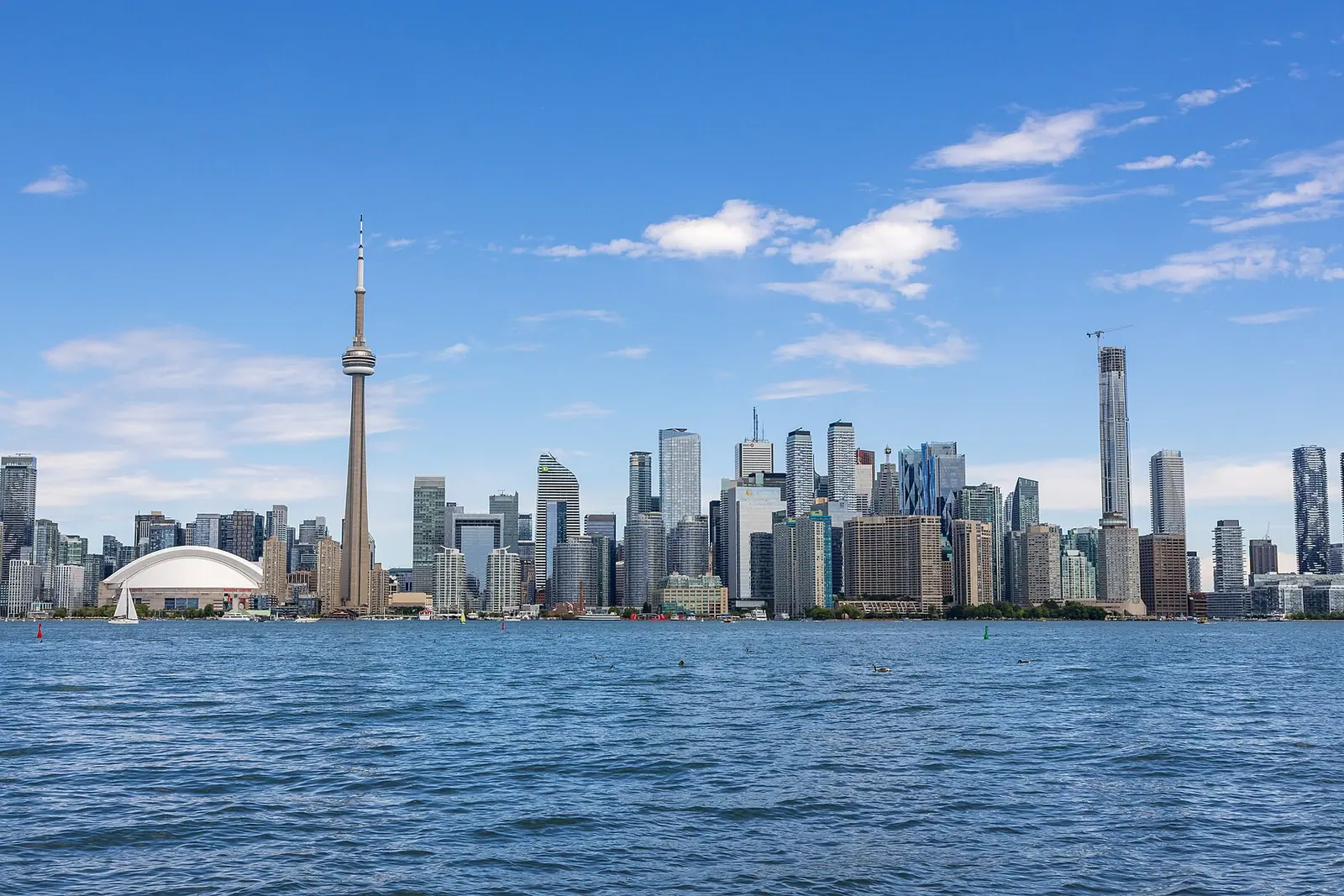
Canada's icons are spread across a continent-sized country, so choose by region rather than trying to do it all. In the east, Niagara Falls deserves a half day at minimum — walk the brink, take a boat into the mist, then slip into Niagara-on-the-Lake for wine. Toronto gives you the CN Tower and its glass floor, the Royal Ontario Museum and the lakeside islands. Further east, Old Québec is the only walled city north of Mexico, crowned by the fairy-tale silhouette of the Château Frontenac; give it two days on foot. In Ottawa, Parliament Hill and the Rideau Canal — a UNESCO site that becomes one of the world's great skating routes when winter cooperates — anchor a compact, walkable capital.
The Atlantic rewards slow driving. Nova Scotia's Peggy's Cove lighthouse sits on wave-smashed granite, and the Cabot Trail loops Cape Breton's highlands in a full day of switchbacks and whale-watching detours. New Brunswick's Bay of Fundy has the planet's highest tides; at Hopewell Rocks you can walk the ocean floor at low tide and paddle over the same spot six hours later. Newfoundland's Gros Morne National Park and the cliffs at Cape Spear, the continent's easternmost point, feel genuinely remote.
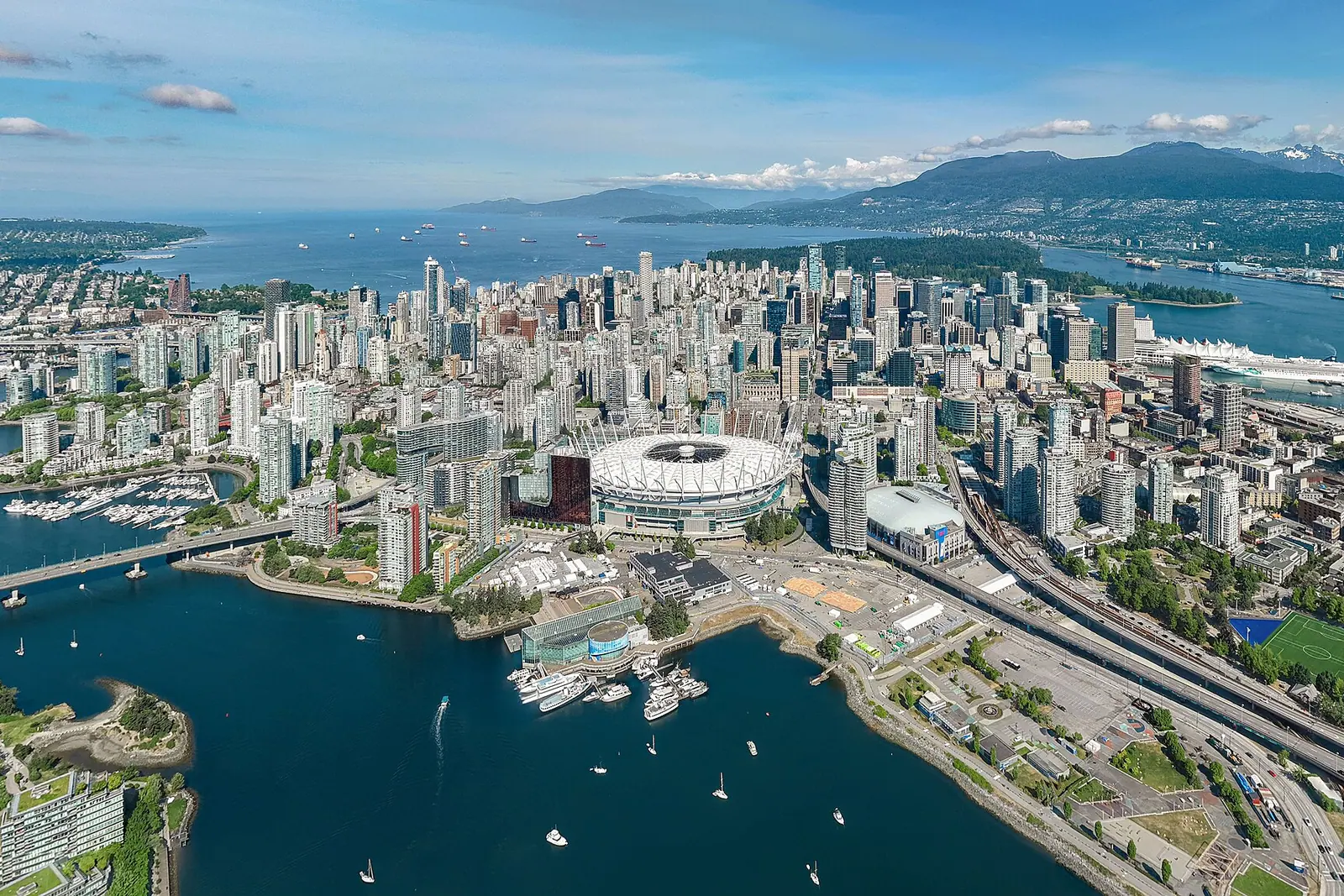
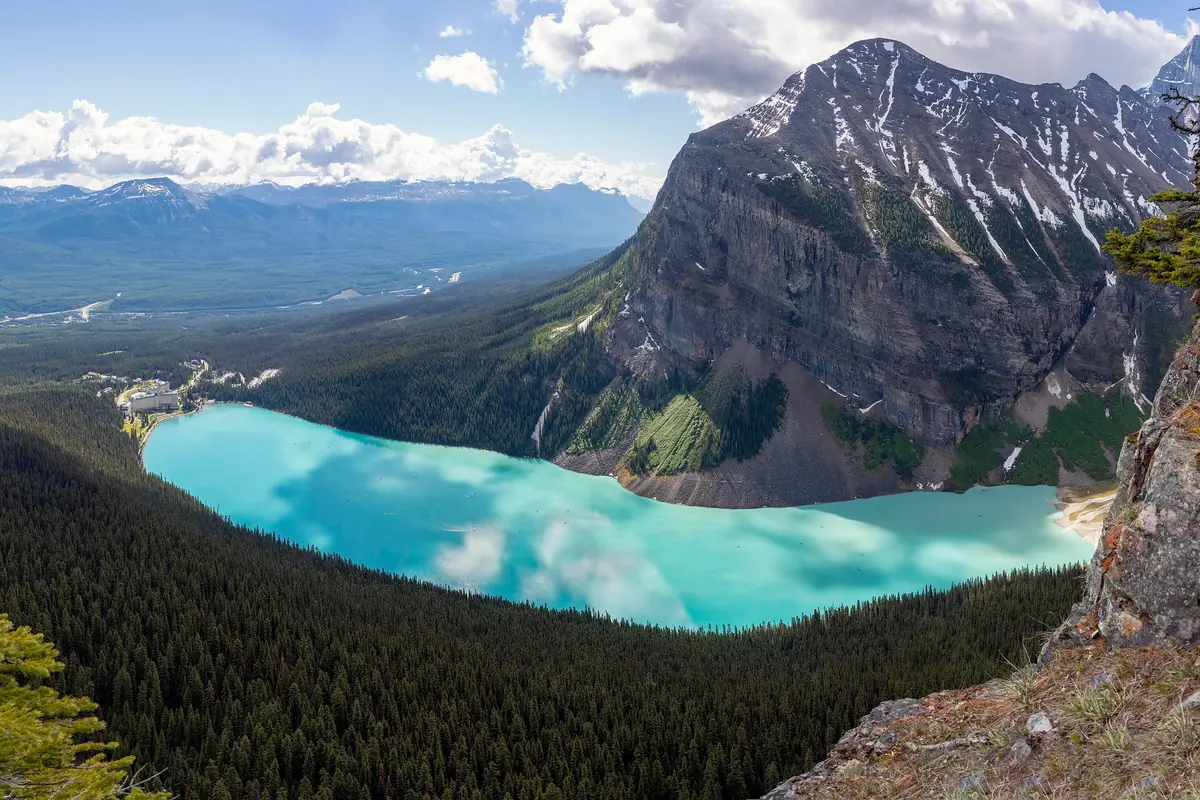
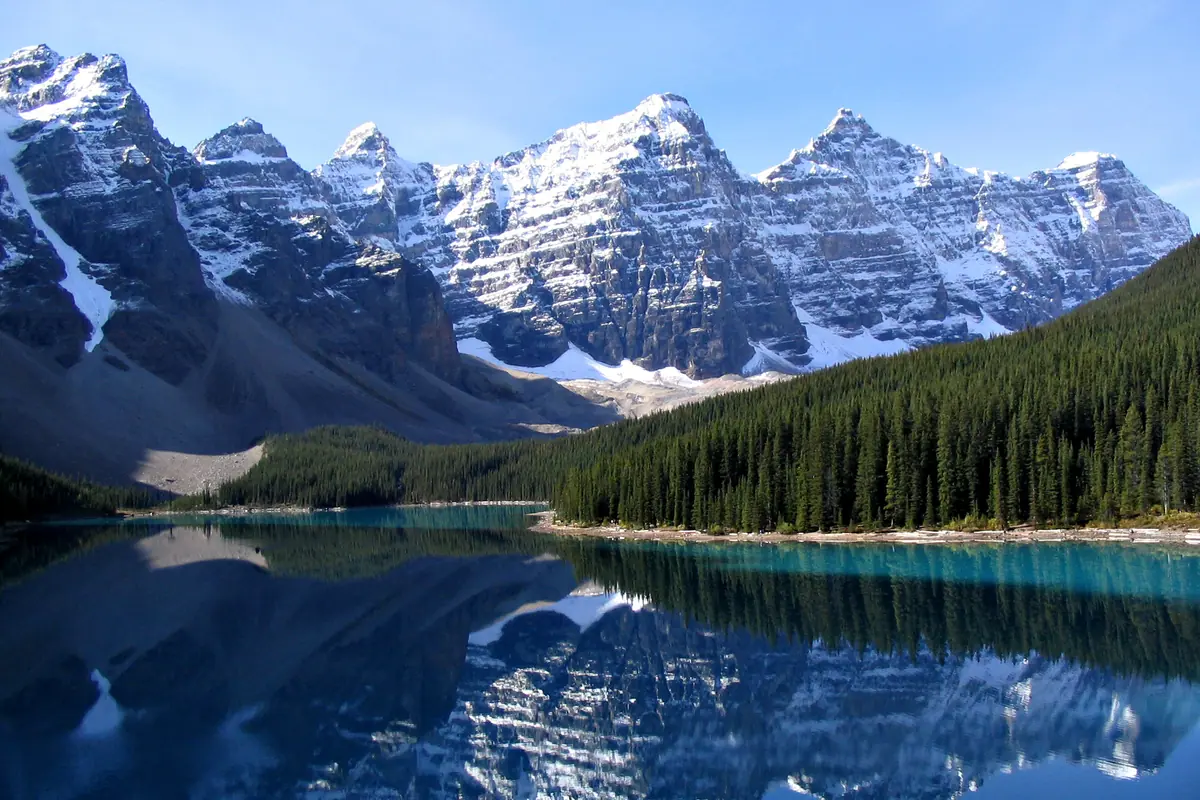
Then there is the west. Banff National Park delivers Lake Louise's impossible turquoise and Moraine Lake's ten peaks; Jasper adds glaciers and dark-sky stargazing; the drive between them, the Icefields Parkway, is regularly ranked among the world's most beautiful roads. Vancouver finishes the loop with Stanley Park's seawall and Granville Island's public market. Budget two to three days in the Rockies, or you'll spend your whole visit in a car.
Timing the Seasons: When Canada Shows Its Best Face
Summer, roughly June to early September, is the easiest season: long daylight, open mountain roads, whale watching off Tadoussac and Victoria, and festival culture at full volume in Montreal, Toronto and Vancouver. It is also the busiest and priciest window, so book national park campsites and Rockies hotels months ahead.
Fall is the connoisseur's pick. From late September to mid-October, the Laurentians, Algonquin and the Maritimes turn scarlet and gold, harvest menus appear, and crowds thin. Spring belongs to maple season — March and April, when sugar shacks fire up — plus the first tulips in Ottawa in May. Winter is not a shutdown but a separate country: Quebec's winter carnival, snowshoeing and skiing in Whistler and Mont-Tremblant, and aurora hunting in Yellowknife or Whitehorse, where clear dark skies from late August to April produce the northern lights. Bring layers, insulated boots and the assumption that you'll be outside far longer than you planned.
Local Experiences That Make the Trip Feel Real
The moments you'll remember usually involve someone teaching you something. Join a guided tide walk at Hopewell Rocks and you'll understand the Bay of Fundy's rhythm in your legs, not a brochure. Sit in on a Cape Breton ceilidh, where fiddles and step-dancing fill a small hall, or a Newfoundland kitchen party, where the rum appears and someone inevitably starts a song. In Indigenous communities from Haida Gwaii to Manitoulin Island, cultural centres, totem-pole carving sheds and overnight camps offer storytelling, drumming and traditional foods — visit respectfully, book through community-run operations, and ask before photographing people or ceremonies.
Markets are the country's living rooms: browse the Granville Island Public Market in Vancouver, the Halifax waterfront market, or Toronto's St. Lawrence Market, then eat whatever the vendor recommends. Take a small-boat whale-watching trip, paddle a canoe on a shield lake at dawn, or ride a sightseeing train through the Rockies if you'd rather watch the scenery than drive it.
And talk to people. Canadians are famously understated but generally delighted to give directions, argue about hockey, or tell you where their grandmother's bakery is. That conversation is often the best tour you'll take.
Practical Wisdom: Getting Around, Ordering and Small Customs
Canada is enormous, and distances deceive. Toronto to Banff is a five-hour flight or a multi-day drive; Montreal to Halifax is a ten-hour haul. Most visitors fly between regions and drive within them. A national parks pass pays for itself quickly if you're hitting Banff, Jasper, Gros Morne and Cape Breton. Trains exist and are scenic but slow, and buses fill the gaps between small towns.
At the table, tipping is expected — 15 to 20 percent on restaurant service, a dollar or two per drink at a bar. Prices shown rarely include tax, which is added at the till, and alcohol rules vary by province, with drinking ages of 18 or 19 depending on where you are. Tap water is free and excellent almost everywhere; ask for a refill.
Pack for three weathers in one day, especially in the mountains and on the coasts, and never leave a hike without rain gear. English and French are both official; in Quebec, opening with a simple bonjour goes a long way. Most importantly, don't over-schedule. The best Canadian experiences — a long lunch on a wharf, a sudden moose on a back road, a conversation that runs past closing — rarely fit a spreadsheet.
Frequently asked questions
What is the best time of year for a Canada tour?
June to early September for warm weather, long days and full festival calendars; late September to mid-October for autumn colours and smaller crowds; March to April for maple sugar shack season; and winter for skiing, carnival season in Quebec and northern lights in Yukon and the Northwest Territories.
How much time do I need to see Canada?
Realistically, two weeks covers two regions well — for example, Toronto, Niagara and Old Quebec, or Vancouver plus Banff and Jasper. Trying to include the Maritimes, the Rockies and the far north in one trip means spending most of it in airports, since the country spans six time zones.
What food should I try first in Canada?
Start with poutine made with fresh cheese curds, a butter tart, and a smoked meat or wood-fired bagel sandwich in Montreal. If you're on the coasts, seafood should come first: PEI oysters and lobster, Nova Scotia scallops, or Pacific salmon in Vancouver. In spring, maple taffy on snow is non-negotiable.
Do I need to speak French to travel in Canada?
No, but a few words help in Quebec. English is spoken widely everywhere, and in Montreal and Quebec City most service staff switch easily. Opening with bonjour rather than hello is considered polite, and rural areas of Quebec are noticeably more French-first.
Is Canada worth visiting in winter?
Yes, if you embrace it. Winter brings skiing at Whistler and Mont-Tremblant, ice skating on the Rideau Canal when conditions allow, Quebec's winter carnival, snowshoeing in national parks, and spectacular aurora viewing in Yellowknife and Whitehorse. Just pack serious boots, layers and a flexible itinerary for storm delays.
Sort the rest of your trip
Everything for Canada, in one place
Stay in Canada
Hotels, guesthouses and apartments — compared in one search.
Search hotels
Transfer in Canada
Private driver waiting on arrival — no queues, no surprises.
Book a transfer
Stay online in Canada
Travel eSIM — data the moment you land, no roaming bills.
Get an eSIMMore guides in Canada
Best Time to Visit Canada: A Season-by-Season Hotel Guide
Where to Stay in Canada: Top Cities, Hotels and Must-See Attractions
Canada in One Week by Flight: A 7-Day Itinerary From Coast to Rockies
Best Places to Visit in Canada: Iconic Attractions and Unmissable Experiences Coast to Coast
3 Days in Toronto: A Fly-In Itinerary From Landing to Skyline