Canada is not one trip but several stitched together: glass-towered harbour cities, turreted old quarters that speak French, and mountain towns where elk wander past the lobby windows. Where you sleep decides what you actually see, so choose your bases with the same care you'd choose your flights.
How to Choose Where You Sleep in Canada
Canada spans six time zones and roughly 5,500 kilometres from the Atlantic to the Pacific, so a single hotel booking cannot anchor the whole country. The practical approach is to pick three or four regional hubs — typically one western city, one mountain town, one or two eastern cities — and treat the long hops between them as flights, not drives. Downtown hotels in Vancouver, Toronto and Montréal put you inside walkable cores where you can abandon the car entirely, while lodges and guesthouses in the Rockies, Cape Breton or Newfoundland are the reason you rented one in the first place.
Timing shapes both price and experience. Mid-July through August is peak everywhere: mountain rooms and old-town rooms sell out months ahead, and rates in Banff, Jasper and Old Québec climb steeply on weekends. Shoulder seasons — late May to mid-June and September into October — bring lower rates, thinner crowds and, in Ontario and Québec, some of the most spectacular fall colour on earth. Winter is its own trip: ski resorts in British Columbia and the Laurentians fill with snow-seekers, the Rideau Canal freezes into a skateway in Ottawa, and the far north delivers aurora nights from late August through April.
Two practical habits save money and stress. First, stay longer in fewer places: three nights minimum per base, because a single night in a mountain town is mostly spent in transit. Second, remember that national park accommodation is limited by design — book six to twelve months out for July and August, or base yourself in a nearby town and drive or shuttle in each morning.
Vancouver and Coastal British Columbia
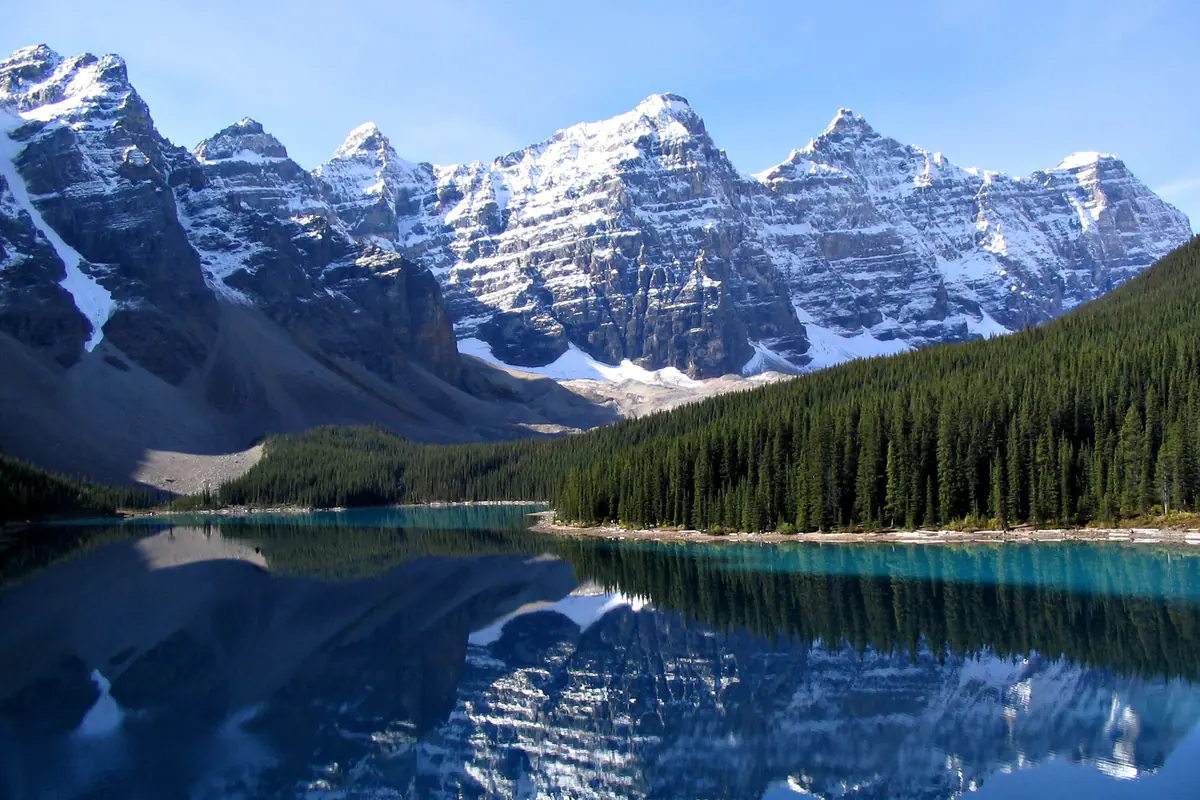
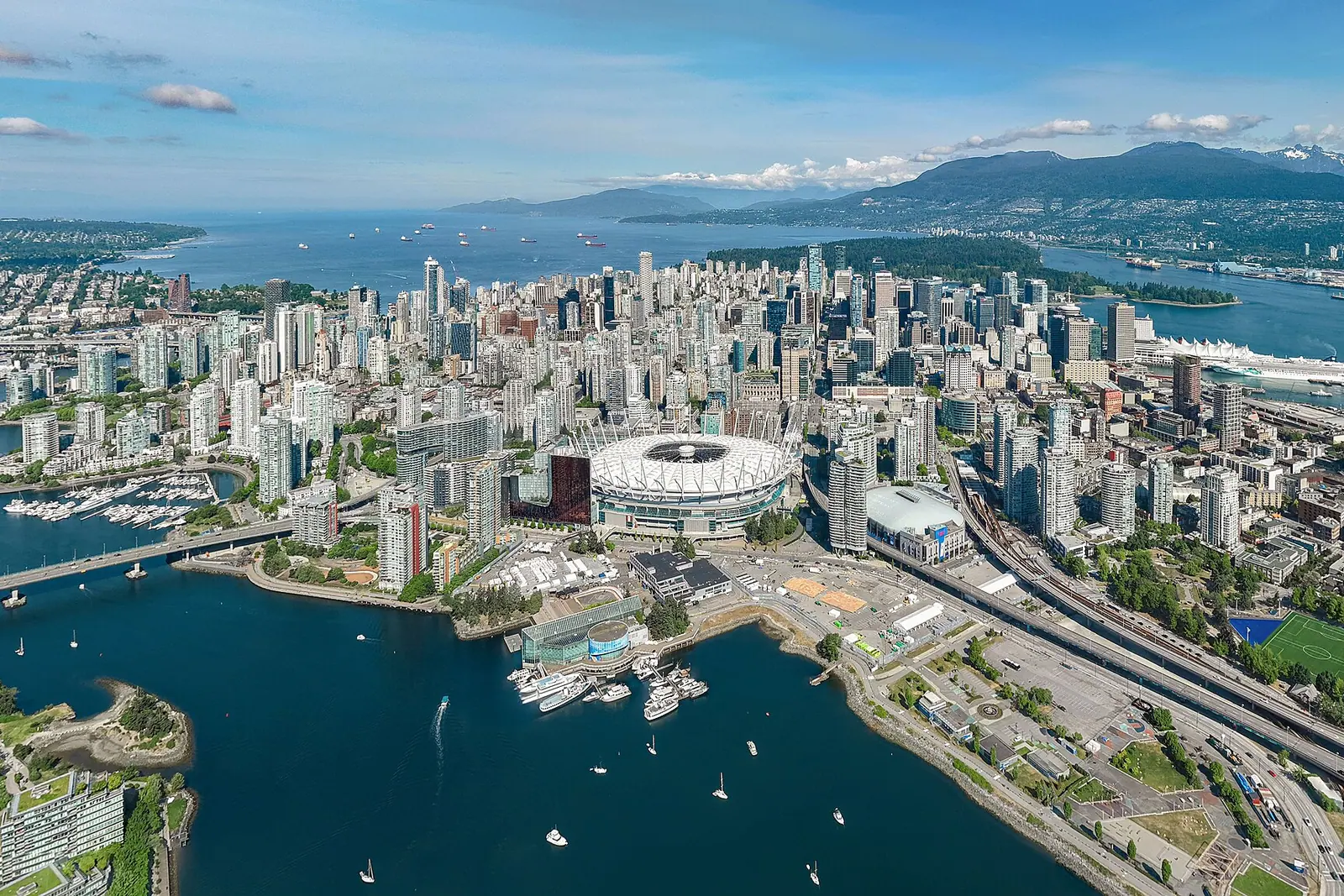
Vancouver is the soft landing most first-timers need. Downtown hotels cluster around Coal Harbour and Yaletown, a short walk from Stanley Park — over 400 hectares of temperate rainforest with a nine-kilometre seawall loop, totem poles at Brockton Point and views across to the North Shore mountains. From the same core you can ferry to Granville Island for its public market and artisan studios, wander the cobbled streets of Gastown to hear the steam clock whistle, or ride up Grouse Mountain for the panorama. Cross the Capilano Suspension Bridge in North Vancouver if you want rainforest without the hiking, and save an afternoon for the Museum of Anthropology at the university, home to extraordinary First Nations carvings.
Accommodation splits neatly by mood. Stay downtown for restaurants, galleries and transit; stay in Kitsilano for beach access and a slower, residential feel; stay near the airport only if you have an early flight. Whale-watching boats leave from the harbour in summer, and the Sea-to-Sky highway north to Whistler takes about two hours, making a night in the mountains entirely feasible before you loop back.
Vancouver Island deserves at least two nights of its own. Victoria, the provincial capital, is a compact, flower-hung harbour city with the Parliament Buildings, the Royal BC Museum and the formal Butchart Gardens a short drive north. From Victoria, the wild west coast around Tofino and Pacific Rim delivers storm-watching in winter, surfing and sea kayaking in summer, and lodges so secluded that the drive in is part of the attraction.
The Canadian Rockies: Banff, Lake Louise and Jasper
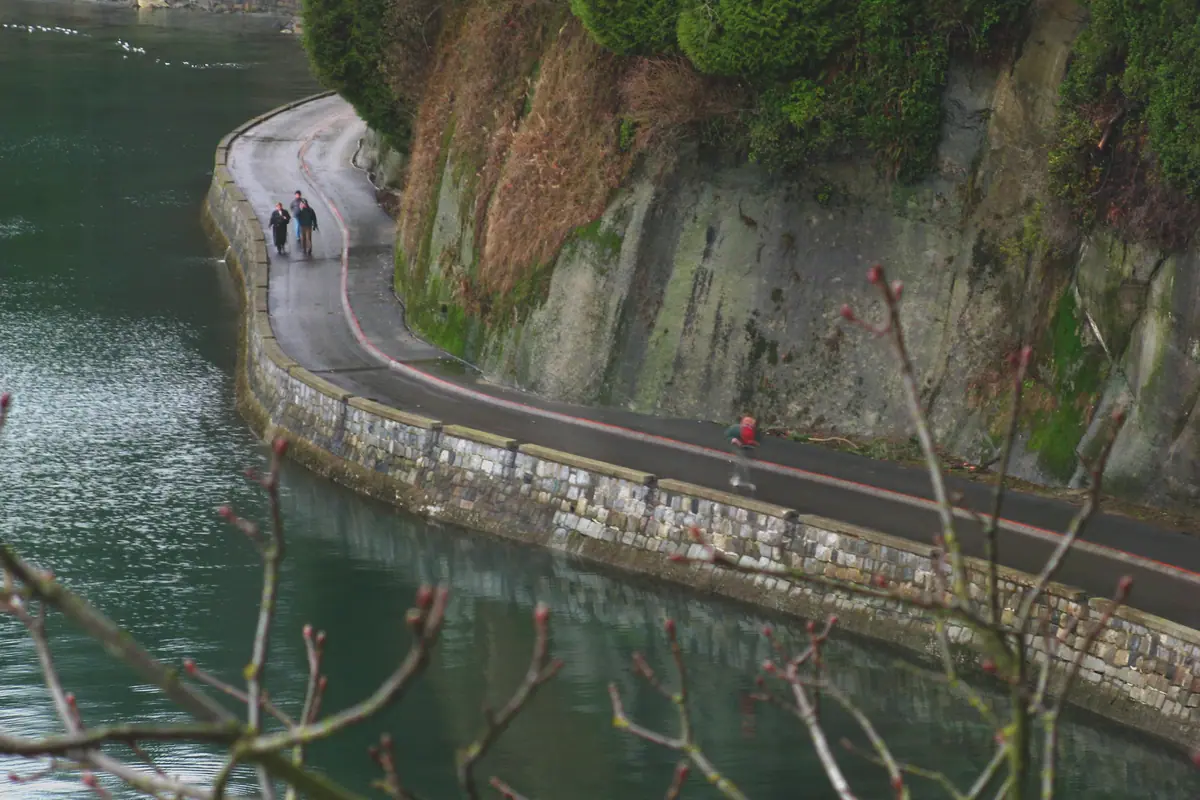
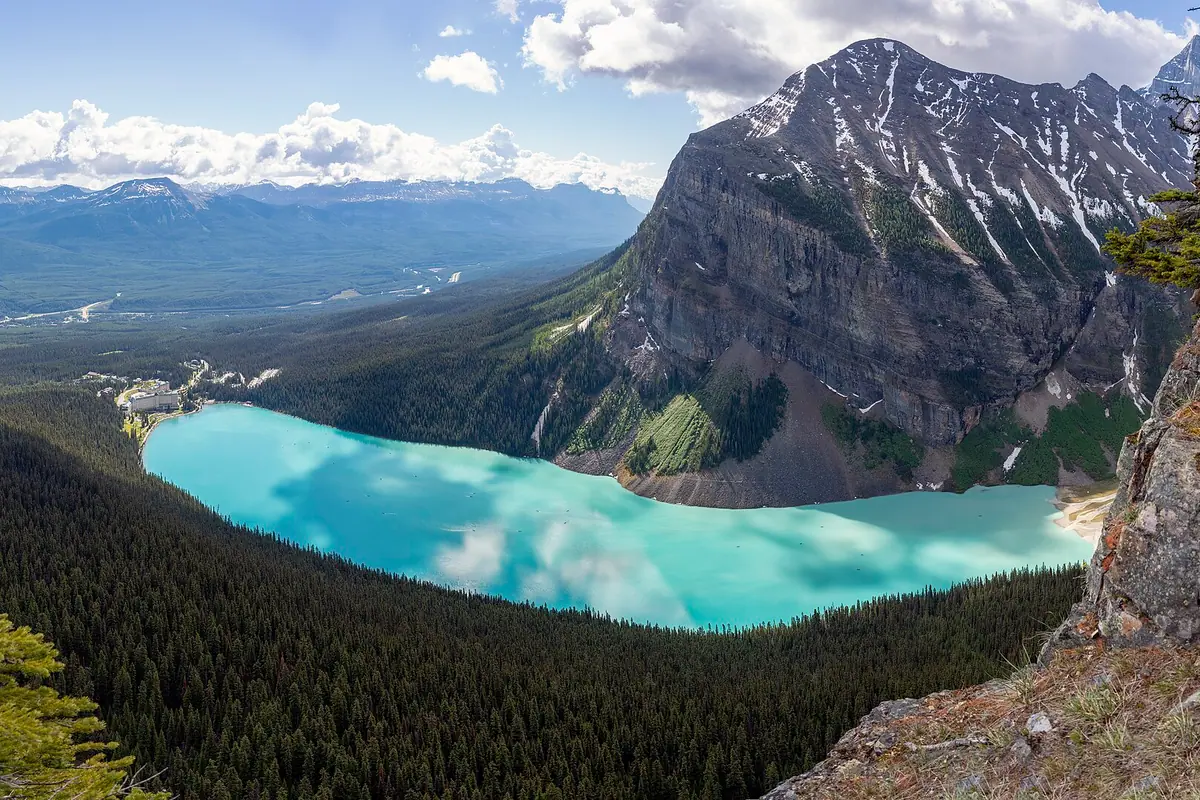
The mountain towns of Banff, Lake Louise and Jasper are the reason many people come to Canada at all, and each has a distinct personality. Banff townsite is lively and walkable, with the gondola up Sulphur Mountain, the Cave and Basin historic site, Bow Falls and the turquoise sweep of Lake Minnewanka minutes away; Johnston Canyon's catwalks are an easy half-day. Lake Louise, 60 kilometres northwest, is a hamlet of a few lodges and a shimmering glacier-fed lake where canoeists paddle before breakfast. Jasper, further north along the Icefields Parkway, is quieter, with elk grazing on the town edges and Maligne Lake's Spirit Island at the end of a spectacular drive.
The 230-kilometre Icefields Parkway linking Lake Louise and Jasper is one of the world's great road journeys — allow a full day, stop at Peyto Lake, Athabasca Falls and the Columbia Icefield. Note that access to Moraine Lake is controlled, so most visitors take the shuttle from Lake Louise rather than drive. Wildlife rules are strict and enforced: keep well back from bears, elk and bighorn sheep, and never leave food in a vehicle.
Book early and think beyond the obvious. July and August require reservations many months ahead, and a national park pass is needed to stop in the parks. Consider September, when larches turn gold above Lake Louise, or late June, when wildflowers peak and rates dip. If town hotels are full, the hamlet of Canmore, twenty minutes from Banff, and the town of Hinton, near Jasper, offer realistic fallbacks.
Toronto, Ottawa and Ontario
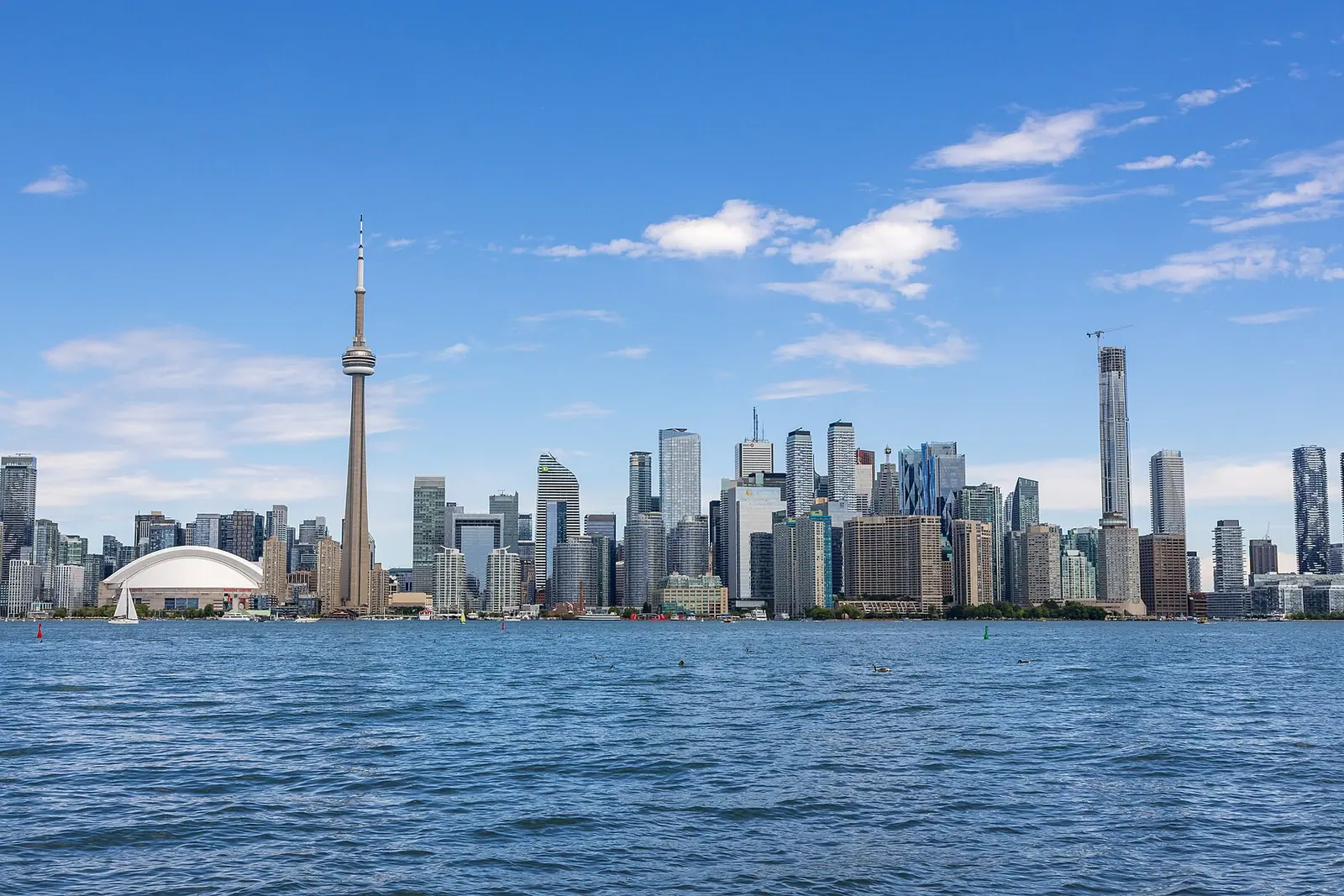
Toronto rewards travellers who stay downtown rather than near the airport. From a hotel in the financial district or near Queen's West you can walk to the CN Tower and its EdgeWalk, the Royal Ontario Museum, the Art Gallery of Ontario and the glass-roofed St. Lawrence Market, then ride a ferry to the Toronto Islands for skyline views from the water. Casa Loma, a mock-medieval mansion on the hill, and the brick lanes of the Distillery District fill an afternoon; Kensington Market and Chinatown fill an evening. Niagara Falls is roughly two hours away by road or rail, and the vineyards of Niagara-on-the-Lake make a pleasant overnight add-on.
Ottawa, the capital, is smaller and greener, and its hotel stock sits within walking distance of Parliament Hill, the ByWard Market and the Rideau Canal — a World Heritage waterway that becomes the world's largest natural skating rink in deep winter. Across the river in Gatineau, the Canadian Museum of History holds the country's finest collection of Indigenous and settler history.
North of Toronto, Algonquin Provincial Park turns crimson and orange from late September into early October, and small lakeside lodges book out for it. In the far southwest, Point Pelee National Park is a spring migration hotspot for birders. Ontario is also where the province's sales tax quietly adds to every hotel bill, so build that into your budget.

Montréal, Québec City and French Canada
Montréal is the country's most European city, and its hotels range from boutique conversions in Old Montréal to plateau apartments above cafés. Base yourself in Old Montréal for cobblestones, the Notre-Dame Basilica and the waterfront, or in the Plateau for bagels, murals and neighbourhood life. Climb Mount Royal to the Kondiaronk lookout at sunset, browse the Jean-Talon Market, and use the underground pedestrian network to move between downtown blocks when January bites. The city's festival calendar — jazz in early summer, comedy and film later — is reason enough to time a visit deliberately.
Québec City, three hours east, is the walled, cliff-top heart of French Canada and the most romantic place to sleep in the country. Old Québec's Upper and Lower Towns are linked by staircases and a funicular, with Place Royale, the Petit-Champlain quarter and the fortifications all within a short stroll. In late September and early October the surrounding hillsides blaze with colour, and Île d'Orléans, twenty minutes away, is a loop of farm stands and cider makers. Montmorency Falls, taller than Niagara, thunders just outside town.
Further east, the Charlevoix region and the village of Tadoussac sit where the Saguenay River meets the St. Lawrence — one of the best places on the planet to watch minke, fin and humpback whales, with boats running from May through October.
Atlantic Canada, the Prairies and the Far North
Atlantic Canada is slower, saltier and cheaper than the big cities. Halifax pairs a hilltop Citadel with a working waterfront and the Canadian Museum of Immigration at Pier 21; Peggy's Cove, an hour away, is the province's most photographed lighthouse. On Cape Breton Island, the Cabot Trail loops through highland scenery where moose outnumber cars. In New Brunswick, the Bay of Fundy's colossal tides expose the sea floor at Hopewell Rocks, and Prince Edward Island offers red-sand beaches, lobster suppers and the green-gabled farmhouse country of Cavendish.
Newfoundland is a trip in itself: Gros Morne National Park's fjord-like Tablelands, the colourful row houses of St. John's, and Signal Hill overlooking the harbour. Spring brings icebergs drifting down Iceberg Alley off the northern coast.
The Prairies and the North complete the picture. Calgary, ninety minutes from Banff, hosts a famous ten-day rodeo and exhibition each July and sits near the dinosaur badlands of Drumheller; Winnipeg anchors the Canadian Museum for Human Rights. For true northern spectacle, Churchill, Manitoba draws polar bears in October and November and beluga whales in July and August, while Yellowknife in the Northwest Territories offers some of the clearest aurora viewing anywhere, best from late August to April. Wherever you go, book far ahead for these small communities — rooms number in the dozens, not hundreds.
Frequently asked questions
What is the best time of year to visit Canada?
For cities, national parks and road trips, late June through early September is warmest and busiest, with September and early October offering crisp weather, fall colour and better rates. For skiing, plan December to March; for northern lights in Yellowknife or Churchill, aim for clear-sky months between late August and April.
How far in advance should I book hotels in Canada?
Book six to twelve months ahead for July and August stays in Banff, Lake Louise, Jasper, Old Québec and Tofino, and for northern communities like Churchill or Yellowknife where rooms are scarce. Big-city hotels in Toronto, Vancouver and Montréal are easier, but still fill fast around major festivals and holiday weekends.
Do I need a car to see Canada's highlights?
Not in the cities — Vancouver, Toronto, Montréal, Ottawa and Québec City are all walkable with good transit. You will want a car for the Rockies, the Cabot Trail, Gros Morne, the Bay of Fundy and most rural areas, and you should confirm winter tyres if travelling between November and March.
Where can I see the northern lights in Canada?
Yellowknife in the Northwest Territories is the most reliable, with dark, clear skies and viewing from late August through April. Churchill in Manitoba and northern Yukon and Alaska-adjacent regions also deliver strong aurora, and dedicated lodges there run night-viewing excursions.
Is it worth staying inside a national park rather than nearby?
Yes, if you value dawn light and empty trails — staying in Banff, Lake Louise or Jasper means you beat the day-trippers to the lakes and viewpoints. If park rooms are sold out, towns such as Canmore, Hinton and Field are close enough to work as bases, provided you have a vehicle.
Sort the rest of your trip
Everything for Canada, in one place
Transfer in Canada
Private driver waiting on arrival — no queues, no surprises.
Book a transfer
Things to do in Canada
Skip-the-line tickets, guided tours and standout experiences.
See experiences
Stay online in Canada
Travel eSIM — data the moment you land, no roaming bills.
Get an eSIMMore guides in Canada
Best Time to Visit Canada: A Season-by-Season Hotel Guide
Canada in One Week by Flight: A 7-Day Itinerary From Coast to Rockies
Best Places to Visit in Canada: Iconic Attractions and Unmissable Experiences Coast to Coast
3 Days in Toronto: A Fly-In Itinerary From Landing to Skyline
Hotels in Vancouver: Where to Stay for a 48-Hour Weekend Break
