Few cities reward a short flight-based trip as generously as Toronto: you land, ride a train for half an hour, and step out beneath a skyline that rises straight out of Lake Ontario. Three days here is enough to climb above the city, eat your way through half a dozen neighbourhoods, and still disappear for a full day at Niagara. This is how to sequence it without wasting a single hour.
Landing and the First Evening: From Runway to Harbourfront
Toronto is served by two very different airports, and your choice shapes day one. The main international airport sits about 25 km northwest of downtown; a frequent rail link covers that distance to Union Station in roughly 25 minutes, while a taxi or rideshare takes 30 to 55 minutes depending on the hour. The smaller island airport is a ten-minute ferry hop from the waterfront and puts you downtown almost immediately, but it handles a narrower range of routes. On a busy afternoon, budget 45 to 75 minutes from wheels-down to kerb, including customs and baggage.
Most long-haul flights from Europe and the Middle East land around midday or early afternoon, which is ideal: drop your bags, shower, and walk down to the harbour before fatigue sets in. The waterfront boardwalk, the ferry docks and the lakeside paths are all flat, easy and free, and the water keeps you cool on a hot August afternoon. As dusk falls the tower lights up and the whole downtown grid turns on at once, which is a far better introduction than a nap in a dark hotel room.
Keep dinner simple and close on night one. King West and the Entertainment District have the widest spread of patios and late kitchens; Chinatown, a short walk or one subway stop north, does excellent noodles and dumplings for very little money. Note the seasonal swing in daylight: in late June the sun doesn't set until nearly 9pm, while by December it's dark by 4:45pm, so adjust your first evening accordingly.
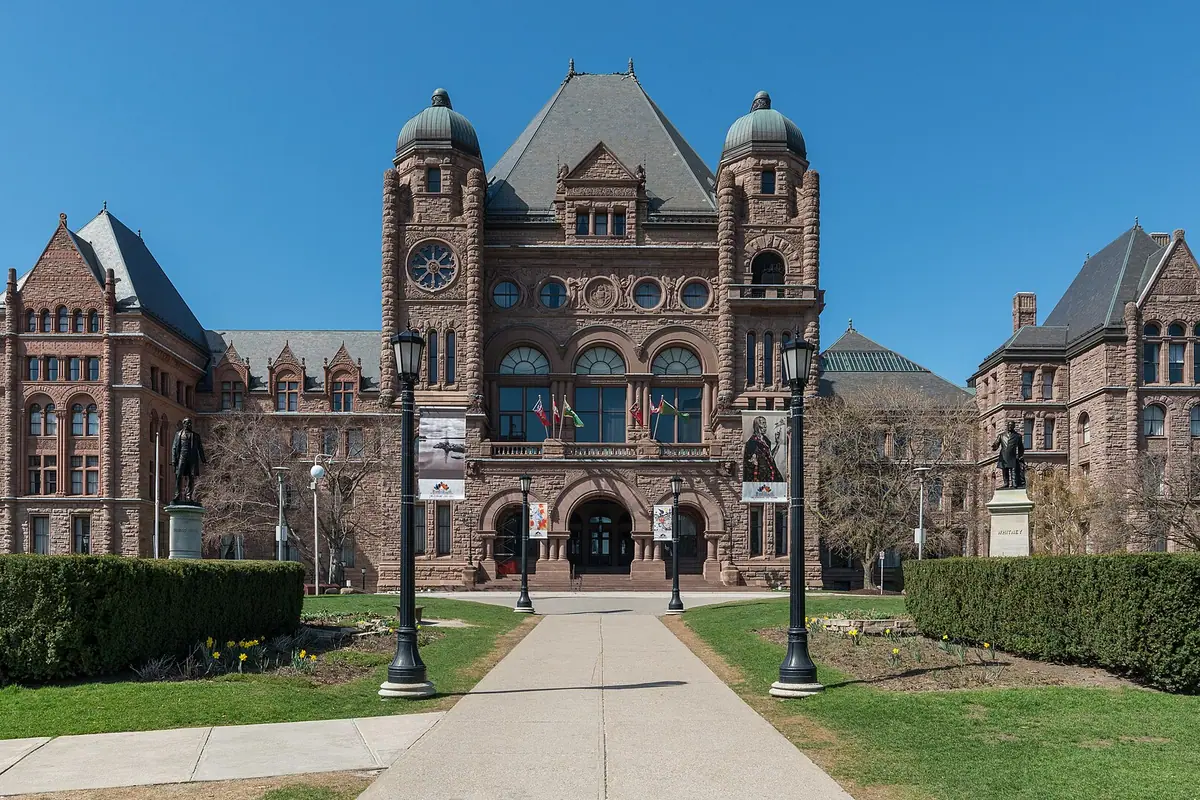
Day 1 — Towers, Museums and the Markets Downtown
Start with the view, because everything else makes more sense afterwards. The CN Tower's glass floor, outdoor terrace and higher observation deck are best visited right at opening (usually late morning) before the queues build; late afternoon gives the warmest light but the longest waits. Allow 90 minutes including security, and skip it entirely on a low-cloud day — the whole point is the panorama over the harbour, the islands and the grid of streets below.
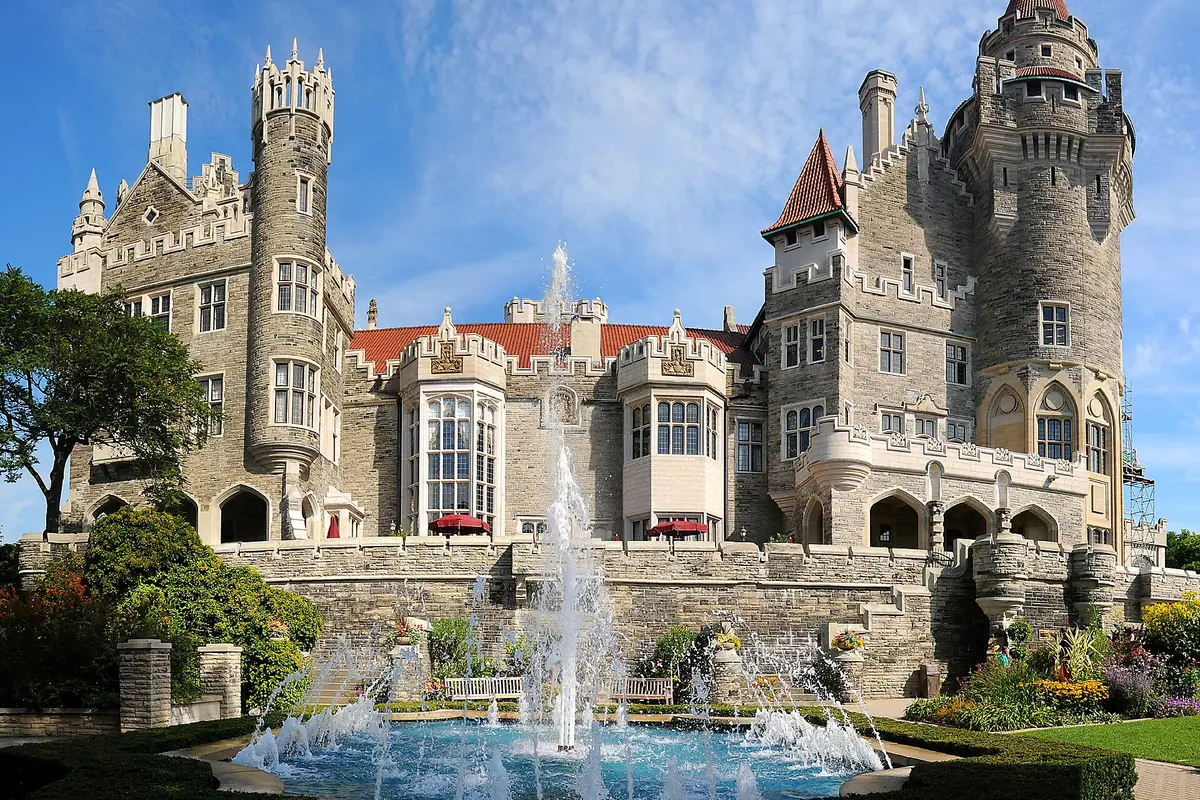
By midday, move into the museum district. The Royal Ontario Museum pairs dinosaur skeletons and mineral galleries with extensive world-culture collections, and the Art Gallery of Ontario is a short walk away with a strong Canadian and Indigenous holdings. If architecture appeals more, ride the subway north for 20 minutes to Casa Loma, an Edwardian mansion with towers, tunnels and gardens that takes about two hours to wander properly. For lunch, St. Lawrence Market is the classic stop — go for a peameal bacon sandwich at a counter stall, and remember the building is closed on Mondays.
Spend the late afternoon in Kensington Market and neighbouring Chinatown, where produce stalls, vintage shops, murals and tiny taquerias spill onto the pavements, then drift west along Queen West for galleries, coffee and record shops. Expect to walk 8 to 12 km a day in Toronto; actual walking shoes matter more here than anywhere else you'll pack for.
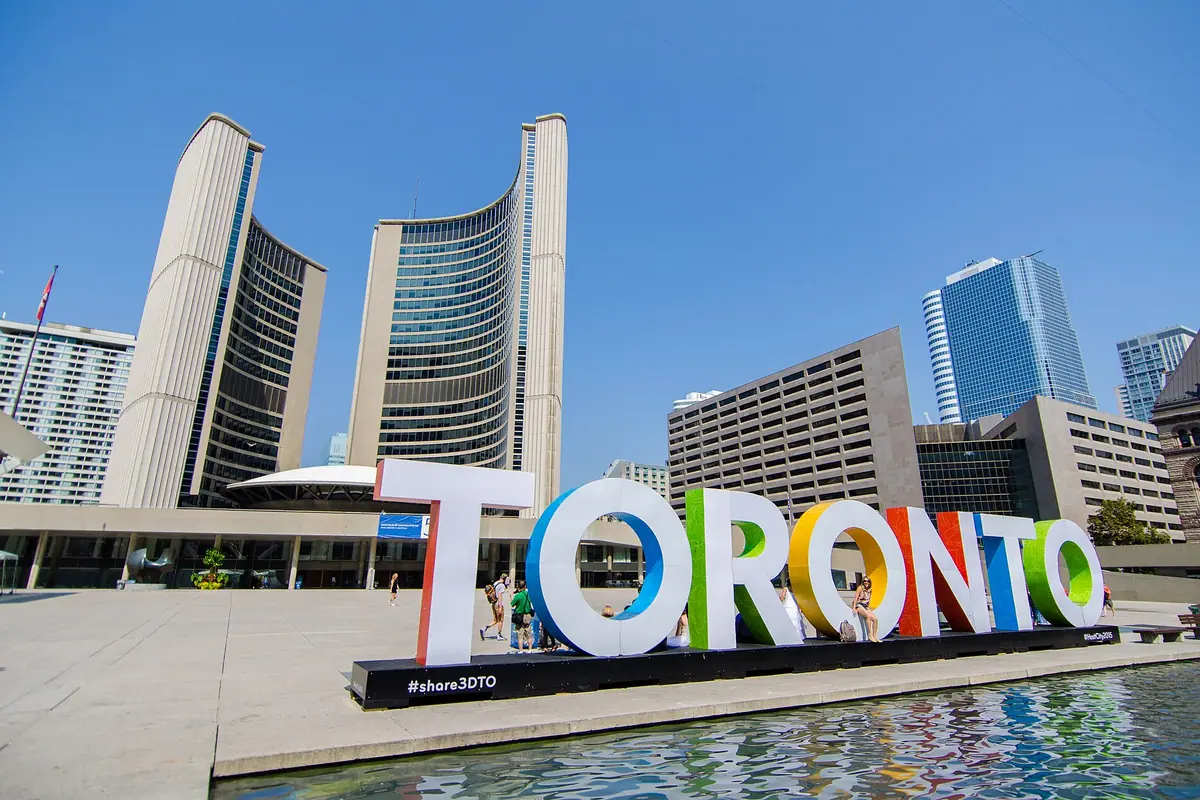
Day 2 — Island Ferries, Beaches and the Distillery District
Take the ferry from the foot of Bay Street to the Toronto Islands, a 13-minute crossing that delivers the single best skyline photograph you'll get all trip. The islands are car-free and threaded with bike paths, boardwalks and quiet beaches; Hanlan's Point has a stretch that is clothing-optional, while Ward's Island is the sleepiest and most residential. Rent a bike for two or three hours, pack water, and be aware that ferry queues on summer weekends can eat 45 minutes each way.
Back on the mainland, spend the afternoon in the Distillery District, a cluster of red-brick Victorian industrial buildings converted into galleries, studios, cafés and small breweries. It is compact — two hours covers it — but the light through the brick arches in late afternoon is worth planning around. From mid-November to late December the lanes fill with a festive market that gets extremely busy after 5pm, so arrive early if you're visiting in that window.
For the evening, choose between a show in the Entertainment District, a low-key jazz bar along Queen West, or a slow dinner on the Danforth, where the Greek restaurants have been feeding the city for decades. If the weather turns, this is the moment to duck into the underground PATH network, a maze of connected walkways under the financial core that links offices, food courts and subway stations and keeps you warm and dry for kilometres.
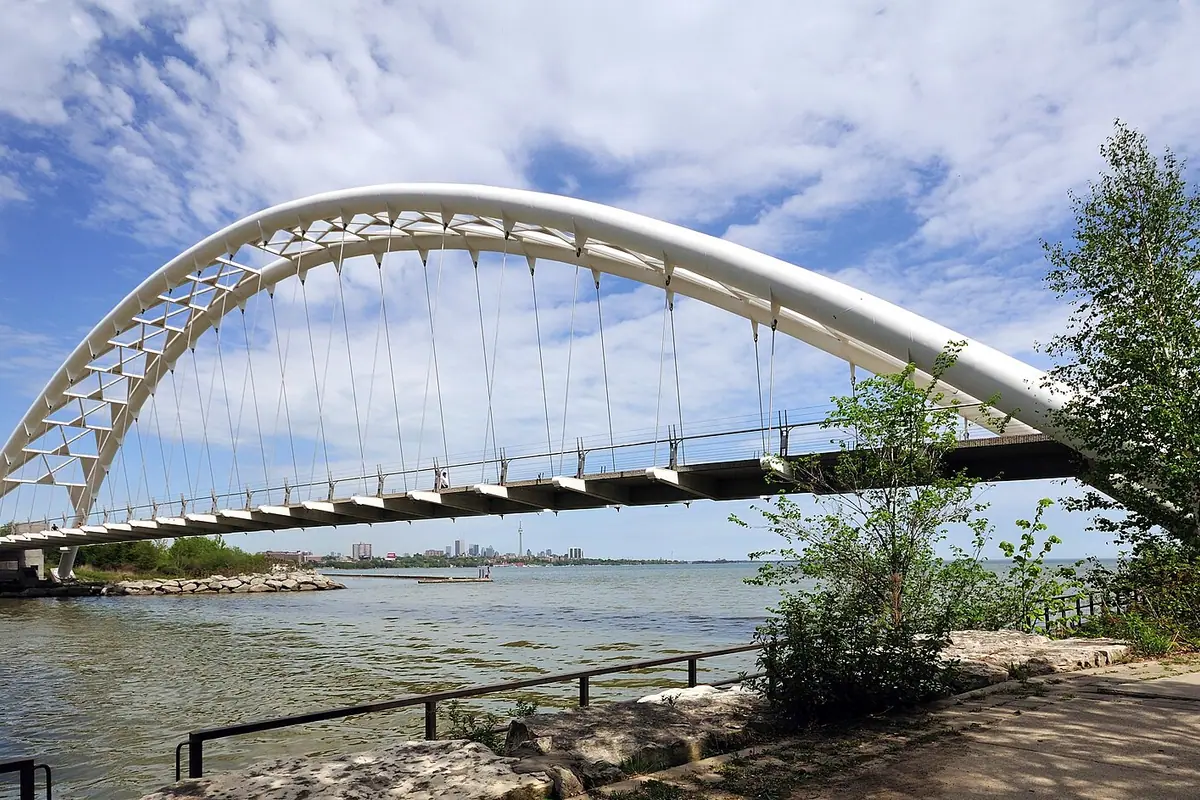
Day 3 — Niagara Falls, Wine Country or a Slower City Day
The classic third day is Niagara Falls, about 130 km southwest — roughly 1.5 to 2 hours by car, or around two hours by coach or train. Go early. The falls are busiest from late morning, and the boat tour into the mist, the tunnels behind the cascade and the riverside walkways all move faster before the crowds arrive. Bring a light rain jacket rather than relying on the ponchos handed out, and expect to spend three to four hours at the falls themselves.
If you have a car or join a small-group tour, continue 25 minutes to Niagara-on-the-Lake, a preserved 19th-century town of clapboard houses and tasting rooms surrounded by vineyards. The wine route here is excellent from May to October, and the flat, quiet roads make for an easy afternoon of two or three cellar visits. In winter, the falls still run and the ice formations along the gorge are genuinely spectacular, though some attractions close.
Prefer to stay in the city? Spend day three on the Scarborough Bluffs for cliff-top lake views, at Evergreen Brick Works for a reclaimed industrial site turned green space, or in High Park, which erupts with cherry blossoms in late April and early May and turns amber in the second half of October. Finish with sunset from the Riverdale or Chester Hill lookouts, where the skyline catches the last light, then a final dinner on the Danforth before an early flight.
Timing Your Flight: Seasons, Weather and Delay-Proofing
Mid-September to mid-October is the sweet spot: mild days, low humidity and turning leaves, with hotel demand lower than midsummer. May and June run a close second for blossoms, lilacs and patio weather. July and August are hot and humid — routinely 30°C with humidex — but they bring the biggest festival calendar and the longest evenings. Winter is genuinely cold, with January and February often sitting between -5°C and -15°C, and lake-effect snow can arrive fast.
Winter is also when flight disruption is most likely. De-icing, snow clearance and reduced visibility cause rolling delays, and afternoon departures absorb the accumulated backlog of the day. Book morning flights, allow a generous connection if you're continuing elsewhere, and consider an overnight buffer before an international onward leg. Summer has its own hazard: short, violent afternoon thunderstorms that can ground planes for an hour or two.
On fares, late April and early November are usually the quietest weeks, while the December holidays, March break and the first week of July are the most expensive and the busiest at security. If this is your first visit, choose an itinerary that lands in daylight — the approach over the lake and the islands is one of the prettiest urban arrivals in North America, and you'll have an easier first evening.
Where to Base Yourself and How to Move Around
For a three-day trip, stay downtown. The Entertainment and Financial Districts put you within walking distance of the tower, the harbour and Union Station, which is the hub for airport rail, regional trains and the subway. Queen West and Trinity Bellwoods suit anyone who cares more about restaurants and bars than monuments; Kensington and the waterfront offer cheaper rooms and better views respectively; Yorkville is the polished, upscale option with galleries and designer shopping on the doorstep.
Getting around is straightforward without a car. Two main subway lines plus a dense streetcar and bus network cover almost everything a short visit requires, and fares are tap-based with daily caps, so you rarely need to think about tickets. Downtown itself is walkable — most day-one sights sit within 3 km of each other — and the airport rail link runs roughly every 15 minutes. A car only becomes useful for Niagara and the wine region.
A few practical notes: cards and phones are accepted nearly everywhere, tipping runs 15 to 20 percent at restaurants, and English is the default with French widely present on signage. Distances are bigger than they look on a map — the airport is 25 km out, Niagara is 130 km — so plan two substantial activities per day rather than five, and leave the third slot open for whatever the weather decides.
Frequently asked questions
Is 3 days enough for Toronto?
Yes, for a first visit. Three days comfortably covers the downtown core, the harbour and islands, one major museum or mansion, and a full day trip to Niagara Falls or the wine region. Add a fourth day if you want to explore neighbourhoods slowly or visit more than one gallery.
Do I need a car in Toronto?
No. The airport rail link, subway, streetcars and buses handle almost everything downtown, and the central sights are walkable. A car or a small-group tour only makes sense for Niagara Falls, Niagara-on-the-Lake and the surrounding wineries.
What is the best time of year to fly to Toronto?
Mid-September to mid-October offers the best combination of mild weather, autumn colour and reasonable demand. May and June are excellent for blossoms and patios. Expect heat and humidity in July and August, and real cold with possible snow delays from December through February.
Which airport should I fly into?
The main international airport has the widest route network and a frequent rail link that reaches downtown in about 25 minutes. The smaller island airport is closer to the centre but serves fewer destinations and involves a short ferry crossing.
Should I book a Niagara Falls tour or go independently?
Independent travel gives you flexibility and lets you add the wine region, but you'll need a car or a train plus local transport. Organised day tours from downtown are efficient if your time is tight, departing early and returning in the evening.
Sort the rest of your trip
Everything for Toronto, in one place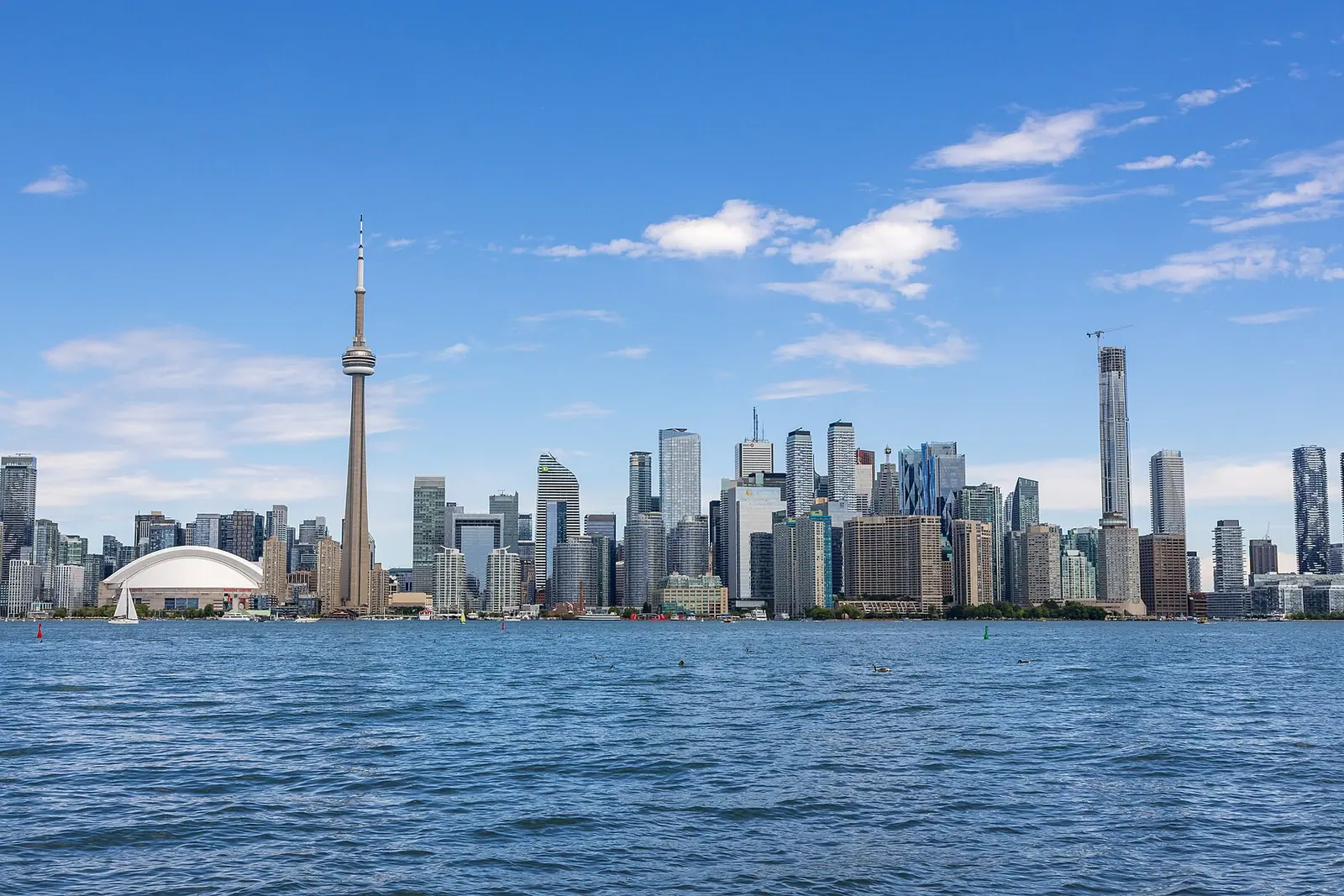
Stay in Toronto
Hotels, guesthouses and apartments — compared in one search.
Search hotels
Transfer in Toronto
Private driver waiting on arrival — no queues, no surprises.
Book a transfer
Travel insurance
Medical cover, delays and lost baggage — sorted before you go.
Get coveredMore guides in Canada

Where to Stay in Canada: Top Cities, Hotels and Must-See Attractions

Canada in One Week by Flight: A 7-Day Itinerary From Coast to Rockies

Best Places to Visit in Canada: Iconic Attractions and Unmissable Experiences Coast to Coast
Hotels in Vancouver: Where to Stay for a 48-Hour Weekend Break
