Canada is too vast to cross by road in a week, but its domestic flight network stitches the country together in a way that feels almost magical — breakfast beside a Toronto skyscraper, dinner under the ramparts of Quebec City, and by midweek you're standing at the edge of a glacier-fed lake in the Rockies. This itinerary uses short hops between six bases to sample the country's greatest hits without spending your holiday in transit.
Days 1–2: Toronto and the Edge of Niagara
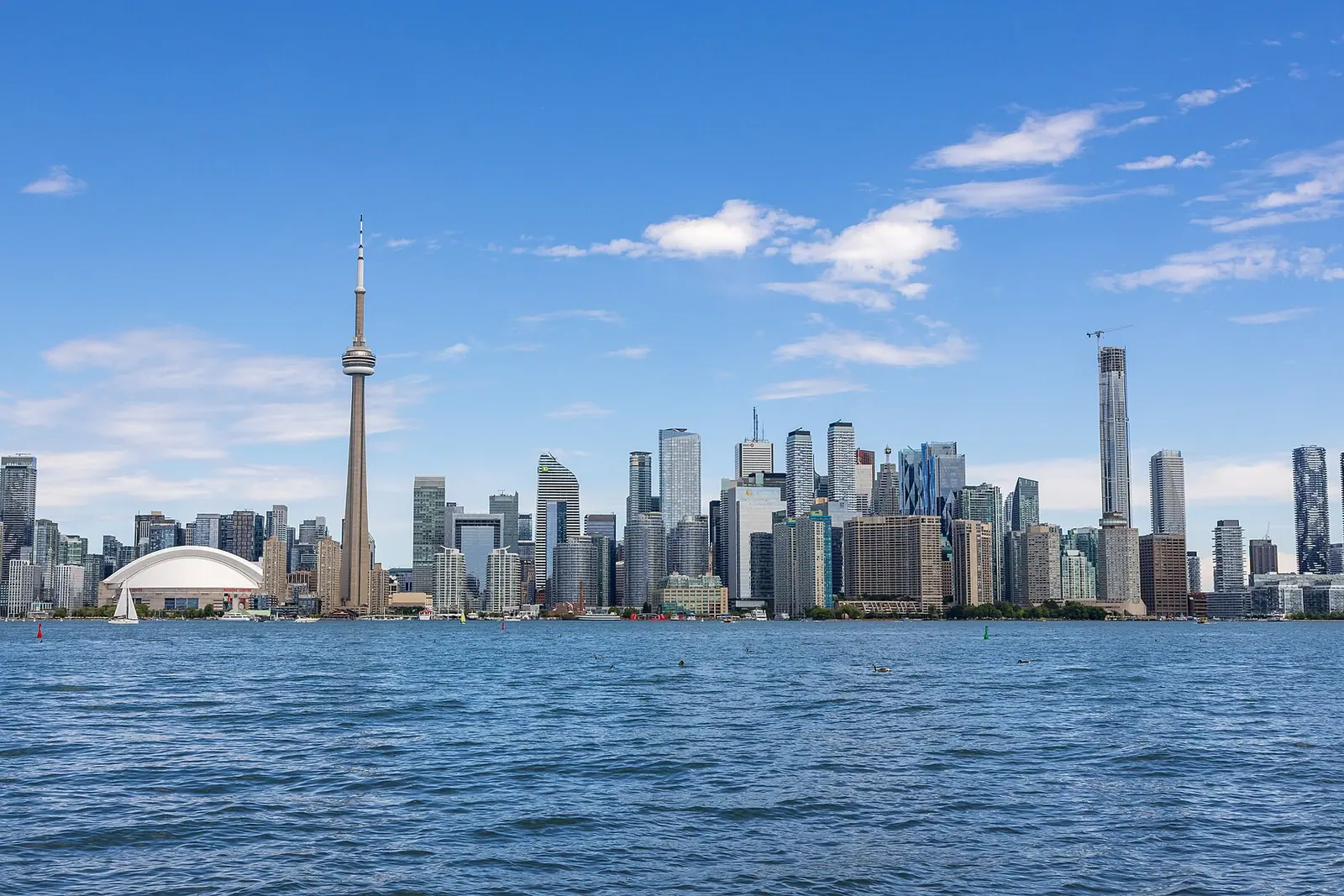
Start where most long-haul flights land: Toronto Pearson International, roughly 30 minutes by train from the downtown core. Give yourself two nights here, because Ontario's capital rewards a slow first day. Ride the glass elevator to the lookout of the CN Tower, still the city's defining silhouette, then wander the Royal Ontario Museum's crystal-clad galleries and the medieval halls of Casa Loma, a genuine castle stranded among modern high-rises.
Day two belongs to Niagara. It's about a two-hour drive or a comfortable rail trip to Niagara Falls, where the Horseshoe Falls throw up a permanent mist and a boat ride into the spray is worth every soaking minute. On the way back, detour through Niagara-on-the-Lake, a postcard town of Victorian storefronts and vineyards — the icewine made here is one of Canada's great edible souvenirs.
Practical notes: late May to early October gives you warm patios and long daylight; September is the sweet spot with fewer crowds and softer light. Fuel up at St. Lawrence Market, where peameal bacon sandwiches are a local institution.

Day 3: Montreal's Old World Rhythm
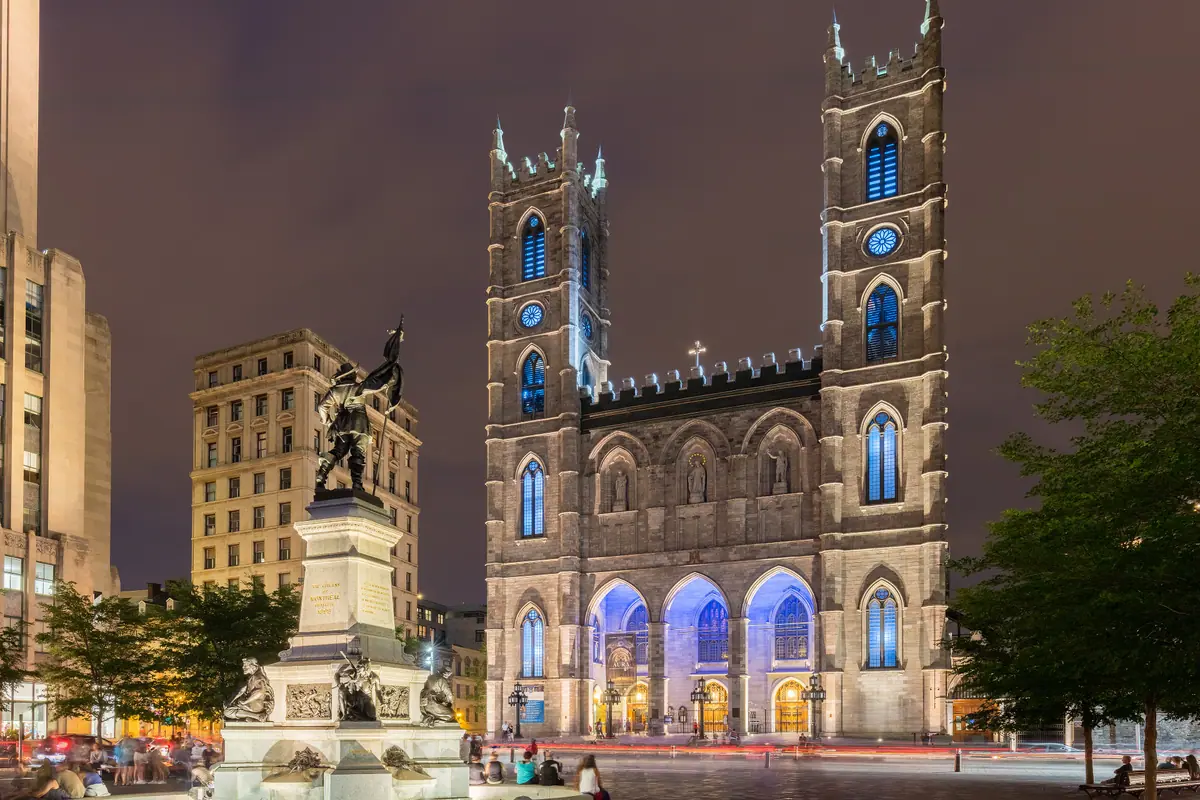
A flight from Toronto to Montreal takes barely 75 minutes, so you can be walking cobblestones before lunch. Old Montreal is the reason to come: a tight grid of stone warehouses, horse-drawn calèches and riverfront squares that feels more like France than North America. Anchor your visit at Notre-Dame Basilica, whose midnight-blue interior and carved wooden altarpiece are among the most theatrical church interiors on the continent.
Climb to Mount Royal for the classic skyline view from the Kondiaronk lookout, then drop into Plateau Mont-Royal for bagels, terraces and spiral staircases. If you have energy left, the Jean-Talon Market in Little Italy is where the city actually shops — cheese, maple everything, and produce stalls that run deep into summer evenings.
Montreal is a walking city, but the metro is fast and cheap for covering ground between neighbourhoods. One night is tight but workable; two is far better if you want to add the Biosphere or the botanical gardens.
Day 4: Quebec City Behind Its Walls
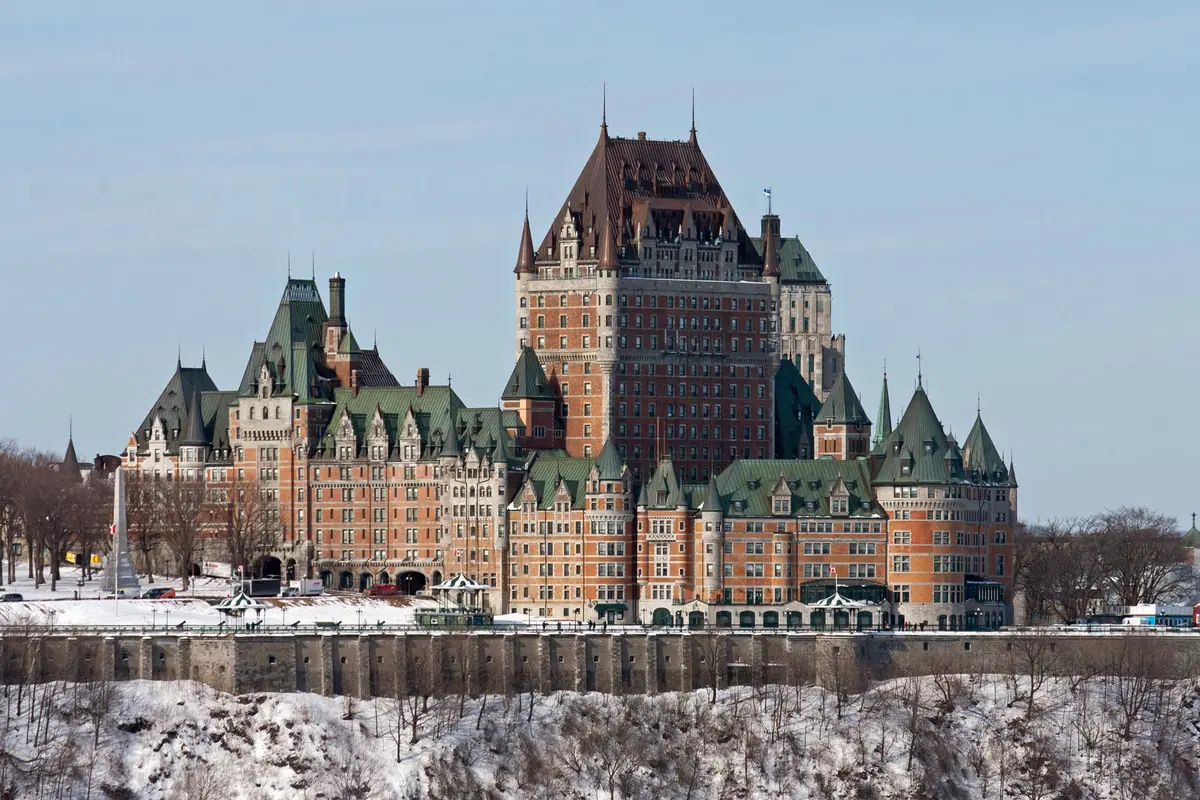
Another short hop — under an hour in the air — drops you in Quebec City, the only walled city north of Mexico. The whole fortified old town is a UNESCO World Heritage Site, and it's compact enough to cover on foot in a single, memorable day. Château Frontenac dominates the skyline from every angle, its green copper roofs stacked above the Saint Lawrence River like something out of a storybook.
Walk the Terrasse Dufferin boardwalk, ride the funicular down to Quartier Petit-Champlain — one of the oldest continuously inhabited streets in North America — and continue to Place Royale, where the city began as a fur-trading post. The ramparts themselves are free to stroll, and the views from the Citadelle are the finest in town.
Evening is when the old town glows; stone facades light up and street musicians work the squares. Book accommodation inside the walls early, especially during the summer festival season and the winter carnival, when rooms vanish months ahead.
Day 5: Banff and the Rocky Mountain Lakes
This is the long flight of the trip — roughly four and a half hours from Quebec City via a connection, or a direct hop from Toronto or Montreal to Calgary. From Calgary International it's about 90 minutes by road into Banff National Park, Canada's oldest and arguably most spectacular protected area.
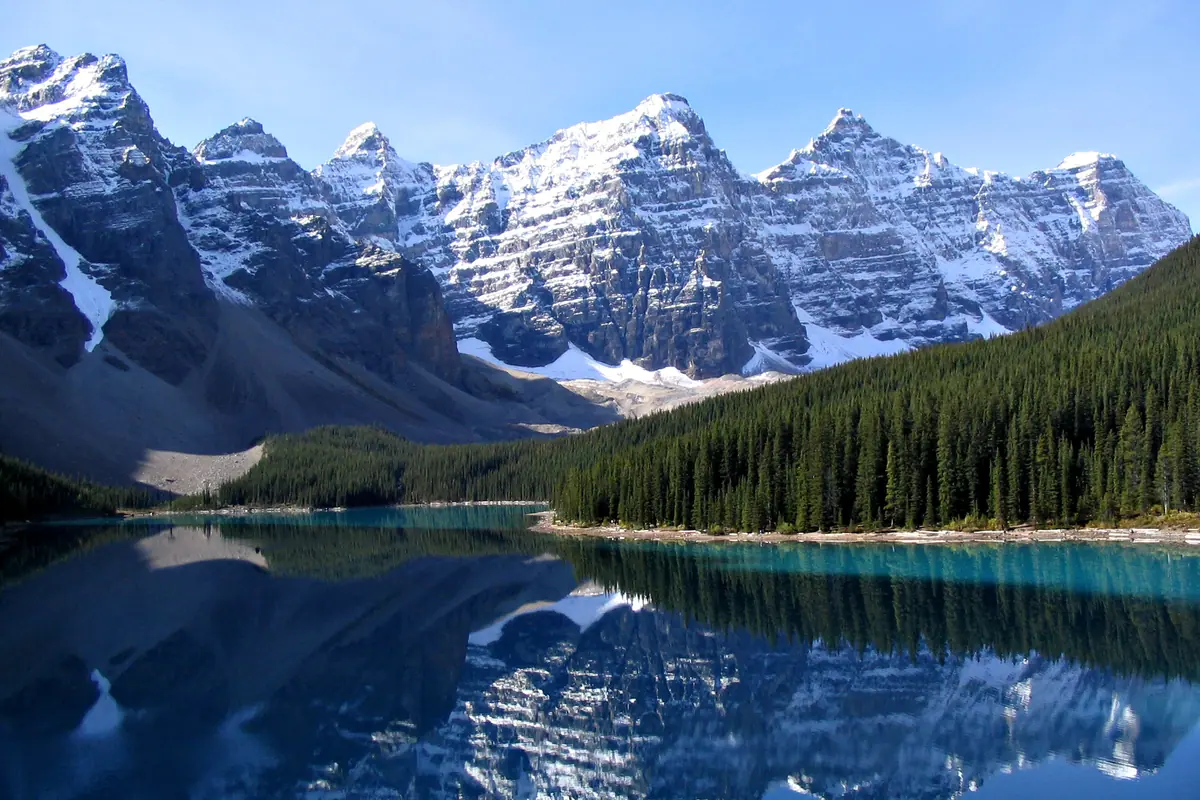
Spend the day chasing water. Lake Louise, with the Victoria Glacier hanging above it, is the postcard you've seen a thousand times; arrive before 8am to get ahead of the tour buses. Nearby Moraine Lake, a deeper, almost unreal blue, sits in the Valley of the Ten Peaks and is reachable by shuttle in summer. If you have time, ride the gondola up Sulphur Mountain for a panorama of the entire Bow Valley, or drive a stretch of the Icefields Parkway, one of the great mountain roads on earth.
Wildlife is real here — elk, bighorn sheep and occasionally bears — so keep your distance and carry bear spray on trails. Mid-June to mid-September is the reliable window; late September brings golden larches and fewer people, but snow can close high passes by October.
Day 6: Vancouver — Rainforest, Sea and Sky
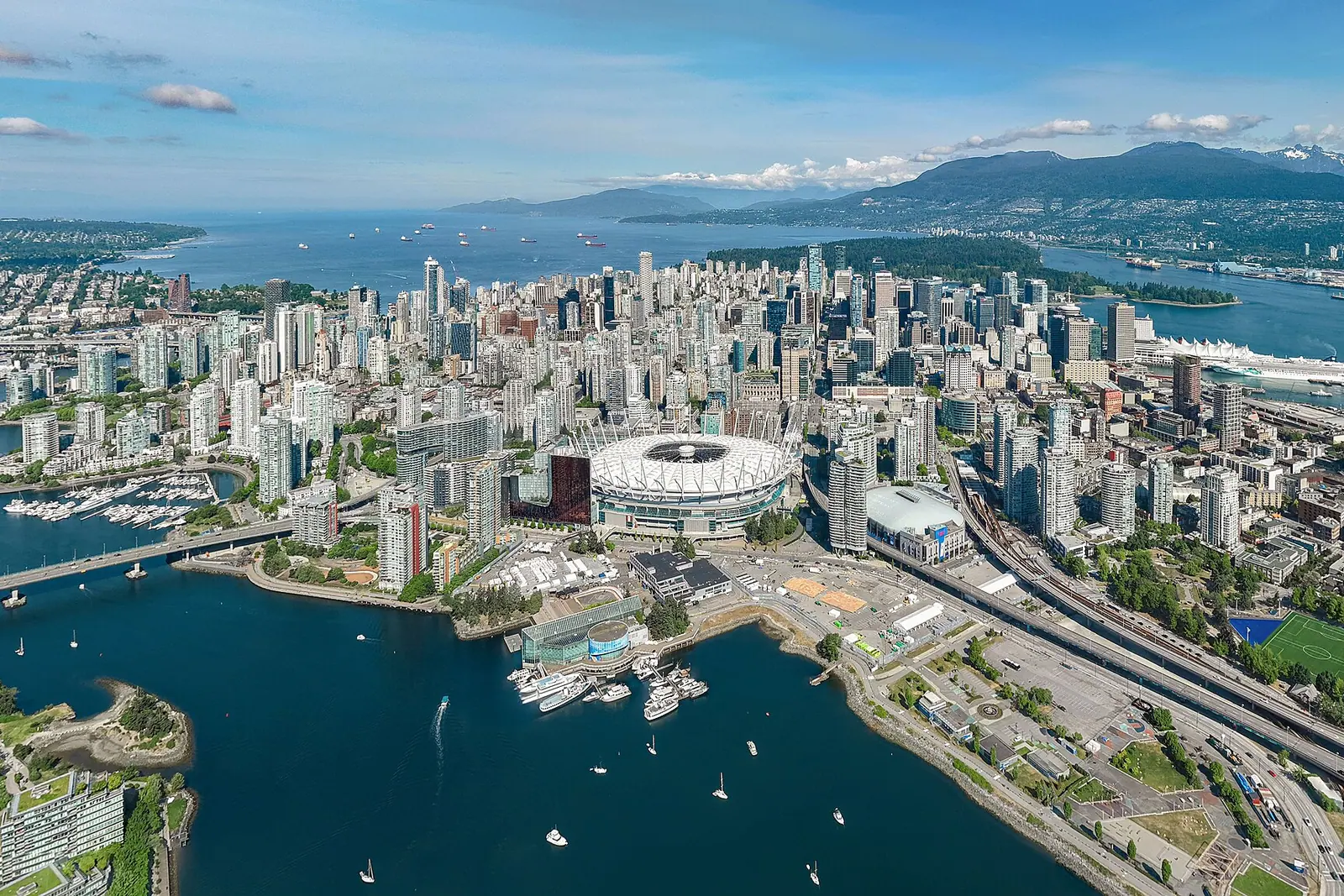
Fly west to Vancouver, about 90 minutes from Calgary, and the landscape flips completely: ocean inlets, cedar forests and a skyline pressed against the mountains. Start on the Stanley Park seawall, a 9-kilometre paved loop that might be the most beautiful urban walk in the country — totem poles at Brockton Point, freighters anchored offshore, and the Lions Gate Bridge rising in the distance.
Cross to Granville Island Public Market for lunch, then head north of the city to the Capilano Suspension Bridge, swinging 70 metres above a salmon river, and Grouse Mountain, where a cable car climbs to a ridge with grizzly bears, a lumberjack show and views across the whole Lower Mainland.
Wander Gastown at dusk for the steam clock and brick-lined streets. Vancouver is famously damp from October to April; June through September is reliably dry, and the long northern twilight means you can still be outdoors at 9pm in July.
Day 7: Victoria and the Strait of Georgia
Finish on Vancouver Island, 25 minutes by seaplane or roughly 90 minutes by ferry across the Strait of Georgia. Victoria is small, walkable and unashamedly pretty — a harbour full of yachts, flower baskets on every lamp post, and the grand château-style hotel presiding over it all.
Head straight for Butchart Gardens, a former limestone quarry transformed into 55 acres of sunken gardens, rose beds and illuminated fountains; it's worth three hours at least. Back in town, the Royal BC Museum and the Inner Harbour causeway — with buskers, seaplanes landing and the Parliament Buildings lit at night — make for an easy, satisfying final evening.
From Victoria you can fly back to Vancouver for an international connection in under 30 minutes, making this a clean place to end a trip. If you have a spare day, whale-watching tours from the harbour run through the summer and regularly spot orcas and humpbacks.
Frequently asked questions
How do I book internal flights across Canada efficiently?
Domestic carriers fly frequent services between Toronto, Montreal, Quebec City, Calgary and Vancouver, but fares vary wildly by day. Booking each leg two to three months ahead, and favouring early-morning departures, keeps costs down and reduces the chance of cascading delays. Build in at least three hours for connections at Toronto and Montreal, which are the busiest hubs.
What is the best time of year for this itinerary?
Late June through mid-September gives you warm weather, open mountain roads and full ferry and shuttle service in Banff. Early October is quieter and beautiful for eastern cities and fall colour, but Rockies weather turns unpredictable and some high-elevation roads close from November. Winter works only if you swap Banff hiking for skiing and add warm layers.
Do I need a car at any point?
Only in the Rockies. Banff and Lake Louise are poorly served by public transport, and the Icefields Parkway is a drive, not a bus route. Everywhere else — Toronto, Montreal, Quebec City, Vancouver, Victoria — you can rely on transit, trains, ferries and your own two feet. Rent the car in Calgary and drop it before flying west.
Is one week enough to see Canada?
No — and this itinerary doesn't pretend otherwise. It's a tasting menu: two days in Ontario, a day each in Montreal and Quebec City, one day in the Rockies, one in Vancouver and one on Vancouver Island. If you have a fortnight, add a second night in Banff and a night in Whistler or Tofino.
What should I pack for a cross-country week?
Layers, always. Even in July, Banff mornings can dip near freezing while Toronto and Montreal are humid and hot. Bring a light waterproof shell for Vancouver, comfortable walking shoes for the old towns, insect repellent for mountain evenings, and a swimsuit if you plan to brave the glacial lakes -- locals genuinely do.
Sort the rest of your trip
Everything for Canada, in one place
Stay in Canada
Hotels, guesthouses and apartments — compared in one search.
Search hotels
Transfer in Canada
Private driver waiting on arrival — no queues, no surprises.
Book a transfer
Travel insurance
Medical cover, delays and lost baggage — sorted before you go.
Get coveredMore guides in Canada
Best Time to Visit Canada: A Season-by-Season Hotel Guide
Where to Stay in Canada: Top Cities, Hotels and Must-See Attractions
Best Places to Visit in Canada: Iconic Attractions and Unmissable Experiences Coast to Coast
3 Days in Toronto: A Fly-In Itinerary From Landing to Skyline
Hotels in Vancouver: Where to Stay for a 48-Hour Weekend Break
