Italy packs more world-famous art, architecture and coastline into one boot-shaped peninsula than most continents manage in total. The trick is not deciding whether to go, but choosing which of its layers to peel back first — the ancient stone of Rome, the painted chapels of Florence, the drowned palaces of Venice, or the lemon-scented cliffs of the south. Here is how to see the country's true headline acts without spending your whole holiday in a queue.
Rome: Ancient Ruins, Baroque Fountains and the Vatican
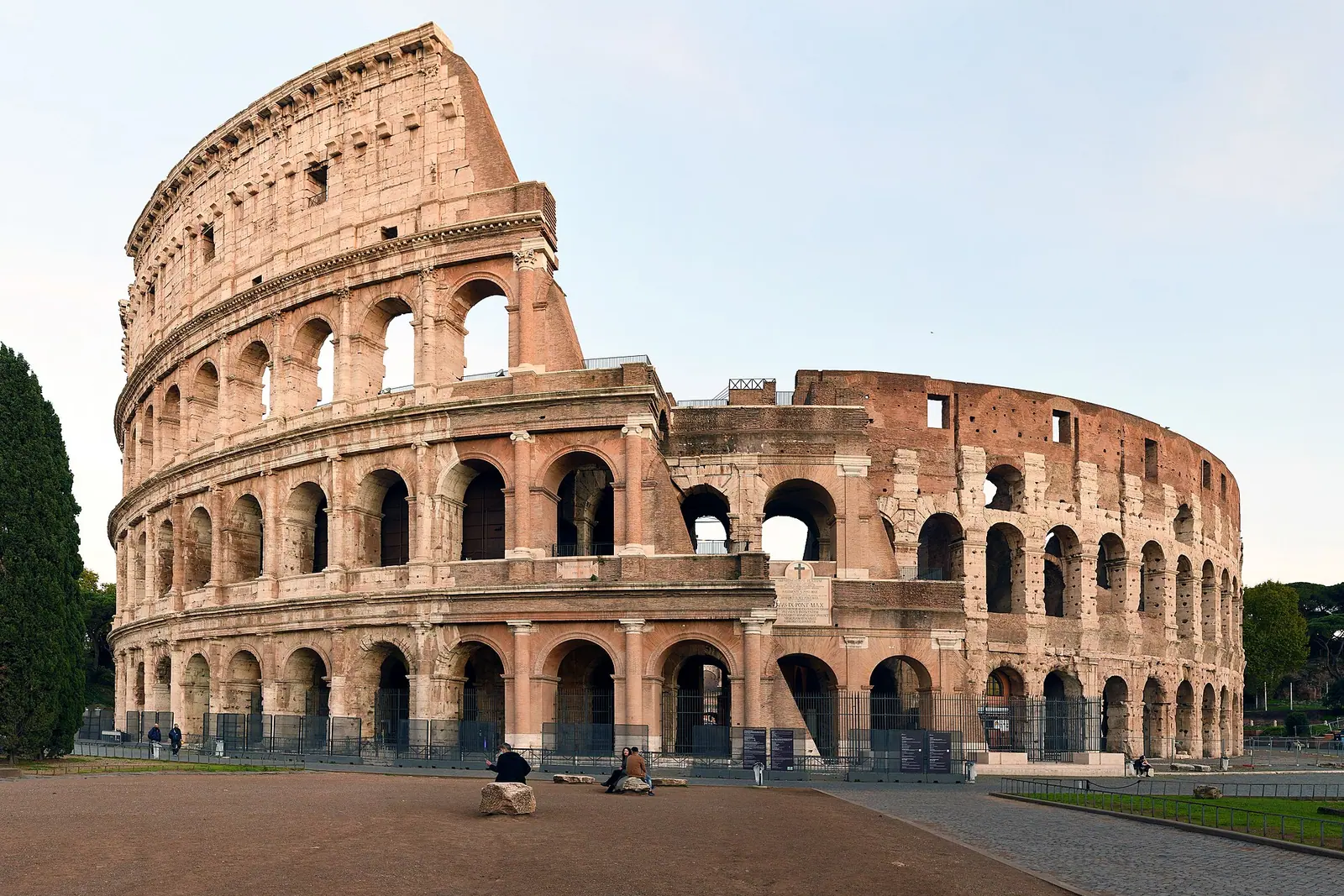
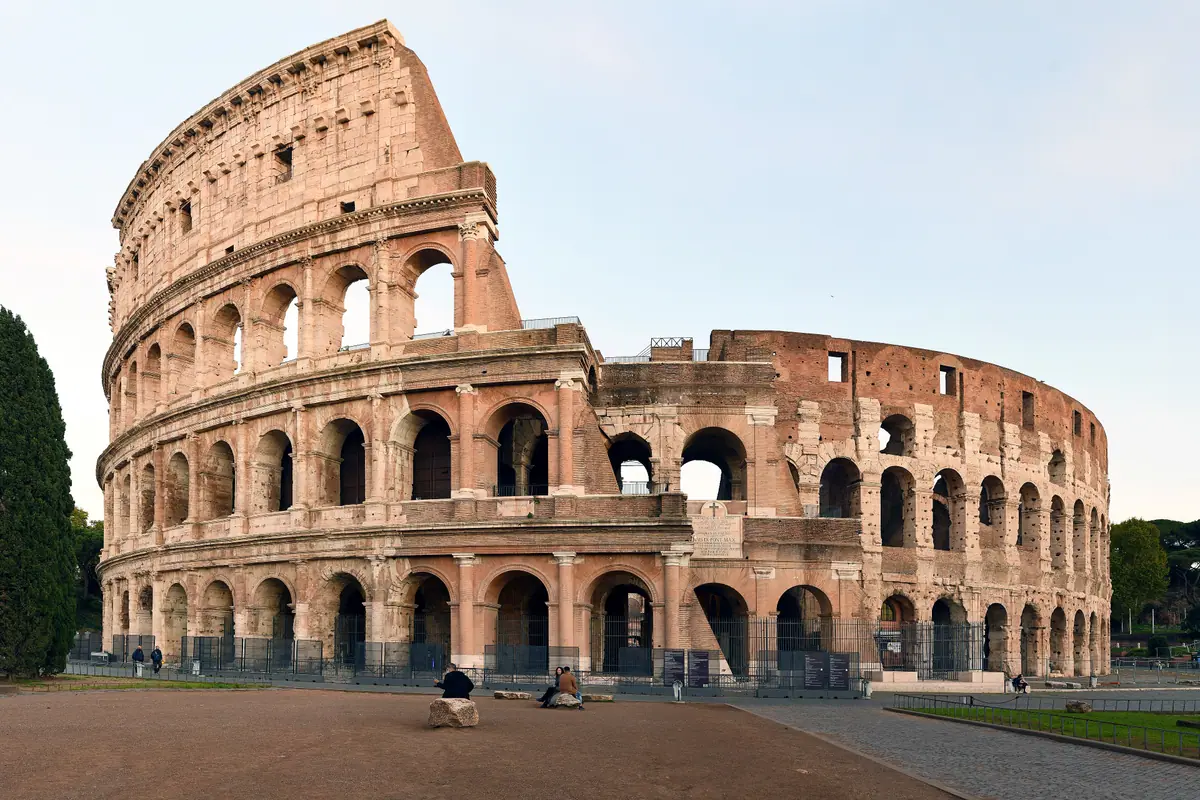
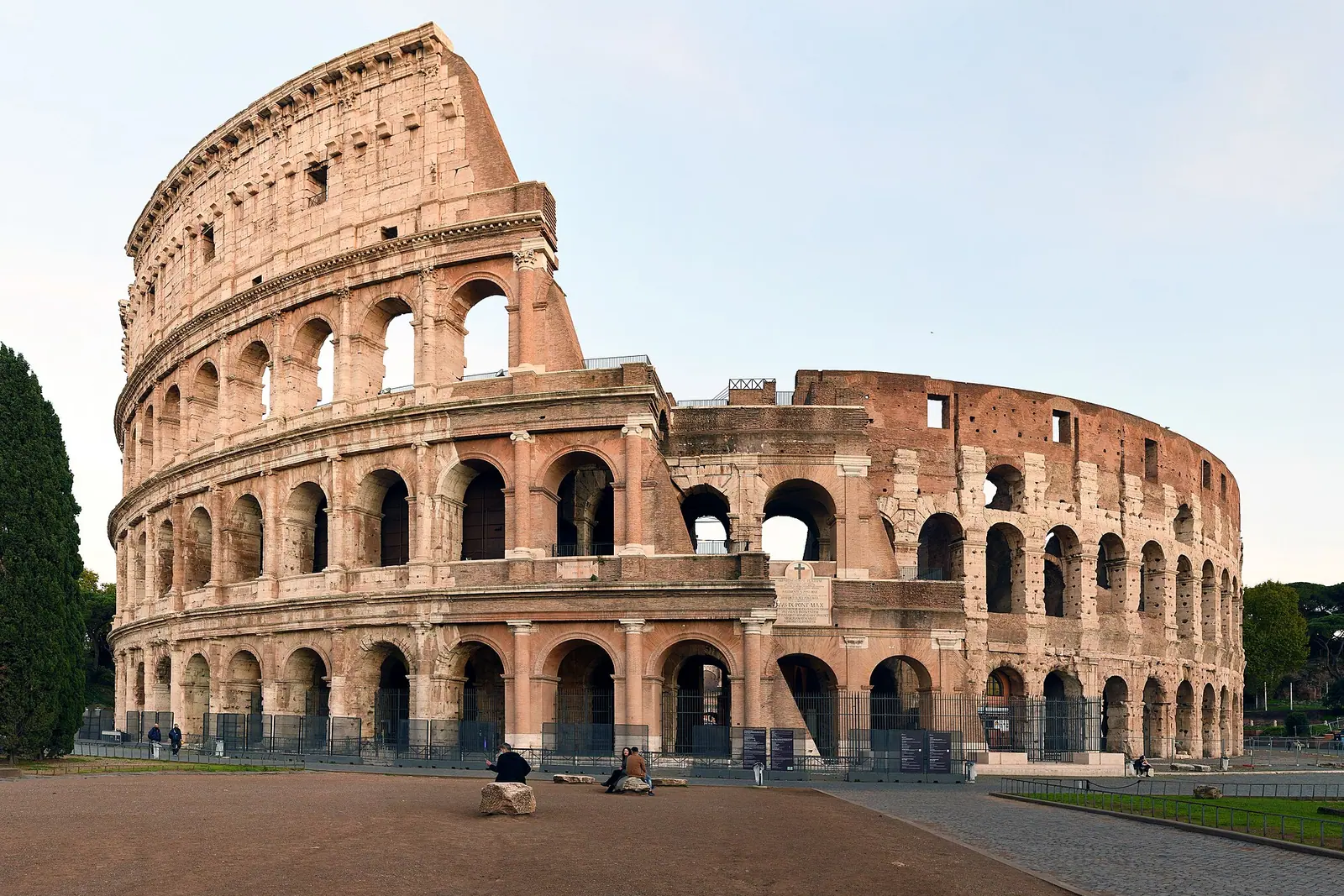
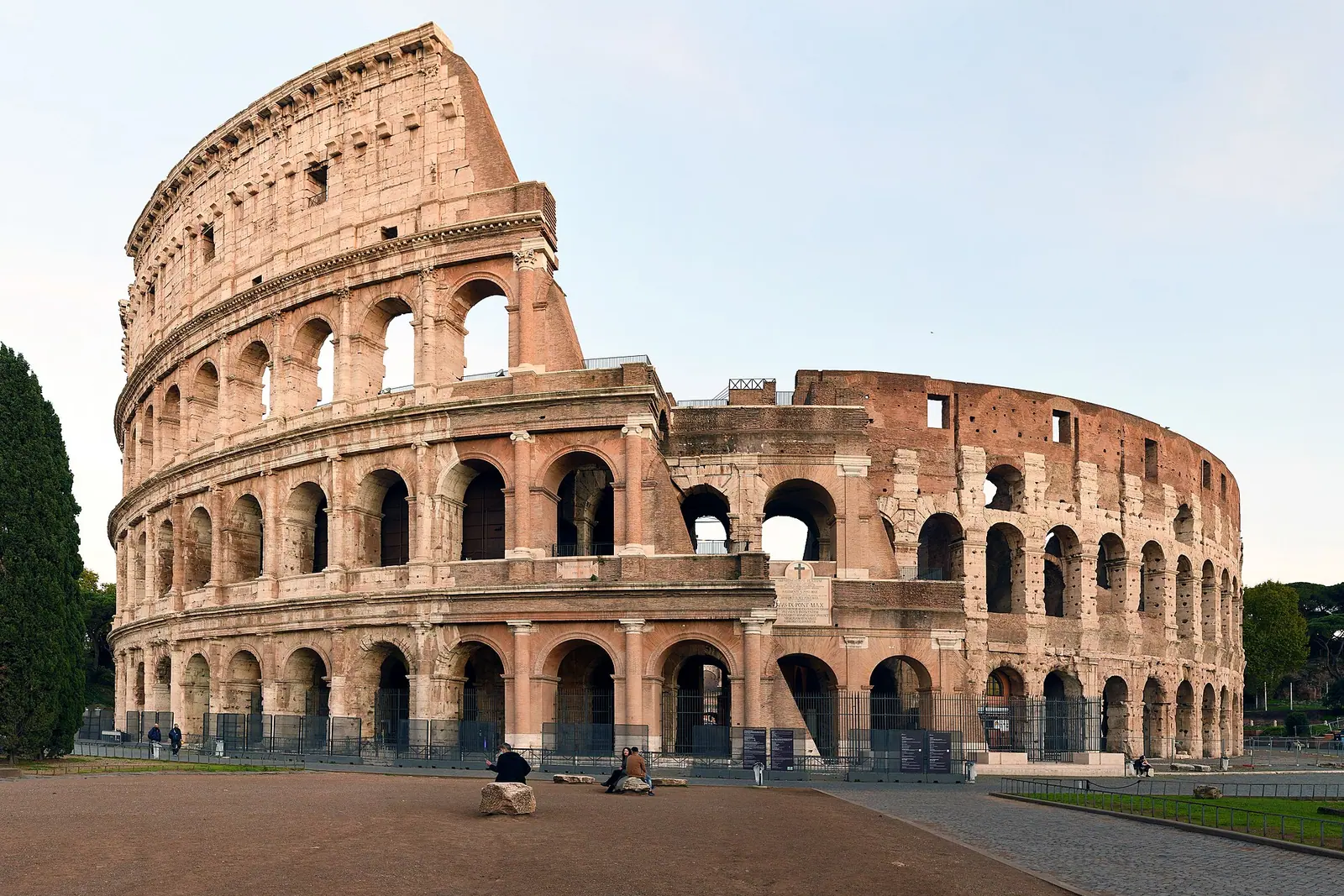
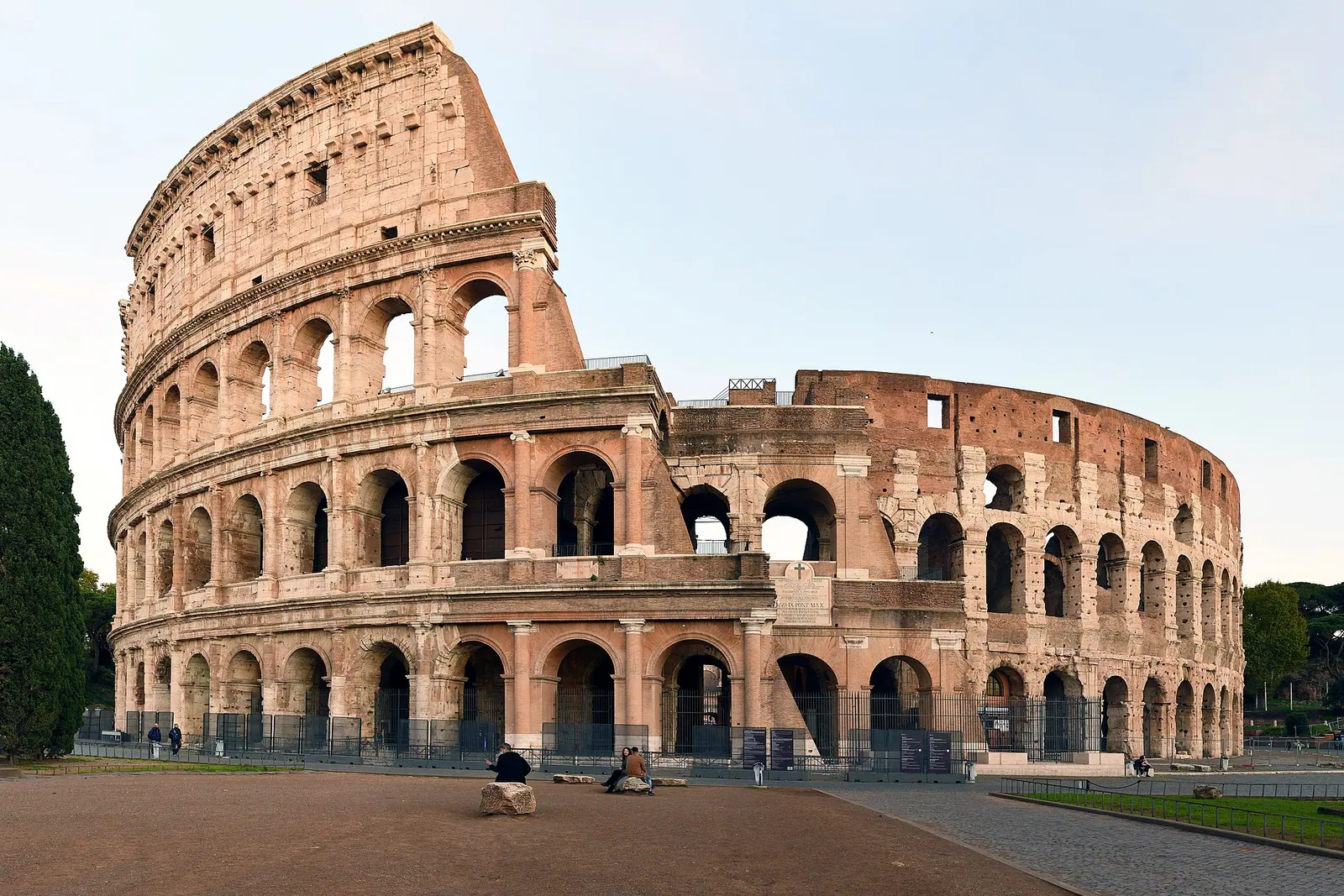
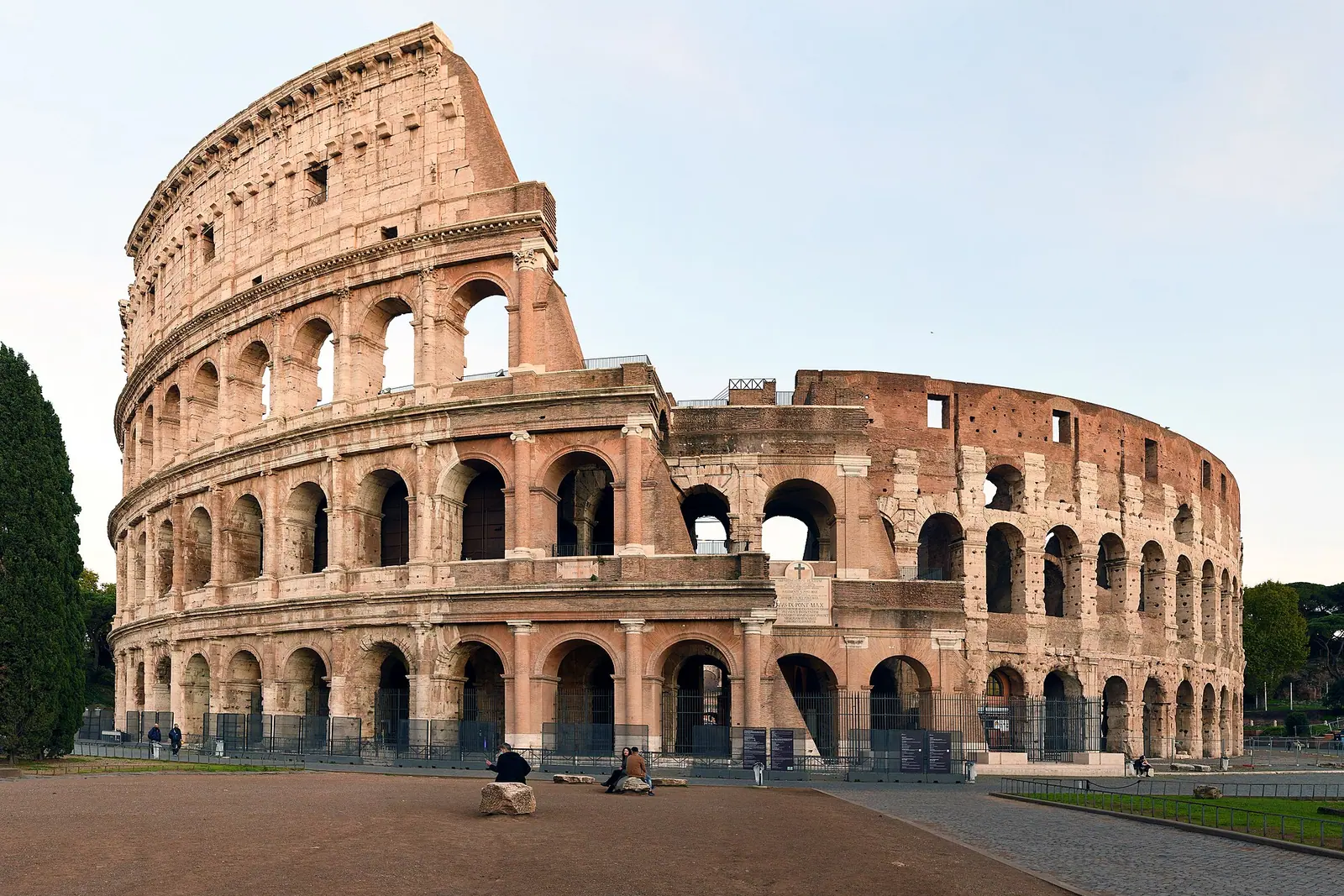
Start where the empire started. The Colosseum is the obvious anchor, and it earns the fuss: a timed entry combined with the Roman Forum and Palatine Hill gives you roughly half a day among triumphal arches, temple columns and the hill where emperors kept their palaces. Go at opening time in summer, when the travertine is still cool and the tour groups are still at breakfast.
Then walk the historic centre on foot, because everything worth seeing sits within about 40 minutes of everything else. Toss a coin into the Trevi Fountain before 8am to have it almost to yourself, marvel at the 2,000-year-old dome of the Pantheon, and linger over an evening in Piazza Navona or across the river in Trastevere, where the trattoria tables spill into the alleys.
Reserve a separate morning for Vatican City: the museums and the Sistine Chapel are enormous, and the climb up the dome of St Peter's Basilica — 551 steps, or a lift plus 320 — rewards you with the best rooftop view in the city. Book that dome climb and the museums in advance; walk-up tickets in high season are a gamble, not a plan.
Florence, the Uffizi and the Tuscan Hill Towns
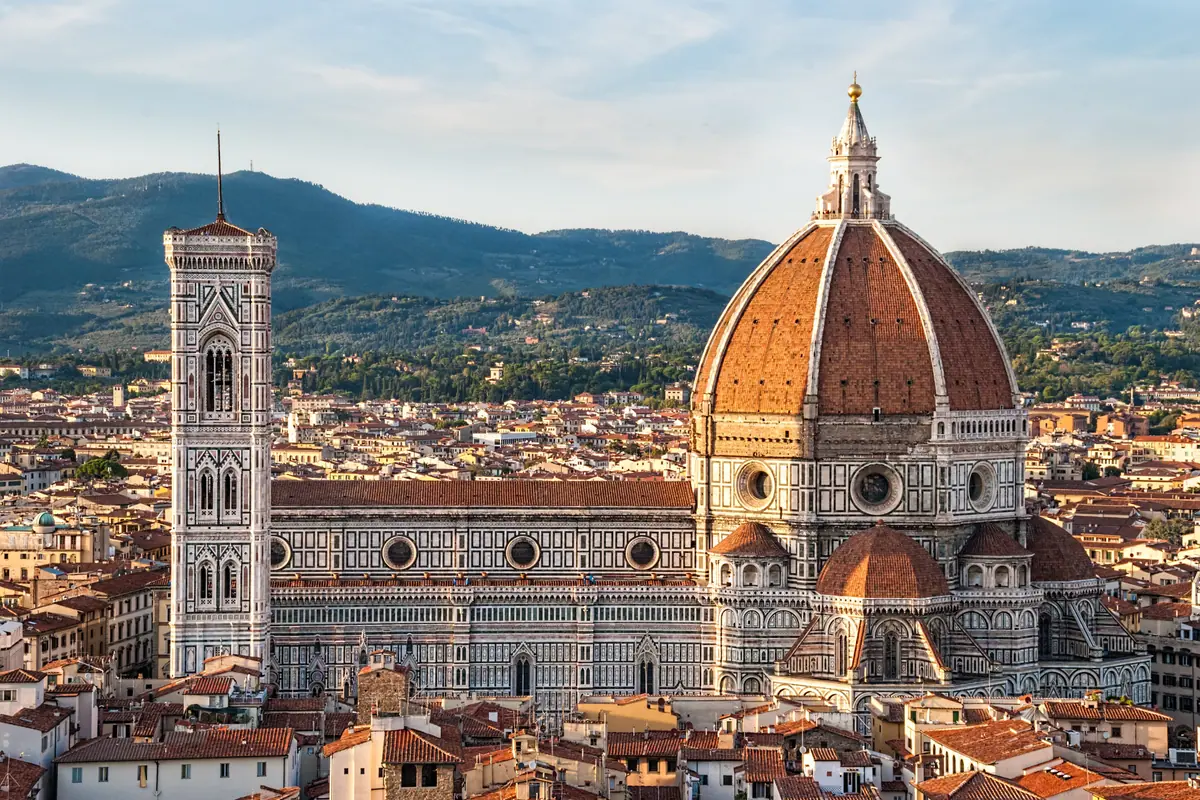
Florence is a Renaissance showroom compressed into a few walkable blocks. The cathedral of Santa Maria del Fiore dominates the skyline with Brunelleschi's terracotta dome — 463 steps to the top, and the single best introduction to the city — while Giotto's Campanile and the Baptistery's golden doors stand beside it. Reserve the Galleria degli Uffizi for Botticelli's 'Birth of Venus' and the Galleria dell'Accademia for Michelangelo's David, and cross the jewellery-cluttered Ponte Vecchio at dusk.
For the classic postcard view, climb or take a taxi to Piazzale Michelangelo as the sun drops behind the Arno. Beyond the city, Tuscany rewards slow travel: Siena's shell-shaped Piazza del Campo hosts the wild Palio horse race on 2 July and 16 August, San Gimignano bristles with medieval towers, and Pisa's Leaning Tower still tilts photogenically beside its cathedral.
Give the region at least three days if you plan to drive the cypress-lined roads of the Val d'Orcia or taste Chianti between villages. A car helps enormously outside the cities — just park outside the historic walls, since central Florence and Siena are restricted-traffic zones where fines arrive months later.
Venice: Canals, Palaces and Lagoon Islands
Venice has no roads, only water and footpaths, and the fastest way to fall for it is to get deliberately lost. Piazza San Marco holds the big three — the gilded domes of St Mark's Basilica, the Doge's Palace with its Bridge of Sighs, and the campanile you can climb for a lagoon-wide panorama. Aim for early morning or after 8pm, when day-trippers thin out and the square belongs to residents and stray orchestras.
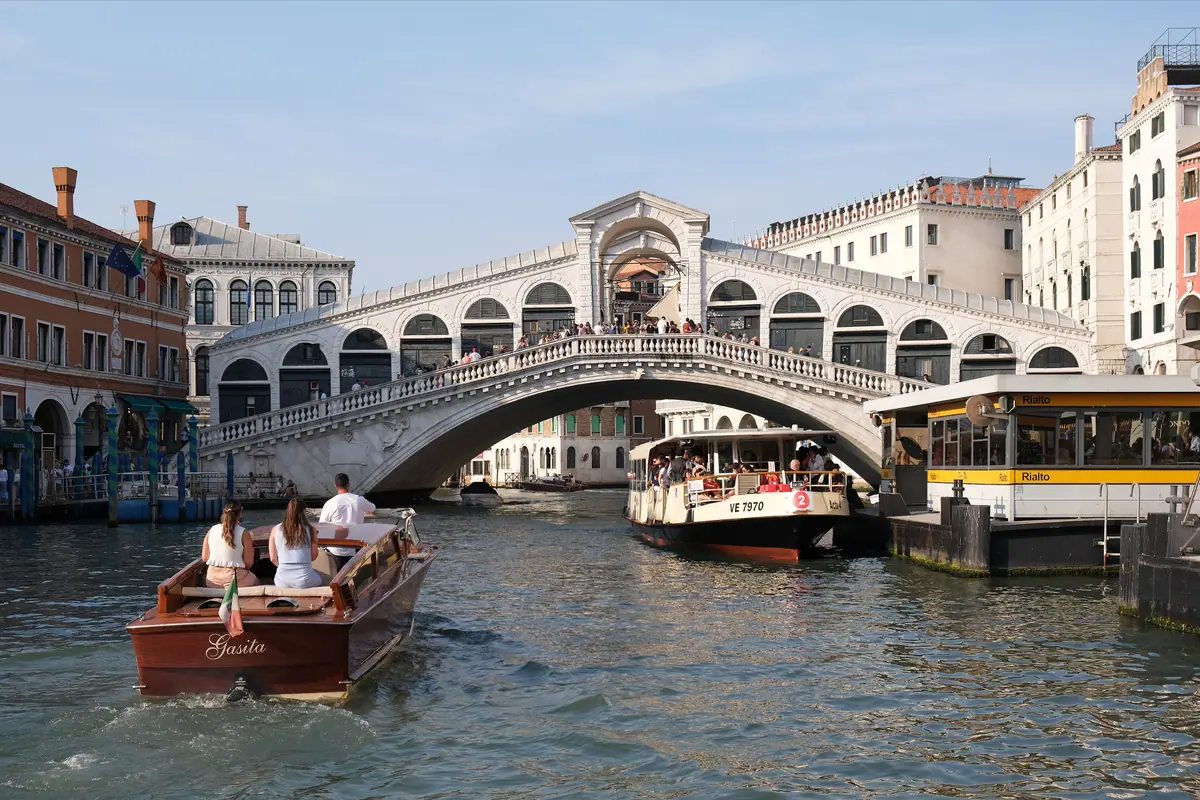
Ride the slow vaporetto down the Grand Canal at least once, ideally at sunset, and cross the Rialto Bridge on foot for the market side. Then escape to the islands: Murano for glass furnaces, Burano for candy-coloured fishermen's houses and lace, Torcello for Byzantine mosaics in near-silence. A gondola is a splurge rather than a necessity — a traghetto ferry across the canal costs almost nothing and gives you the same water-level view.
Time your visit carefully. Carnival in February is theatrical but packed, November brings acqua alta — seasonal high water that floods the lowest squares, with raised walkways deployed — and spring and early autumn deliver the kindest light and the longest café afternoons.
The Amalfi Coast, Pompeii and the Deep South
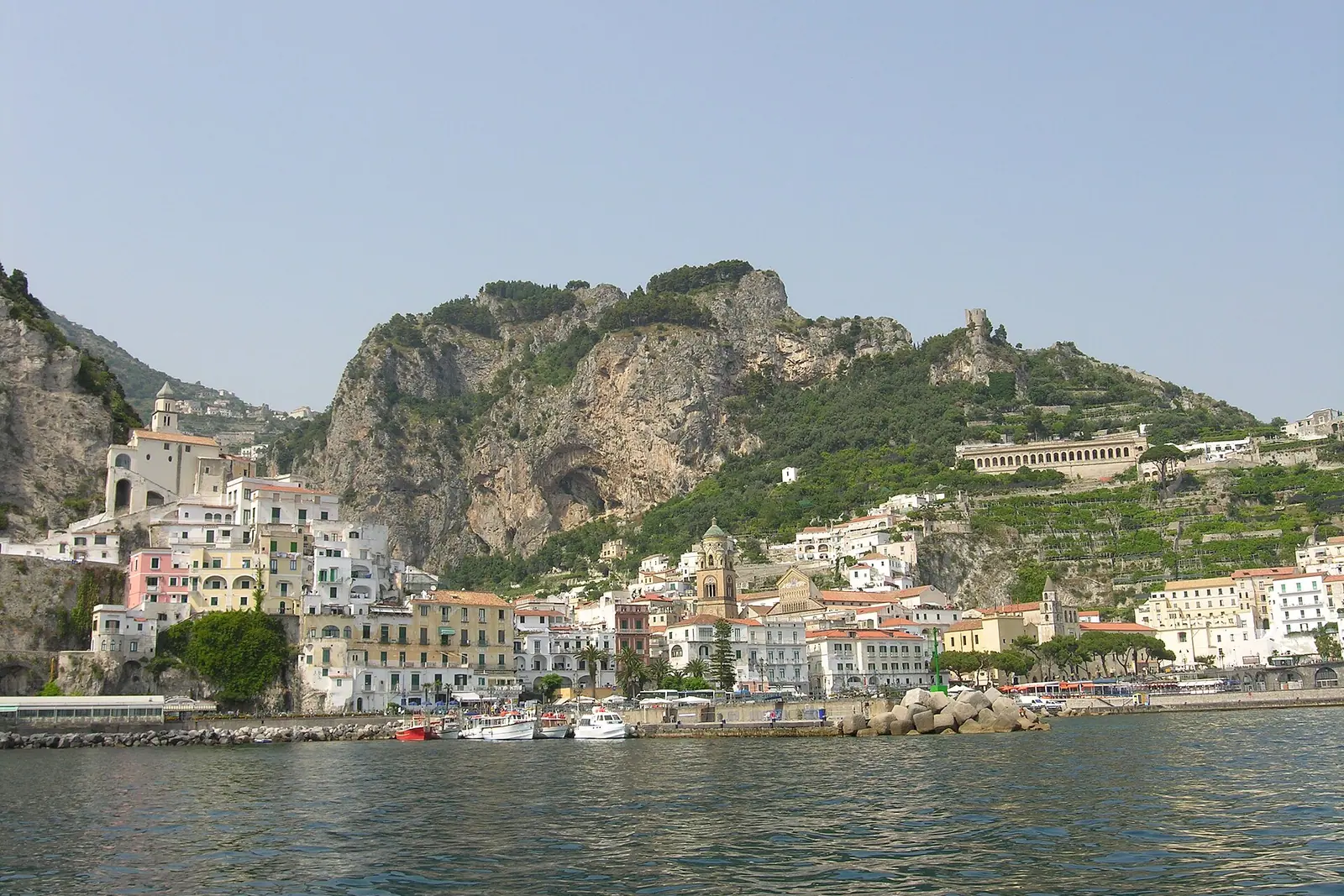
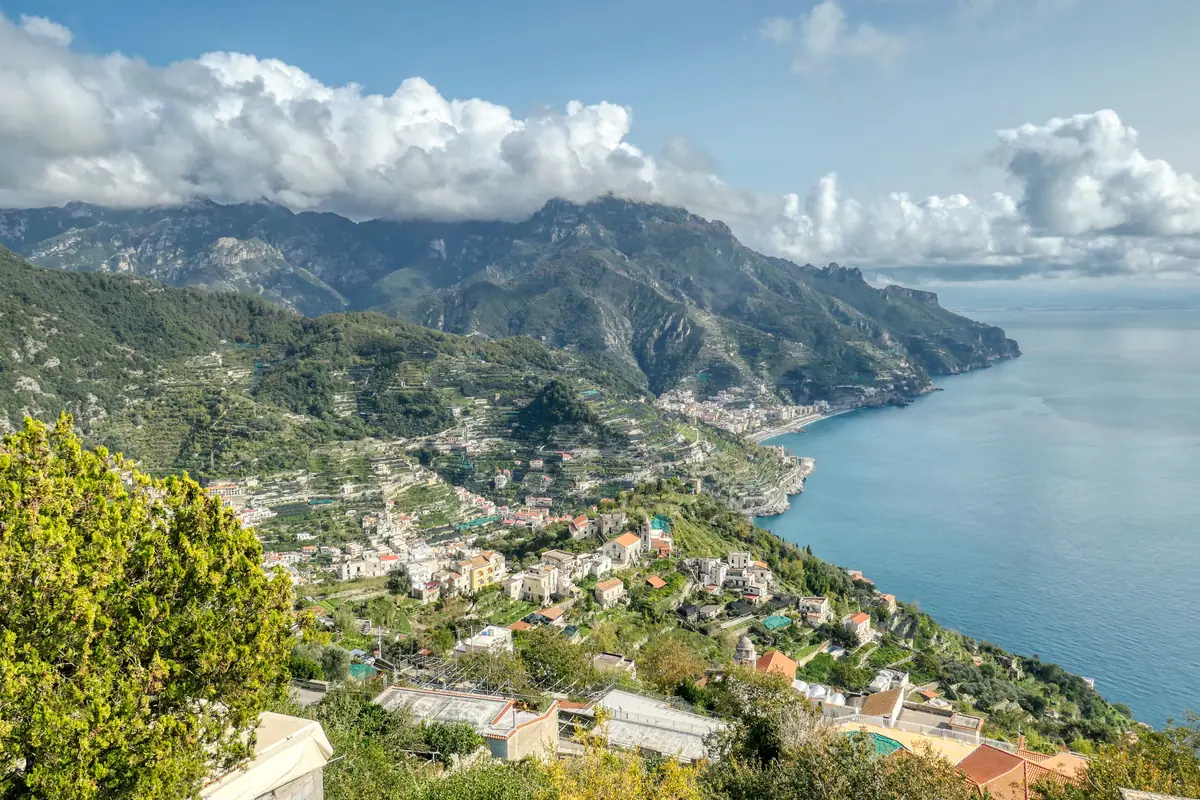
South of Naples, the Amalfi Coast stacks pastel villages onto cliffs above water so blue it looks edited. Positano tumbles down to a pebble beach; Amalfi's cathedral rises above a palm-lined piazza; and Ravello, high on the ridge, offers the Villa Cimbrone gardens and the terrace views that have been seducing writers for two centuries. Hikers should carve out four hours for the Path of the Gods, a clifftop trail from Bomerano to Nocelle that ends with the whole coast laid out beneath you.
Base yourself for the archaeological heavyweights too. Pompeii takes three to four hours and deserves a guide; neighbouring Herculaneum is smaller, better preserved and rarely crowded; and you can climb the cone of Mount Vesuvius for the crater view over the bay. Capri, reached by ferry in under an hour from Sorrento or Naples, adds the Faraglioni sea stacks and the Blue Grotto, best visited before 10am when the water is calmest.
Push further south and the crowds dissolve. Matera's cave dwellings, the cone-roofed trulli of Alberobello, and Sicily's Greek temples at Agrigento, the theatre of Taormina and the smoking summit of Mount Etna make a compelling second trip — or a very ambitious first one.
Northern Lakes, the Dolomites and Milan
Northern Italy trades sun-bleached ruins for alpine drama and lake-front elegance. Milan delivers the flamboyant Duomo with its walkable rooftop terraces, the glass-roofed Galleria Vittorio Emanuele II and Leonardo's 'The Last Supper' in the refectory of Santa Maria delle Grazie — the latter released in small timed slots that sell out weeks or months ahead, so book the moment your dates are fixed.
Lake Como is the romantic set piece: ferries hop between Bellagio, Varenna and Menaggio, and villas with terraced gardens drop straight into the water. Lake Garda, further east, suits windsurfers and families around Sirmione's castle peninsula. In the Dolomites — a UNESCO-listed range of pale limestone towers — the Tre Cime di Lavaredo circuit is the signature day hike, comfortably doable from late June to early October, with chairlifts cutting the climb on either side.
Winter flips the region entirely: ski resorts fill from January, and from late November the Christmas markets of the alpine towns glow with wooden stalls and mulled wine. Verona, en route between Milan and Venice, stages open-air opera in its Roman Arena through the summer months — a genuinely unforgettable way to spend a warm evening.
When to Go, What to Eat and How to Move Around
April to June and late September to October are the sweet spots: mild weather, manageable crowds and open everything. July and August bring punishing heat in Rome, Florence and the south, peak prices on the coast, and Ferragosto around 15 August, when many family-run shops and restaurants close for a week or more. Winter is quiet, cheap and atmospheric in the cities, though some coastal hotels and island ferries shut down until spring.
Eat regionally and you will never have a bad meal. Naples for pizza, Rome for cacio e pepe and carbonara, Bologna for tagliatelle al ragù, Florence for bistecca alla fiorentina, Milan for saffron risotto, Genoa for pesto, Sicily for arancini and cannoli. Stand at the bar for espresso, embrace the 6pm aperitivo, and eat gelato before dinner like the locals do.
Getting around is easier than most visitors expect. High-speed trains link Rome, Florence, Bologna, Venice, Milan and Naples in one to three hours, regional lines cover Cinque Terre and the Amalfi hinterland, and ferries connect the islands. Hire a car only for rural Tuscany, the Dolomites or Puglia — and remember that historic centres are usually off-limits to traffic entirely.
Frequently asked questions
How many days do you need for a first trip to Italy?
Ten days to two weeks is the realistic sweet spot. That allows roughly three nights each in Rome, Florence and Venice, plus a coastal or lake stop. Trying to cover Rome, Florence, Venice, the Amalfi Coast and Sicily in one week means spending most of it in transit.
What is the best month to visit Italy?
May, June, September and early October offer the best balance of warm weather, long daylight and tolerable crowds. Late July and August are hot and busy, especially in Rome and on the coast, while November to February suits city breaks, skiing and Christmas markets.
Do I need to book major attractions in advance?
Yes for the big ones. The Vatican Museums, the Colosseum, the Uffizi, the Galleria dell'Accademia and Leonardo's 'The Last Supper' all operate timed-entry systems that sell out in high season. Booking a few weeks ahead — or months for the Last Supper — saves hours of queuing.
Is it easy to travel between Italian cities without a car?
Very. High-speed rail connects Rome, Florence, Bologna, Venice, Milan and Naples in one to three hours, and regional trains serve smaller towns like those of Cinque Terre. A car is only really useful for rural Tuscany, the Dolomites and Puglia, and even then you should park outside historic centres.
What should I not miss on a first visit to Italy?
The Colosseum and Roman Forum, St Peter's Basilica and the Sistine Chapel in Rome; Florence's cathedral dome and Michelangelo's David; Venice's St Mark's Square and Grand Canal; Pompeii; and at least one stretch of the Amalfi Coast or a northern lake. Add a sunset viewpoint somewhere — Piazzale Michelangelo in Florence or Ravello above the coast both deliver.
Plan it — experiences in Italy
Live search, booked directly with trusted providers.
Sort the rest of your trip
Everything for Italy, in one place

More guides in Italy
Hotels in Italy: Where to Stay in Rome, Florence, Venice and Beyond
Best Places to Visit in Italy: From Rome to the Amalfi Coast
Best Time to Visit Italy: A Season-by-Season Guide to Where You'll Stay
1 Week in Italy by Flight: Rome, Venice, Naples and Sicily Itinerary
Italy Food, Culture and Local Experiences: A Guide to Eating, Wandering and Living Well