Italy squeezes a continent's worth of scenery into a boot-shaped peninsula, and where you sleep shapes how you experience it: a frescoed ceiling two streets from the Pantheon, a stone farmhouse in the Chianti hills, a restored palazzo room opening onto a Venetian canal. This guide maps the country's great hotel cities and regions, pairs each one with the sights you actually came for, and explains how Italian accommodation really works.
How Italian Hotels Work: Star Ratings, City Tax and Seasonal Closures
Italy's accommodation menu ranges far beyond the standard hotel. Alongside the albergo (hotel) and pensione (pension) you'll find the locanda, a small inn often with a much-loved kitchen; the affittacamere, rooms let by a private owner; the agriturismo, a working farm with guest rooms; and the masseria, a fortified Puglian farm estate turned rural retreat. Historic palazzi and former monasteries have been converted into stylish hotels in almost every major city, so it pays to read descriptions carefully rather than assume a chain-standard room. Official star ratings are awarded region by region, which means a four-star in one town can feel like a three-star in the next.
Practically speaking, Italian rooms are usually smaller than their equivalents elsewhere, so if space matters, check the square metres. Air conditioning is not universal in older buildings — in July and August it is the single most important thing to confirm. Lifts in restored historic properties are often tiny or entirely absent, with stairs and no porter, so mention heavy luggage. Most cities also levy a tourist tax of a few euros per person per night, usually collected in cash at check-out. Breakfast is typically a continental spread of pastries, cheese and coffee, and dinner is eaten late, often from 8pm.
Timing drives both price and pleasure. April to June and late September to October bring mild weather, open sights and reasonable rates; July and August are hot, crowded and expensive, and the mid-August Ferragosto holiday shuts family-run shops and restaurants. Many coastal hotels along the Amalfi Coast, Liguria and the Cinque Terre close from November to March, while Dolomites properties switch to ski season. Book three to six months ahead for spring and autumn, longer for Venice, Capri and the Amalfi Coast.
Rome: Sleeping Beside the Colosseum, Pantheon and Vatican
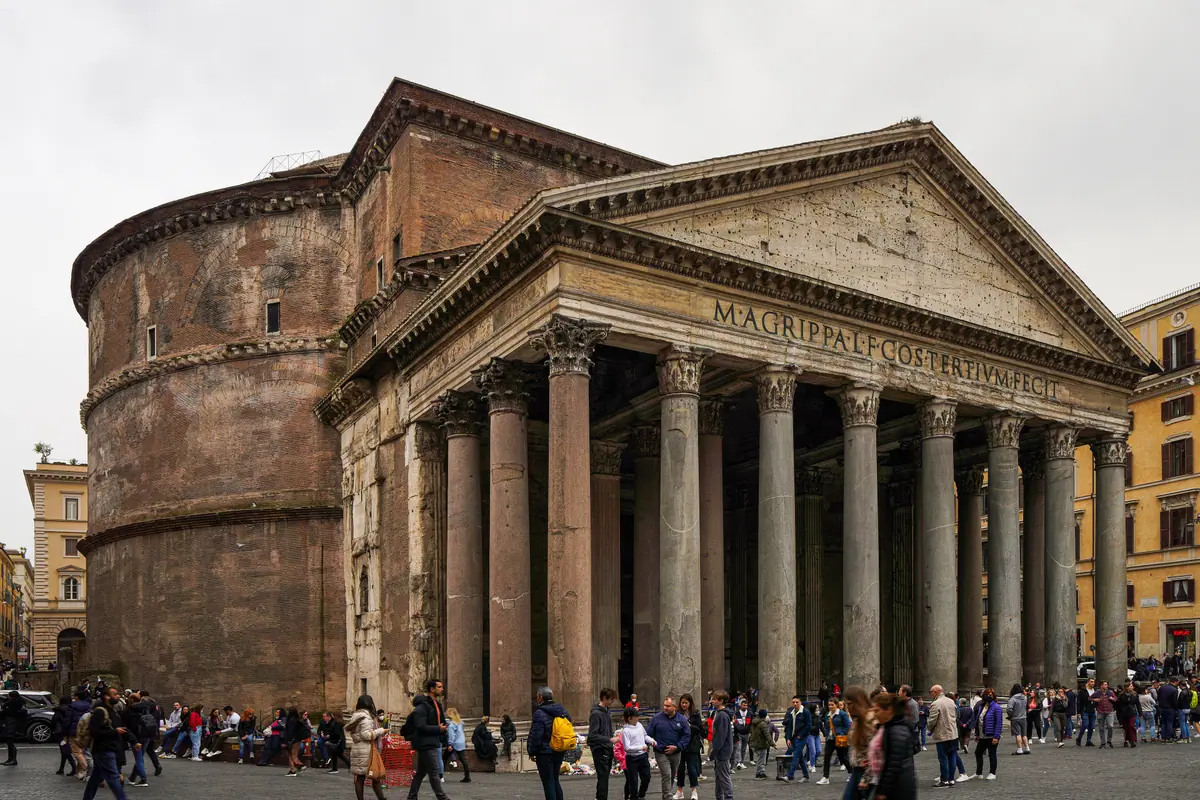
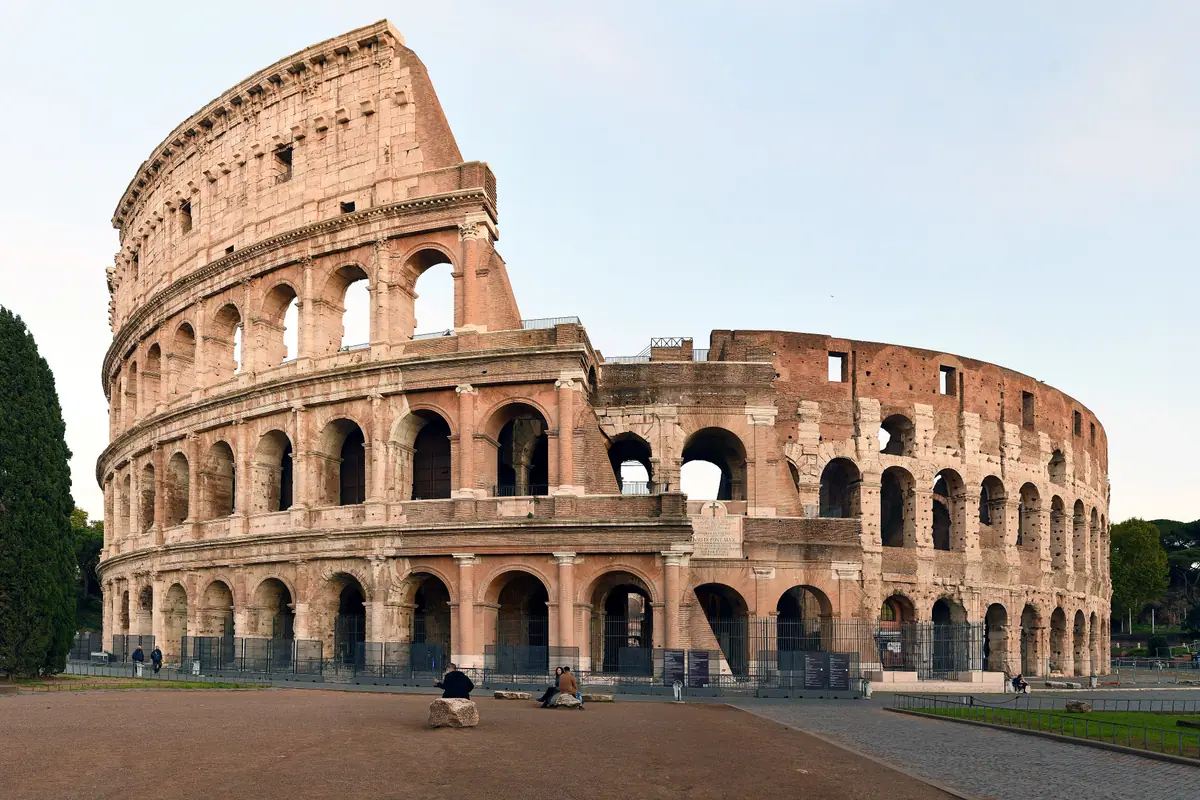
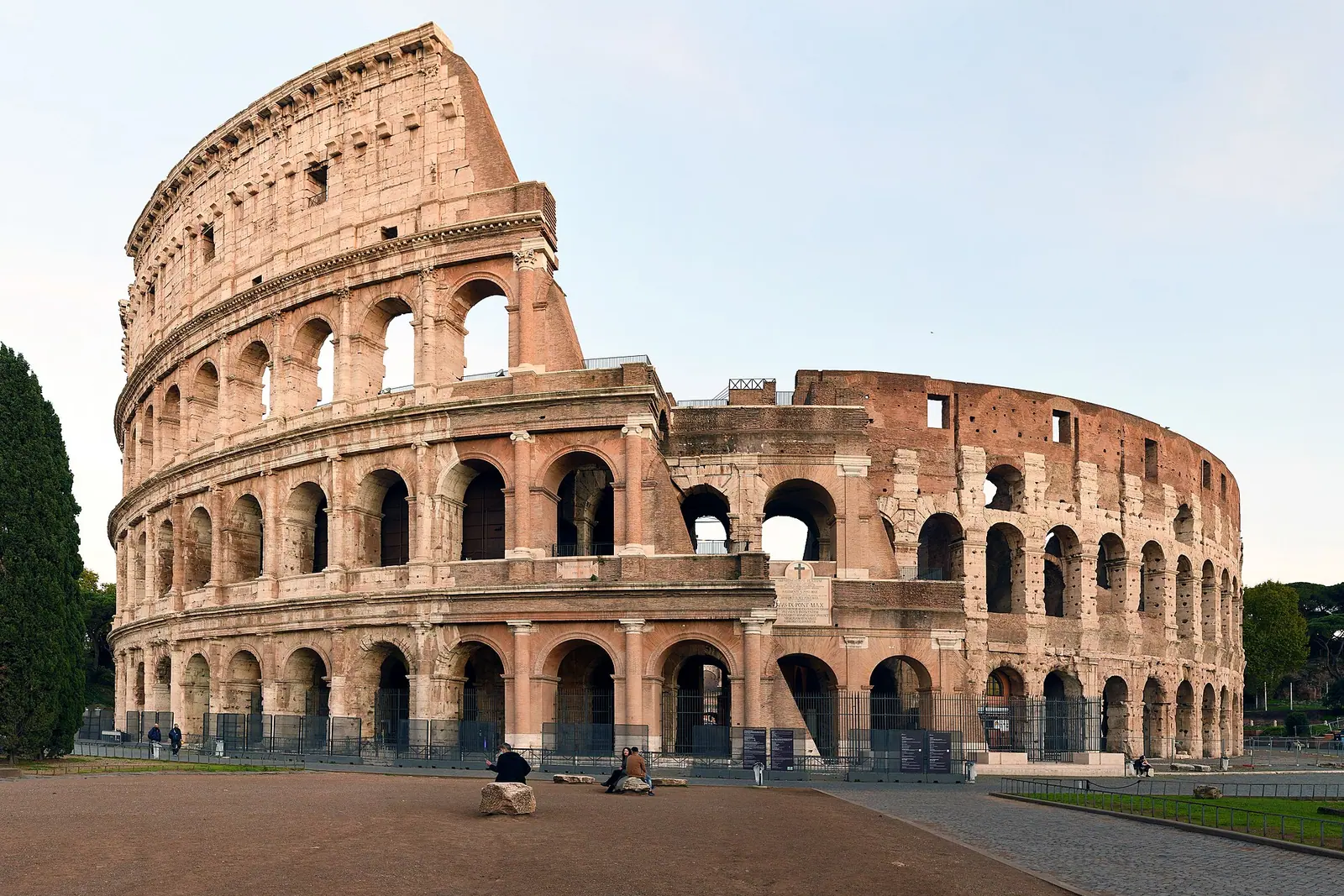
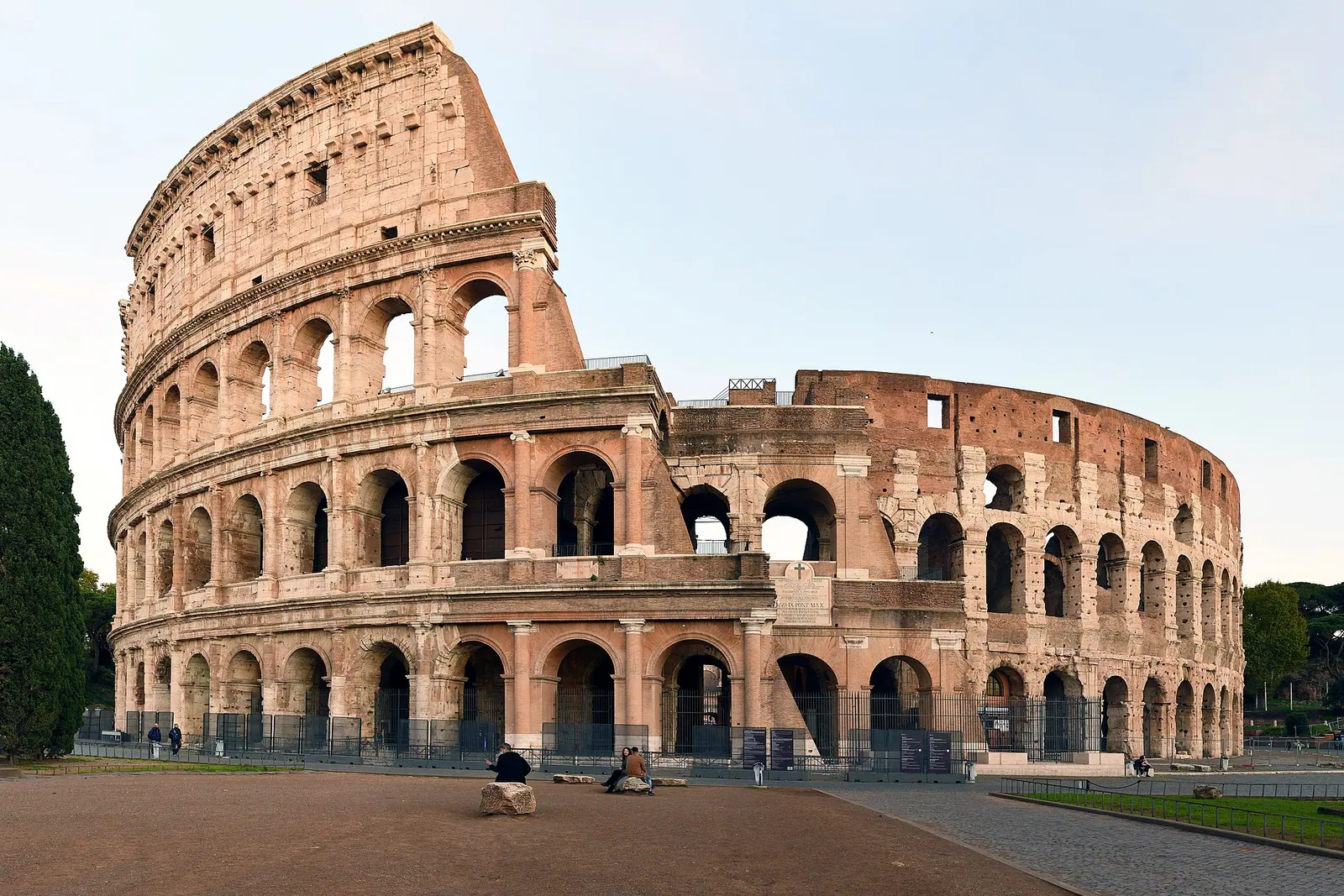
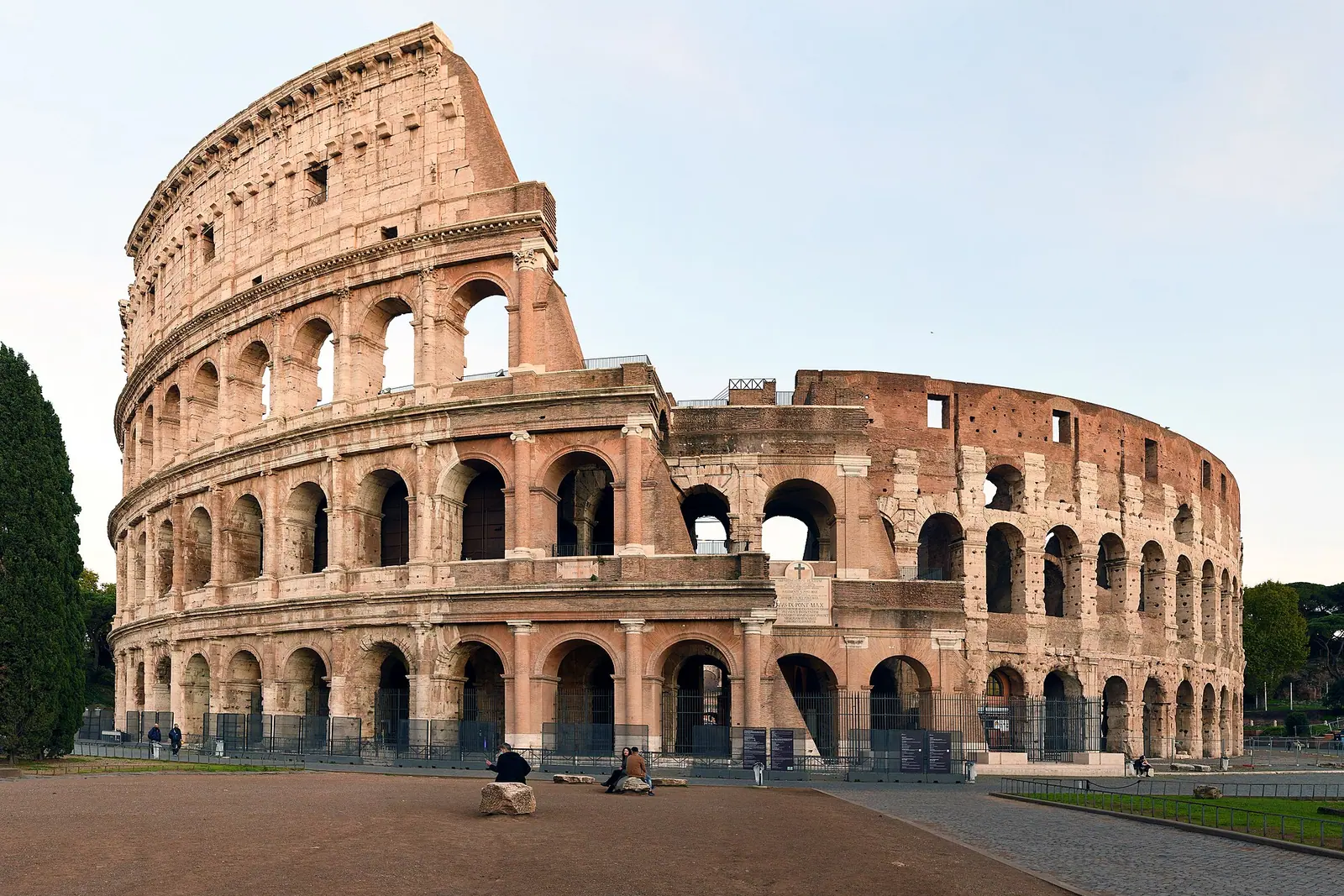
Rome rewards staying central. The Centro Storico puts you within strolling distance of the Pantheon, Piazza Navona, Campo de' Fiori and the Trevi Fountain, at the cost of higher prices and evening noise. Monti, a village-like pocket above the Colosseum and the Roman Forum, suits travellers who want cobbled lanes, wine bars and a metro stop. Across the river, Trastevere offers ivy-draped alleys and trattorias, while Prati, beside the Vatican Museums and St Peter's Basilica, is quieter and well connected. Near Termini station, hotels are practical rather than romantic but unbeatable if you're arriving by train.
Give the city at least three or four days. The Colosseum, Roman Forum and Palatine Hill fill a morning; the Vatican Museums and Sistine Chapel deserve another. Climb the dome of St Peter's Basilica for the best view in Rome, then walk the Spanish Steps, toss a coin in the Trevi Fountain and end at the Aventine Keyhole, where the dome of St Peter's frames perfectly through a garden gate. Villa Borghese's gallery and gardens make a calm half-day, and the terrace of the Gianicolo is where locals watch the sunset.
Choose your base by how you like to move. Central Rome is a walking city, with a compact metro and frequent buses, but traffic restrictions mean some addresses are awkward for taxis. Hotels with rooftop terraces are worth the splurge in summer, when an evening drink above the rooftops beats a stuffy room. If you're combining Rome with Florence or Naples by high-speed train, a hotel near Termini saves an hour of transfer time on each end of the trip.
Florence and Tuscany: Renaissance Rooms and Country Estates
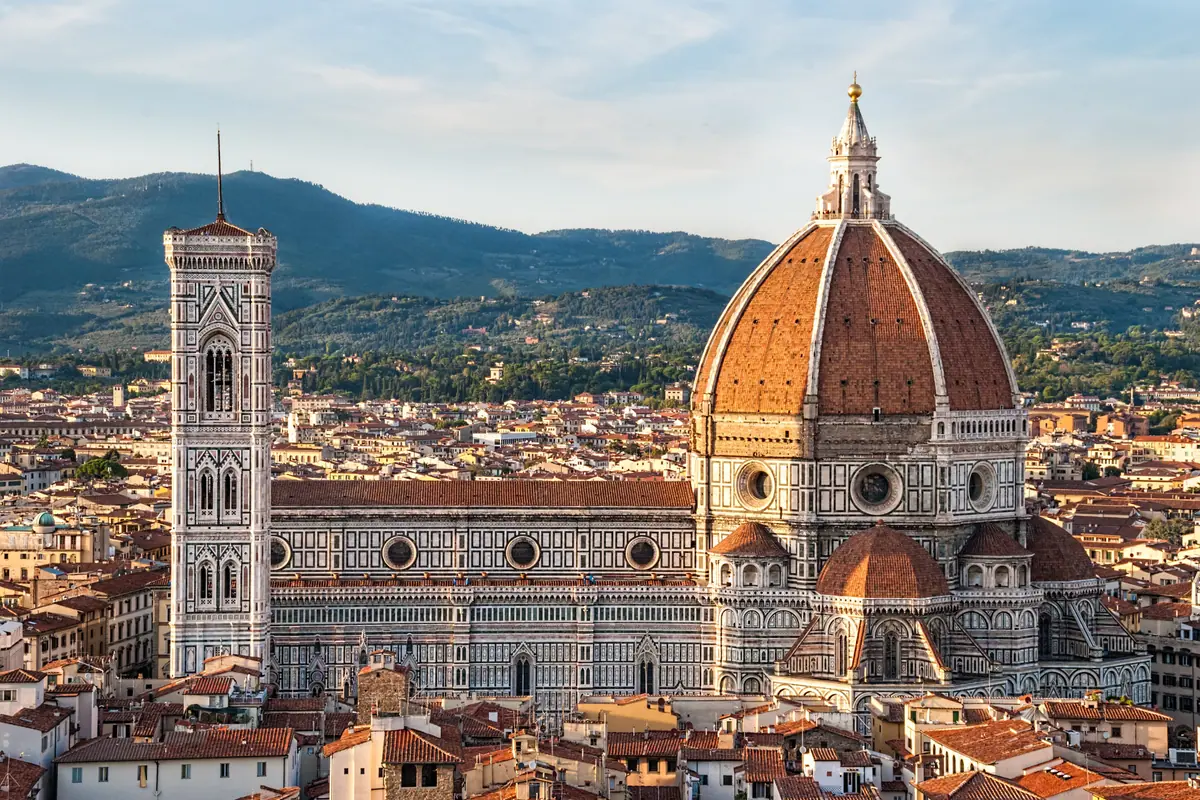
Florence is small enough to cross on foot, so almost any hotel in the historic centre works. Stay near the Duomo — the cathedral of Santa Maria del Fiore with Brunelleschi's terracotta dome — for maximum drama, or in the Oltrarno across the Arno for artisan workshops and quieter evenings. The Uffizi Gallery, Ponte Vecchio, Piazza della Signoria and the Accademia Gallery, home to Michelangelo's David, are all within a twenty-minute walk. Climb the Duomo's dome or Giotto's bell tower early, before the queues build, and save a late afternoon for Piazzale Michelangelo and the Romanesque church of San Miniato al Monte, the classic sunset viewpoint over the city.
Beyond the city, Tuscany's countryside is where Italian hotel culture truly shines. Agriturismi in the Chianti hills, the Val d'Orcia and around Montalcino offer poolside rooms, home-cooked dinners and vineyard views at prices that often undercut city hotels. Base yourself there for two or three nights and day-trip to Siena's shell-shaped Piazza del Campo, the medieval towers of San Gimignano, the Leaning Tower of Pisa and the walled town of Lucca. A car helps immeasurably here, though many estates are reachable by bus or arranged transfers.
Florence needs two or three days; add a week if you intend to explore properly. Spring and autumn are ideal, with warm days and fewer crowds, while August brings stifling heat to the Arno valley. Note that many rural properties require a minimum stay of two or three nights in high season and close from November through March, so plan shoulder-season visits around their calendars.
Venice and the Lagoon: Staying in a City Built on Water
Venice has no cars, so your choice of sestiere (district) decides how much luggage-hauling you'll do over bridges. San Marco is the postcard address, steps from St Mark's Square, its basilica and the Doge's Palace, but it's the busiest and priciest. Cannaregio is quieter and more lived-in, with local bacari and easy access to the train station. Dorsoduro pairs the Gallerie dell'Accademia and the Peggy Guggenheim Collection with student bars along the Zattere, while Giudecca and Santa Croce offer space and value a short vaporetto ride from the centre.
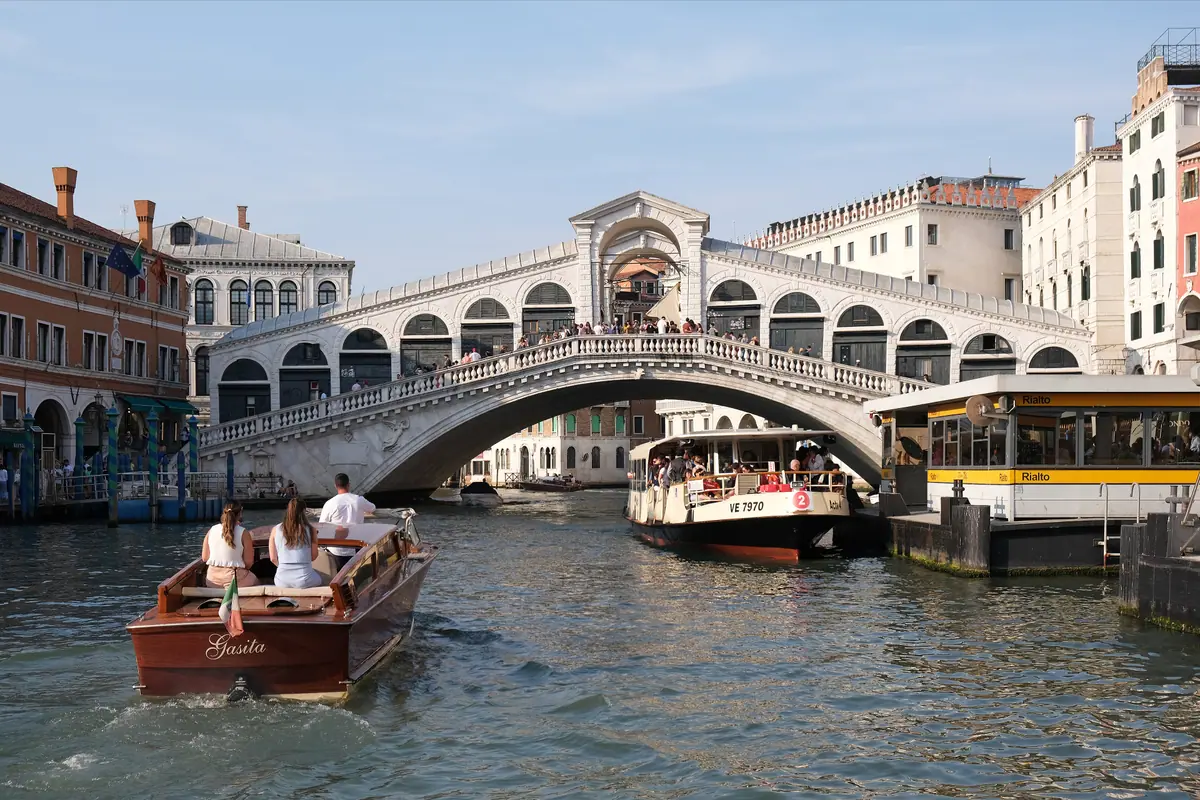
See the essentials early: the Rialto Bridge and its market, a vaporetto ride down the Grand Canal, the Basilica di San Marco with its golden mosaics, and the Doge's Palace with the Bridge of Sighs. Cross to the basilica of Santa Maria della Salute for the finest view back across the water, then escape the crowds entirely on Murano, Burano and Torcello, where the lagoon turns glass-blowing workshops and candy-coloured fishermen's houses. Two or three days covers Venice itself; add a day for the islands.
Venice is a year-round city, but late autumn and winter bring acqua alta, the seasonal high water that occasionally floods low-lying lanes — pack waterproof footwear and check tide forecasts. Spring and early autumn are the sweet spots. Because rooms in converted palazzi vary wildly, confirm whether yours has a canal view, a lift and working air conditioning, and remember that water taxis and porters cost far more than the public vaporetto.
Milan, the Lakes and the Dolomites: City Style and Mountain Air
Milan is Italy's business capital and its most polished hotel city, with design-driven properties around the Duomo, Brera and the Navigli canals. Spend a day on the essentials: the Duomo di Milano, with its marble spires and walkable rooftop terraces; the glass-roofed Galleria Vittorio Emanuele II; Teatro alla Scala; and Sforza Castle with the surrounding Parco Sempione. Book ahead for Leonardo's Last Supper in the refectory of Santa Maria delle Grazie, which admits small groups on timed slots. Evenings belong to the Navigli, where aperitivo spills along the canals.
From Milan, the lakes are an easy escape by train. Lake Como's villas and gardens — Villa del Balbianello among them — cluster around Bellagio, Varenna and Menaggio, where lakeside hotels fill months in advance for summer. Lake Garda offers the Scaliger Castle and thermal springs at Sirmione, while Lake Maggiore's Borromean Islands make a graceful day out. In winter, attention shifts north to the Dolomites: Cortina d'Ampezzo, Val Gardena and the jagged Tre Cime di Lavaredo, where family-run mountain hotels serve half-board dinners and saunas after a day on the slopes or trails.
Allow two or three days for Milan, then two or more for a lake or mountain stay. May to June and September are ideal for the lakes, with warm water and manageable crowds; July and August are hot and busy but lively. Dolomites hotels typically operate ski season from December to March and hiking season from June to early October, closing in the shoulder weeks between.
The South: Naples, the Amalfi Coast, Puglia and Sicily
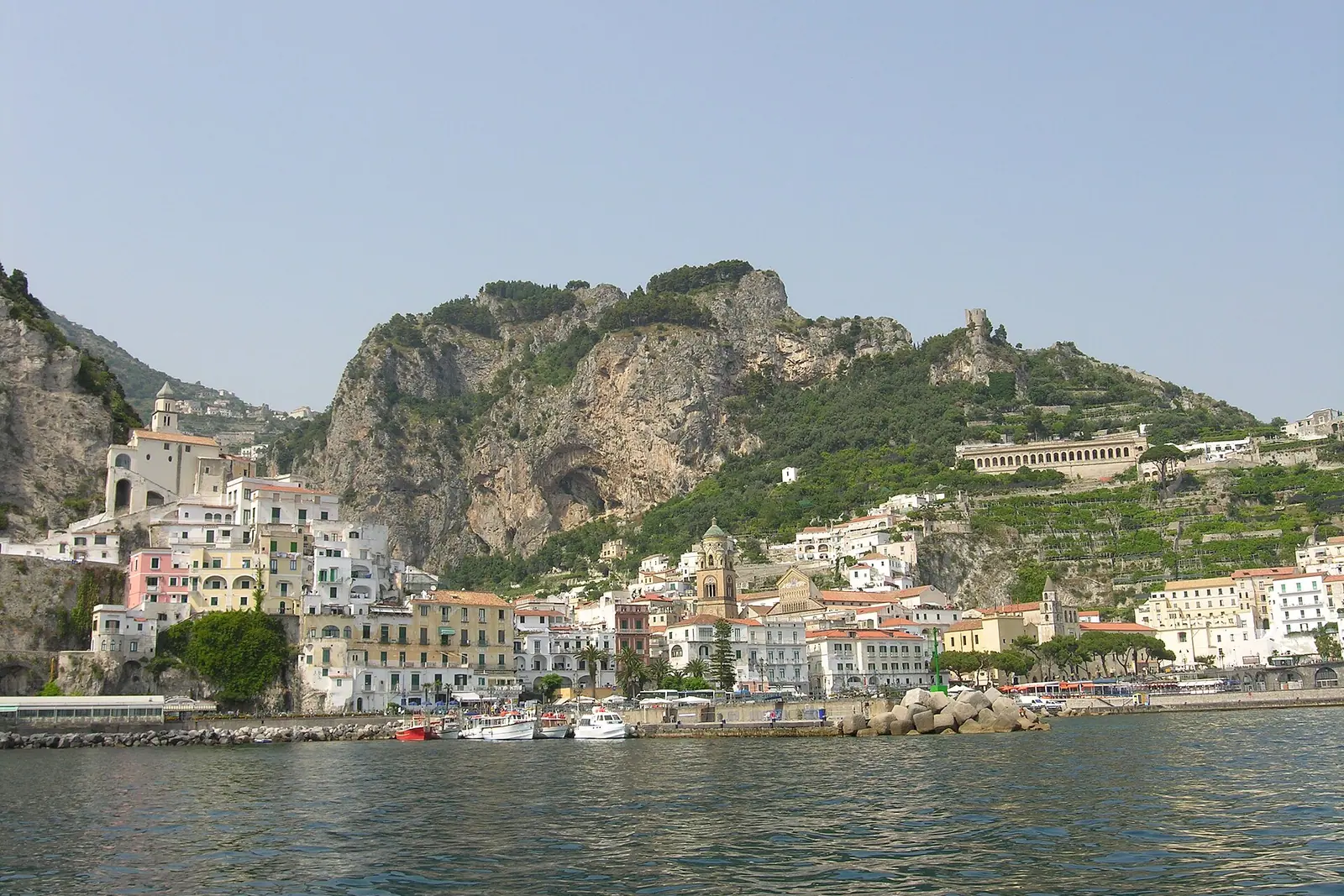
Southern Italy holds some of the country's most memorable stays. Naples, gritty and glorious, is the base for Pompeii and Herculaneum, the volcanic cone of Mount Vesuvius and the treasures of its archaeological museum. From Sorrento, ferries and buses reach Capri's Blue Grotto and the cliffside villages of the Amalfi Coast — Positano's cascading pastel houses, Amalfi's cathedral and Ravello's villa gardens high above the sea. Coastal hotels here are small, booked out six months ahead for summer, and often reached by steep stairways rather than roads.
Puglia, the heel of the boot, trades cliffs for whitewashed towns and olive groves: the cone-roofed trulli of Alberobello, the baroque facades of Lecce, the sea caves at Polignano a Mare and hilltop Ostuni, with masserie offering pools and long, lazy dinners. Sicily is a trip in itself — Palermo's markets and Norman palaces, the Greek temples of Agrigento's Valley of the Temples, the lava slopes of Mount Etna, Taormina's ancient theatre with Etna framed behind it, and the baroque island of Ortigia in Syracuse.
Spring and early autumn are the best months for the south, when the sea is still swimmable and the heat is bearable; August is fiercely hot and peaks with Ferragosto. Give Naples two days, the Amalfi Coast three, Puglia four to five with a car, and Sicily at least a week. Wherever you stay, confirm parking before booking — historic centres are often closed to traffic, and a hotel with a garage is worth far more than one with a view.
Frequently asked questions
What is the best time of year to book a hotel in Italy?
Aim for late April to June or late September to October for mild weather, open attractions and fair rates. July and August are hot, crowded and expensive, and the mid-August Ferragosto holiday closes many family-run businesses. Coastal hotels along the Amalfi Coast, Liguria and the Cinque Terre often shut from November to March, while Dolomites properties run ski season from December to March.
How far in advance should I book a hotel in Italy?
For spring and autumn in Rome, Florence or Venice, three to six months is comfortable. For Venice, Capri, the Amalfi Coast and the Cinque Terre in July or August, book six months or more ahead — small hotels there sell out early. In shoulder season, city hotels often have last-minute availability, but rural agriturismi frequently require minimum stays of two or three nights.
What should I check before booking a hotel in Italy?
Confirm air conditioning, room size in square metres, and whether there's a lift, since restored historic buildings often have tiny ones or none at all. Check for street noise if you're near a piazza, ask about parking if you're driving, and remember most cities charge a small tourist tax per person per night, usually paid in cash at check-out. Historic centres are often closed to traffic, so ask where taxis can actually drop you.
Are hotels in Italy expensive?
There's a wide range. Grand palazzo hotels in Venice and five-star properties on the Amalfi Coast sit at the top, but agriturismi, masserie, guesthouses, convents and family-run locande offer excellent value, especially in Tuscany, Puglia and the smaller southern towns. Breakfast is often included, and rural stays usually cost less than city-centre rooms while giving you far more space.
Is it better to stay in the city centre or outside?
In Rome, Florence and Venice, staying central saves hours of commuting and lets you see major sights like the Colosseum, the Uffizi or St Mark's Square before the crowds arrive. In Tuscany, Puglia, Sicily and the Dolomites, a rural or lakeside base with a car gives you scenery, pools and better value, provided you're happy to drive. If you're travelling by train, a hotel near the station is often the smartest compromise.
Sort the rest of your trip
Everything for Italy, in one place
Transfer in Italy
Private driver waiting on arrival — no queues, no surprises.
Book a transfer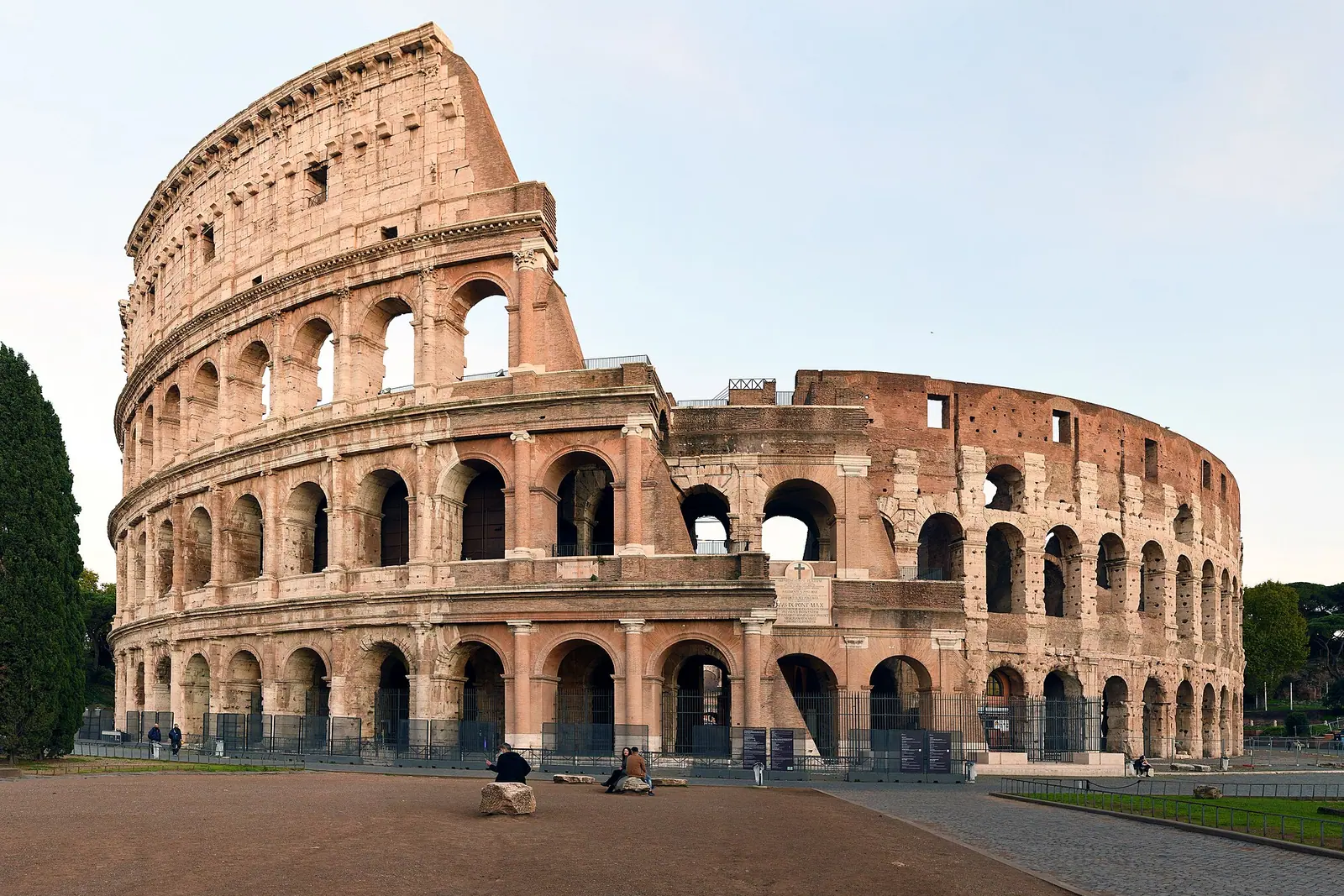
Things to do in Italy
Skip-the-line tickets, guided tours and standout experiences.
See experiences
Stay online in Italy
Travel eSIM — data the moment you land, no roaming bills.
Get an eSIMMore guides in Italy
Top Things to Do in Italy: Must-See Landmarks from Rome to Venice
Best Places to Visit in Italy: From Rome to the Amalfi Coast
Best Time to Visit Italy: A Season-by-Season Guide to Where You'll Stay
1 Week in Italy by Flight: Rome, Venice, Naples and Sicily Itinerary
Italy Food, Culture and Local Experiences: A Guide to Eating, Wandering and Living Well