Italy runs on its own clock, and that clock decides everything: whether you're queueing at the Colosseum in soft April light or sprinting between shaded fountains in August heat, whether your room overlooks a Venetian canal in fog or a Dolomite peak in fresh snow. Pick the season first, then pick the hotel — because in Italy the two are inseparable.
Why Italy Has No Single Best Season — Only Best Matches
Stretch a map from the Alps to Sicily and you've covered roughly 1,200 kilometres and at least four distinct climates. Milan and Turin sit in the foggy Po Valley, where winters bite and summers turn humid; Rome and Florence bake in a Mediterranean rhythm; the Amalfi Coast and Puglia stay swimmable into October; the Dolomites and Aosta Valley ski from December to March while Palermo is serving granita outdoors. A single "best month" for the whole country simply doesn't exist.
What you're really choosing is a trade-off between crowd levels, temperature and room rates. Italian hotel prices swing hard around three fixed points: Easter week, Ferragosto on 15 August (when the entire country seems to relocate to the sea), and the Christmas–New Year fortnight. Between those peaks, the same room in the same palazzo can cost dramatically less in late November than in late May.
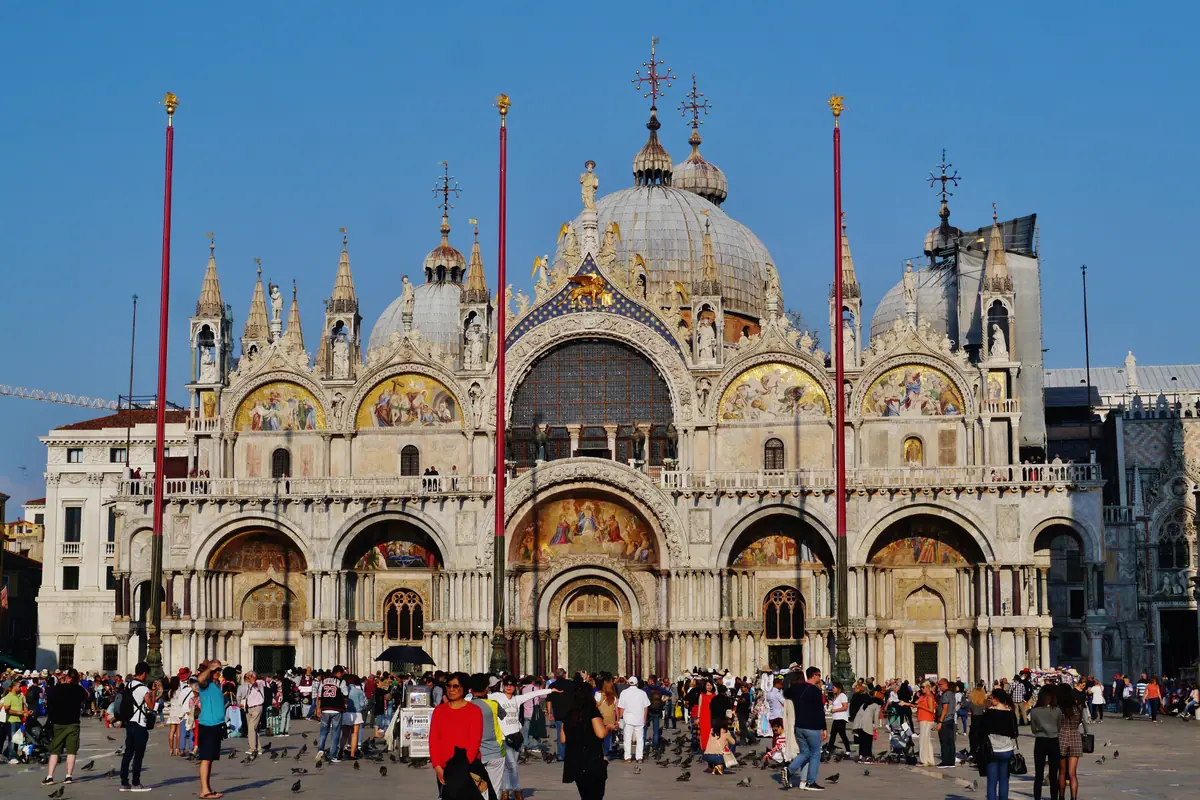
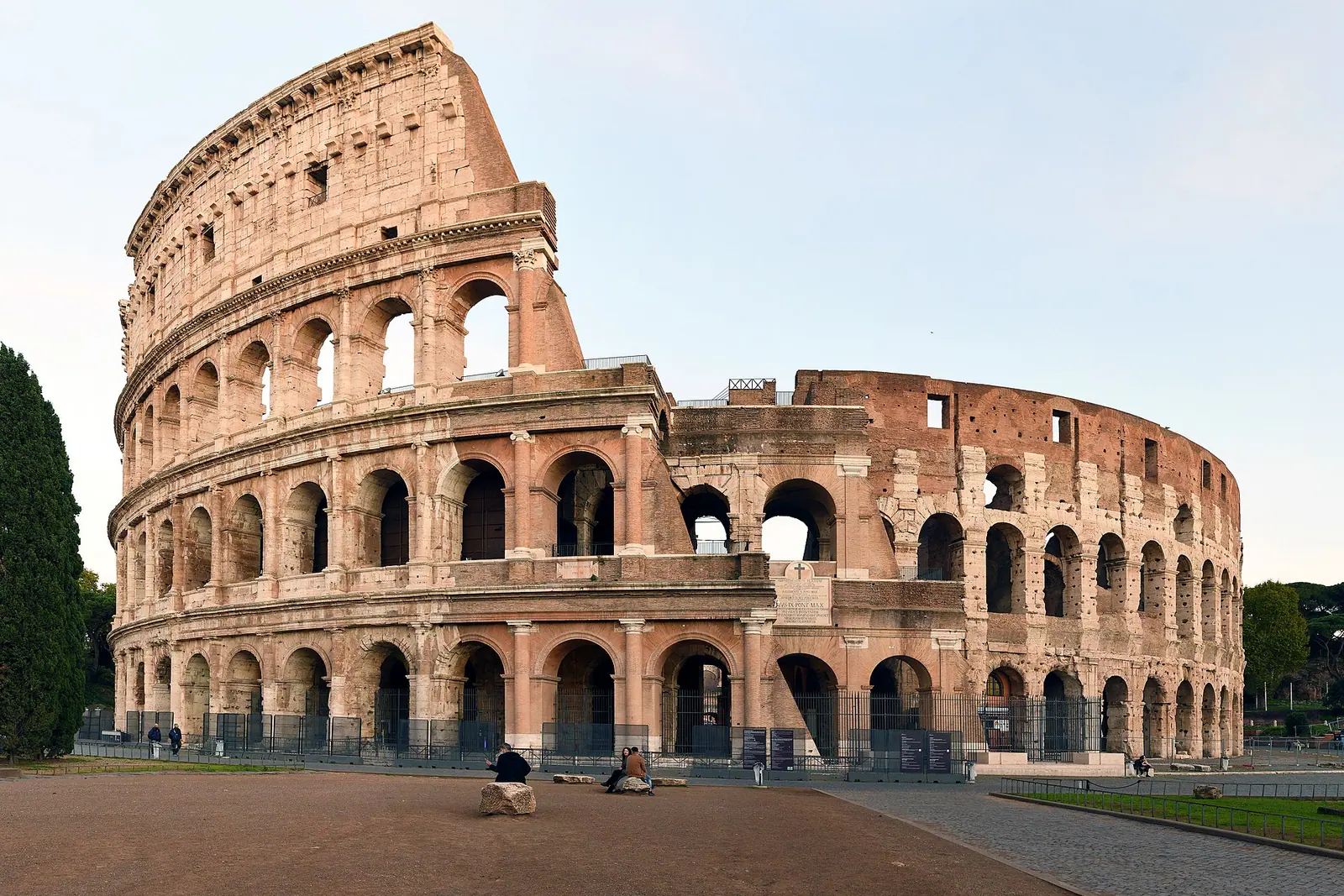
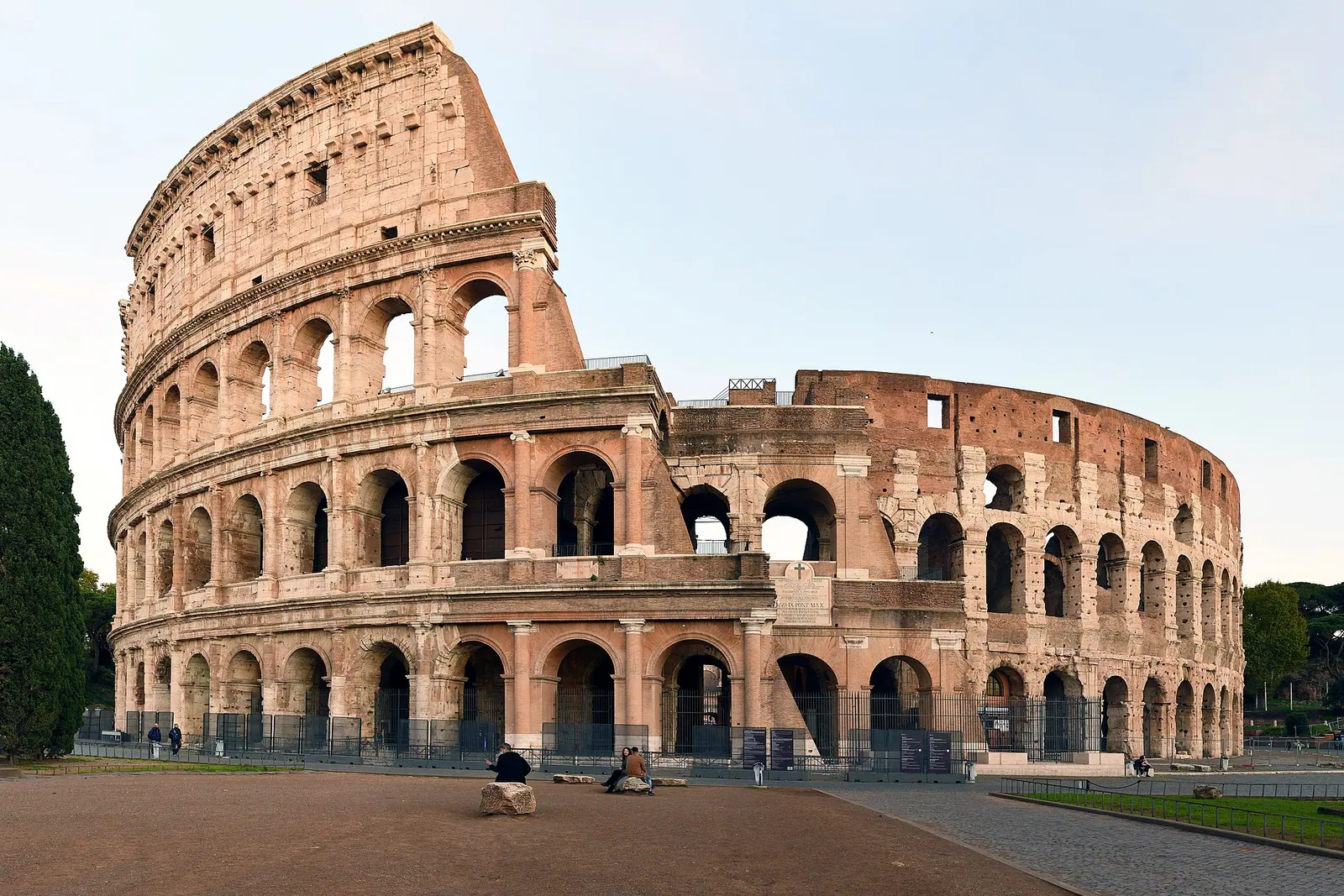
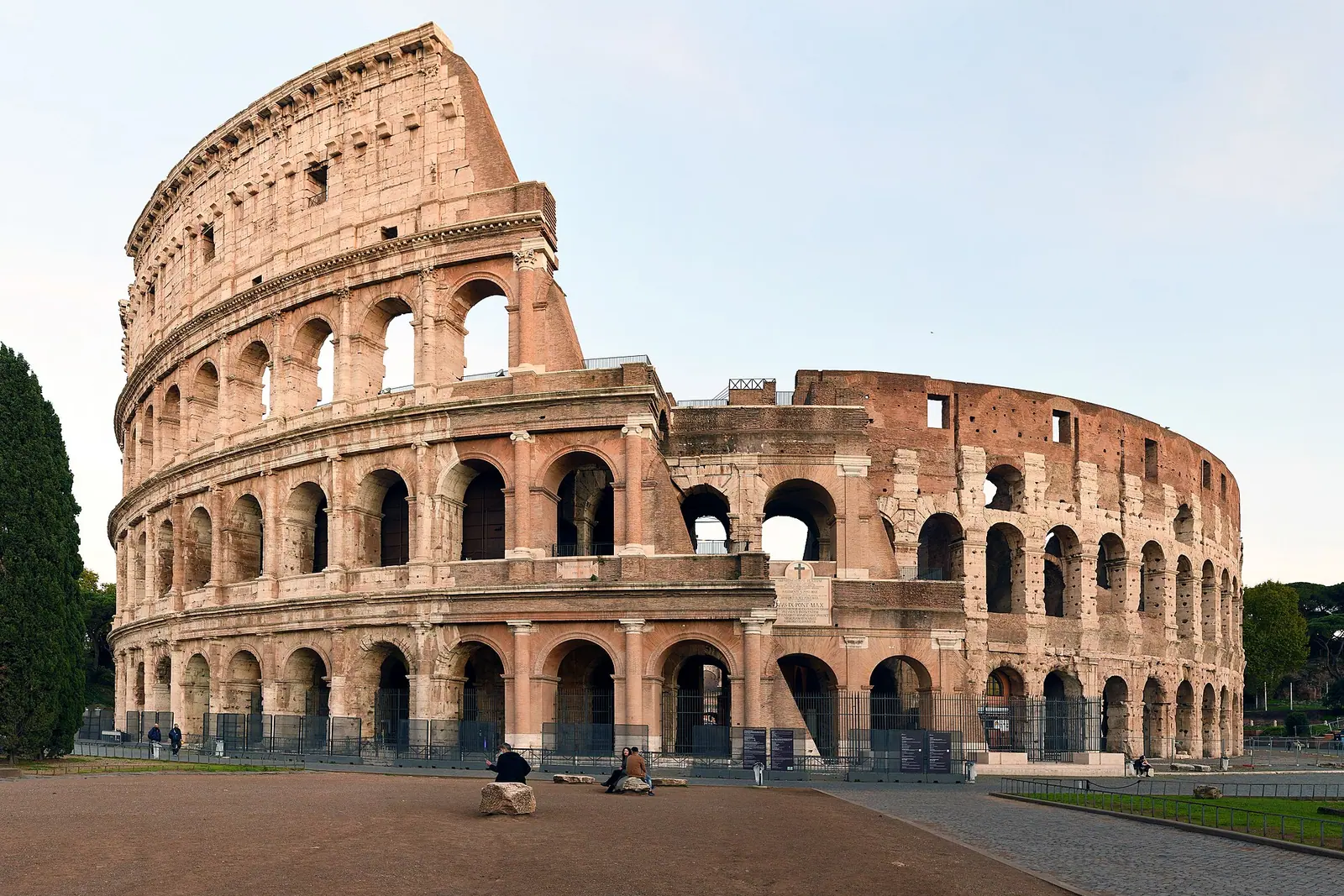
The good news is that Italy's headline sights — the Colosseum and Roman Forum, the Vatican Museums and Sistine Chapel, Florence's Duomo and Uffizi Gallery, Venice's St Mark's Basilica and Doge's Palace — are open year-round and are often far more enjoyable outside high season. Timed-entry slots, which most major sites now use, are easiest to secure on weekday mornings in the shoulder months.
Spring (Late March to June): The Golden Window
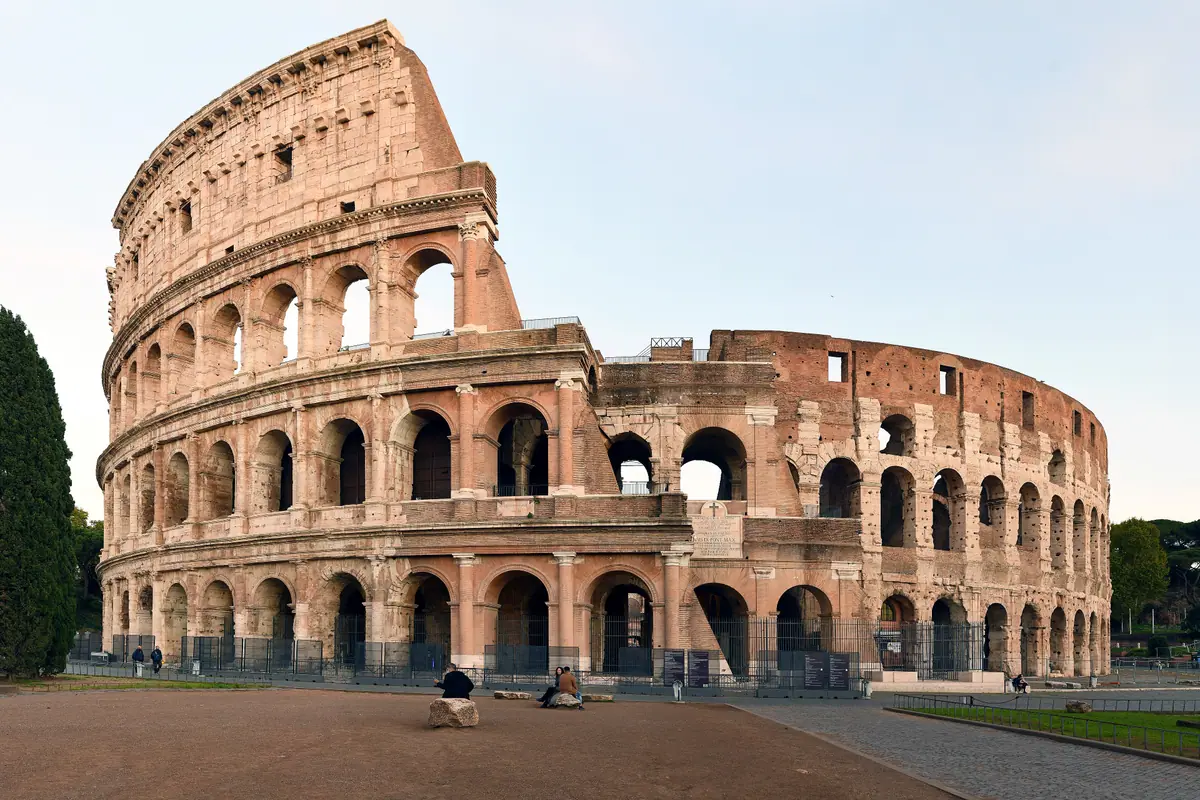
Spring is the season Italy was designed for. Rome sits around 18–23°C in April and May, warm enough for the Spanish Steps and Trevi Fountain to feel like a pleasure rather than a punishment, cool enough to climb the Palatine Hill without wilting. Florence's Santa Maria del Fiore and Giotto's Campanile glow against a green Tuscan backdrop, and the queues at the Uffizi Gallery and Accademia thin noticeably before mid-June.
Two dates reliably spike demand and prices: Easter week, when Italians travel en masse, and 25 April, Liberation Day, which stitches together a long weekend. Book city hotels three to four months out for late April and early May, and expect many small family-run places in Rome's Monti district or Florence's Oltrarno to sell out first.
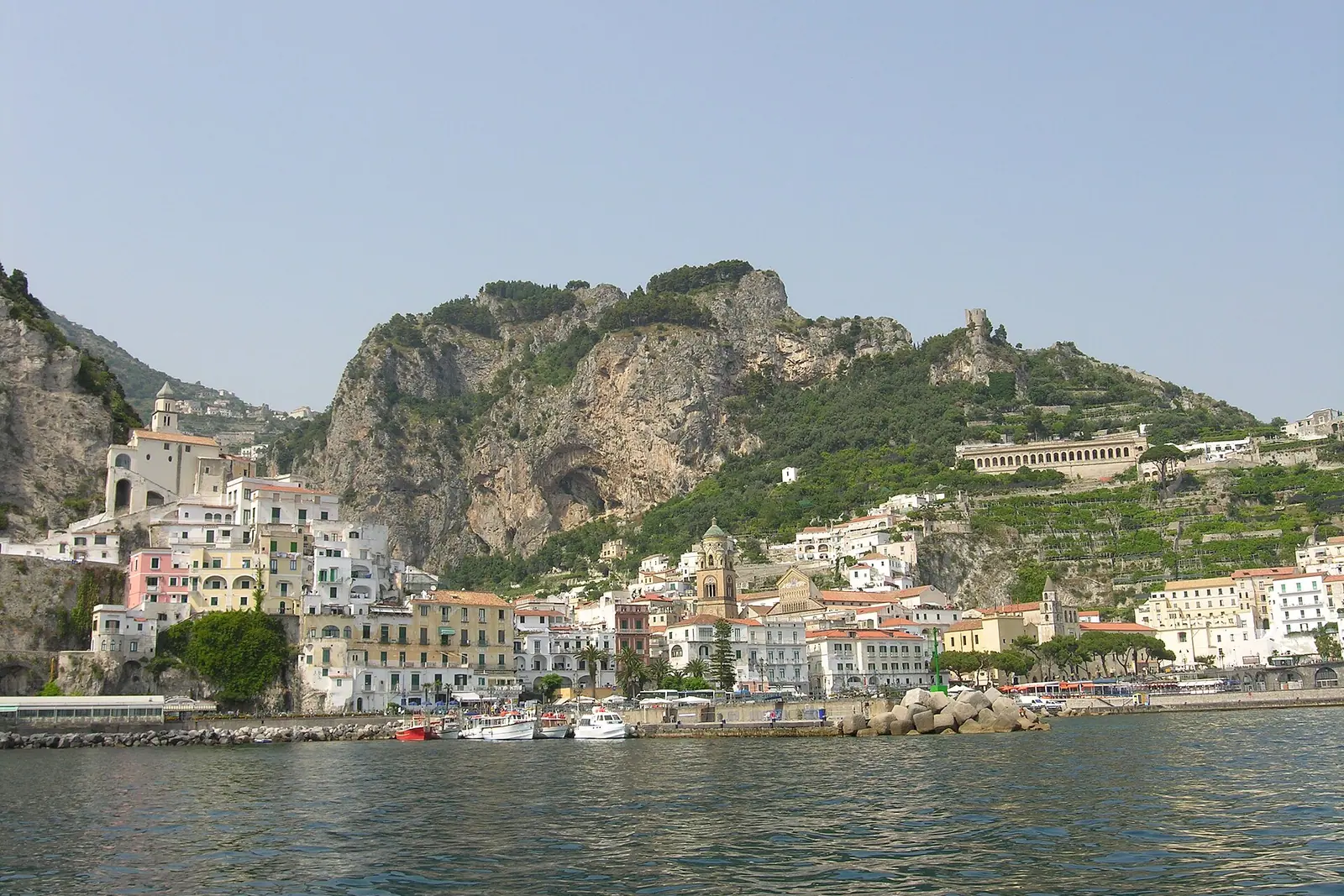
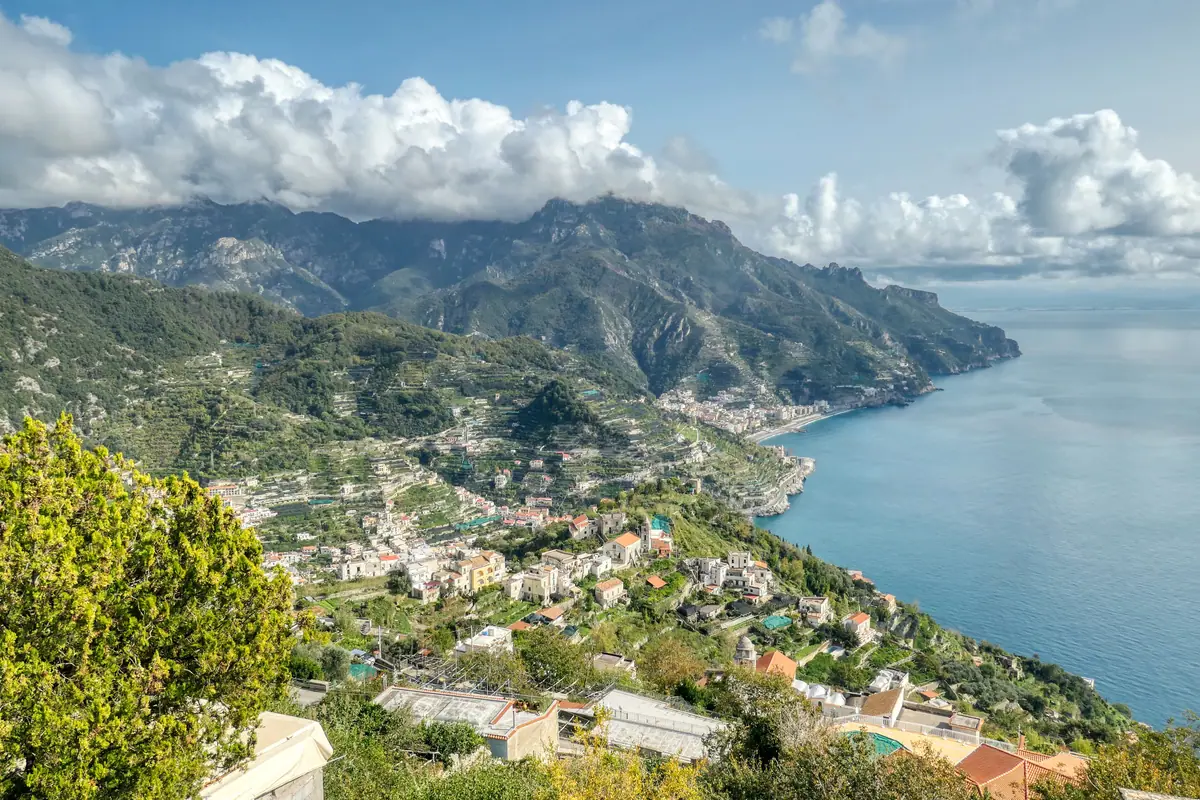
This is also the window for the Amalfi Coast before the ferries groan under the weight of day-trippers — late May in Positano or Ravello is warm enough for the sea, and Capri's Blue Grotto is more likely to be open than in the windier winter months. Further north, Lake Como's villas and gardens open for the season, and the first lake steamers start running to Bellagio.
High Summer (July and August): Coast, Lakes and Early Mornings
August in Rome, Florence and the Val d'Orcia is genuinely fierce — think 35°C and above, with asphalt radiating heat well past sunset. Italians handle it by shifting their day: sights at dawn, a long shaded lunch, and life resuming at 7pm. Take the hint. The Trevi Fountain at 6am, when the light is gold and the steps are nearly empty, is a different monument entirely from the one you'll meet at noon.
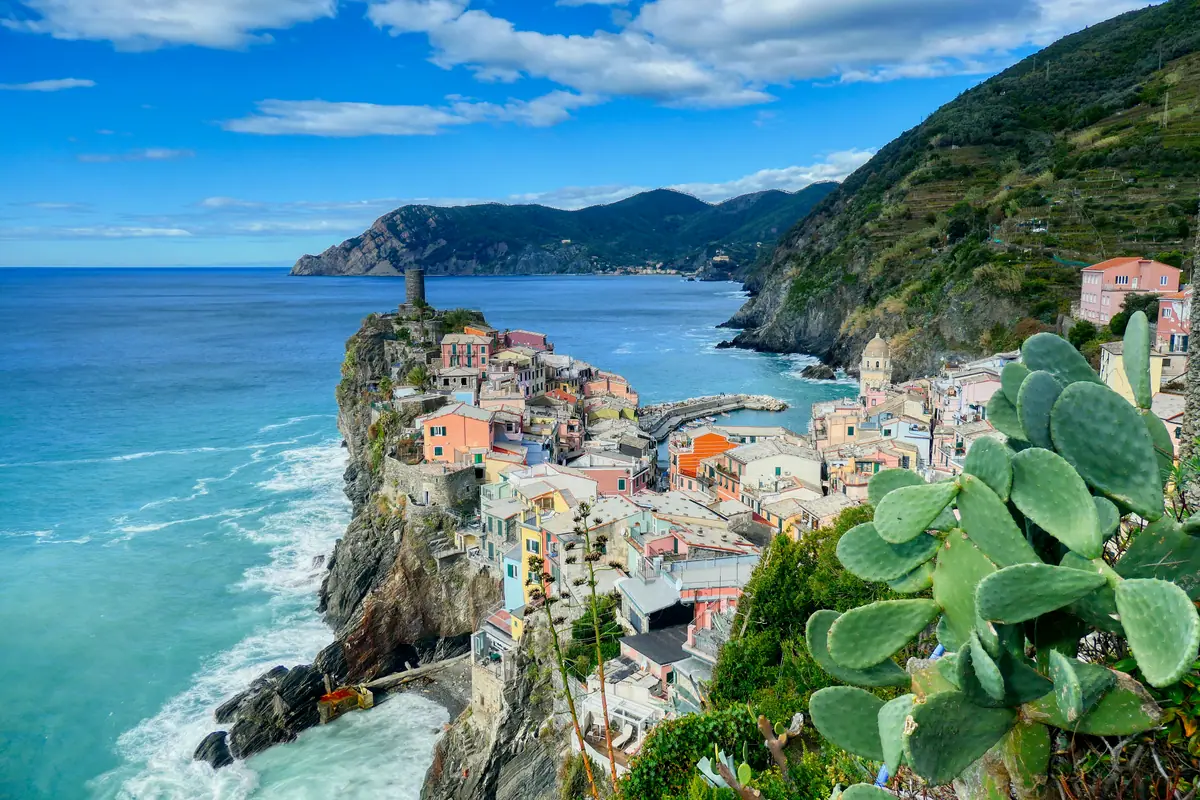
The coast and the mountains are where summer makes sense. The Cinque Terre villages of Manarola and Vernazza, the Amalfi Coast, Sardinia's coves and the Dolomites all hit their stride, but so do the prices and minimum-stay rules — many seaside hotels require three to seven nights in August and sell out by February or March. If you want the Amalfi Coast in August, book accommodation before you book flights.
Air conditioning is the single most important amenity to check when booking summer hotels in Italy, and it's not universal in older buildings or converted farmhouses. Also confirm whether the property has a lift, since historic palazzi often don't, and whether it sits inside a restricted traffic zone — arriving by car in central Florence, Siena or Verona means parking outside the walls.
Autumn (September to November): Harvest, Fewer Crowds and Warm Seas
September and October are the connoisseur's months. The sea off Sicily, Puglia and the Amalfi Coast is at its warmest, the light turns long and honeyed, and the crowds drop away after the first week of September. Venice becomes bearable again: St Mark's Square, the Doge's Palace and the Rialto Bridge are still busy, but the vaporetti stop feeling like commuter trains.
Inland, autumn is harvest season. Tuscany's vineyards around Montalcino and Montepulciano are picked through September and October, Piedmont's Alba celebrates white truffles from October, and olive presses across Umbria start turning in November. Rooms in Tuscan farmhouses and agriturismi are booked heavily on autumn weekends — often by Italians themselves — so weekend dates need planning.
November is the cheapest and quietest month for city breaks. Rome, Florence and Naples empty out, museum queues vanish, and you can often walk into the Uffizi or the Vatican Museums with a slot booked days rather than weeks ahead. The trade-off is rain and, in Venice, the seasonal high water that occasionally laps across St Mark's Square — pack waterproof boots and check tide times if you're visiting between October and December.
Winter (December to February): Ski Slopes, Carnival and Empty Museums
Winter splits Italy in two. In the Dolomites and the Alps, it's prime time: Cortina d'Ampezzo, Val Gardena and the trails around the Tre Cime di Lavaredo draw skiers and snowshoers, and mountain hotels charge peak rates over Christmas and the February half-term weeks. Christmas markets in Bolzano and Trento fill the squares with mulled wine and wooden stalls.
In the cities, winter is a gift for culture lovers. Florence's Uffizi and Rome's Pantheon and Borghese Gallery are blissfully uncrowded, hotel rates fall to their annual low outside the Christmas fortnight, and opera and concert seasons keep theatres busy. Venice's Carnival, in the weeks before Lent, turns St Mark's Square into a masked theatre — book a year ahead if you want to be there for it.
The south stays mild: Palermo, Catania and the Valley of the Temples in Agrigento are pleasant for walking, Mount Etna usually wears snow while the citrus harvest runs below, and Matera's cave hotels stay open with low-season prices. Southern Italy is also at its most honest in winter — restaurants full of locals, no cruise crowds, and beaches all to yourself.
Shoulder-Season Sights and How to Book Smartly
If your dates are flexible, aim for late April to mid-June and mid-September to late October. Those windows deliver good weather, manageable crowds and mid-range prices almost everywhere. They're also the best time to explore Italy's second cities, where hotel value is outstanding: Verona, whose Roman Arena hosts an open-air opera season in summer; Bologna, with its porticoes and Piazza Maggiore; Turin, dominated by the Mole Antonelliana; and Ravenna's extraordinary Byzantine mosaics.
Match your accommodation type to the season, too. Coastal hotels and island resorts often shut from November to March, while city hotels, palazzi and convent guesthouses stay open year-round and discount heavily in winter. In Puglia, the trulli of Alberobello and the white lanes of Ostuni are lovely in May and September but sleepy in January; in Matera, the sassi cave rooms are cosy in the cold months and need booking far ahead for spring.
A few practical rules cover most bookings. Expect a municipal tourist tax charged per person, per night, usually payable on arrival, and ask about city-tax rates for children. Confirm cancellation terms — Italian properties vary from generous to strict, especially for August and Carnival. And in every season, a room with a view of a piazza, a canal or a dome is worth paying for once; it's the difference between visiting Italy and living in it.
Frequently asked questions
What is the cheapest time to stay in Italy?
November and the weeks between early January and mid-March are consistently the cheapest for city hotels, outside the Christmas–New Year period and Carnival. Coastal and lakeside resorts often close in winter, so the savings are concentrated in Rome, Florence, Naples, Turin and Bologna.
When should I book hotels for the Amalfi Coast and Cinque Terre?
For July and August, book four to six months ahead — many seaside properties impose minimum stays and sell out by spring. For late May, June and September, three to four months is usually enough, but weekend dates go first.
Is August a bad time to visit Italian cities?
It's hot, with temperatures often above 35°C, and some family-run restaurants and shops close for the Ferragosto holiday around 15 August. Sightseeing is best at dawn and after 6pm. The coast, lakes and mountains are at their best, but at their busiest and priciest.
What's the best time to see Venice without high water?
Late spring and early autumn are the safest bets for dry conditions and comfortable temperatures. The acqua alta season runs roughly October to December, and occasionally into early spring, so check tide forecasts if you're visiting then and choose a hotel away from the lowest canalside lanes.
Do I need to book Italy's major attractions along with my hotel?
Yes — for the Vatican Museums, the Uffizi Gallery, the Colosseum and the Last Supper in Milan, timed-entry reservations are effectively essential from April to October. In November and February you can often book just days ahead, which makes winter city breaks surprisingly relaxed.
Sort the rest of your trip
Everything for Italy, in one place
Transfer in Italy
Private driver waiting on arrival — no queues, no surprises.
Book a transfer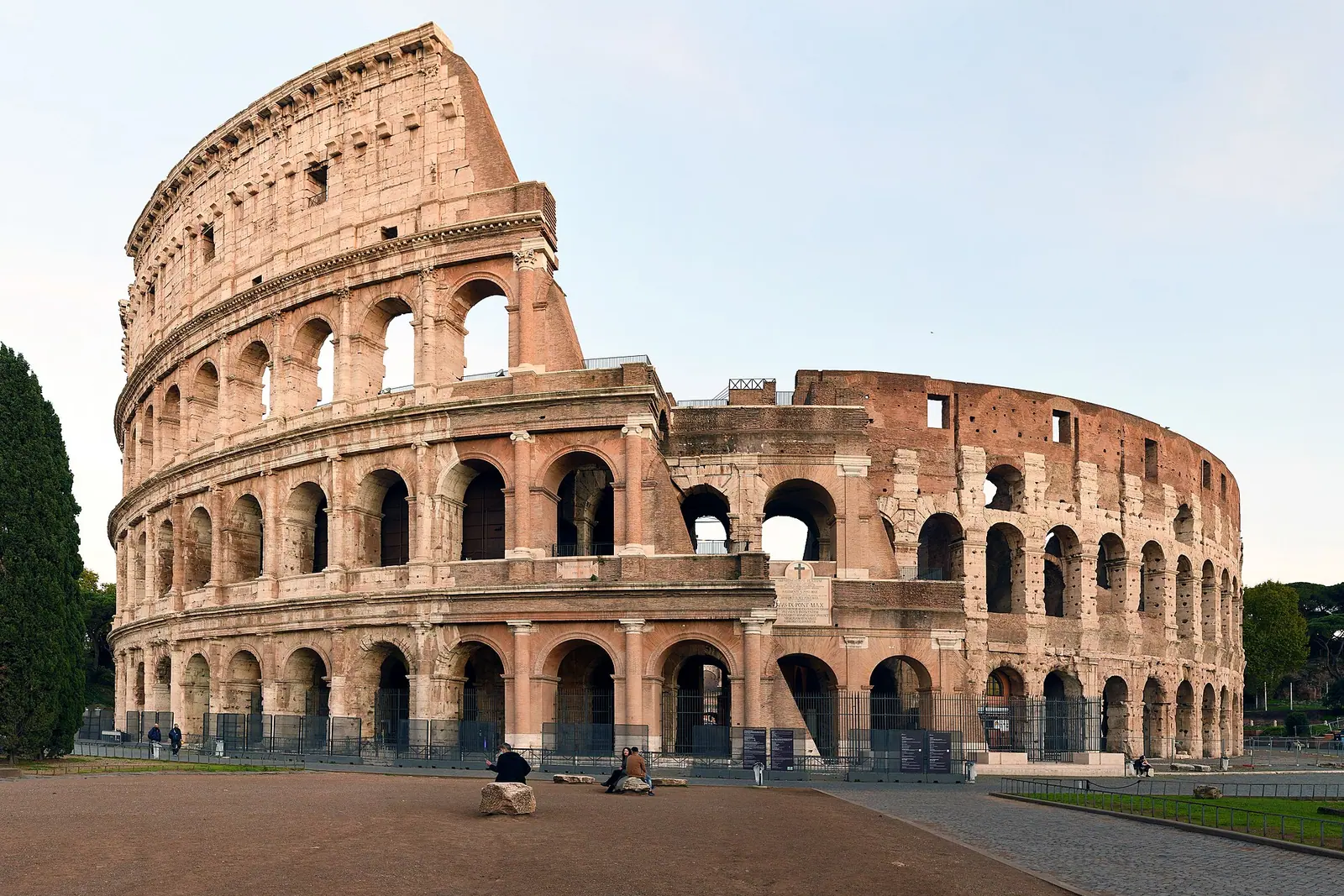
Things to do in Italy
Skip-the-line tickets, guided tours and standout experiences.
See experiences
Stay online in Italy
Travel eSIM — data the moment you land, no roaming bills.
Get an eSIMMore guides in Italy
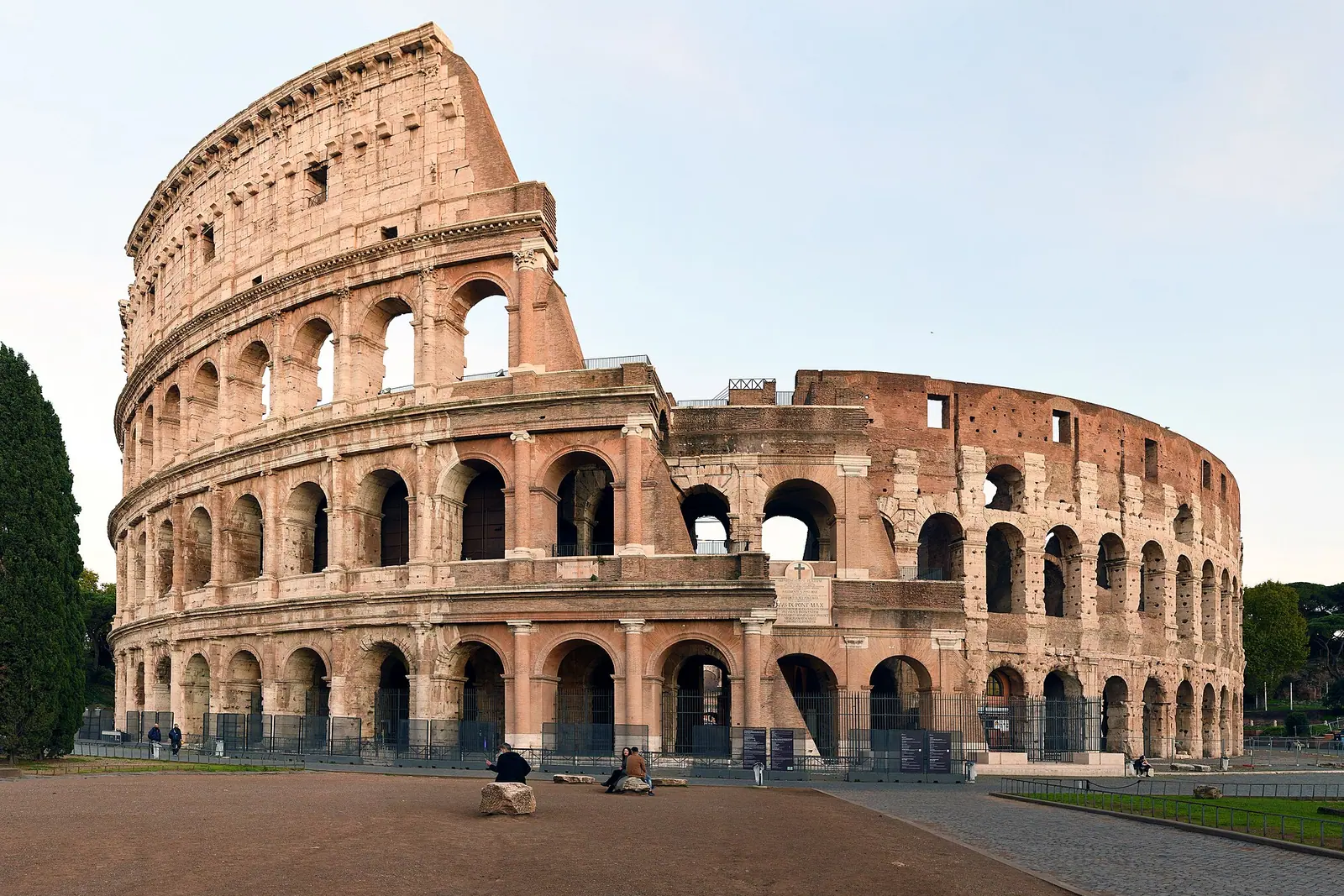
Hotels in Italy: Where to Stay in Rome, Florence, Venice and Beyond
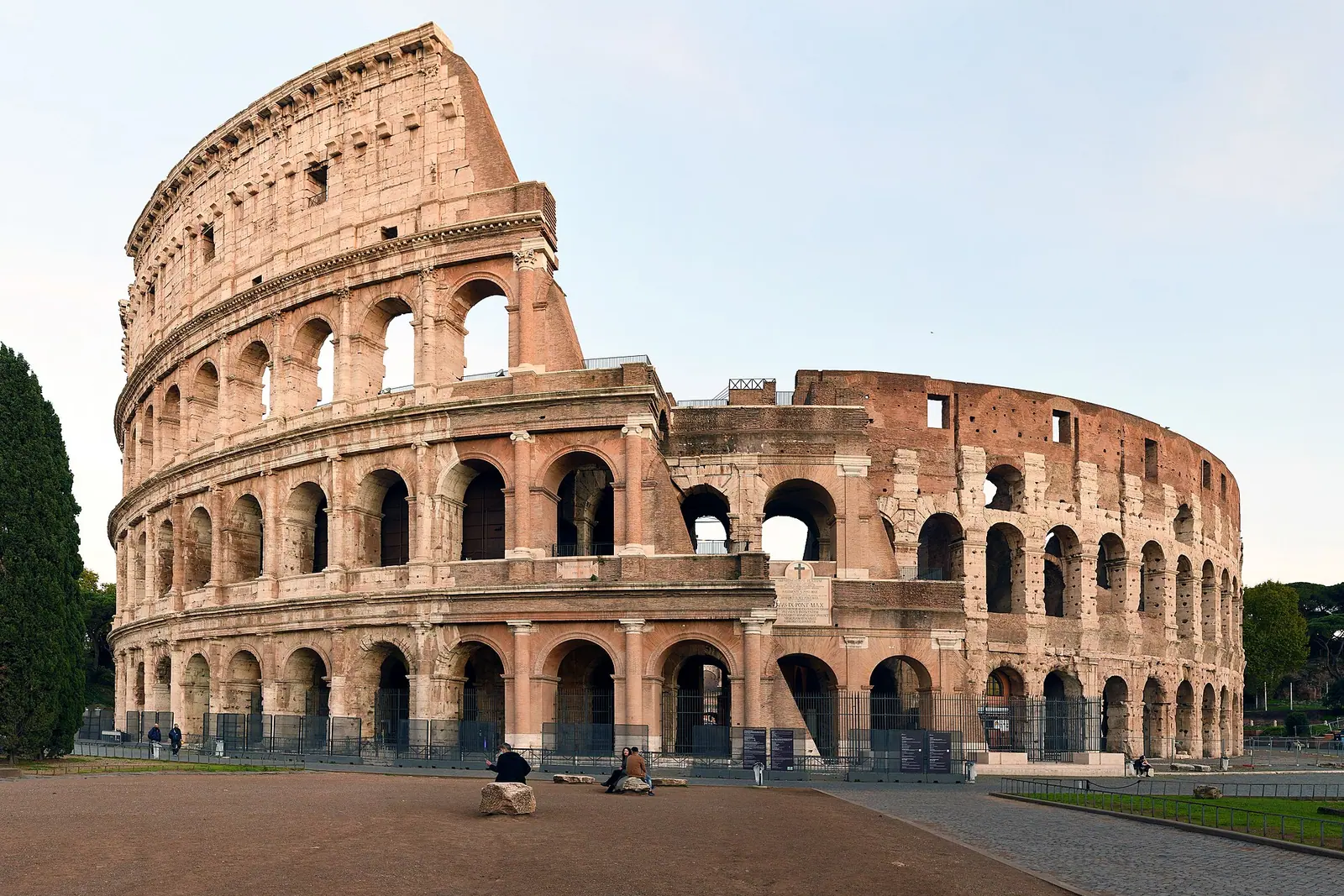
Top Things to Do in Italy: Must-See Landmarks from Rome to Venice
Best Places to Visit in Italy: From Rome to the Amalfi Coast
1 Week in Italy by Flight: Rome, Venice, Naples and Sicily Itinerary
Italy Food, Culture and Local Experiences: A Guide to Eating, Wandering and Living Well