Italy rewards the traveller who eats where the locals eat, walks where the evening crowd strolls and lets a long lunch run past three o'clock. From a paper cone of pizza in a Naples alley to a truffle-scented autumn fair in Piedmont, the country's real flavour lies in its daily rituals as much as its monuments. This guide maps the dishes, markets, festivals and unmissable sights that turn a sightseeing trip into something far more memorable.
Italy's Culinary Map: What to Eat, Region by Region
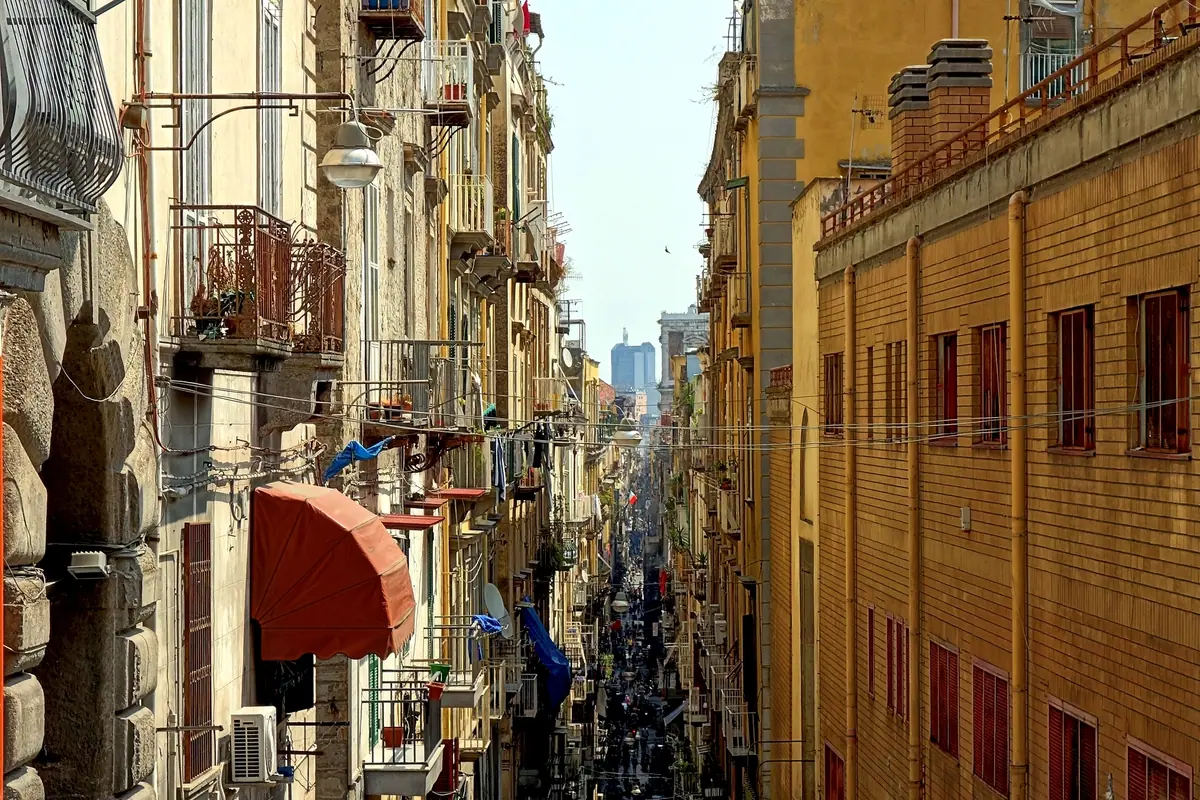
Italy was not unified until 1861, and its kitchen still behaves as though the old borders stand. In Campania, pizza is a matter of civic pride: blistered, soupy-centred and best eaten along the crowded lanes of Spaccanapoli in Naples, where the queue outside a good pizzeria tells you more than any sign. Move north to Rome and Lazio and the pasta changes character entirely — cacio e pepe, carbonara and amatriciana, all built from pecorino, guanciale and confidence, served in the trattorias of Testaccio and Trastevere.
Emilia-Romagna is the country's richest table. Bologna gives you tagliatelle al ragù and tortellini floating in golden capon broth, Parma gives you prosciutto and Parmigiano Reggiano aged in silent warehouses, and Modena gives you balsamic vinegar so dense it pours like syrup. Tuscany counters with bistecca alla fiorentina, a towering T-bone grilled rare over chestnut embers and priced by weight, plus ribollita and pappa al pomodoro in the hill towns of Chianti.
Head south and east and the flavours shift again: Puglia's orecchiette with cime di rapa and its burrata, Sicily's arancini, panelle and cassata, Sardinia's suckling pig and paper-thin pane carasau. Liguria keeps it green with pesto genovese and focaccia, while Lombardy and Piedmont lean into butter, rice and beef — risotto alla milanese, osso buco, and tajarin shaved with white truffle. Trying to eat 'Italian' food in Italy misses the point; you eat Venetian, Roman, Neapolitan or Sicilian, one region at a time.
Markets, Sagre and the Art of Eating Standing Up
Italy's best food experiences often cost almost nothing. Start in the morning markets, where the day's menu is decided: the Rialto Market in Venice for lagoon seafood, the Mercato Centrale in Florence for lampredotto and truffle panini, the covered halls of Testaccio in Rome, and Palermo's Ballarò and Vucciria, where vendors shout prices over pyramids of swordfish, artichokes and blood oranges. Go early — by noon the fish is picked over and the atmosphere deflates.
Then there are the sagre, small-town food festivals that fill piazzas with trestle tables from spring to autumn. Autumn brings the white truffle fairs of the Alba hills and chestnut and porcini festivals across the Apennines; summer brings peach, melon and wine sagre in the Veneto and Friuli; the olive harvest in November turns Umbria and Puglia into a celebration of new oil and bruschetta. These are humble, family-run affairs: you buy tokens, queue at a steaming cauldron and eat at a picnic bench beside people who have known each other their whole lives.
Between those extremes sits everyday ritual. Espresso is drunk standing at the bar in three sips, often before 11am and rarely after a meal. Aperitivo begins around 6:30pm, when a spritz in Venice or a negroni in Florence comes with olives, chips and small crostini. And the evening passeggiata — the unhurried stroll along the main corso — is when every town, from Verona's Via Mazzini to Lecce's baroque lanes, becomes a stage. Join it without a destination; that is the entire point.
Must-See Landmarks That Anchor Any Italian Journey
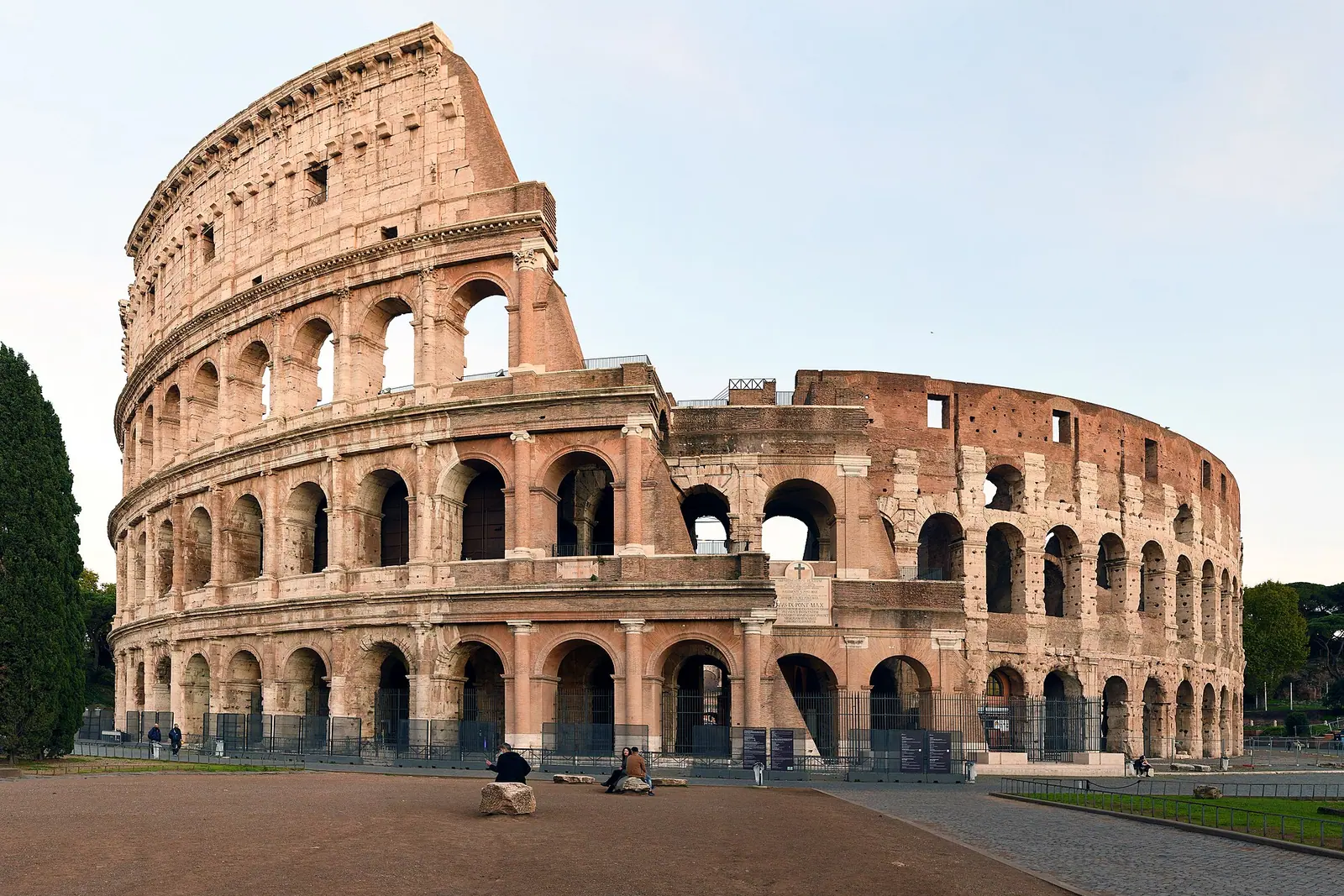
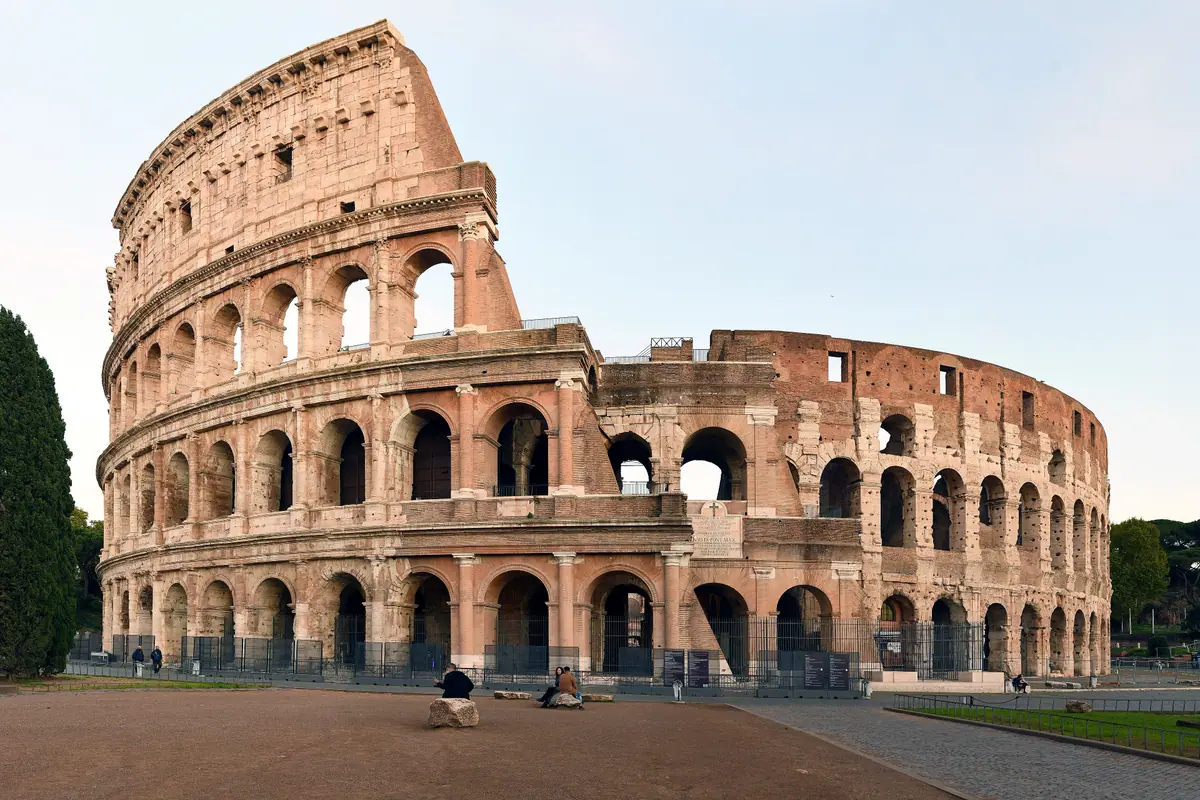
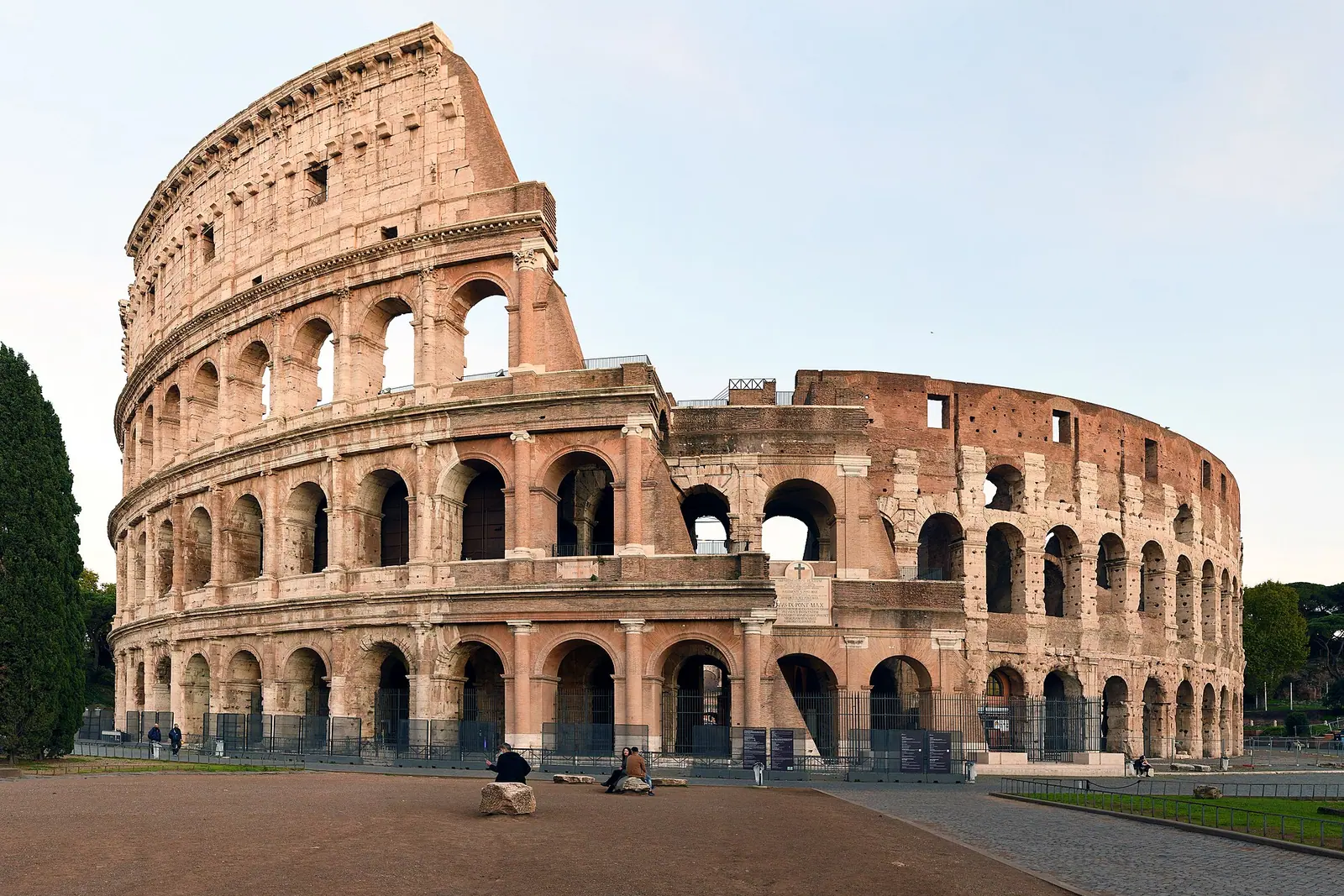
The classic first trip runs Rome–Florence–Venice, and the icons justify themselves. In Rome, the Colosseum, Roman Forum and Palatine Hill form one continuous ticket best explored over three hours, ideally at opening time before the coach groups arrive; the Pantheon, still standing after nearly two millennia, is free to enter but can queue, and the Trevi Fountain is at its most magical before 8am or after 11pm, when the coin-tossers thin out. Across the river, St. Peter's Basilica and the Vatican Museums — home to the Sistine Chapel — deserve a half day, with shoulders and knees covered and timed entry booked well ahead.
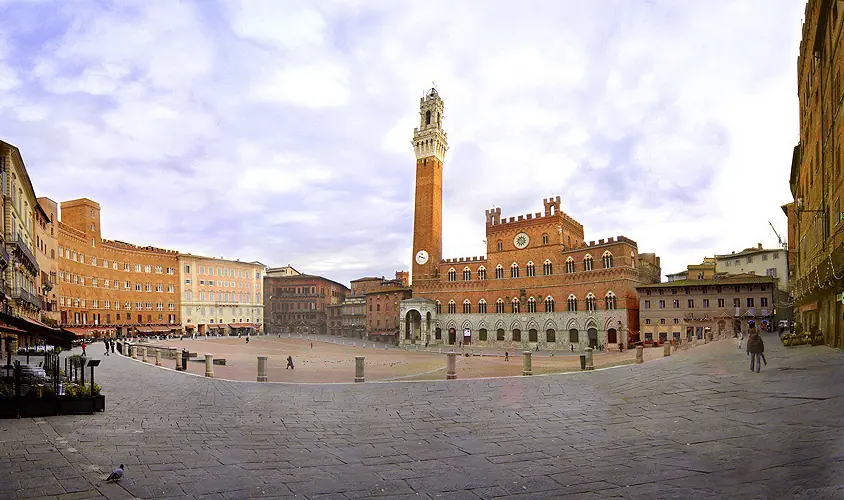
Florence compresses its treasures into a walkable core: the Duomo with Brunelleschi's dome and Giotto's campanile, the Uffizi Gallery for Botticelli and Leonardo, the Accademia for Michelangelo's David, and the Ponte Vecchio, jeweller-lined and glowing at dusk. Pisa's Leaning Tower is an easy half-day from Florence by train, and Siena's shell-shaped Piazza del Campo, home of the twice-yearly Palio horse race, makes a superb overnight stop in Tuscany.
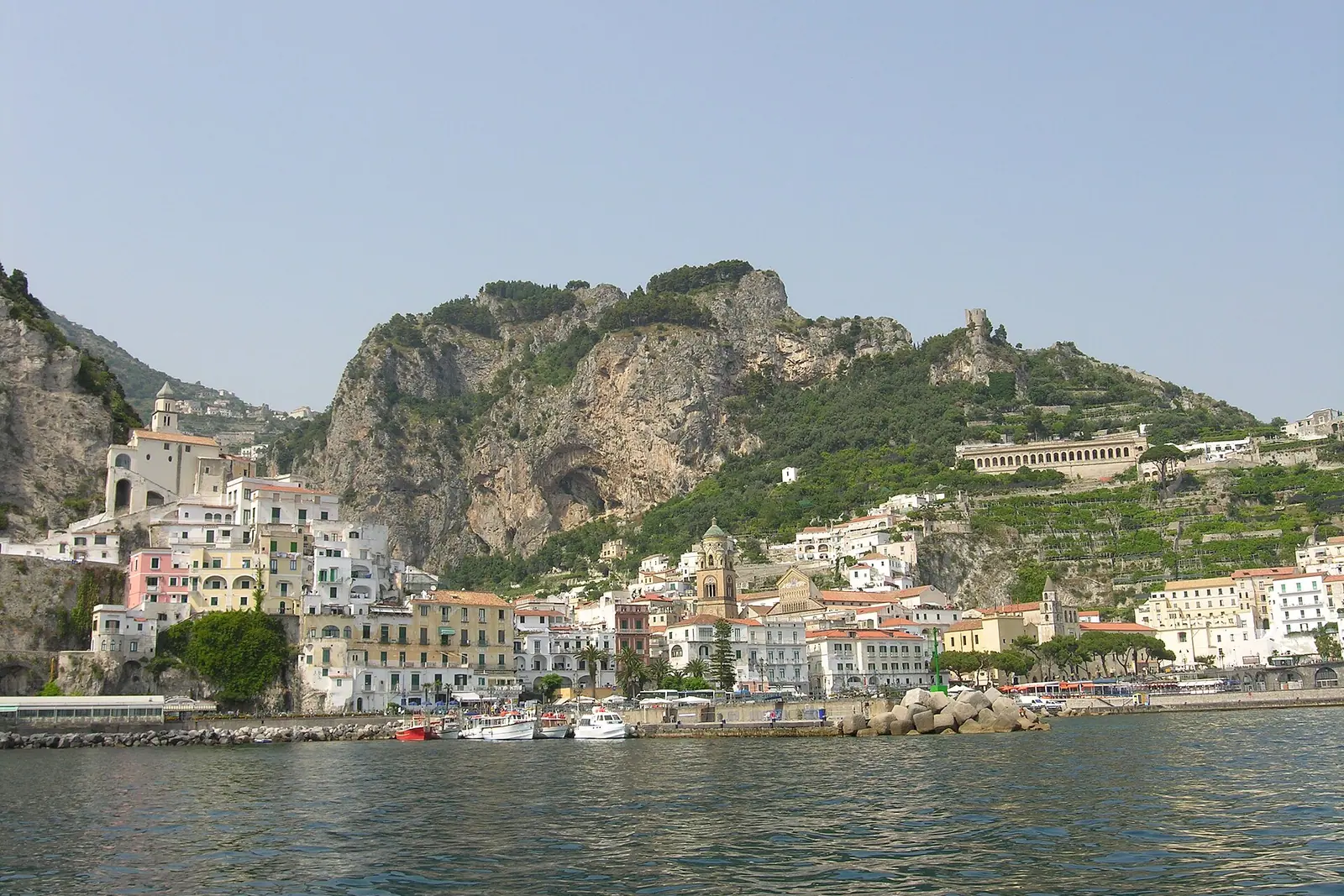
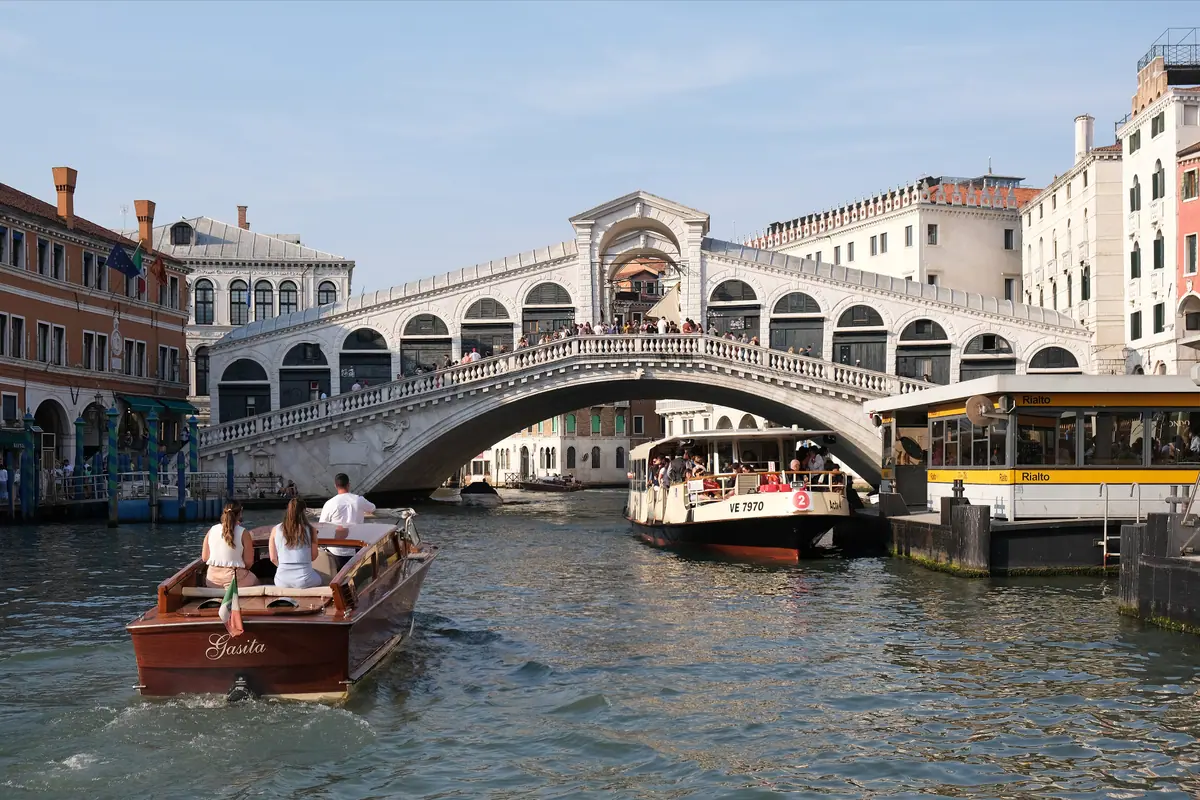
Venice needs no itinerary beyond wandering: Piazza San Marco and its basilica, the Doge's Palace, the Rialto Bridge and a slow vaporetto ride down the Grand Canal. Beyond the trio of headline cities, Italy keeps unfolding — the Cinque Terre's five cliff villages, the Amalfi Coast and Positano, Capri's Blue Grotto, the frozen-in-time streets of Pompeii beneath Mount Vesuvius, the cave dwellings of Matera's Sassi, the trulli of Alberobello, Taormina's Greek theatre above the Sicilian sea, the Valley of the Temples at Agrigento, and the jagged Tre Cime di Lavaredo in the Dolomites. Choose two regions and go deep rather than racing the whole peninsula.
Local Rituals: Coffee Bars, Long Lunches and Festival Seasons
Italian social life runs on a fixed clock, and learning it is half the pleasure. Breakfast is a cappuccino and a cornetto, standing. Lunch, the main meal, can stretch from 1pm to 3pm with antipasto, primo, secondo, contorno, fruit and coffee, and many kitchens then close until 7:30pm — so plan an afternoon snack rather than expecting an early dinner. Restaurants in the far south may not fill until 9:30pm, while Milan and Turin eat closer to 8pm.
Festivals mark the year with near-religious intensity. The Venice Carnival fills the canals with maskers in the weeks before Lent; Siena's Palio di Siena turns Piazza del Campo into a bareback horse race on 2 July and 16 August; Easter brings processions through the streets of Sicily and Umbria. In summer, opera fills the Roman amphitheatre of Verona's Arena, and Ferragosto on 15 August empties cities into the mountains and beaches — expect some family-run shops and restaurants to shut for a week or two around it.
A few unwritten rules go a long way. Order coffee at the bar to pay less and drink it fast; never order a cappuccino after dinner. Water arrives as still (naturale) or sparkling (frizzante). Bread is not for dipping in olive oil unless it is offered. Tipping is not obligatory — rounding up or leaving a euro or two is plenty, and a small coperto or servizio charge on the bill is normal, not a swindle. And if a menu is printed in five languages with photographs beside a major landmark, keep walking one street further.
When to Go: Seasons, Crowds and Regional Timing
Late April to mid-June and September to October are the sweet spots: warm but not punishing, with shorter queues at the Colosseum, Uffizi and Vatican Museums and prices that have not yet peaked. Spring greens the Tuscan hills and brings wild asparagus and artichokes to Roman menus; autumn delivers the grape harvest in Chianti, truffles in Alba, and mushroom festivals across the north.
July and August are hot, crowded and expensive, particularly in Florence, Venice and the Amalfi Coast, though the long daylight hours and beach life make the south and the islands genuinely enjoyable if you rise early and rest at midday. August also collides with Ferragosto closures. Winter is underrated: Christmas markets in the Trentino and Alto Adige valleys, Carnevale in Venice, snow and skiing beneath the Dolomites' Tre Cime, and near-empty museums in Rome and Naples. Sicily and Puglia stay mild enough for sightseeing from March through November.
If a specific experience is the reason for your trip, build around its date: the Palio in early July or mid-August, the Venice Carnival in February, truffle season from October into November, and the Verona opera season in the summer months. Check opening days too — many state museums, including the Uffizi and the Accademia, close on Mondays, and some churches restrict tourist visits during Mass.
Getting Around and Eating Well: Practical Notes for Travellers
Italy is made for train travel between the big cities: high-speed services link Rome, Florence, Bologna, Venice, Milan and Naples in two to four hours, while slower regional trains reach hill towns, coastal villages and wine country for a few euros. For rural Tuscany, Puglia's trulli country or the Dolomites you will want a car — but remember the ZTL, the restricted traffic zones at the heart of almost every historic centre, where a wrong turn becomes an expensive photograph.
Book the blockbusters in advance: the Colosseum, Vatican Museums, Uffizi, Accademia and Milan's Last Supper all operate timed-entry systems that sell out in high season. Give Rome four nights, Florence three and Venice two if you want time to eat properly between sights, and add a slower base — an agriturismo in Chianti, a masseria in Puglia, a village on Lake Como or Lake Garda — to break up the city-hopping.
Finally, eat where the menu is short and in Italian. A trattoria with eight dishes and a handwritten board is almost always better than a laminated novel of options, and a fixed-price lunch menu (menu del giorno) at a neighbourhood spot is the best-value meal of the day. Ask what is fresh, take the house wine in a carafe, finish with an espresso, and let lunch run long. That, more than any monument, is the Italy you will remember.
Frequently asked questions
What is the best time of year to visit Italy for food and culture?
Late April to mid-June and September to October offer the best balance of mild weather, open kitchens and manageable crowds. Autumn is especially rewarding for food travellers, with the grape harvest in Tuscany, white truffles around Alba from October, and olive oil festivals in Umbria and Puglia in November. Avoid the peak of August unless you are heading for the coast or the mountains.
How many days do I need for Rome, Florence and Venice?
A comfortable minimum is four nights in Rome, three in Florence and two in Venice, with travel time between them by high-speed train. That gives you room for the Colosseum and Vatican Museums without rushing, plus a full day for the Uffizi, Duomo and Ponte Vecchio in Florence. If you can, add a rural base such as Chianti or the Veneto countryside for two nights.
Do I need to book major attractions in advance?
Yes, in high season. The Colosseum, Vatican Museums and Sistine Chapel, Uffizi Gallery, Accademia in Florence and the Last Supper in Milan all use timed entry and sell out days or weeks ahead between April and October. Booking the first slot of the day means cooler temperatures and thinner crowds, and remember that many state museums close on Mondays.
What should I know about eating out in Italy?
Lunch is the main meal and often runs from 1pm to 3pm, after which many kitchens close until around 7:30pm; in the south, dinner may not start until 9pm. Espresso is drunk standing at the bar, and a cappuccino after a meal is a tourist tell. A small coperto or servizio charge on the bill is standard, and tipping is optional — rounding up or leaving a euro or two is generous enough.
Is it easy to travel around Italy without a car?
Very. High-speed trains connect Rome, Florence, Bologna, Venice, Milan and Naples in two to four hours, and regional trains reach smaller towns, Cinque Terre villages and wine areas cheaply. A car is only worth it for rural Tuscany, Puglia's countryside or the Dolomites — and if you drive, stay alert for ZTL restricted zones in every historic centre.
Sort the rest of your trip
Everything for Italy, in one place

More guides in Italy
Top Things to Do in Italy: Must-See Landmarks from Rome to Venice
Best Places to Visit in Italy: From Rome to the Amalfi Coast
Best Time to Visit Italy: A Season-by-Season Guide to Where You'll Stay
1 Week in Italy by Flight: Rome, Venice, Naples and Sicily Itinerary