Italy compresses an unreasonable amount of world-class sightseeing into one boot-shaped peninsula: imperial ruins, Renaissance frescoes, cliff-hugging fishing villages and volcano-shadowed vineyards, all linked by fast trains and slower, better lunches. The real question is never whether to go, but which version of Italy you want first. Here are the places worth building an itinerary around, with honest notes on when to go and how long each one deserves.
Rome: The Colosseum, the Pantheon and the City That Set the Template
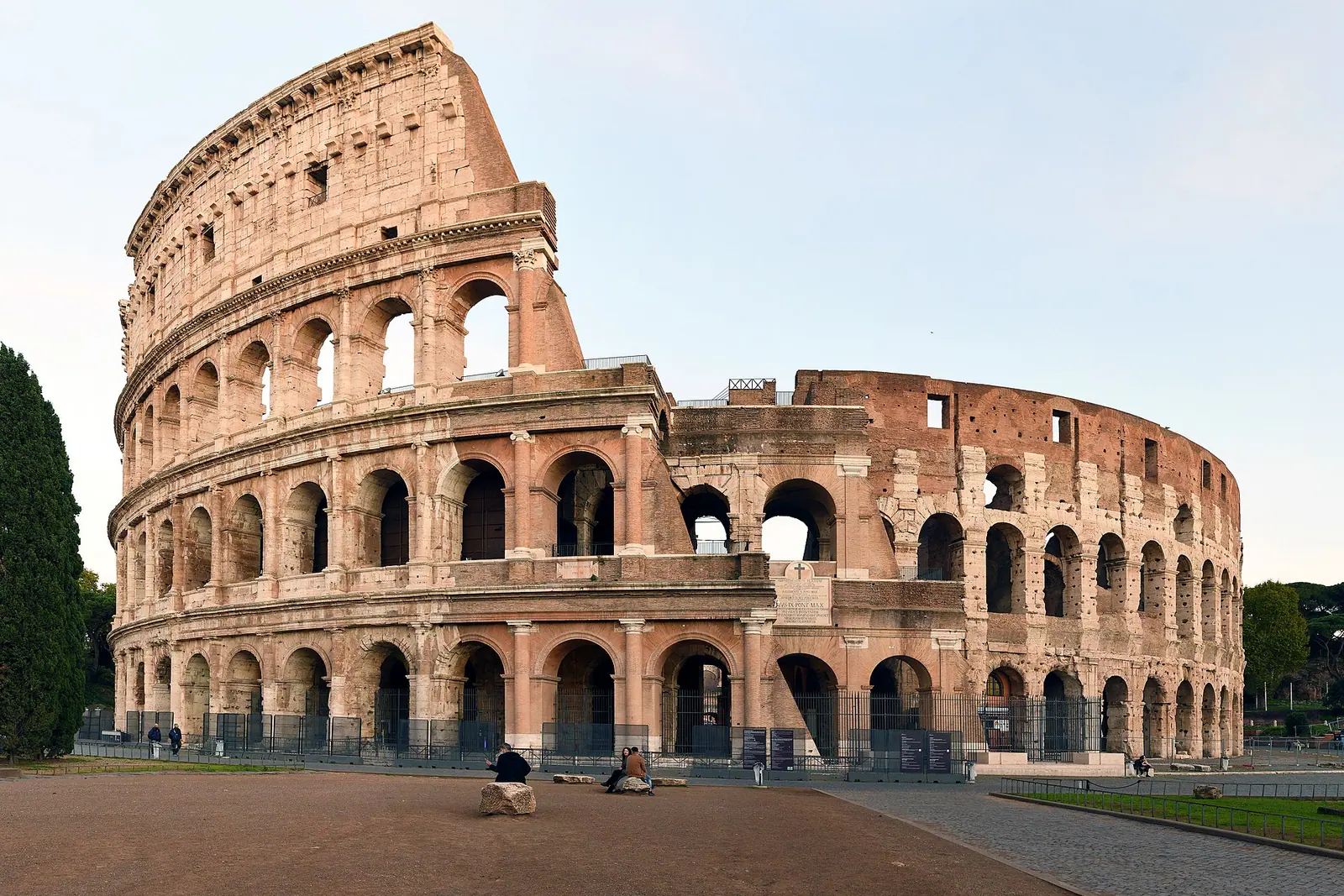
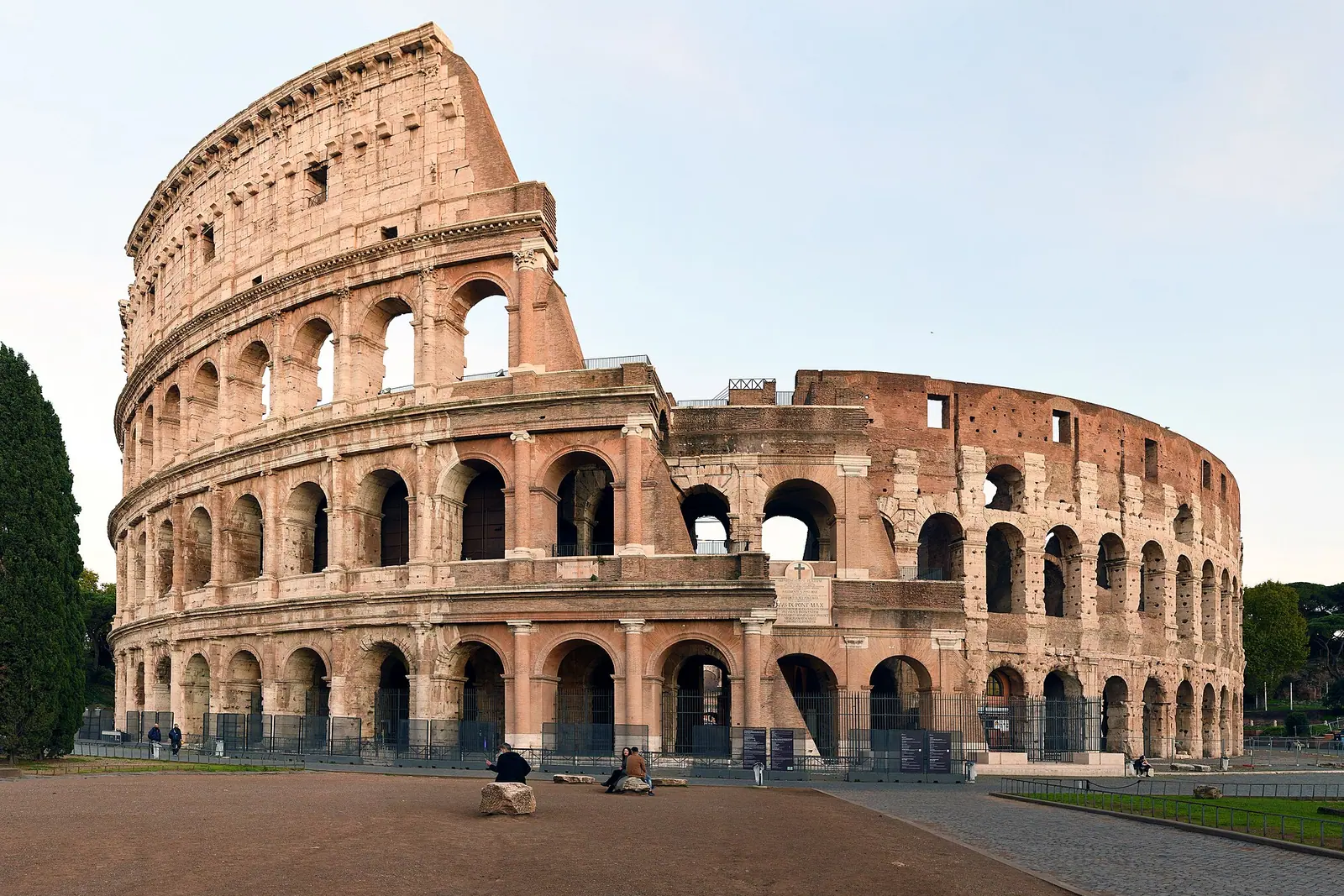
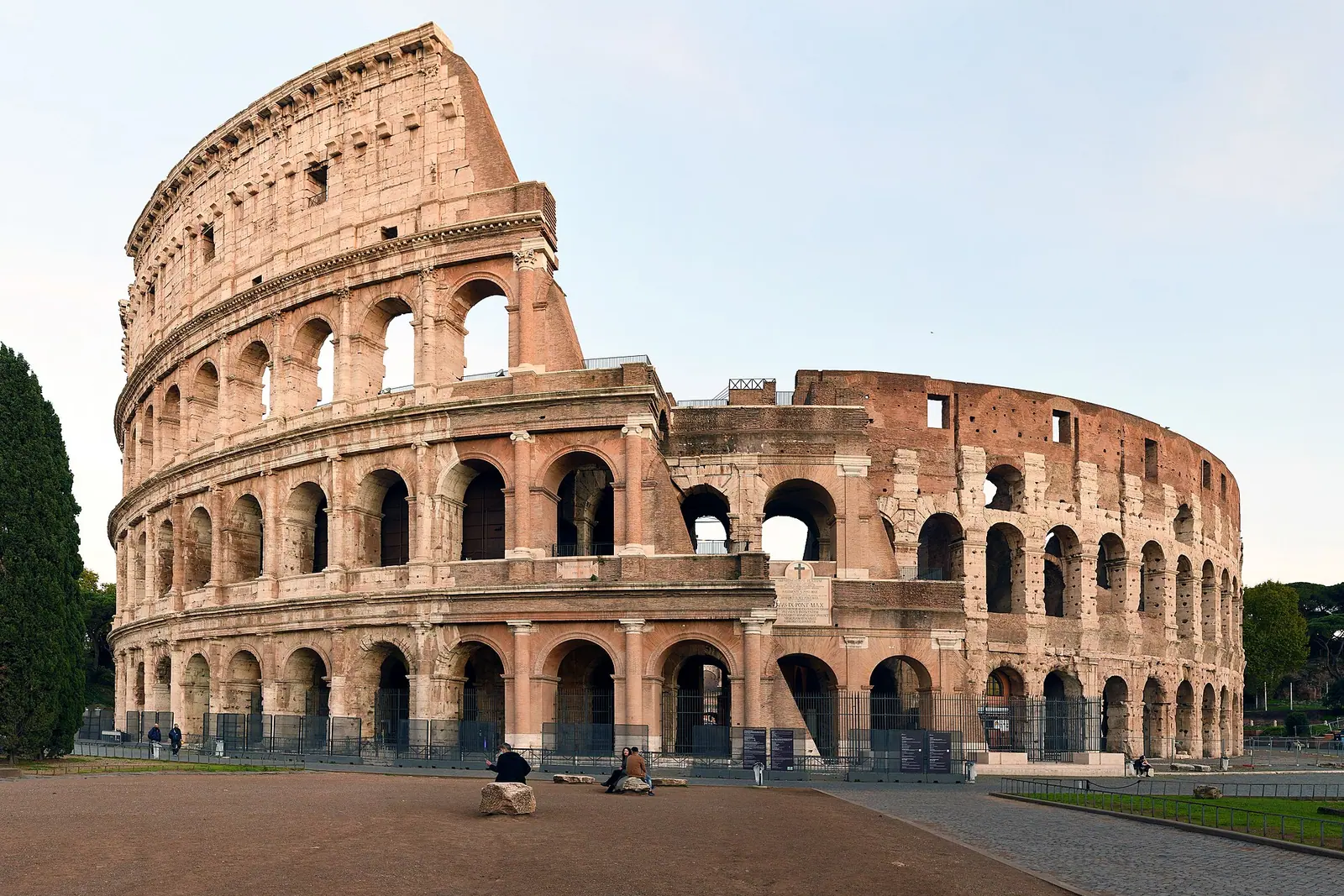
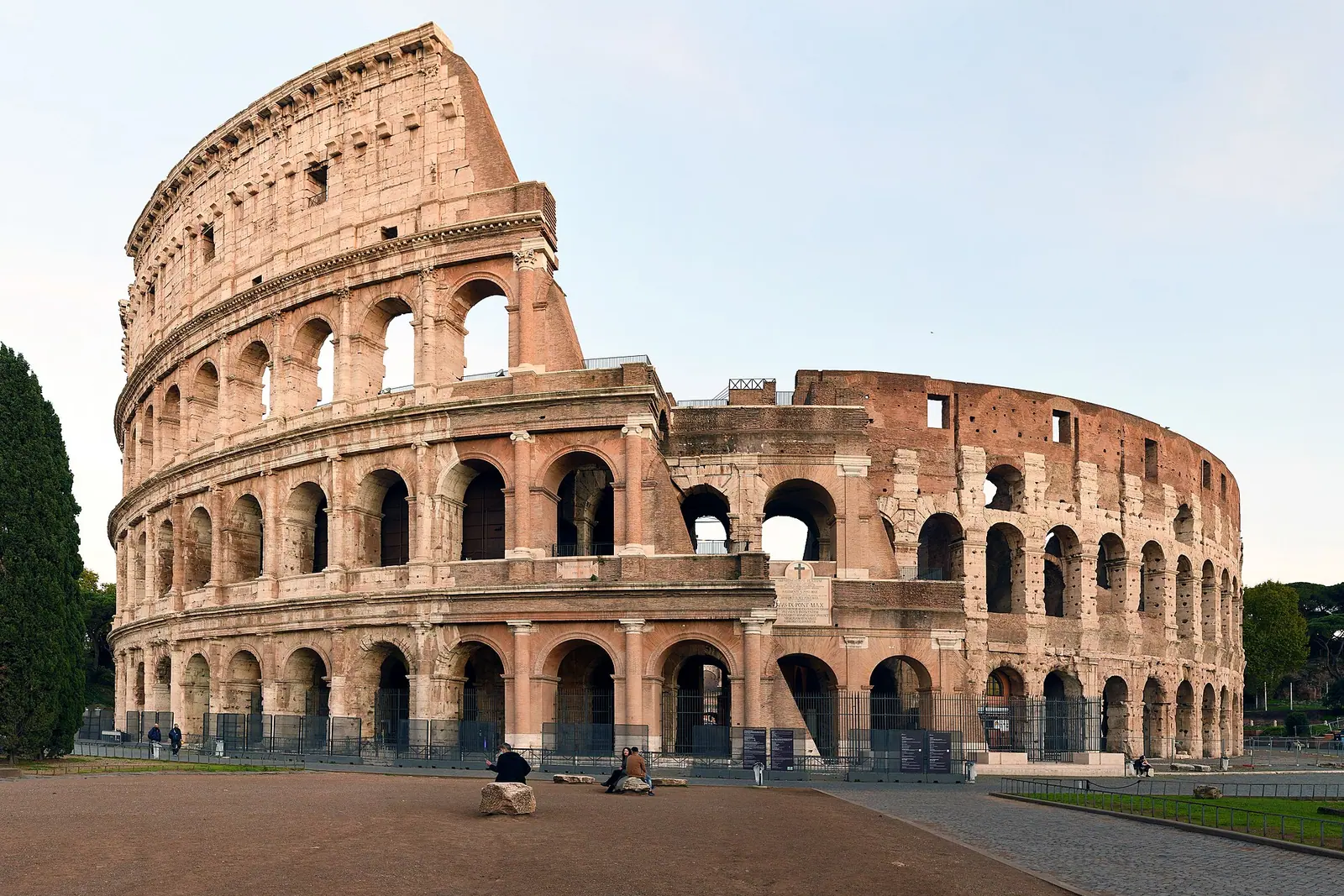
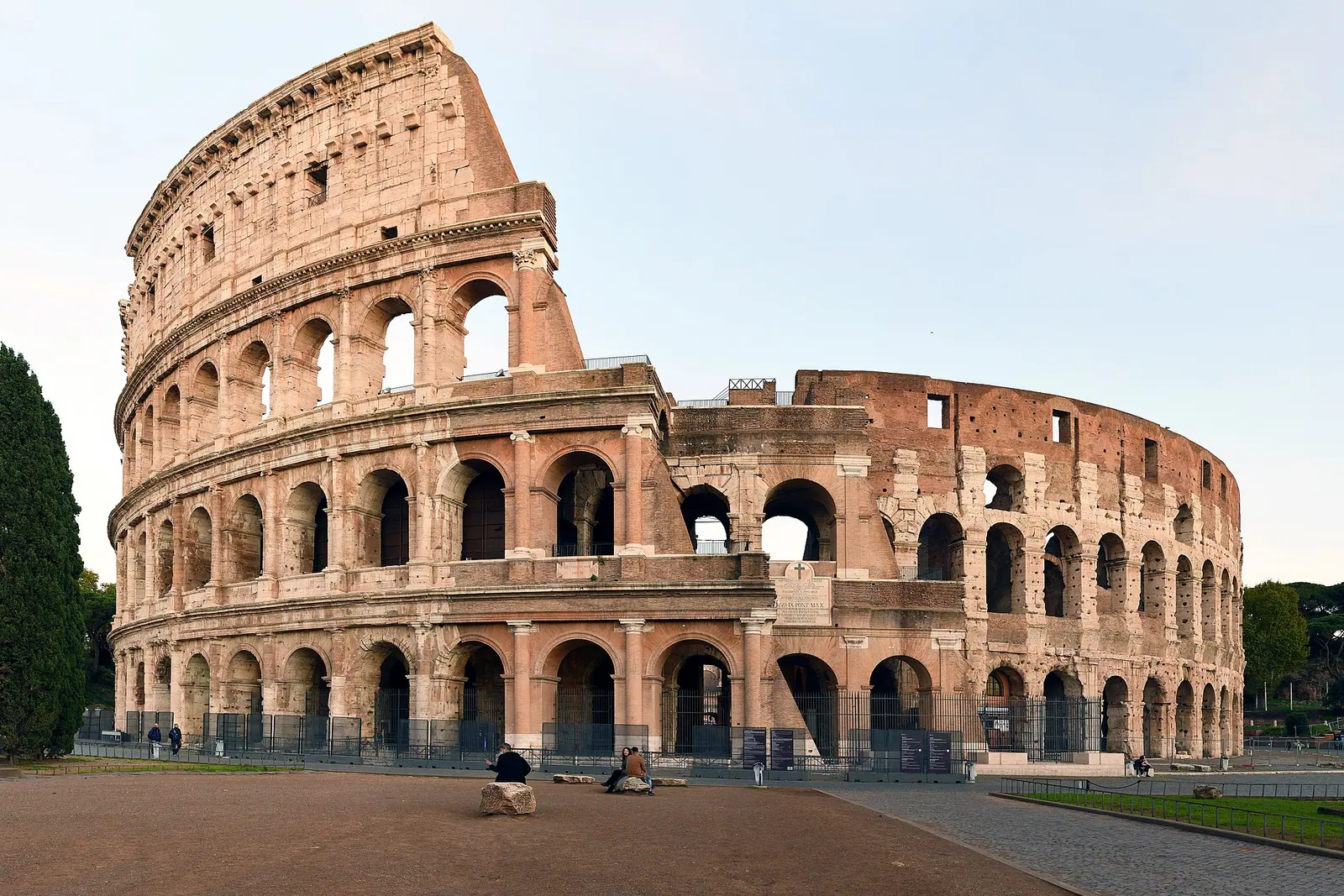
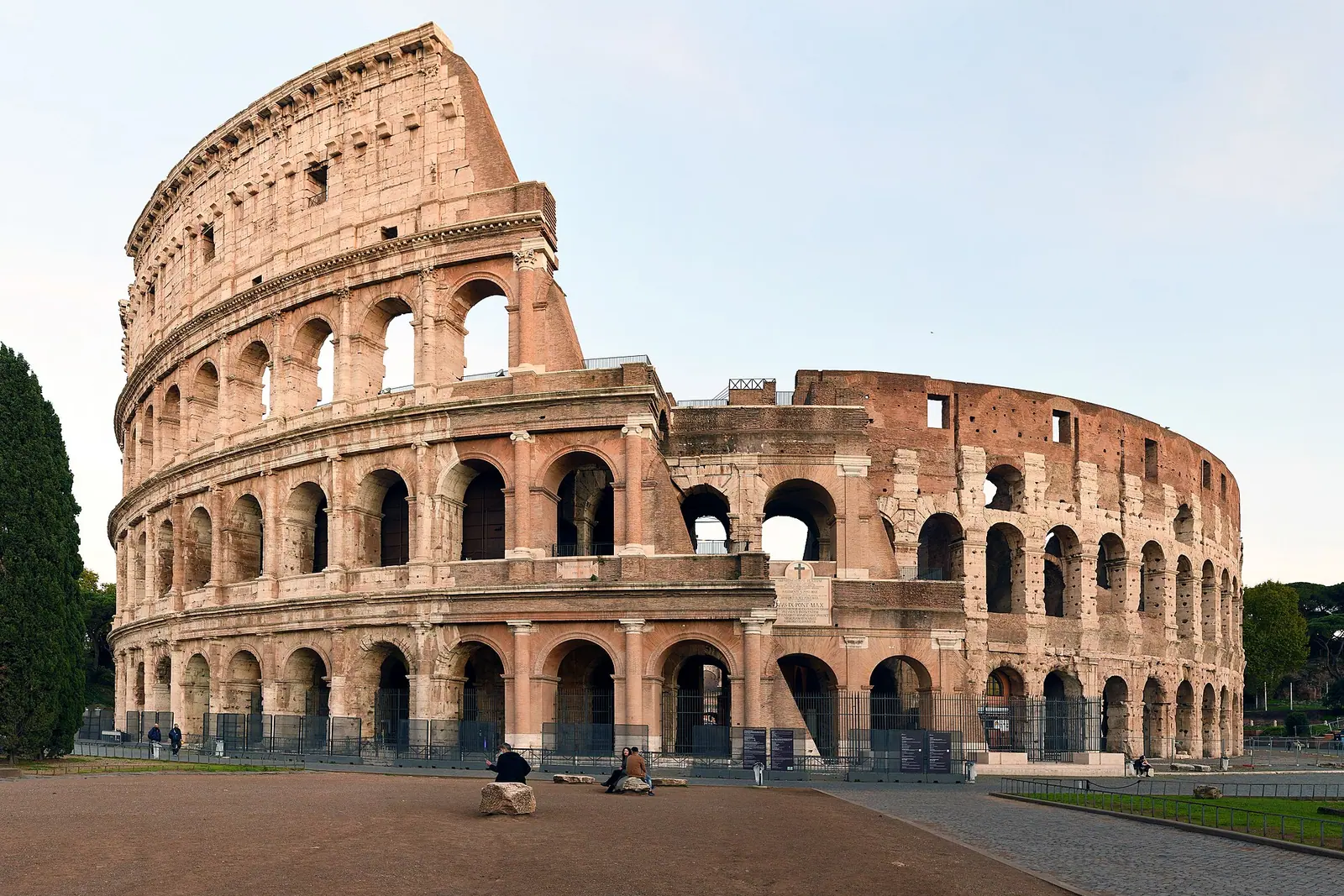
Start where the idea of Europe more or less begins. Rome's historic centre stacks four thousand years into a walkable grid: the Colosseum and the Roman Forum spill into the Palatine Hill, where emperors built their palaces; the Pantheon still wears the world's largest unreinforced concrete dome, nearly two millennia old; Piazza Navona, the Trevi Fountain and the Spanish Steps stitch the streets together between them. Across the river, St Peter's Basilica and the Vatican Museums — home to the Sistine Chapel — form a separate state-within-a-city that swallows a full day on its own.
Plan on three to four days minimum, and book timed entries for the Colosseum, the Vatican Museums and the Borghese Gallery weeks or even months ahead in high season, because walk-up availability in summer is close to nonexistent. Go early or after 4pm for the Trevi Fountain if you want a photograph without a hundred elbows in frame. Evenings belong to Trastevere's tangle of lanes for dinner, and to the Aventine Hill keyhole, which frames St Peter's dome with absurd precision.
If you have a fourth day, use it for a day trip: Ostia Antica's Roman harbour town, or Tivoli, where the terraced fountains of Villa d'Este and Hadrian's sprawling villa sit half an hour from the city. Rome rewards repetition — the same street looks different at 8am and at midnight.
Florence and Tuscany: Renaissance Ground Zero and the Vineyards Around It
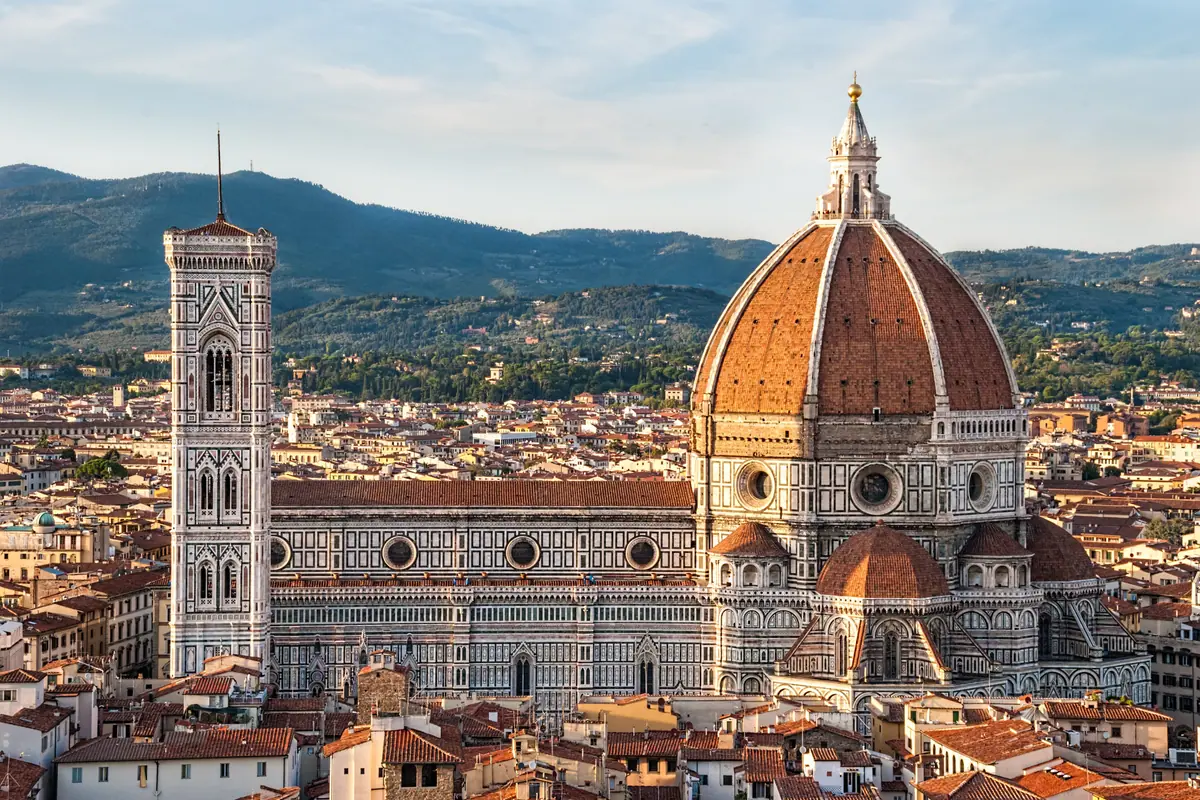
Florence is small enough to cross on foot in twenty minutes and dense enough to occupy a week. The skyline is dominated by the Duomo, crowned by Brunelleschi's terracotta dome — 463 steps to the top, with a reserved slot essential. Nearby, Giotto's Campanile and the Baptistery's gilded bronze doors lead you toward the Uffizi, where Botticelli's Birth of Venus hangs, and the Accademia, where Michelangelo's David stands under a skylight built for him. Cross the Ponte Vecchio at dusk and climb to Piazzale Michelangelo for the postcard view everyone chases and nobody regrets.
Beyond the city, Tuscany unfolds in layers. Siena's shell-shaped Piazza del Campo hosts the Palio horse race twice each summer, a bareback medieval spectacle that draws the whole city into the square. San Gimignano's surviving stone towers rise over a hilltop of gelaterie; the Val d'Orcia's cypress-lined roads roll past Pienza, Montepulciano and a hundred Chianti estates. Pisa's Leaning Tower and cathedral square make an easy half-day by train.
Give Florence three full days and Tuscany another two or three with a car, though buses and trains connect the main towns if you'd rather not drive. Late April to June and September to October bring mild weather, harvest colour and manageable crowds. July and August bring heat, queue fatigue and a lot of other people's shoulders in your photographs.
Venice and the Veneto: A City Built on Water and Its Opera-Loving Neighbours
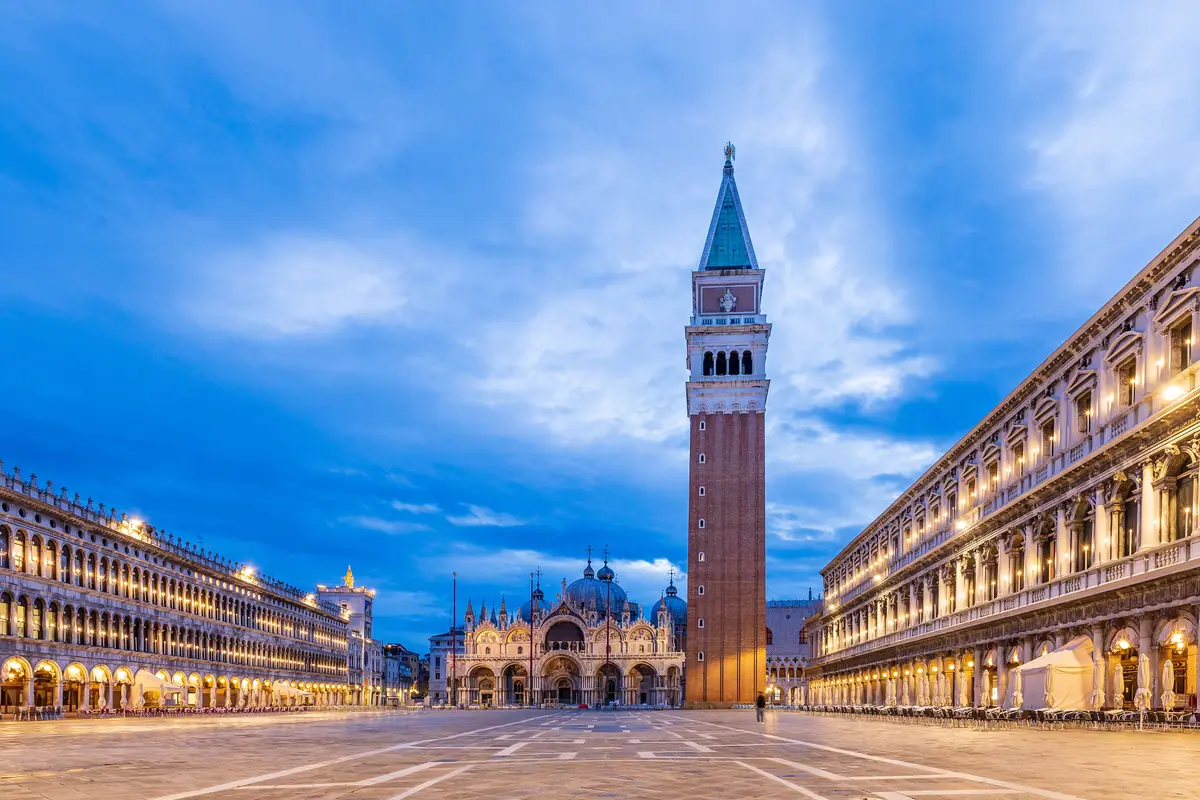
Venice is best understood as a series of neighbourhoods rather than a single sight. St Mark's Square holds the Basilica di San Marco with its gold mosaic interiors, the Doge's Palace and the Bridge of Sighs; the Rialto Bridge arches over the Grand Canal; Santa Maria della Salute guards the entrance to the canal near the Gallerie dell'Accademia and the modern art collections that line the Dorsoduro side. Riding the slow vaporetto down the Grand Canal at sunset costs little and beats any guided boat tour for atmosphere.
Then abandon the itinerary. Cannaregio and Castello are where residents actually live, eat and drink; Murano's glass furnaces and Burano's candy-coloured fishermen's houses make an easy half-day by water bus. Two to three days is right for Venice itself — enough to see the headline monuments and still get pleasantly lost. Note that acqua alta, the seasonal high water, can flood the lowest squares between October and December, and that the city is at its most magical before 9am and after 8pm, when the day-trippers have gone.
The wider Veneto deserves the extra days. Verona's Roman Arena still hosts open-air opera through the summer months, and its pink-and-ochre streets are among the most photogenic in the north. Padua's frescoed Scrovegni Chapel and the Palladian villas around Vicenza round out an area that most visitors rush through on the way to somewhere else.
The Amalfi Coast, Pompeii and the Deep South
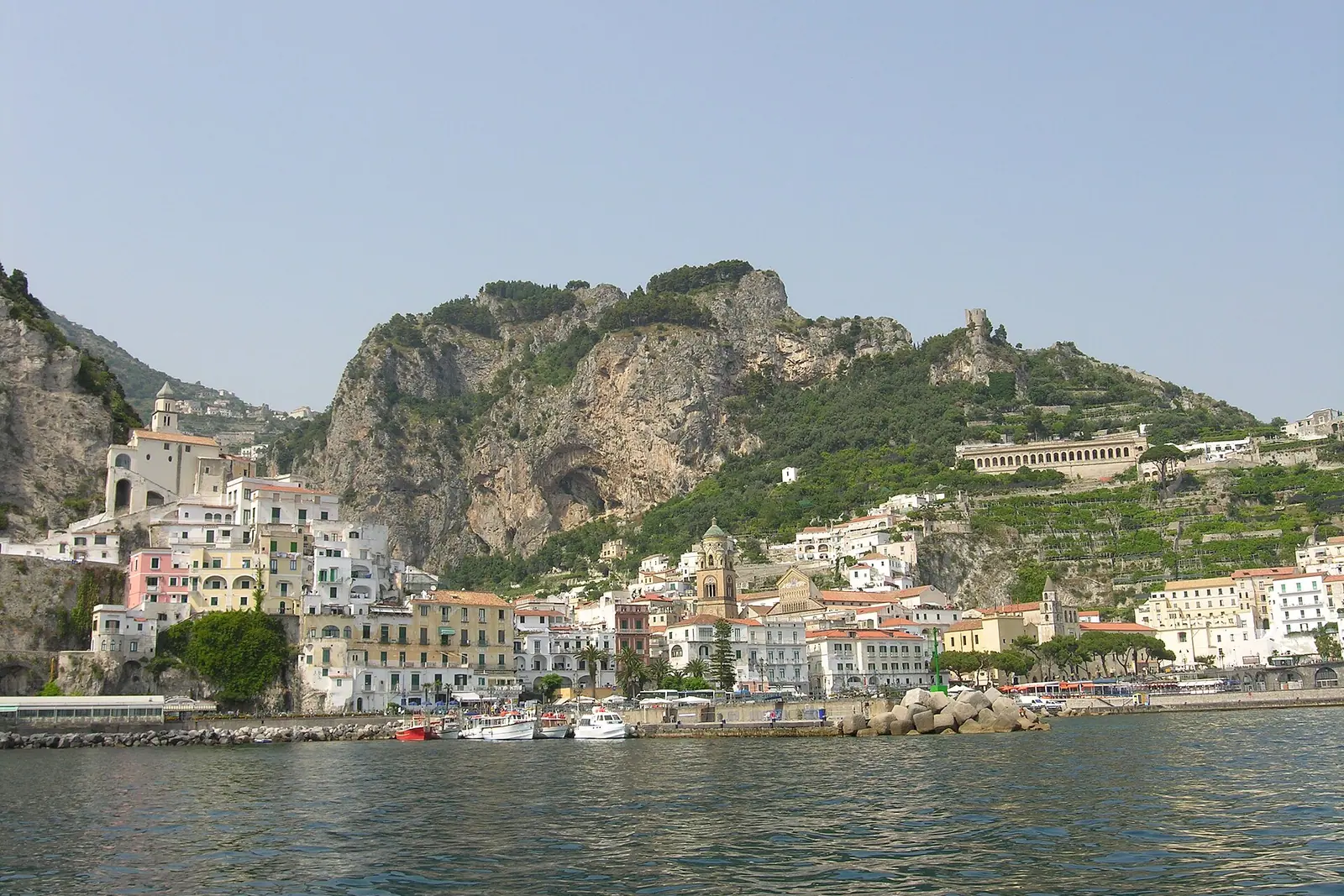
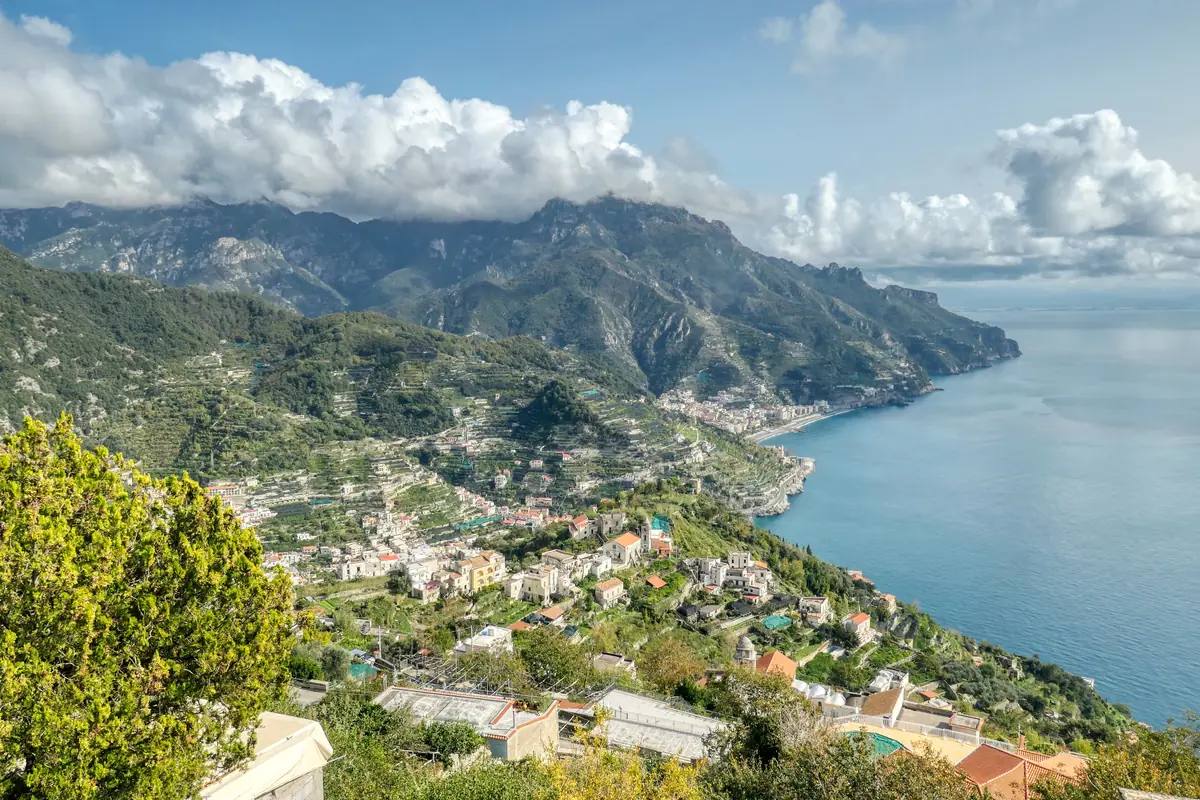
The Amalfi Coast is a vertical landscape: pastel villages stacked above a blue sea, connected by a road that twists so tightly it can take an hour to cover twenty kilometres. Positano's cascading houses, Amalfi's Arab-Norman cathedral and Ravello's Villa Cimbrone and Villa Rufolo gardens — perched high enough to make you dizzy — are the classic trio. The Path of the Gods trail between Bomerano and Nocelle delivers the coast's best walking, with vertigo and views in equal measure. From Sorrento, ferries hop to Capri for the Blue Grotto and the Faraglioni sea stacks.
History sits right beside the scenery. Pompeii and Herculaneum, buried by Vesuvius in 79 AD, are the most complete Roman towns anywhere, and Vesuvius itself can be climbed to the crater rim. Further south, Paestum's Greek temples stand almost intact in open fields, while Matera's cave dwellings — the Sassi — and Alberobello's conical trulli houses feel like another country altogether. Puglia's beaches and olive groves reward anyone who keeps going past Naples.
Sicily could fill a trip by itself: Agrigento's Valley of the Temples, the smoking summit of Mount Etna, Taormina's Greek theatre framing the sea, Palermo's chaotic markets and Syracuse's island heart of Ortigia. May, June and September are the sweet spots on the coast — warm sea, bearable heat. Driving the Amalfi Coast is possible but stressful; basing yourself in Sorrento or Salerno and using ferries and buses is usually smarter.
The Italian Lakes, the Dolomites and Cinque Terre
Northern Italy swaps ruins for water and mountains. Lake Como's shoreline is lined with villas — Villa del Balbianello, Villa Carlotta — and the pretty trio of Bellagio, Varenna and Menaggio, all linked by ferries. A funicular climbs from Como town to Brunate for a panorama over the lake's fork. Lake Garda offers Sirmione's castle and thermal springs in the south and a windsurfing, alpine-feeling northern tip at Riva del Garda. Lake Maggiore's Borromean Islands, especially Isola Bella with its terraced garden, are worth the detour.
East of the lakes, the Dolomites rise in pale limestone towers. Tre Cime di Lavaredo is the signature hike, Seceda and Alpe di Siusi deliver meadows framed by jagged peaks, and Cortina d'Ampezzo and Val Gardena anchor the region for both summer walking and winter skiing. Trails are well marked; June to September is hiking season, December to March is for snow.
On the Ligurian coast, Cinque Terre's five villages — Monterosso, Vernazza, Corniglia, Manarola and Riomaggiore — cling to cliffs above a turquoise sea, connected by a coastal trail and a short-hop railway. It is genuinely beautiful and genuinely crowded: come in May or late September, walk early, and consider nearby Portofino and Camogli for a quieter version of the same landscape.
How to Plan an Italy Trip That Actually Works
Timing decides everything. April to June and late September to October give you mild weather, open sights and crowds that haven't yet reached critical mass. July and August push temperatures past 35°C in Rome and Florence, fill coastal towns to bursting and close some family-run restaurants for holiday. Winter is quiet, cheap and often crisp, with the Alps in full ski mode and southern cities like Palermo and Naples perfectly pleasant for sightseeing.
Italy's high-speed rail network makes city-hopping painless: Rome to Florence in around 90 minutes, Florence to Bologna in under 40, Bologna to Venice or Milan in roughly an hour each, all city-centre to city-centre. Regional trains and buses cover the smaller towns, though rural Tuscany, Puglia and the Dolomites are far easier with a car. Build in slower days — Italy is at its best when you're not sprinting between monuments.
A sensible shape for a first trip: seven days for Rome and Florence, ten to add Venice, two weeks to fold in the Amalfi Coast or the lakes. Book timed entries for the Colosseum, Vatican Museums, Uffizi, Accademia and the Florence dome climb as early as you can, and remember that churches require covered shoulders and knees. Pack comfortable shoes, learn a handful of Italian phrases, and leave room in the plan for the long lunch that inevitably becomes the highlight.
Frequently asked questions
How many days do you need in Italy?
For a first visit, seven to ten days covers Rome, Florence and Venice comfortably without constant rushing. Two weeks lets you add the Amalfi Coast, the Italian Lakes or a slice of Tuscany's countryside. Anything shorter works best as a single-city trip — Rome alone justifies four days.
What is the best time of year to visit Italy?
Late April to June and September to October are the sweet spots, with mild temperatures, open attractions and thinner crowds. July and August are hot and busy, particularly in Rome, Florence and on the coasts. Winter suits city breaks, skiing in the Dolomites and milder southern escapes.
Do I need a car to get around Italy?
Not for the classic city circuit — high-speed trains link Rome, Florence, Bologna, Venice, Milan and Naples in a couple of hours or less. You will want a car for rural Tuscany, Puglia, the Dolomites and parts of Sicily, but the Amalfi Coast is often easier by ferry and bus.
Which Italian cities are best for a first trip?
Rome, Florence and Venice form the classic first-timer's triangle, each walkable and packed with must-see landmarks. Add Naples and Pompeii for ancient history, or Verona and Bologna if you prefer a slower, food-focused pace with fewer crowds.
What should I book in advance in Italy?
Timed entry tickets for the Colosseum, Vatican Museums, Uffizi, Accademia and the Florence dome climb sell out weeks ahead in peak season. Reserve high-speed train seats early for better fares, and book popular coastal restaurants and Amalfi Coast ferries well before you travel.
Plan it — experiences in Italy
Live search, booked directly with trusted providers.
Sort the rest of your trip
Everything for Italy, in one place

More guides in Italy
Hotels in Italy: Where to Stay in Rome, Florence, Venice and Beyond
Top Things to Do in Italy: Must-See Landmarks from Rome to Venice
Best Time to Visit Italy: A Season-by-Season Guide to Where You'll Stay
1 Week in Italy by Flight: Rome, Venice, Naples and Sicily Itinerary
Italy Food, Culture and Local Experiences: A Guide to Eating, Wandering and Living Well