Italy is a boot, not a blob — and that long, kicked-out shape is exactly why a handful of short internal flights can turn seven days into four entirely different holidays. Fly the skinny middle by rail and the far ends by air, and you can stand in the Colosseum at breakfast, watch the sun set behind Venice's domes the next evening, and still be looking at Mount Etna smoking over Sicily before the week is out.
Why a Week in Italy Works Best With Two or Three Short Flights
Stretch a map of Italy from the Alps to Sicily and you are looking at roughly 1,200 kilometres of peninsula, plus an island the size of a small country hanging off the toe. High-speed rail genuinely excels in the middle — Rome to Florence in around 90 minutes, Florence to Venice in about two hours — but the moment you want Sicily, Puglia or the deep south in the same trip, the train becomes a half-day commitment. Domestic flights solve this neatly: Rome to Venice runs about 70 minutes in the air, Venice to Naples roughly 85, and Naples to Catania barely 60.
The shape of this itinerary leans on that. Two nights in Rome, a morning hop to Venice for one night, a flight south to Naples for two nights of Pompeii and the Amalfi Coast, then a final hop to Catania for Etna and Taormina before flying home from Sicily. That is three internal flights, no backtracking, and an open-jaw ticket that drops you in one city and collects you in another. It is ambitious but entirely doable if you keep each stop tightly edited and travel carry-on only.
Timing matters enormously. Late April to mid-June and September to October give you warm, walkable days, manageable crowds and reliable flight schedules. July and August push Rome and Naples past 35°C, fill the Amalfi ferries to bursting, and coincide with Ferragosto in mid-August, when plenty of family-run trattorias and shops shut for the holiday. Winter is atmospheric and cheap but the light dies by 5pm and Venice's acqua alta becomes a real planning factor.
Days 1–2: Rome — the Colosseum, the Pantheon and the Vatican
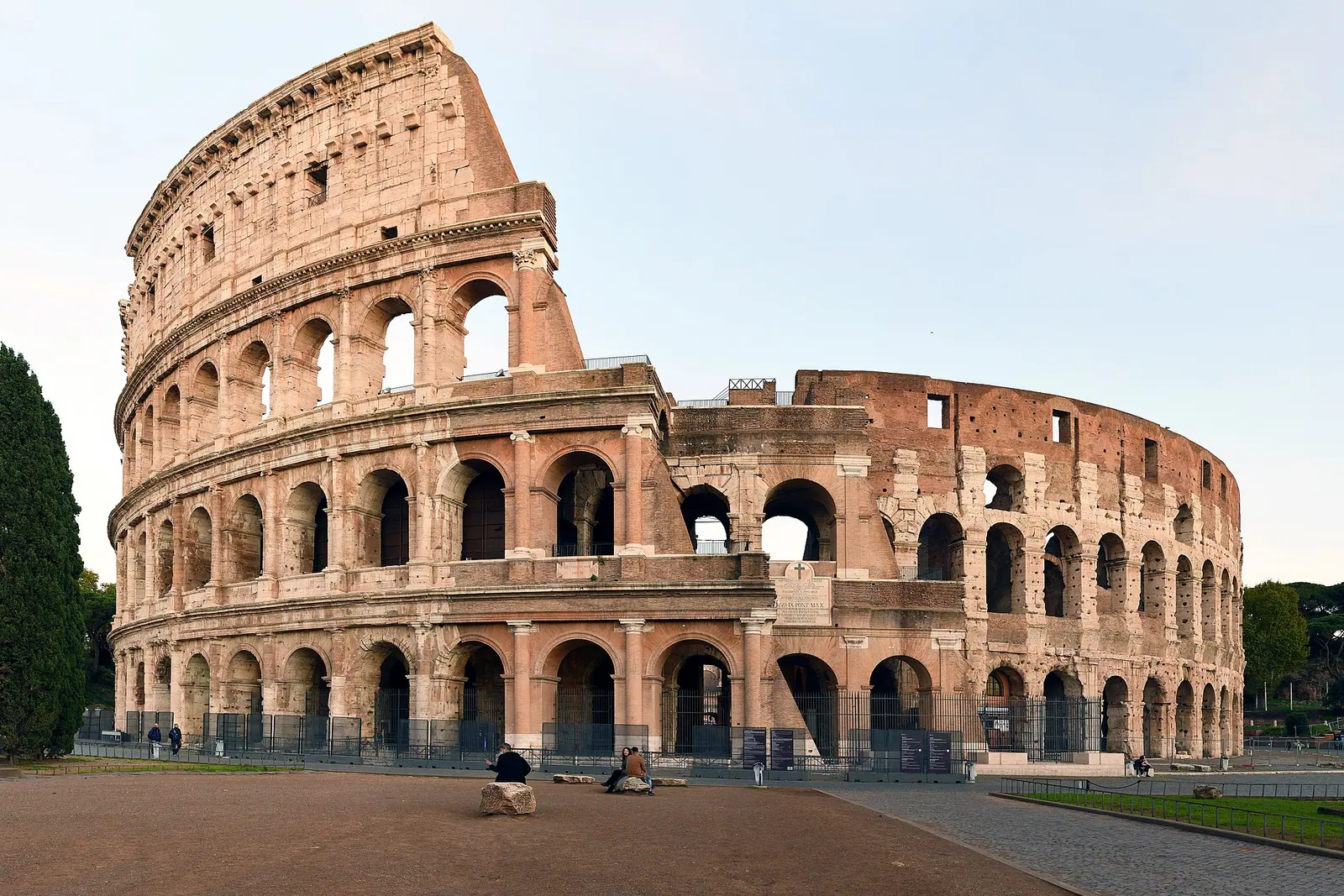
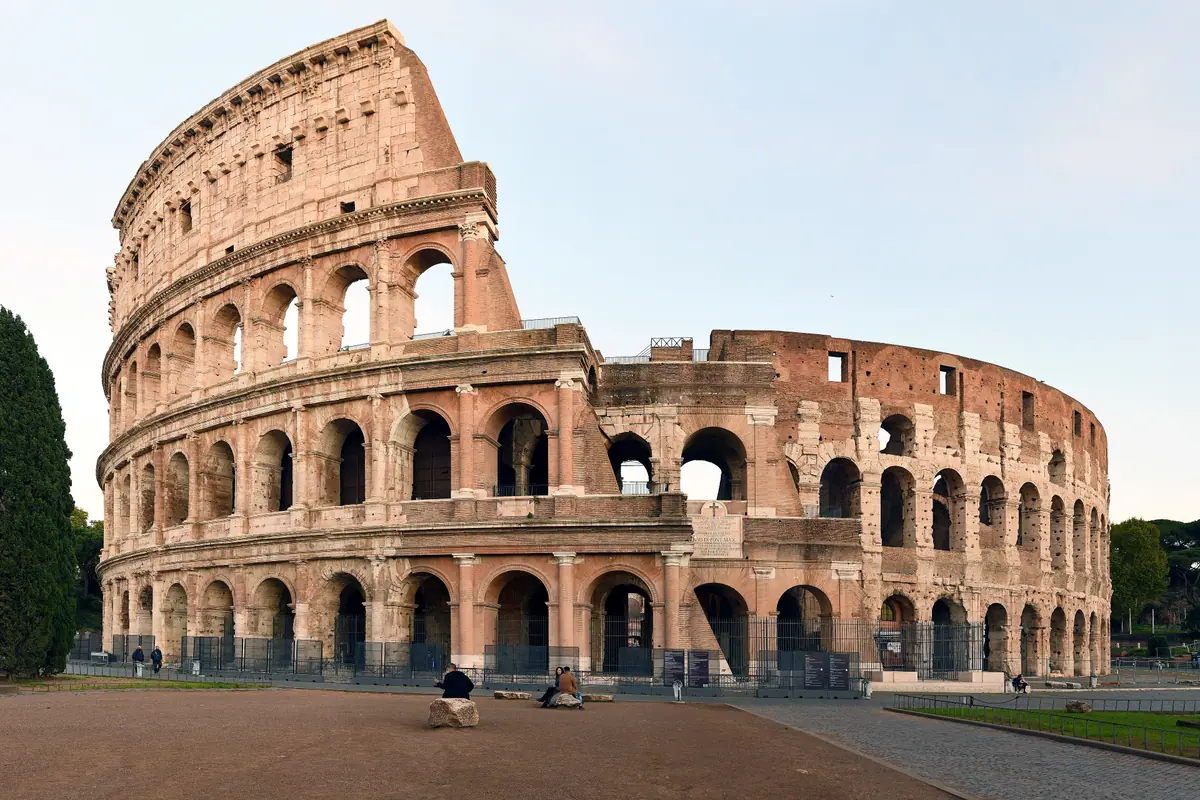
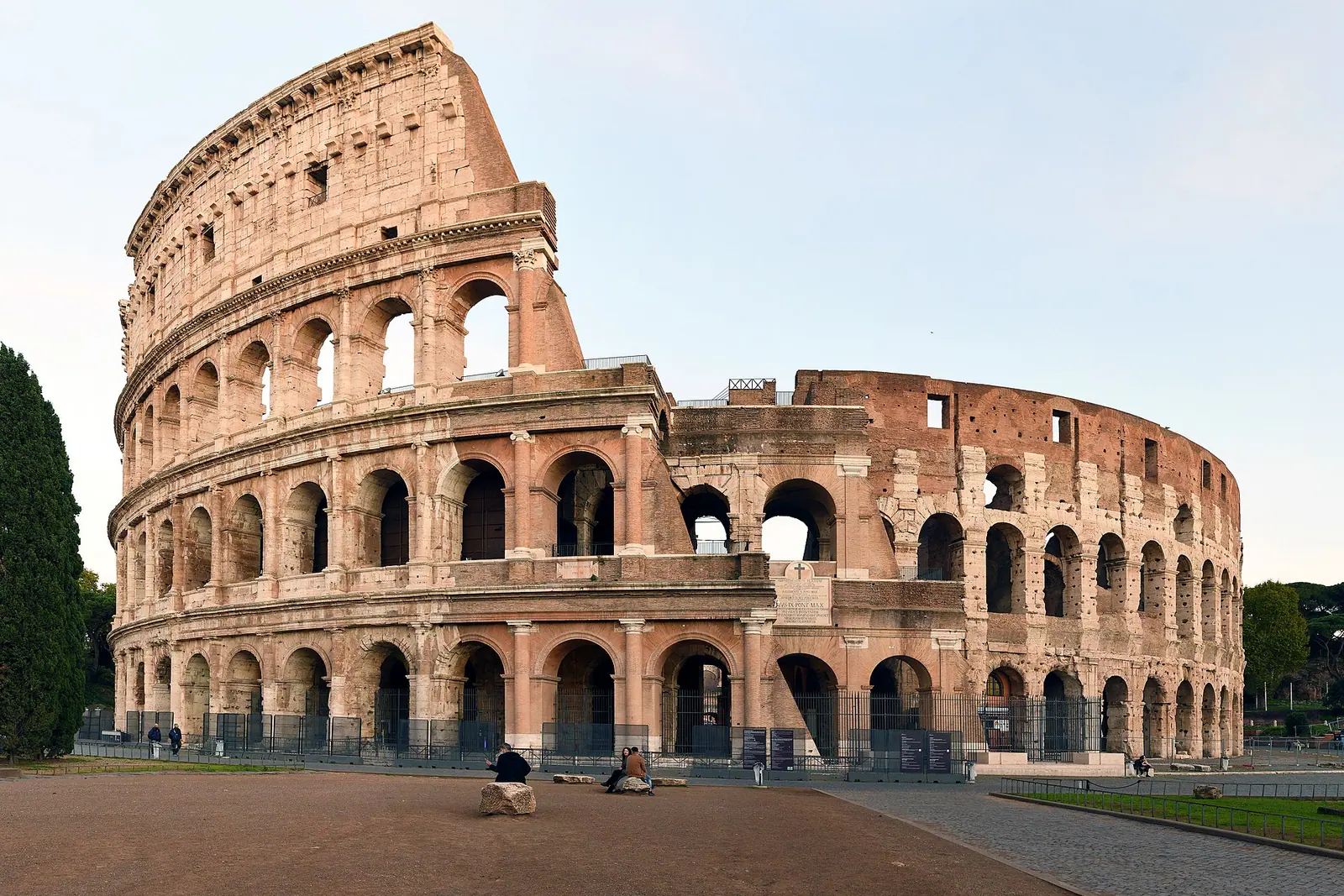
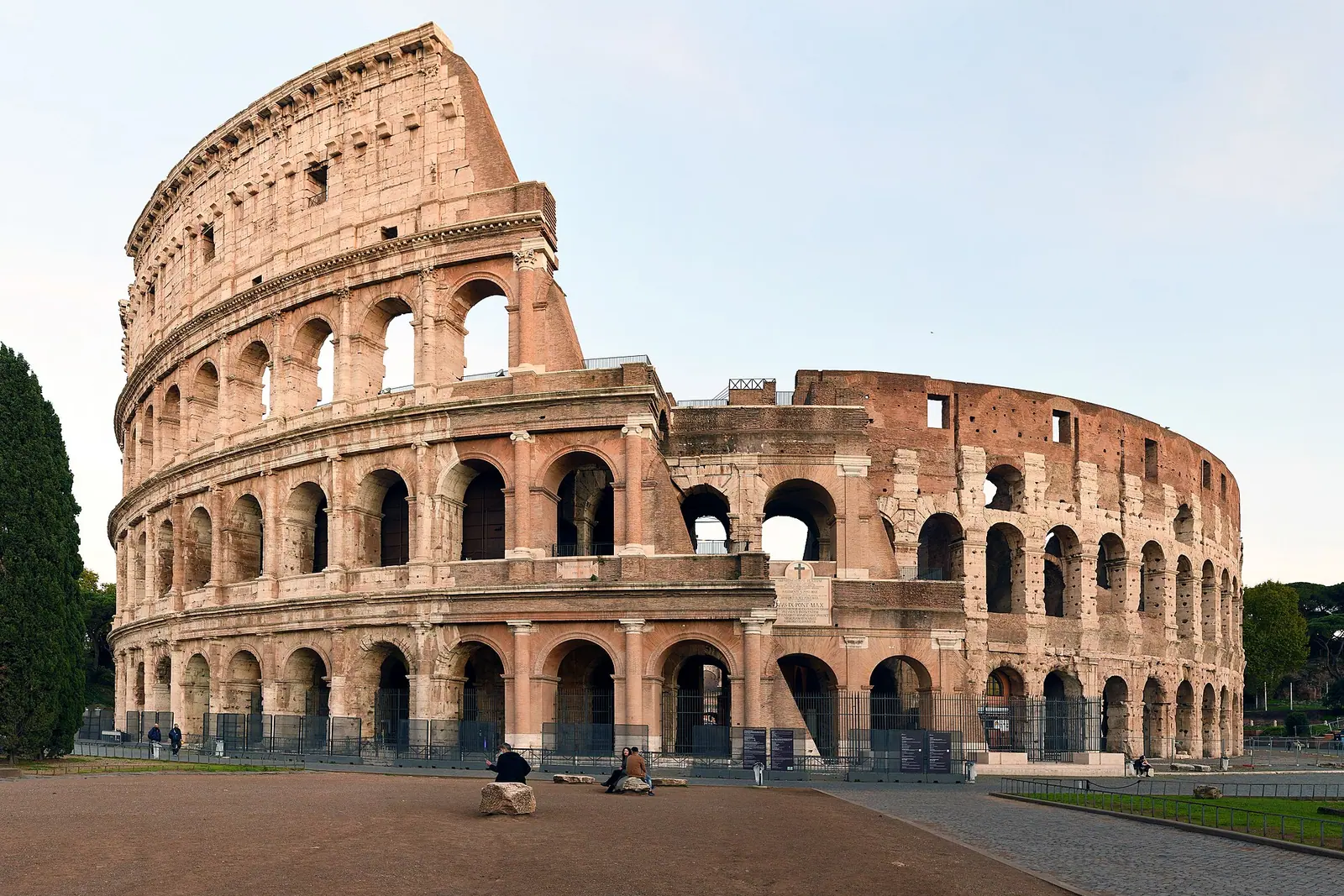
Start where the empire started. The Colosseum deserves a timed entry booked well ahead, and the combined ticket that also covers the Roman Forum and Palatine Hill is the sensible buy — set aside three to four hours to walk the Via Sacra past the Arch of Constantine, up through the ruined temples of the Forum, and onto the hill where emperors actually lived. Go first thing in the morning; by 11am in summer the arena floor bakes and the queue snakes past the metro station.
Day one's second half belongs to the historic centre on foot, which is compact enough to cover without a single taxi. The Pantheon, still the best-preserved ancient building in the city, the baroque theatre of Piazza Navona, and the Trevi Fountain — visit before 8am if you want a photograph without forty strangers in it — sit within twenty minutes of each other. Wander on to the Spanish Steps and finish in Campo de' Fiori, where the market packs up in the late afternoon and the aperitivo crowd moves in.
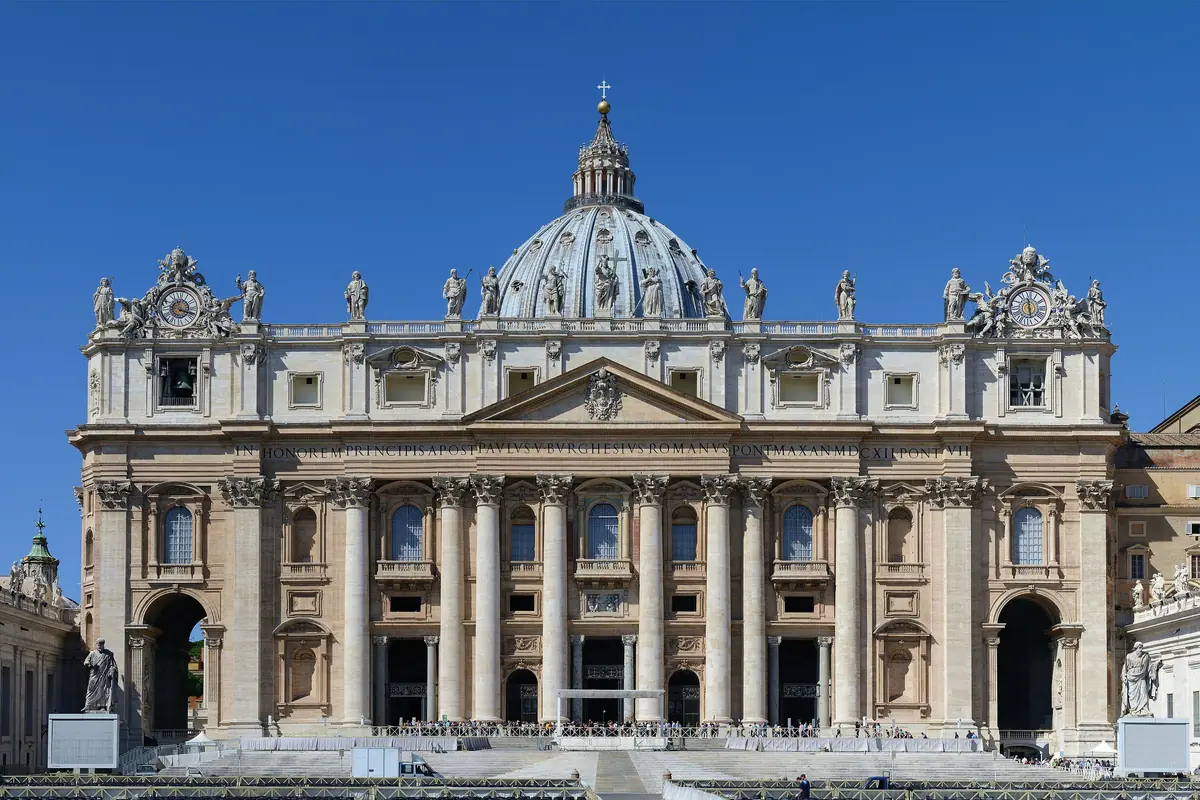
Day two is Vatican day. Book a timed slot for the Vatican Museums and the Sistine Chapel, allow a solid three hours inside, and remember shoulders and knees must be covered. St Peter's Basilica next door is free to enter but the security queue can swallow an hour; the climb into the dome, 551 steps or a lift plus 320, rewards you with the finest view in Rome. Spend the evening across the river in Trastevere, eating cacio e pepe at a table that spills onto the cobbles.
Rome is served by Fiumicino, the main intercontinental gateway, and the smaller Ciampino, which handles most low-cost European traffic. From Fiumicino, the express train to Termini takes about 32 minutes.
Day 3: A Morning Flight to Venice — St Mark's, the Doge's Palace and the Grand Canal
An early flight from Rome to Venice Marco Polo gets you on the water by mid-morning. From the airport, the water bus takes about an hour to reach the historic centre, while a private water taxi halves that and costs considerably more — either way, arriving by boat is the only way to arrive in Venice properly. Drop bags at a guesthouse in Cannaregio or Dorsoduro, well away from the day-tripper crush, and go straight out.
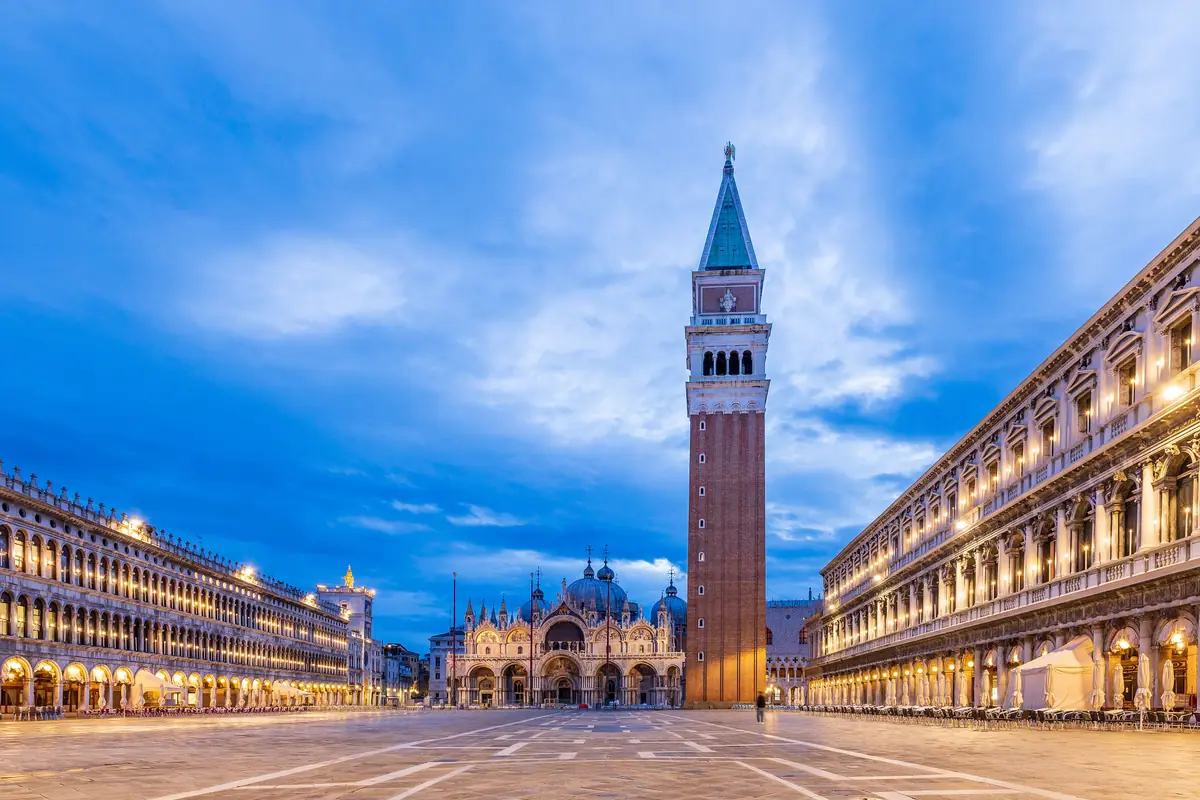
The essential cluster is St Mark's Square: the basilica with its gold-ground mosaics, the Doge's Palace with the Bridge of Sighs and its hidden interrogation rooms, and the Campanile, whose lift delivers the classic rooftop view of the city. Book the basilica and palace in advance; the square itself is free and utterly transformed after dark, when the orchestras play and the crowds thin. Then walk twenty minutes to the Rialto Bridge and its morning fish and produce market, and ride the slow vaporetto down the Grand Canal at dusk — it is the cheapest sightseeing in Europe.
If you have a spare half-day, Murano and Burano are the worthwhile detour: the first for glass furnaces, the second for lace and the most photogenic stack of painted houses in the lagoon. Otherwise spend the evening in Cannaregio with cicchetti and a glass of something local at a standing bar. One quiet warning: from autumn through early spring, acqua alta can flood St Mark's Square, so pack waterproof footwear and check the tide times before you plan your morning.
Days 4–5: Fly South to Naples — Pompeii, Capri and the Amalfi Coast
A late-morning flight from Venice to Naples Capodichino takes around an hour and a half and puts you in the most theatrical city in Italy. Naples rewards two days easily. Walk Spaccanapoli, the dead-straight lane slicing the old town in two, see the Veiled Christ in the Cappella Sansevero, duck into the cathedral, and give the archaeological museum a few hours — it holds the frescoes and mosaics lifted from Pompeii, which makes far more sense of the ruins you are about to see.
Pompeii is a 35-minute ride on the local commuter line from Naples and needs three to four hours minimum. The site is vast: the Villa of the Mysteries, the brothels, the bakery mills and the plaster casts of victims are the moments that stay with you. Herculaneum, smaller and better preserved, is the connoisseur's alternative, and the crater of Vesuvius can be added on the same day if your legs are willing. Bring water, a hat and shoes with grip — the Roman paving is uneven and unforgiving.
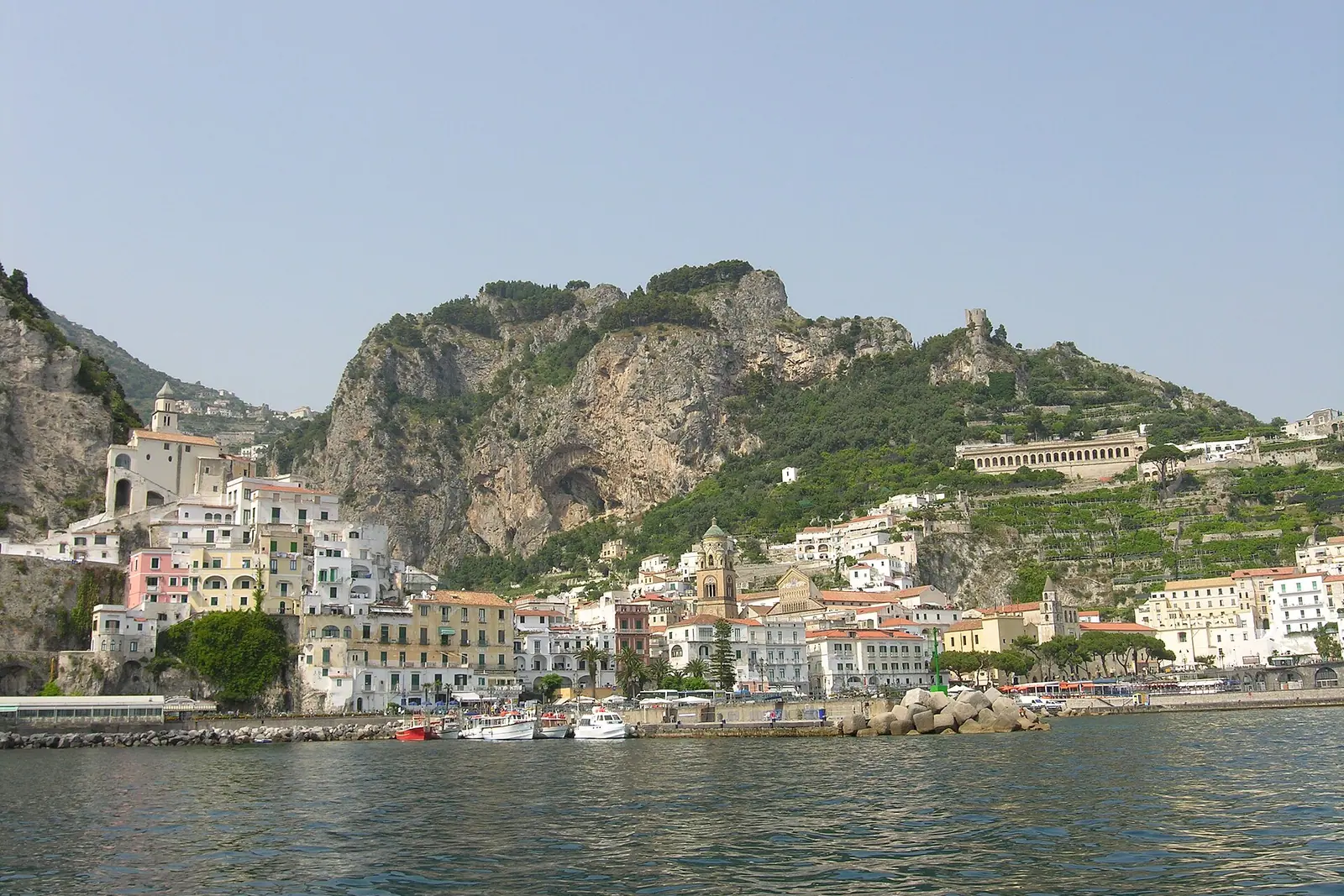
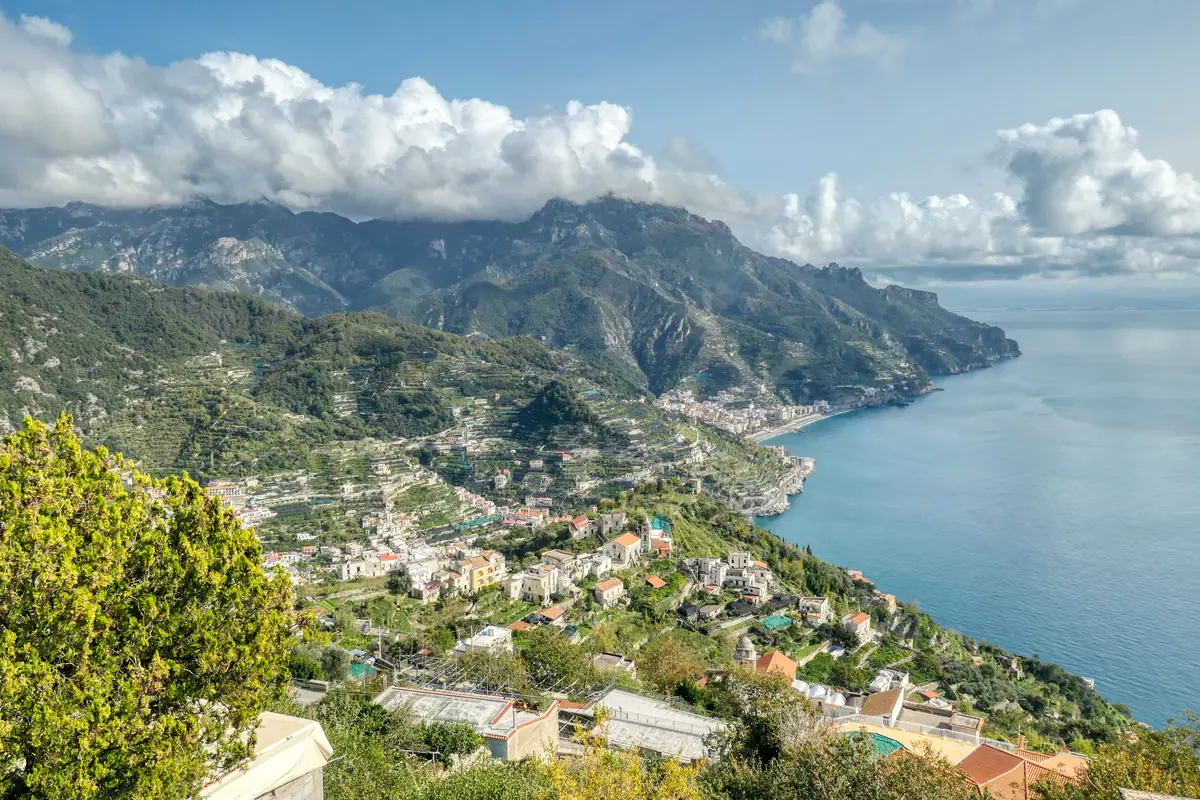
Day five belongs to the coast. Ferries run from Naples to Capri, Sorrento and Positano from spring through October, and the ride itself is the attraction — the Faraglioni sea stacks off Capri, the cliff-hugging houses of Positano stacked in pastel tiers above the water. If you want one thing above the shoreline, make it Ravello, high on the ridge, where the gardens of Villa Cimbrone and Villa Rufolo hang over the entire Amalfi Coast. Return to Naples that evening, or sleep by the sea and take the early flight to Sicily the next morning.
Days 6–7: Sicily — Mount Etna, Taormina and the Lava Streets of Catania
The final hop, Naples to Catania Fontanarossa, is barely an hour in the air and lands you under Europe's most active volcano. Mount Etna dominates everything. A half-day excursion typically takes you by cable car to around 2,500 metres, then by four-wheel drive and guide nearer 2,900, where the Silvestri craters and the black lava fields look like another planet. It is genuinely cold up there even in July, so bring layers, closed shoes and sunglasses — the volcanic dust and glare are relentless.
Catania itself is worth an unhurried afternoon. Piazza del Duomo, with its elephant fountain carved from black lava, the baroque cathedral, and the raucous fish market behind the square are all within a few minutes' walk, and the city's dark-stone architecture gives it a mood unlike anywhere else in Italy. Eat pasta alla norma and arancini, and drink the local Etna wines, grown on volcanic slopes.
Save your last day for Taormina, about 45 minutes up the coast by train or bus — a hill town of bougainvillea and belvederes whose ancient Greek theatre frames Etna and the sea in a single sweep. If you have a car and a full day spare, the Valley of the Temples at Agrigento, two hours away along the southern coast, is one of the great archaeological landscapes of the Mediterranean. Fly home from Catania, or from Palermo if the fares favour it.
Flight-Day Practicalities: Airports, Bags and Connections
Book internal flights six to eight weeks out for the best fares, and always choose morning departures where possible — Italian summer afternoons breed thunderstorms that ripple through schedules at Fiumicino and Catania. Arrive two hours before departure at Rome's main airport, and around 90 minutes at Venice, Naples and Catania. If you are travelling on a low-cost carrier, check the cabin bag dimensions carefully; the sizer at the gate is unforgiving and the fees are steep.
Pack as though every flight is a budget one: one 55x40x20cm bag, liquids in a clear pouch, and a soft holdall rather than a hard-shell case if you plan to use the smaller regional airports. Allow a buffer of at least three hours between landing and your next booking, especially when a train or ferry follows, and never schedule a same-day connection to an international long-haul on a separate ticket.
Transfers are quick if you know them: the express train from Fiumicino to Rome's Termini takes about 32 minutes, the water bus from Venice Marco Polo roughly an hour, and buses from Naples Capodichino and Catania Fontanarossa reach their city centres in 20 to 30 minutes. For the middle stretch of the country, remember that high-speed rail between Rome, Florence and Venice is faster door to door than flying once you add airport time — so use flights for the long leaps and trains for the short ones. Book an open-jaw ticket into Rome and out of Catania and you will never once retrace your steps.
Frequently asked questions
How many internal flights do I need for one week in Italy?
Three is the sweet spot for a route like Rome–Venice–Naples–Catania. Each hop is between 60 and 90 minutes in the air, which keeps travel days short. Adding more flights means more airport time and less sightseeing, so resist the urge to squeeze in a fourth city.
Is it better to fly or take the train between Italian cities?
For Rome, Florence, Bologna and Venice, high-speed rail wins — city centre to city centre with no security queues. Fly when you are crossing a long distance, such as Rome to Sicily, Venice to Naples, or anywhere to Puglia. A mixed plan of trains for the middle and flights for the ends is the most efficient approach.
What is the best time of year for this itinerary?
Late April to mid-June and September to October. You get warm but walkable temperatures, working ferries along the Amalfi Coast, and fewer crowds at the Colosseum and St Mark's. July and August are hot, packed and expensive, and mid-August sees many family-run restaurants close for the Ferragosto holiday.
How far in advance should I book internal flights in Italy?
Six to eight weeks ahead is usually the sweet spot for price and availability, particularly for summer travel to Sicily and Sardinia. Book the Colosseum, Vatican Museums, Doge's Palace and Pompeii entry slots at the same time — popular morning windows sell out well before the flight does.
Do I need a car for the Sicily or Amalfi sections?
No, and on the Amalfi Coast you are better off without one — summer traffic and parking are punishing, while ferries and buses cover Positano, Amalfi and Ravello well. In Sicily, trains and buses link Catania, Taormina and Syracuse comfortably; hire a car only if you are adding the Valley of the Temples at Agrigento.
Sort the rest of your trip
Everything for Italy, in one place

More guides in Italy
Best Places to Visit in Italy: From Rome to the Amalfi Coast
Best Time to Visit Italy: A Season-by-Season Guide to Where You'll Stay
Italy Food, Culture and Local Experiences: A Guide to Eating, Wandering and Living Well