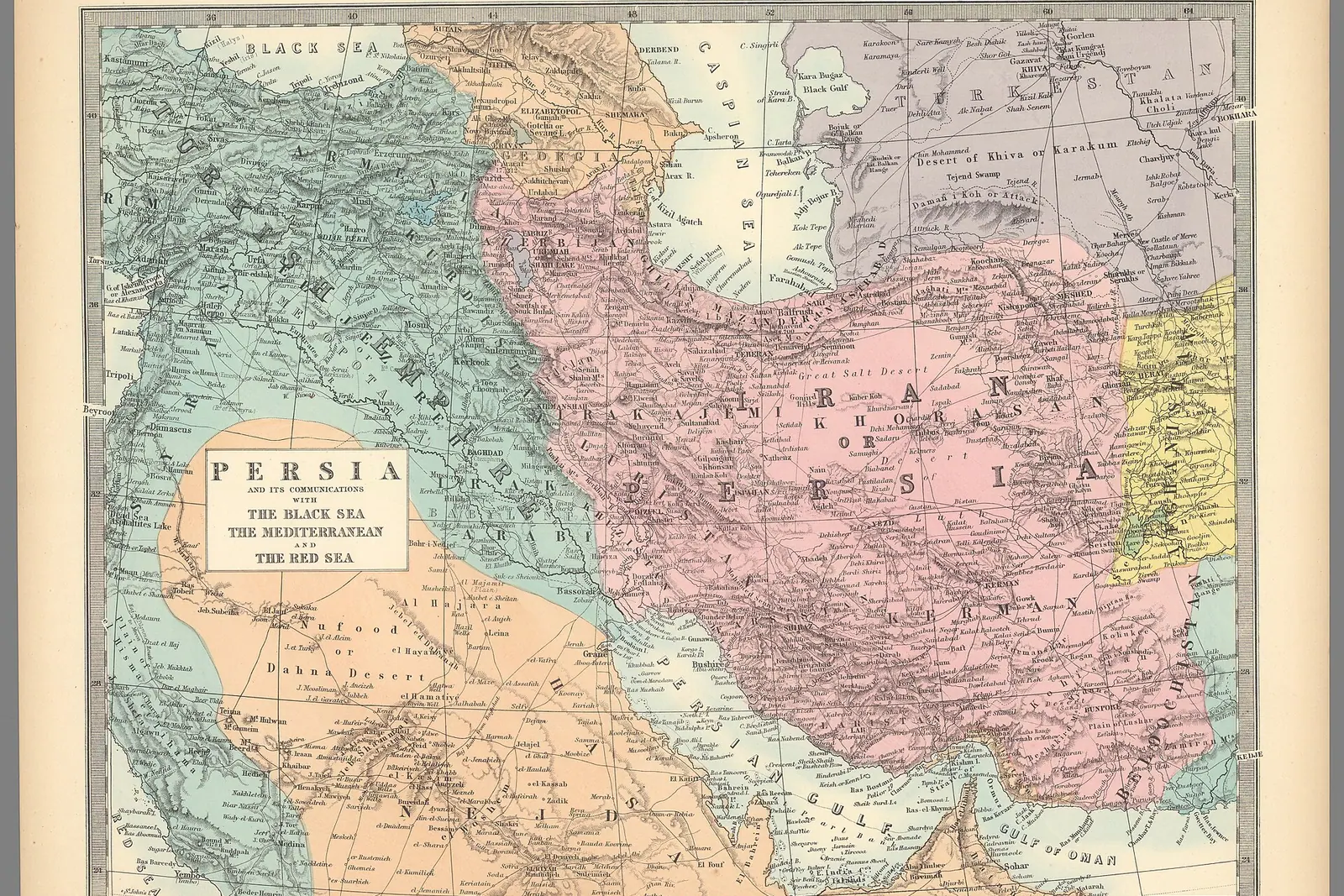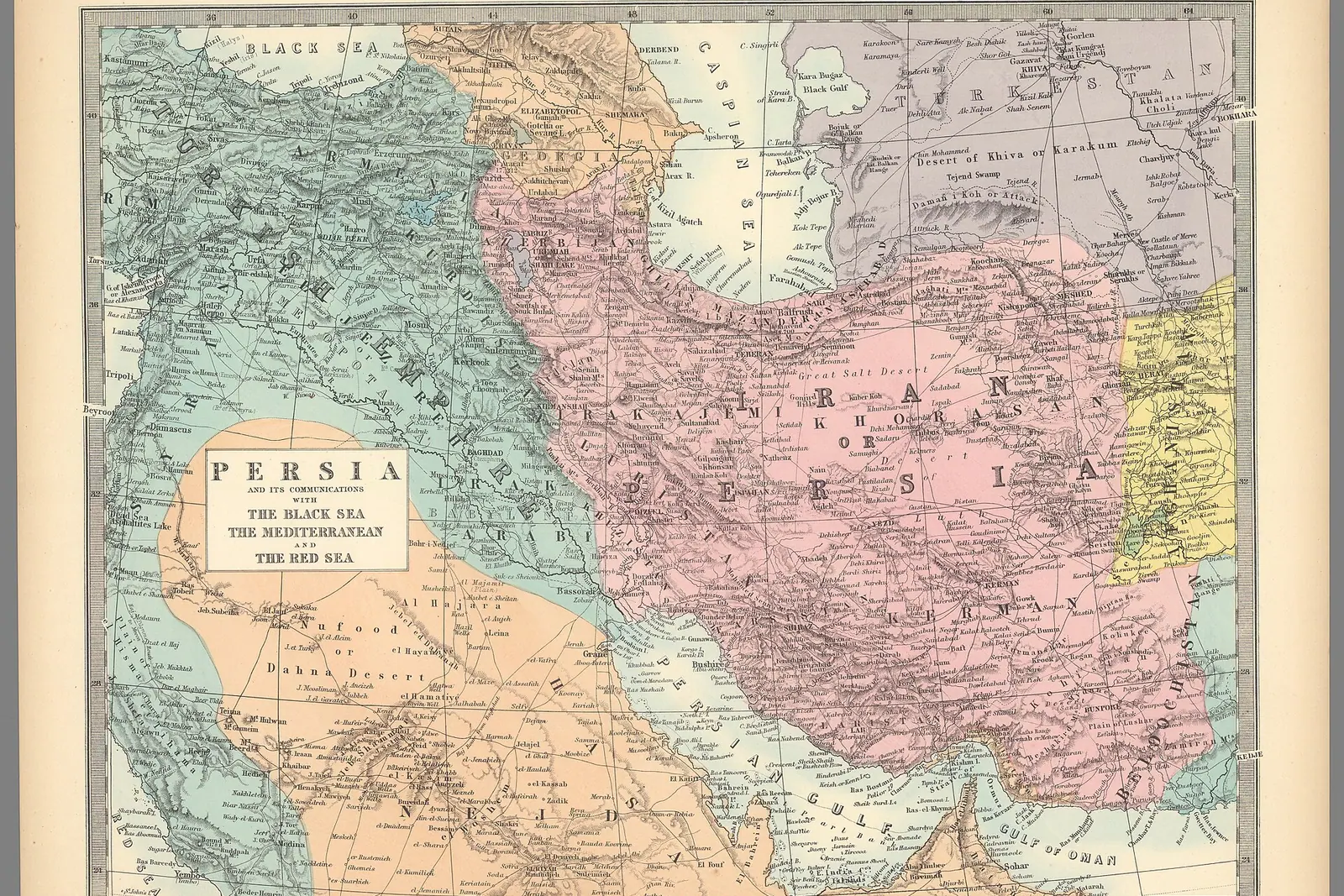
Iran is a country of enormous distances and astonishing continuity, where a morning spent among the carved stairways of a 2,500-year-old imperial capital gives way to an afternoon of tea and poetry in a tiled garden. Few places reward slow travel so richly, and few demand so little in return beyond curiosity and a scarf.
Persepolis, Pasargadae and the Imperial Heartland
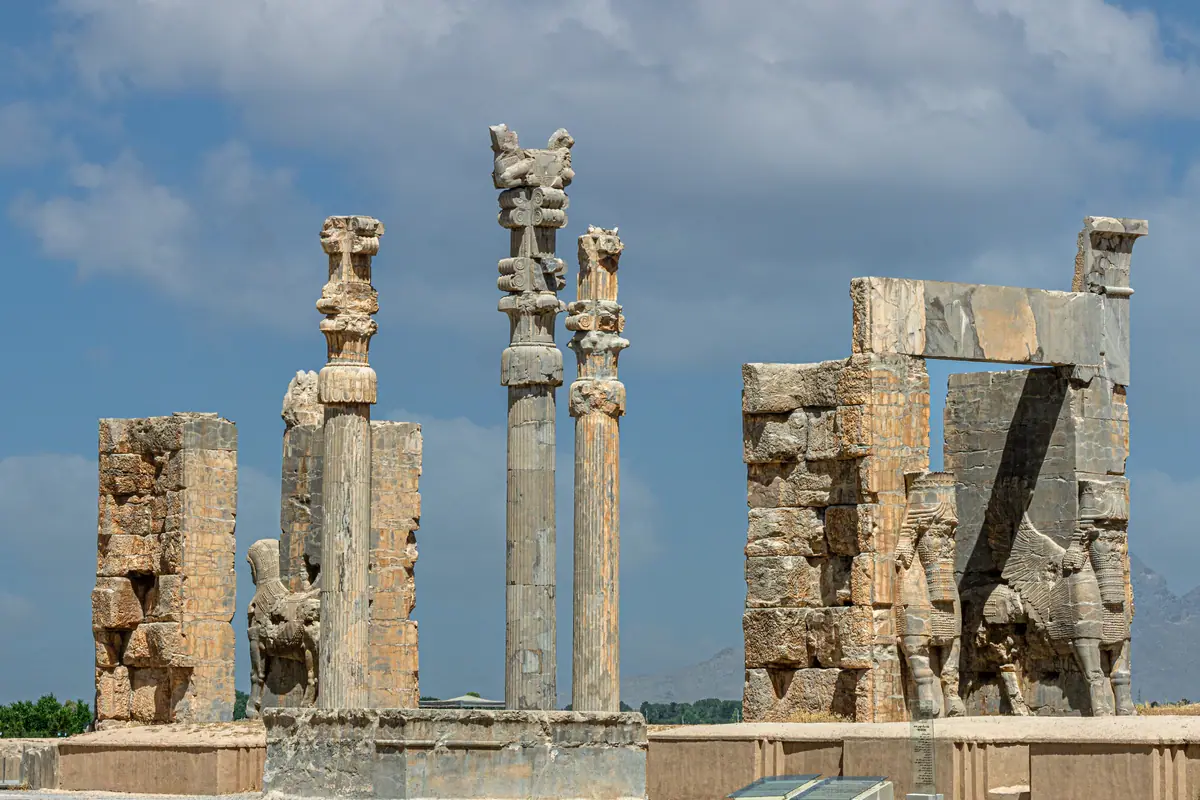
About an hour's drive northeast of Shiraz, Persepolis rises out of the dry Marvdasht plain like a statement of intent. Begun under Darius I around 518 BC as a ceremonial capital rather than a working city, it was burned by Alexander's troops in 330 BC, and the scorched stone still carries the marks. Walk up the double staircase of the Apadana and you meet the reliefs that make this place unforgettable: rows of delegates from across the empire — Lydians, Ethiopians, Bactrians, Cappadocians — each in their own dress, bringing horses, textiles and incense to a king seated under a parasol. The Gate of All Nations, the Hall of a Hundred Columns and the private palace of Xerxes are all within a few minutes of each other, but the site is vast and shadeless, so arrive near opening time, carry water and give it two to three hours.
An hour further north lies Pasargadae, the older capital, where the tomb of Cyrus the Great stands almost bare on the plain — a simple gabled block of limestone that has survived more than two millennia of conquests with remarkable dignity. Nearby, Naqsh-e Rostam is a cliff face carved with the rock-cut tombs of Achaemenid kings above Sasanian battle reliefs of horsemen and defeated emperors; from the ground the scale is startling. Most travellers see all three in one long day by hiring a car and driver in Shiraz, leaving early and finishing with dinner back in the city.
Timing matters enormously here. March to May and late September to November bring comfortable temperatures, almond blossom in the Zagros foothills and clear light for photographs. From June to August the plain regularly climbs past 40°C and the stone radiates heat by midday; if you must visit in summer, go at dawn and be finished by ten.
Isfahan: The Blue Heart of Persia
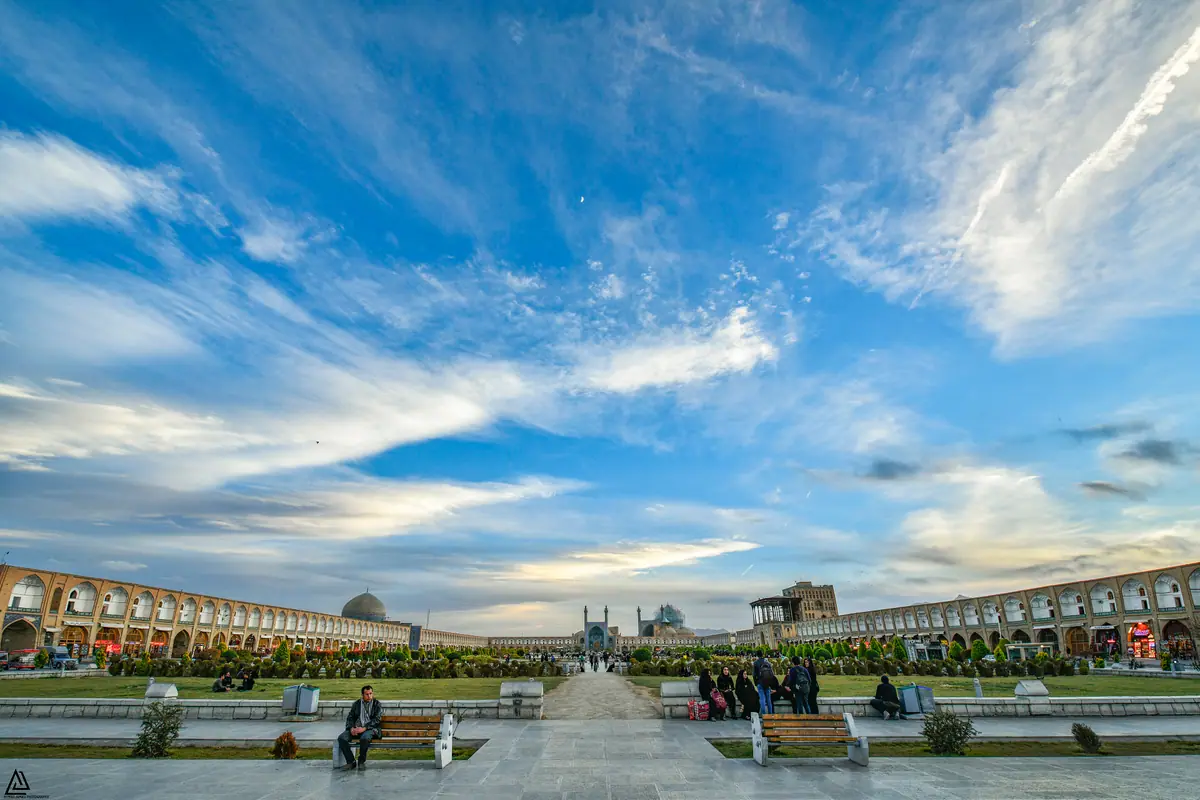
Naqsh-e Jahan Square in Isfahan is one of the largest public squares ever built, a 512-metre expanse of paving framed by two storeys of arcaded shops and four monuments that seem almost deliberately designed to overwhelm. On the south side, the Shah Mosque (Imam Mosque) hides a portal 30 metres high and a turquoise dome whose interior is a tessellation of cream and cobalt that shifts as your eyes adjust. Opposite, the Sheikh Lotfollah Mosque has no minarets at all; it was built as a private chapel, and its dome, viewed from the entrance, appears to change colour from amber to rose as you move. Ali Qapu Palace, the royal gateway, has a music room of carved niches and a third-floor terrace that gives you the square in a single sweep — best at dusk, when families spread carpets on the grass and children race bicycles around the fountains.
Isfahan's pleasures continue along the river. Chehel Sotoun, the 'Palace of Forty Columns', is a pleasure pavilion whose twenty slim wooden columns are doubled by the reflecting pool, its walls covered in frescoes of feasts and battles. Across the river in the Armenian quarter of Jolfa, Vank Cathedral mixes Persian brickwork outside with a dazzling interior of gold, lapis and narrative murals. Then walk the bridges: Si-o-se-pol with its 33 arches and teahouses tucked into the piers, and the older Khaju Bridge, where locals gather after dark to sing under the arches.
Two days is the minimum for Isfahan, and three is better once you add the Jameh Mosque's forest of brick columns, the bazaar's khatam inlay workshops and a slow afternoon in a traditional teahouse. The city sits at 1,600 metres, so spring evenings are cool and winter mornings genuinely cold; pack a layer even in April.
Shiraz: Pink Mosques, Poets and Persian Gardens
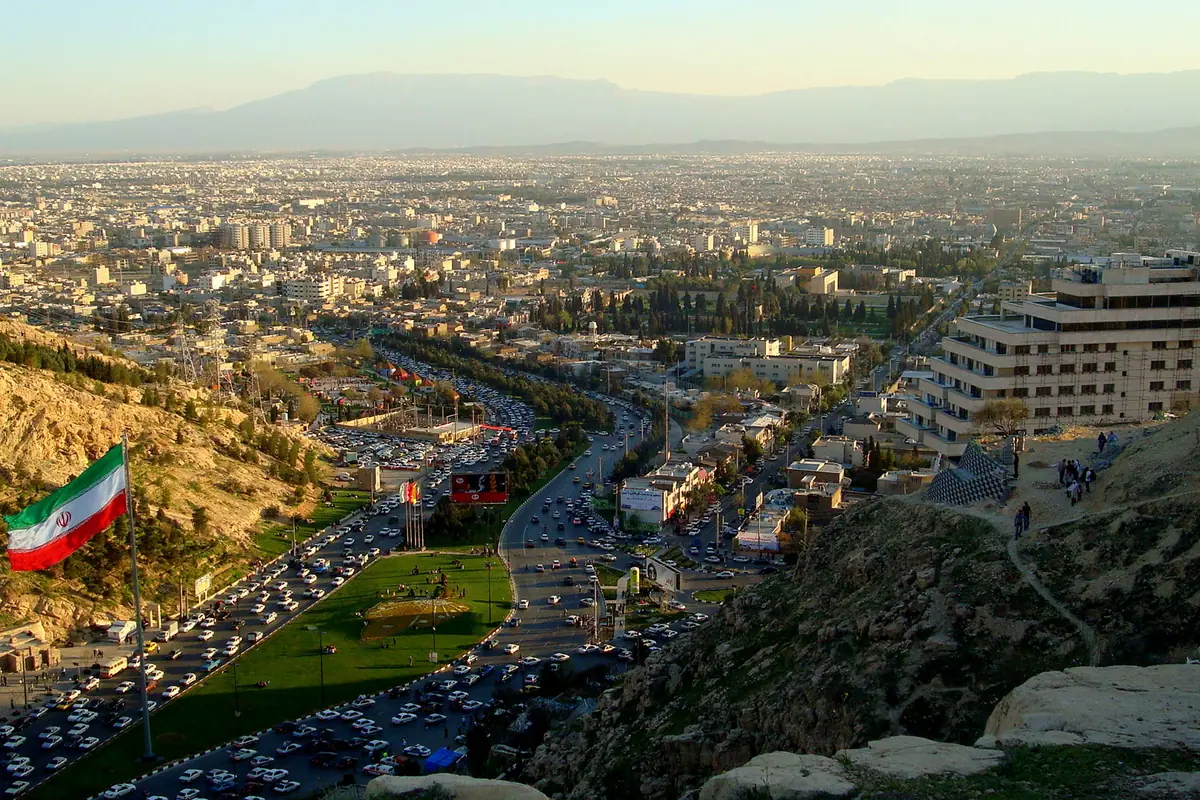
Shiraz earns its reputation as Iran's most relaxed big city, and its signature sight is the Nasir al-Mulk Mosque, known everywhere as the Pink Mosque. Arrive shortly after opening on a clear morning, when low sun pours through the stained-glass windows and throws a kaleidoscope of colour across the prayer hall and its rose-tiled columns. It is small and popular, so the first half hour is the quiet one. From there, the Zand-era Vakil Bazaar and Vakil Mosque — with its spiral columns carved from single blocks of pale pink stone — make for an easy, shaded circuit of the old centre.
Shiraz is also the city of gardens and poets. Eram Garden's avenue of cypresses and its Qajar pavilion are a textbook example of the Persian garden, all symmetry, water channels and shade. The tombs of Hafez and Saadi sit in garden settings on opposite edges of the city; the Hafez tomb, with its alabaster dome and marble colonnade, fills at dusk with young Iranians who read verses aloud and linger over tea. If you have time, the mirrored interior of the Shah Cheragh shrine is extraordinary — modest dress required, and women are given a chador at the entrance.
Plan on two full days in Shiraz, plus a third for Persepolis. Spring brings orange blossom and mild evenings; July and August are punishing. The city connects to Yazd and Isfahan by comfortable night buses and internal flights, and to Tehran by a long but scenic drive through the Zagros passes.
Yazd, Kerman and the Desert Road
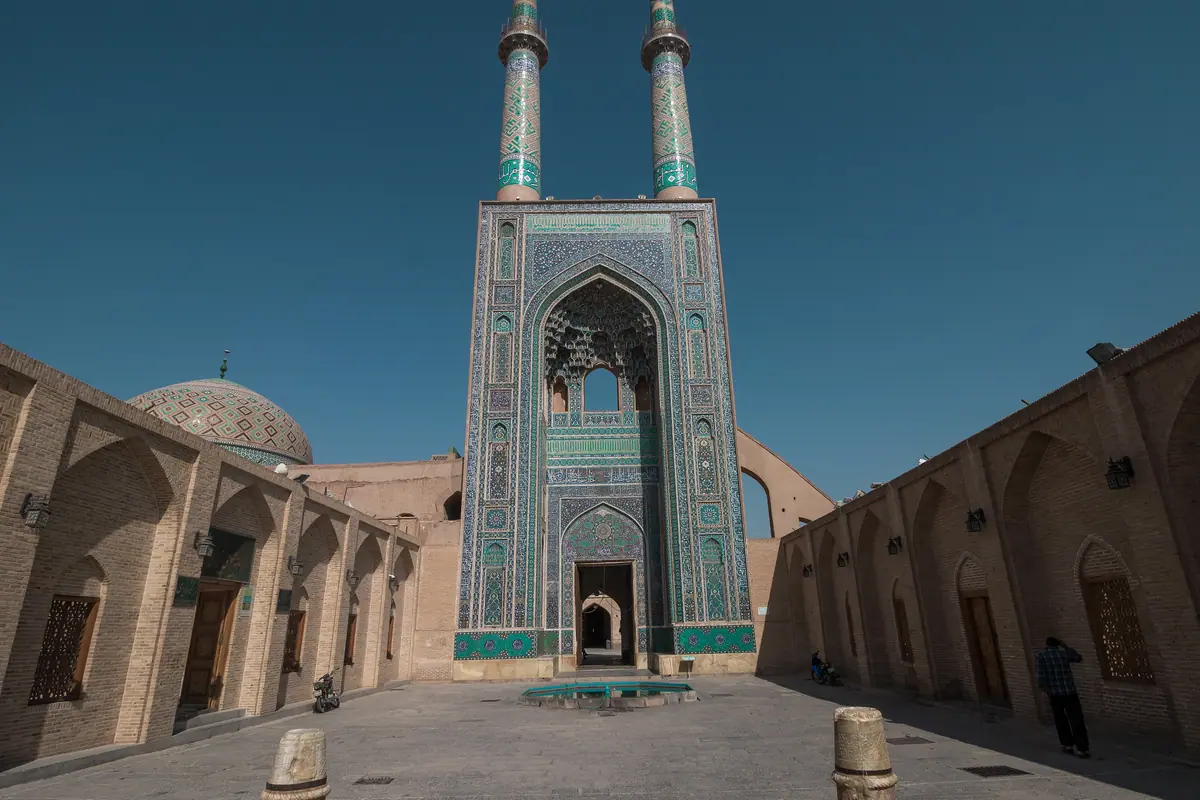
Yazd is the desert at its most ingenious. Its old town is a warren of mud-brick lanes and arched alleyways where the skyline is spiked with windcatchers — tall, elegant towers that funnel cool air down into basements and cisterns, long before electricity existed. The Jameh Mosque of Yazd, with its soaring tiled portal and the tallest pair of minarets in the country, anchors the district, while the three-storey facade of the Amir Chakhmaq Complex glows amber after sunset and is best photographed from the steps opposite. Pause at the Water Museum to understand how qanats, underground channels sometimes tens of kilometres long, made life possible here.
The city is also the heartland of Zoroastrian Iran. The Atash Behram fire temple keeps a flame said to have burned for more than a thousand years, while the Towers of Silence sit on silent rocky hills outside town — a stark, sobering place best visited in the early morning. Dowlat Abad Garden, with the tallest windcatcher in the country, shows the same engineering turned to pleasure, and makes a fine late-afternoon stop.
South and east of Yazd the desert opens up. Day trips from Yazd or Kerman reach the abandoned mud village of Kharanaq, the cliffside pilgrimage shrine of Chak Chak, and the Kaluts of Shahdad — wind-carved ridges that look like a frozen sea. Zein-o-din, a restored caravanserai on the old Silk Road route, takes overnight guests, and Rayen Castle near Kerman is a mud-brick fortress almost the size of Bam. Winter days here are sunny and cool; summer is brutal, so aim for October to April.
Tehran: Palaces, Museums and Mountain Air
Most itineraries start in Tehran, and the capital rewards two unhurried days. Golestan Palace, the Qajar court complex at the edge of the old city, is the highlight: a courtyard of mirrored halls, tiled facades and the Marble Throne, with the sunlit tower of Shams-ol-Emareh looking out over the rooftops. The National Museum of Iran fills in the archaeology you will see later on the road, and the Treasury of the National Jewels, with its limited opening days and airport-style security, is worth checking locally before you build a morning around it.
Down the hill, the Grand Bazaar sprawls for kilometres of covered corridors, dividing into coppersmiths, carpet sellers and spice merchants; Tajrish Bazaar in the north offers the same experience in miniature. In the foothills of the Alborz, the Sa'dabad Complex spreads across marble palaces and pine woods, and the observation deck of Milad Tower gives the whole sprawling city at once. At dusk, walk the Tabiat Bridge, a multi-level pedestrian crossing where Tehran's young crowd gathers.
Tehran is also your base for hiking: the Tochal cable car climbs from the city's edge to 3,700 metres, and in winter skiers head for the resorts of Dizin and Shemshak an hour or two north. The metro is cheap, fast and includes women-only carriages; traffic above ground is legendary, so allow generous time for airport transfers. The main international airport lies 45 to 60 kilometres southwest of the centre.
Kashan, Tabriz and the Gulf Islands
Kashan, on the road between Tehran and Isfahan, is a town of merchants' houses and one very famous garden. Fin Garden is a walled paradise of cypress, water and turquoise-tiled channels, and it carries a dark history: the reforming chancellor Amir Kabir was killed in its bathhouse in 1852. In town, the Borujerdi House's windcatcher and stained-glass hall, the Agha Bozorg Mosque with its sunken courtyard, and the vaulted Sultan Amir Ahmad Bathhouse show what 19th-century mercantile wealth could build. In May, the nearby village of Qamsar distils rose water in copper stills and the hills smell of it for weeks.
Far to the northwest, Tabriz is a different country: Azeri-speaking, cool, and centred on a vast covered bazaar of brick vaults and domes that has been trading for centuries. The Blue Mosque's surviving tilework is a fragment of what was once among the finest in Iran, and an hour away the village of Kandovan is carved into volcanic cones, with homes hollowed straight out of the rock. Further north again, the stepped village of Masuleh climbs a Caspian hillside, and the Alamut Valley hides the mountain strongholds of the Assassins.
For a completely different trip, fly south in winter to the Persian Gulf. Qeshm Island has the Stars Valley, salt caves and the Hara mangrove forest, while tiny Hormuz is famous for its red ochre beaches, rainbow-coloured mineral hills and an islanders' art scene. November to March is the season here; in July the humidity is punishing.
Frequently asked questions
How many days do I need in Iran?
Ten to fourteen days covers the classic loop of Tehran, Kashan, Isfahan, Yazd and Shiraz without rushing, allowing two days in each main city plus a day trip to Persepolis. Add three or four days if you want the Kerman and desert caravanserai route, the Caspian villages, or the Gulf islands in winter.
What is the best time of year to visit Iran?
March to May and September to November are ideal across most of the country. Spring brings blossom and mild temperatures in Shiraz, Isfahan and Yazd, while autumn offers clear light and cool desert nights. Summer is very hot on the central plateau but pleasant in Tabriz, the Alborz mountains and the Caspian coast; winter suits the Persian Gulf islands, Shiraz and, unusually, the ski resorts north of Tehran.
What should I wear and pack?
Women are required to cover their hair with a scarf and wear loose clothing that hides the shape of the body, usually a tunic over trousers or a long coat; men should avoid shorts. Bring layers, since desert nights and highland cities such as Isfahan and Tabriz get cold, plus sunscreen, a refillable water bottle and comfortable walking shoes for the stone and mud-brick sites. Chadors are provided at major shrines if you visit.
Is it easy to get around between cities?
Yes, though distances are large. Internal flights link Tehran with Shiraz, Isfahan, Tabriz and the Gulf ports; comfortable night trains and long-distance buses connect Tehran, Kashan, Isfahan, Yazd and Kerman; and ride-hailing apps work well inside the cities. As a guide, Tehran to Isfahan is about 450 kilometres, Isfahan to Yazd roughly 320, and Yazd to Shiraz around 450, so plan travel days rather than squeezing them into sightseeing mornings.
What are the practical essentials about money, internet and safety?
International bank cards generally do not work, so bring enough cash in euros or US dollars and exchange it at exchange offices or your hotel, keeping receipts. Some international websites and apps are blocked, so download offline maps, translation tools and your tickets before you fly. Street crime is low and solo travellers often report feeling safe, but avoid photographing military, police or government buildings, ask before photographing people, and never fly a drone without permission.
Sort the rest of your trip
Everything for Iran, in one place

More guides in Iran
Hotels in Iran: Where to Stay and the Sights You Shouldn't Miss
One Week in Iran: The Perfect 7-Day Itinerary from Tehran to Shiraz
One-Week Iran Itinerary by Plane: Tehran, Shiraz, Isfahan & Yazd
Iran Food and Culture Guide: Bazaars, Tea Houses and Persian Feasts
Best Time to Visit Iran: A Season-by-Season Guide to Weather, Sights and Hotels