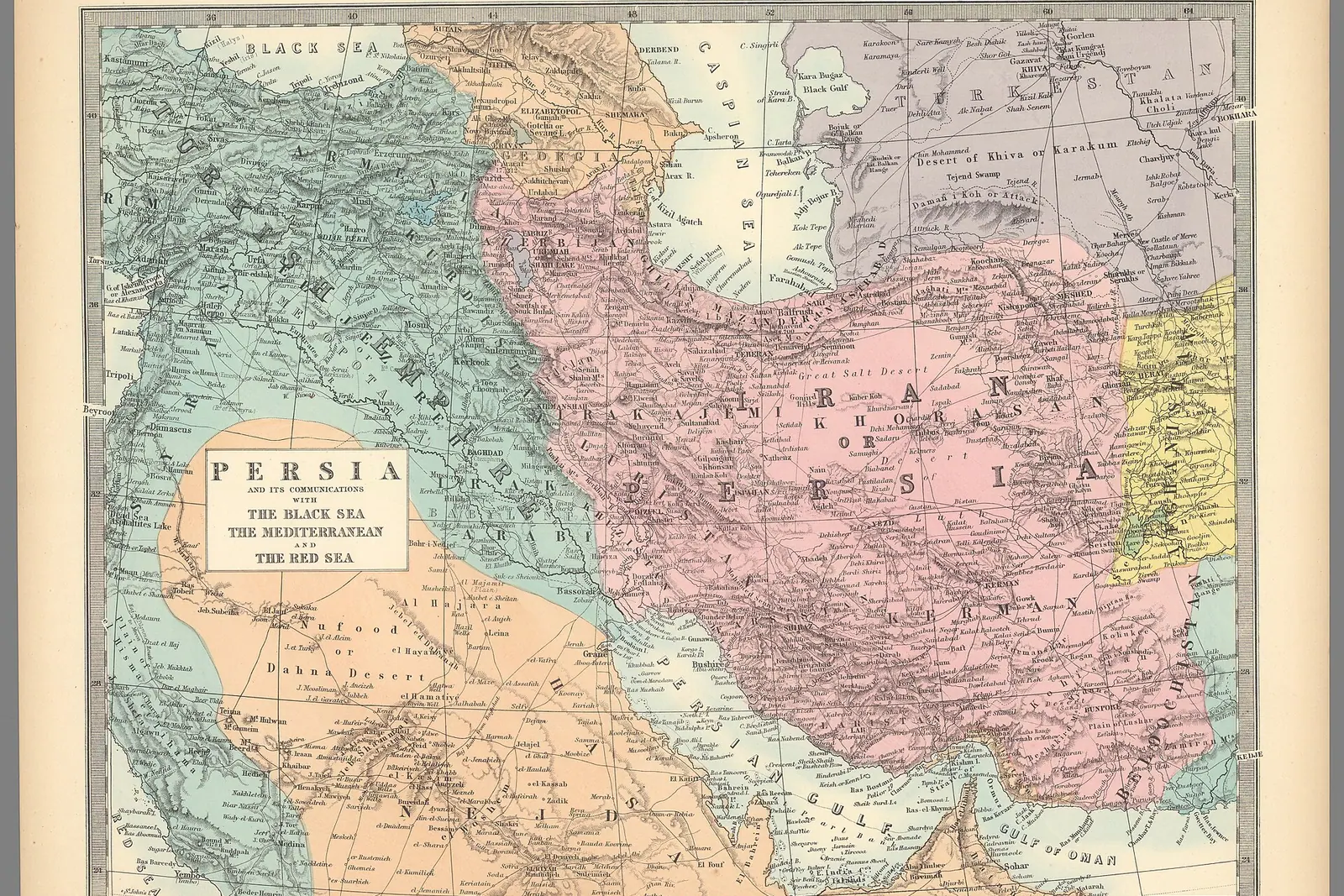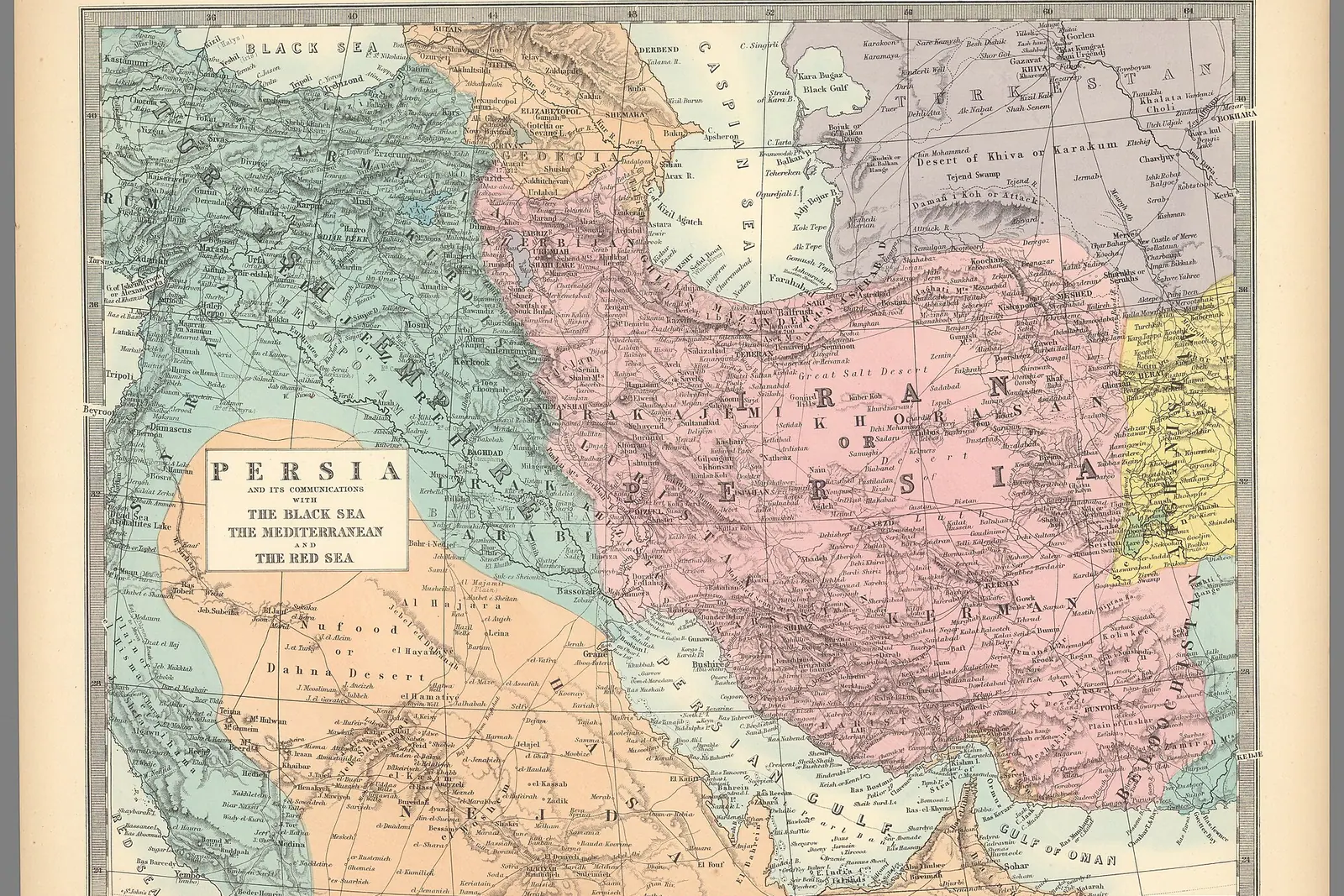
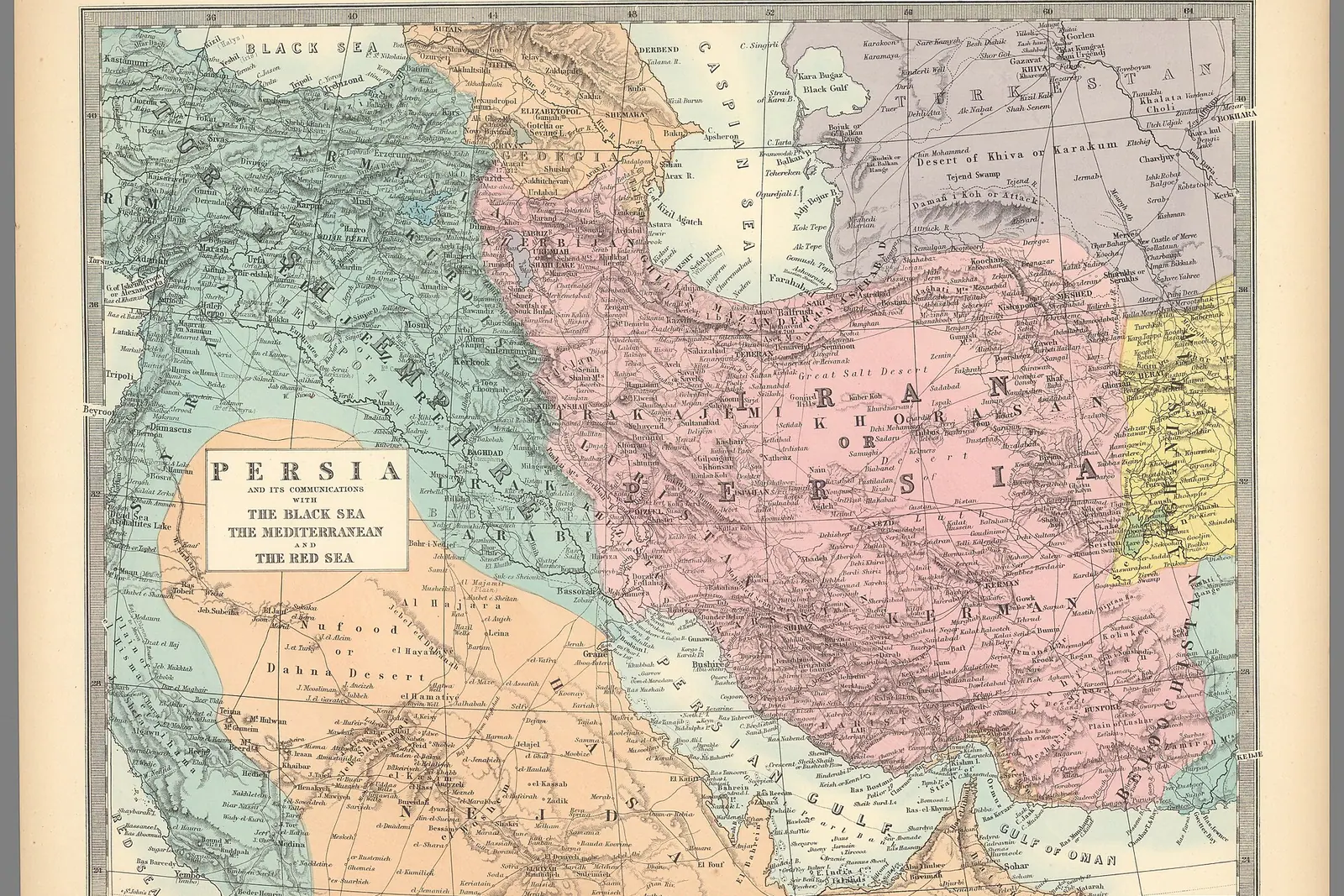
Iran packs an improbable amount into seven days: mirror-tiled palaces, bazaars that smell of saffron and rosewater, bridges that glow at dusk and the stone stairways of an empire that fell to Alexander. This itinerary links Tehran, Isfahan, Yazd and Shiraz with short domestic flights and one memorable desert drive, so you spend your hours among the monuments rather than on the road.
Days 1–2: Tehran — Palaces, Bazaars and a City Beneath the Mountains
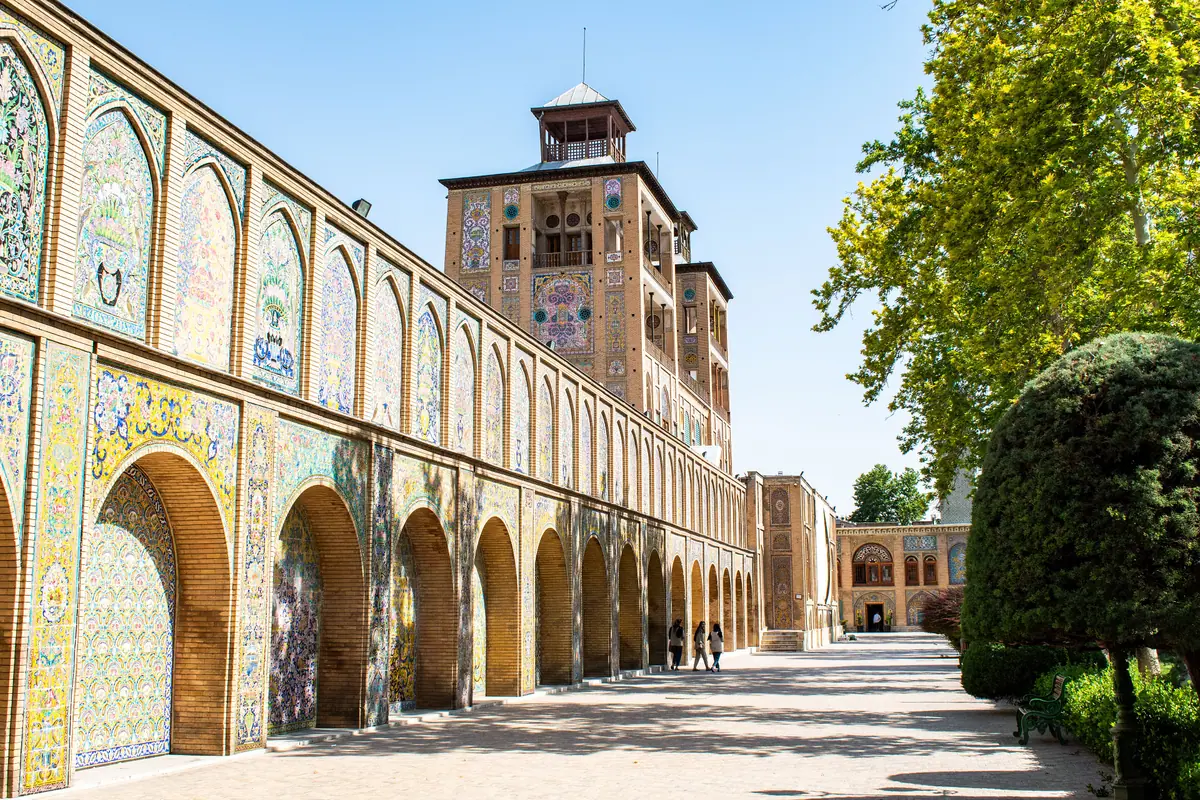
Most journeys begin at Imam Khomeini International Airport, roughly 45 km south of the capital, so give yourself a slow first afternoon. Ease in at Golestan Palace, the Qajar court complex where mirrored halls, marble thrones and tiled courtyards sit behind a wall in the middle of the old city. From there it is a short walk into the Grand Bazaar, a vaulted labyrinth of copper workshops, carpet halls and spice stalls that has been trading for centuries.
Keep day two for the modern city and its museums. The National Museum of Iran gives you the deep context — Achaemenid capitals, Persepolis reliefs, Sassanid silver — that will make the rest of the week legible. Later, ride up Milad Tower for a skyline view, then walk the curving, two-level Tabiat Bridge at sunset, when Tehran families picnic on the steps and the Alborz mountains turn pink behind the traffic. Finish with dinner in Darband, a hillside lane of stream-side tea houses north of the centre, or browse Tajrish Bazaar for dried fruit and sour cherry jam.
Tehran is loud, sprawling and short on obvious charm, but its rhythm is part of the trip. The metro is cheap, clean and fast; taxis and ride-hailing are the easiest way to link the museums. Note that some ticketed sights, including the jewellery collections, open only on certain mornings or afternoons, so check locally and build a little slack into the day.
Day 3: Fly to Isfahan and Step Into Naqsh-e Jahan Square
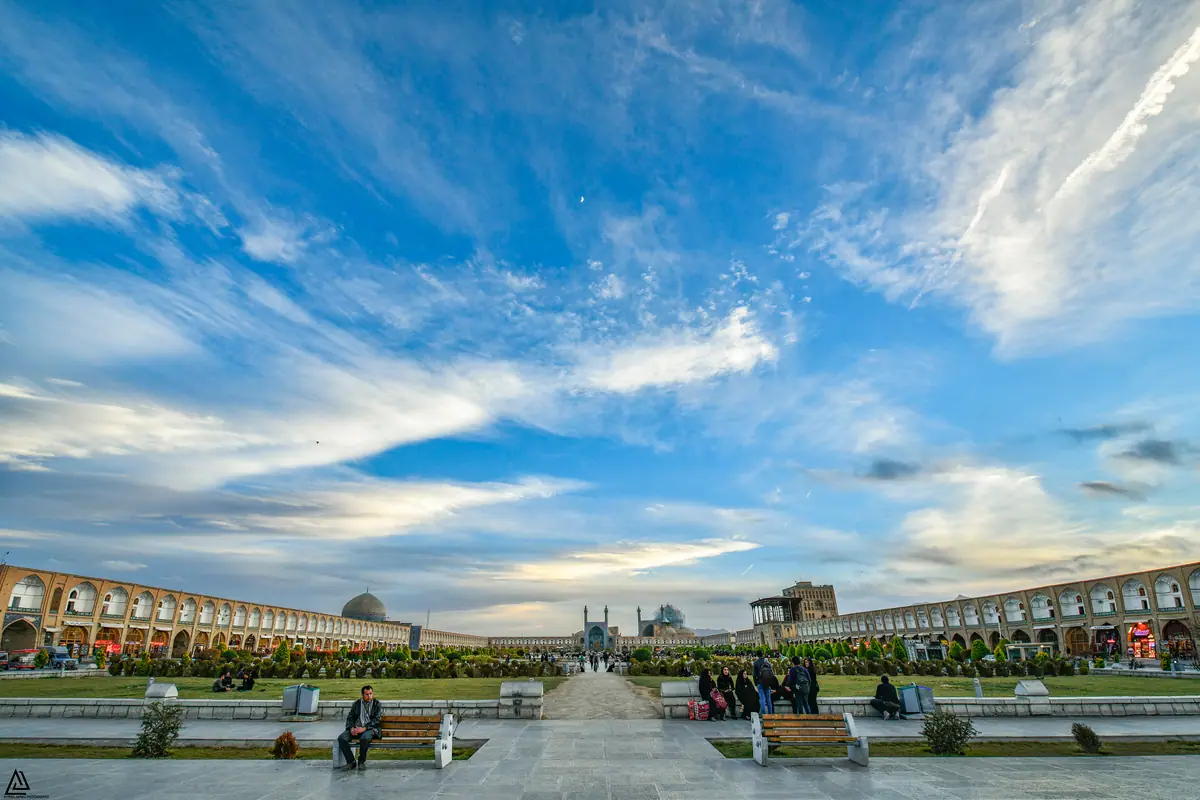
A one-hour morning flight turns Tehran's grey sprawl into Isfahan's turquoise domes, and you can be on Naqsh-e Jahan Square before lunch. This UNESCO-listed royal square is the set piece of any Iranian journey: a vast, fountain-cooled rectangle ringed by two-storey arcades, framed at either end by the Imam Mosque and the smaller, more intimate Sheikh Lotfollah Mosque. Allow at least half a day, because the detail rewards slowness — the seven-colour tilework, the calligraphic bands, the way the light moves across the domes.
Work your way around the edges: Ali Qapu Palace, whose elevated music room is carved with deep ceramic niches, then the Qeysarie Bazaar gate leading back into the covered lanes of the old market. A short walk west brings you to Chehel Sotoun, the 'Palace of Forty Columns', where painted frescoes of court receptions look out over a reflecting pool that doubles the colonnade.
Return to the square at dusk, when the fountains switch on, the shops glow and families spread carpets on the grass. Isfahan is comfortably walkable in the centre, and spring evenings here — mild, jasmine-scented, full of conversation — are the reason many travellers rate it the most beautiful city in the country.
Day 4: Isfahan's Bridges, Mosques and Armenian Quarter
Devote the morning to the Jameh Mosque of Isfahan, the Friday mosque whose hypostyle halls and brick domes read like a textbook of a thousand years of Persian architecture — you can trace Seljuk, Ilkhanid and Safavid work in a single courtyard. Then wander the adjoining bazaar lanes before the heat builds.
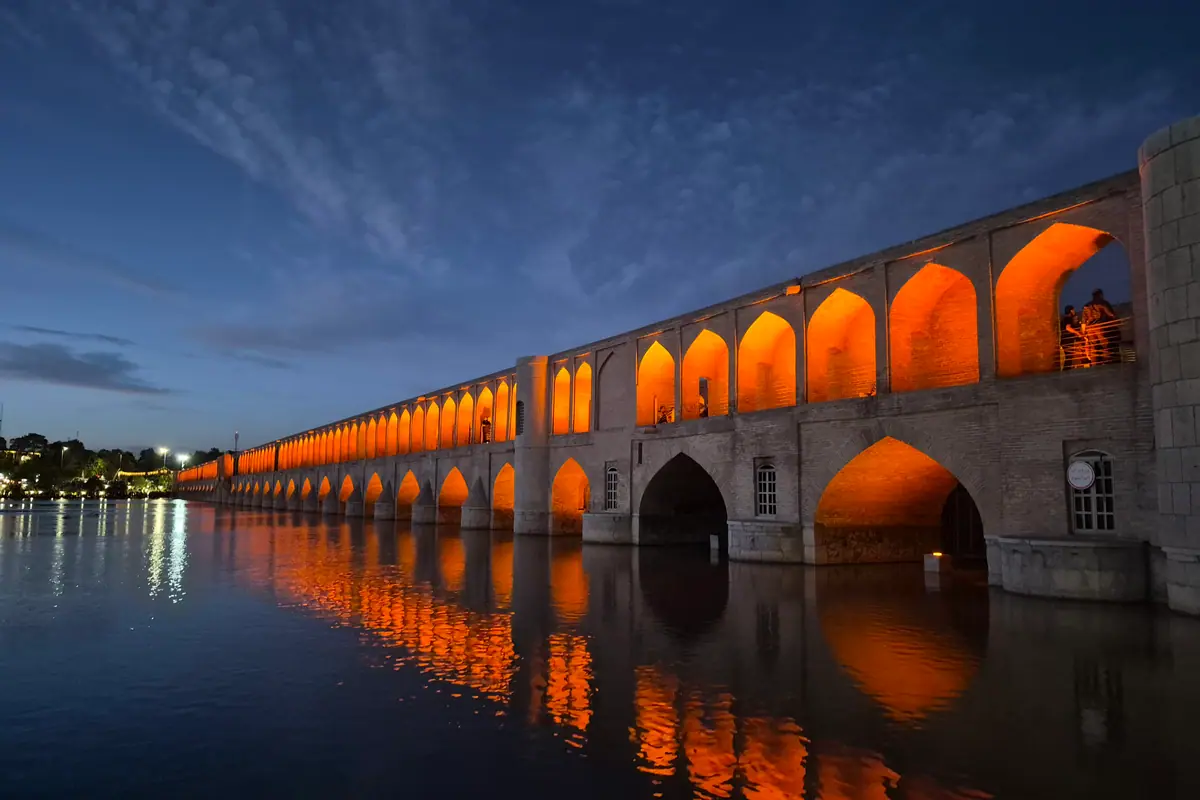
Afternoon belongs to Jolfa, the Armenian quarter across the Zayandeh River. Vank Cathedral is unexpectedly vivid inside, its walls covered in frescoes that blend biblical scenes with Persian floral ornament, and the adjoining museum holds manuscripts and relics from the community's long history. From there, walk to the river. Si-o-se-pol, the Bridge of Thirty-Three Arches, is best in late afternoon; Khaju Bridge, further east, is where locals gather after dark to sing beneath the arches, an informal performance that has gone on for generations.
Practicalities: if the river is dry — which happens in some seasons — the bridges lose their reflections but gain a strange, stony beauty, and you can walk the empty riverbed. Isfahan to Yazd is roughly a four- to five-hour drive or a comfortable overnight bus, so an early start on day five keeps the schedule intact.
Day 5: Yazd — Windcatchers, Fire Temples and Desert Rooftops
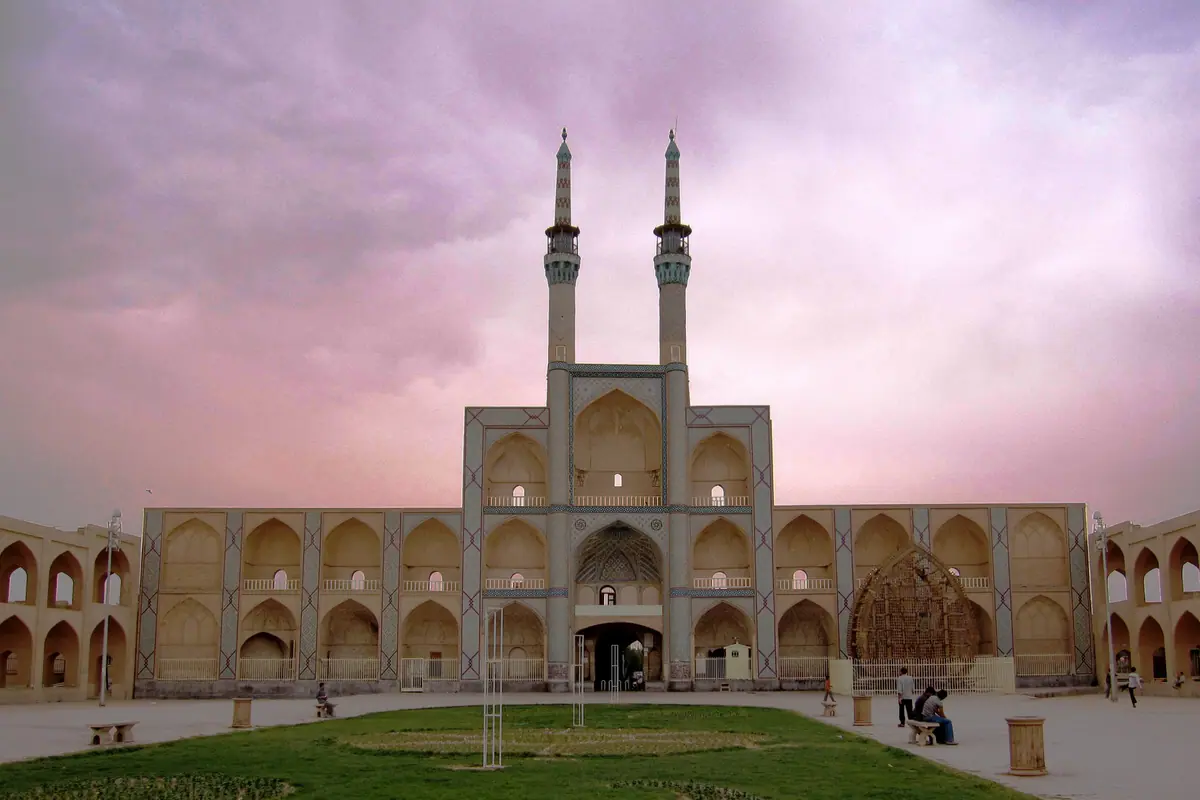
Yazd appears out of the desert like a sand-coloured maze, and it is the best place in Iran to understand how people lived with extreme heat. The Jameh Mosque of Yazd raises the tallest minarets in the country above a portal of blinding blue tilework, while the Amir Chakhmaq Complex anchors the main square with its three-storey facade of recessed arches, lit amber at night.
Climb into the older layers: the Water Museum explains the qanat system of underground channels that made life possible here, and the rooftops and alleys of the old town are dotted with badgirs, the tall windcatchers that funnel breezes into houses. At the Zoroastrian Fire Temple, a flame said to have burned for more than a thousand years still glows behind glass, and on the edge of the city the Towers of Silence sit on bare hills where funeral rites were once performed. Dowlat Abad Garden, with its soaring windcatcher and long pool, is the loveliest of the city's green spaces.
Yazd is the sweetest place in Iran — buy qottab and pashmak from the confectioners near Amir Chakhmaq — and it is small enough to cover on foot in a day. Spring and autumn are ideal; midsummer afternoons are genuinely punishing, so plan sightseeing for early morning and evening.
Day 6: Persepolis and Naqsh-e Rostam on the Way to Shiraz
Leave Yazd early for the roughly 450 km drive south, because the day's highlight deserves unhurried hours. Persepolis, begun under Darius I around 518 BC, was the ceremonial heart of the Achaemenid Empire until it was sacked and burned. Walking through the Gate of All Nations, then along the Apadana stairways with their processions of tribute-bearers, guards and lions, is the single most affecting experience in the country — the carvings still show individual faces, curls and sandals.
A few kilometres away, Naqsh-e Rostam cuts tombs for Achaemenid kings high into a cliff face, with later Sassanid reliefs carved below showing investitures and victories. It takes under an hour but supplies the imperial backstory that makes Persepolis cohere.
You reach Shiraz in the late afternoon, in time for an evening wander. Vakil Bazaar is the place for carpets and antiques, the Vakil Mosque's striped prayer hall is a short step away, and the illuminated shrine of Shah Cheragh glitters behind its gates — visitors enter with a guide and appropriate dress, and photography inside is restricted.
Day 7: Shiraz Gardens, Poetry Tombs and the Flight Home
Shiraz rewards an early start: the Nasir al-Mulk Mosque, known as the Pink Mosque, fills with stained-glass colour in the first hour of daylight, and in winter the effect is at its most intense. Then move on to Eram Garden, a walled Persian garden of cypresses, roses and a tiled pavilion that is part of the country's UNESCO-listed garden tradition.
Spend the middle of the day with poets. The Tomb of Hafez is set in a garden with a colonnaded pavilion and is often busy with Iranians reading verses aloud; the Tomb of Saadi, a little further out, is quieter and more austere. Both are reminders that poetry is everyday currency here. If time allows, add the Arg of Karim Khan, the 18th-century citadel in the city centre, and the Quran Gate at the northern exit, where travellers traditionally paused for a blessing before long journeys.
Shiraz International Airport handles frequent one-and-a-half-hour flights back to Tehran and connections onward, so an evening departure is realistic. Domestic tickets are inexpensive and usually bookable a day or two ahead, though seats tighten around Nowruz in late March and during the autumn school holidays — reserve earlier if your dates are fixed.
Frequently asked questions
Is one week enough for Iran?
It is enough for the classic Tehran–Isfahan–Yazd–Shiraz loop if you use domestic flights for the long legs and accept one driving day. You will see the essential monuments — Golestan Palace, Naqsh-e Jahan Square, Persepolis — but you will move briskly. Ten days allows a more relaxed pace and room for somewhere like Kashan or Kerman.
Should I fly or drive between Iranian cities?
Flying is the time-saver: Tehran to Isfahan is about an hour, and Shiraz back to Tehran about ninety minutes. The drives are scenic but long — Isfahan to Yazd is four to five hours, Yazd to Shiraz around six with stops at Persepolis. A mixed approach works best: fly the far legs, and treat the Yazd–Shiraz road as a sightseeing day.
When is the best time to visit Iran?
March to May and September to November are ideal, with mild days and comfortable evenings in Tehran, Isfahan and Shiraz. Summer in Yazd and Isfahan regularly exceeds 40°C, and winter brings snow to Tehran while staying mild further south. The two-week Nowruz holiday in late March is atmospheric but busy, with heavy domestic travel and some closures.
What should I pack and how should I dress?
Women need a headscarf and loose clothing that covers arms and legs; men should avoid shorts. Bring layers for cool evenings and desert temperature swings, plus comfortable walking shoes for tiled courtyards. Cards issued abroad generally do not work, so carry enough cash in local currency, and check current entry requirements and any region-specific guidance before booking.
How much time should I give each stop?
Two nights in Tehran, two in Isfahan, one in Yazd and one or two in Shiraz gives a balanced week. Persepolis needs a minimum of two to three hours, and Naqsh-e Jahan Square deserves at least half a day, ideally split between afternoon and dusk. Book the first domestic flight for the morning so you arrive with the day still ahead of you.
Sort the rest of your trip
Everything for Iran, in one place

More guides in Iran
Top Things to Do in Iran: Landmarks from Persepolis to Isfahan
Hotels in Iran: Where to Stay and the Sights You Shouldn't Miss
One-Week Iran Itinerary by Plane: Tehran, Shiraz, Isfahan & Yazd
Iran Food and Culture Guide: Bazaars, Tea Houses and Persian Feasts
Best Time to Visit Iran: A Season-by-Season Guide to Weather, Sights and Hotels