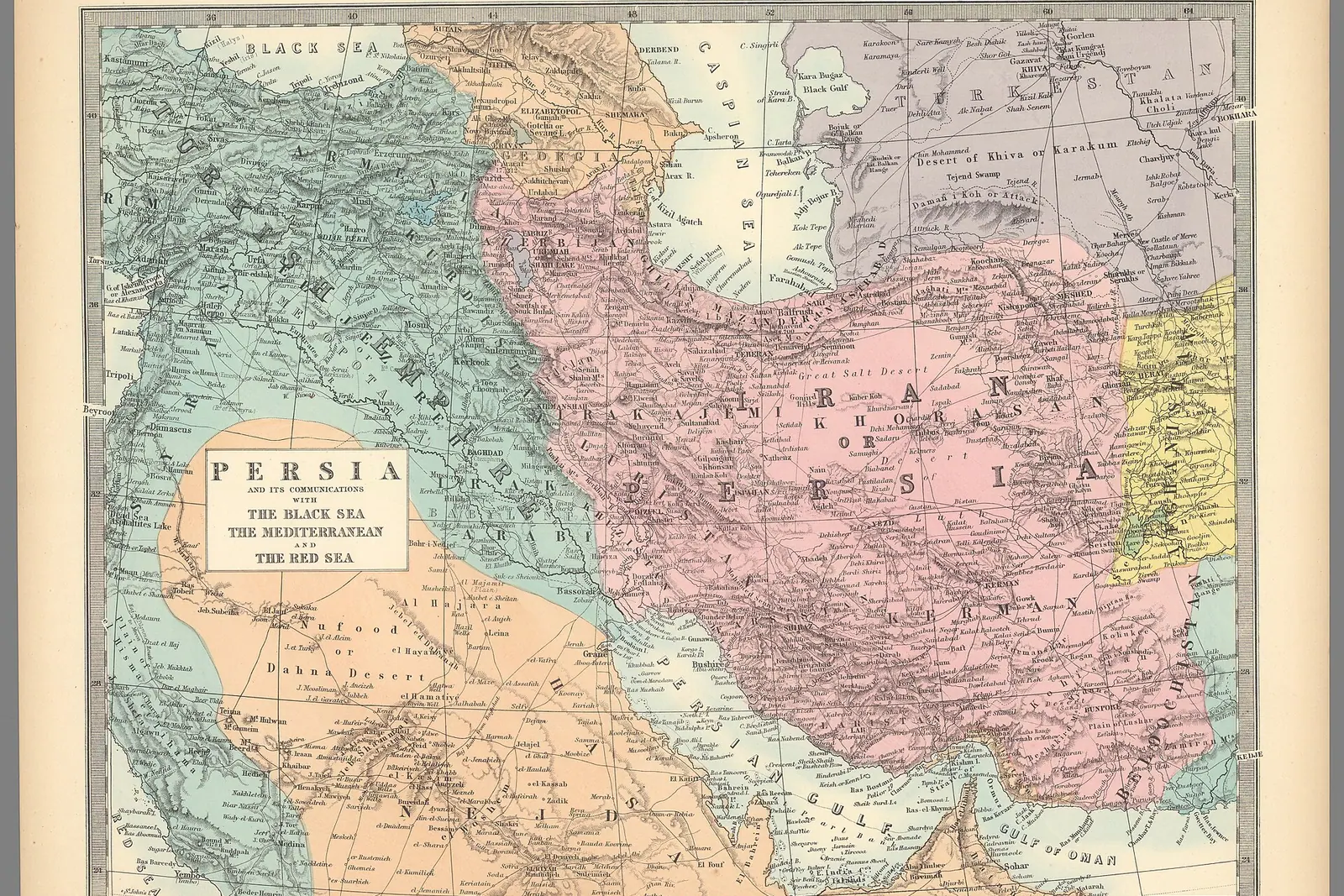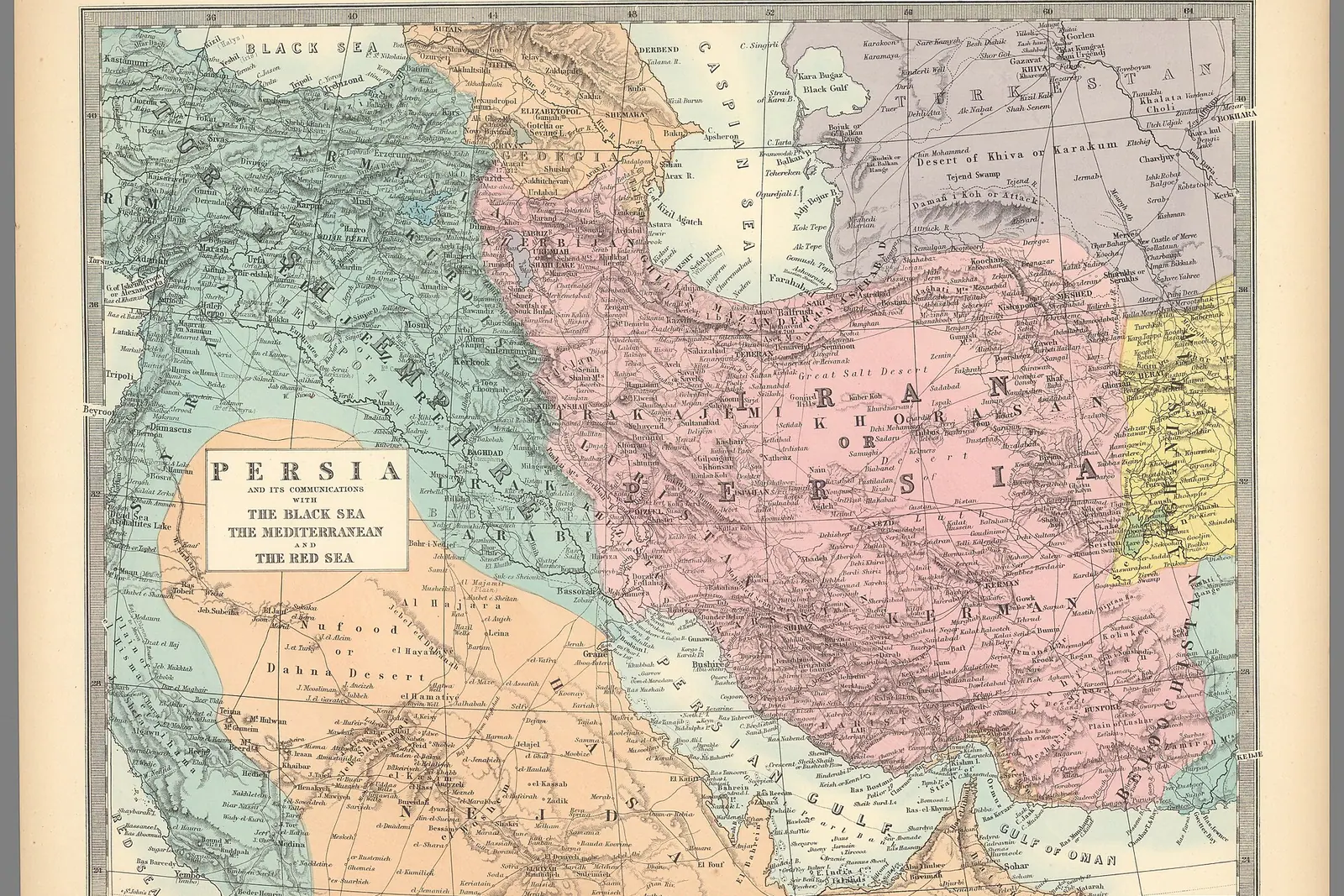
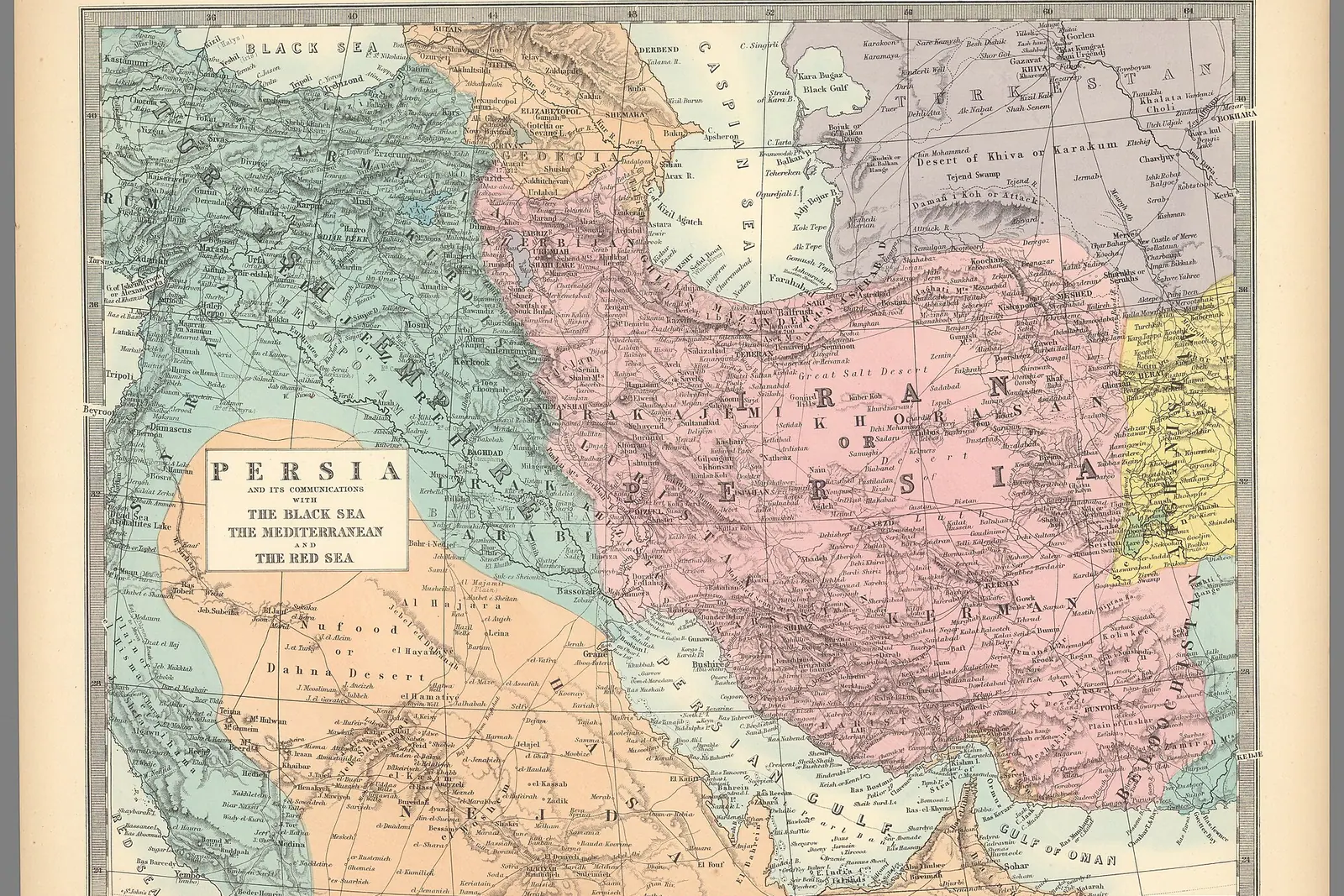
Iran is almost three times the size of France, and its greatest cities sit on a 1,000-kilometre axis that no week-long road trip can comfortably cover. Flying between them turns a breathless dash into a genuinely civilised loop through Persian palaces, bazaars and mosaic-covered mosques. Here is how to string Tehran, Shiraz, Isfahan and Yazd together in seven days without spending your holiday on a bus.
Why Flying Makes a One-Week Iran Trip Possible
The classic first-timer route runs Tehran → Shiraz → Isfahan → Yazd → Tehran, and the domestic network makes it work. Tehran to Shiraz is roughly 900 kilometres by road, a drive of ten hours or more; the flight takes about an hour and twenty minutes. Shiraz to Isfahan is a manageable half-day drive through the Zagros foothills, but Isfahan to Yazd is another four to five hours by car, so most travellers fly that leg too. Domestic hops are short, frequent and inexpensive by European standards, which is exactly why a seven-day itinerary is realistic here.
Tehran has two airports that matter: Mehrabad, close to the city centre and used for almost all internal services, and Imam Khomeini International, about 50 kilometres south, which handles long-haul arrivals. Shiraz, Isfahan and Yazd each have their own regional airports with several daily departures to the capital. Book a few days ahead in normal times, and weeks ahead if you are travelling around Nowruz, the Persian New Year in late March, when the entire country is on the move and domestic seats vanish fast.
The trade-off is time on the ground. Flights are cheap, but airports require arriving two hours early, and delays are common enough that you should never schedule a tight connection to an international departure. Build each flight into a half-day, pair it with a light morning of sightseeing, and the rhythm of the trip stays relaxed rather than frantic.
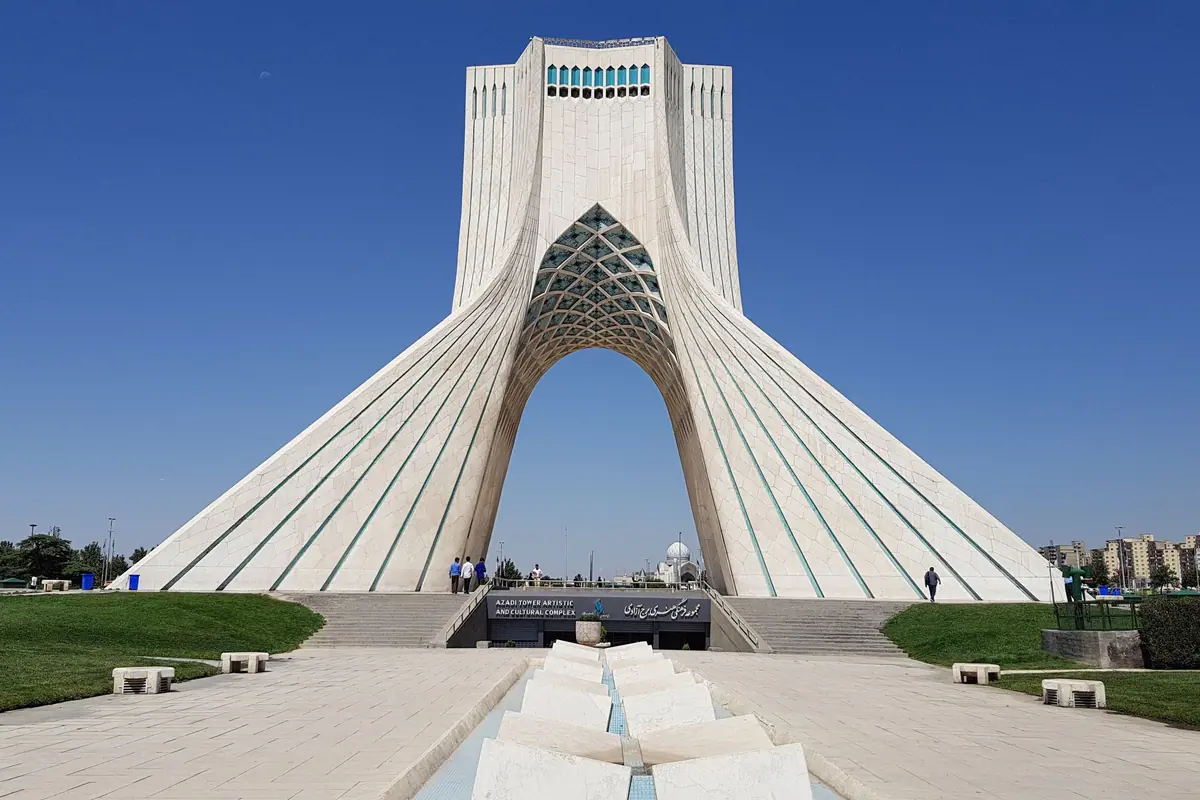
Days 1–2: Tehran's Palaces, Bazaars and Mountain Edge
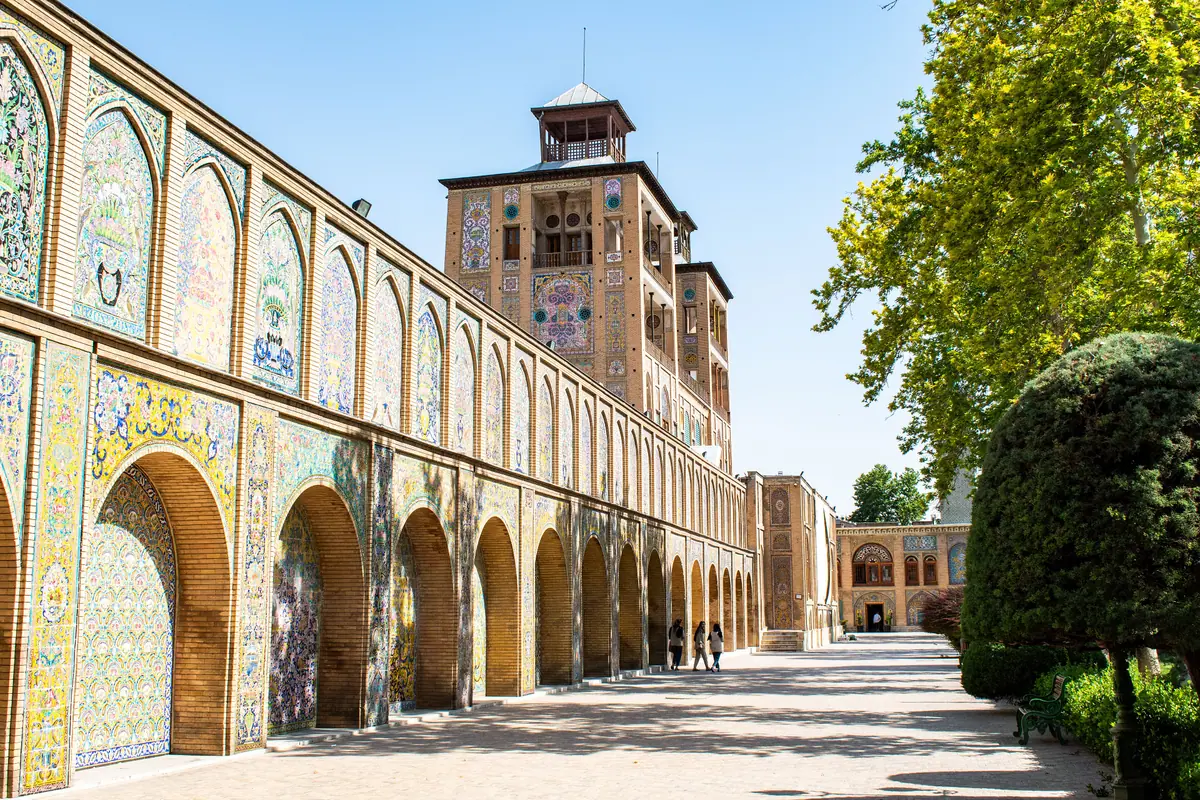
Start where the country's modern story is written. Golestan Palace, a UNESCO-listed complex of mirrored halls and tiled façades, is the single best introduction to Qajar-era opulence, and the Marble Throne porch alone justifies the entry. Walk ten minutes to the Grand Bazaar, a labyrinth of copper workshops, spice stalls and carpet traders that is far less touristed than its Isfahan counterpart, then spend the afternoon in the National Museum of Iran, which traces the country from Elamite bronzes to the Islamic period.
On day two, head north to Tajrish Bazaar for dried fruit and saffron, then climb into the foothills at Darband, where a steep path lined with tea houses and grilled-kebab restaurants follows a mountain stream. In the evening, cross Tabiat Bridge, a multi-level pedestrian structure suspended between two parks, for the best sunset view of the city with the Alborz mountains behind it. If you have energy left, Milad Tower's observation deck offers a 360-degree panorama after dark.
Tehran rewards an early start and punishes midday traffic. Use the metro where you can — it is clean, cheap and fast — and keep your first two days loosely scheduled, because jet lag plus the altitude of the northern districts is a real combination.
Days 3–4: Shiraz, Persepolis and the Heart of Ancient Persia
Fly south to Shiraz and give the city a full day before heading out of town. Nasir al-Mulk Mosque, known everywhere as the Pink Mosque, is best visited at opening time, when low sunlight explodes through stained glass onto the prayer carpets. From there, wander the Eram Garden with its cypress avenue, the vaulted lanes of Vakil Bazaar, and the shrines and courtyards around Shah Cheragh. Finish at the tomb of Hafez, where local families gather at dusk to read poetry beside the gardens.
Day four belongs to the Achaemenids. Persepolis, the ceremonial capital burned by Alexander's army, lies about 60 kilometres northeast of Shiraz and needs two to three hours to do properly — the reliefs on the Apadana stairways are the highlight, and early morning light is best for photographs. Twenty minutes away, Naqsh-e Rostam carves four royal tombs high into a cliff face, and if you have time, the tomb of Cyrus the Great at Pasargadae sits on the road back toward Isfahan.
Shiraz is at its most pleasant from March to May, when the gardens are green and the temperature sits in the mid-twenties. Summer afternoons regularly push past 38°C, so shift sightseeing to early morning and late afternoon and treat the middle of the day as a siesta.
Day 5: Isfahan — The Square That Defines Iran
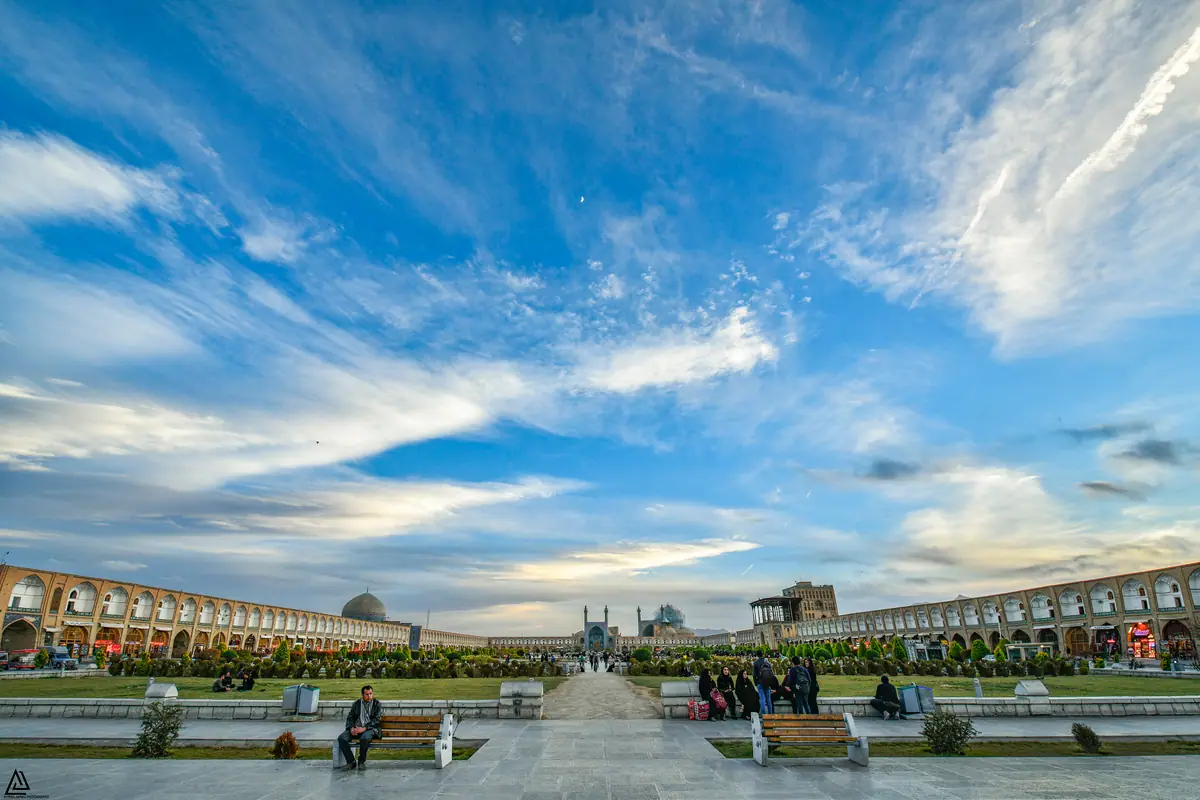
Drive or fly to Isfahan and give the entire day to Naqsh-e Jahan Square, one of the largest and most beautiful urban spaces ever built. Four monuments frame it: the vast Imam Mosque with its soaring turquoise portal, the smaller and more delicate Sheikh Lotfollah Mosque, the elevated Ali Qapu Palace with its music room of carved niches, and the Qeysarie Bazaar gate that spills into kilometres of covered shopping. Allow three hours here minimum; the light changes constantly and the square is busiest just before sunset.
Beyond the square, the Chehel Sotoun palace pavilion shows off Safavid frescoes and a reflecting pool, while the Jameh Mosque distils a thousand years of Persian architectural experimentation into one building. Cross the Zayandeh River to the Armenian quarter and the Vank Cathedral, whose interior mixes biblical scenes with florid Islamic-style tilework, then walk back over Si-o-se-pol, the thirty-three-arch bridge that becomes a floating promenade after dark.
Isfahan deserves two nights if you can spare it, but a well-planned single day covers the essentials comfortably. Spring is ideal; autumn is nearly as good. The city sits at roughly 1,500 metres, so evenings are cooler than you would expect from the desert latitudes.
Day 6: Yazd, Windcatchers and Desert Silences
Yazd is the Iran people photograph and then can't stop talking about: a mud-brick city of wind towers, narrow alleys and rooftop domes, ringed by desert. The Jameh Mosque of Yazd, crowned with the tallest tiled minarets in the country, anchors the old town, and the Amir Chakhmaq Complex opposite provides the classic dusk shot with its sunken alcoves and lit façade.
Elsewhere, the Atash Behram fire temple keeps a flame said to have burned for more than a thousand years, while the Towers of Silence on the city's edge recall the Zoroastrian funeral tradition of exposing the dead to the elements. Dowlat Abad Garden offers a lush counterpoint, its octagonal pavilion ventilated by an enormous windcatcher. If you can, climb to a roof terrace before sunset — the sprawl of badgirs and minarets at golden hour is the most atmospheric view in central Iran.
Yazd is also the natural launch pad for desert excursions, with camel-treks and overnight stays in caravanserais on the fringes of the Dasht-e Kavir. Daytime temperatures in July and August are brutal, exceeding 40°C, so plan Yazd for early spring or October, when the nights are cool and the sky is reliably clear.
Day 7: Flying Back to Tehran — Practical Timing and Tips
Fly Yazd back to Tehran in the morning and use the remaining hours for whatever you missed: the Sa'dabad Palace complex in the northern hills, the National Jewels Museum in the central bank vaults, or a final slow lunch in Tajrish. Keep the last domestic flight at least four hours before any international departure, and remember that Imam Khomeini International is a long taxi ride from Mehrabad, so allow for the transfer.
On the ground, a few habits make everything smoother. Foreign bank cards do not work in Iran, so bring cash in euros or US dollars and change it at exchange offices or your hotel. Women must cover their hair with a headscarf and wear loose, long-sleeved clothing; men should skip shorts. Taxis are cheap but apps and metered rates are inconsistent, so agree on a fare beforehand.
March to May and September to November are the sweet spots for this itinerary — comfortable temperatures in every city and gardens at their best. Ramadan, Nowruz and the Iranian weekend (Thursday afternoon to Friday) all affect opening hours and flight availability, so check dates before locking in your internal bookings.
Frequently asked questions
How many internal flights do I need for a one-week Iran itinerary?
Three is the practical minimum on the classic loop: Tehran to Shiraz, Shiraz to Isfahan (or drive this leg), Isfahan or Yazd back to Tehran. Many travellers add a fourth hop for Yazd. Each flight takes roughly 60 to 90 minutes, though you should budget half a day door to door.
What is the best time of year for this route?
Late March to mid-May and October to mid-November. Spring brings green gardens and mild temperatures across Tehran, Shiraz and Isfahan. Autumn is drier and clearer in Yazd. July and August are punishingly hot in central Iran, while December and January turn cold in Tehran but stay pleasant in Shiraz.
Should I book domestic flights in advance?
Yes, especially around Nowruz in late March, when domestic services sell out weeks ahead and prices spike. At quieter times, a few days' notice is usually enough. Buying through a local agency on arrival is common and often works well, but it costs you flexibility.
Is one week enough to see Iran properly?
It is enough for the essential quartet — Tehran, Shiraz, Isfahan and Yazd — if you fly rather than drive. You will not have time for the northwest around Tabriz, the Caspian coast or the far southeast. Adding two or three days lets you slow down in Isfahan and include Kerman and the Kaluts desert.
What should I pack for this trip?
Modest, loose clothing that covers arms and legs, a headscarf for women, comfortable walking shoes for bazaars and archaeological sites, sunscreen, and a scarf or light jacket for cool desert evenings. Bring cash, as foreign cards are unusable, and a small day bag for the two-hour airport buffer before domestic departures.
Sort the rest of your trip
Everything for Iran, in one place

More guides in Iran
Top Things to Do in Iran: Landmarks from Persepolis to Isfahan
Hotels in Iran: Where to Stay and the Sights You Shouldn't Miss
One Week in Iran: The Perfect 7-Day Itinerary from Tehran to Shiraz
Iran Food and Culture Guide: Bazaars, Tea Houses and Persian Feasts
Best Time to Visit Iran: A Season-by-Season Guide to Weather, Sights and Hotels