Iran is a country of four climates stacked on top of each other: snowbound ski slopes within a two-hour drive of desert cities where summer afternoons crack forty degrees. Choosing the right month decides whether you wander Naqsh-e Jahan Square in soft blossom-season light or wilt beside it in August. It also decides what you will pay for a room, and whether the traditional guesthouse you dreamed of is even available.
Why the Season Decides Everything in Iran — Including Your Room Rate
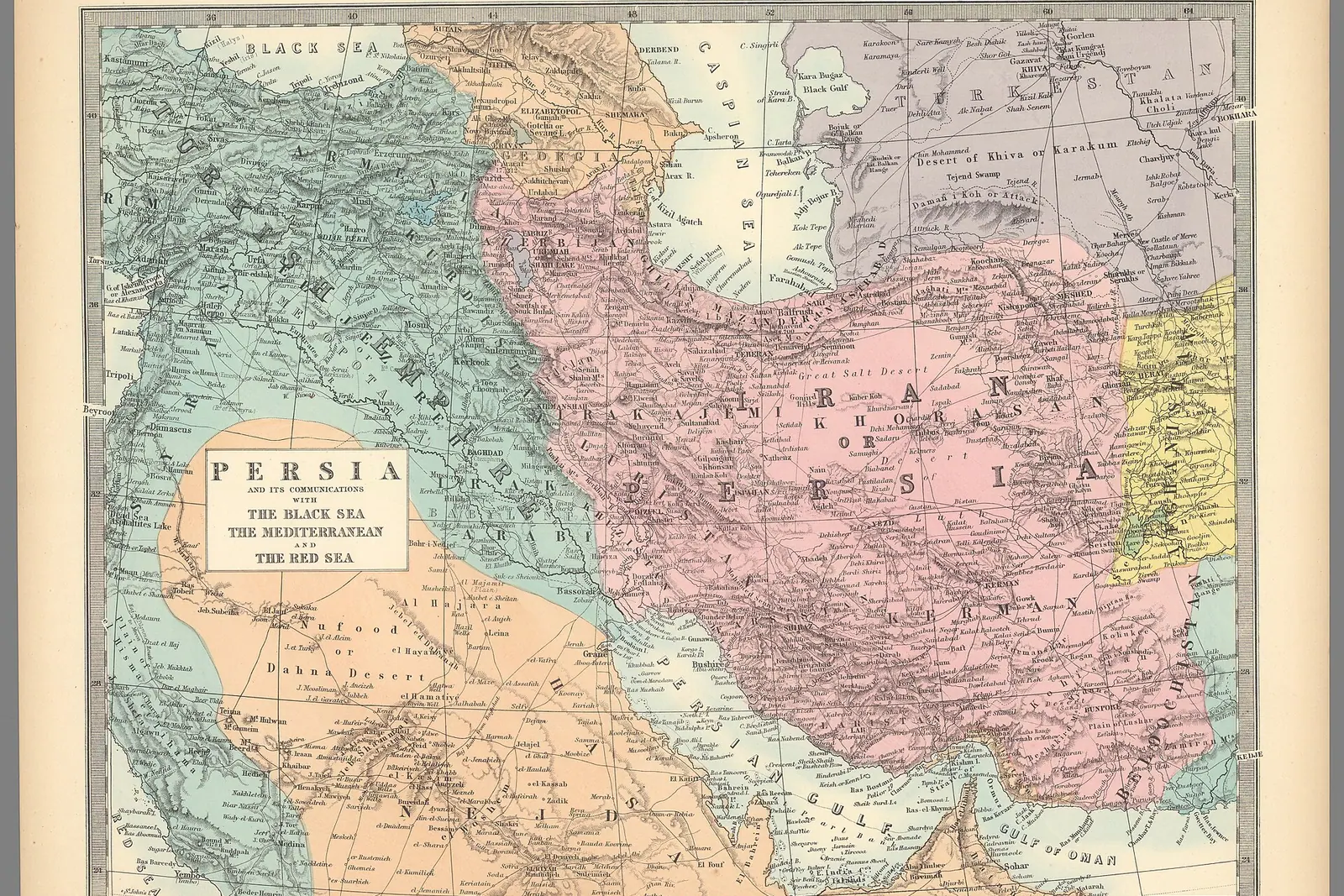
Iran covers roughly 1.6 million square kilometres, and its geography does most of the work in planning a trip. The central plateau — Tehran, Isfahan, Yazd, Kerman, Kashan — is high, dry and continental, with blazing summers and cold, clear winters. The Caspian coast in the north is humid and green, the northwest around Tabriz is genuinely alpine, and the Persian Gulf islands in the south stay mild through January. A journey that connects Shiraz, Yazd and Isfahan crosses three of those zones in a week.
For most first-time visitors there are two golden windows: late March to mid-May, and September to mid-November. Outside them you are trading comfort for either crowds and heat or cold and shorter days. Spring and autumn also coincide with the most pleasant hotel conditions — windows that open, rooftop terraces in use, courtyard breakfasts that are not a test of endurance.
The single biggest variable in hotel pricing is Nowruz, the Persian New Year, which falls around 20 March and triggers a two-week national holiday. Domestic tourism surges, traditional houses in Kashan and Yazd sell out first, and prices in Isfahan can double. If you want to travel then, reserve two to three months ahead and expect minimum-stay rules in the most popular boutique properties.
Spring (March to May): The Classic Window for Isfahan, Shiraz and Kashan
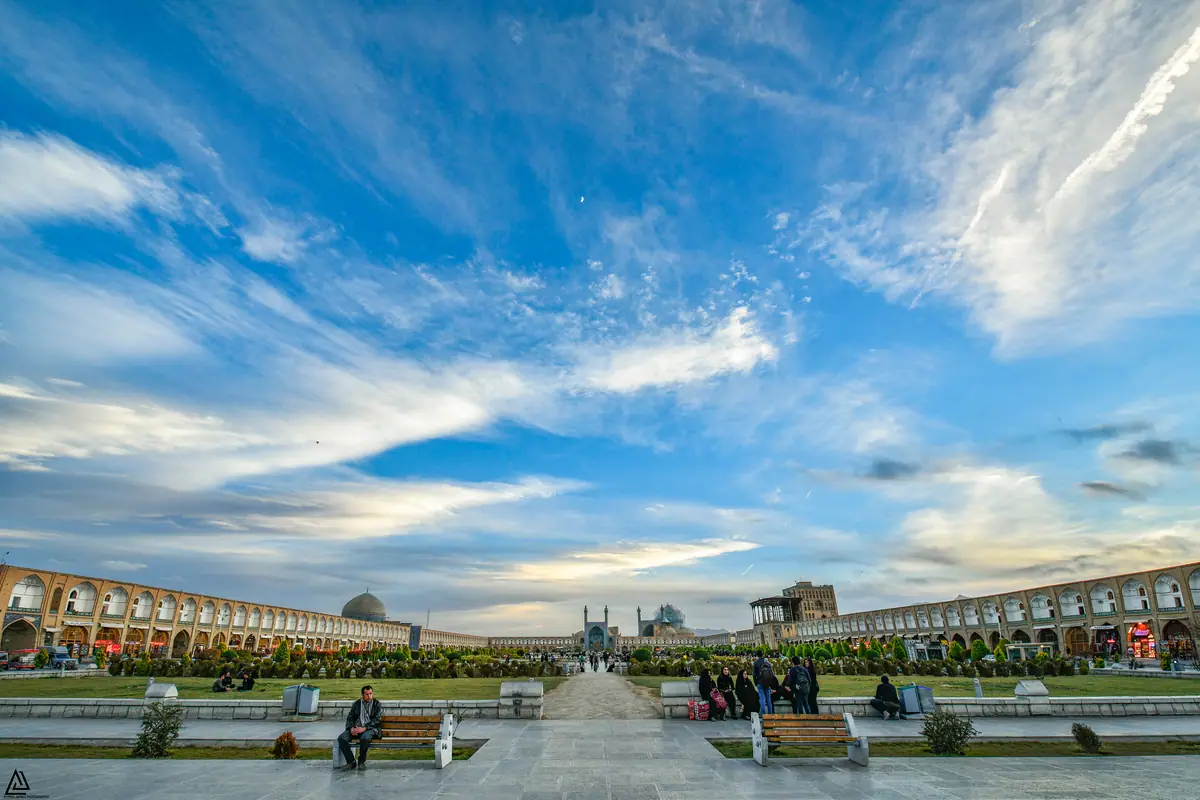
Spring is when Iran looks like the photographs that made you want to go. Almond and apricot blossom appears in the Zagros foothills in late March, and by April the gardens of Shiraz are at their best — the cypresses and rose beds of Eram Garden, the orange-blossom scent around the tomb of Hafez, and the courtyards of the Vakil complex. Daytime temperatures sit around 20 to 26°C in Shiraz and Isfahan, cool enough to walk all afternoon.
Isfahan in April is close to perfect. You can spend a whole morning in Naqsh-e Jahan Square, moving between the Imam Mosque, the Sheikh Lotfollah Mosque with its peacock-toned dome, and the covered lanes of the Grand Bazaar without ducking for shade. Late April and early May bring the rose-water season to the Kashan region, when villages around Qamsar fire up their copper stills and the air smells of damask roses. Stay in Kashan and you can pair that with the sculpted ceilings of the Borujerdi House and the water channels of Fin Garden.
The caveats are Nowruz crowds in the first days of April, and rain in the northwest, where Tabriz and the villages around Kandovan can still be grey and chilly. Book boutique hotels in Kashan and Isfahan well in advance, and keep a flexible day for the mountain roads if you are heading toward the Caspian.
Autumn (September to November): The Comfortable Second Window
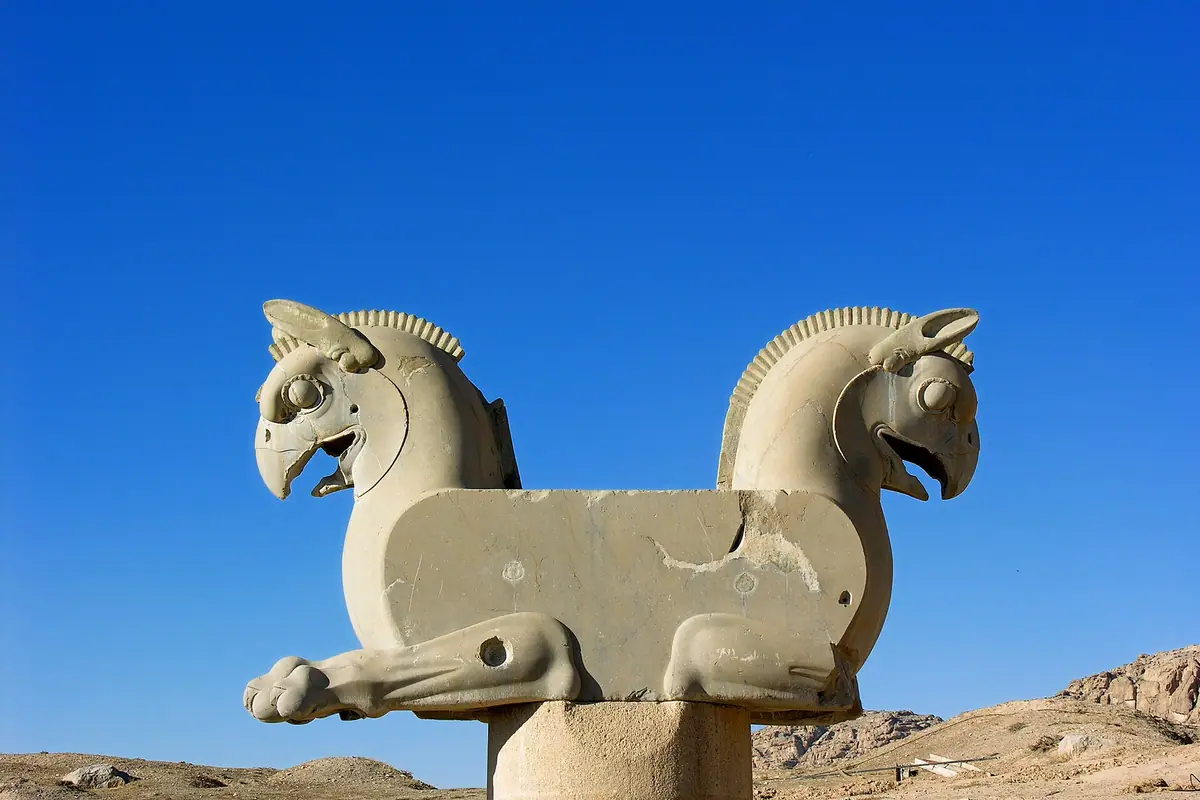
Autumn is the connoisseur's season. The punishing heat of July and August has broken, the light is long and golden, and the archaeological sites of Fars province become genuinely walkable. Persepolis, the ceremonial capital of the Achaemenids, is a different experience at 26°C than at 40°C, and the neighbouring rock tombs of Naqsh-e Rostam and the palaces of Pasargadae can be combined without exhaustion. October and November are the months to plan a Shiraz-based loop.
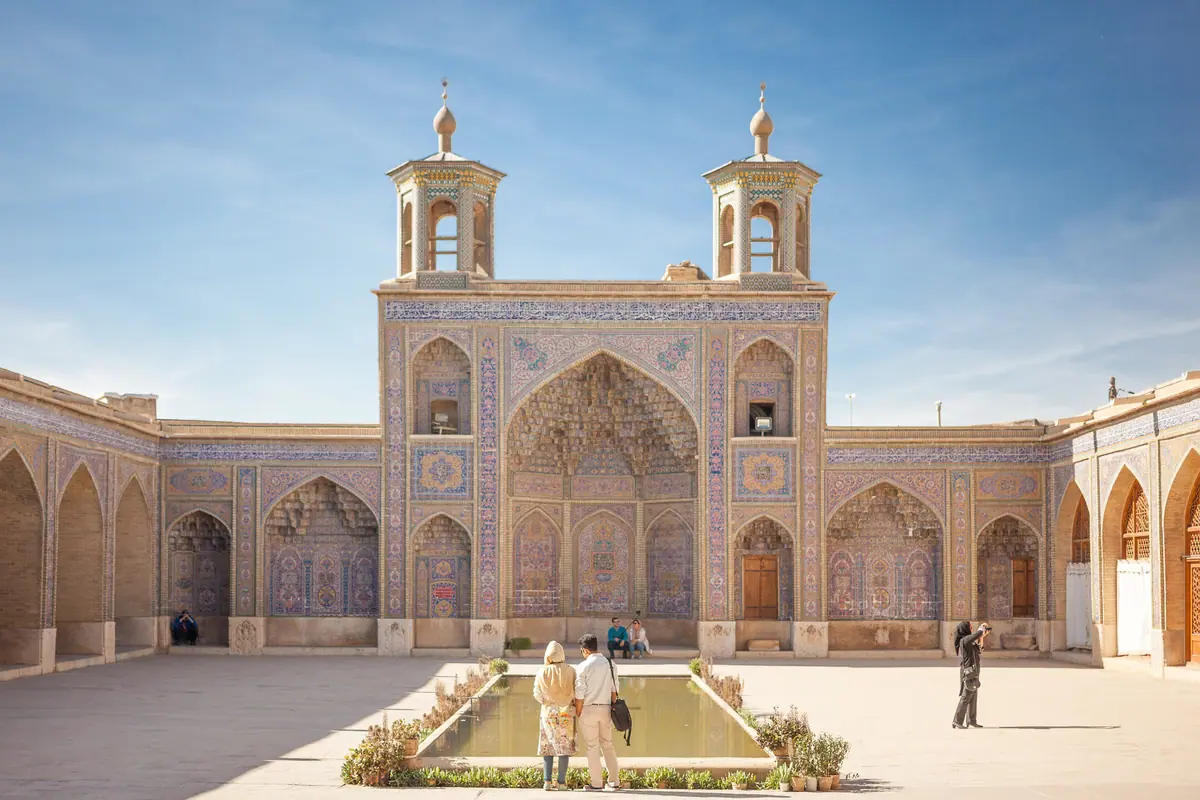
Further north, Yazd turns deliciously cool, and its compact old town is a pleasure to explore on foot — the Jameh Mosque with its soaring tiled portal, the Amir Chakhmaq Complex at dusk, the wind-towers and domed water reservoirs that made this desert city habitable. It is also pomegranate and date-harvest time, which is the best excuse to linger in the bazaars. Tehran in October is mild enough for the Golestan Palace, the Grand Bazaar and the remarkable collection of the National Jewelry Museum.
The Lut Desert and the dune country around Shahdad, east of Kerman, is another autumn speciality: October and November offer survivable daytime heat and cold, star-filled nights. Hotels in Yazd and Kerman are rarely full outside Nowruz, so this is also the season when you can be spontaneous and still land a room in a restored courtyard house.
Summer (June to August): Head for the Mountains and the Caspian Coast
Summer is not the time for the central plateau. Tehran regularly hits the high thirties, Yazd and Kerman can exceed 40°C, and the desert stretches between them are best avoided altogether. But Iran has its own answer to the heat: the green, humid Caspian provinces and the high country of the northwest. The terraced village of Masuleh, the forest roads of the Alamut Valley and the bazaar city of Tabriz are all comfortable in July, with the cool halls of the Tabriz Bazaar offering a natural refuge.
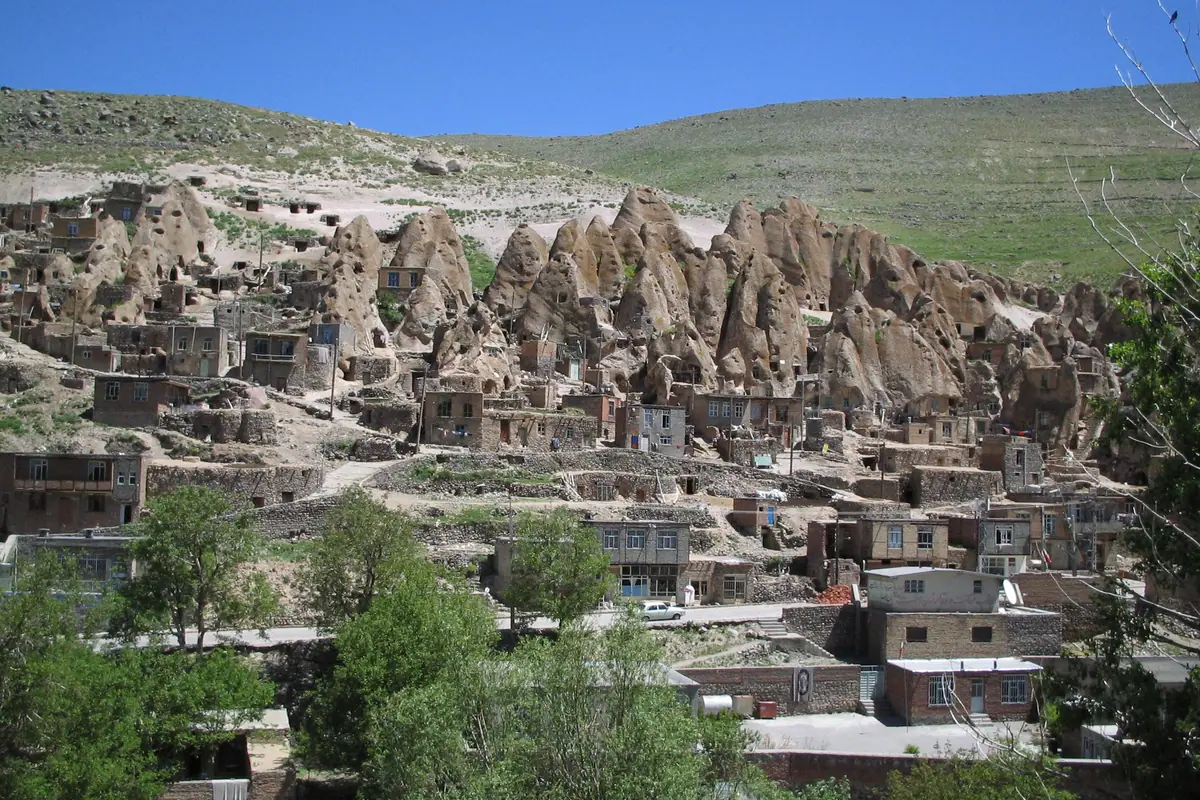
The northwest also holds the troglodyte village of Kandovan, carved into volcanic cones near Tabriz, and the mountain resort areas around Dizin and Shemshak, north of Tehran, where altitude keeps the air fresh even when the capital below is stifling. Tehranis head to the Caspian every weekend, so coastal guesthouses in Ramsar, Babolsar and Rasht fill on Thursday and Friday nights; book early and expect humid, occasionally rainy weather.
For the Persian Gulf islands, summer is the wrong season — Qeshm, Hormuz and Kish are hot and muggy from June to September. Save them for winter. If you must travel in summer, choose high-altitude hotels, plan sightseeing before 10am and after 5pm, and prioritise indoor attractions such as the Golestan Palace, the museums of Tehran and the covered bazaars of Isfahan and Tabriz.
Winter (December to February): Ski Slopes, Gulf Islands and Empty Monuments
Winter splits Iran in two. In the north and west, Tehran hovers near freezing, Tabriz and the Kurdish highlands see real snow, and the ski resorts of Dizin and Shemshak, an hour or two from the capital, operate from December into March. Lodging in Shemshak and the Dizin valley books out on winter weekends, so a midweek stay is both cheaper and quieter. Traditional courtyard houses in Kashan and Yazd can feel chilly — ask specifically about heating, since thick mud-brick walls are wonderful in July and unforgiving in January.
In the south, winter is the reward. The Gulf islands of Qeshm, Hormuz and Kish sit in the low twenties, with warm sea, mangrove channels and the surreal red-and-ochre landscapes of Hormuz Island. Bandar Abbas and the coast become genuinely pleasant, and this is the only season when you would want to swim. It is also a fine time for Yazd and Isfahan if you pack properly: days are crisp and sunny, monuments are mercifully uncrowded, and hotel rates dip.
Two things to check before booking a winter trip: Ramadan and Muharram, when opening hours at restaurants, museums and bazaars shift considerably, and snowfall on mountain roads, which can complicate transfers between Tehran and the Caspian or the northwest. Both are manageable with a little flexibility.
Choosing Where to Sleep: Traditional Houses, Caravanserais and City Hotels
Iran's accommodation is one of the great pleasures of travelling here, and it is remarkably varied. In Kashan, Isfahan and Yazd, dozens of historic merchant houses have been converted into small boutique stays built around sunken courtyards, pools and rooftop terraces — the Borujerdi and Tabatabaei style of architecture you came to see, only you get to sleep inside it. These properties typically have ten to twenty rooms, which is why they sell out first during Nowruz and the spring and autumn peak weeks.
In Tehran, the calculus is different: modern city hotels in the northern districts offer reliable air conditioning, lifts and easier access to Golestan Palace, the Grand Bazaar and the museums, and the cooler air of the foothills is a real advantage in summer. Elsewhere you will find converted caravanserais on old trade routes, simple guesthouses in villages like Kandovan and Masuleh, and comfortable mid-range hotels in Shiraz and Kerman within walking distance of the main sights.
A few practical points shape every booking. Rooms are usually priced with breakfast, which is often a generous spread of flatbread, cheese, jam, eggs and tea. Iranian hotels do not serve alcohol, and women are expected to observe hijab in public areas, including lobbies; pools and gyms are typically segregated or operate on single-sex timetables. Foreign cards generally do not work, so plan to pay in cash or through a local agency, and confirm whether your nationality needs a guide or pre-arranged itinerary before you reserve.
Frequently asked questions
What is the single best month to visit Iran?
April and October are the two standout months. April brings blossom, rose gardens and 20–26°C days across Shiraz, Isfahan and Kashan, though the first week collides with Nowruz holidays. October offers the same comfortable temperatures with far fewer domestic travellers, and it is ideal for Persepolis, Yazd and the desert regions.
How far in advance should I book hotels in Iran?
For the Nowruz period around 20 March to early April, book two to three months ahead — boutique courtyard houses in Kashan, Yazd and Isfahan are small and fill quickly. For spring and autumn outside the holidays, three to six weeks is usually enough. In winter, except at ski resorts at weekends, you can often book a week or two ahead.
Which regions of Iran are best in winter?
The Persian Gulf islands of Qeshm, Hormuz and Kish stay in the low twenties with warm seas, making December to February the only sensible time to visit them. In the same months, the ski resorts of Dizin and Shemshak, north of Tehran, are in full operation, so you can combine skiing and island beaches on a single trip.
Is summer a bad time to travel in Iran?
Not everywhere. The central plateau — Yazd, Kerman, Isfahan and Tehran — is punishingly hot from June to August, often above 38°C. But the Caspian provinces, the Alamut Valley, Tabriz, Kandovan and the mountain resorts north of Tehran remain comfortable. Plan outdoor sightseeing for early morning and late afternoon and lean on bazaars and museums at midday.
What should I know about staying in a traditional Iranian house hotel?
They are usually restored merchant homes with ten to twenty rooms arranged around a courtyard, often with rooftop views over old town rooftops. Expect character over uniformity: rooms vary in size, walls are thick mud brick, and heating in winter or air conditioning in summer is worth confirming in advance. Breakfast is normally included, alcohol is not served, and hijab applies in shared public areas.
Sort the rest of your trip
Everything for Iran, in one place
Transfer in Iran
Private driver waiting on arrival — no queues, no surprises.
Book a transfer
Things to do in Iran
Skip-the-line tickets, guided tours and standout experiences.
See experiences
Stay online in Iran
Travel eSIM — data the moment you land, no roaming bills.
Get an eSIMMore guides in Iran
Top Things to Do in Iran: Landmarks from Persepolis to Isfahan
Hotels in Iran: Where to Stay and the Sights You Shouldn't Miss
One Week in Iran: The Perfect 7-Day Itinerary from Tehran to Shiraz
One-Week Iran Itinerary by Plane: Tehran, Shiraz, Isfahan & Yazd
Iran Food and Culture Guide: Bazaars, Tea Houses and Persian Feasts