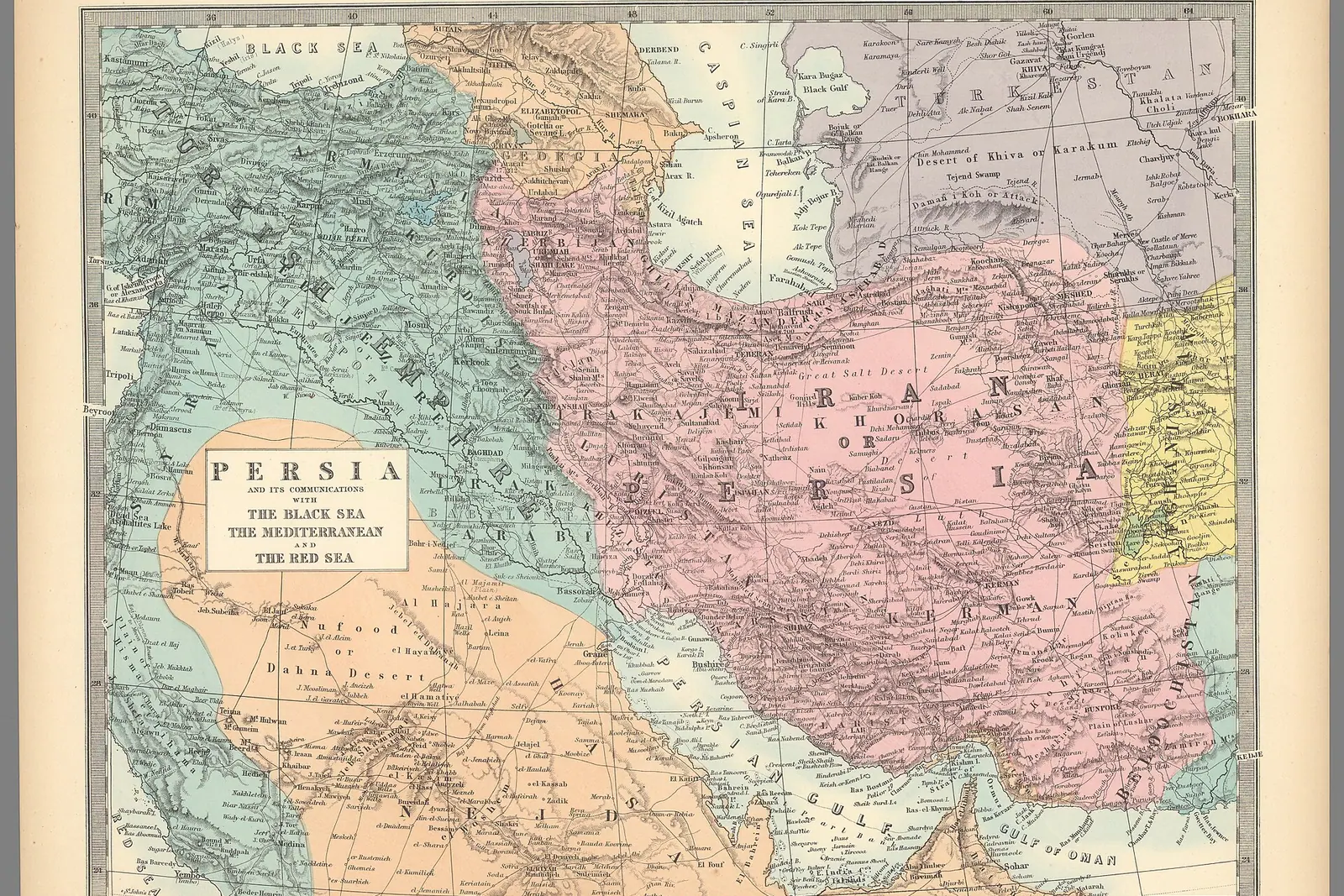
Iran rewards the traveller who treats accommodation as part of the itinerary rather than a place to collapse. Here you can sleep in a 300-year-old merchant's house, wake to the call of pigeons over a courtyard pool, or watch the lights of a capital city flicker from a tower suite. This guide maps the country's best cities for overnight stays — and the landmarks you should be walking to each morning.
Sleeping Inside the Story: How Iranian Hotels Work
Iranian accommodation splits into a few distinct worlds. There are the glassy high-rise hotels of north Tehran, built for business travellers and conference groups, with gyms, multi-restaurant buffets and views over the Alborz mountains. There are the classic city hotels in every provincial capital, reliable and functional, often with a garden and a kebab restaurant attached. And then there is the category that makes Iran genuinely special: the traditional house hotel, a merchant's or cleric's courtyard home restored with adobe walls, stained-glass windows and a shallow reflecting pool at its centre.
Inside these houses, the architecture does the work. Thick mud-brick walls keep summer heat out; a windcatcher funnels cool air down into the basement; carpets, kilims and low cushioned platforms replace sofas. Rooms are arranged around the courtyard rather than along a corridor, which means breakfast is usually served outdoors under a grapevine or an orange tree. Properties like this are typically small — ten to thirty rooms — so in high season they fill weeks in advance and rates can approach those of a four-star city hotel.
A few practical rhythms apply almost everywhere. The Iranian weekend falls on Thursday and Friday, so domestic travellers flood the traditional houses on those nights and quieten on Saturday. Room rates are usually quoted per night, breakfast included, and most properties can arrange an airport or bus-terminal pickup if you ask in advance. Because international payment cards do not work inside the country, most independent hotels expect a bank transfer before arrival through a local contact, or cash on the spot.
Tehran: High Towers, Old Palaces and Two Days of Contrast
Start in the capital, where the choice of neighbourhood changes your whole stay. The northern districts around Tajrish and Elahiyeh sit higher, cooler and closer to the mountains, with modern hotels, cafés and easy access to the metro. Central Tehran around Ferdowsi and Imam Khomeini Square puts you within walking distance of the Grand Bazaar, a labyrinth of copper workshops, spice stalls and carpet dealers that is best entered in the morning. Give the city two nights if you can — the traffic is genuinely punishing and distances between sights are longer than the map suggests.
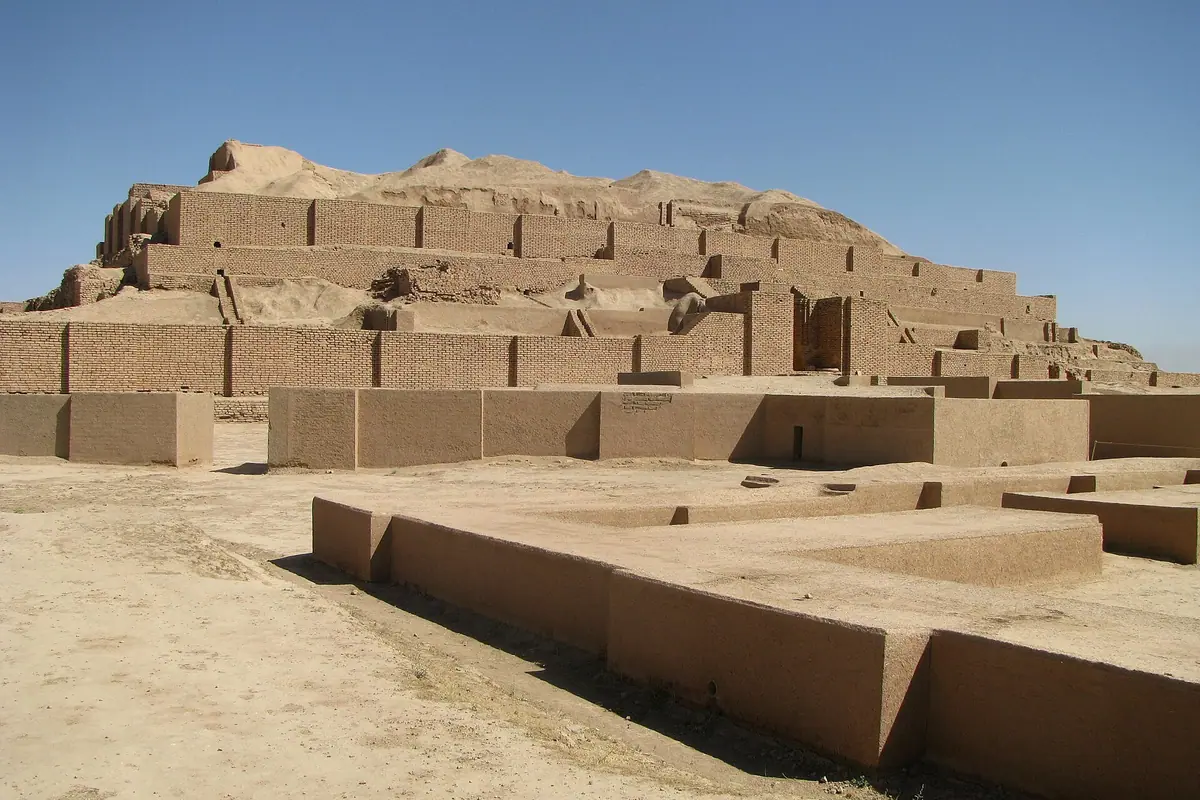
The headline sight is Golestan Palace, the Qajar-era royal complex of mirrored halls, tiled façades and the marble throne terrace, and it deserves a half day on its own. Nearby, the National Jewelry Museum holds one of the world's great collections of royal gems but opens only on a handful of afternoons each week, so check locally before you plan around it. Further north, the Sa'dabad palace complex spreads through wooded hills, while the Azadi Tower on the western approach and the pedestrian Tabiat Bridge, strung between two parks, are the city's modern icons. Milad Tower, on the northwestern edge, offers the widest panorama at sunset.
Hotels in Tehran range from restored boutique properties near the old embassy quarter to large conference hotels with pools and rooftop restaurants. If you are arriving on a late flight, choose somewhere within a short taxi ride of your arrival point rather than saving a little on the room — the first-night transfer is where jet lag and traffic combine badly.
Isfahan: A Boutique Room Steps from Naqsh-e Jahan Square
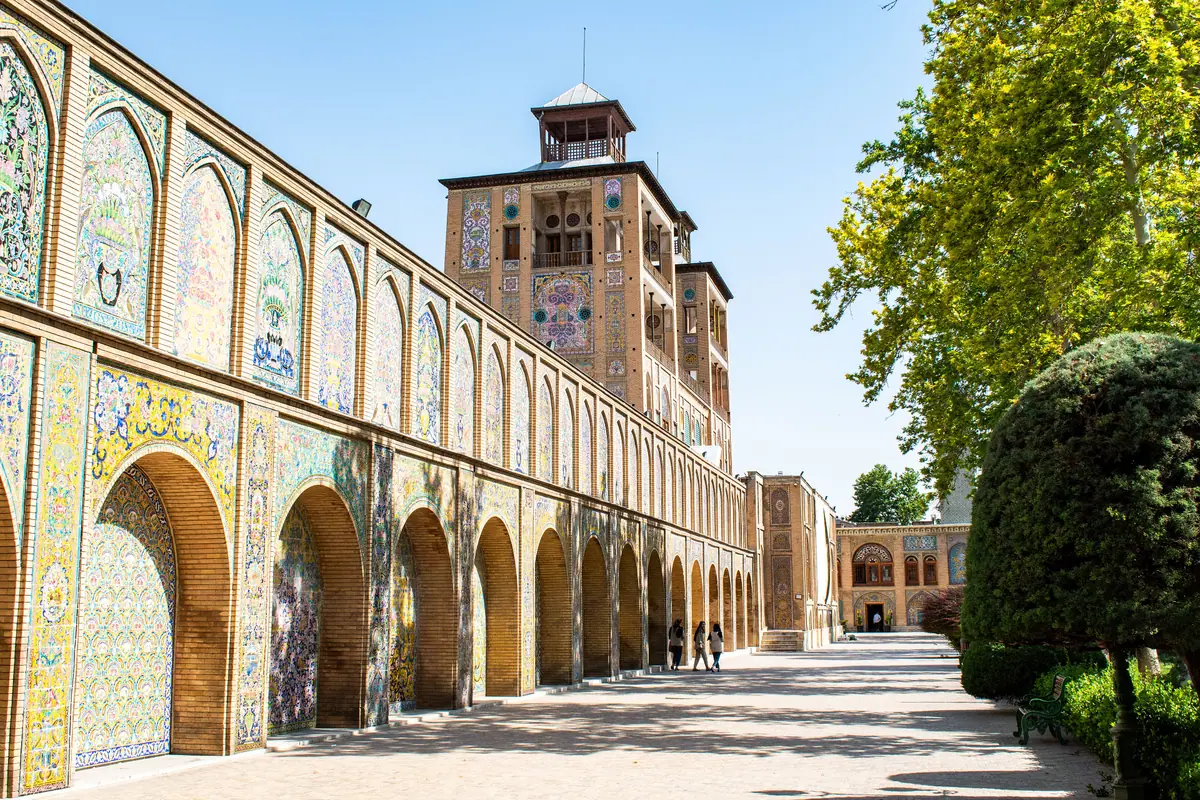
Isfahan is the city where most travellers decide to extend their stay, and the reason is Naqsh-e Jahan Square — an enormous World Heritage-listed plaza ringed by two-storey arcades, with the Imam Mosque at the southern end, the private, cream-and-blue Sheikh Lotfollah Mosque facing it, and the Ali Qapu Palace, with its music room of carved niches, rising on the west. Walking the square at dusk, when the fountains run and families spread picnic cloths on the grass, is one of the great experiences of travel in the Middle East. Budget at least three nights here; two is a rush.
The best places to sleep cluster in the old quarter between the square and Chahar Bagh Avenue, where a dozen restored courtyard houses operate as boutique hotels. Expect brick vaults, blue tilework, a plunge pool in the courtyard and rooftop terraces looking over minarets — but also steep stairs, no lift and small windows, which is exactly the trade-off for the atmosphere. Across the river, the Armenian quarter of Jolfa is quieter and greener, with the Vank Cathedral, its walls covered in frescoes and gold, a short walk away, plus a cluster of cafés and antique shops.
Plan your days around the bridges. Si-o-se-pol, with its thirty-three arches and arcaded walkway, and the older Khaju Bridge, where locals sing under the arches at night, are both best after dark when they are lit and the riverbed is dry. The Chehel Sotoun pavilion, with its twenty slender columns and battle frescoes, and the Hasht Behesht garden palace fill out a second day. Spring and autumn are the ideal months: April brings blossom in the Persian gardens, October brings clear, soft light on the tiles.
Shiraz and Persepolis: Gardens, Poetry and Pink Tiles
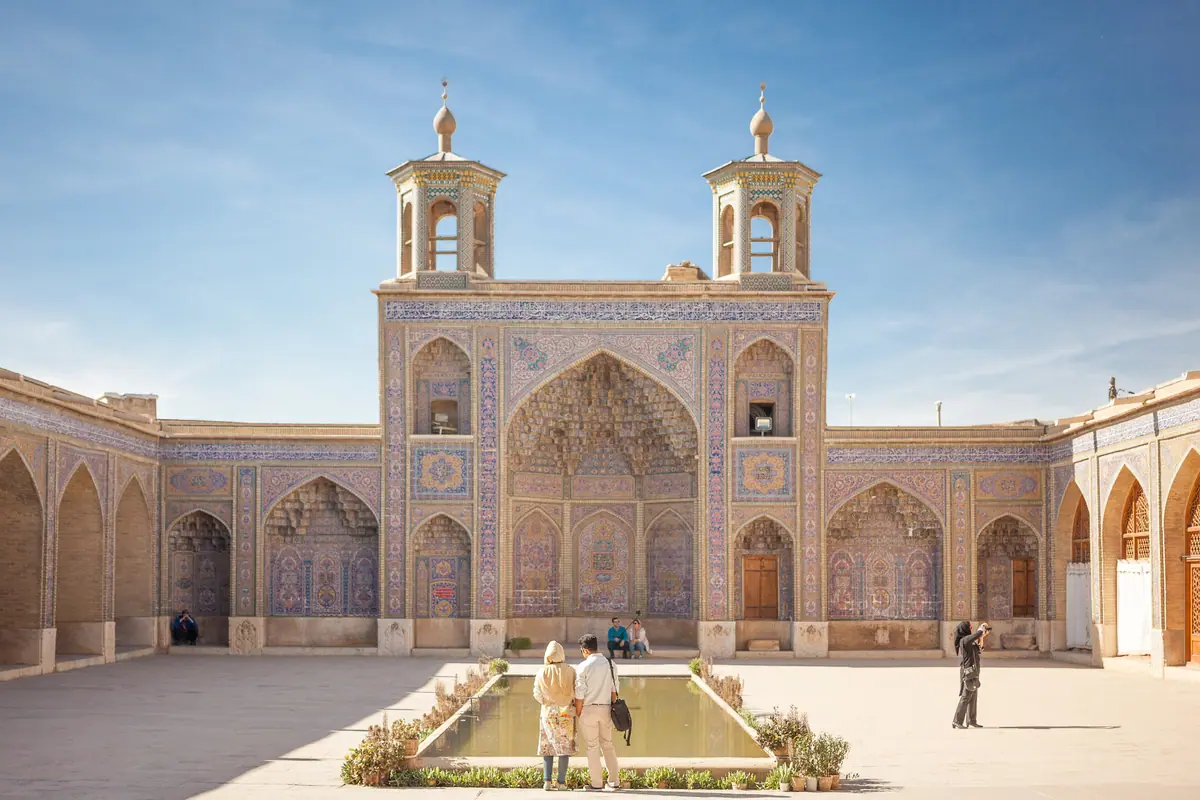
Shiraz is a gentler city than Tehran or Isfahan, and its hotels reflect it — garden properties with citrus trees, small pools and an emphasis on tea and conversation rather than lobby marble. Stay near Zand Avenue or around the Quran Gate for easy access to the main sights. The city's most photographed building is the Nasir al-Mulk Mosque, where early-morning sun through stained-glass windows throws a kaleidoscope across the prayer hall; arrive at opening time if you want the floor to yourself, because by mid-morning it is busy.
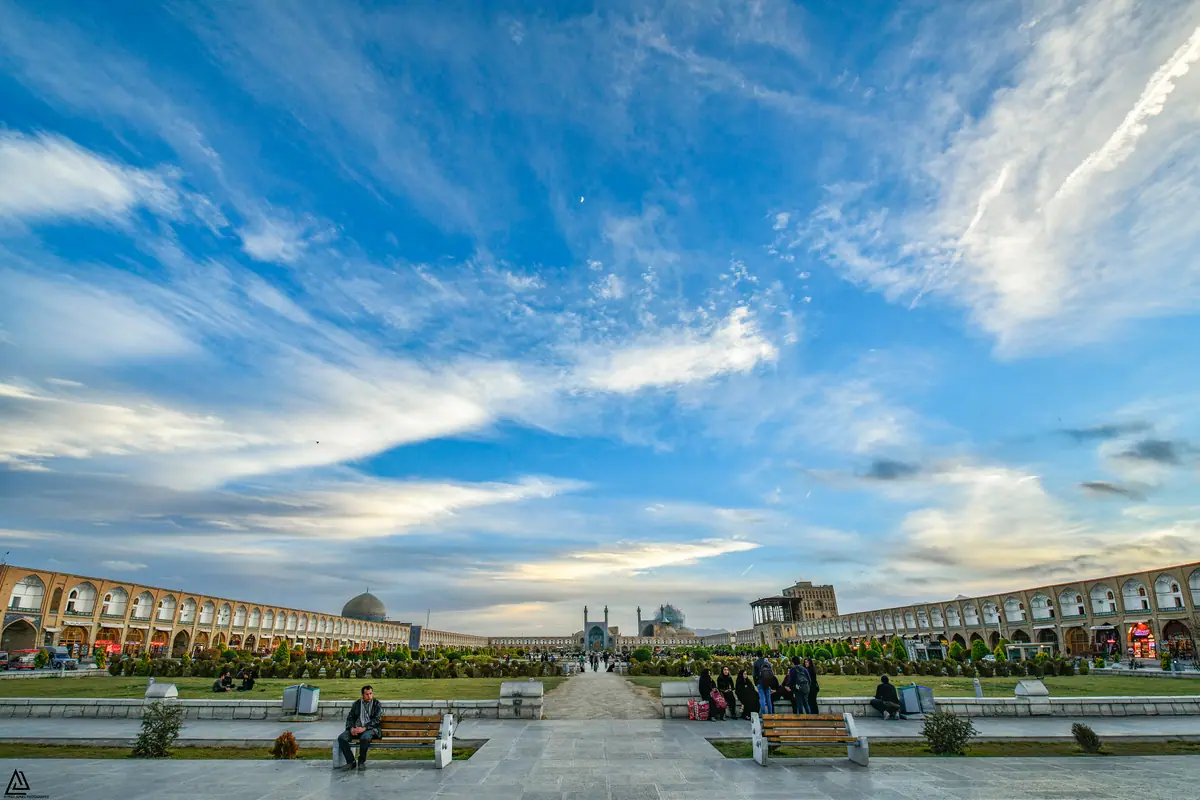
Set aside two or three nights here and use one full day for the ancient sites outside town. Persepolis, the ceremonial capital of the Achaemenid empire, is about an hour's drive away, and the reliefs of tribute-bearers climbing the stairways of the Apadana are still astonishingly crisp after 2,500 years. The rock-cut royal tombs at Naqsh-e Rustam are twenty minutes further on, and Pasargadae, the empire's earliest capital, can be folded into the same loop if you start early and take lunch with you.
Back in the city, the Eram Garden's cypress avenue, the tomb of the poet Hafez, where visitors linger over verses at dusk, and the vaulted lanes of the Vakil Bazaar are all worth unhurried hours. The shrine of Shah Cheragh, glittering with mirror-work, is a profound experience for many travellers, though non-Muslim visitors enter with a guide and should dress conservatively and ask permission before photographing anything.
Yazd and Kashan: Desert Courtyards and Caravanserais
Yazd is the purest expression of desert architecture in Iran, a mud-brick old town of domed roofs, vaulted alleys and windcatchers that still cool the houses below. Its skyline is dominated by the Jameh Mosque, whose twin minarets are the tallest in the country, and the Amir Chakhmaq Complex, a three-storey arcaded façade lit dramatically at night. The Dowlat Abad Garden, with the tallest windcatcher in Iran standing over a long pool, is the classic afternoon visit, and the Towers of Silence on the city's edge, where Zoroastrian funerals were once conducted, add a sombre counterpoint.
Many travellers sleep inside the old town itself, in courtyard houses converted to small hotels with rooftop terraces looking over the domes. This is the place to accept a simpler room in exchange for atmosphere: expect narrow beds, thick vaulted ceilings and an early-morning chorus of pigeons. Two nights is enough for Yazd, and the desert heat between June and August is severe, so April, May, September and October are the months that make sense. Winter days are crisp and pleasant, though nights fall close to freezing.
Kashan, on the road between Tehran and Isfahan, is the other essential stop for historic house hotels. The Borujerdi House and the Tabatabaei House, both 19th-century merchant residences, are famous for their stained-glass windows and honeycomb vaults, and both can be visited within a morning. The Fin Garden, with its cypress trees and spring-fed channels, is the finest surviving Persian garden in the country, while the Agha Bozorg Mosque, sunk below street level with a symmetrical courtyard, is the photograph most people carry home. One or two nights here breaks the long drive beautifully.
Beyond the Classic Circuit: Tabriz, Mashhad and the Gulf
If you have ten days or more, the classic loop of Tehran, Kashan, Isfahan, Yazd and Shiraz can be widened in several directions. Tabriz, in the northwest, pairs the striking reconstruction of the Blue Mosque — its surviving tilework is a deep cobalt jigsaw — with a vast covered bazaar that is one of the oldest trading complexes of its kind. Mashhad, in the northeast, is dominated by the shrine of Imam Reza, a pilgrimage site of enormous scale and emotion where non-Muslim visitors are guided around designated areas; the city's hotels are built largely for pilgrims, so book well ahead around religious holidays.
For a completely different climate, fly south. The Persian Gulf islands of Qeshm and Hormuz offer mangrove forests, salt caves and the red-ochre beaches and Valley of Stars on Hormuz, plus warm winter weather when the interior is cold. Kish is the country's resort island, with diving, cycling paths and beach hotels. On the Caspian coast, the stepped village of Masuleh and the green hills above Rasht make a pleasant few days in summer, when the rest of Iran is too hot for comfort.
A few practical threads run through every stay. Women are expected to cover their hair and wear loose clothing in all public areas, including hotel lobbies and restaurants; men should avoid shorts. Alcohol is not available anywhere, and many rooms come with a prayer mat and a small arrow indicating the direction of prayer. Cash in euros or US dollars is your most reliable resource — change it at exchange offices rather than the street — and hotels are often the easiest place to arrange a driver for the next leg of your journey. Travelling during Nowruz, the two-week holiday around the spring equinox, means booking every room weeks in advance and expecting premium rates.
Frequently asked questions
What is the best time of year to book hotels in Iran?
April, May, September and October are the sweet spots: mild days, clear light and comfortable nights across Tehran, Isfahan, Shiraz, Yazd and Kashan. Avoid the interior between late June and August, when desert cities like Yazd become punishing. Winter suits the Persian Gulf islands and the Caspian coast, while the two weeks around Nowruz in late March and early April are the busiest of the year — book weeks ahead and accept higher rates.
Can I reserve an Iranian hotel with an international credit card?
Usually not. Foreign cards generally do not work inside the country, and many traditional house hotels have no presence on international booking sites at all. The practical route is to contact the property directly by email or phone and arrange a deposit through a local contact or a travel organiser, then settle the balance in cash on arrival. Bring euros or US dollars and change them at an exchange office, not on the street.
What should I expect inside a traditional Iranian boutique hotel?
Most are restored merchant houses built around a central courtyard with a shallow pool, with rooms opening off the courtyard rather than a corridor. Expect adobe walls, stained-glass windows, carpets, a rooftop terrace and small, characterful rooms that may involve steep stairs and no lift. Breakfast is typically flatbread, feta, walnuts, jam, honey and endless tea. Alcohol is never served, and shoe removal at the door is common.
How many days should I spend in each city?
Two nights in Tehran, three in Isfahan, two or three in Shiraz including a day trip to Persepolis, two in Yazd, and one or two in Kashan is a realistic rhythm. That adds up to roughly twelve to fourteen days for the classic loop, allowing for travel time between cities by bus, shared taxi or domestic flight.
What is the dress code in and around Iranian hotels?
In all public areas — lobbies, restaurants, rooftops, courtyards — women should wear a headscarf and loose, long-sleeved clothing that covers the body; men should avoid shorts. Inside your own private room you can dress as you wish. Some hotels have separate swimming or spa hours for men and women, and asking at reception is always the simplest way to check.
Sort the rest of your trip
Everything for Iran, in one place
Transfer in Iran
Private driver waiting on arrival — no queues, no surprises.
Book a transfer
Things to do in Iran
Skip-the-line tickets, guided tours and standout experiences.
See experiences
Stay online in Iran
Travel eSIM — data the moment you land, no roaming bills.
Get an eSIMMore guides in Iran
Top Things to Do in Iran: Landmarks from Persepolis to Isfahan
One Week in Iran: The Perfect 7-Day Itinerary from Tehran to Shiraz
One-Week Iran Itinerary by Plane: Tehran, Shiraz, Isfahan & Yazd
Iran Food and Culture Guide: Bazaars, Tea Houses and Persian Feasts
Best Time to Visit Iran: A Season-by-Season Guide to Weather, Sights and Hotels