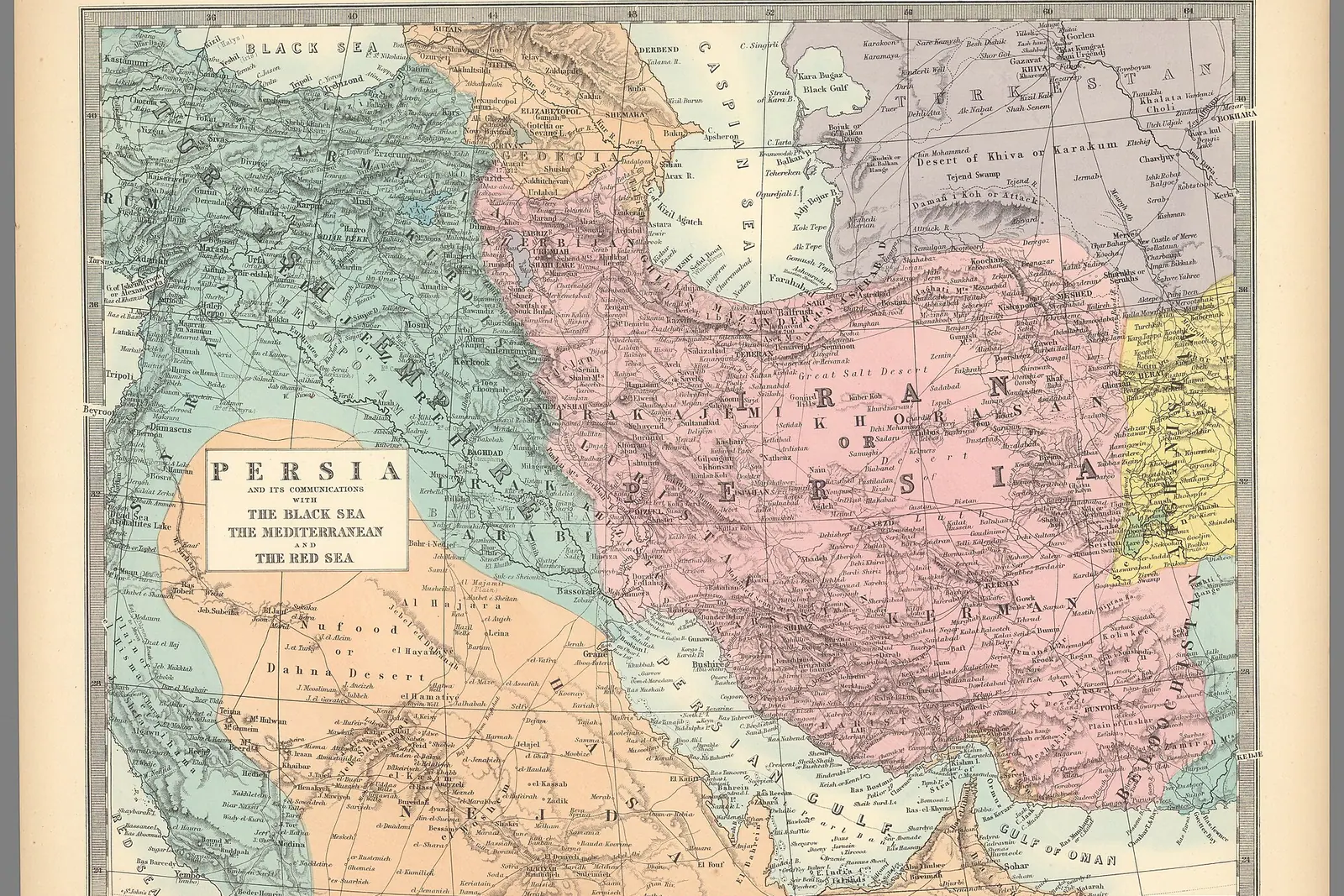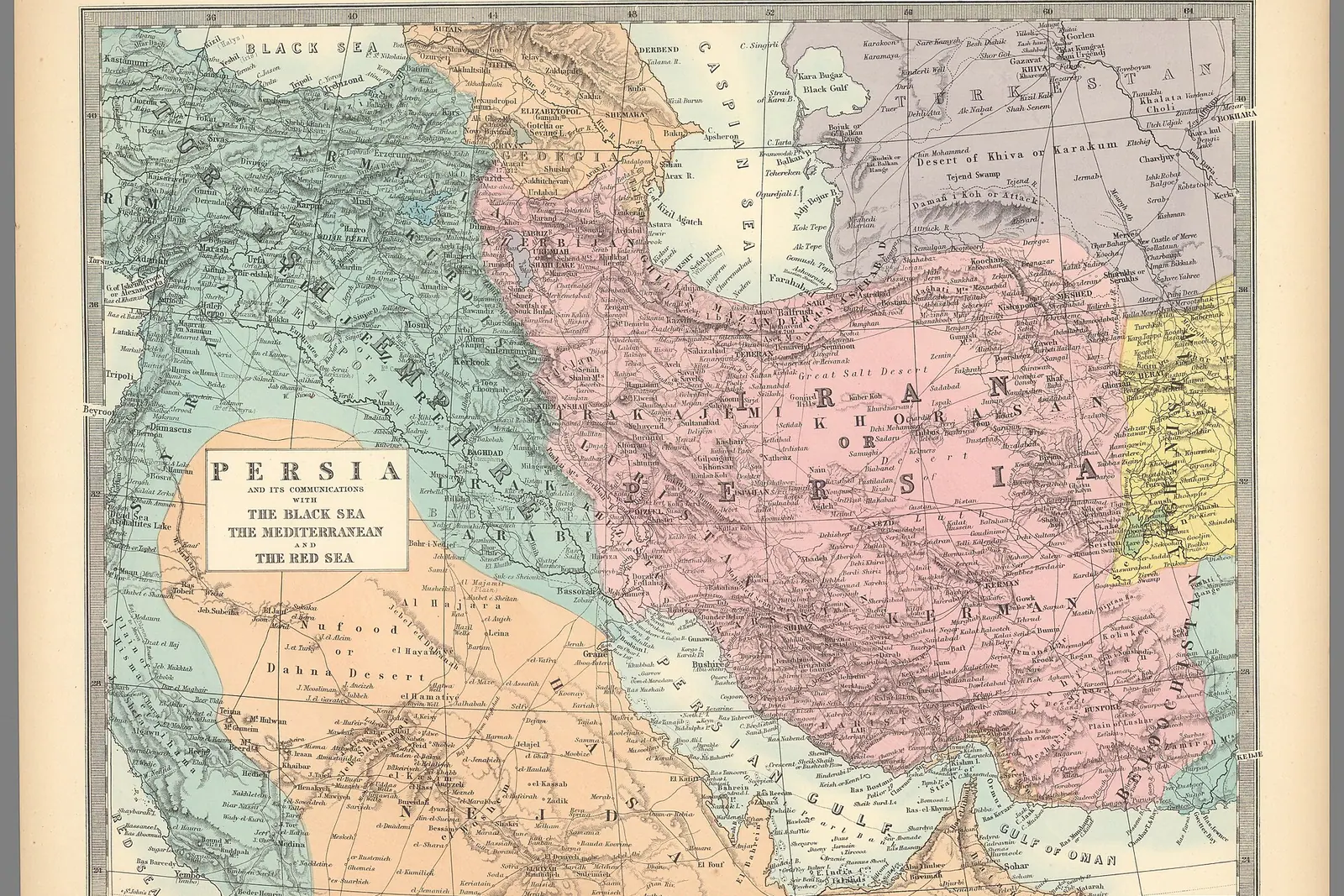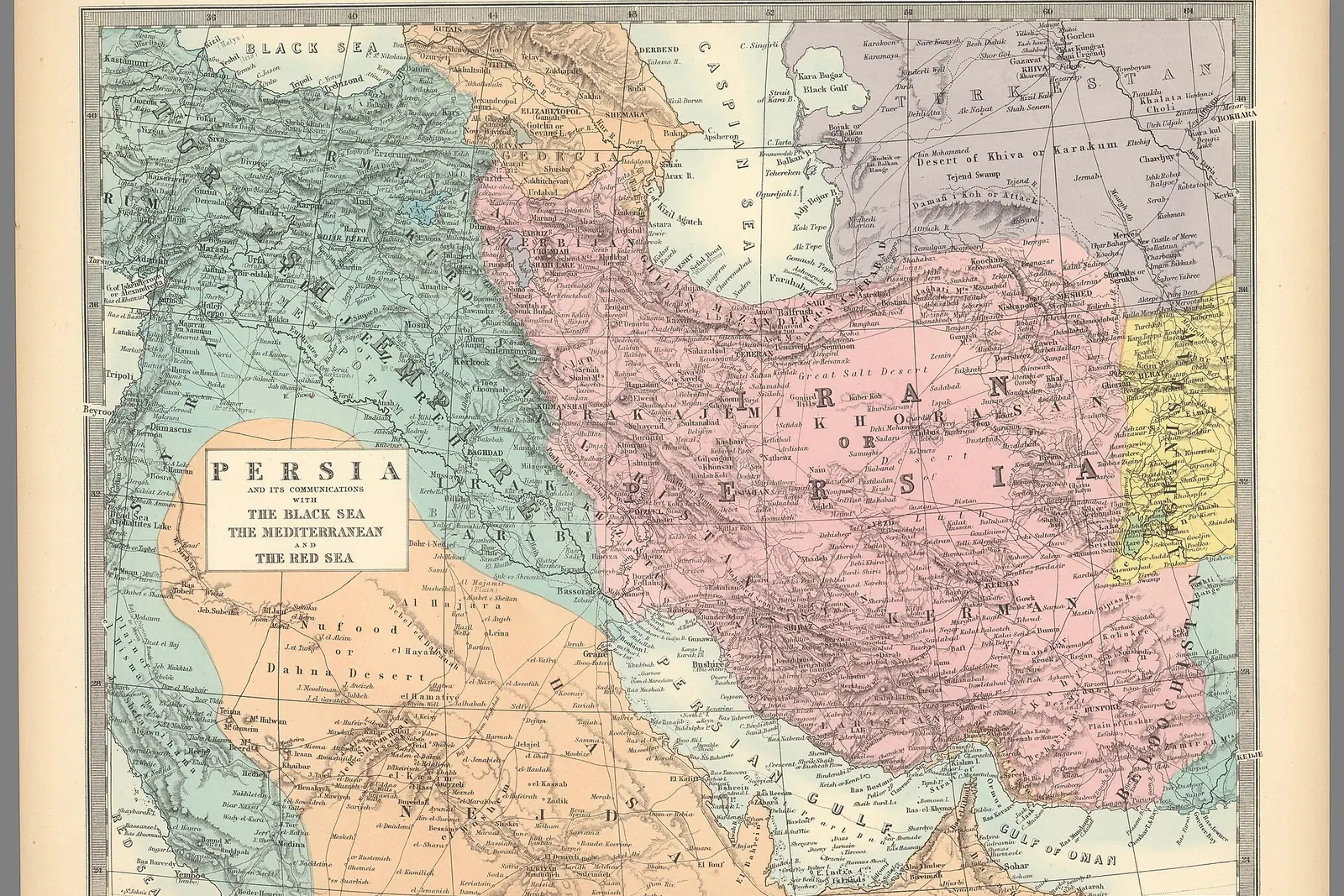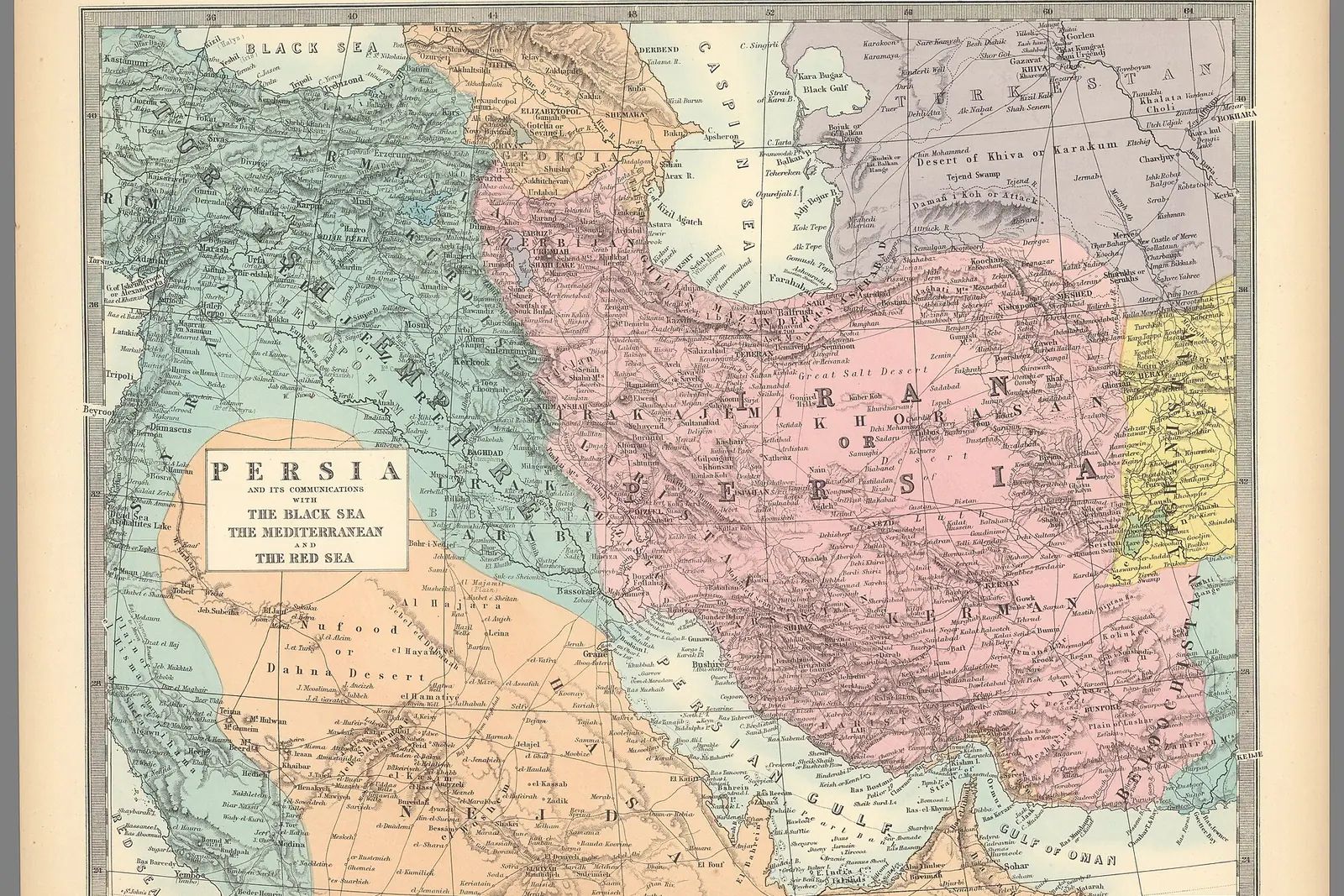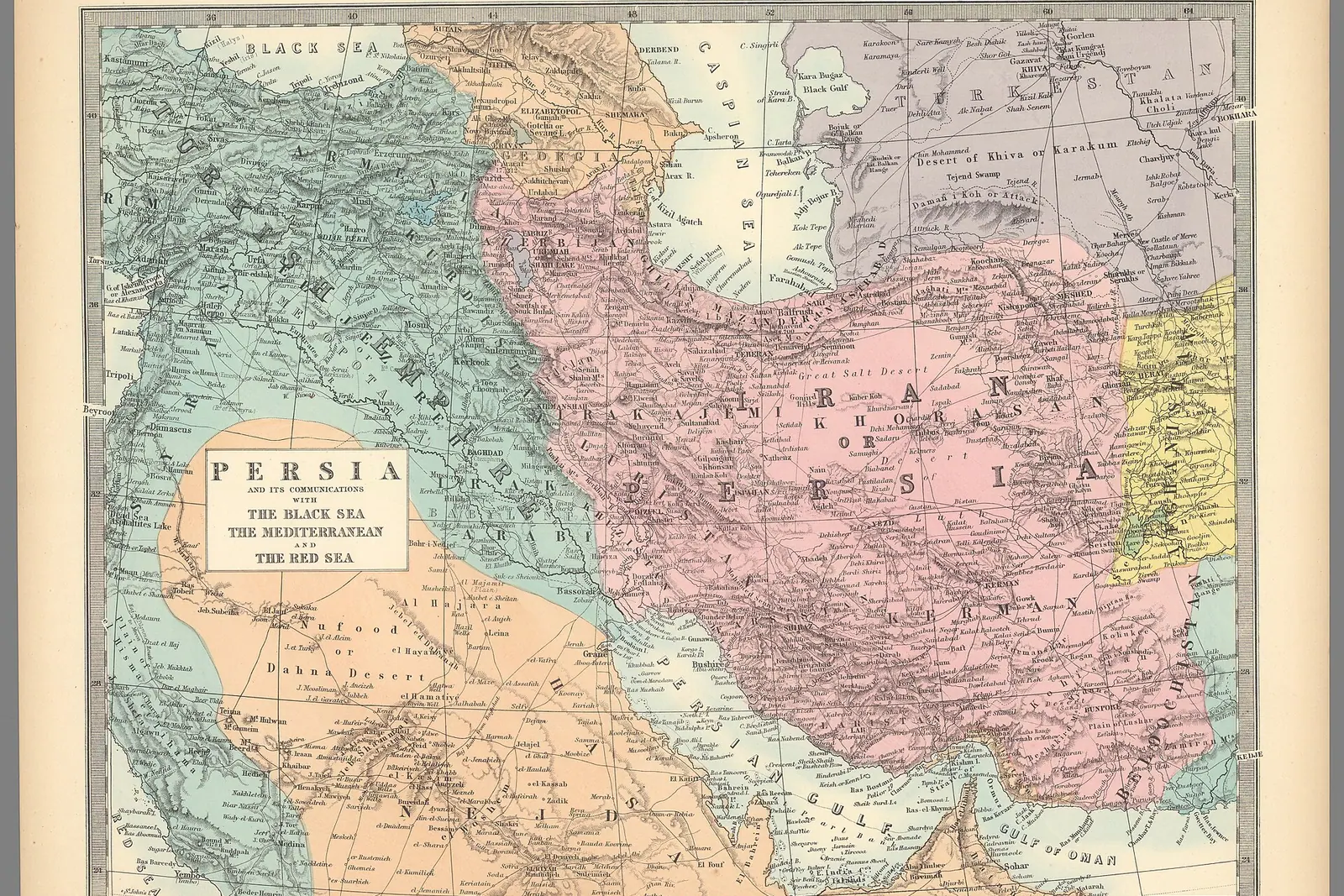
Iran is a country of tiled domes and windcatchers, of imperial ruins carved into limestone cliffs and tea houses where the samovar never quite stops. It is also far bigger than most first-time visitors expect, so the classic loop — Tehran, Shiraz, Isfahan, Yazd, the desert and out to the northwest — is the one that delivers the most history per mile. This guide maps out the places genuinely worth your days, with the seasons and logistics that make them work.
Tehran: Palaces, Bazaars and the Alborz Foothills
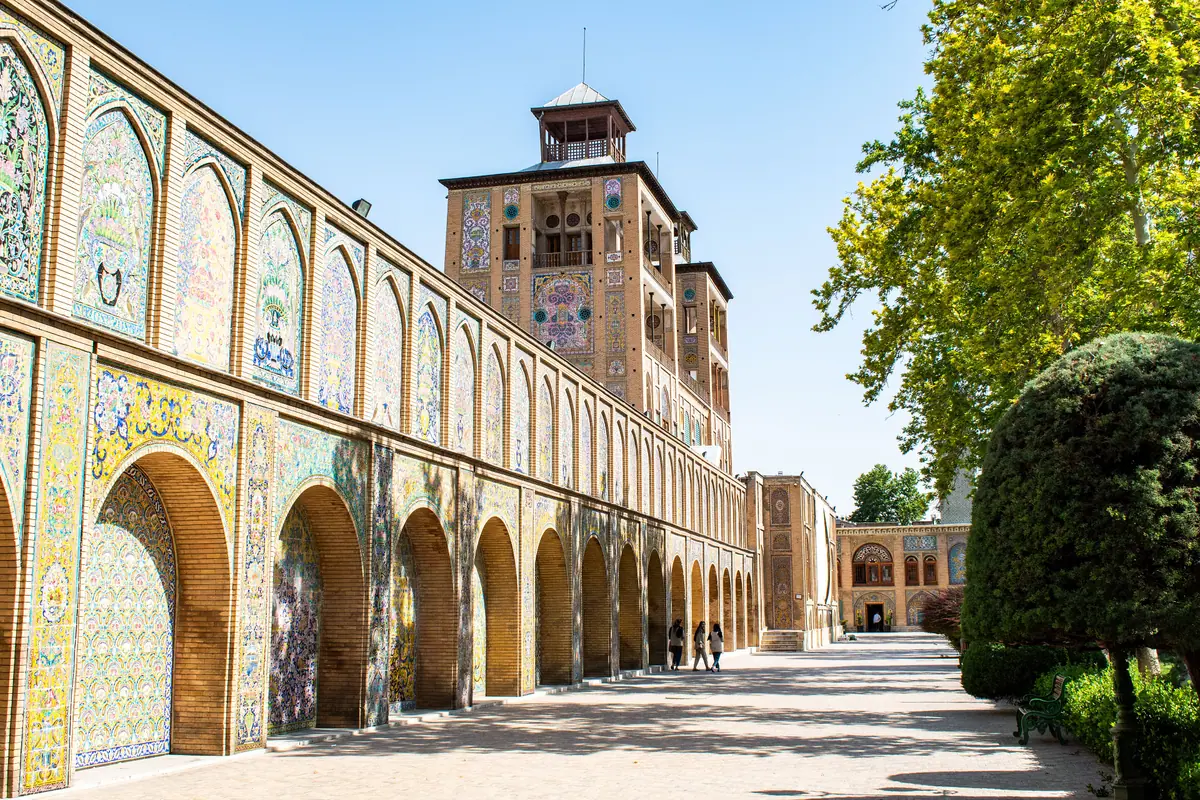
Almost every journey begins in the capital, and Tehran rewards a full two days rather than a dash between flights. Start at Golestan Palace, the Qajar-era royal complex of mirrored halls, sun-tiled facades and the marble throne terrace, then walk south into the Grand Bazaar, a labyrinth of copper-beaters, spice stalls and covered alleys that has been trading for centuries. The National Museum of Iran nearby fills in the archaeology you are about to see across the country, from Achaemenid reliefs to Sassanian silverwork.
Come late afternoon, head north to the Tabiat Bridge, a three-level pedestrian crossing that has become the city's favourite evening promenade, with the Alborz mountains turning pink behind it and Milad Tower rising to the west. If you have an extra morning, take a taxi up to Darband in the foothills, where a stream-side path of kebab houses and tea terraces climbs into the mountains — a 20-minute walk gives you cool air, mountain views and a completely different mood from the traffic below.
Tehran is also where you acclimatise to the practical realities of travel here. Women must wear a headscarf and loose clothing covering arms and legs; men should skip shorts. Foreign bank cards do not work anywhere in the country, so arrive with enough cash in euros or dollars and change money as you go. Spring and autumn are ideal; July and August are punishing, though the mountain villages an hour north stay pleasantly cool.
Shiraz and the Achaemenid Heartland
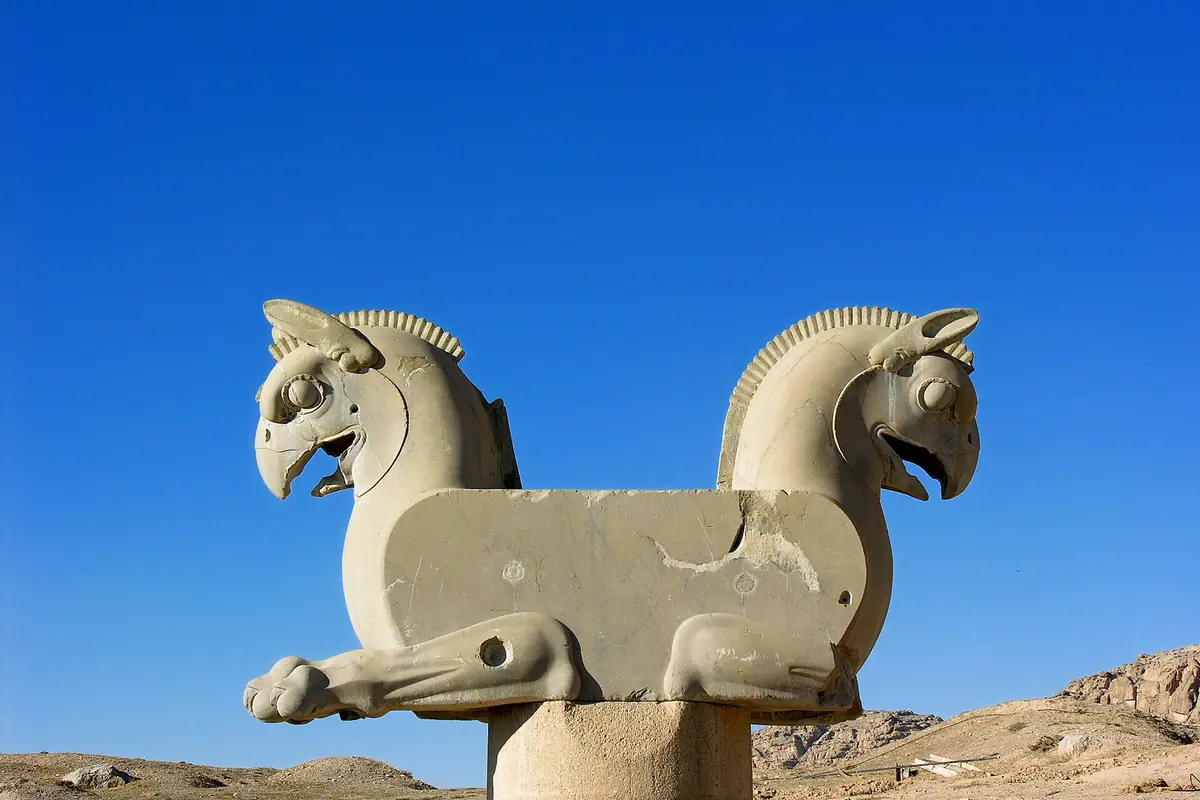
Shiraz, roughly an hour's flight or a long overnight train from Tehran, is the gateway to the greatest archaeological sites in the country. Persepolis, the Achaemenid ceremonial capital begun by Darius I around 518 BC and burned by Alexander's army two centuries later, needs at least half a day: the Gate of All Nations, the stairway reliefs of gift-bearing delegations and the towering columns of the Apadana are best in early morning light before the heat and the tour groups arrive.
Pair it with Naqsh-e Rostam, where the rock-cut tombs of Achaemenid kings sit high on a cliff face above Sassanian battle reliefs, and Pasargadae, the sparse, wind-blown site of Cyrus the Great's tomb about 90 minutes further north. Back in the city, the pink-tiled Nasir al-Mulk Mosque is at its best between 8am and 10am, when stained glass throws coloured light across the prayer hall carpets, and the walled Eram Garden offers cypress avenues and a Qajar pavilion.
Shiraz is also a city for poets and for eating. The tomb of Hafez draws families at dusk, who sit on the terrace and read aloud; the tomb of Saadi sits in a garden on the other side of town. Between them, spend an hour in the Vakil Bazaar for carpets, spices and carved wood, and eat dinner slowly — Shirazi salad, kalam polo, and faloodeh with lime juice for dessert. April, when the orange blossom opens, is the most fragrant month of the year here.
Isfahan: The Blue-Tiled Heart of Persia
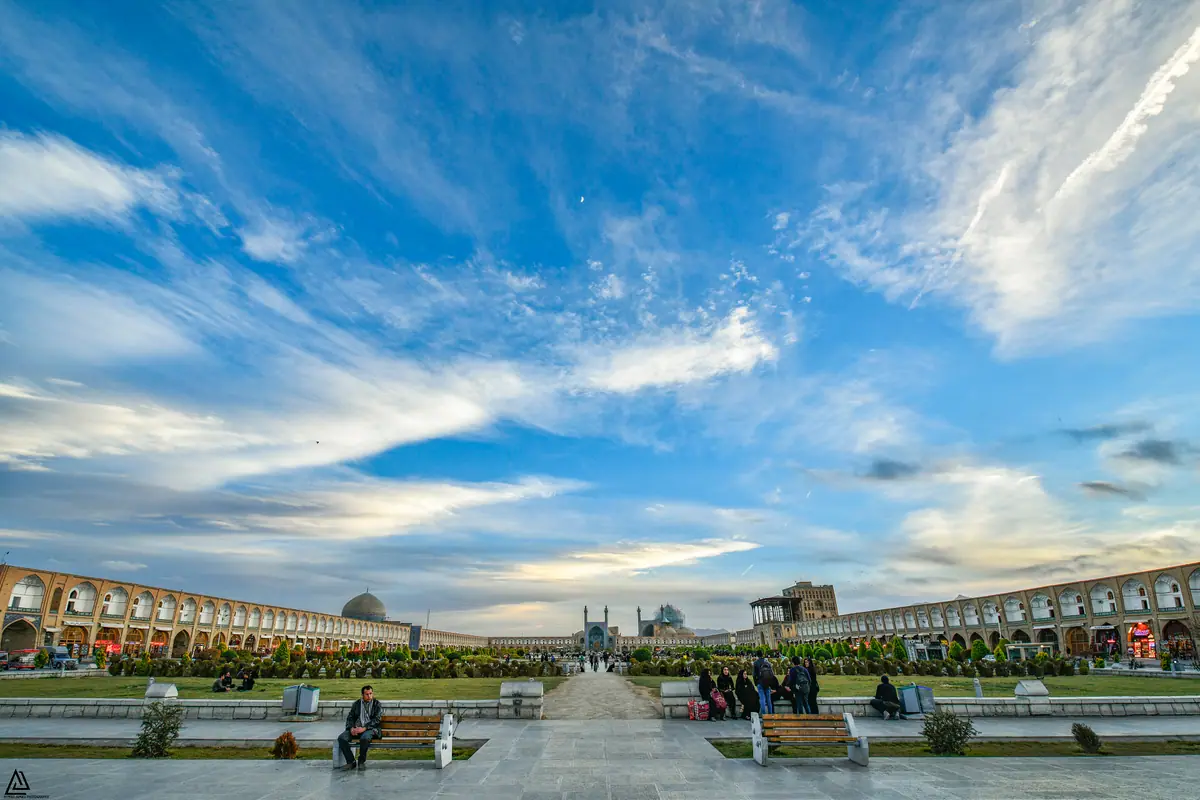
Isfahan is the place most travellers remember longest. Naqsh-e Jahan Square, a vast 17th-century plaza ringed by two-storey arcades, holds three of the country's masterpieces: the Shah Mosque, whose sapphire dome and seven-colour tilework are flawless; the Sheikh Lotfollah Mosque, smaller, quieter and arguably more beautiful inside; and the Ali Qapu Palace, with its music room of carved niches and a balcony overlooking the whole square. Give the square half a day, and return at dusk when the fountains switch on and families picnic on the grass.
Beyond the plaza, the Chehel Sotoun Palace shows off Safavid frescoes and a reflecting pool, while the Jameh Mosque, further north, compresses a thousand years of Islamic architecture into one building. Do not miss the Armenian quarter of Jolfa, where Vank Cathedral mixes Persian tilework with Armenian frescoes and the old lanes around it now hold cafes and craft shops.
Evenings belong to the river. Si-o-se Pol, the 33-arch bridge, and the older Khaju Bridge both double as public living rooms, best visited after sunset when the arches are lit and people sing under them. Isfahan is best from March to May and September to November; days are warm, evenings need a jacket, and the light on the tilework is soft. Most travellers arrive by road or rail from Tehran in four to five hours, making it an easy anchor for a week-long stay.
Yazd: Windcatchers, Fire and the Desert's Edge
Yazd is the desert city in its purest form: a dense old town of adobe lanes, domed roofs and mud-brick walls so tall and narrow that the summer heat stays in the street. Look up and you will see badgirs, the tall windcatchers that funnel breezes down into water cisterns and living rooms — the Dowlat Abad Garden has the tallest of them all, set in a walled garden of pomegranate and cypress. Use the old town as your base and simply wander; locals will stop you for tea.
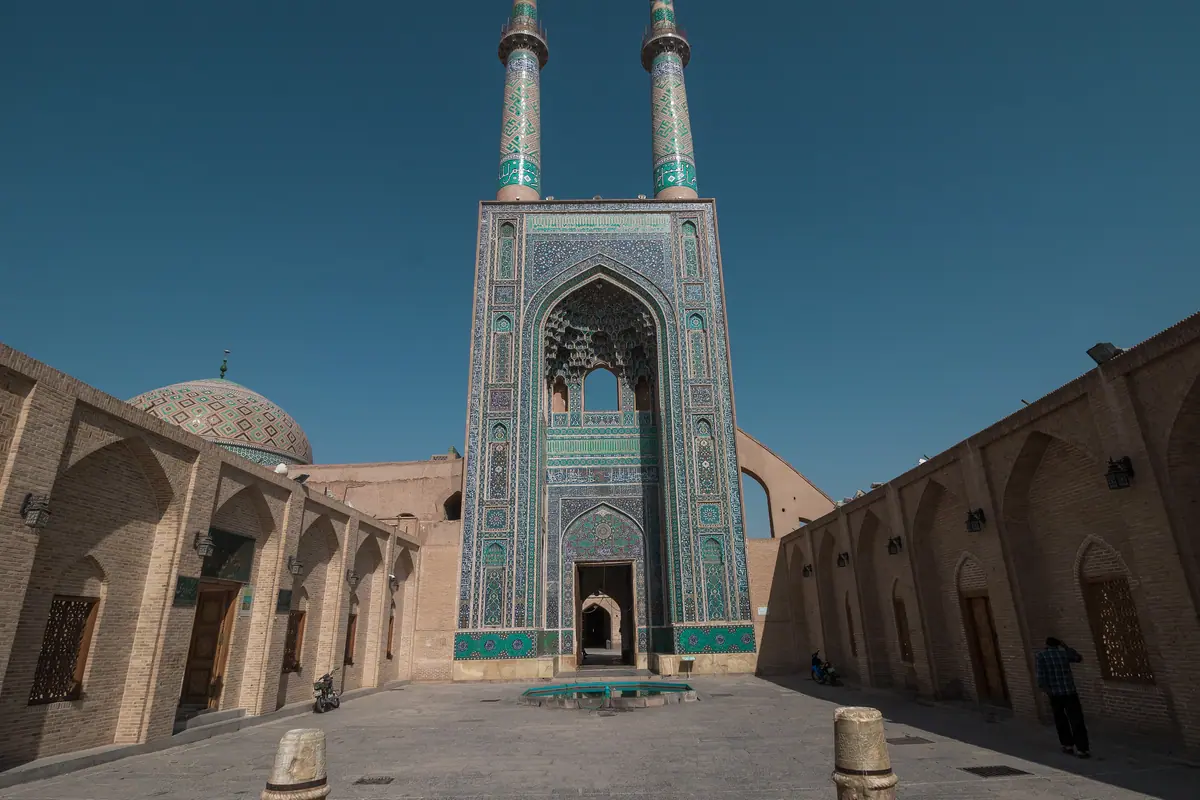
The Jameh Mosque of Yazd, crowned with a portal of blue tile and a pair of the tallest minarets in the country, is the architectural centrepiece, while the Amir Chakhmaq Complex nearby is the spot for dusk photographs, its three-storey facade lit golden against the darkening sky. On the edge of the city, the Towers of Silence sit on two barren hills where Zoroastrian funeral rites once took place; nearby, the Fire Temple keeps a flame said to have burned since the fifth century.
Yazd is also the natural springboard for the desert. About an hour north lies the Zein-o-din Caravanserai, a 16th-century silk-road stopping place with a circular courtyard that still takes overnight guests, and the abandoned mud-brick village of Kharanaq with its shaking minaret. October to April is the season here — midwinter days are crisp and bright, and by March the almond trees are out. Summers are genuinely brutal, with afternoons best spent indoors or in a qanat-fed teahouse.
Kerman and the Lut Desert: Kaluts, Gardens and Adobe Citadels
South and east of Yazd, the route through Kerman opens up some of the most surreal landscapes in the country. Kerman itself has the Ganjali Khan Complex — bazaar, bathhouse and caravanserai wrapped around a single square — plus a handsome Jameh Mosque. An hour away in Mahan, the shrine of Shah Nematollah Vali is topped with a tiled dome, and the terraced Bagh-e Shahzadeh garden rises up a hillside through cypress and water channels.
Then come the castles. Rayen Castle is a vast adobe fortress with towers and alleys that looks like a film set, while the citadel of Bam — the largest mud-brick structure of its kind in the world — is slowly rising again after the 2003 earthquake, its walls and governor's quarters partly restored. Both are best visited early, before the sun turns the clay white.
The Lut Desert beyond Shahdad is the finale: a landscape of yardangs known as kaluts, wind-carved ridges up to 70 metres tall that turn gold, then rose, then black as the sun sets. This is among the hottest places on the planet in summer, so go between November and March, travel with a local driver and a stocked vehicle, and stay overnight in a desert camp for stars that make the early alarm entirely worthwhile. Two days from Kerman is about right.
Tabriz, Kandovan and the Green Caspian North
If you have a second week, fly or take the train northwest to Tabriz, a city with a grand, vaulted historic bazaar so large it takes an hour just to walk its main spine, and the Blue Mosque, whose surviving tilework still glows turquoise after centuries of earthquakes. Outside town, the village of Kandovan is carved straight into volcanic rock cones — homes and hotels hollowed out of the stone, some still lived in by families whose orchards climb the valley behind.
The other northern direction takes you into the Alborz and the Caspian slopes. The stepped village of Masuleh, its flat roofs doubling as the streets of the houses above, is the classic stop in Gilan province, while the Alamut Valley near Qazvin climbs to the ruined cliff-top castle of the Assassins, reached by a steep hour-long walk. On the way back, the enormous brick dome of Soltaniyeh stands alone on the plain — one of the boldest pieces of Persian engineering anywhere.
The northwest and the Caspian are best from May to October, when the mountains are green, the rice terraces are flooded and the air is cool. Winters here are cold and snowy, and some mountain roads close. Wherever you end up, plan your travel days loosely: journeys by road cover ground slowly, domestic flights are inexpensive and quick, and the night trains between major cities save a hotel night while delivering you at breakfast. Ten days to two weeks covers the classic Tehran–Shiraz–Isfahan–Yazd loop comfortably; add five days for the desert castles, or a week for the north.
Frequently asked questions
When is the best time to visit Iran?
Spring (March to May) and autumn (September to November) are ideal across most of the country, with mild days and cool evenings. Nowruz, the Persian New Year in late March, is spectacular but means packed domestic transport and higher hotel rates, so book well ahead. For the desert regions around Yazd and the Lut, aim for November to March. Summer is best reserved for the cooler mountains of the north and west.
How many days do I need for the classic route?
Ten days to two weeks is comfortable for Tehran, Shiraz (with Persepolis and Pasargadae), Isfahan and Yazd, including travel days. Add three to four days for Kerman, Rayen, Bam and the Lut Desert, or about a week more if you want Tabriz, Kandovan and the Caspian villages. Internal flights between Tehran, Shiraz and Tabriz save long drives, and overnight trains connect Tehran with Yazd and Kerman.
What should I know about dress and etiquette?
Women are required by law to wear a headscarf and loose clothing that covers arms and legs; a light manteau or long shirt and trousers work well in most seasons. Men should avoid shorts. Beyond clothing, Iranians are famously hospitable — accepting tea when it is offered, removing shoes when entering a home, and asking before photographing people all go a long way.
Can I use my bank cards in Iran?
No — foreign credit, debit and ATM cards do not work inside the country, so bring enough cash in euros or US dollars to cover your whole trip, plus a little contingency. Change money at exchange offices or your hotel, keep a mix of note sizes, and budget separately for driver-guides and desert excursions, which are usually paid in cash.
Do I need a visa, and how do I get around?
Most nationalities need a visa, and the rules differ by passport and change from time to time, so arrange it before departure or confirm your eligibility for a visa issued at a major airport. Once in the country, domestic flights, night trains and comfortable long-distance buses link the main cities, while private drivers are the easiest way to reach Persepolis, the desert caravanserais and the Lut.