Greece packs an entire civilisation into a coastline you can sail, a mountain range you can hike and island villages that still smell of thyme and salt. Whether you come for the Parthenon at dawn, a sunset over the Santorini caldera or a bowl of octopus in a harbour with no name, the country rewards travellers who look past the postcard. Here are the landmarks and experiences worth building a trip around.
Athens: The Acropolis and the Ancient City Beneath It
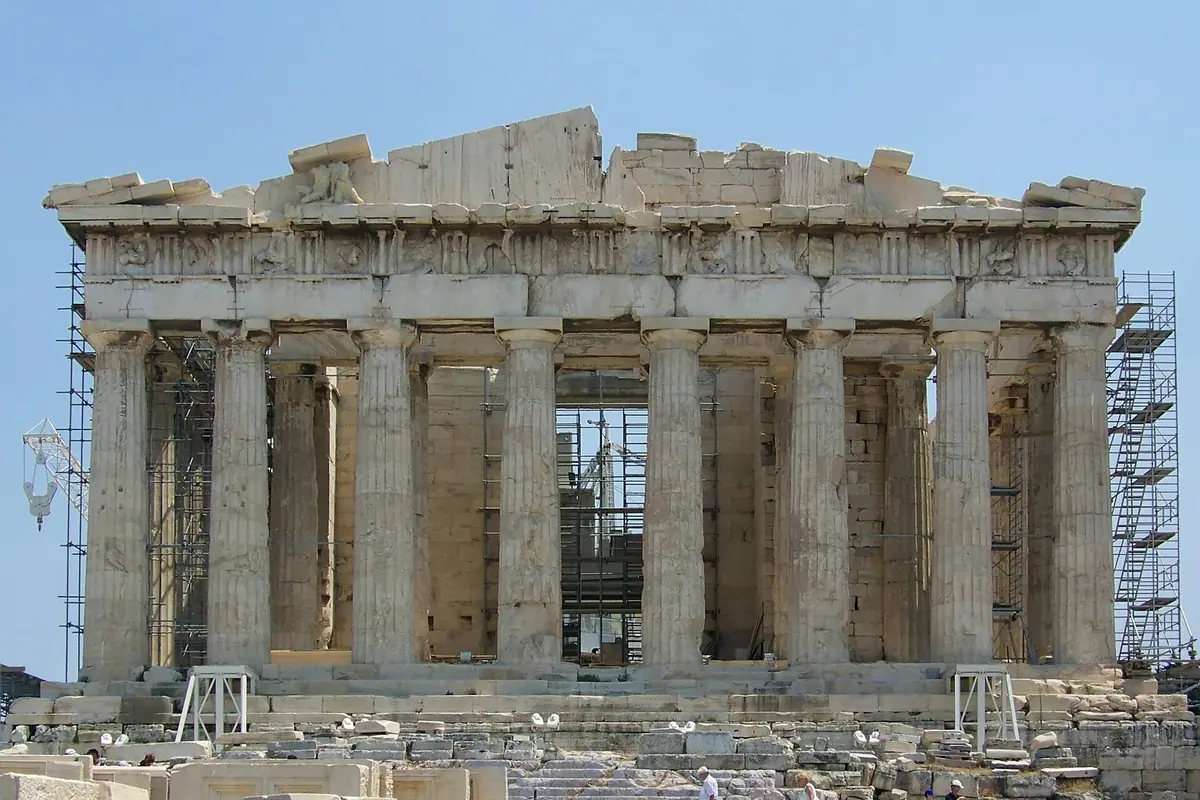
Almost every Greek journey starts on the Acropolis, the limestone plateau that has watched over Athens for more than two and a half thousand years. You enter through the Propylaia gateway and step onto the plateau itself, where the Parthenon's columns still frame the sprawl below, the Erechtheion carries its five Caryatid maidens on the southern porch, and the compact Temple of Athena Nike perches on the bastion edge. Go at opening time in summer, when gates swing wide around 8am, or in the final two hours before closing — by mid-morning the marble throws heat and the tour groups arrive in waves.
At the foot of the rock, the Acropolis Museum is worth a full two hours: glass floors reveal excavated streets below your feet, the original Caryatids stand in a climate-controlled gallery, and the top floor mirrors the Parthenon's dimensions while framing the real temple through a wall of windows. Afterwards, walk the Ancient Agora, where the Temple of Hephaestus is the best-preserved Doric temple in the country, then continue past the Roman Agora and Hadrian's Library to the Temple of Olympian Zeus and Hadrian's Arch, once the boundary between the old city and the new.
Save an evening for the neighbourhoods. Plaka's stepped lanes and the tiny Cycladic-style houses of Anafiotika sit directly beneath the Acropolis, while Monastiraki buzzes around its flea market and the food streets near the central produce market. For the classic view, ride the funicular up Lycabettus Hill, the highest point in the city, or drive 70km south to Cape Sounion, where the Temple of Poseidon stands on cliffs above the Aegean — time it for the last hour of light.
Delphi, Meteora and the Great Sanctuaries of the Mainland
Roughly three hours northwest of Athens, terraced into the slopes of Mount Parnassus, Delphi was once considered the navel of the world. You follow the Sacred Way past the Treasury of the Athenians to the Temple of Apollo, where the Pythia delivered her famously ambiguous prophecies; above it sit the theatre and the stadium, and below, at Marmaria, the elegant circular tholos of Athena Pronaia. Budget two to three hours for the site and its museum, which holds the bronze Charioteer of Delphi and the Siphnian Treasury frieze. The mountain air is noticeably cooler than the coast, so keep a layer handy and base yourself in nearby Arachova.
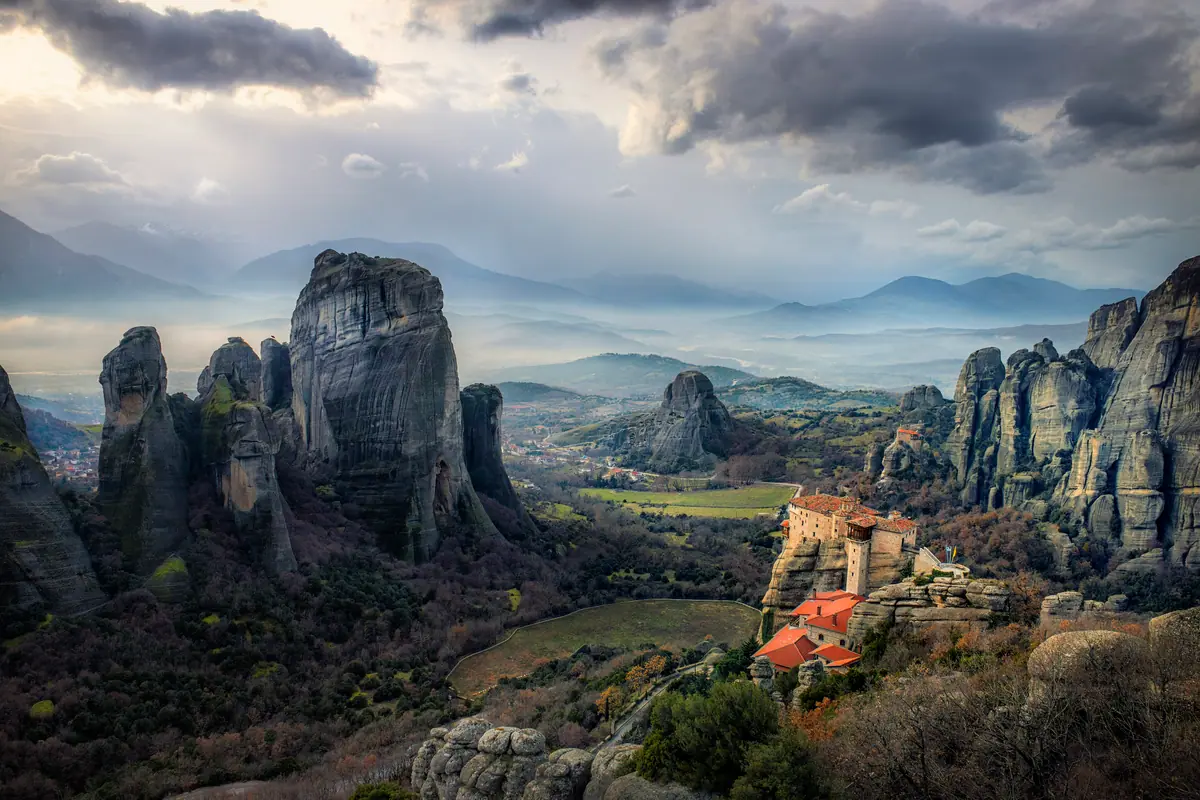
Further north in Thessaly, Meteora is the image that converts sceptics: sandstone pillars rising hundreds of metres, with working monasteries balanced on their summits. The Great Meteoron is the largest, with a museum and the widest views; Varlaam and Rousanou (home to a small community of nuns) are among the most photogenic, and Agia Triada requires a climb of cut stone steps. Expect a modest dress code at every entrance — shoulders and knees covered, with wraps usually provided at the door. Each monastery keeps its own weekly closing day, so check locally as you plan, and stay overnight in Kalambaka or Kastraki to catch sunrise from the Psaropetra viewpoint.
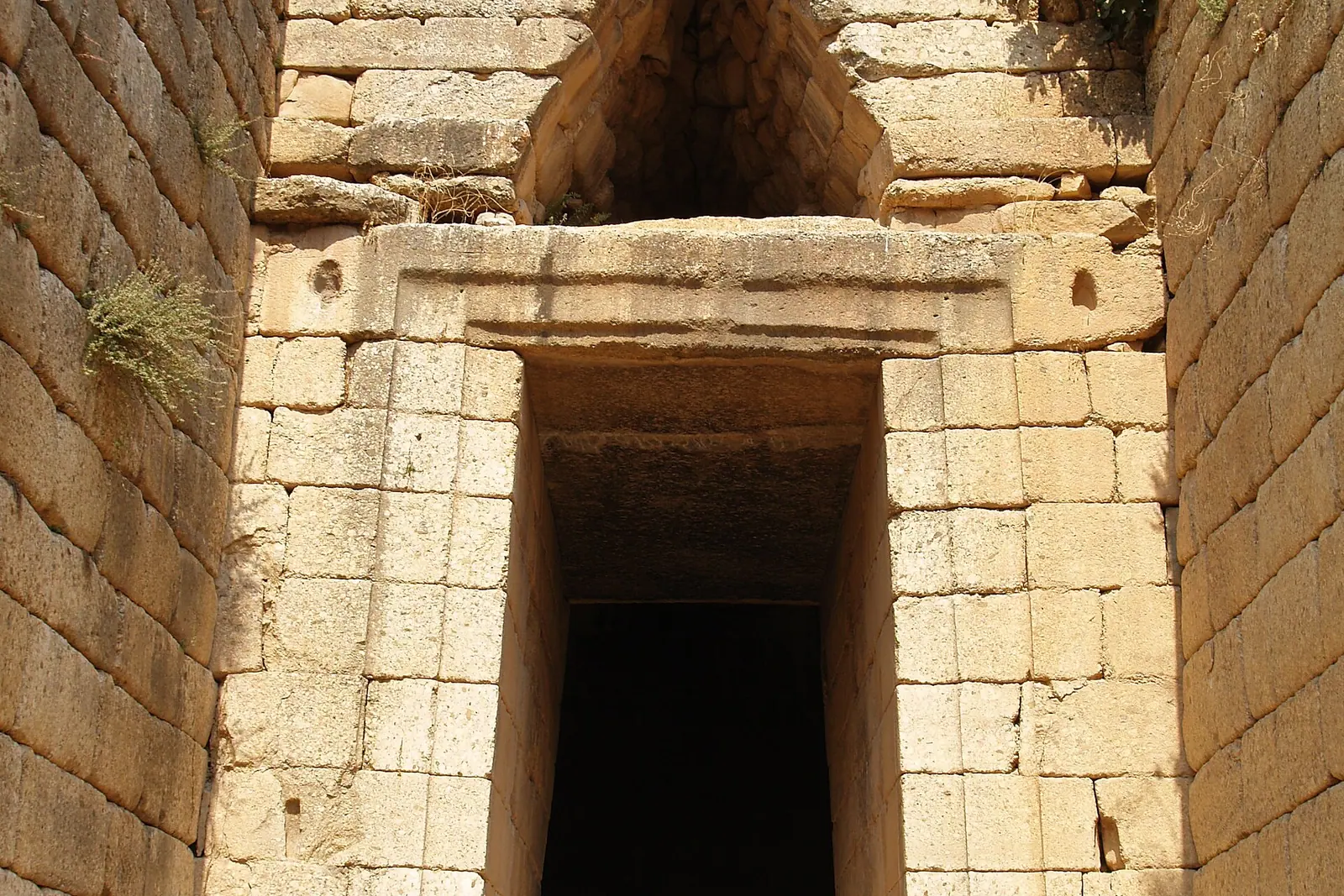
The mainland also holds the Peloponnese's heavyweights: the Lion Gate and beehive tombs of Mycenae, the theatre of Epidaurus with its 14,000 seats and unnerving acoustics, and Ancient Olympia, where the stadium's starting line still runs for 192 metres. All three sit within a comfortable loop from Nafplio, and each deserves at least an hour and a half on site.
Island Icons: Santorini, Mykonos and Ancient Delos
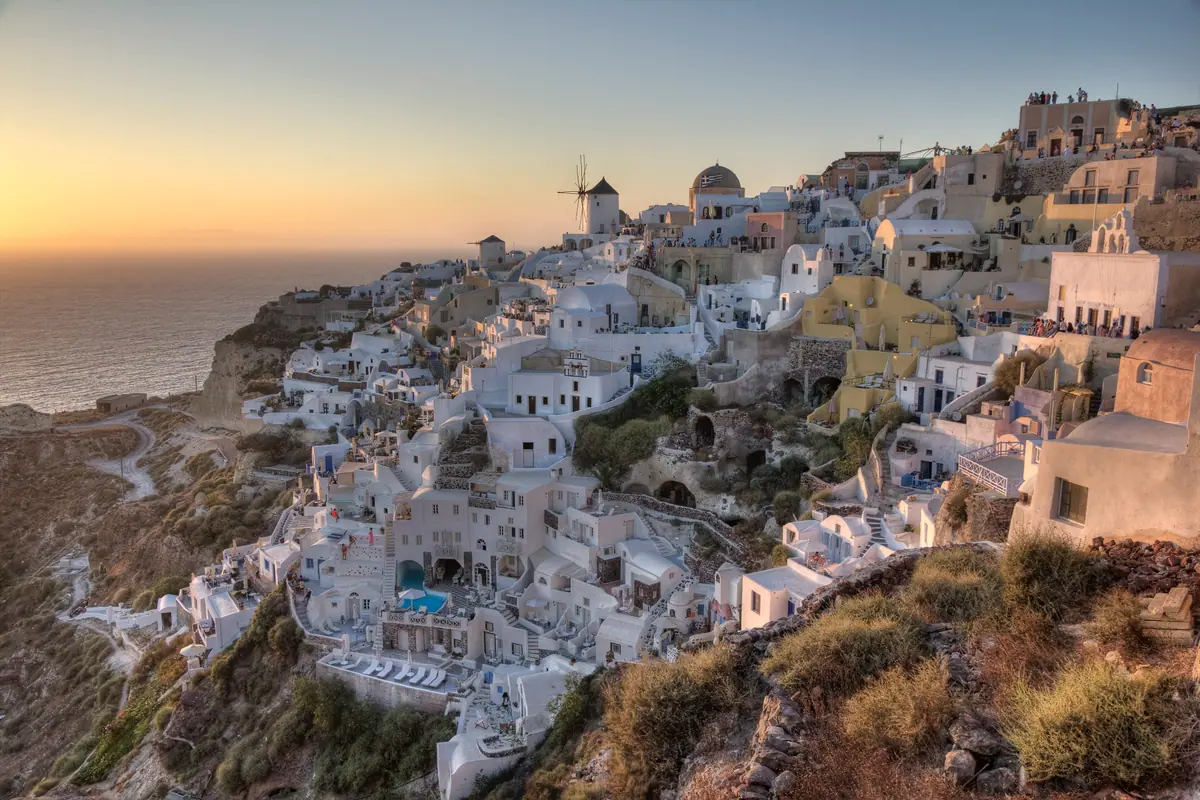
Santorini's caldera rim is the country's most photographed landscape, and the best way to meet it is on foot. The cliff path from Fira through Imerovigli to Oia runs about 10km and takes two and a half to three hours at an easy pace, ending in the village where the famous sunset draws the crowds. Arrive in Oia at least 90 minutes early, or watch from the caldera side of Imerovigli instead, where you get the same colour with a fraction of the elbows. Below the villages, the excavation at Ancient Akrotiri preserves a Bronze Age town buried in volcanic ash, complete with multi-storey buildings and wall paintings, while Red Beach and the black sands of Perissa and Kamari round out the island's geological oddity. Boat trips out to the still-smouldering islet of Nea Kameni and its hot springs are a half-day well spent.
From Mykonos, the short boat crossing to Delos is the trip most visitors remember. Myth holds it as the birthplace of Apollo and Artemis; history left behind a whole uninhabited sacred island of sanctuaries, the Terrace of the Lions, the mosaic-floored House of Dionysos and a museum of finds. There is no accommodation and very little shade, so take the earliest crossing of the day, carry water and wear a hat. Back in Mykonos town, the Kato Mili windmills, Little Venice and the whitewashed bulk of Panagia Paraportiani make a fine late-afternoon wander.
Beyond the famous two, the Cyclades keep unfolding. Naxos gives you the Portara, a colossal marble gateway on its own islet, plus Mount Zas for hikers; Paros has the hundred-doored church of Panagia Ekatontapylaki and the fishing-harbour charm of Naoussa; Milos offers the moonscape of Sarakiniko and sea caves reached only by boat; and quiet Folegandros and Sifnos suit anyone who wants taverna life without the queues.
Crete: Minoan Palaces, Venetian Harbours and Wild Gorges
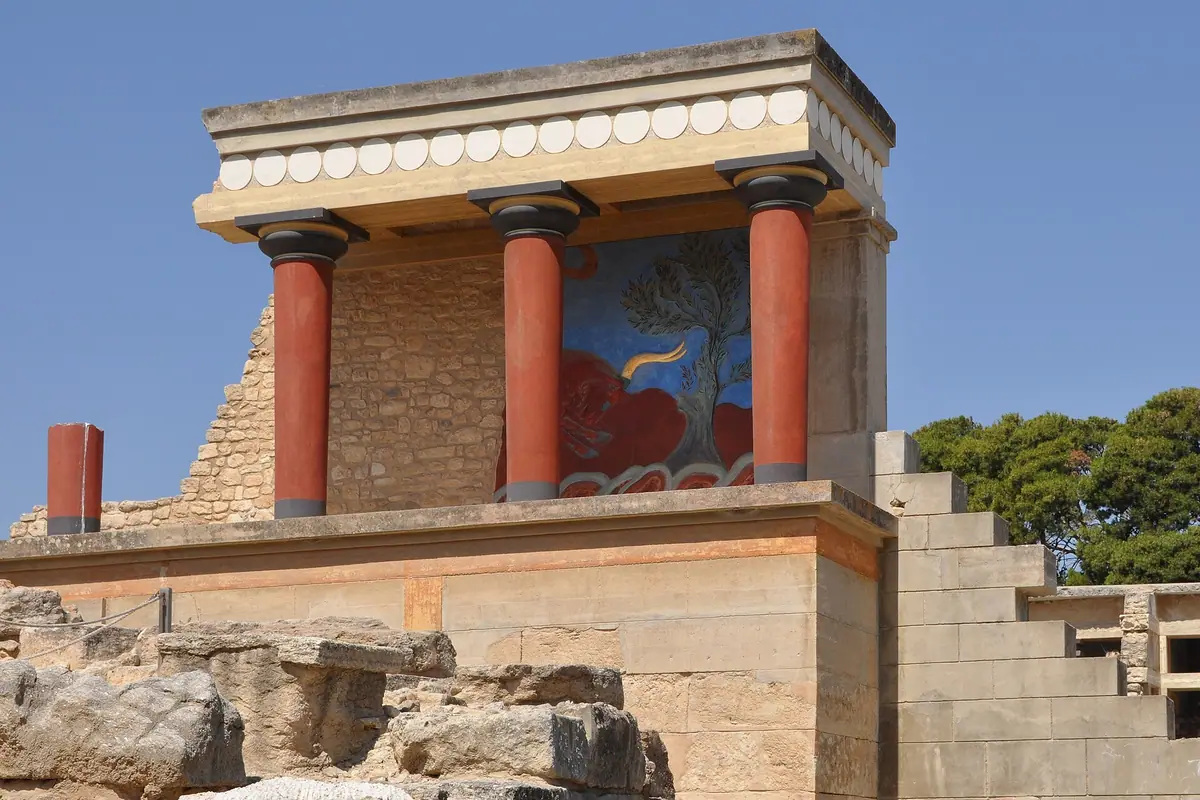
Crete is a country within a country, and its headline sight is the Palace of Knossos, a few kilometres outside Heraklion. This was the heart of Minoan civilisation: a sprawling complex of courtyards, storerooms, the Throne Room and a grand staircase, decorated with frescoes of bull-leaping and processions. It gets hot and shadeless by late morning, so go early, then spend the afternoon in the Heraklion Archaeological Museum, where the originals — the bull-leaping fresco, the snake goddess figurines and the enigmatic Phaistos Disk — are displayed with real clarity. The lesser-visited palaces at Phaistos and Malia give you the same story without the crowds.
Western Crete is a different mood. Chania's Venetian harbour, ringed by restored arsenals and a lighthouse at the end of the breakwater, is made for slow evenings, and Rethymno's Fortezza and old lanes are equally rewarding. Inland, the Samaria Gorge is the island's great walk: a 16km descent from the Xyloskalo plateau to the coastal village of Agia Roumeli, taking five to seven hours and usually open from May to mid-October. Buses leave Chania before dawn, and you finish with a swim before the boat back. Shorter alternatives include the Imbros and Kourtaliotiko gorges.
Along the coasts, Balos lagoon and the island of Gramvousa are reached by boat from Kissamos, Elafonissi's pink-tinged sand shelves into shallow turquoise water, and the former leper colony of Spinalonga sits offshore from Elounda. Wind down on the Lasithi Plateau with its windmills, or at the palm forest of Vai in the far east.
The Peloponnese and the Ionian Coast
The Peloponnese delivers some of the country's most satisfying days out. Nafplio, Greece's first capital, is all marble pavements and bougainvillea, watched over by the vast Palamidi fortress at the top of some 999 steps — climb in the early morning or late afternoon. A tiny boat shuttles out to the Bourtzi islet, and the beaches at Tolo and Karathona are within easy reach. Inland, the ghost city of Mystras spills down a hillside in Byzantine churches and frescoes, while Monemvasia is a fortified rock you enter through a single gate, with lanes that empty of day-trippers by evening. Voidokilia, a near-perfect omega of sand near Pylos, is worth the detour.
Corfu's old town is a UNESCO-listed maze of Venetian alleys, arcaded squares and the French-built Liston, with the Old Fortress and the Achilleion palace on the edges. Further south, Zakynthos hides the shipwreck of Navagio on a white-cliff cove — landing access has been restricted in recent years because of rockfalls, but the clifftop viewpoint above the rusting hull is reliable. Kefalonia counters with Melissani Cave, an underground lake best visited around midday when sunlight turns the water electric blue, plus the long sweep of Myrtos Beach and the pretty harbour of Assos. Lefkada's Porto Katsiki and Egremni round off the Ionian's greatest hits.
When to Go and How to Move Between the Islands
Greece rewards shoulder seasons. Mid-May to mid-June and September to mid-October bring sea temperatures around 22–25°C, workable crowds and dependable ferry schedules. July and August mean 35°C afternoons, packed beaches and premium accommodation; the meltemi winds keep the Cyclades breezy but can occasionally delay sailings. Winter belongs to Athens and the mainland — archaeological sites are gloriously quiet and city hotels are cheap — but many island tavernas and guesthouses shut, and inter-island routes thin out dramatically, so check connections before committing.
Ferries leave for the islands from Piraeus and Rafina near Athens, with high-speed catamarans cutting travel time and conventional ferries offering deck space and lower fares. Book July and August crossings well ahead, and remember that island hopping works best when you follow one chain rather than crisscrossing the Aegean. Overnight boats run to Crete from Piraeus, saving a night's accommodation. Internal flights link Athens with Crete, Santorini, Mykonos, Rhodes and Corfu when time is short.
Finally, travel the way Greeks do. Dinner rarely starts before 9pm, tavernas serve half portions of everything, and a village panigyri — a saint's-day festival with music and grilled lamb — is the best free entertainment you will find. Cover shoulders and knees at monasteries, keep cash for small islands, and never climb on ancient stone: it is both fragile and, at many sites, forbidden. Carry water, a hat and sturdy shoes, because Greece's greatest sights are almost always reached on foot.
Frequently asked questions
How many days do I need in Greece?
For a first trip, allow 10 to 14 days: three or four nights in Athens for the Acropolis, the museum and a day trip to Cape Sounion or Delphi, then two to three nights each on two islands plus travel time. If you add the mainland's Meteora or the Peloponnese's Mycenae, Epidaurus and Nafplio, stretch it to two full weeks. Anything shorter becomes a scramble between ports.
What is the best time of year to visit Greece?
Mid-May to mid-June and September to early October offer the sweet spot: warm sea, open ferries, comfortable walking temperatures and fewer crowds. July and August are hottest and busiest, with meltemi winds on the Cyclades. Winter suits city breaks and mainland archaeology, but many island businesses close and ferry routes are reduced.
Is island hopping in Greece easy to organise?
Yes, if you plan around ferry timetables rather than the map. Pick one group of islands — the Cyclades, the Dodecanese or the Ionian — and move through it in a line, using Piraeus or Rafina as your starting point from Athens. High-speed catamarans shorten crossings; conventional ferries are slower but more comfortable in wind. Reserve July and August sailings in advance.
Which Greek islands suit first-time visitors?
Santorini for caldera drama and the Akrotiri excavation, Mykonos for beaches and the day trip to ancient Delos, Crete for Minoan palaces, Venetian harbours and the Samaria Gorge, and Naxos or Paros for a slower, cheaper Cycladic rhythm with good food and family-friendly sand. Corfu and Kefalonia are the easiest Ionian introductions.
Do I need to book archaeological sites in advance?
For the Acropolis and Knossos in peak summer, timed entry slots are strongly advised because daily numbers are capped and midday queues are long. Most other sites — Delphi, Olympia, Mycenae, Epidaurus, Ancient Akrotiri — can usually be visited on arrival, but go early or late to avoid heat and coach groups. Many sites close earlier in winter, so check local opening hours the day before.
Plan it — experiences in Greece
Live search, booked directly with trusted providers.
Sort the rest of your trip
Everything for Greece, in one place
Stay in Greece
Hotels, guesthouses and apartments — compared in one search.
Search hotels
Transfer in Greece
Private driver waiting on arrival — no queues, no surprises.
Book a transfer
Stay online in Greece
Travel eSIM — data the moment you land, no roaming bills.
Get an eSIMMore guides in Greece
Greek Food, Culture and Local Experiences: A Tour of Greece Worth Taking

Where to Stay in Greece: Hotels by Region and the Must-See Sights Nearby

One Week in Greece by Plane: Athens, Santorini and Crete Itinerary

One Week in Greece by Flight: An Island-Hopping Itinerary

Best Activities in Greece: From the Acropolis to the Santorini Caldera