Greece is a country where your hotel choice quietly shapes the whole trip: a rooftop room facing the Acropolis, a whitewashed cave suite carved into a caldera rim, or a stone guesthouse under the monasteries of Meteora. Pick the right base and the great sights — the Parthenon, the Venetian harbour of Chania, the oracle at Delphi — fall into easy day-trip distance.
Athens: Sleeping in the Shadow of the Acropolis
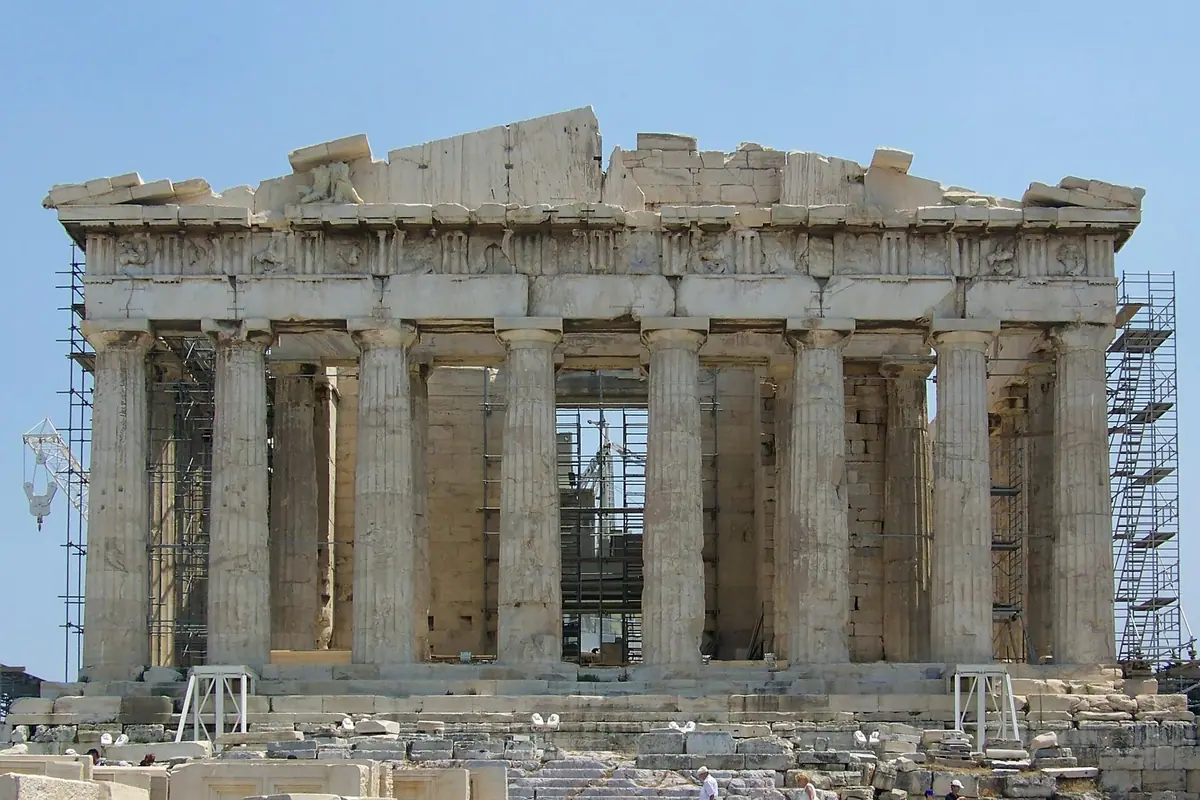
Most journeys begin in Athens, and the city rewards more than a single night. The classic base is Plaka, the old neighbourhood of neoclassical houses and jasmine-draped lanes that sits directly beneath the Acropolis rock — you can walk to the Parthenon's gateway in fifteen minutes. Just west, Monastiraki and Psyrri put you beside the Ancient Agora, the flea market and a dense cluster of rooftop bars; Koukaki, south of the Acropolis Museum, offers better value and a local, residential feel; while Kolonaki, under the pine-covered slope of Mount Lycabettus, suits anyone who wants quiet streets, galleries and serious shopping.
Wherever you stay, the essential sights are within a compact radius: the Acropolis and its Parthenon, the superb Acropolis Museum at its foot, the Ancient Agora and Temple of Hephaestus, the Temple of Olympian Zeus, the Panathenaic Stadium, and Syntagma Square, where the changing of the guard draws a small crowd every hour. Ride the funicular up Mount Lycabettus at dusk for the best panorama in the city, with the lit Acropolis at eye level.
Plan two or three nights, and treat the heat seriously — July and August regularly push past 35°C. Book an Acropolis-view rooftop for at least one evening, then visit the archaeological sites at opening time, when the marble is cool and the tour groups have not yet arrived. Spring and autumn are comfortably the best months for a city stay.
Santorini, Mykonos and the Cyclades: Cave Suites and Caldera Views
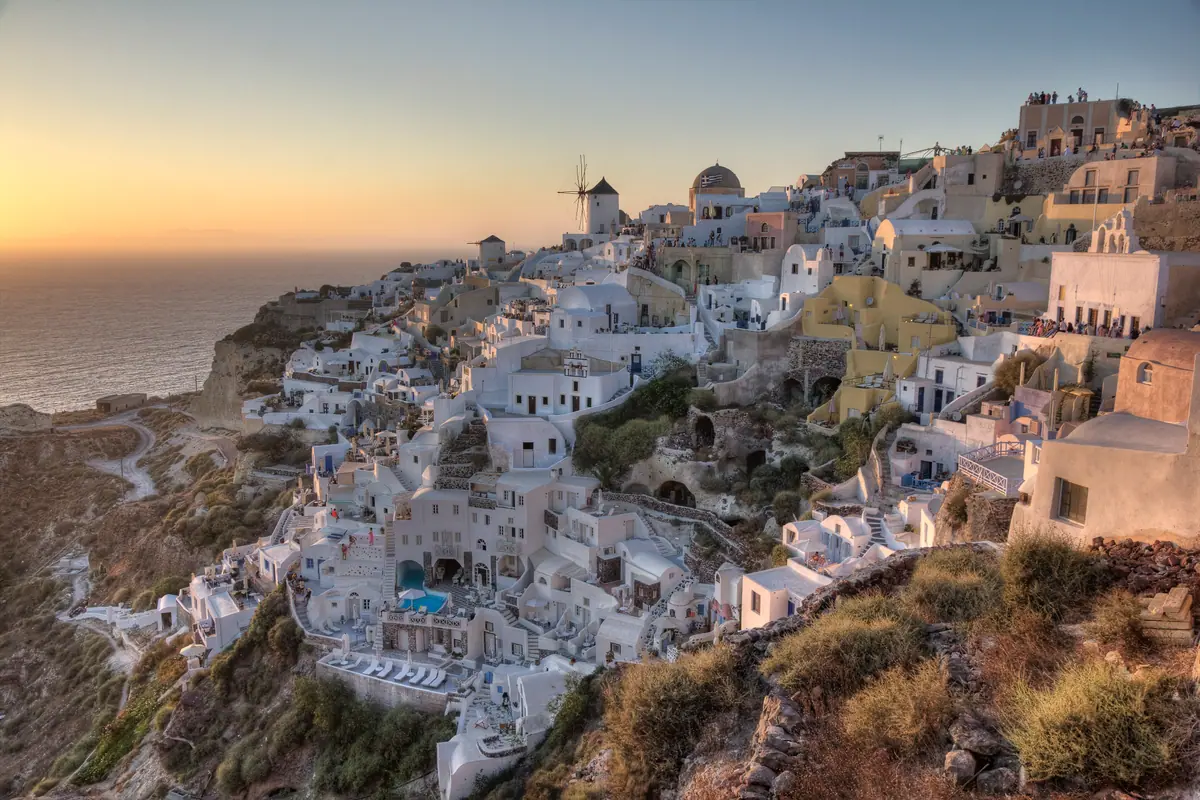
The Cyclades are the reason many people come to Greece at all, and Santorini sets the benchmark. Hotels are built into the volcanic cliff between Fira, Imerovigli and Oia — whitewashed cave rooms, plunge pools cantilevered over the water and terraces angled at the sunset. Oia's ruined castle is the famous sunset spot, but Imerovigli, the so-called balcony of the island, sees the same sun with fewer elbows. Spend three or four nights: one for the Fira-to-Oia cliff walk (roughly three hours at an easy pace), one for the archaeological site at Akrotiri and the black-sand beach at Perissa or the red cliffs near Akrotiri, and one simply for the caldera.
Mykonos trades tranquillity for energy. Stay in Mykonos Town to be near the windmills of Kato Mili, the tiny waterfront quarter of Little Venice and the whitewashed Paraportiani church, or choose Ornos, Platis Gialos or Agios Stefanos if you want a beach on your doorstep and a short bus or boat ride into town. A morning ferry to Delos, the sacred island where Apollo was said to be born, is one of the finest half-days in the Aegean.
Other islands deserve the same attention. Naxos offers the marble Portara gateway and long sandy beaches; Paros has the fishing-harbour charm of Naoussa; Milos hides the moonscape of Sarakiniko; Folegandros and Sifnos stay quiet even in high season. On all of them, book cave rooms and caldera views months ahead for June through September, and remember that August brings the strongest meltemi winds — beautiful for sailors, occasionally disruptive for ferries.
Crete: Venetian Harbours, Palaces and Pink Sand
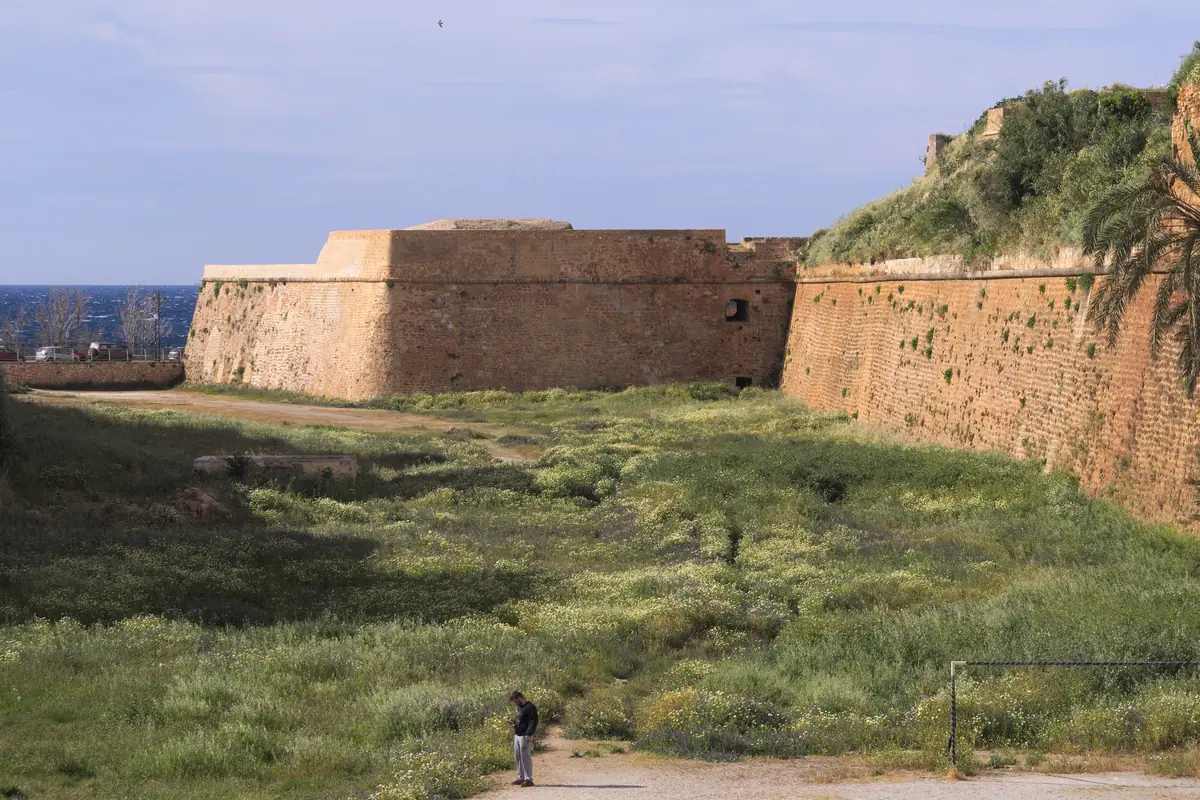
Crete is large enough to be a holiday in itself, and its hotels split naturally between the island's four corners. Heraklion, the capital, is the practical base for the Palace of Knossos and the exceptional Archaeological Museum, both easily done in a day. Chania, in the west, is the romantic choice: hotels occupy restored Venetian townhouses around the old harbour, where the Egyptian lighthouse marks the entrance and the lanes behind smell of leather, raki and orange blossom. Rethymno, between the two, has a handsome Venetian fortress and a gentler pace.
Base yourself in Chania for Elafonissi's pink-tinged sand and the lagoon at Balos, both reachable on long day trips, and for the Samaria Gorge — a roughly 16-kilometre downhill walk through a national park that takes most people five to seven hours and finishes at the village of Agia Roumeli on the Libyan Sea. From Agios Nikolaos or Elounda in the east, boat trips cross to the island fortress of Spinalonga. The south coast, around Plakias and Matala, stays cheaper and quieter.
Crete's season runs long: the sea is swimmable from May to late October, and the shoulder months of May, June, September and October are ideal for walking. If you want a resort with pools and animation teams, the northern coast between Rethymno and Hersonissos is full of them; if you want authenticity, look inland at villages in the Amari Valley or the White Mountains.
The Mainland Beyond Athens: Delphi, Meteora and the Peloponnese
Greece's greatest classical sites are not on islands, and the mainland rewards a road trip. Two hours northwest of Athens, Delphi clings to the slopes of Mount Parnassus, where the Temple of Apollo and the ancient theatre mark the spot the ancients considered the centre of the world. Sleep in the modern village of Delphi or in Arachova, a stone-built mountain town that fills with skiers in winter, and arrive at the site gates as they open.
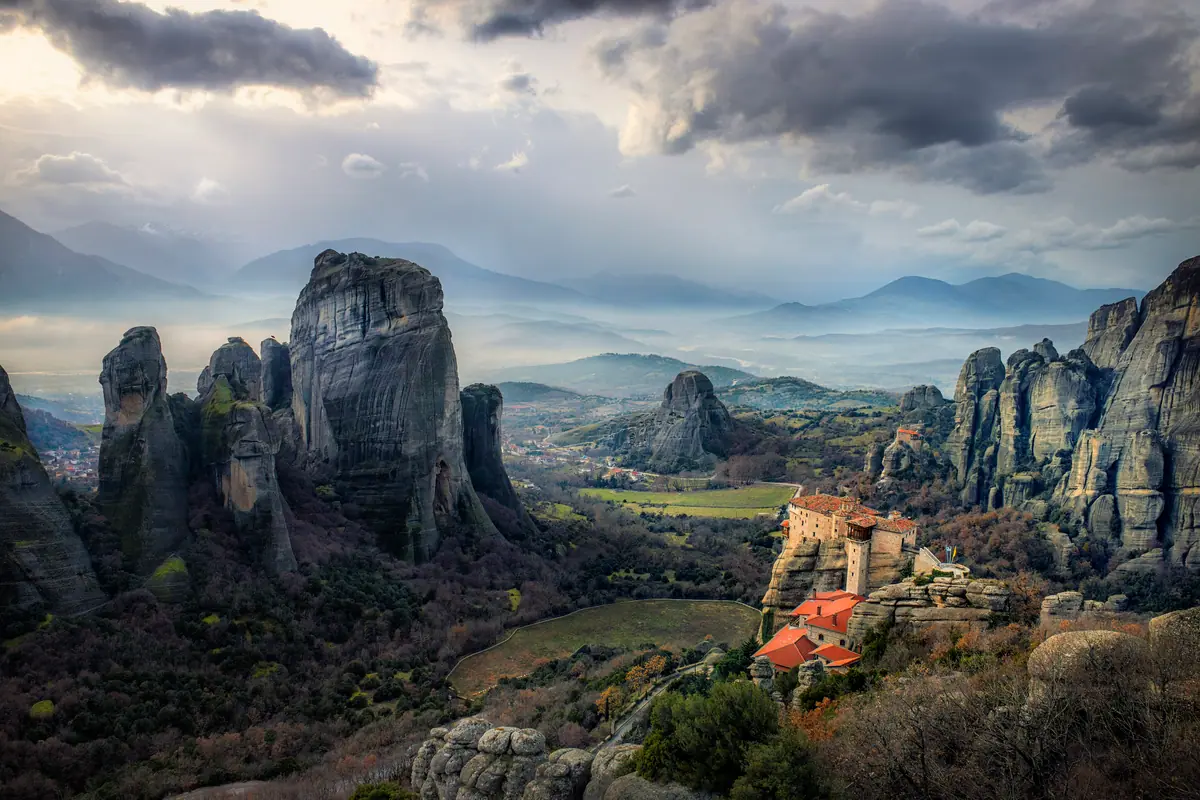
Further north, the monasteries of Meteora balance on sandstone pillars above the town of Kalambaka — an extraordinary place to spend two nights, with several of the monasteries open to visitors on rotating days and a dress code of covered shoulders and knees. Stay in Kastraki for the closest view of the rocks at dawn.
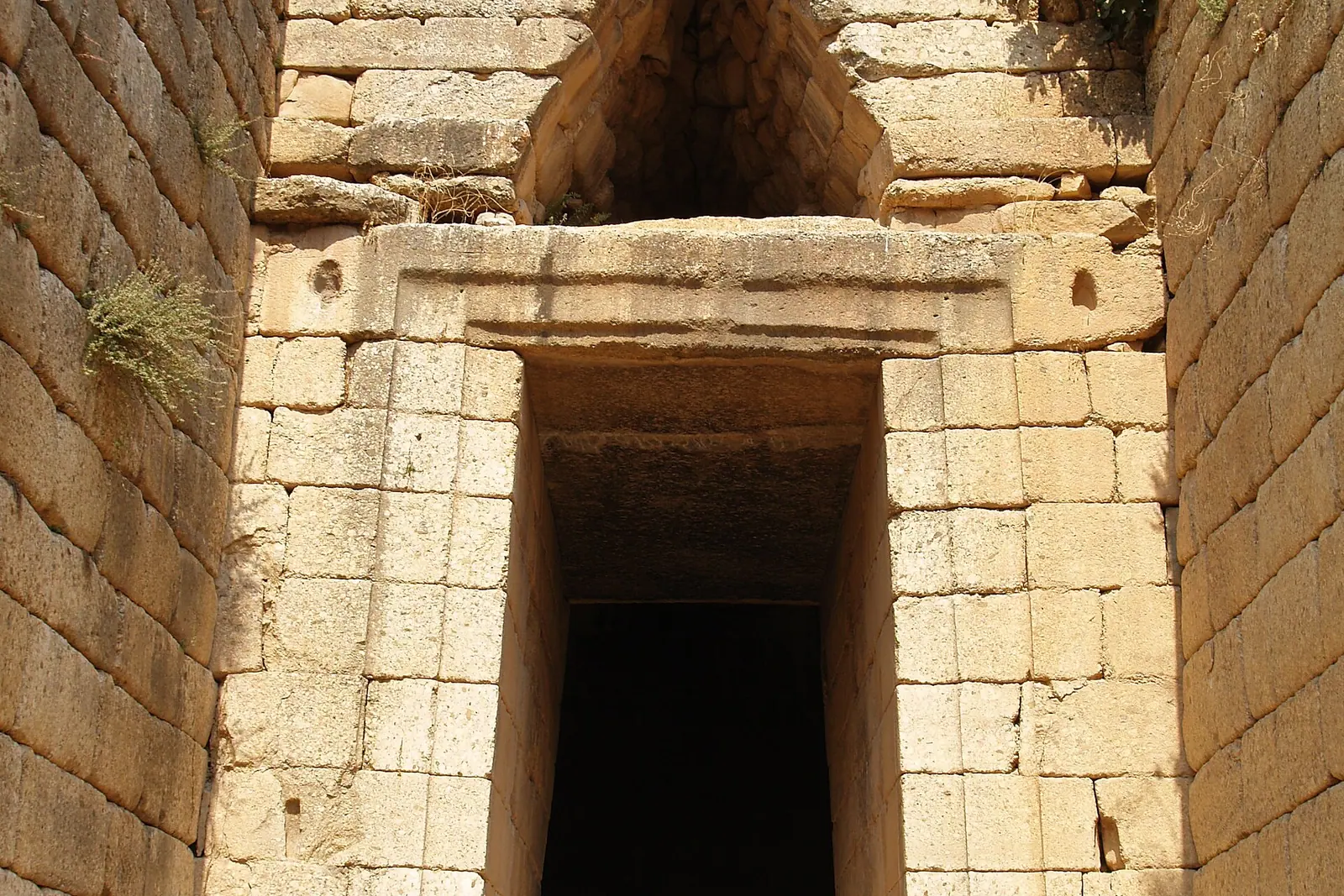
The Peloponnese deserves at least three or four days. Base in Nafplio, a graceful seaside town of marble pavements and flowered balconies, with the Palamidi fortress above and the little Bourtzi castle offshore. From there: the perfectly preserved theatre of Epidaurus, the Lion Gate and cyclopean walls of Mycenae, the site of Ancient Olympia further west, the Byzantine churches of Mystras, and the remarkable rock-built town of Monemvasia. A car makes all of this easy; buses connect the main towns but slowly.
Corfu, Thessaloniki and Northern Greece: Ionian Greens and City Cool
The Ionian islands are greener and gentler than the Cyclades. Corfu Town is a UNESCO-listed puzzle of Venetian, French and British architecture, with the arcaded Liston promenade, the Old Fortress, and the islet of Pontikonisi just offshore; stay inside the old town for atmosphere or in Paleokastritsa and Kassiopi for coves and olive groves. Kefalonia brings the drama of Myrtos Beach, Zakynthos the famous shipwreck cove of Navagio and its loggerhead turtle beaches, and tiny Paxos the clearest water in the country.
Greece's second city, Thessaloniki, is worth two nights: the White Tower on the waterfront, the labyrinth of Ano Poli, the Roman Rotunda and Arch of Galerius, and Aristotelous Square opening onto the sea. It is also the gateway to Halkidiki, whose three peninsulas offer pine-backed beaches, and to the mountain villages of Zagori, where the Vikos Gorge and stone bridges make a fine alternative summer.
Northern Greece peaks in late spring and early autumn, when the mainland is still green and the sea warm. Note that the monastic peninsula of Mount Athos is closed to women and requires a permit and advance planning for men — view it instead by boat from Ouranoupoli.
Practical Booking Wisdom: Seasons, Ferries and What to Expect
Greek accommodation divides into hotels, boutique cave and townhouse conversions, family-run guesthouses and self-catering studios. Rooms in the Cyclades are often small and simply furnished; what you are paying for is the view and the terrace. Air conditioning is standard in all but the oldest village houses, and many island properties close entirely between November and March, so travel in winter means sticking to Athens, Thessaloniki, Crete's cities and the mainland.
Timing matters more than almost anywhere. Mid-May to mid-June and September to mid-October give warm sea, open sights and reasonable rates; July and August bring peak crowds, peak heat and the meltemi wind, which can delay ferries and make some beaches uncomfortable. Book caldera and harbour-view rooms three to six months ahead for summer, and expect minimum-stay rules on the most sought-after Santorini and Mykonos properties in August.
For island hopping, high-speed catamarans shorten crossings but cost more and are more wind-sensitive; conventional ferries are slower and steadier — Piraeus to Santorini takes about five to eight hours by sea, or forty-five minutes by air. Always allow a buffer day before a flight home, keep a printed or downloaded schedule, and buy tickets for the busiest routes as soon as your dates are fixed.
Frequently asked questions
Which part of Greece should a first-time visitor stay in?
Split the trip. Give Athens two or three nights for the Acropolis, the Acropolis Museum and the Ancient Agora, then transfer to one island — Santorini for caldera drama, Naxos or Paros for beaches and value, Crete if you want to combine cities, gorges and coast. Trying to cover four islands in a week usually means spending it in transit.
When is the best time to visit Greece for hotels and weather?
Late May to mid-June and September to mid-October are the sweet spots: warm sea, open archaeological sites, fewer crowds and easier availability. July and August are hottest and busiest, with the meltemi wind strongest in the Cyclades. Many island hotels shut from November to March.
How far in advance should I book a hotel in Santorini or Mykonos?
For caldera-view rooms in Oia, Imerovigli or Fira, and for anything central in Mykonos Town, book three to six months ahead for June through September. August is the tightest month, when many properties impose minimum stays of three to five nights.
Do I need a car to see the mainland sights?
For Delphi, Meteora and the Peloponnese — Epidaurus, Mycenae, Olympia, Monemvasia — a rental car saves a great deal of time and lets you stay in villages rather than transport hubs. Public buses do connect the main towns, but services are infrequent and rarely align with site opening hours.
What is a cave hotel in Greece actually like?
On Santorini and a few other volcanic islands, rooms are carved into the soft cliff, so they stay naturally cool, often have vaulted ceilings and small windows, and open onto terraces or plunge pools facing the sea. They are charming but usually compact, and steps between the room and the street can be steep — worth knowing if you have heavy luggage or limited mobility.
Sort the rest of your trip
Everything for Greece, in one place
Transfer in Greece
Private driver waiting on arrival — no queues, no surprises.
Book a transfer
Things to do in Greece
Skip-the-line tickets, guided tours and standout experiences.
See experiences
Stay online in Greece
Travel eSIM — data the moment you land, no roaming bills.
Get an eSIMMore guides in Greece
Greek Food, Culture and Local Experiences: A Tour of Greece Worth Taking

One Week in Greece by Plane: Athens, Santorini and Crete Itinerary

One Week in Greece by Flight: An Island-Hopping Itinerary

Best Activities in Greece: From the Acropolis to the Santorini Caldera

Top Things to Do in Greece: Must-See Landmarks and Islands