Greece rewards movement: you climb marble steps at dawn, sail between volcanic islands by noon, and watch the sun drop behind a 2,500-year-old temple by evening. This is a country where the sightseeing and the activity are the same thing, whether you're hiking a gorge in Crete or swimming off a shipwreck beach in the Ionian.
Athens First: The Acropolis, the Agora and a City Made for Walking
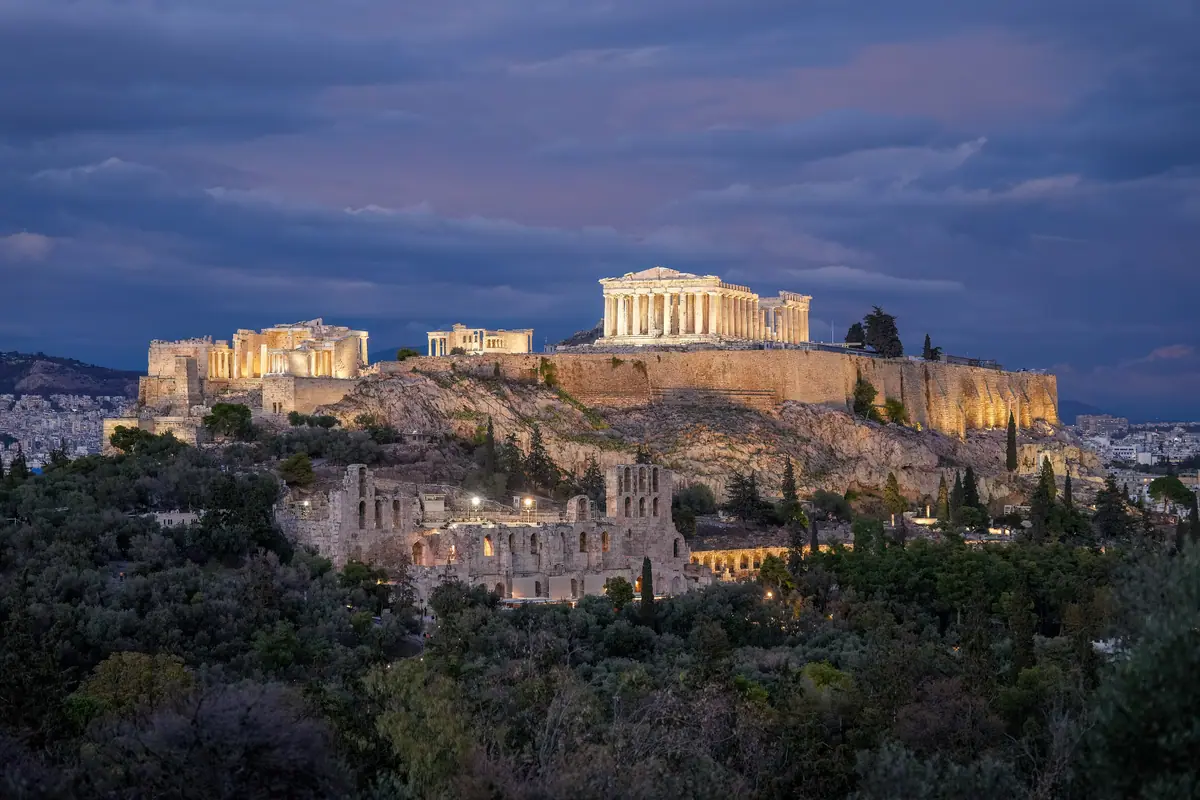
Almost every Greek trip starts in Athens, and the city hands you its headline act immediately. The Acropolis rock rises straight out of the modern streets, and the climb through the Propylaia gateway to the Parthenon is the single most important hour of any first visit. Go at opening time or in the last two hours before closing — the marble is cooler, the light is gold, and the crowds thin dramatically. Allow two to three hours to also see the Temple of Athena Nike and the Erechtheion with its Caryatid porch. Wear shoes with real grip: ancient marble polished by millions of feet is genuinely slippery.
Below the rock, the Ancient Agora spreads out with the remarkably intact Temple of Hephaestus, and the Roman Forum and Hadrian's Library sit a few minutes' walk away. The Panathenaic Stadium, a horseshoe of white marble where the first modern Olympic Games were held in 1896, is an easy morning add-on. In the afternoon, wander the Plaka lanes and the tiny cliffside hamlet of Anafiotika, then ride the funicular up Lycabettus Hill for the city's best panorama.
If you want one sunset that justifies a taxi ride, make it Cape Sounion. The Temple of Poseidon stands on a headland about an hour south of the city, its columns silhouetted against the Aegean — a classic end to a first day. Day boats from Piraeus to Aegina, Hydra or Poros are the low-effort alternative if you'd rather be on the water than on your feet.
Sailing and Island-Hopping Through the Cyclades
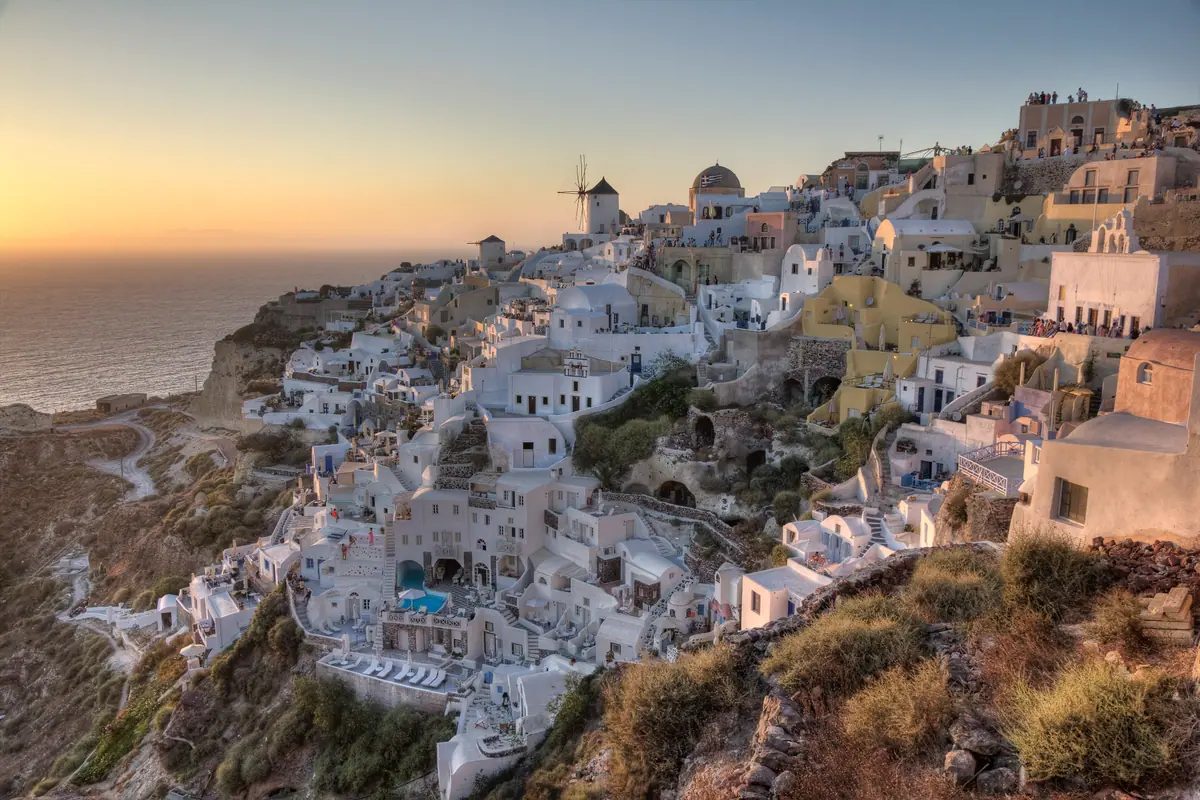
The Cyclades are the postcard version of Greece, and the best way to experience them is slowly, by boat. On Santorini, the classic activity is the cliff-edge walk from Fira to Oia — roughly 10 kilometres of caldera rim, three to four hours at an easy pace, best started at sunrise before the heat and the crowds arrive. Below you, the water is a colour that doesn't look real. Boat trips out to the volcanic islets and hot springs, plus a tasting of the island's mineral-edged white wines, fill out a very good day.
Mykonos gives you the windmills, Little Venice and a legendary nightlife, but the smarter move is the short crossing to Delos, one of the most important archaeological sites in the country and a UNESCO-listed island of ruined temples, mosaics and terraces. Naxos is the hiker's Cyclade — the climb up Mount Zas is the highest point in the archipelago and rewards you with a panorama over the whole chain — while Paros has become the windsurfing capital of the islands, with steady summer breezes at Golden Beach.
Don't overlook Milos, where Sarakiniko's white volcanic rock looks like a lunar landscape, and sea kayaking trips reach sea caves and the striking rock formations at Kleftiko. Ferries link the islands in a web of high-speed and conventional services; book ahead for July and August, when the good sailings sell out weeks in advance, and build in a buffer day if a tight connection matters.
Hiking the Mainland: Meteora, Zagori and Mount Olympus
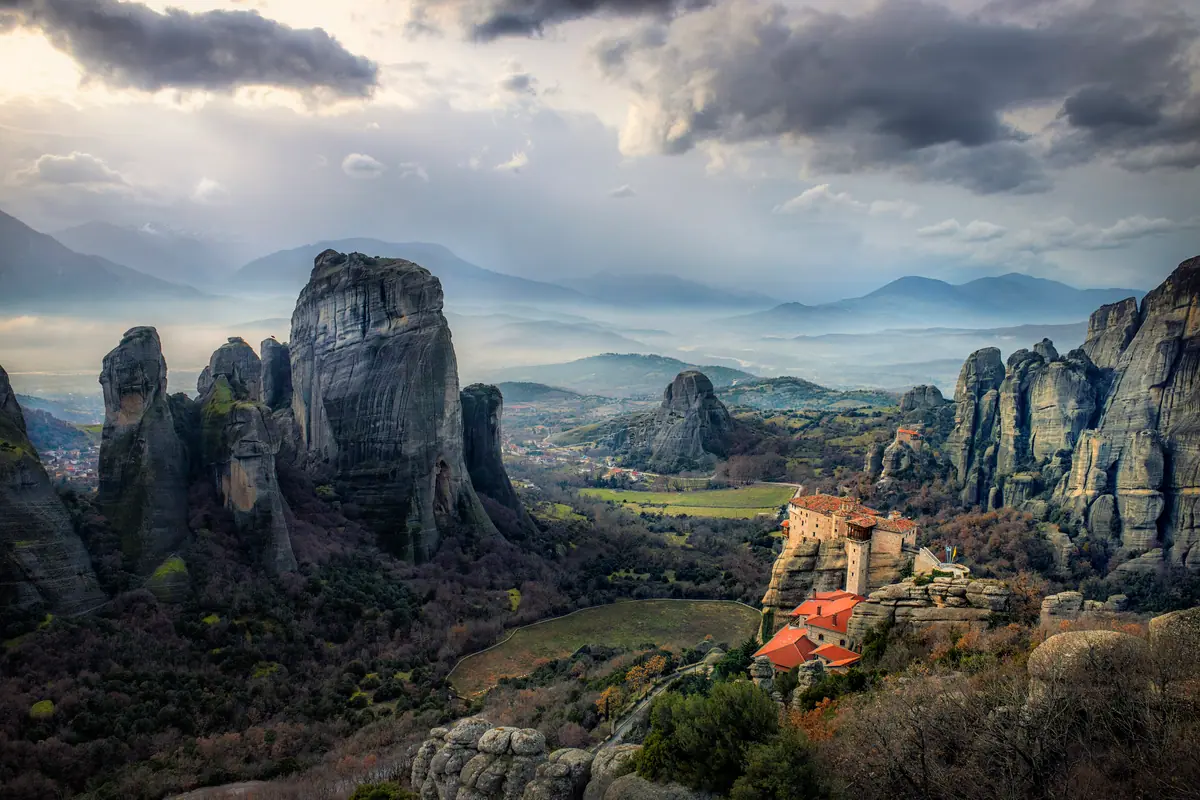
Meteora is the most surreal landscape in mainland Greece: sandstone pillars hundreds of metres high, topped by monasteries that look bolted to the sky. Six of the historic houses of worship remain active, including the Great Meteoron, Varlaam and Rousanou, reached by steep staircases cut into the rock. Visitors need shoulders and knees covered — wraps are lent at the entrances — and each monastery keeps its own closing days, so plan around them. Stay in the village of Kastraki and you can walk between formations at first light, when mist sits in the valley.
Further northwest, the Zagori region hides the Vikos Gorge, one of the deepest gorges in the world relative to its width. The classic traverse from Monodendri down to the village of Vikos takes five to seven hours over roughly 12 kilometres, with a river crossing and some loose stone. The surrounding villages are linked by arched stone bridges built centuries ago, and the Voidomatis river below is cold, clear and perfect for rafting or a very bracing swim.
Then there is Mount Olympus, the mythical home of the gods and a genuine two-day mountain. Most hikers walk from Prionia to a mountain refuge, sleep there, and summit Mytikas at 2,917 metres early the next morning. The season runs roughly June to September; outside that window, snow and ice make the final scramble a serious proposition rather than a walk.
Crete: Gorges, Minoan Palaces and the Wild South
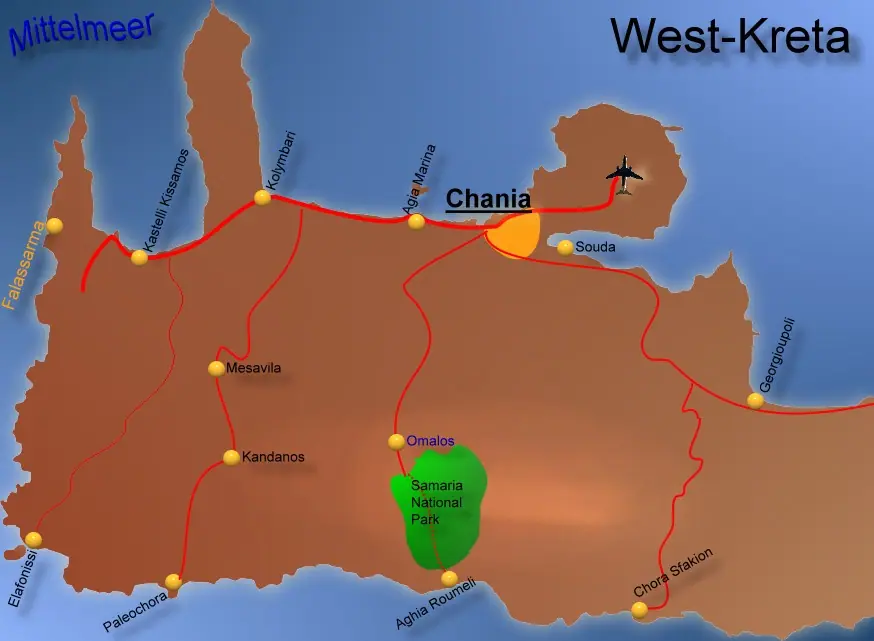
Crete is big enough to be its own holiday. The headline walk is the Samaria Gorge, a 16-kilometre descent from the Xyloskalo plateau to the sea at Agia Roumeli that takes most people five to seven hours. It opens in May and closes in October, numbers are capped in peak season, and you need sturdy boots, a hat and at least two litres of water per person. At the end there's no road out — you take a ferry along the coast, which is half the fun.
Inland, the Palace of Knossos outside Heraklion unlocks the Minoan world: a labyrinth of throne rooms, frescoes and storage jars more than three thousand years old. Pair it with the archaeological museum in Heraklion, then head west to the Venetian harbour at Chania and the old town of Rethymno for dinner. The island's beaches are a category of their own — the lagoon at Balos, the pink-tinged sand at Elafonissi, and the palm forest behind Preveli.
For something quieter, the Imbros gorge makes a shorter, gentler alternative to Samaria, and the Katharo plateau offers high-country walking among shepherd huts and eagles. Renting a car is the most practical way to see Crete properly; bring an International Driving Permit alongside your licence.
Water, Wind and Waves: Beaches and Watersports
Greece has around 6,000 islands and islets, and the Ionian is where the water turns an almost tropical turquoise. On Zakynthos, Navagio — the shipwreck beach — is reached by boat from the northern harbours, with viewing platforms on the cliffs above for those who prefer vertigo to sea spray. The same island's Laganas Bay is a nesting ground for loggerhead turtles, and responsible boat operators keep a respectful distance. Kefalonia counters with Myrtos Beach, the underground lake at Melissani, and hiking trails on Mount Ainos.
Lefkada's west coast delivers the drama — Porto Katsiki and Egremni are reached by boat or a long staircase down a cliff — and Corfu offers Paleokastritsa's bays plus the Corfu Trail, a long-distance footpath running the length of the island. Wind is a factor everywhere in summer: the meltemi blows hard across the Aegean from July into August, which is why windsurfers head to Paros, Naxos and Rhodes' Prasonisi, while swimmers and sailors prefer June and September.
For flat-out adrenaline, kitesurfing schools cluster on the windiest stretches of the Cyclades and the Dodecanese, and sea kayaking, stand-up paddleboarding and scuba diving are all easy to arrange on the spot. If you're travelling with children, the calm, shallow bays of the Ionian and the northern Aegean are far more forgiving than the windy Cycladic beaches.
Ancient Wonders and the Peloponnese Loop
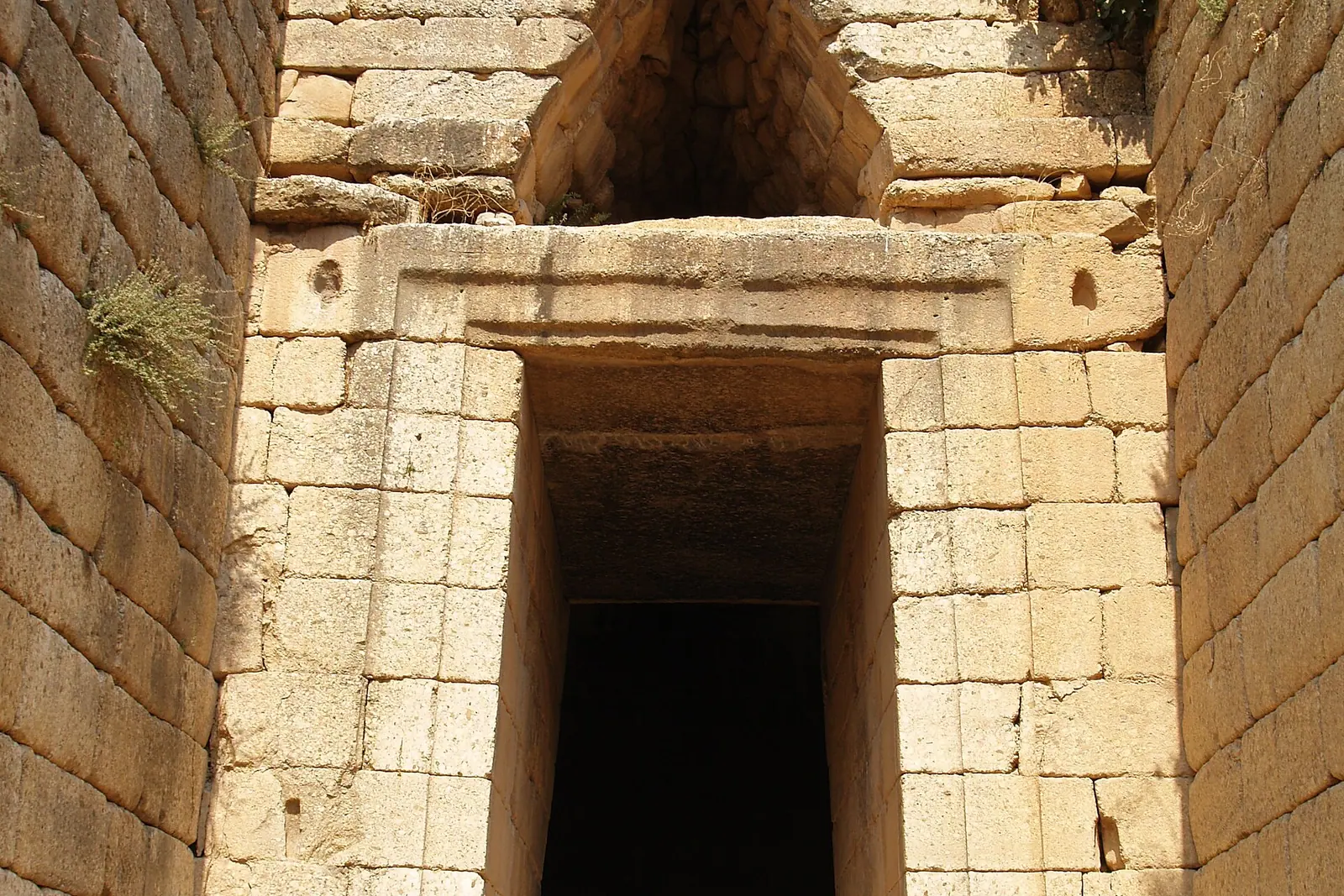
The Peloponnese packs more archaeology per kilometre than almost anywhere on earth. Start at Mycenae, where the Lion Gate and the beehive-shaped Treasury of Atreus mark a Bronze Age citadel of legend. Then head to Epidaurus, whose ancient theatre seats around 14,000 people and still hosts summer performances — the acoustics are so precise that a coin dropped at the centre of the orchestra can be heard in the back row. Nearby Nafplio, with its Venetian fortresses and marble-paved squares, is the perfect base.
Continue to Olympia, birthplace of the ancient Games, where you can walk through the stadium tunnel and the ruins of the Temple of Zeus. Mystras, a Byzantine ghost city on a hillside, and Monemvasia, a fortified town built into a giant rock linked to the mainland by a causeway, are two of the most atmospheric stops in the country and rarely as crowded as the islands in midsummer.
North of Athens, Delphi is the site of the Oracle of Apollo, set on a mountainside terrace with a view down to the Gulf of Corinth — go early, and combine it with the mountain village of Arachova, which turns into a ski base on the slopes of Parnassos in winter. If you head north instead, Thessaloniki's White Tower, Roman Rotunda and hilltop Ano Poli district make a wonderful city break, with the royal tombs at Vergina and the ancient capital at Pella within easy reach.
Frequently asked questions
When is the best time of year for outdoor activities in Greece?
May, June, September and early October are ideal: warm seas, long daylight, and temperatures in the mid-20s to low 30s. July and August are beautiful but brutal for hiking, with highs often above 35°C on the mainland and the meltemi wind whipping up the Aegean, which can disrupt small-boat trips. Winter is for cities, archaeology and skiing at Parnassos or on Mount Ainos, not for island hopping.
How many days do I need to see Greece properly?
Ten days to two weeks is the sweet spot. A realistic first trip is three or four nights in Athens, three on one island or a pair of nearby Cyclades, and a few days driving the Peloponnese. Trying to cover Athens plus five islands in a week means spending your holiday in ferry terminals — pick two bases and go deeper.
Do I need to book ferries and activities in advance?
For July and August, yes — book ferry seats and any guided gorge walks or boat trips several weeks ahead, because the popular morning sailings and daily visitor caps fill up. In shoulder season you can be far more spontaneous, but it's still worth checking whether a route runs daily or only a few times a week.
Can I do all of this without a car?
On the islands, buses, taxis and organised transfers cover most trailheads and beaches, and boats reach the inaccessible ones. On the mainland and on Crete, a car genuinely opens things up — and if your licence isn't in Greek or Latin script, you'll need an International Driving Permit to rent one.
What should I pack and how should I behave at religious sites?
Bring broken-in walking shoes with grip — you'll be on marble, cobbles and loose gorge stone — plus a hat, refillable water bottle and reef-safe sunscreen. At monasteries and churches, shoulders and knees must be covered; wraps and skirts are usually provided at the entrance. Dress modestly as a default and you'll never be turned away.
Plan it — experiences in Greece
Live search, booked directly with trusted providers.
Sort the rest of your trip
Everything for Greece, in one place
Stay in Greece
Hotels, guesthouses and apartments — compared in one search.
Search hotels
Transfer in Greece
Private driver waiting on arrival — no queues, no surprises.
Book a transfer
Stay online in Greece
Travel eSIM — data the moment you land, no roaming bills.
Get an eSIMMore guides in Greece
Greek Food, Culture and Local Experiences: A Tour of Greece Worth Taking

Where to Stay in Greece: Hotels by Region and the Must-See Sights Nearby

One Week in Greece by Plane: Athens, Santorini and Crete Itinerary

One Week in Greece by Flight: An Island-Hopping Itinerary

Top Things to Do in Greece: Must-See Landmarks and Islands