Zambia is the kind of country where your room shapes your whole trip: a veranda above the Zambezi, a canvas tent in a leopard-rich ebony grove, or a glass-fronted city hotel a few minutes from a sprawling market. Get the accommodation right and the sights — Victoria Falls, the Luangwa Valley, Lake Kariba — fall beautifully into place.
Where to Stay in Zambia: The Lay of the Land
Zambian accommodation splits into a few distinct worlds, and understanding them early saves a lot of second-guessing. Lusaka, the capital, is business-hotel territory: comfortable mid-range and upscale properties in the central business district and leafy suburbs such as Kabulonga, Woodlands and Roma, ideal for a night either side of a safari. Livingstone, in the south, is where riverside lodges and garden hotels sit within easy reach of Victoria Falls, ranging from large resorts with pools and spa treatments to intimate colonial-style houses with lawns running down to the water.
The real magic, though, happens in the bush. Safari camps in South Luangwa, the Lower Zambezi and Kafue are deliberately small — often six to twelve rooms — and usually sold on a full-board basis with guided drives and walks included, so the nightly rate covers far more than a bed. Rates typically bundle meals, scheduled activities, laundry and local drinks; transfers are often by light aircraft into dirt airstrips, which is why most operators ask you to pack soft bags of around 15 kg.
Timing matters as much as location. Peak season runs roughly July to October, when waterholes shrink and wildlife concentrates, and the best camps sell out six to twelve months ahead. Many bush camps close through the rains from about late November to early April, when tracks turn to mud, while town hotels in Lusaka and Livingstone stay open year-round. On the Copperbelt, in Ndola and Kitwe, hotels cater mainly to mining and business visitors, and are perfectly serviceable but rarely the reason anyone comes.
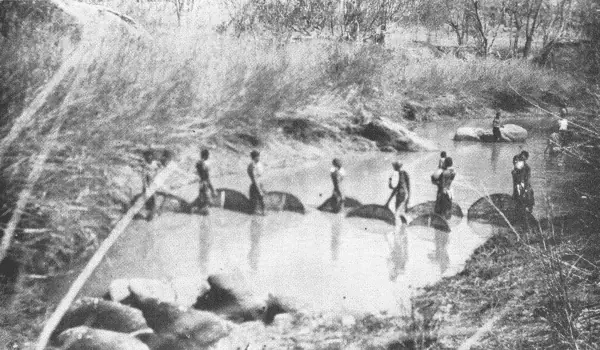
Lusaka: City Hotels and the Capital's Sights
Almost every Zambian itinerary starts and ends in Lusaka, and a single well-chosen night here is usually enough. The city is spread out and traffic is genuinely heavy at rush hour, so choose your area with care: downtown suits early meetings, while the northern and eastern suburbs are quieter, greener and closer to good restaurants. Kenneth Kaunda International Airport lies about 30 to 45 minutes from the centre depending on the hour, so allow generous time for the return leg.
For a taste of the capital, begin at the Freedom Statue on Independence Avenue, a bronze figure of a man breaking free of chains and the country's most recognisable monument. The Lusaka National Museum nearby gives a compact grounding in Zambian history, art and ethnography, and makes a good rainy-afternoon stop. Kabwata Cultural Village is the place to watch carvers, weavers and drummers at work and buy crafts directly from the makers, while Soweto Market offers a louder, more chaotic slice of daily life — go with a guide, keep valuables out of sight and expect to be charmed rather than hassled.
Outside the centre, Munda Wanga Environmental Park combines botanical gardens with a wildlife and reptile collection and is popular with families, and the Sunday craft markets around the city are worth timing a weekend around. Evenings are best spent eating — Lusaka has a strong grill-and-braai culture, with open-air restaurants serving tilapia, chicken and village-style dishes. As in any fast-growing African capital, use taxis or a ride-hailing app after dark rather than walking, and keep a small amount of cash in Zambian kwacha for everyday purchases.
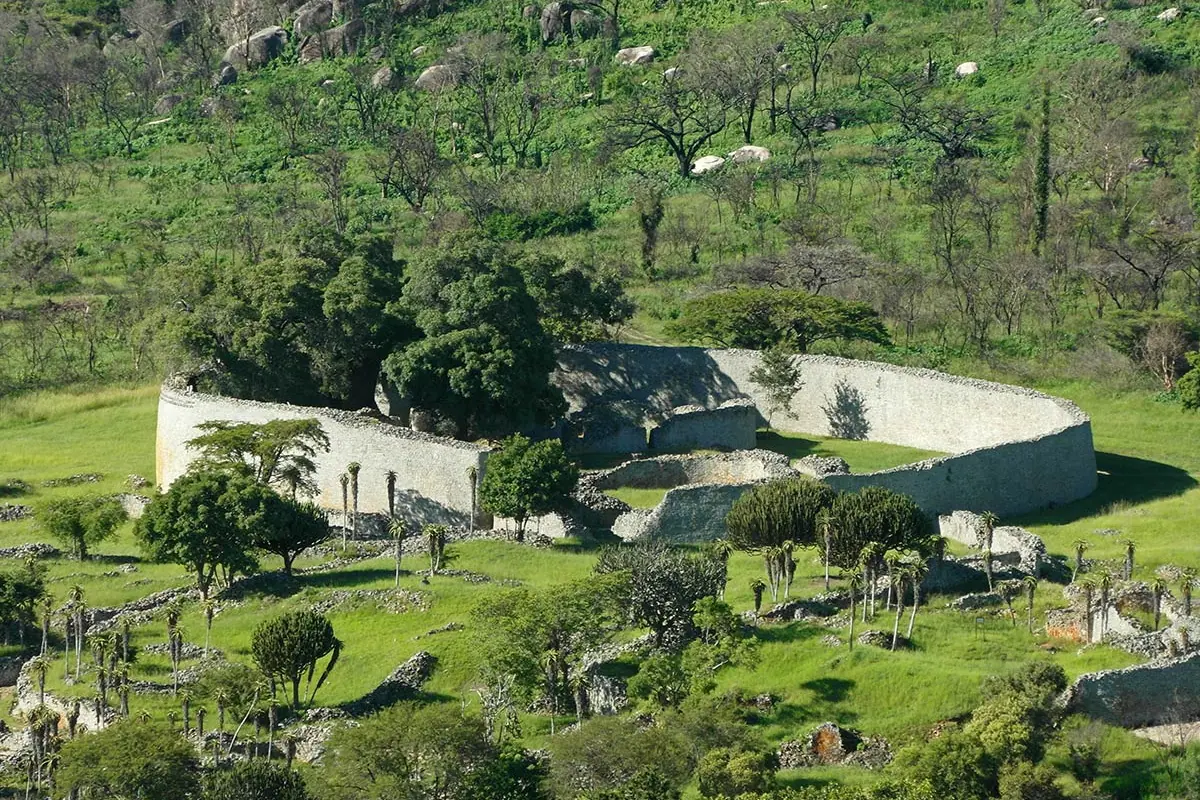
Livingstone and Victoria Falls: Sleeping Beside Mosi-oa-Tunya
Victoria Falls — Mosi-oa-Tunya, the smoke that thunders — is Zambia's headline act, and Livingstone is its gateway. The Zambian side offers the Knife-Edge Bridge and a series of viewpoints that put you face to face with the cataract, and the town itself is a relaxed, low-rise place with a colonial-era museum, wide avenues and a monkey-filled riverbank. Accommodation divides neatly into town hotels, handy for restaurants and the airport, and riverside lodges upstream, where you fall asleep to hippos grunting in the Zambezi.
The must-see list here is long. Walk the rainforest trail inside Mosi-oa-Tunya National Park for the classic falls views, and join a guided walk to see the park's protected white rhinos — one of the few places in Zambia where you can approach them on foot. When the water is low, roughly from August into January, trips to Livingstone Island allow a cautious dip in the Devil's Pool right on the lip of the falls; in the high-water months of February to May the spray is spectacular but the pools are closed. Add the Victoria Falls Bridge for bungee jumps and gorge swings, a sunset cruise on the Zambezi, white-water rafting in the Batoka Gorge below the falls, and a cultural visit to Mukuni Village to meet the people who have lived beside the falls for centuries.
A word on water levels, because it changes what you see. High water from about February to May produces enormous volumes and thick spray that can obscure the view from some paths; the drier months from September to December reveal more rock face and more of the gorge. Both are worth seeing, and the falls never actually run dry — the flow simply narrows into a series of dramatic channels. Most visitors base themselves in Livingstone for two to four nights, which comfortably covers the falls, one adrenaline activity and a river cruise.
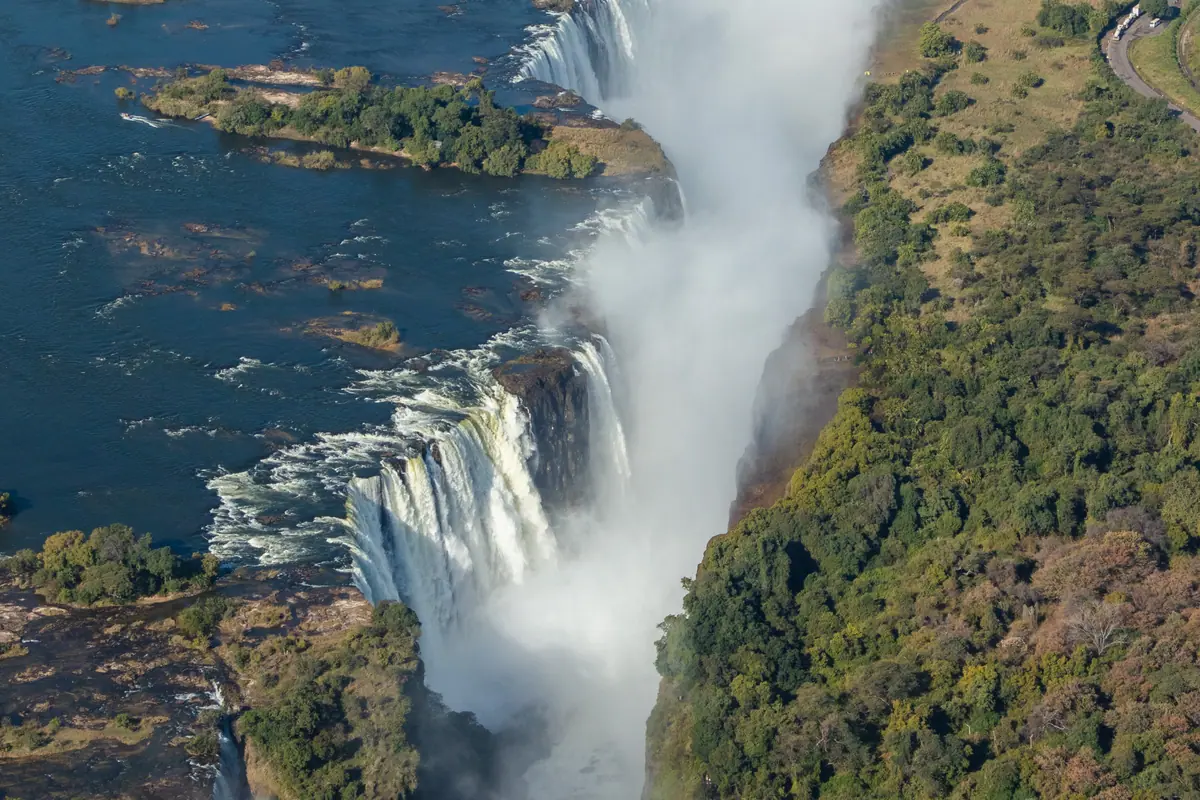
South Luangwa National Park: Zambia's Walking Safari Heartland
South Luangwa is where the walking safari was refined into an art form, and staying inside the park is a completely different experience from visiting on a day trip. The Luangwa River meanders along the eastern boundary, leaving oxbow lagoons that pull in elephant herds, buffalo, giraffe and the park's famous leopards, which are seen here on night drives with almost routine reliability. The valley is also the only home of Thornicroft's giraffe, a pale, dark-blotched subspecies you will not find anywhere else.
Camps cluster in three broad areas. The central Mfuwe sector is the busiest and most accessible, with the widest range of properties from simple chalets to high-end tented camps. North of the Mfuwe area, the Nsefu sector is quieter, with a handful of seasonal camps set along remote river bends. Farther north still, bush camps in the remote Luangwa wilderness trade comfort for genuine solitude. Wherever you stay, expect early wake-up calls, brunch after the morning activity, a siesta through the heat of the day and a second drive or walk finishing after dark.
Practicalities: most visitors fly into Mfuwe from Lusaka in about an hour, or drive in four to five hours in the dry season when the gravel tracks are passable. Walking safaris are led by armed professional guides and are suitable for most reasonably fit travellers, but children below a certain age are often restricted to drives. The emerald season, from roughly January to April, transforms the valley into a green, bird-rich landscape with far lower rates, though many camps shut and some roads become impassable. Cultural visits to nearby villages such as Kawaza round out a stay and show how farming, fishing and tourism share the same river.
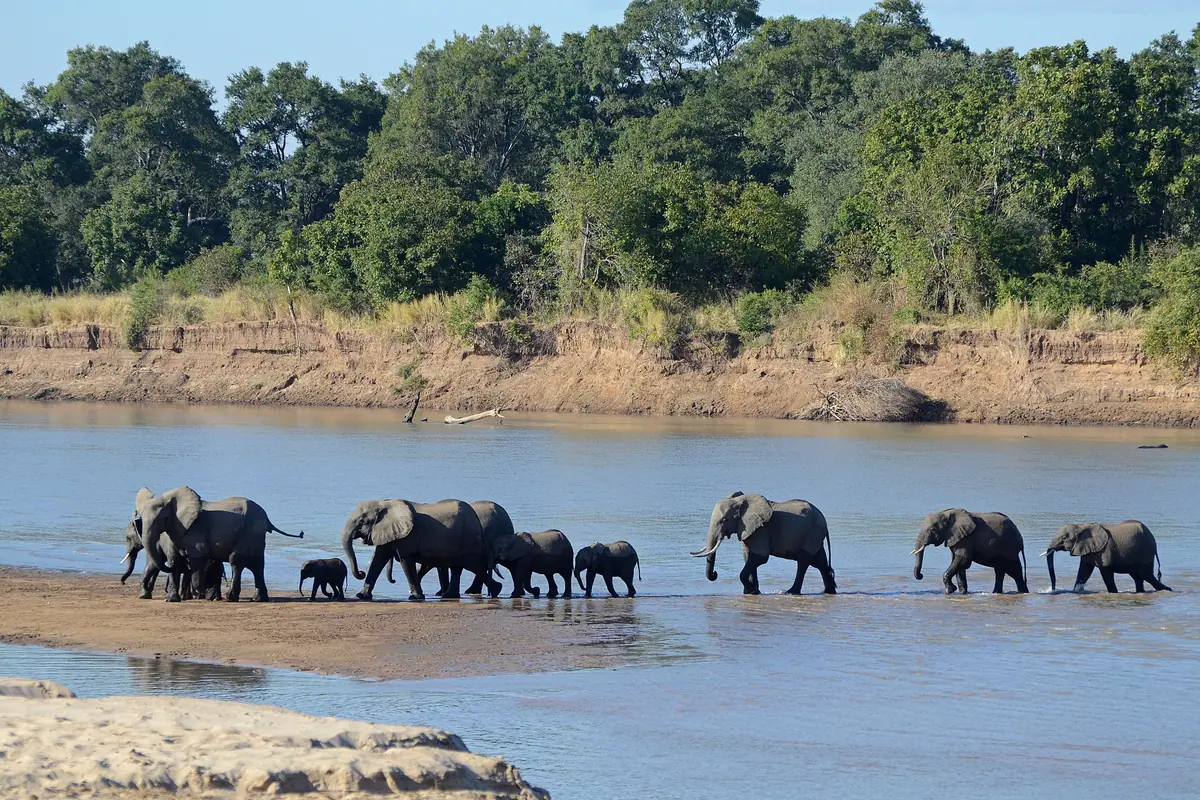
Lower Zambezi, Lake Kariba and Kafue: Water-Based Stays
The Lower Zambezi National Park sits across the river from Zimbabwe's Mana Pools and is Zambia's most romantic water destination. Lodges here are strung along the Zambezi's northern bank, and the signature experience is a canoe safari: paddling downstream past drinking elephants, crocodiles on sandbanks and fish eagles calling overhead, usually with a motorised support boat trailing behind. Tiger fishing, sunset cruises and game drives into the escarpment country fill the rest of the day. Access is by light aircraft from Lusaka or by road via Chirundu, and camps are small and expensive, so book early for the July to October window.
Lake Kariba, created by the Kariba Dam, is a world of its own — vast, warm and dotted with drowned trees where fish eagles perch. Houseboats are the classic stay: you drift, swim off the back deck, fish for bream and watch the sun set over the Matusadona hills. The lakeside town of Siavonga, a few hours from Lusaka, offers simpler lodges and guesthouses, and it is a good budget alternative to the safari circuit. Do not miss a look at the dam wall itself, an engineering landmark that reshaped the whole valley.
West and north, Kafue National Park is Zambia's largest and least crowded reserve, with the Busanga Plains offering floodplain scenery unlike anywhere else in the country. North of that, Kasanka National Park hosts the extraordinary bat migration each November and December, when millions of straw-coloured fruit bats pour out of a small patch of forest at dusk. Farther west still, Liuwa Plain draws wildebeest in their thousands around the same months, and the Bangweulu Wetlands are one of the best places on the continent to search for the shoebill stork. These areas have few lodges, so accommodation is limited to a handful of seasonal camps and community-run guesthouses — book well ahead and expect basic comforts rather than luxury.
Practical Tips: Seasons, Getting Around and What to Expect
Zambia has two broad travel seasons. The dry season, from May to October, is prime wildlife-viewing time: vegetation thins, animals gather at water and the days are sunny. June to August brings surprisingly cold mornings on the plateau, so pack a fleece and long trousers for early drives. September and October turn hot and hazy, often above 35°C, before the first rains break the heat. The green season, from November to April, is lush and dramatic, superb for birding and photography, and noticeably cheaper — but some camps close, roads become difficult and Victoria Falls generates so much spray that views are hit and miss.
Getting around is easier than the map suggests. The road between Lusaka and Livingstone is good, taking roughly six to seven hours, while the flight takes about an hour and is the sensible choice if time is short. Bush destinations are usually reached by light aircraft from Lusaka or by long, dusty transfers, so build in a buffer day at each end of a safari. English is widely spoken alongside Bemba, Nyanja and Tonga, the currency is the Zambian kwacha, and US dollars are commonly accepted at lodges though not at local markets. Many nationalities can obtain a visa on arrival or online before departure — check current rules for your passport before booking.
Inside the camps, expect early starts, long siestas and dinners under the stars rather than evening entertainment. Wi-Fi is patchy and often switched off in rooms; power can be solar-limited; water is precious. Park entrance fees are usually paid in cash and are often not included in your room rate, so carry kwacha. Malaria precautions are recommended for most safari areas, especially in the wet season. Tipping is customary but modest, and the guides, trackers and camp staff who make a trip memorable are its worthiest recipients.
Frequently asked questions
What is the best time of year to visit Zambia?
The dry season from May to October is best for wildlife, with June to August offering cool, comfortable days and September to October being hot but excellent for sightings around shrinking water sources. The green season from November to April brings lush landscapes, superb birding and lower rates, but some bush camps close and roads can be impassable.
Where should I stay near Victoria Falls?
Livingstone is the base on the Zambian side. Riverside lodges upstream of the falls suit those who want quiet, wildlife and sunsets over the Zambezi, while town hotels are cheaper, closer to restaurants and the airport, and just a short drive from the national park entrance and the falls viewpoints.
How do I get from Lusaka to Livingstone?
The drive takes about six to seven hours on a good tarmac road, or you can fly in roughly an hour. Many travellers fly down, spend two to four nights beside the falls, and then fly or drive back to Lusaka for onward safari connections.
Do I need to book safari camps in advance?
Yes. Camps in South Luangwa, the Lower Zambezi and Kafue are small, often with fewer than a dozen rooms, and the best properties sell out six to twelve months ahead for the July to October peak. Book early and confirm whether park fees, drinks and transfers are included in the rate.
What should I pack for a Zambian safari?
Light neutral clothing, a warm fleece for cold early mornings from June to August, a wide-brimmed hat, high-factor sun cream, insect repellent, binoculars, a head torch and any personal medication. Bush flights usually limit luggage to soft bags of about 15 kg, and laundry is generally included at camps.
Sort the rest of your trip
Everything for Zambia, in one place
Transfer in Zambia
Private driver waiting on arrival — no queues, no surprises.
Book a transfer
Things to do in Zambia
Skip-the-line tickets, guided tours and standout experiences.
See experiences
Stay online in Zambia
Travel eSIM — data the moment you land, no roaming bills.
Get an eSIM