Zambia rarely gives you a single answer to the question of when to go. The same country delivers a roaring, spray-soaked Victoria Falls in March and a sweltering, leopard-packed Luangwa Valley in October — and the lodge you book should change with the season, not just the dates. Here is how the Zambian year really divides, and what each window means for wildlife, waterfalls and where you sleep.
How Zambia's Year Actually Splits
Zambia sits on a high plateau in south-central Africa, and its climate behaves differently from the safari country further east. There is one long rainy season rather than two short ones, so the year falls into three broad moods: the cool dry months from roughly May to August, the hot dry stretch of September and October, and the wet, vivid 'emerald season' that runs from around November into April. Altitude softens the heat almost everywhere — Lusaka and the plateau sit high enough that evenings in June and July can feel genuinely cold, especially in the valleys where night temperatures dip sharply.
What matters more than rainfall totals is what each season does to access and wildlife. As the bush dries out from June onward, vegetation thins, water sources shrink and animals concentrate around rivers and lagoons, which is why the dry months are the classic safari window. In the wet months, the country turns green, the birdlife explodes and the roads in remote parks become the limiting factor rather than the animals. There is no single best time to visit Zambia — only a best time for the version of Zambia you want.
A practical rule most visitors end up following: pick May, June, July or August if you want comfortable temperatures, functioning roads and strong game viewing; pick September or October if you are chasing maximum wildlife sightings and can handle serious heat; pick the emerald season if you want low rates, empty camps and dramatic skies, and you accept that some lodges and park tracks will be shut.
Peak Safari Season: June to October in the Luangwa Valley
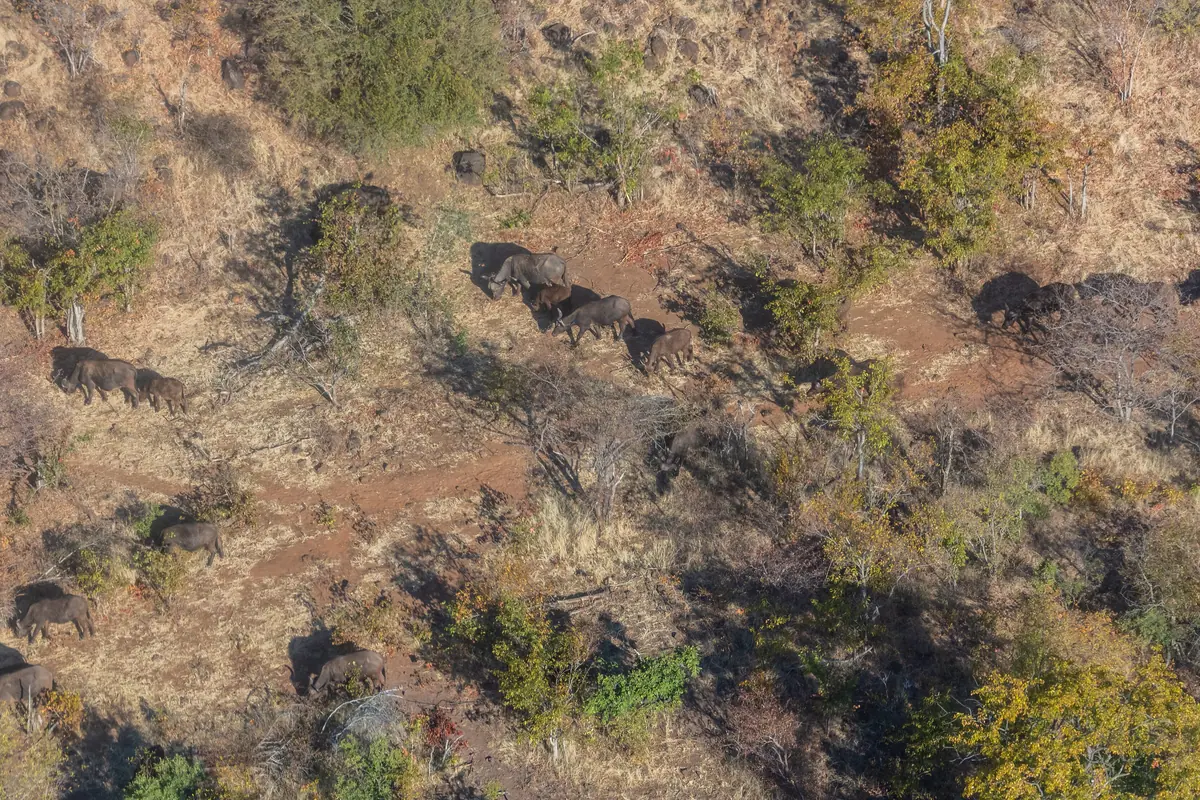
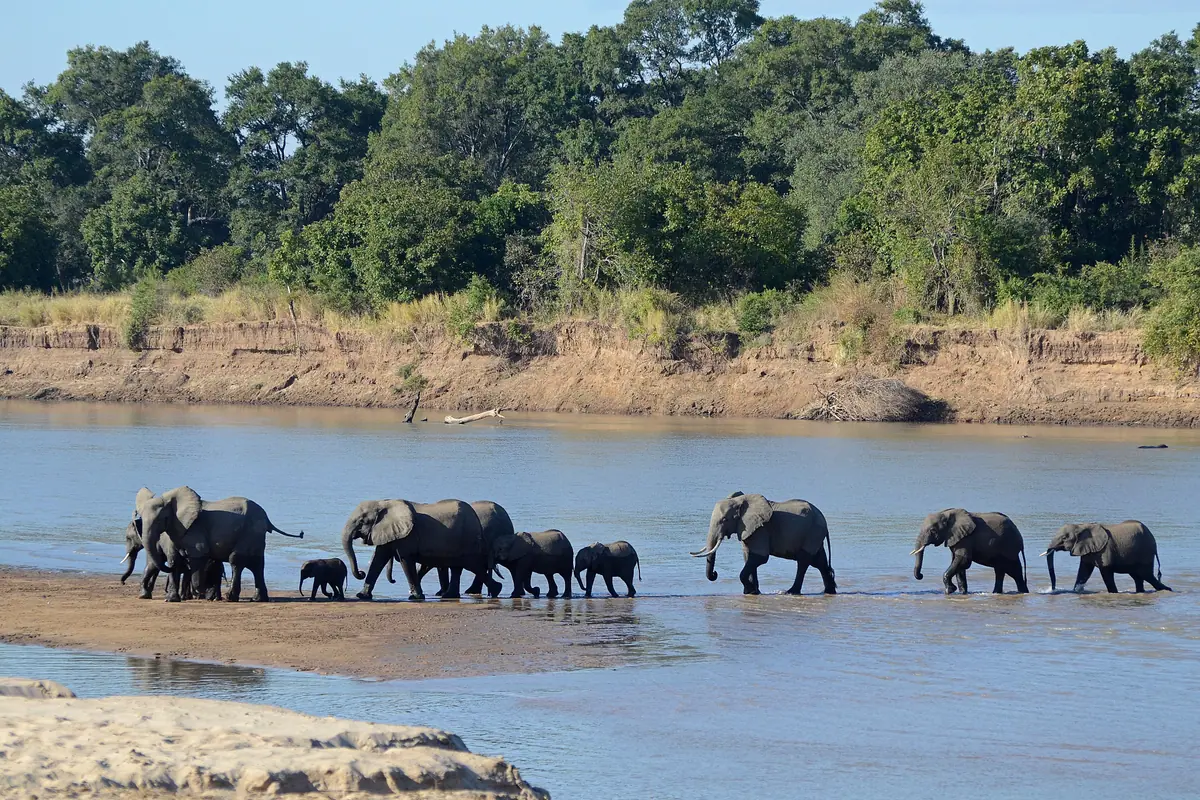
South Luangwa National Park is Zambia's flagship safari destination and the place where the walking safari was pioneered. From June onward, the oxbow lagoons along the Luangwa River pull in elephant herds, buffalo, Thornicroft's giraffe and the park's famously dense leopard population, and guided walks become practical again as the grass flattens. Mfuwe is the main gateway, with the park's central river frontage offering the highest concentration of game. By September and October, sightings are at their most reliable — the trade-off is daytime heat that can push well past 35°C in the valley floor, which is why serious photographers often choose late August instead.
Further south, the Lower Zambezi National Park offers something the Luangwa cannot: water-based safaris. Canoe trips down the Zambezi channels, with the escarpment rising on the Zambian side and Zimbabwe's hills across the river, are at their best in the dry months when the current is manageable and animals crowd the banks. North Luangwa National Park remains the wildest, most exclusive option, with very few camps and a season that effectively runs from around June to October.
Lodging here is seasonal by necessity. Many South Luangwa bushcamps open in late May or June and close in November, while the permanent riverside lodges stay open longer. For peak-season dates in July, August and September — especially river-facing rooms — booking six to twelve months ahead is normal, not excessive. If your dates are flexible, late June and early July offer near-peak game viewing with cooler days and easier availability.
Victoria Falls and Livingstone: Timing the Water
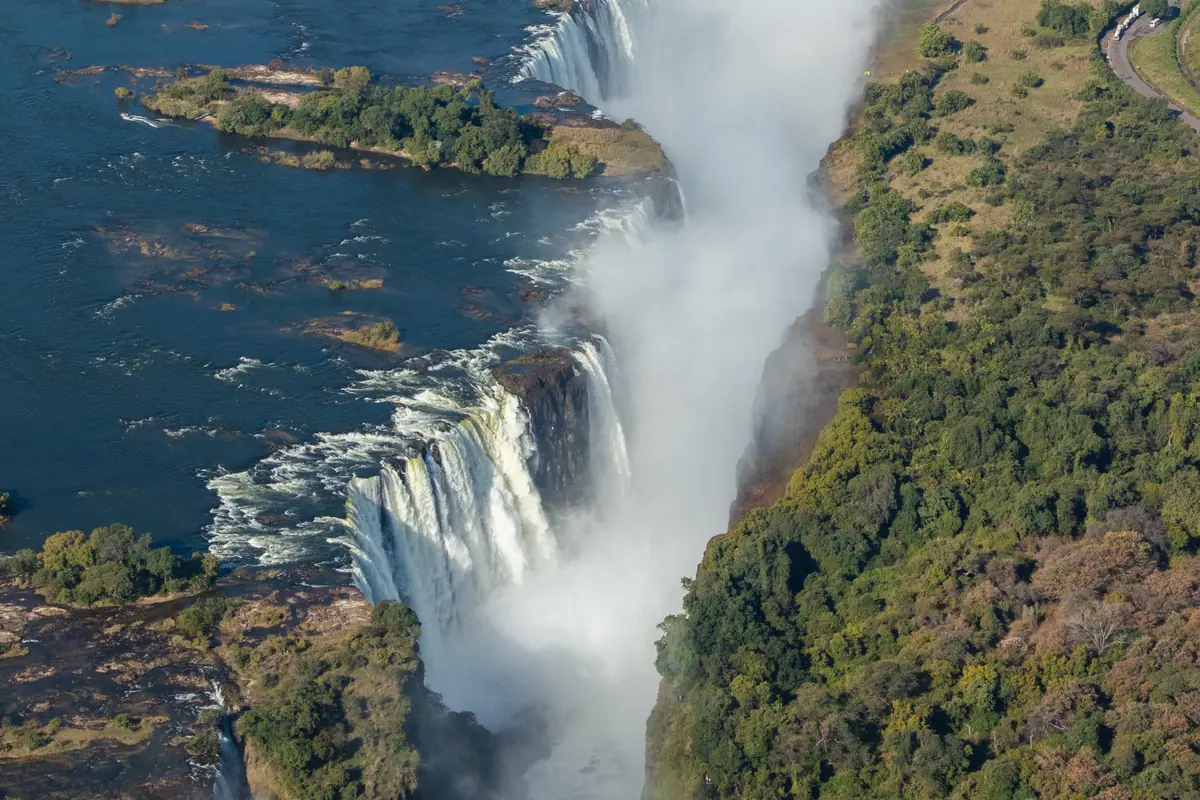
Mosi-oa-Tunya — the Smoke That Thunders — behaves like a completely different waterfall depending on the month. High water typically arrives between February and May, when the Zambezi is in full flood and the spray column is visible from kilometres away; the rainforest walk opposite the falls turns into a soaking, path-slick experience and some activities pause for safety. By September the flow drops dramatically, exposing the bare rock face and creating the conditions for the famous guided swims in Devil's Pool on Livingstone Island, normally available from around mid-August into January depending on water levels.
Livingstone is the natural base, and the choice of where to stay shapes the trip. Town guesthouses are close to the Livingstone Museum and the colonial-era buildings, while riverside lodges along the Zambezi put you within reach of sunset cruises, elephant-back and walking encounters, and Mosi-oa-Tunya National Park, where guided walks to see white rhino are a signature experience. Whitewater rafting below the falls generally runs in the lower-water months, so anyone planning a rafting trip should aim for roughly August to December rather than the flood season.
For a first visit that tries to do everything — falls, rhino walk, river cruise, maybe a steam train or a day trip across the border — June, July and August are the sweet spot: dry, mild, with the waterfall still carrying good volume and every operator running. September and October give you Devil's Pool and cheaper rooms, but prepare for punishing heat in the middle of the day.
The Emerald Season: November to April, When Zambia Turns Green
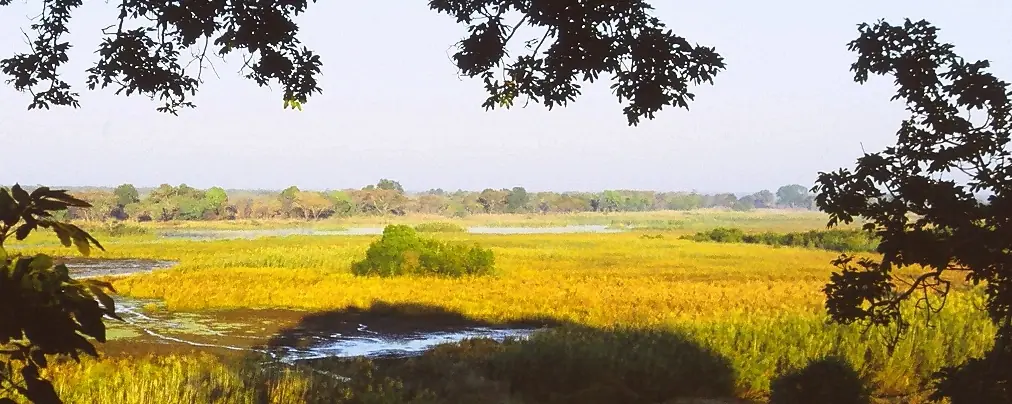
Zambia's wet season is not a write-off — it is a different holiday. Thunderheads build through the afternoon, the bush erupts into green, wild flowers appear, antelope drop their young, and migratory birds arrive in numbers that make the country a serious destination for birders. The Bangweulu Wetlands, a vast floodplain in the north, is one of the most reliable places in Africa to search for the shoebill, and the waterways there are at their most navigable during and just after the rains.
Two spectacles belong almost entirely to this half of the year. Between roughly October and December, the fruit bats of Kasanka National Park gather in what is among the largest mammal concentrations on the planet, streaming out of the mushitu forest at dusk in dark, liquid ribbons. On the Liuwa Plain in the far west, the wildebeest herds move with the first rains around November, a migration that plays out across an almost empty grassland where you may see no other vehicle all day.
Expect compromises: many South Luangwa bushcamps close in January and February, the Busanga Plains in Kafue National Park flood and become inaccessible, and unsealed park roads turn treacherous for self-drivers. In exchange, rates fall noticeably outside the peak weeks, camps feel private, and the light after a storm is extraordinary. If you are travelling in this window, base yourself in areas with all-weather access and let the lodge handle transfers rather than attempting long drives on dirt.
Where to Stay: Matching Your Lodge to the Season
Zambia's accommodation splits broadly into safari bushcamps, permanent riverside lodges, town guesthouses and a handful of genuinely remote outposts. In South Luangwa, the choice is between camps inside the park with river frontage and the wider spread of lodges around Mfuwe, many of which offer walks, night drives and game-viewing vehicles. In the Lower Zambezi, river lodges with their own boats and canoes are worth the premium because the water is the attraction. Around Livingstone, you can trade riverside glamour for a town guesthouse and put the savings into activities.
Season dictates availability far more than it does elsewhere in the region. Bushcamps typically open from around late May or June and shut by early November, so a January booking in the Luangwa Valley may simply not exist. Tented camps in Kafue's Busanga Plains run only in the dry months, while houseboats on Lake Kariba and lakeside lodges near Siavonga operate year-round. Remote northern options such as Nsumbu on Lake Tanganyika and the historic manor at Shiwa Ng'andu reward travellers willing to fly rather than drive.
Before you commit, check three things: whether the property is actually open in your month, whether park fees and transfers are included or billed separately, and how you will arrive — light aircraft into airstrips such as Mfuwe or Jeki is common and adds cost, while road transfers in the rains can be long and occasionally impossible. Shoulder weeks in late May, early June and late October often combine open camps, decent conditions and softer rates.
Practical Planning: Month-by-Month Pointers
May and June bring cooling temperatures, dry roads, thinning bush and camps reopening — arguably the most balanced weeks of the Zambian year. July and August are the most comfortable for combining Victoria Falls with a safari, though mornings and nights in the valleys are cold enough for a fleece. September and October deliver the best game concentrations and the lowest waterfall flows, with extreme heat by day. November is a hinge month: the first rains arrive, the air clears, and Kasanka's bats peak.
December through March is wet, humid and green, with the falls in flood from around February and many remote camps shut; this is the time for lower rates, birding and Victoria Falls in its most violent, photogenic mood. April is the quiet reward — the rains ease, the bush is still lush, roads begin to dry and rates have not yet climbed back to peak.
Pack for both ends of the thermometer, whichever season you choose: layers for cold valley mornings and something breathable for midday heat, plus a head net or long sleeves for the tsetse flies that can be persistent in parts of the Luangwa and Lower Zambezi in the hotter months. Antimalarial precautions are sensible year-round in the low-lying parks, with the highest risk at the end of the rains, and travel insurance that covers light-aircraft transfers and adventure activities is worth arranging before you fly.
Frequently asked questions
What is the best month to visit Zambia for a first safari?
July and August suit most first-timers: roads are dry, days are comfortable, game viewing in South Luangwa and the Lower Zambezi is strong, and Victoria Falls still carries good water. If you want maximum sightings and can tolerate intense heat, aim for September or October instead.
When is the best time to see Victoria Falls at full flow?
The Zambezi is usually in flood between February and May, producing the heaviest spray and the most dramatic views. The trade-off is that some activities pause for safety and the walking paths are soaked. For the Devil's Pool swims on Livingstone Island, aim for the lower-water months from around mid-August into January.
Do safari lodges in Zambia close during the rainy season?
Many do. A large share of South Luangwa bushcamps shut from around November until late May, and tented camps in Kafue's Busanga Plains operate only in the dry months. Permanent riverside lodges near Livingstone and around Mfuwe often stay open year-round, usually at reduced green-season rates.
Is the green season worth it for wildlife?
Yes, if your interests lean towards birds, newborn animals and dramatic landscapes rather than easy road access. The Bangweulu Wetlands are excellent for shoebills, Kasanka's bat gathering peaks between October and December, and Liuwa Plain's wildebeest move with the first rains around November.
How far ahead should I book a Zambia safari?
For peak dates in July, August, September and October, book six to twelve months ahead, particularly for small river-front camps in South Luangwa and the Lower Zambezi. Green-season travel can often be arranged with far less notice, though you should confirm which properties are open before planning an itinerary.
Sort the rest of your trip
Everything for Zambia, in one place
Transfer in Zambia
Private driver waiting on arrival — no queues, no surprises.
Book a transfer
Things to do in Zambia
Skip-the-line tickets, guided tours and standout experiences.
See experiences
Stay online in Zambia
Travel eSIM — data the moment you land, no roaming bills.
Get an eSIM