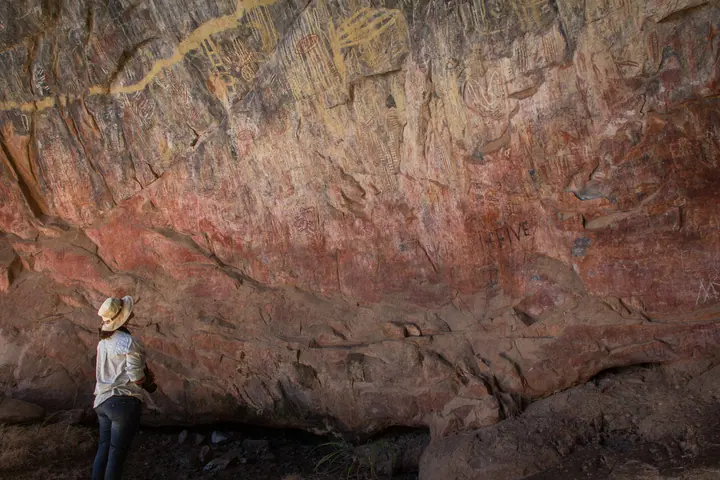
Zambia is the continent's quiet heavyweight: a country of thunderous water, oxbow rivers and floodplains so empty you can hear your own footsteps. It gave the world the walking safari and still does it better than anywhere else, while the smoke of Mosi-oa-Tunya rises on the southern border. This is where to go, and when.
Victoria Falls and Livingstone: Standing Inside the Spray
Nothing prepares you for the noise. The Zambezi, wide and unhurried upstream, throws itself into a 1,708-metre-wide chasm at Mosi-oa-Tunya — "the smoke that thunders" — and the ground trembles under the rainforest that somehow clings to the opposite lip. The Zambian side puts you closer to the edge than any other vantage point: follow the paved trail through Mosi-oa-Tunya National Park past the Eastern Cataract, cross the Knife Edge footbridge and stand in a warm, soaking rain that falls upward. In April, at peak flow, the spray column climbs hundreds of metres and you will be drenched within a minute. By October the river shrinks, the gorge walls appear, and the whole spectacle turns architectural.
Livingstone, ten kilometres upstream, is the base for everything else. Livingstone Island — where a Victorian explorer first glimpsed the falls — can be visited on a guided boat trip, and from late August or September into early January the water drops enough to swim in the Devil's Pool, a natural rock shelf right on the lip. Adrenaline seekers take the plunge a different way, rafting the Batoka Gorge's grade IV and V rapids when levels allow, bungee jumping from the Victoria Falls Bridge, or flying a microlight over the gorge at dawn.
Do not treat Livingstone as a transit town. The Livingstone Museum holds one of the country's best ethnographic collections, Mukuni Village welcomes visitors on working-life tours rather than staged performances, and a sunset cruise on the Zambezi above the falls — gin, hippos, fish eagles — is the correct way to end a first day.
South Luangwa National Park: Where the Walking Safari Was Invented
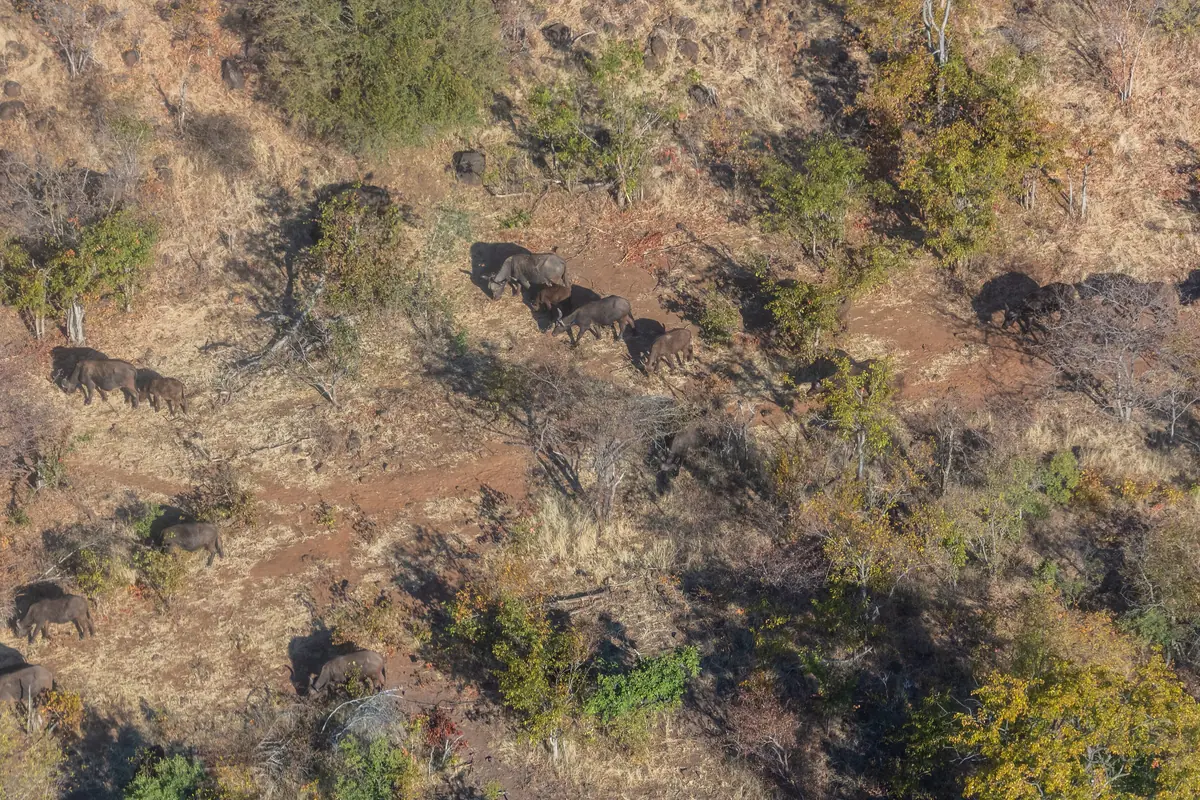
The Luangwa Valley is Zambia's flagship, and it earned that status the hard way. In the 1950s a local conservationist began taking guests out on foot here, at a time when the idea of walking among lions was considered eccentric, and the walking safari was born. It remains the park's signature: you leave the vehicle at sunrise with an armed guide and a scout, read tracks in the sand, learn which alarm call means leopard, and cover perhaps eight kilometres in three hours. The scale is intimate, the guiding exceptional.
Wildlife concentrates along the Luangwa River, whose oxbow lagoons and sandbanks host some of the densest hippo populations in Africa. Elephants cross in family herds, Thornicroft's giraffe — found nowhere else on earth — browse the mopane, and the park is widely regarded as one of the best places anywhere to see leopard. Because Zambia permits night drives, you also get the second shift: genets, civets, bushbabies and hunting lions lit by a red filter.
The main season runs from about June to October, when the bush thins and water draws animals to the river; the Nsefu sector in the north is quieter and wilder. From December to March the emerald season turns the valley green, brings migratory birds and lower rates, though some camps close. Mfuwe is the gateway, roughly an hour by light aircraft from Lusaka.
Lower Zambezi and Lake Kariba: Safari from the Water
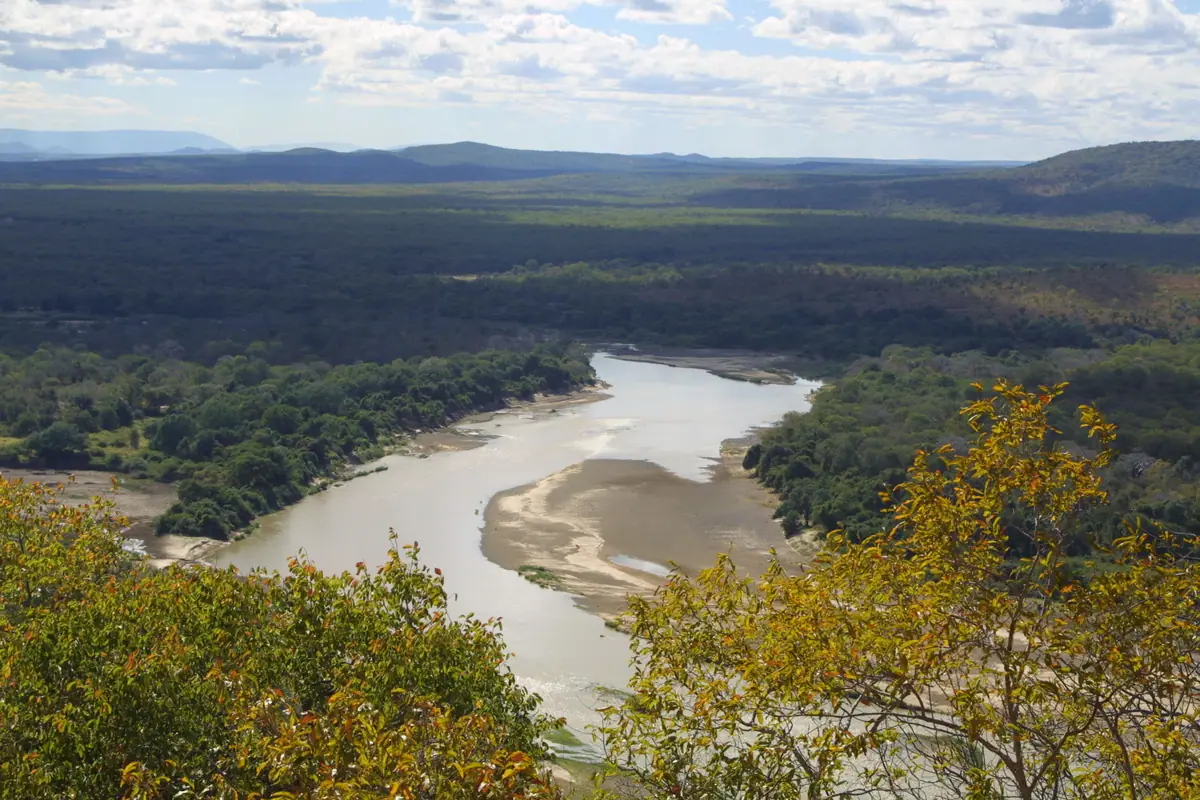
Across the country, the Lower Zambezi National Park trades dust for ripples. The park sits on the northern bank of the Zambezi, opposite Zimbabwe's escarpment, and its greatest pleasure is seeing big game from a canoe: drifting silently past elephants standing knee-deep in the channel, watching buffalo herds string out along the floodplain, keeping an eye on the sandbars where crocodiles warm up. Guided multi-day canoe trails camp on islands along the way — a genuine expedition rather than a boat trip.
In the same waters, tiger fishing is a serious pursuit. The striped, razor-toothed tigerfish fights like something twice its size, and catch-and-release fly or spinner sessions at dawn are a Lower Zambezi ritual. Boat-based game drives, sunset cruises and walking on the floodplain fill the rest of the day, while the Chiawa and Jeki areas concentrate the best camps. Access is normally by light aircraft from Lusaka, and the season mirrors South Luangwa — dry months, roughly June to October, with a green, dramatic off-season.
Further east, Lake Kariba is the country's inland sea, a 220-kilometre-long reservoir created by the dam at Siavonga. Take a houseboat out among the drowned mopane trees, fish for bream and kapenta, and watch fish eagles call from dead branches. Siavonga, on the Zambian shore, is a relaxed lakeside base about two and a half hours by road from Lusaka, and the dam wall itself makes an unexpectedly dramatic viewpoint.
Kafue National Park and the Busanga Plains: Zambia's Unhurried Giant
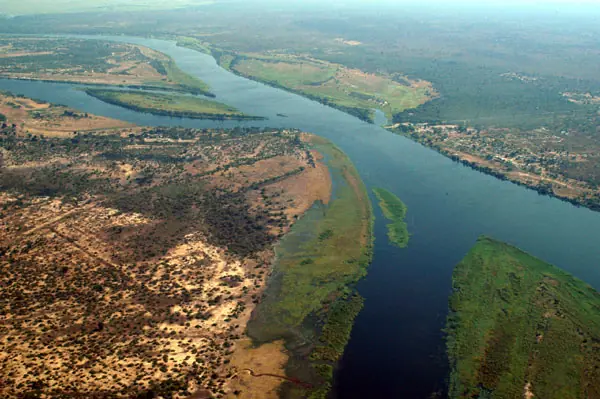
Kafue is the country's largest national park, a sprawl of miombo woodland, riverine forest and open grassland bigger than some European countries' protected areas. It is also one of Africa's oldest parks and, remarkably, one of its least visited — you can drive for hours without seeing another vehicle. The Kafue River cuts through the middle, feeding Lake Itezhi-Tezhi, and the southern Nanzhila plains offer classic dry-season game viewing with roan, sable and cheetah on the menu.
The park's crown is the Busanga Plains in the far north, a seasonal floodplain that turns into a lungfish-rich wetland in the rains and a vast golden lawn by July. This is prime lion country, with prides that have learned to hunt in the open, and it is one of the few places where you might see a lioness take her cubs through shallow water at dawn. Access is strictly seasonal: camps open roughly July to October, reached by light aircraft from Lusaka or by a long 4x4 transfer, and the Plains are usually inaccessible once the rains return.
Go for the sense of space rather than a checklist. Kafue rewards patience — a herd of wildebeest moving across a plain at sunset with nobody else watching is worth more than a dozen crowded sightings elsewhere.
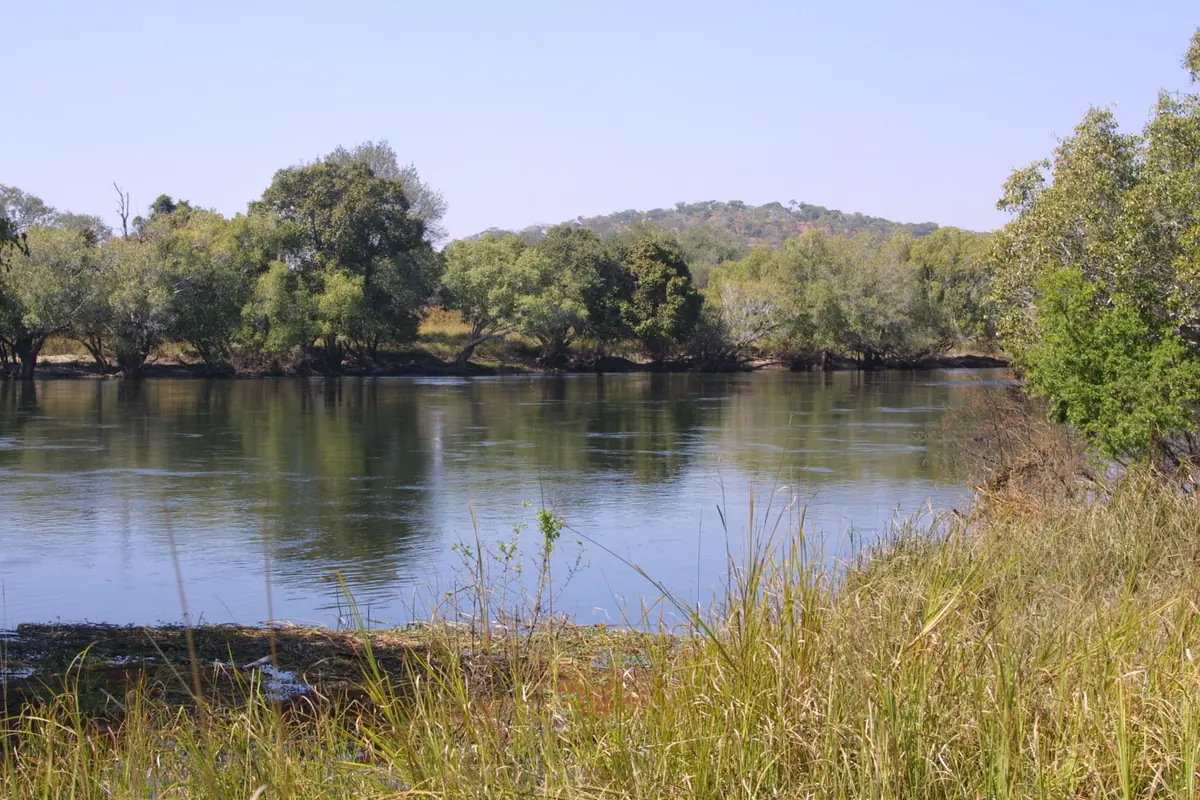
Liuwa Plain, Kasanka and Bangweulu: The Wild Cards
Zambia's most extraordinary spectacles happen far from the tourist circuit. In the far west, Liuwa Plain — a vast grassy floodplain in Barotseland, protected for centuries by Lozi royal decree — hosts Africa's second-largest wildebeest migration, with tens of thousands of animals arriving as the rains break, usually from November into December. It is also lion and cheetah country, sparsely visited, and accessible only by light aircraft or serious 4x4. The Lozi heartland around it stages the Kuomboka ceremony, when the Litunga moves to higher ground as the Zambezi floods, normally in March or April.
In central Zambia, Kasanka National Park becomes home to a wildlife event without rival: from roughly late October to mid-December, several million straw-coloured fruit bats roost in a small patch of mushitu forest, and at dusk the sky fills with wings. Sitting in a canopy hide above the colony is one of the strangest, most beautiful half-hours in African travel. Nearby, the Bangweulu Wetlands are the place to find the shoebill stork — a bird so prehistoric-looking that sightings feel like a rumour confirmed — along with black lechwe antelope on the floodplain.
If you push further north, the northern circuit adds Kalambo Falls, one of Africa's highest uninterrupted waterfalls on the Tanzanian border, the fern-fringed Ntumbachushi Falls, and Shiwa Ngandu, an eccentric English-style manor built in the bush in the 1920s. This is slow, self-drive or charter-flight territory; allow a week and expect few facilities and enormous rewards.
Planning a Zambia Trip: Seasons, Flights and Practicalities
Timing changes everything. The dry season from June to October is the classic safari window: cool mornings, thinning bush, animals concentrated at water, and walking safaris in full swing. September and October get very hot in the valleys but deliver the best predator sightings and the clearest Victoria Falls views. The emerald season from December to March is lush, cheap and superb for birds, but many bush camps close and dirt tracks become impassable; Liuwa Plain and the Kafue floodplains are the exception, since they only work with rain.
For Victoria Falls specifically, the Zambezi peaks around March to April, when the spray is so thick you can barely see the gorge and rafting shuts down. From roughly August through December the water drops, the Devil's Pool opens, white-water rafting and gorge walks run, and the falls become a series of dramatic curtains rather than a single roar. Many travellers pair the Zambian and Zimbabwean sides using a combined regional visa, which allows day crossings — the two perspectives are genuinely different, and both are worth the entry fee.
Lusaka is the unavoidable hub, and worth half a day: the Lusaka National Museum, the crafts and drums at Kabwata Cultural Village, and the Sunday market at Arcades for carvings and chitenge cloth. From there, light aircraft connect Livingstone, Mfuwe, the Lower Zambezi and Kafue; driving Lusaka to Livingstone takes about six hours on a good tar road. English is the official language and widely spoken, the currency is the Zambian kwacha, and lodges generally quote in dollars. Bring malaria prophylaxis, a yellow-fever certificate if you are arriving from an endemic country, and cash for park fees, tips and curios — card machines vanish the moment you leave the cities.
Frequently asked questions
What is the best time of year to visit Zambia?
June to October is the dry season and the safest bet for wildlife: cool nights, sparse vegetation and animals gathered at rivers in South Luangwa, the Lower Zambezi and Kafue. If Victoria Falls is the priority, aim for August to December, when low water reveals the gorge, rafting runs and the Devil's Pool typically opens. December to March is the green, quiet, cheaper emerald season, best for birds and for Liuwa Plain's wildebeest migration.
How many days do you need in Zambia?
Ten days to two weeks lets you combine two or three areas properly — for example three nights at Victoria Falls and Livingstone, four or five in South Luangwa and three in the Lower Zambezi, linked by short internal flights. Trying to add Kafue or Liuwa Plain on the same trip usually means adding at least four more days, since transfers are long and flights are limited.
Do I need a visa to visit Zambia, and can I cross to Zimbabwe at Victoria Falls?
Most visitors can obtain a visa on arrival or apply online before travelling, and a combined regional visa covering Zambia and Zimbabwe is available for those doing the Victoria Falls area — it allows day trips across the border so you can see the falls from both sides. Rules and eligibility change periodically, so confirm current requirements with your nearest Zambian embassy before booking flights.
Is Zambia a good destination for a first-time safari?
Yes, though it suits travellers who prefer low crowds over high polish. South Luangwa and the Lower Zambezi both have excellent guiding, comfortable small camps and strong leopard, elephant and hippo sightings, plus walking safaris and night drives that many countries do not permit. It is less of a box-ticking, big-five-in-two-days destination than a slower, more immersive one.
How do you get around Zambia?
Light aircraft charters link Lusaka with Livingstone, Mfuwe for South Luangwa, the Lower Zambezi and Kafue, and they are the standard way to combine parks without losing days to driving. Main highways are tarmacked and the Lusaka–Livingstone run takes about six hours, but routes into remote parks such as Liuwa Plain, Kasanka and Bangweulu are rough, seasonal and best done with a local operator or a chartered flight.
Plan it — experiences in Zambia
Live search, booked directly with trusted providers.
Sort the rest of your trip
Everything for Zambia, in one place
Stay in Zambia
Hotels, guesthouses and apartments — compared in one search.
Search hotels
Transfer in Zambia
Private driver waiting on arrival — no queues, no surprises.
Book a transfer
Stay online in Zambia
Travel eSIM — data the moment you land, no roaming bills.
Get an eSIMMore guides in Zambia
Top Things to Do in Zambia: Victoria Falls, Walking Safaris and Wild Landmarks
Zambia Tour Guide: Food, Culture and Local Experiences
One Week in Zambia: A Flying Safari Itinerary from Victoria Falls to the Busanga Plains
Best Time to Visit Zambia: Seasons, Safaris and Where to Stay