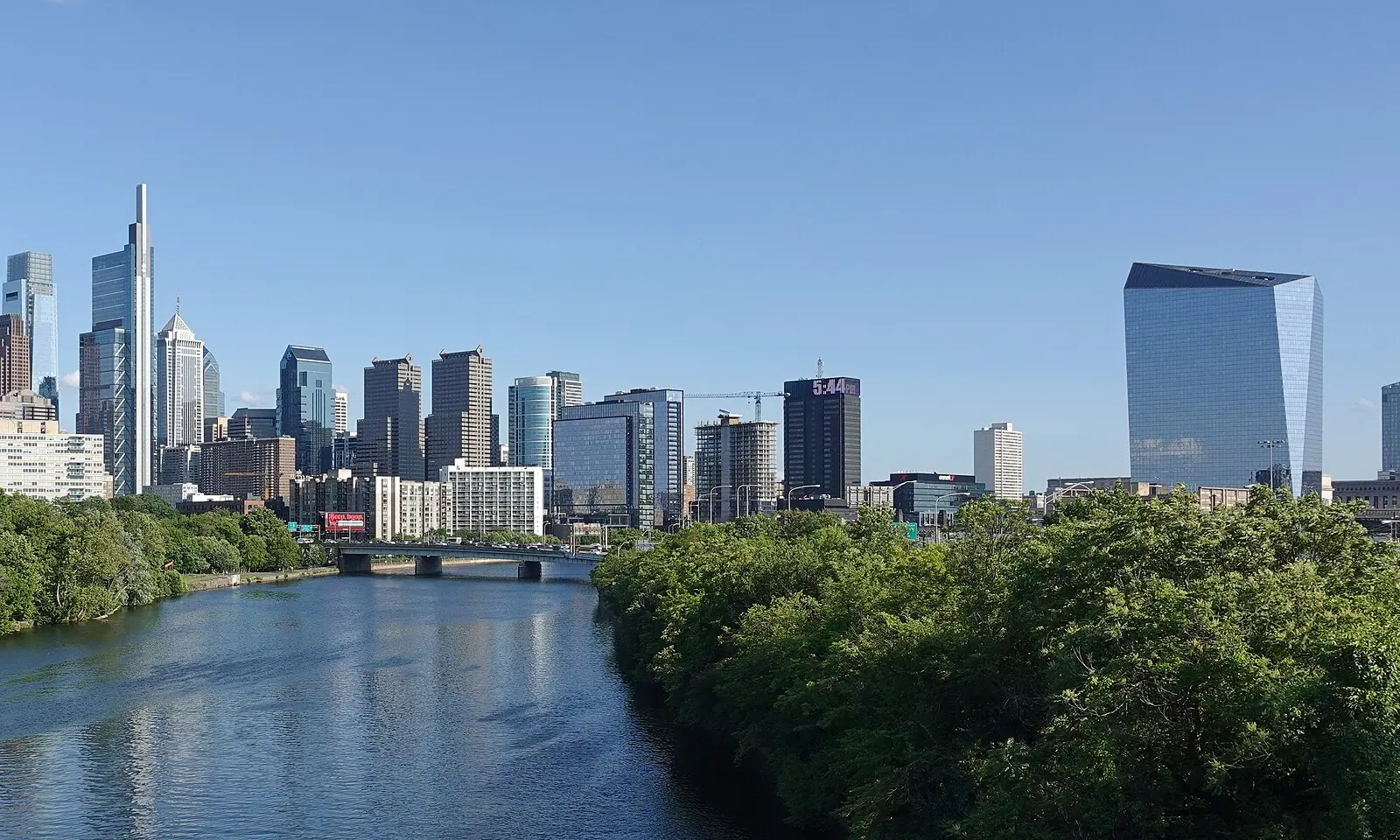
Denver sits on a high plain at the foot of the Rockies, a mile above sea level and a world away from the prairie that surrounds it. Where you sleep here shapes your trip more than in most American cities: a walkable historic core, a warehouse art district, leafy old residential blocks and an airport stranded far out on the flats all offer completely different holidays. Pick the right patch of the grid and you'll spend your days in the mountains or at the bar, not in traffic.
LoDo and Union Station: The Easiest First Landing
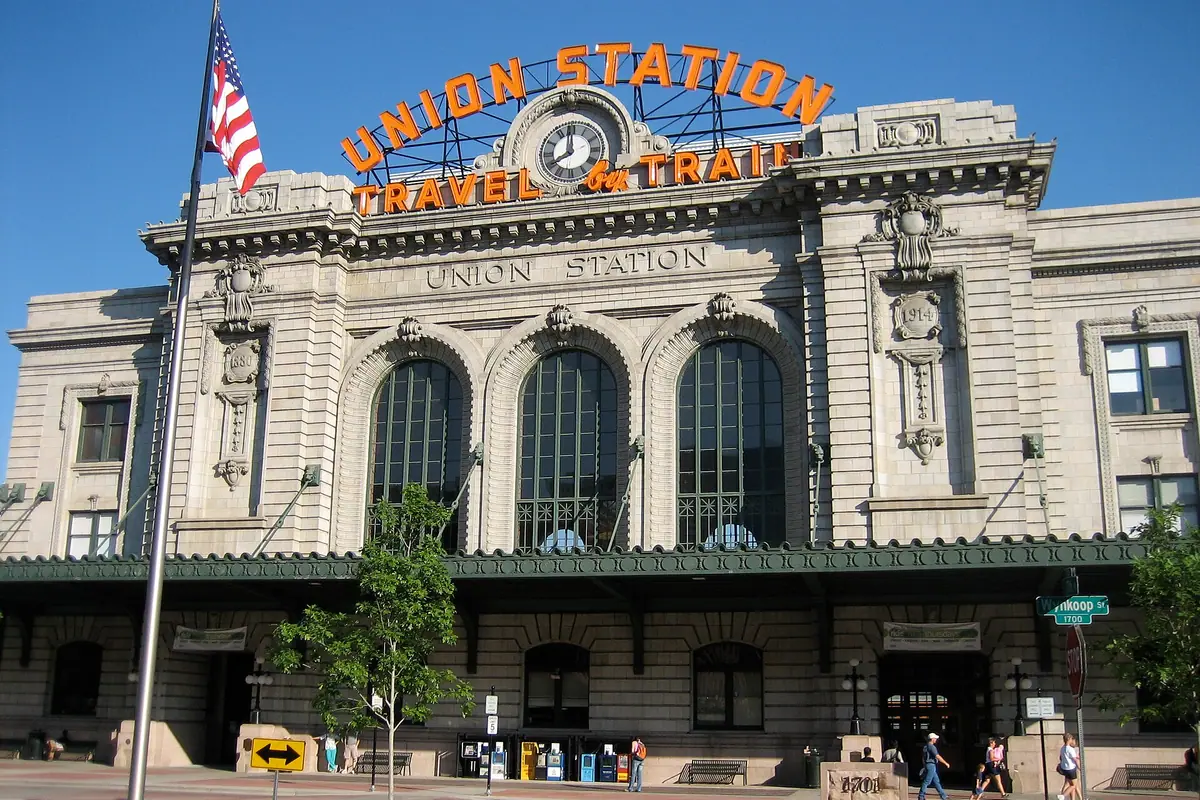
Lower Downtown — LoDo to everyone local — is Denver's oldest quarter and its most convenient base. The beaux-arts train station at its heart has been reborn as a hotel-and-restaurant hub, with a soaring Great Hall where locals meet under the original chandeliers, and a pedestrian spine running toward a stretch of gaslit Victorian brickwork that feels like a film set. Restored 1880s buildings, converted warehouses turned design hotels and a few full-service towers fill the blocks between the station and the baseball stadium at the district's northern edge.
For a first visit, this is hard to beat. You can walk to the ballpark, to the riverfront parks and the paved trails along the water, to the aquarium and the children's museum, and to dozens of bars and brewhouses. The airport train leaves from right here and reaches the terminals in roughly 35 to 40 minutes, which means you can land, drop your bags and be drinking a local amber ale before your body has caught up with the altitude. Light rail lines also fan out south and east, so you can leave the car behind entirely.
Be aware of what you're buying into: game nights, convention weeks and summer festival weekends push rates up sharply, and the loudest rooms face the tracks, the stadium or the late-night bar strips. Ask for a courtyard or upper-floor room, and book two to three months ahead for June through September.
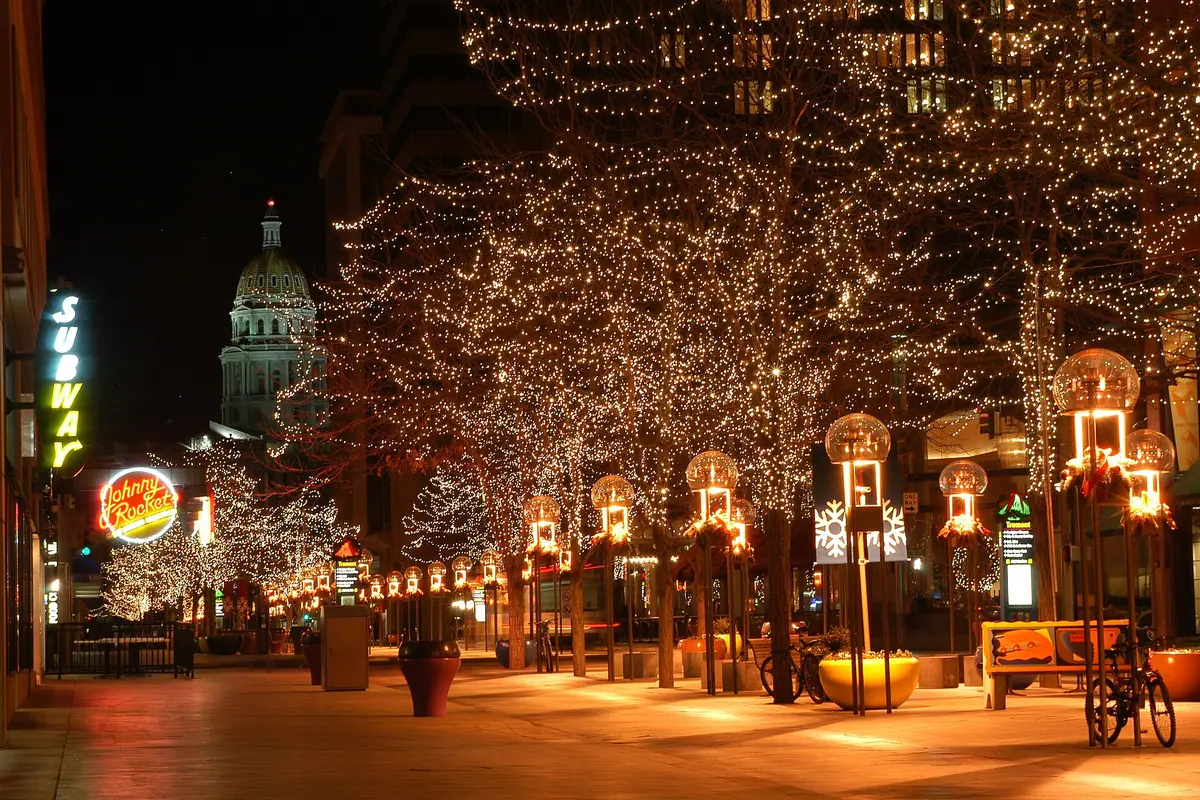
Downtown and Capitol Hill: Museums, Colfax and the Golden Triangle
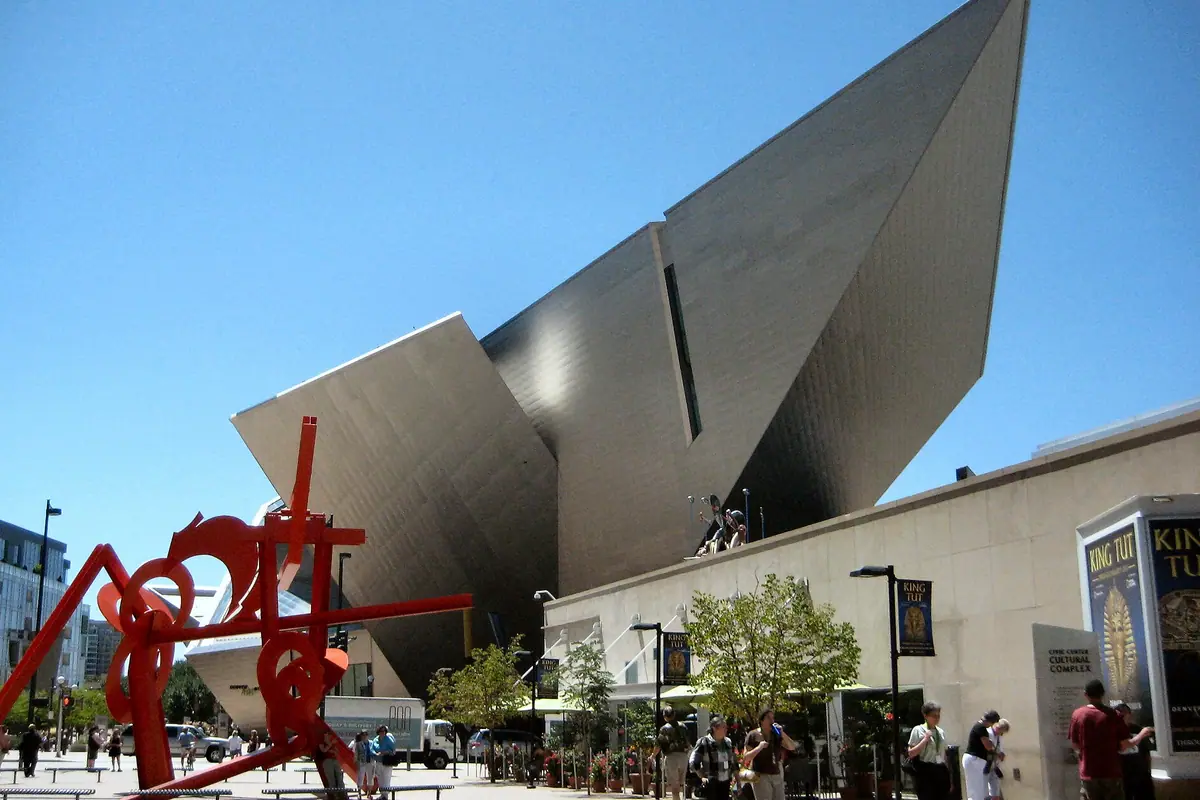
The central business district is a compact grid of glass towers, a pedestrian shopping mall and a convention center watched over by a giant blue bear peering through its windows — one of the city's most photographed residents. Business hotels here are plentiful and often cheaper on weekends, when the corporate crowd heads home. You're a short walk from the main art museum's jagged silver wing, the central library and several theatres, and the streets are quiet after dark in a way that suits light sleepers.
Just south, Capitol Hill and the Golden Triangle shift the mood from corporate to bohemian. This is where Victorian mansions became small inns and guesthouses, where a famous unsinkable socialite's home is now a museum, and where the parks — Cheesman, Governor's, Washington further south — fill with runners and picnics as soon as the snow melts. Hotels tend to be smaller, quirkier and housed in century-old buildings, with a handful of modern mid-rises along the avenues.
Colfax Avenue, the city's long, unruly main street, threads through it all with live-music venues, vintage diners and dive bars that run until last call. It's gritty in patches and gloriously unpolished; if you want a sanitized version of Denver, stay elsewhere. If you want the city's personality, this is it.
RiNo and Five Points: Warehouses, Murals and Breweries
The River North Art District, universally called RiNo, is what happens when a mile of freight warehouses gets handed to muralists, roasters and brewers. Brighton Boulevard and the blocks around Larimer Street are now wall-to-wall taprooms, food halls, cideries and small-batch distilleries, with fresh paint on the walls every month. Hotels are mostly design-forward conversions — concrete floors, exposed steel, bike storage in the lobby — and often noticeably cheaper than downtown for a room that feels far more interesting.
Neighbouring Five Points carries a deeper history: this was a thriving jazz and African-American commercial district in the mid-20th century, and a landmark jazz-era hotel on Welton Street still anchors the strip. Today the area mixes that heritage with new galleries, soul-food counters and coffee bars. It's a 15- to 25-minute walk or a short rideshare from LoDo, and light rail stops make it easy to reach the rest of the city.
The trade-off is atmosphere after dark. Some blocks are still industrial and thinly lit, and the district is patchy — a buzzing corner can be three minutes from a quiet loading dock. Look at a map before booking, favour addresses close to the main drags, and you'll get the best value-for-character ratio in Denver.
Cherry Creek and Congress Park: Polished, Green and Quiet
Cherry Creek is Denver's grown-up neighbourhood: a shopping district of galleries and designer storefronts, wide leafy streets, the botanical gardens with their glass conservatory, and a paved creek trail that runs all the way downtown. Hotels here lean upscale and residential in feel, with spa facilities, generous rooms and far less noise than the centre. It suits shoppers, couples and anyone who wants a calm base within a ten-minute drive of the action.
The catch is that Cherry Creek is not on the rail network, and its sidewalks empty out in the evening once the stores close. You'll want a car, a bike or a reliable rideshare habit, and you'll pay for convenience in the city's most expensive hotel zone — particularly during the run-up to the winter holidays.
A little further east, Congress Park and City Park trade polish for space and greenery. The city's zoo, nature and science museum and a large lake sit on the doorstep, and summer brings free Sunday concerts on the park's grassy slopes. Small inns and converted houses offer family-friendly rooms at gentler rates, and downtown is a 15-minute drive or a straightforward bus ride away.
The Highlands, Berkeley and Baker: Living Like a Local
Cross the river northwest of downtown and you reach the Highlands, known locally as LoHi where it meets the water. A pedestrian bridge drops you straight into a grid of Victorian cottages, taquerias, wine bars and some of the city's best restaurant rows along Tejon and 32nd. Small boutique hotels and guesthouse-style properties dominate, many with rooftop terraces and framed views of the skyline across the valley — for repeat visitors, this is often where they end up.
Further out, Berkeley centres on Tennyson Street, where 1920s bungalows have become galleries, bookshops and bakeries, and a handful of converted homes take guests. South of downtown, Baker and the South Broadway strip deliver a similar mix of vintage stores, music venues, antique rows and late-night kitchens, all within walking distance of the creek trail.
None of these areas is as transit-rich as LoDo. Buses run, but a car or rideshare makes them far easier, and residential parking rules can bite if you're renting. The reward is a trip that feels like a neighbourhood stay rather than a hotel stay — quieter mornings, better coffee, and locals who nod at you by day three.
Near the Airport and the Tech Center: Practical Stays
Denver's airport sits about 25 miles northeast of downtown, out on the prairie, under a terminal roof designed to look like snowy peaks. The drive takes 35 to 50 minutes depending on traffic; the commuter train from Union Station is more predictable at around 37 minutes. If you have a dawn departure, a long layover or a flight to catch after a late arrival, the cluster of corporate hotels in the Gateway Park and Aurora corridor — most with shuttles and free parking — is the sane choice. Just don't expect much within walking distance.
Southeast of the city, the Denver Tech Center is a sprawl of office parks, conference venues and light rail stations with a dense band of mid-range and upscale hotels. Rooms are frequently discounted at weekends, the light rail runs to downtown in about half an hour, and it's a sensible base for meetings or for visiting the medical campus in Aurora.
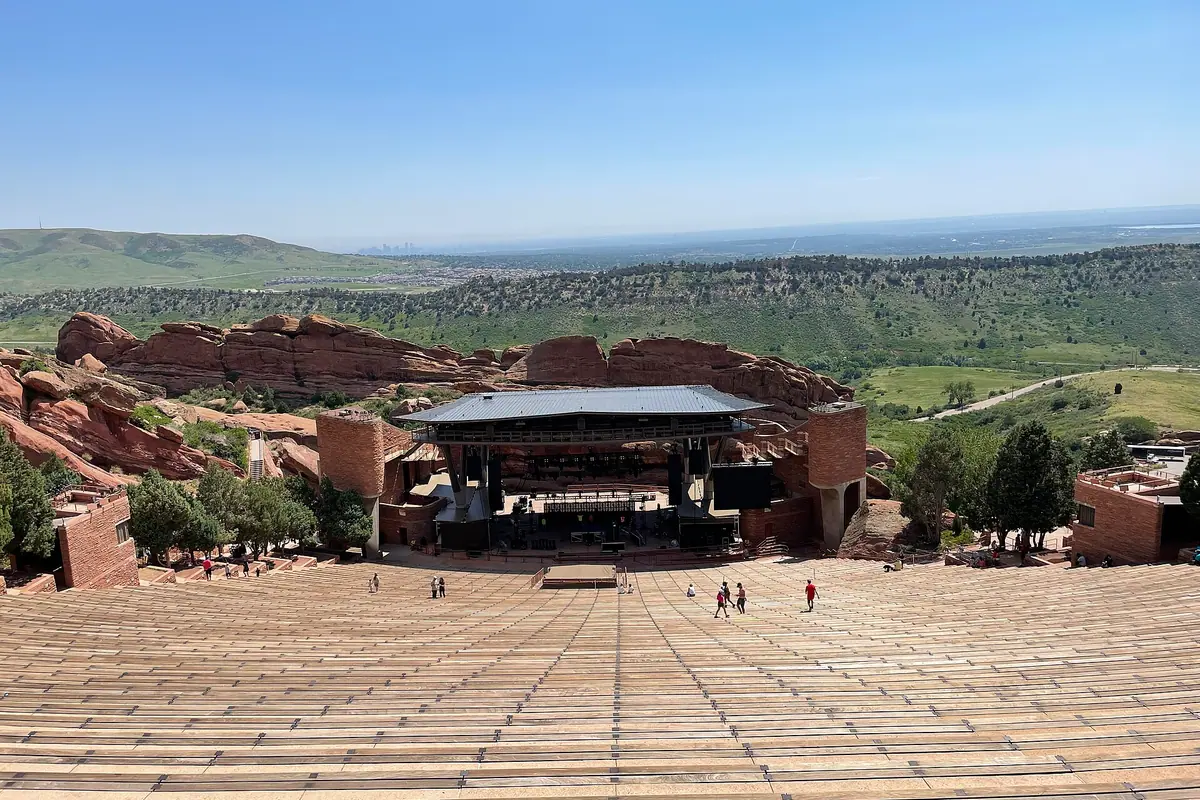
If your plans centre on the foothills — canyon drives, Red Rocks concerts, ski shuttles — consider a night or two in Golden or Boulder rather than commuting from central Denver. Both are 25 to 40 minutes out and save you hours of I-70 traffic on winter weekends.
Frequently asked questions
Where should a first-time visitor stay in Denver?
LoDo, around Union Station. You can walk to the ballpark, the riverfront trails, restaurants and bars, and the airport train leaves from the station in around 37 minutes. It's the least car-dependent part of the city and the easiest place to get your bearings on a short trip.
How will Denver's altitude affect my stay?
At 5,280 feet the air is thin and bone-dry. Expect to feel breathless climbing stairs for the first day or two, drink more water than usual, go easy on alcohol the first night, and use lip balm and sunscreen. A humidifier in your room helps with dry throats and noses; most hotels can supply one on request. Anyone with heart or lung conditions should check with a doctor before travelling higher into the mountains.
Do I need a car in Denver?
Not if you're based downtown, in LoDo or near a light rail line — the airport train, buses and rideshares cover most sights. You will need one for Red Rocks, Rocky Mountain National Park, mountain towns and Cherry Creek evenings, and parking downtown is expensive, so many visitors rent a car only for the days they head out of the city.
When is the best time of year to visit, and when should I book?
Late May to June and September to October bring the most reliable weather: warm days, cool nights and fewer storms. July and August are hot with regular afternoon thunderstorms, and winter is cold but often bright and sunny, with ski traffic peaking at weekends. Book two to three months ahead for summer and for big convention or festival dates, when central rooms sell out.
Where should families stay in Denver?
City Park and Congress Park are ideal — the zoo, the nature and science museum and a big lake are all within walking distance, and summer Sunday concerts are free. Downtown and LoDo work well too, with the aquarium, the children's museum and the riverfront trails close by, plus easy train access if you're arriving by air.
Sort the rest of your trip
Everything for Denver, in one place
Transfer in Denver
Private driver waiting on arrival — no queues, no surprises.
Book a transfer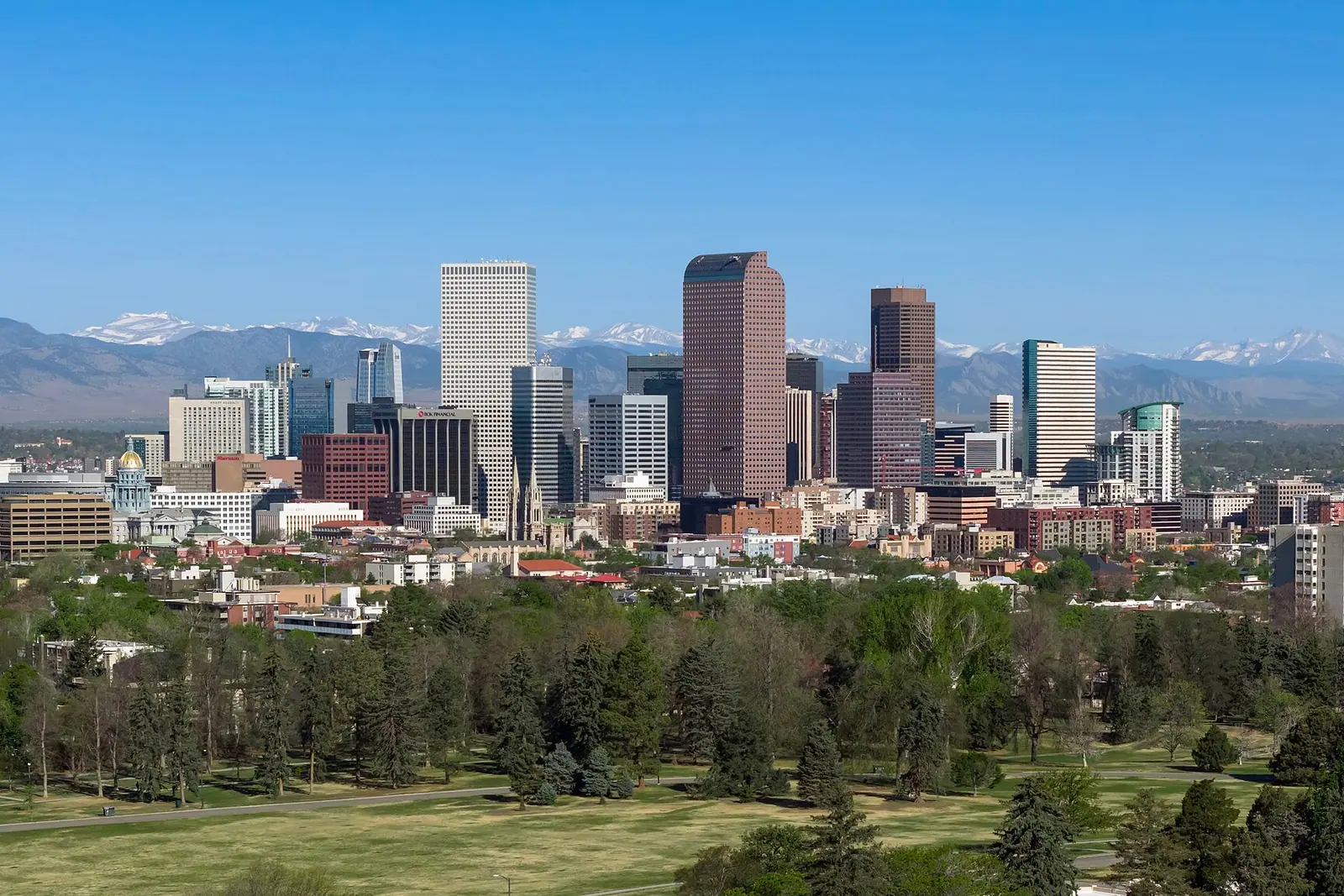
Things to do in Denver
Skip-the-line tickets, guided tours and standout experiences.
See experiences
Stay online in United States
Travel eSIM — data the moment you land, no roaming bills.
Get an eSIMMore guides in United States
United States Food and Culture Tour: Local Experiences and Iconic Landmarks
One Week in the USA by Flight: A Coast-to-Coast Itinerary
Where to Stay in Portland: Hotels and Neighborhoods for First-Time Visitors
Best Time to Visit San Francisco: A Season-by-Season Guide to Weather, Crowds and Where to Stay
Where to Stay in Philadelphia: A First-Timer's Guide to the Best Neighborhoods and Hotels