San Francisco refuses to behave like the rest of California. In July you may need a wool coat; in October you'll eat dinner outside in a T-shirt while the rest of the country hunts for sweaters. Choosing when to come — and where to sleep once you're here — shapes the whole trip.
What San Francisco Weather Actually Does (And Why It Matters for Hotels)
The city sits on a cold, deep bay at the tip of a peninsula, so the Pacific keeps it cool all year. Average daytime highs run from the mid-50s in January to around 70°F in September and October. That narrow range is the whole story: there is no scorching summer, no freezing winter, and almost no month when a light jacket is a bad idea.
Rain is the real dividing line. Roughly four out of every five inches of precipitation fall between November and March, arriving in a handful of multi-day storms rather than constant drizzle. April through October is largely dry. Fog is the second force: in summer, warm air inland pulls a cold marine layer through the Golden Gate, and it can sit over the western neighborhoods until early afternoon while the Mission and Noe Valley bask in sun two miles away.
This matters when you book. Hotel demand tracks events and holidays far more than weather, but the neighborhood you choose determines whether you wake up to blue sky or grey soup. Staying in the fog belt near Ocean Beach is atmospheric; staying in the Mission or Hayes Valley buys you noticeably more sunshine, usually for similar money. Rooms along the wharf and downtown spike hardest when the city is hosting a big convention, so a quick check of the Moscone Center calendar can save you a fortune.
Microclimates in brief: the Sunset and Richmond districts sit under fog most summer mornings, the Marina and Presidio catch wind and bridge views, and the eastern half of the city — Mission, Potrero, Dogpatch — is consistently the warmest and sunniest.
March to May: Blossoms, Wildflowers and Shoulder-Season Room Rates
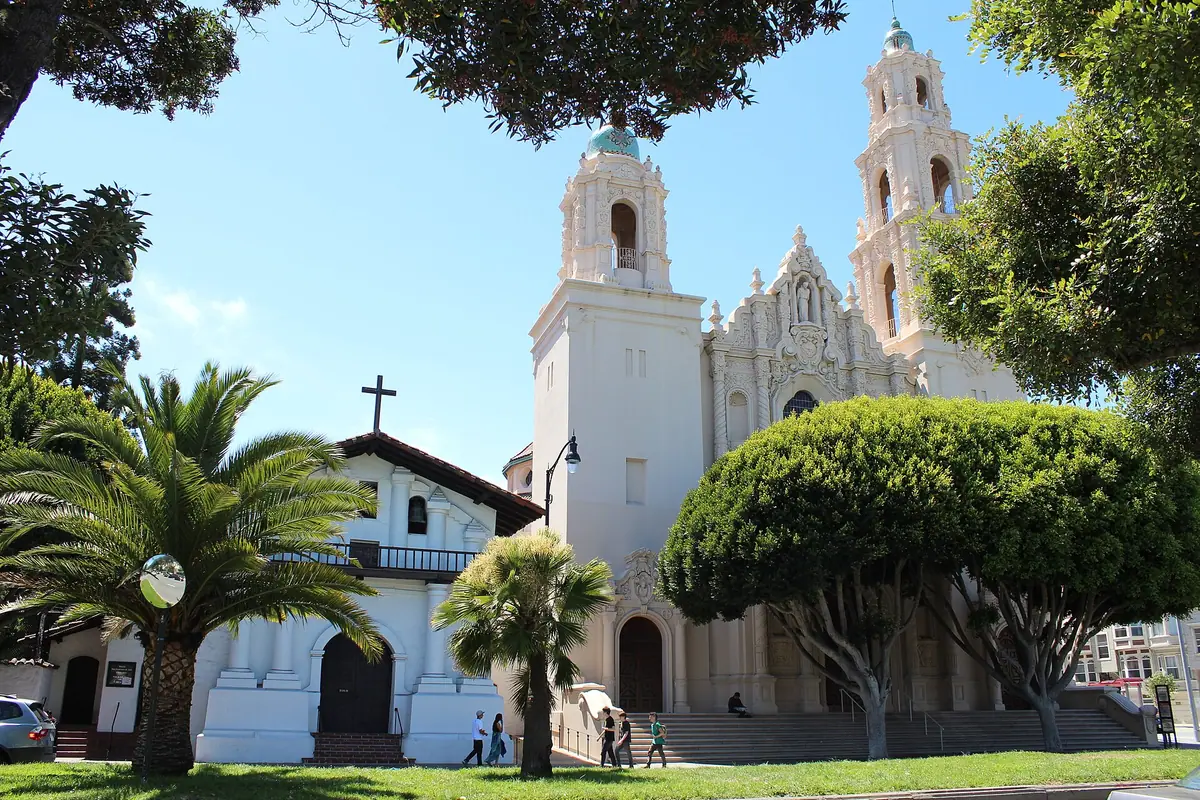
Spring starts wet and ends bright. March is still a rain month, but the storms thin out fast, and by mid-April the hillsides above the Marin Headlands and Mount Tamalpais are covered in wildflowers. Cherry trees bloom in Golden Gate Park and around the Peace Plaza pagoda in Japantown, usually peaking in late March into early April — a five-minute detour that most visitors miss entirely.
Daytime temperatures climb through the 60s and the afternoons get long, which makes this the best window for walking the 3.4-mile Lands End trail, climbing to Twin Peaks for a panorama, or cycling the bridge into Sausalito and taking the ferry back. Gray whales are still migrating north along the coast through May, and a pair of binoculars at Point Reyes or the cliffside overlooks south of the city can turn a picnic into a wildlife outing.
Crowds are moderate, so this is when you find the year's best combination of decent weather and reasonable hotel availability. Two exceptions to plan around: a costumed 12-kilometre footrace across the city on the third Sunday in May, and a lively two-day street festival in the Mission over Memorial Day weekend. Both fill rooms and close roads, so book well ahead or steer clear depending on your appetite for crowds.
Pack for three seasons in one day: a waterproof shell, a warm mid-layer, and something short-sleeved for the sunny hours.
June to August: Fog Season and Peak Demand
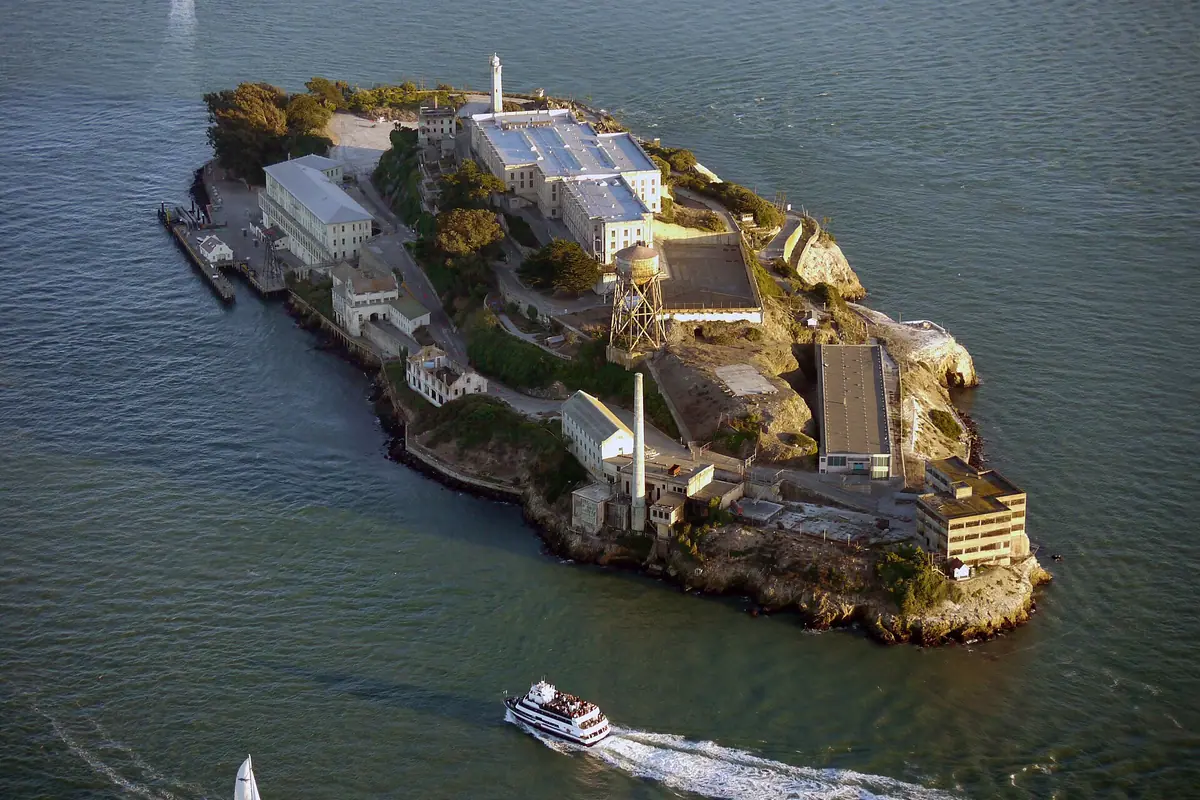
Summer is the city's most misunderstood season. Inland California bakes, the ocean stays around 55°F, and the temperature difference drags a thick marine layer through the Golden Gate almost daily. Locals call it Fogust. The pattern is usually predictable: grey and misty until late morning or early afternoon, then clearing from the east, with the western half of the city holding onto cloud longer. Alcatraz, the wharf and Ocean Beach sit squarely in the chill; Dolores Park, the Ferry Building and the Embarcadero are where you'll actually feel summer.
What summer does deliver is the best access to everything around the bay. This is prime time for a ferry to Angel Island, a hike among the redwoods just north of the bridge (parking and shuttle reservations are required and fill weeks ahead), oysters on Tomales Bay, or a day trip to Wine Country about 90 minutes north. Sunset is late, the beaches allow bonfires in designated fire pits at Ocean Beach, and the waterfront comes alive in the evenings.
It's also the most expensive and busiest stretch of the year for accommodation. Rates peak in July and August, and the best-value rooms in Union Square, Nob Hill and the Marina are typically gone three to five months out. Alcatraz tickets sell out days or weeks in advance, so book the moment your dates are set. If you're flexible, shifting your stay to late June or early September buys you similar weather with noticeably calmer hotels and shorter restaurant queues.
September to November: The City's Real Summer
Ask anyone who lives here and they'll tell you: the best weather of the year arrives after Labour Day. September and October bring the warmest temperatures, the least fog and the clearest skies, thanks to offshore winds that push the marine layer back out to sea. Highs hover near 70°F, evenings stay mild enough for outdoor dining in North Beach or along the Embarcadero, and the light on the bridge at sunset turns gold.
The calendar fills up accordingly. Early October brings Fleet Week, when ships anchor in the bay and an air show draws enormous crowds to the waterfront — spectacular, but hotel rates climb with it. The first weekend of October also sees a huge free music festival take over Golden Gate Park, and the surrounding weeks are harvest season in Napa and Sonoma, when vineyards are at their most photogenic.
By mid-November the rains return and the city starts settling into winter. That transition is worth timing deliberately: the first Dungeness crab of the season usually lands in markets and restaurants around November, a genuine local ritual. If you want warm weather and don't mind paying peak-season prices, book September or October three to six months ahead. If you want the same sunshine with cheaper rooms, aim for the last week of September or the first week of November and accept a small gamble on rain.
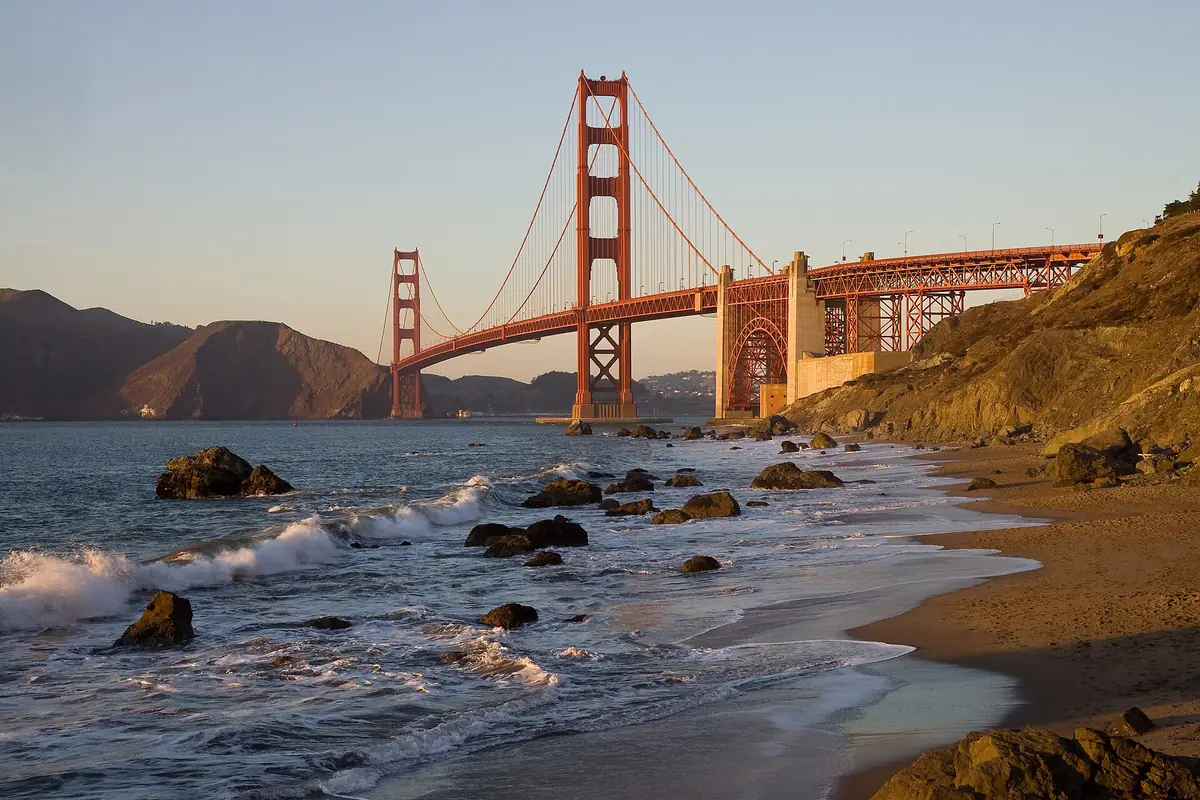
December to February: Rain, Crabs, Whales and the Cheapest Rooms
Winter is cool and damp rather than cold — daytime highs in the mid-50s, rain arriving in waves, and occasional spectacular storms that send spray over the seawall at Ocean Beach. Locals treat it as indoor season: the city's museums, from the fine arts halls in Golden Gate Park to the modern art collection in SoMa, are at their most enjoyable when it's pouring outside, and the crowds are thinner than at any other time of year.
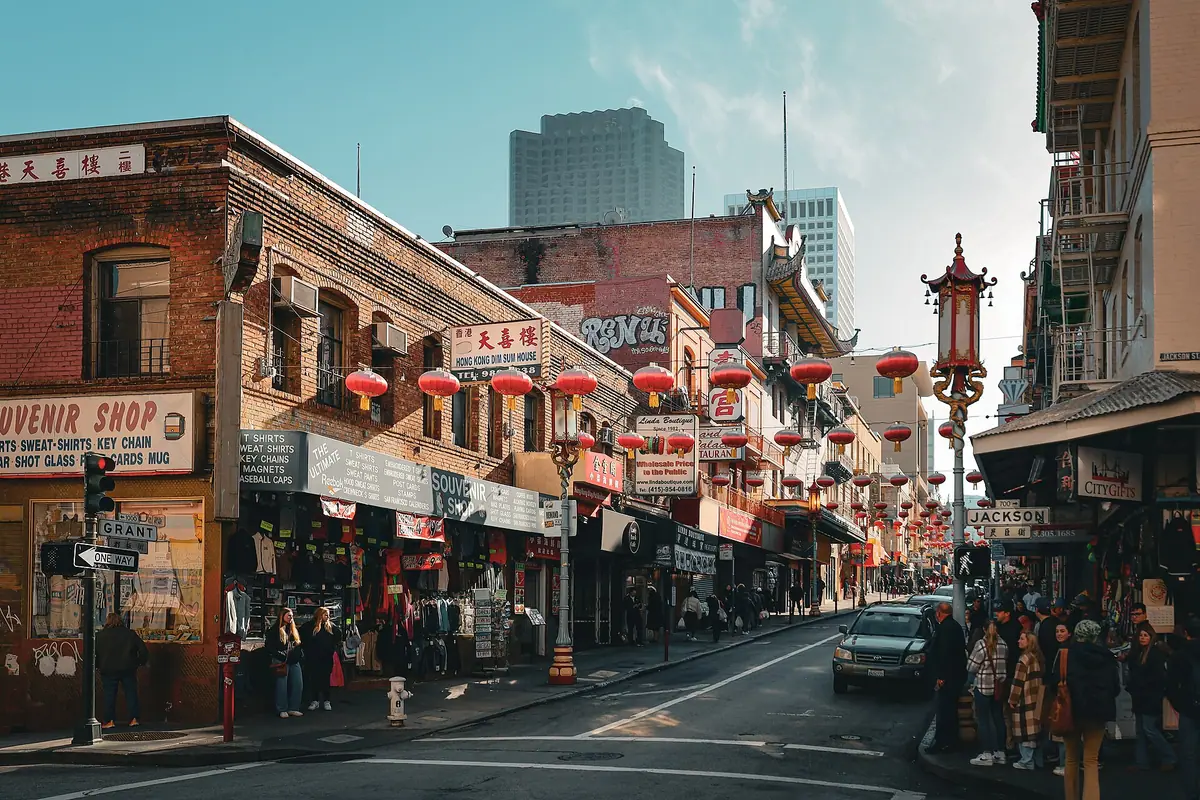
It's also the best value. January and early February — outside of New Year's Eve, a handful of major convention weeks and the Lunar New Year period — deliver the lowest hotel rates of the year, often with upgraded rooms available at short notice. Holiday lights and an outdoor ice rink keep Union Square festive through early January, and Chinatown's Lunar New Year parade in late January or February is one of the largest and loudest celebrations in the country.
For wildlife, this is the season to head north. Gray whales migrate past the coast from December through May, and Point Reyes and the coastal bluffs offer some of the best shore-based whale watching on the West Coast. Winter also brings king tides, which turn a walk along the Marin Headlands into a dramatic sea-and-sky show. Just build flexibility into your plans: a single storm day is a good excuse for a long lunch in a neighbourhood bistro rather than a bridge photo.
Practical note: the winter fog is gone but the wind off the water is sharp. Bring a proper waterproof jacket, shoes that can handle wet pavement, and a plan B for any day you'd hoped to spend outdoors.
Where to Stay by Season — and How Far Ahead to Book
San Francisco's neighbourhoods are genuinely different places to sleep. Union Square and Nob Hill put you on the cable car lines, walkable to Chinatown and the theatre district, and handy for transit in any weather — the safest choice for a first visit. Fisherman's Wharf suits families and early risers heading to Alcatraz, though it's foggy and tourist-heavy. The Marina and Cow Hollow offer bridge views and great restaurants with a side of wind; the Mission, Hayes Valley and Dogpatch are sunnier, more local, and full of small independent hotels.
If you're here mainly for Golden Gate Park, the museums and the ocean, staying in the Inner Sunset or Inner Richmond gets you closer for less, at the cost of a foggier morning and a longer ride downtown. Across the bay, Oakland and Berkeley are cheaper and well connected by train, which is a genuinely good option during a peak convention week when the city's rooms vanish.
Timing matters as much as location. For September, October and the holidays, book three to six months out. For July and August, aim for three to five. For January and February, waiting until two to six weeks before arrival usually works in your favour, and midweek nights are consistently cheaper than weekends. Skip the rental car unless you're heading to Wine Country or the coast — daily garage rates are steep, and the city is far better on foot, by cable car, by streetcar and by train.
One final tip that never fails: mornings are for the west side and the bridge, afternoons for the east. Plan your days around the fog, not against it, and San Francisco will show you its best face no matter which month you land.
Frequently asked questions
What is the single best month to visit San Francisco?
September and October are the warmest, clearest and least foggy months, with daytime highs near 70°F and reliably dry days. If you can only pick one, aim for late September to mid-October — but book accommodation three to six months ahead, because everyone else has the same idea.
Is summer a bad time to visit because of the fog?
Not bad, just different. June through August brings morning and sometimes all-day fog on the western half of the city, with highs in the low 60s, while the Mission and the Embarcadero are often sunny. It's the best season for day trips to the redwoods, Wine Country and the coast, but it's also peak hotel pricing and the busiest period, so reserve early.
When are San Francisco hotel rates at their lowest?
January and early February, excluding New Year's Eve, Lunar New Year and major convention weeks downtown. Midweek nights are cheaper than weekends year-round. Checking the convention centre calendar before you commit is the simplest way to avoid a sudden spike in rates.
What should I pack for San Francisco?
Layers, always. A waterproof windproof jacket, a warm mid-layer for foggy mornings and evenings, comfortable walking shoes for the hills, and something lighter for the sunny afternoon hours. Even in July, a wool layer earns its place in your bag.
Do I need to reserve attractions in advance?
Yes for the big ones. Alcatraz ferry tickets routinely sell out days or weeks ahead in summer and around holidays, and the redwood groves north of the bridge require parking or shuttle reservations that disappear fast. Museum tickets are usually flexible, but timed entries help on rainy winter weekends.
Plan it — hotels in San Francisco
Live search, booked directly with trusted providers.
Sort the rest of your trip
Everything for San Francisco, in one place
Transfer in San Francisco
Private driver waiting on arrival — no queues, no surprises.
Book a transfer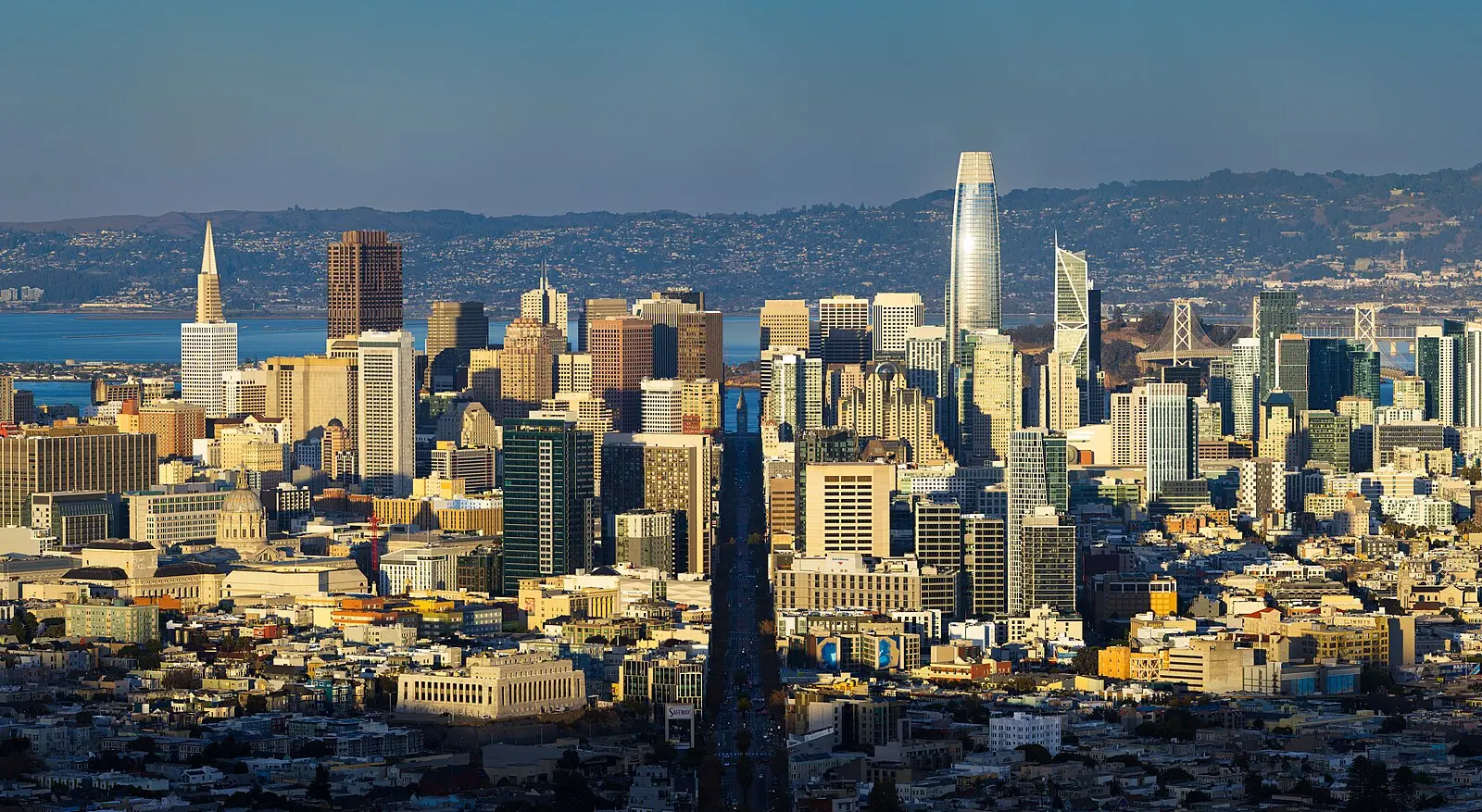
Things to do in San Francisco
Skip-the-line tickets, guided tours and standout experiences.
See experiences
Stay online in United States
Travel eSIM — data the moment you land, no roaming bills.
Get an eSIMMore guides in United States
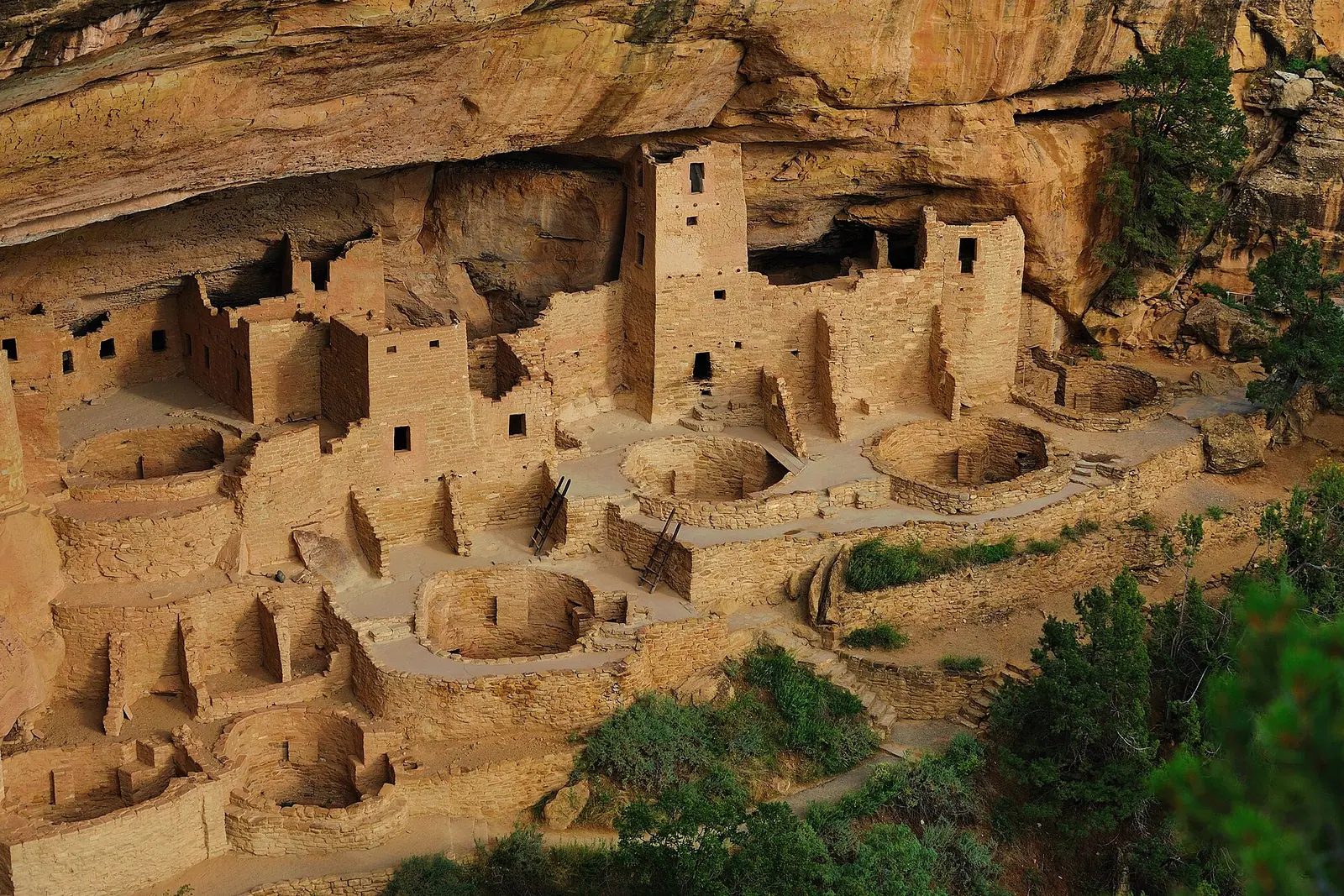
United States Food and Culture Tour: Local Experiences and Iconic Landmarks
One Week in the USA by Flight: A Coast-to-Coast Itinerary
Where to Stay in Portland: Hotels and Neighborhoods for First-Time Visitors
Where to Stay in Denver: The Best Neighborhoods and Hotels
Where to Stay in Philadelphia: A First-Timer's Guide to the Best Neighborhoods and Hotels