Portland rewards visitors who pick their pillow as carefully as their coffee. The city is compact enough to cross on foot in an afternoon, yet its neighborhoods feel like separate small towns — so where you sleep quietly decides what kind of trip you have.
Portland Basics: How the City's Layout Should Shape Your Booking
Portland sits on the Willamette River, and that single fact explains most hotel geography. The west bank holds downtown, the Pearl District and the leafy Northwest hills; the east bank spreads into the Central Eastside, Hawthorne, Division, Mississippi Avenue and Alberta Arts. First-time visitors often default to a downtown address, and it genuinely works — but a large share of the city's best restaurants, breweries, food carts and vintage shops sit east of the river, so an eastside room can put you closer to the evenings you actually came for.
The city is unusually kind to car-free travelers. Blocks are short — roughly twenty to a mile — and a light-rail line runs from the airport's baggage claim straight into the center in about forty minutes, which means you can land, drop your bags and be drinking locally roasted coffee before your flight's arrival time would even register elsewhere. A streetcar loop stitches downtown to the Pearl and the riverfront.
One budgeting detail surprises almost everyone: Oregon has no sales tax, so the price on a menu or a shop tag is the price you pay. Lodging is the exception. Combined state, county and city lodging taxes can add a double-digit percentage to your nightly rate, and downtown parking is often billed separately at a substantial nightly fee. Read the total, not the headline rate.
Downtown and the Pearl District: The Classic First-Timer Base
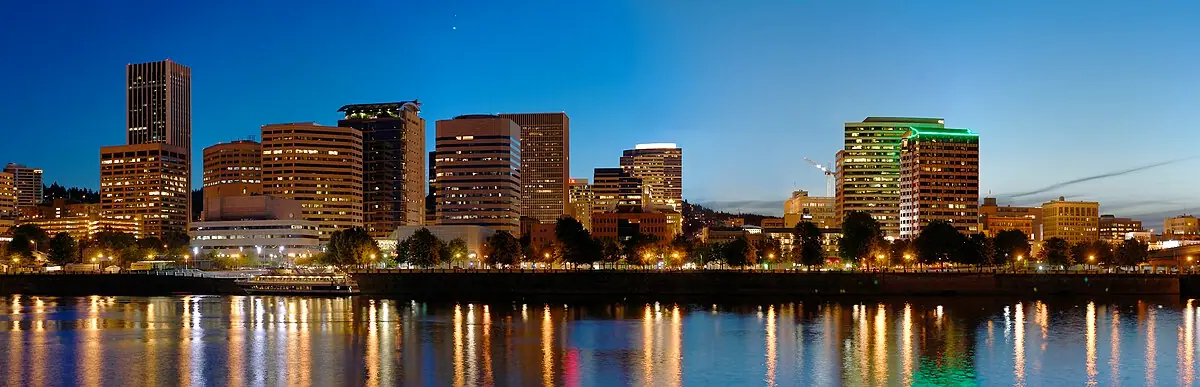
Downtown Portland clusters around a brick-paved central square that functions as the city's living room, with light rail on all sides and a dense ring of full-service hotels. This is the choice for anyone who wants maximum convenience: walk to the waterfront park and its Saturday market, wander into a block-sized independent bookstore, duck into a Chinese garden walled off from the street, and still be ten minutes from a dozen dinner options.
Just north, the Pearl District turns old warehouses and rail yards into converted lofts, galleries, brewpubs and design-forward hotels with exposed timber, brick and big windows. Evenings here are calmer than downtown's, the sidewalks are wide, and you're a short stroll from the river and from the start of the streetcar loop. Rooms in the Pearl tend to be smaller and pricier than their suburban equivalents, but the location buys back hours of your day.
A few trade-offs are worth knowing. Downtown hotel rooms facing the transit mall can be noisy until late, and event nights at the Rose Quarter arena or the west-side soccer stadium flood nearby blocks with traffic and inflated rates. If you're a light sleeper, ask for a room on an upper floor away from the street — front desks are used to the request and rarely charge for it.
Across the River: Alberta Arts, Mississippi Avenue and the Central Eastside
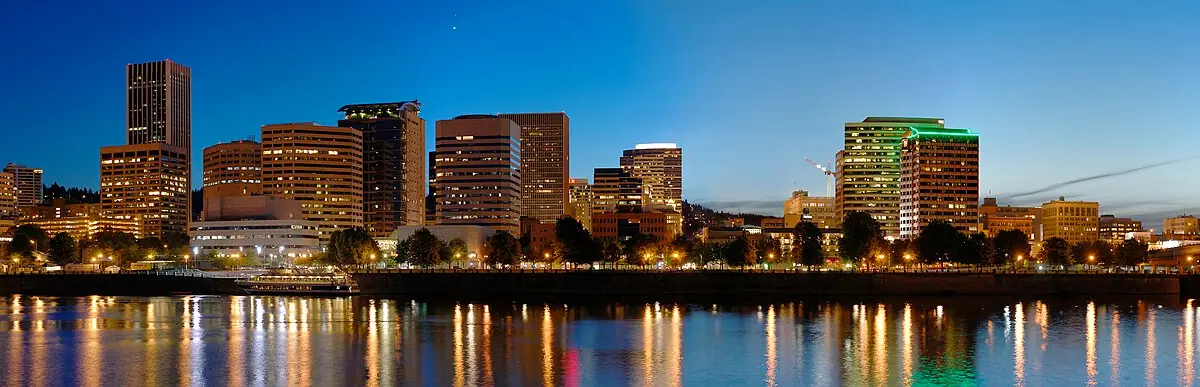
Portland's east side is where the city's personality lives, and its hotel stock is smaller, quirkier and often better value. Alberta Arts is a mile-long strip of mural-covered walls, tiny galleries, independent boutiques and casual kitchens, with a summer street fair that shuts the road to cars. Accommodation here leans toward small inns, converted houses and a handful of boutique properties, so summer weekends book out weeks ahead.
Mississippi Avenue, a few minutes south, mixes a historic main-street feel with food carts, record shops and taprooms, and sits within easy walking distance of the river. Further south still, the Central Eastside — an old industrial quarter of warehouses and rail spurs — has become the city's design hub, with loft-style hotels, roasters and makers' studios tucked between bridges. From here you can walk across into downtown in fifteen minutes or catch a bus along the river.
The honest caveat: eastside lodging is thinner, so if you're traveling in rose season or over a big event weekend, you may not have the luxury of choosing a district — you'll be choosing whatever room is left. Reserve early, and treat a slightly longer walk to the river as the price of a more interesting neighborhood.
Boutique Character, Historic Buildings and the Quirks That Come With Them
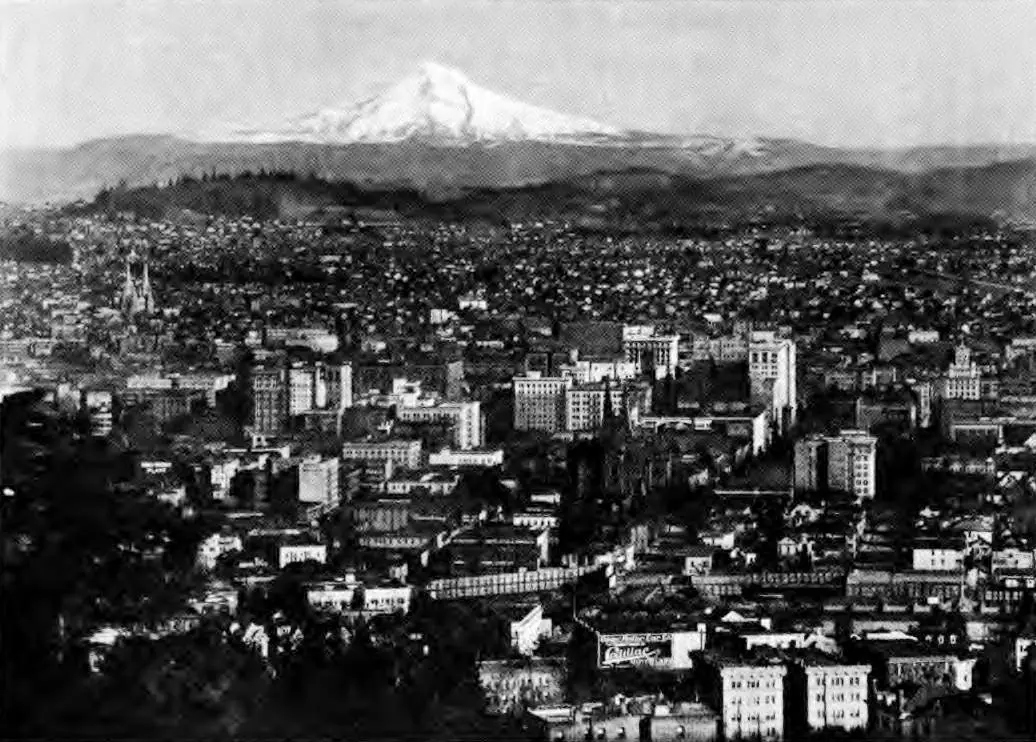
Portland has a deep bench of character stays: century-old downtown buildings with tiled lobbies, brass fittings and narrow corridors; mid-century motor lodges reborn with record players in the rooms; timber-and-glass newcomers in the Pearl that feel more like a friend's well-designed apartment than a hotel. Many of them pour local coffee in the lobby each morning, lend bicycles, and welcome dogs with genuine enthusiasm — this is a city that takes its canines to breweries.
Older buildings bring older problems. Some historic properties have rooms the size of a generous closet, shared bathrooms on budget floors, and single-pane windows that let in street noise. Most consequentially, a number of them were built long before anyone imagined a Pacific Northwest heat wave, so air conditioning may be absent or limited to a portable unit. If you're visiting in July or August, when afternoon temperatures regularly push past 85°F and occasionally past 95°F, confirm cooling in writing before you book.
Ask about the small stuff, too: whether the rate includes breakfast or just a pastry counter, whether the bar closes at ten, whether there's an elevator for upper floors in a converted walk-up. Boutique hotels trade predictability for personality, and a two-minute email before booking saves a lot of mid-stay improvisation.
What Your Rate Actually Includes — Parking, Transit and Practical Math
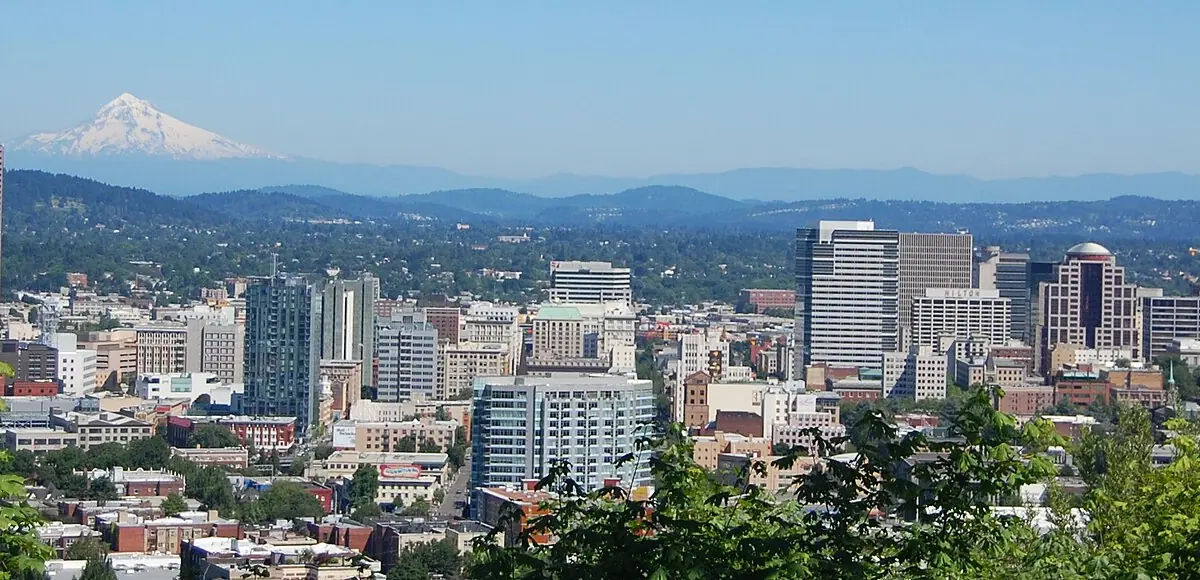
In central Portland, parking is the hidden line item. Valet and garage parking at downtown hotels can run as high as a third of a budget room's nightly cost, and free street parking near the center is scarce and time-limited. If you're flying in and staying in the core, skip the rental car entirely: the airport train, streetcar, buses and your own two feet cover nearly everything a first visit requires.
Keep a car only if you're planning day trips — the Columbia River Gorge and its waterfalls, the orchards and farm stands of Sauvie Island, the coast, or the timberline roads around Mount Hood. Even then, consider picking up a vehicle for those days only and relying on transit while you're in town; you'll dodge parking fees, bridge traffic and the hunt for a space on a Saturday night.
Elsewhere, the value equation shifts toward the east side and toward winter. Neighborhood inns frequently include parking and breakfast, and they sit beside the food carts, coffee bars and taprooms that make Portland affordable to enjoy once you've paid for the room. Budget for the lodging taxes, tip as you would anywhere in the United States, and remember that a modest room in a great district usually beats a grand room in a dull one.
When to Book: Portland's Seasons, Crowds and Rose Calendar
Summer is Portland's peak. July through September brings the driest, sunniest weather of the year, long evenings that stay light until nearly nine, and the highest room rates — particularly on weekends, when the city fills with wedding parties, festival-goers and convention delegates. Book two to three months ahead for a summer weekend downtown, and expect the sharpest prices to vanish first at the small boutique properties.
Spring is the connoisseur's window. Cherry blossoms along the waterfront park peak in late March, and the city's signature roses hit their stride from late May into June, coinciding with a major festival that brings parades, a waterfront carnival and visiting ships — a wonderful time to be in town and a terrible time to book late. Autumn rivals spring, with the Japanese garden's maples turning in late October and early November, mild dry spells into October, and a marathon that fills downtown hotels on its weekend.
Winter is gray, damp and inexpensive. From November through March, expect drizzle, temperatures in the forties and soft, moody light that suits the city's coffee-and-bookshop rhythm; rates drop sharply in January and February outside holiday and conference spikes. Snow is rare but ice storms do occasionally paralyze the hills, so check forecasts if you're driving in from the gorge or the coast between December and February.
Safety, Neighborhood Feel and Choosing Like a Local
Central Portland, like many American downtown cores, has visible homelessness and street-level disorder, concentrated most heavily around the Old Town and transit corridors. Most visitors find the shopping and dining core comfortable during the day and simply take ordinary city precautions after dark — stay aware, keep to lit streets, and don't leave anything visible in a parked car. The eastside commercial districts tend to feel relaxed at night, with people out walking between bars and restaurants.
Portland's rhythm is early-to-bed by big-city standards. Breweries close around ten or eleven, coffee shops open at seven, and the best breakfast lines form before nine on weekends. If you want nightlife, look downtown or along the eastside strips; if you want quiet, the Pearl and the Northwest hills deliver it.
Finally, match the room to the trip. A three-day first visit built around food, coffee and walkability belongs downtown or in the Pearl. A slower week of neighborhood wandering, farmers markets and day trips suits the east side. And if the gorge, the mountain or the coast is your real motivation, a hotel near the freeway ramps will save you an hour of city traffic each way.
Frequently asked questions
Which Portland neighborhood is best for a first visit?
Downtown or the Pearl District is the easiest introduction: walkable, transit-rich and close to the riverfront, the central square and the city's biggest concentration of restaurants. If you want a more local, low-key feel and don't mind a longer walk or a short bus ride, base yourself on the east side around Alberta Arts or Mississippi Avenue.
Do I need a car when staying in Portland?
Not for the city itself. A light-rail line connects the airport directly to the center in about forty minutes, and streetcars, buses and short blocks make most of central Portland walkable. Rent a car only for day trips to the Columbia River Gorge, Mount Hood, Sauvie Island or the coast, and consider renting it just for those days to avoid steep downtown parking fees.
When is the cheapest time to stay in Portland?
January and February are consistently the least expensive months, aside from holiday weekends and large conferences, and midweek nights are cheaper year-round. Summer — especially July and August weekends — is the most expensive, with spring rose season and autumn event weekends close behind. Book two to three months ahead for any warm-weather visit.
What should I check before booking a historic Portland hotel?
Ask three things: whether the room has air conditioning (many older buildings don't, which matters in July and August), how much overnight parking costs if you're driving, and whether the rate includes breakfast. Historic properties often have compact rooms, thin windows and small elevators, so if noise or space matters, request an upper floor away from the street.
How much do taxes and fees add to a Portland hotel bill?
Oregon has no sales tax, but lodging carries combined state, county and city taxes that can add a double-digit percentage to the quoted nightly rate, plus optional parking charges in the center. Always total the rate including taxes and parking before comparing two properties, since a cheaper headline rate can end up costing more.
Sort the rest of your trip
Everything for Portland, in one place
Transfer in Portland
Private driver waiting on arrival — no queues, no surprises.
Book a transfer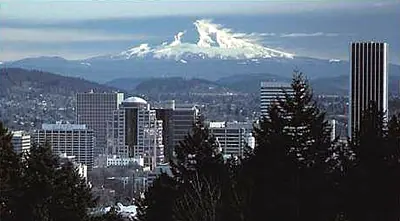
Things to do in Portland
Skip-the-line tickets, guided tours and standout experiences.
See experiences
Stay online in United States
Travel eSIM — data the moment you land, no roaming bills.
Get an eSIMMore guides in United States
One Week in the USA by Flight: A Coast-to-Coast Itinerary
Best Time to Visit San Francisco: A Season-by-Season Guide to Weather, Crowds and Where to Stay
Where to Stay in Denver: The Best Neighborhoods and Hotels
Where to Stay in Philadelphia: A First-Timer's Guide to the Best Neighborhoods and Hotels
Philadelphia Food and Drink Guide: What to Eat, Where to Go, and When
