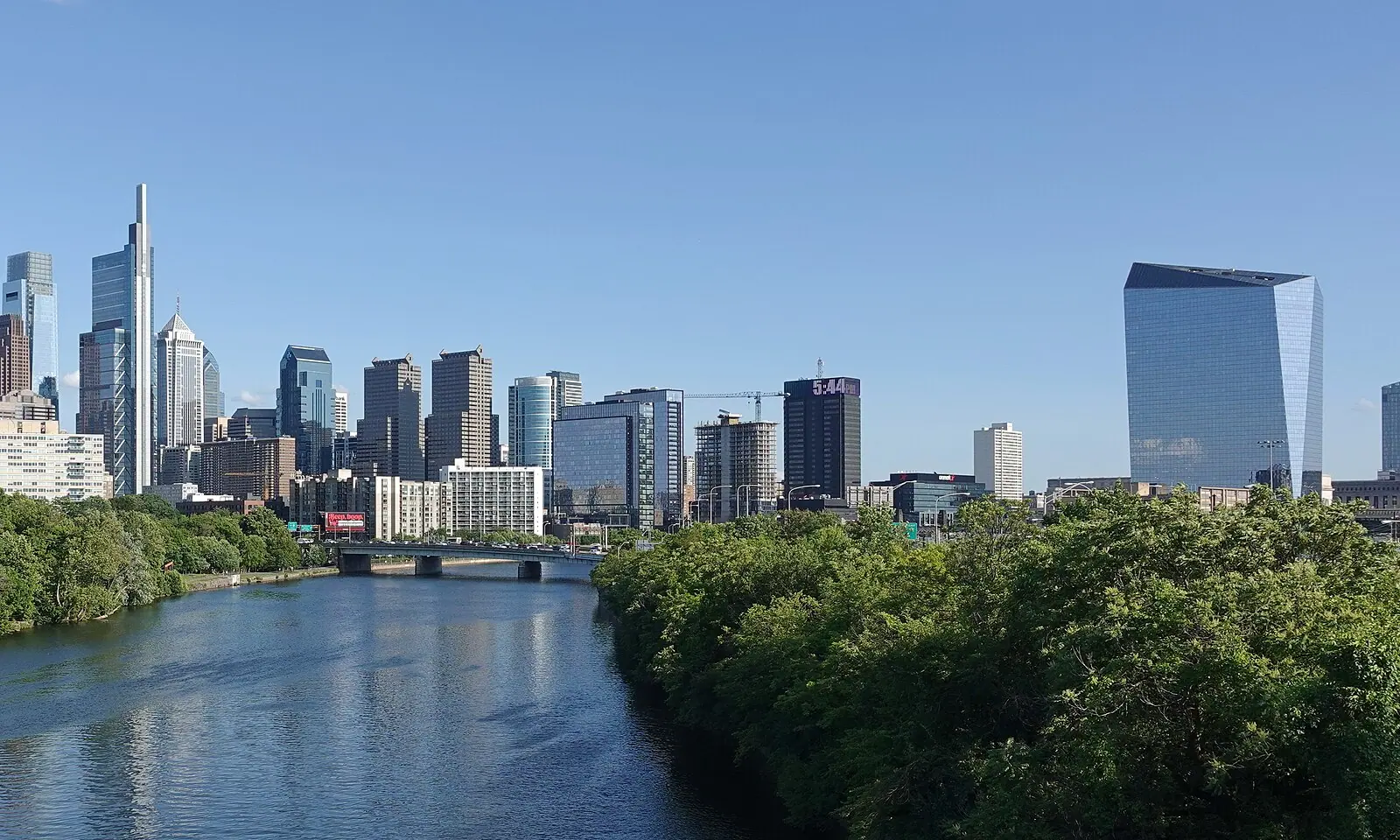
Seven days, five cities, four time zones — flying is the only way to stitch America's greatest hits into a single week. Pack light, sleep on the plane, and let the country unfold beneath you from the East River to the Golden Gate.
Why Flying Is the Only Way to Do America in a Week
The United States is roughly the size of a continent, and its icons are spread from the Atlantic seaboard to the Pacific coast. New York to Chicago is about a two-and-a-half-hour flight; Chicago to Las Vegas runs close to four hours; Las Vegas to San Francisco is barely ninety minutes. Driving those same legs would eat three or four full days of a seven-day trip. Domestic aviation in the US is dense and competitive, with frequent departures between major hubs, so a morning flight rarely costs you more than half a day of sightseeing.
Timing matters more than most first-timers expect. Late April through mid-June and September through October deliver mild weather in every city on this route and fewer crowds at the big landmarks. July and August bring punishing heat to the desert Southwest and humidity to the East Coast, while the last week of November and the December holidays are the busiest and most expensive stretch of the American travel calendar.
Book flights six to ten weeks ahead for the best fares, and always choose the earliest departure of the day — morning flights are far less likely to be delayed by the afternoon thunderstorms that roll across the Midwest and Rockies in summer. Build in a buffer on any day you have a connecting flight, and keep your luggage carry-on sized: you will be moving between airports five times in a week, and checked bags slow every transfer down.
Days 1–2: New York City, the Grand Opening
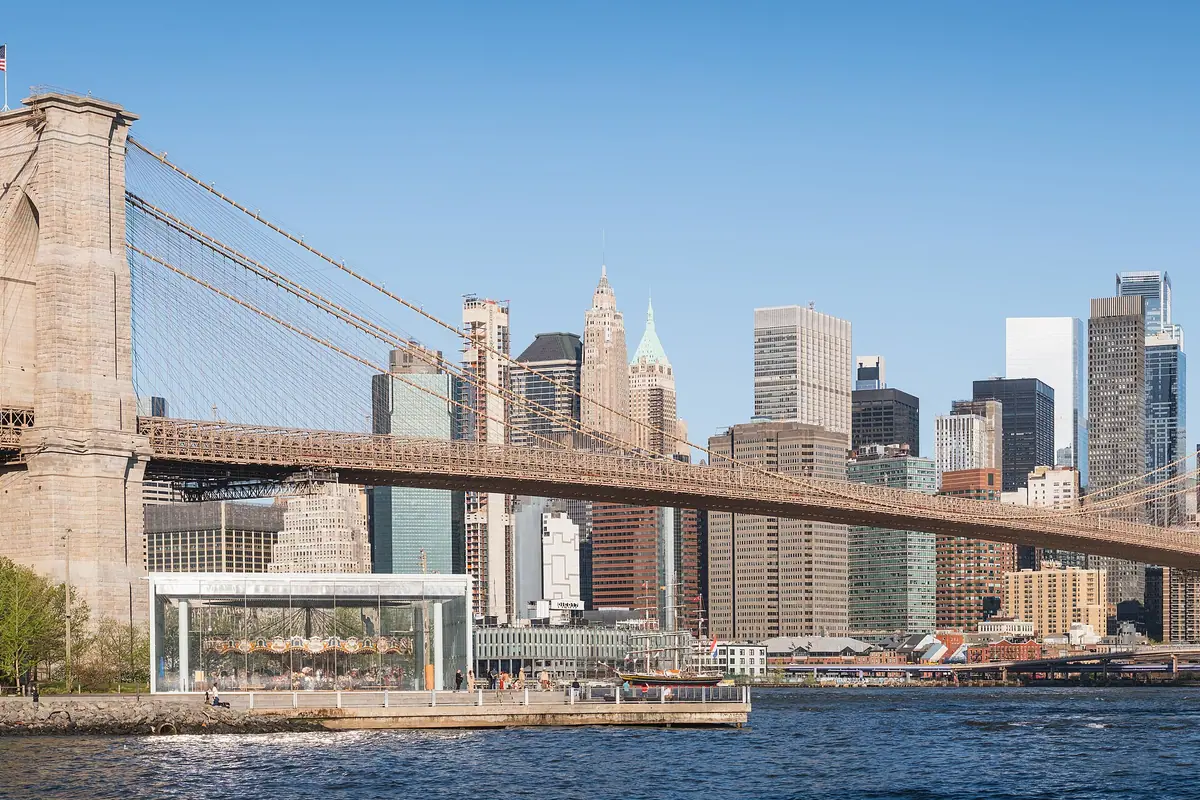
Start where the country announces itself. Day one belongs to Lower Manhattan: the ferry to the Statue of Liberty and Ellis Island, the neo-classical colonnade of Federal Hall, the bronze Charging Bull, and the solemn pools of the 9/11 Memorial. Book the first ferry of the morning — the monument is the single most popular attraction in the United States, and afternoon boats come with long security queues. Walk back across the Brooklyn Bridge at golden hour for the classic skyline view.
Day two is uptown and midtown. Ride the elevator to the Empire State Building observation deck or the Top of the Rock at Rockefeller Center for a 360-degree panorama, then drift through Times Square, Bryant Park and the New York Public Library. Spend the afternoon in Central Park — Bethesda Terrace, the Boathouse, the Great Lawn — and finish in the galleries of the Metropolitan Museum of Art or the Museum of Modern Art.
If you have energy left, catch a Broadway show in the Theater District, or walk the High Line elevated park down to Chelsea Market for dinner. Two days will not cover New York, but they will give you the skyline, the museums and the neighborhoods that define it.

Day 3: Washington, D.C. and the National Mall
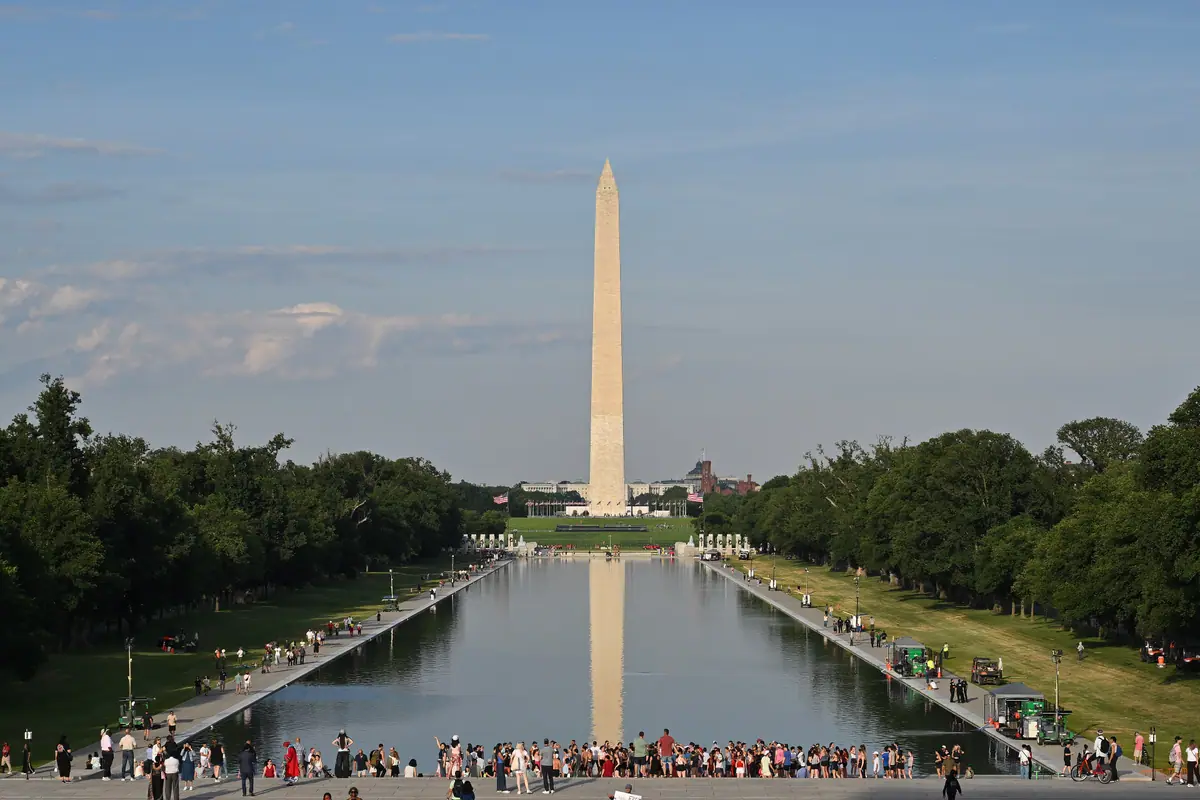
A short morning hop south puts you in the capital before lunch. Washington, D.C. is a city built for wandering, and almost everything worth seeing sits along the National Mall, a two-mile green spine running from the Capitol to the Lincoln Memorial. The Lincoln Memorial itself, with its seated marble president and the reflecting pool stretching east, is the emotional center of the city, best visited in early morning light or after dark when the monument glows.
Continue to the Washington Monument, the World War II Memorial, and the White House on Pennsylvania Avenue. The Smithsonian museums that line the Mall — the National Air and Space Museum, the National Museum of American History, the National Gallery of Art — charge no admission, which makes them an easy way to fill an afternoon without spending a cent.
Finish in Georgetown, where cobbled streets and 18th-century row houses run down to the Potomac, or cross the river to Arlington National Cemetery to see the Changing of the Guard at the Tomb of the Unknown Soldier. One well-planned day covers the essentials; a second day would let you add the Library of Congress and the Supreme Court.
Day 4: Chicago, Architecture and the Lakefront
Fly into the Midwest in the morning and you can be standing under Cloud Gate — the mirrored sculpture locals call The Bean — in Millennium Park by early afternoon. Chicago's lakefront is its greatest free asset: the Riverwalk, Navy Pier with its Centennial Wheel, and the beaches of Lincoln Park all face the immense blue expanse of Lake Michigan.
The city invented the skyscraper, and the best way to understand it is from the water. An architectural boat cruise along the Chicago River floats past the Tribune Tower, the Wrigley Building and dozens of glass-and-steel landmarks while a guide explains the history. Afterwards, ride the elevator to the Skydeck of the Willis Tower and step onto the glass ledge 103 floors above the street.
Eat like a local before you leave: deep-dish pizza, a Chicago-style hot dog with no ketchup, and an Italian beef sandwich. If your flight west is not until the next morning, spend the evening in the jazz clubs of the South Loop or watch the sunset from the Adler Planetarium peninsula, where the whole skyline turns gold.
Day 5: Las Vegas and the Grand Canyon
The desert flight west crosses the Great Plains and the Rockies, and you land in a city that looks like nothing else on earth. Las Vegas is best seen on foot along the Strip: the fountain show in front of the Bellagio, the gondola canals of The Venetian, the volcano and conservatory displays, and the neon canopy of Fremont Street downtown, where the city's older, grittier personality survives.
Use Vegas as the launchpad for the Grand Canyon, one of the world's great natural wonders. The South Rim is about a four-and-a-half-hour drive, or a short helicopter or small-plane flight if your schedule is tight. Aim to arrive for sunrise at Mather Point, when the layered red and ochre walls of the canyon emerge from the dark and the crowds have not yet appeared. Walk a stretch of the Rim Trail and stop at the historic village and the El Tovar lookout.
On the way back, detour through the town of Williams on Route 66 for diner coffee and vintage gas-station signs. Keep the evening free for a Cirque-style production show or a rooftop view down the Strip before your final flight.
Days 6–7: San Francisco and the Bay
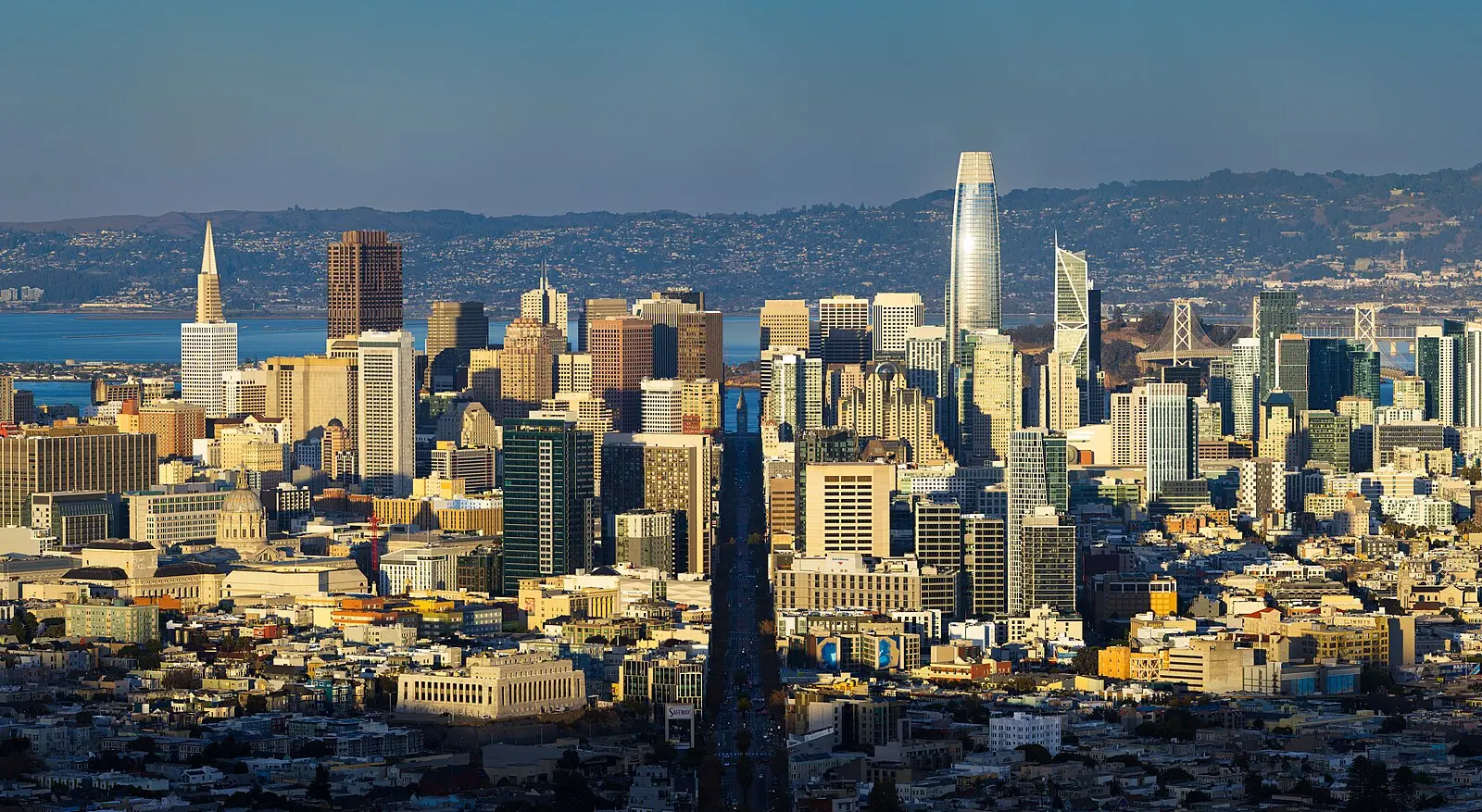
The last stop is the most photogenic. San Francisco rewards walking, and the Golden Gate Bridge is best approached from Crissy Field or the Marin Headlands, where the orange span frames the fog rolling in off the Pacific. Cross it on foot or by bike, then loop back through the Presidio's eucalyptus groves.
Ride a cable car up the steep blocks of Nob Hill, zigzag down Lombard Street, and spend an afternoon at Fisherman's Wharf and Pier 39, where sea lions haul out on the floating docks. The ferry to Alcatraz Island sells out days ahead — book early. The Ferry Building Marketplace is the place for sourdough, oysters and local coffee, and Twin Peaks offers a sweeping view of the whole bay at sunset.
If you have a spare half-day, drive north to Muir Woods to walk among old-growth redwoods, or south along the Pacific to Half Moon Bay. Fly home from the city's international gateway, or take a final short hop down the coast to Los Angeles if you want a beach day to close the trip. Either way, you will have crossed a continent in a week without ever losing a day to the road.
Frequently asked questions
Is one week really enough to see the United States?
Enough to see five headline destinations — New York, Washington D.C., Chicago, Las Vegas with the Grand Canyon, and San Francisco — if you fly between them and keep each stay focused. You will get a taste rather than a deep dive, so plan one anchor sight plus one neighborhood per city and resist the urge to add more stops.
What is the best time of year for this itinerary?
Late April to mid-June and September to October. You avoid the desert heat of a Las Vegas and Grand Canyon summer, the East Coast humidity of July and August, and the peak holiday crowds of late November and December. Spring and autumn also bring the clearest skies for the coastal and canyon flights.
How much time should I leave between connecting flights?
Ninety minutes to two hours on a domestic connection, longer at large hubs where you change terminals or re-clear security. Afternoon thunderstorms in the Midwest and Rockies cause most summer delays, so book the first departure of the day whenever possible and never schedule a tight connection on the day of an international departure.
Should I rent a car or rely on public transport in each city?
Rely on public transport in New York, Washington and Chicago, where subways and buses cover the sights and parking is expensive. San Francisco is walkable with cable cars and trams for the hills. Only Las Vegas and the Grand Canyon leg really calls for a rental car — or a guided day tour if you would rather not drive.
How should I pack for four different climates in one week?
Layers are everything. Bring a light waterproof shell for the East Coast and San Francisco fog, comfortable broken-in walking shoes, and a warm mid-layer for cool desert mornings at the Grand Canyon rim. Keep to carry-on size with a few mix-and-match pieces, since you will pass through airport security five times and do laundry in a hotel sink more than once.
Plan it — flights in United States
Live search, booked directly with trusted providers.
Sort the rest of your trip
Everything for United States, in one place
Stay in United States
Hotels, guesthouses and apartments — compared in one search.
Search hotels
Transfer in United States
Private driver waiting on arrival — no queues, no surprises.
Book a transfer
Travel insurance
Medical cover, delays and lost baggage — sorted before you go.
Get coveredMore guides in United States
Best Time to Visit the USA: A Season-by-Season Hotel and Landmark Guide
United States Food and Culture Tour: Local Experiences and Iconic Landmarks
Where to Stay in Portland: Hotels and Neighborhoods for First-Time Visitors
Best Time to Visit San Francisco: A Season-by-Season Guide to Weather, Crowds and Where to Stay
Where to Stay in Denver: The Best Neighborhoods and Hotels