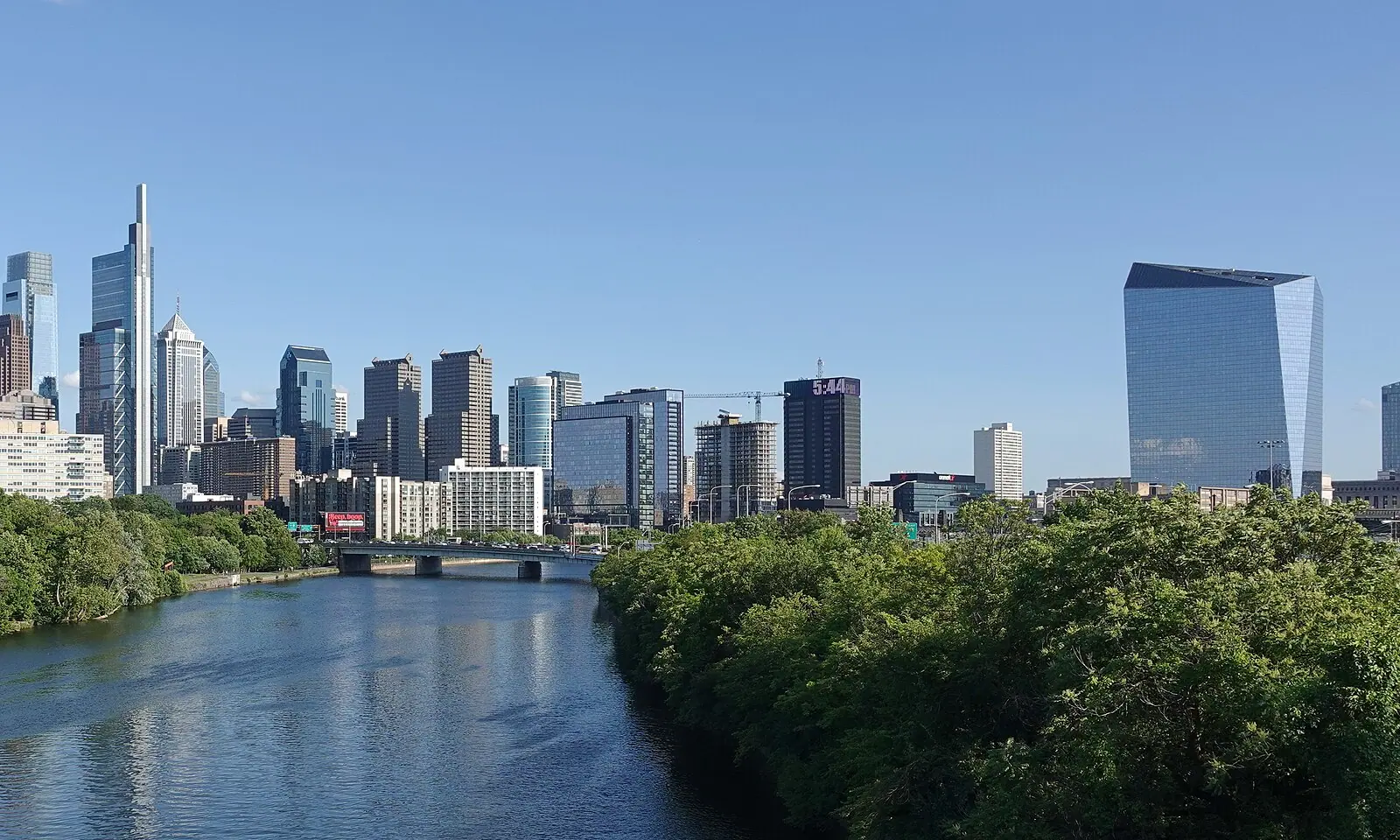
The United States is less a single destination than a continent wearing one flag, and its best travel months shift from region to region. Get the timing right and you trade holiday crowds for cherry blossoms, empty canyon trails and quiet ski-town weeknights. Get it wrong and you pay peak rates for the same view through a wall of people.
Why Timing Decides Everything About an American Hotel Stay
The country spans six time zones and almost every climate on earth, from the Arctic tundra around Denali to the subtropical flats of the Florida Keys. There is no single answer to when you should go, but one national rule governs every hotel bed: supply is fixed while demand swings hard. Rates in gateway cities and park towns can double between a quiet Tuesday in February and a holiday weekend in July.
American travel demand clusters around predictable windows: Memorial Day through Labor Day, Thanksgiving week, the last fortnight of December, spring break in March and April, and major event weekends. Book inside those windows and you compete with the whole country. Book the shoulder weeks just outside them, such as late April, early September, the first half of December or mid-January, and you see the same landmarks with softer rates and thinner crowds.
Because distances are enormous, the smarter approach is to choose one region and let its climate pick your dates. A winter trip might mean powder in Aspen or sunshine on Miami's South Beach; a summer trip could be geysers at Yellowstone or lobster rolls on Cape Cod. The seasons below map those choices to the sights worth planning around.
Spring: Cherry Blossoms, Desert Wildflowers and Shoulder-Season Value
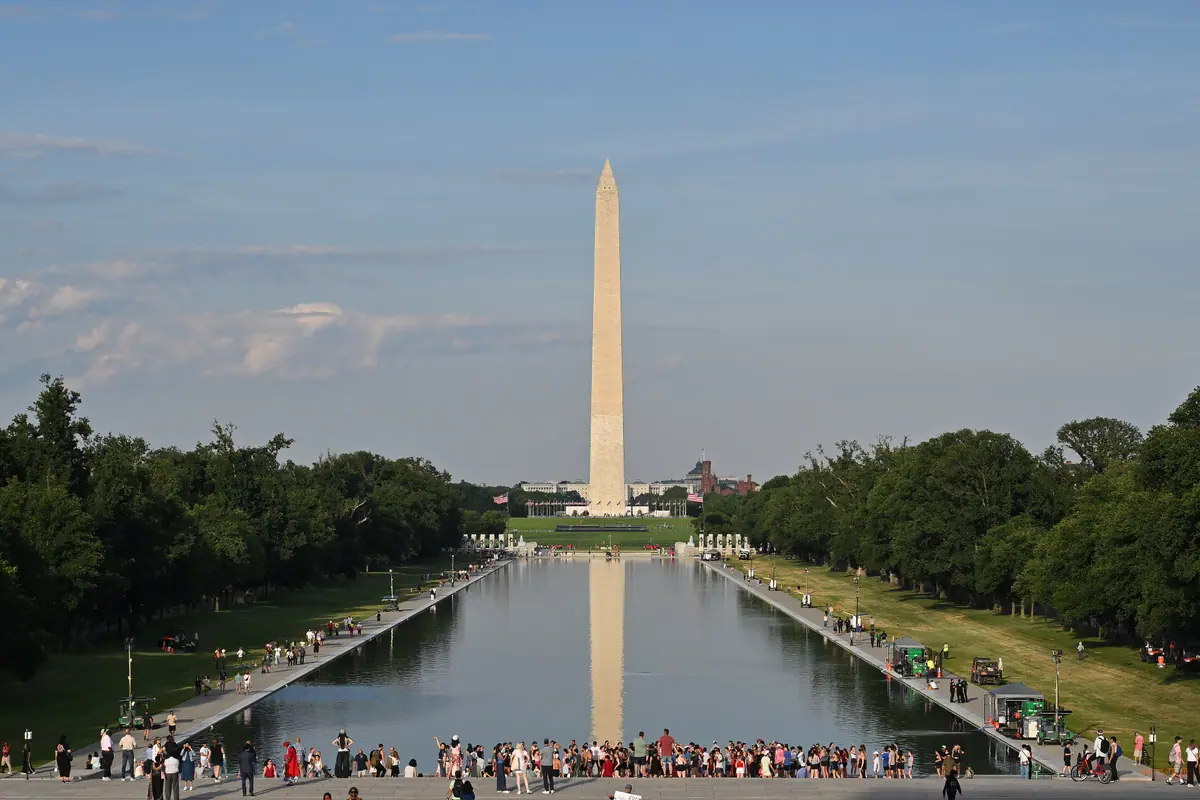
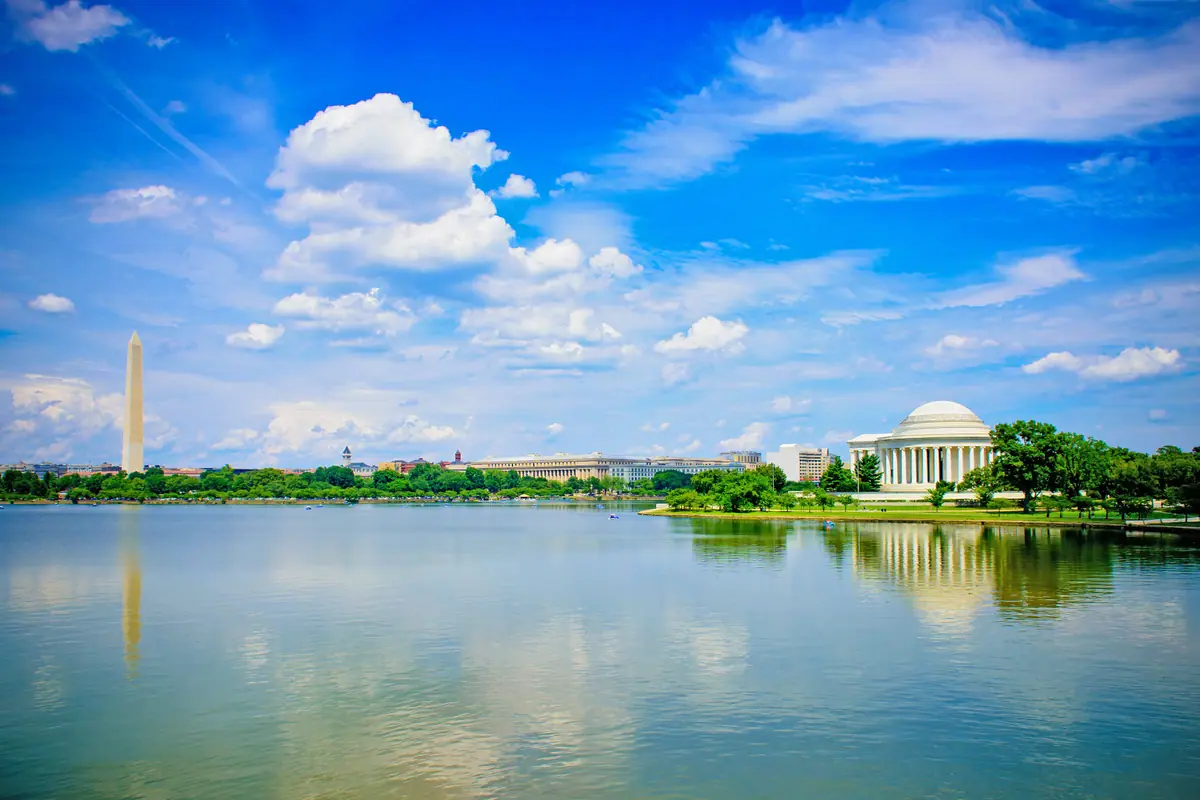
Washington, D.C. owns early spring. The cherry blossoms around the Tidal Basin usually peak in the final days of March or the first week of April, framing the Jefferson Memorial, the Lincoln Memorial and the Washington Monument in pink. District hotel rates jump for that fortnight, so many visitors stay across the river in Arlington or Alexandria and ride the Metro in.
Spring is also the prime window for the desert Southwest. March through May brings mild, dry days to the Grand Canyon's South Rim, Zion National Park's Angels Landing trail and the hoodoo amphitheatres of Bryce Canyon, plus wildflower carpets in Death Valley and comfortable evenings in Sedona and Santa Fe. By June the same places turn punishing, which is exactly why spring inventory disappears early.
In the South, spring arrives first: azaleas in Charleston and Savannah in March, festival season across the French Quarter of New Orleans through April and May, and the San Antonio River Walk at its most walkable. Rates in these cities rarely spike the way Washington's do, but weekend rooms around festival dates vanish fast.
Summer: National Park Peak Season and Coastal Escape Routes
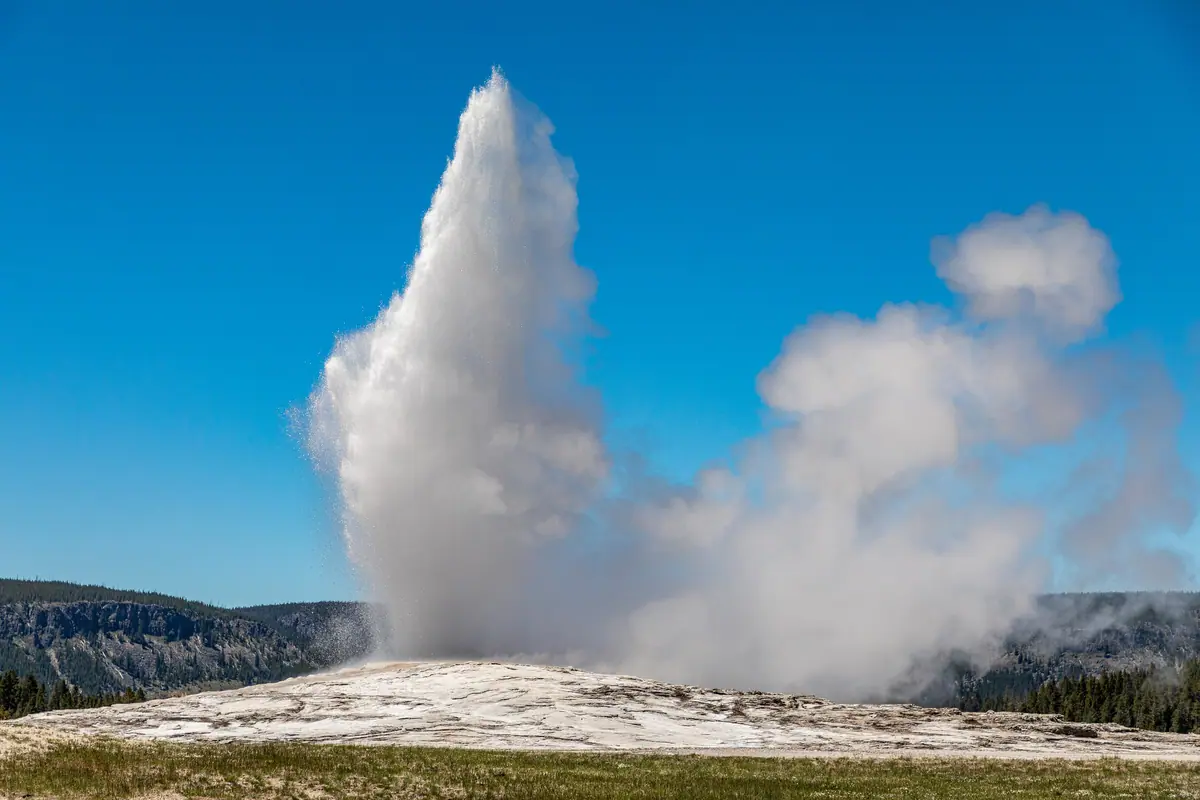
Summer is national park season, and it is also the most expensive and crowded stretch of the American travel year. Old Faithful and Grand Prismatic Spring in Yellowstone, the jagged skyline of Grand Teton, Glacier's Going-to-the-Sun Road and Yosemite's Half Dome all draw maximum crowds from late June through August, and lodges inside the parks often sell out a year ahead. Snow can still fall at high elevation in June, so pack layers even in July.
The coast is the counter-programme. Cape Cod and Maine's Acadia National Park, the Olympic Peninsula and Mount Rainier outside Seattle, and the San Juan Islands all peak in July and August but reward early starts. Alaska is at its best from June to August, when Denali enjoys nearly round-the-clock daylight and wildlife is most active. Those lodges need the longest lead time of all.
Watch the weather maps. Monsoon thunderstorms roll through Arizona and New Mexico on July afternoons, Southwest deserts push past 100°F, and hurricane season runs from June through November along the Gulf and Atlantic coasts. In Orlando, the theme parks are both busiest and wettest in midsummer, so arrive at opening, retreat at midday and return for the cooler evening.
Autumn: Foliage, Festivals and the Southwest's Sweet Spot
Autumn is arguably the best-value season in the country. New England foliage peaks in the last week of September across northern Vermont and New Hampshire and drifts south through October, with the Kancamagus Highway and the White Mountains as the classic drives. Small country inns there sell out four to six months ahead. Further south, the Blue Ridge Parkway and Great Smoky Mountains National Park colour up well into late October.
Out West, September and October are the sweet spot. Yosemite's El Capitan and Half Dome, the Grand Canyon, Arches and Canyonlands near Moab, and Yellowstone without the July crush all benefit from cooler air and thinner crowds. In early October, hundreds of balloons lift off over the Rio Grande valley at sunrise during the Albuquerque International Balloon Fiesta.
Cities shine as well. New York in September and October means Central Park at its best, the Metropolitan Museum of Art and the Empire State Building observation deck without August humidity, while Chicago's Millennium Park and Cloud Gate stay pleasant through October. The one week to avoid is Thanksgiving, when domestic travel spikes nationwide.
Winter: Ski Lodges, Snowbird Havens and City Culture
Winter splits the country in two. In the mountains, from Aspen and Vail to Telluride, Park City, Jackson Hole and Lake Tahoe, the ski season runs late November to early April, with Christmas week and Presidents' Day the most expensive dates on the calendar. Book those stays in summer where possible, and expect minimum-night requirements at peak.
Elsewhere it is snowbird season. Miami's South Beach, Key West, San Diego, Palm Springs, and Waikiki with Diamond Head rising behind it all offer warm days while the rest of the country shivers. January through March is their high season, so reserve early and brace for the year's steepest rates around the holidays.
Cold-weather cities earn their keep too: holiday lights around Rockefeller Center and Times Square in New York, Boston's Freedom Trail without queues, and Carnival season building toward Mardi Gras in New Orleans. Check park access before committing, though. Yellowstone's interior roads close to cars from November to mid-April, and the Grand Canyon's North Rim shuts entirely for the season.
How to Book Around America's Peak Calendar
The single most important booking rule in the United States concerns national park lodges. Properties inside Yellowstone, Yosemite, Grand Canyon and Zion release rooms on a rolling window roughly twelve to thirteen months ahead, and peak summer dates disappear within hours. If sleeping inside a park is the point of your trip, set a reminder for that opening day and have your dates ready.
The second rule is to know the holidays. Memorial Day, Independence Day, Labor Day, Thanksgiving and the Christmas-to-New-Year stretch are when domestic demand peaks everywhere at once. The first half of December, the first three weeks of January and the days right after Labor Day are the quietest pockets, when city hotels in Washington, Chicago and San Francisco discount most aggressively.
The third is to match the city to the calendar. Business destinations such as New York, Boston and San Francisco are cheaper on weekends and during summer holiday weeks, while leisure towns like Miami, Nashville and Las Vegas are cheaper midweek. Always scan local event calendars first: a marathon, a college football Saturday or a large convention can fill every room in town and triple rates overnight.
Matching Landmarks to the Right Month
Some American sights have a genuine best window. The Statue of Liberty and Ellis Island are most pleasant in May, June and September, when harbour breezes offset the queues for the ferry. San Francisco's Golden Gate Bridge is clearest from September to November, after the summer fog burns off. The Las Vegas Strip is most bearable in March, April and October, when desert afternoons stay in the seventies.
Others depend entirely on snowpack or foliage. Yosemite's high country along Tioga Pass is generally open from late May or June into October, so plan valley hikes around that. Mount Rushmore and the Black Hills are easiest in late spring and early autumn, when wildlife is active and the memorial's evening lighting ceremony is comfortable to sit through.
The takeaway is simple: pick the landmark first, then work backwards to the month, then book the bed. That order almost always produces a better trip, and a cheaper one, than choosing dates and hoping the weather cooperates.
Frequently asked questions
What is the cheapest time to visit the United States?
The first three weeks of January, most of February outside holiday weekends, the first half of December and the days immediately after Labor Day are consistently the cheapest. Domestic demand drops sharply in those pockets, so big-city hotels and flights discount most. Ski resorts and warm-weather snowbird destinations are the exceptions, since those are their peak months.
When should I book a national park lodge?
Reservations inside Yellowstone, Yosemite, Grand Canyon and Zion typically open on a rolling window about twelve to thirteen months before the stay date, and summer nights sell out almost immediately. Book the moment that window opens, choose flexible cancellation terms, and consider gateway towns outside the park as a backup.
What is the best month to visit the Grand Canyon?
March through May and September through November offer the best combination of mild temperatures, clear skies and manageable crowds. Summer brings extreme heat on the inner canyon trails and afternoon monsoon storms, while the North Rim closes for winter and the South Rim can see snow and ice from December through February.
Is summer a bad time to visit Florida?
It is the hottest, wettest and busiest season, and hurricane season runs from June through November. That said, summer works if you plan around it: start theme parks at opening, take an afternoon break during storms, and keep an eye on storm forecasts. Late spring and October through November are far more comfortable for the same attractions.
When is the best time for New England fall foliage?
Peak colour generally reaches northern Vermont, New Hampshire and inland Maine in the last week of September and the first days of October, then moves south through Massachusetts, Connecticut and Rhode Island by mid to late October. Leaf timing shifts with each year's weather, so book refundable stays and check local foliage updates closer to your dates.
Plan it — hotels in United States
Live search, booked directly with trusted providers.
Sort the rest of your trip
Everything for United States, in one place
Transfer in United States
Private driver waiting on arrival — no queues, no surprises.
Book a transfer
Things to do in United States
Skip-the-line tickets, guided tours and standout experiences.
See experiences
Stay online in United States
Travel eSIM — data the moment you land, no roaming bills.
Get an eSIMMore guides in United States
United States Food and Culture Tour: Local Experiences and Iconic Landmarks
One Week in the USA by Flight: A Coast-to-Coast Itinerary
Where to Stay in Portland: Hotels and Neighborhoods for First-Time Visitors
Best Time to Visit San Francisco: A Season-by-Season Guide to Weather, Crowds and Where to Stay
Where to Stay in Denver: The Best Neighborhoods and Hotels