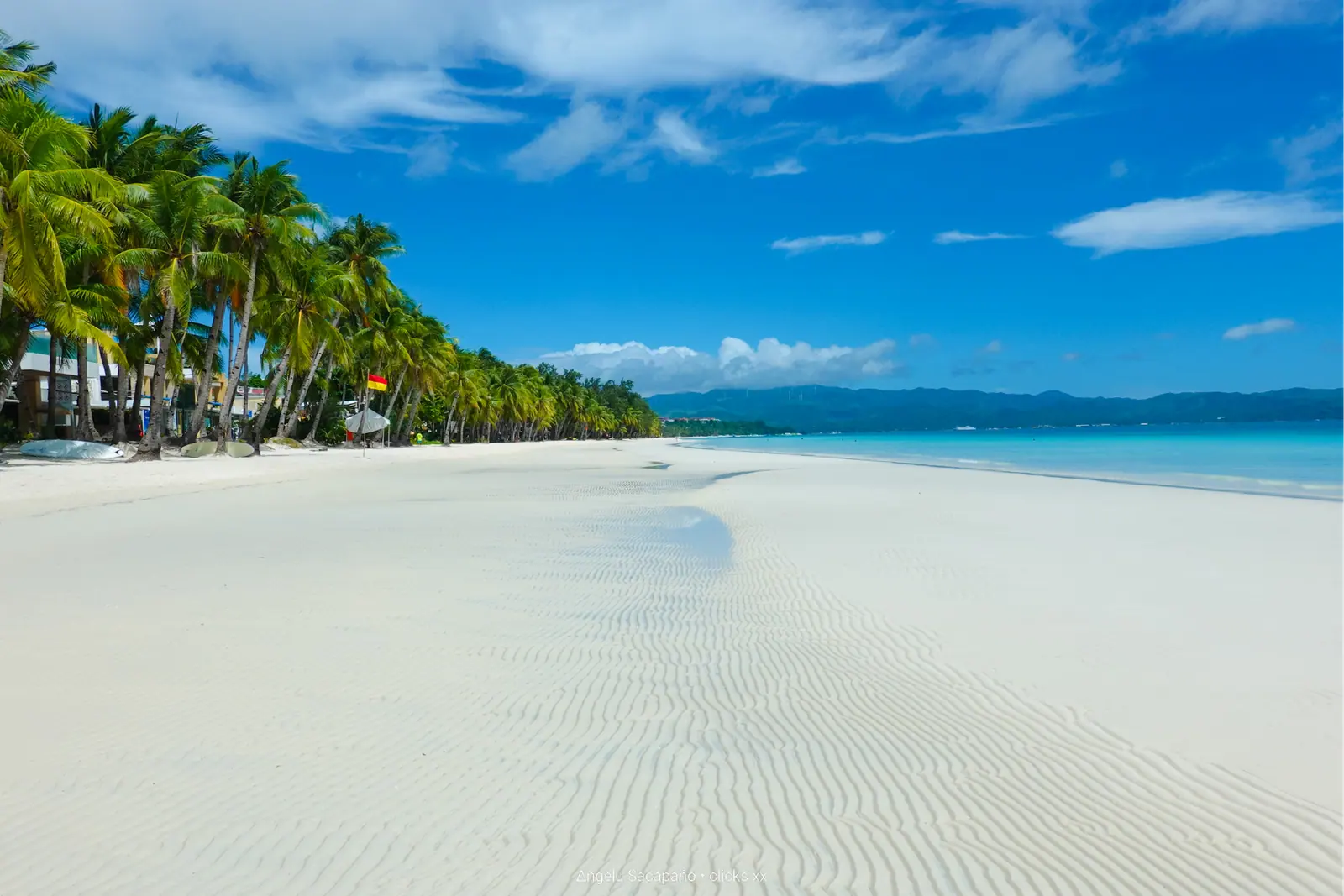
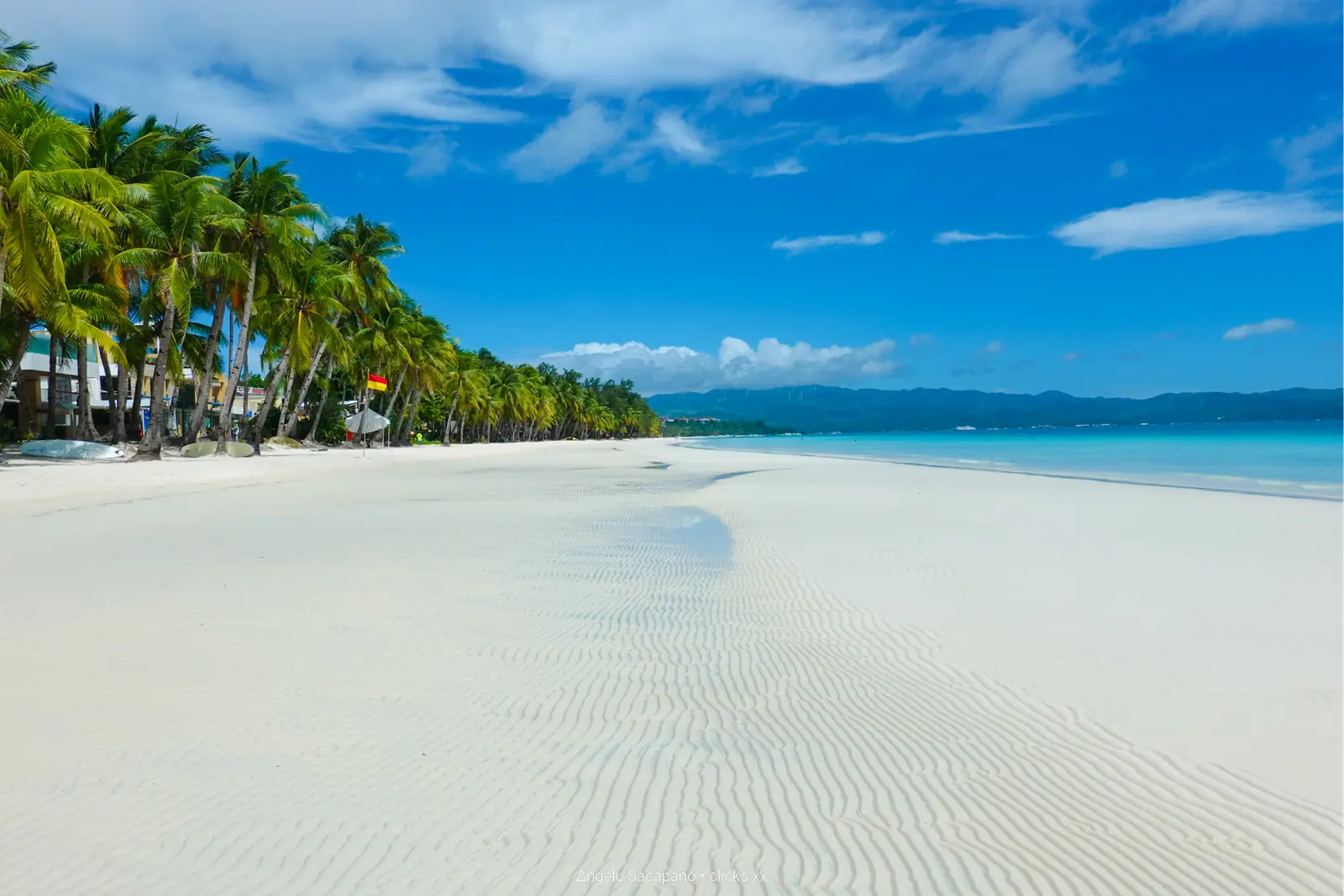
Cebu is really several destinations wearing one name: a dense, mall-lit port city, a resort island that happens to hold the airport, and a long, rumpled coastline of waterfalls, coral walls and fishing villages. Where you sleep decides how much of that you actually see, because traffic here eats itineraries for breakfast. Choose your base first, then build the trip around it.
Cebu City's Modern Core: IT Park and the Business District
If you want the easiest possible version of Cebu — air-conditioned, walkable in the evening, taxis idling at the lobby door — base yourself in the glass-tower pockets of Lahug's IT Park or the business district around Ayala. This is where the city behaves like a compact Asian metropolis: coffee shops open late, Korean and Japanese restaurants, cocktail bars, supermarkets, clinics and malls all within a few blocks. Hotels here range from full-service international towers with rooftop pools and gyms to slim boutique properties tucked into side streets and serviced apartment buildings that suit anyone staying a week or more.
This is the best base for first-timers with only two or three nights, for business travellers, and for families who value malls, hospitals and reliable air conditioning over sea views. The trade-off is honest: there is no beach. Mactan's coast sits roughly 45 to 90 minutes away depending on the hour, and Cebu's rush hour is genuinely punishing, so a 'quick swim' from a city hotel is rarely quick.
Evenings in the city are worth it, though. Stalls sizzle along the roadside after dark, the barbecue restaurants near Fuente Osmeña fill with smoke and chatter, and live acoustic bands play in bars around Lahug. If you're in town for the Sinulog festival on the third Sunday of January, this is prime territory — book several months out, because the whole city sells out.
Downtown Cebu and the Heritage Quarter
Around Colon Street, the Basilica del Santo Niño, Magellan's Cross and the walls of Fort San Pedro you'll find the oldest part of the city, and the most atmospheric place to wake up if you care about history. Staying downtown lets you walk to the landmark churches before eight in the morning, when the light is soft, the candles are lit and the tour groups haven't arrived. The hotels here are a mixed bag: older mid-range properties, simple budget inns, and a handful of restored buildings with real character.
Practically, this area is louder, grittier and less polished than the business district, and you should keep your wits about you after dark. In exchange you get lower rates, street-level food culture around Carbon Market, and real convenience if you're catching a ferry — the passenger terminals for Bohol, Negros and the Camotes Islands are a short ride away.
It's a good pick for backpackers, history-minded travellers and anyone treating Cebu City as a one-night transit stop. For beach time, look elsewhere.
Mactan Island: Beach Resorts Minutes From the Airport
Mactan Island holds the international airport, and the resort belt along its eastern edge — Punta Engaño, Maribago, Agus — is where Cebu's polished beach hotels live. The good ones occupy private coves with palm-shaded pools, dive shops, spa pavilions and boats that run guests out to the Hilutungan and Nalusuan marine sanctuaries for snorkelling. Seafood restaurants in Lapu-Lapu serve the classic local trio of grilled fish, squid and shellfish, and the sunsets over the channel are the reason people book sea-view rooms.
There are two distinct styles of stay. Big resort compounds put everything on site — restaurants, water sports, kids' clubs — so you never need to leave. Mid-range garden hotels and airport transit properties are smaller and cheaper, often with shuttle service, and are ideal if you have a dawn flight or a long layover.
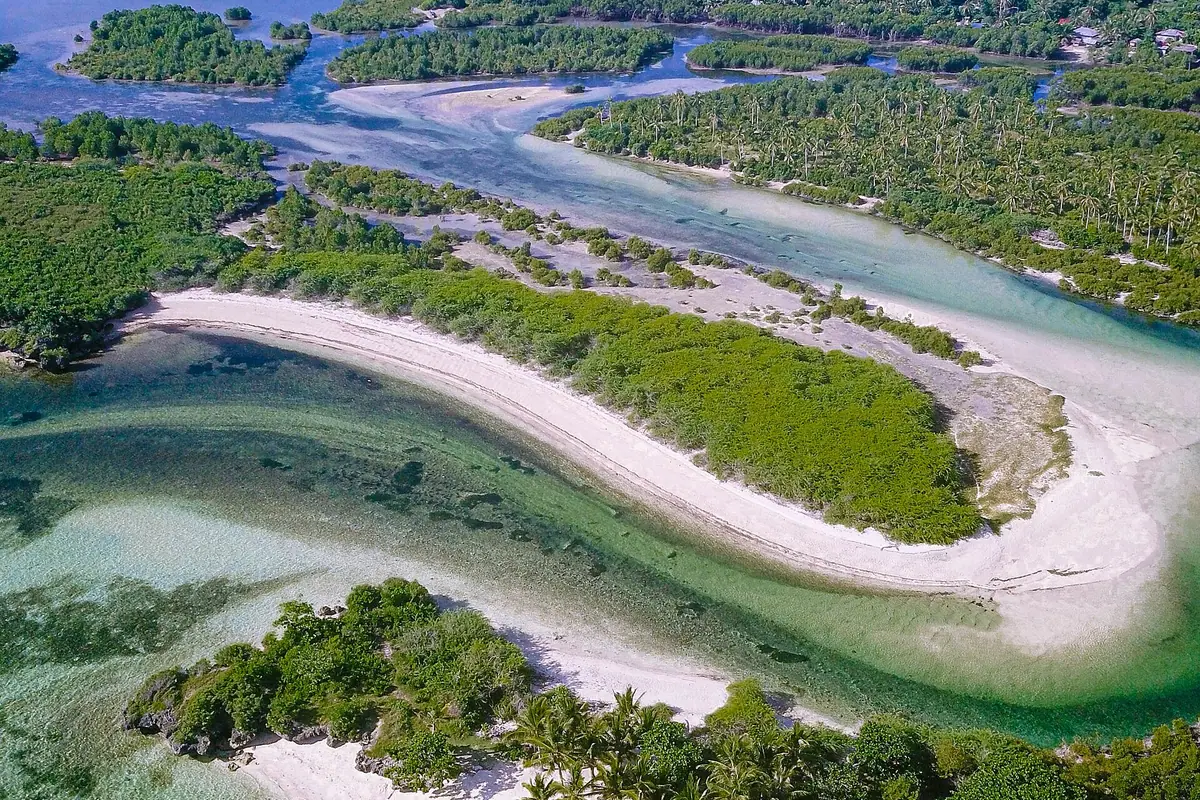
Be realistic about the beaches: Mactan's shoreline is mostly grey sand and shallow, seagrass-fringed water, not the powder-white postcard. The clear swimming is a short boat ride away on the islets. And staying here means committing to a 30-to-60-minute transfer — sometimes longer in traffic — whenever you want the city. For one to three nights of easy resort time without a domestic flight, it's hard to beat.
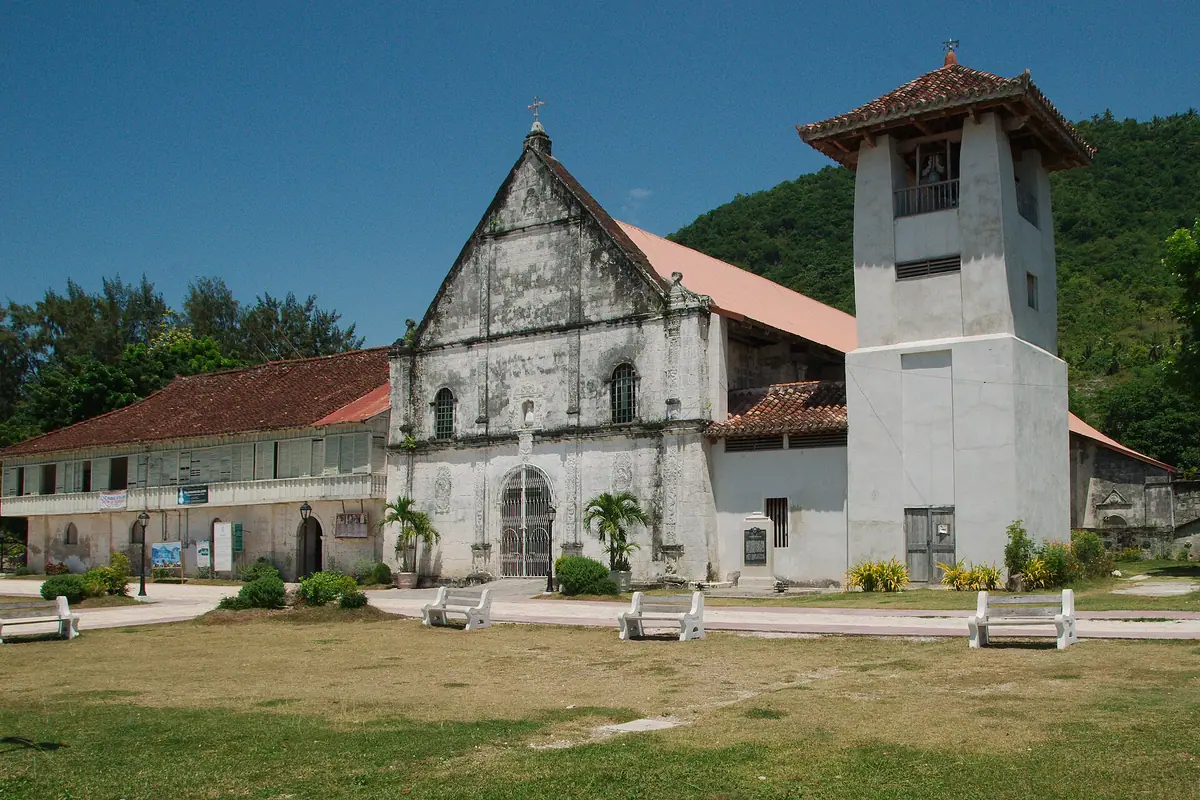
Southern Cebu: Moalboal, Badian and Oslob
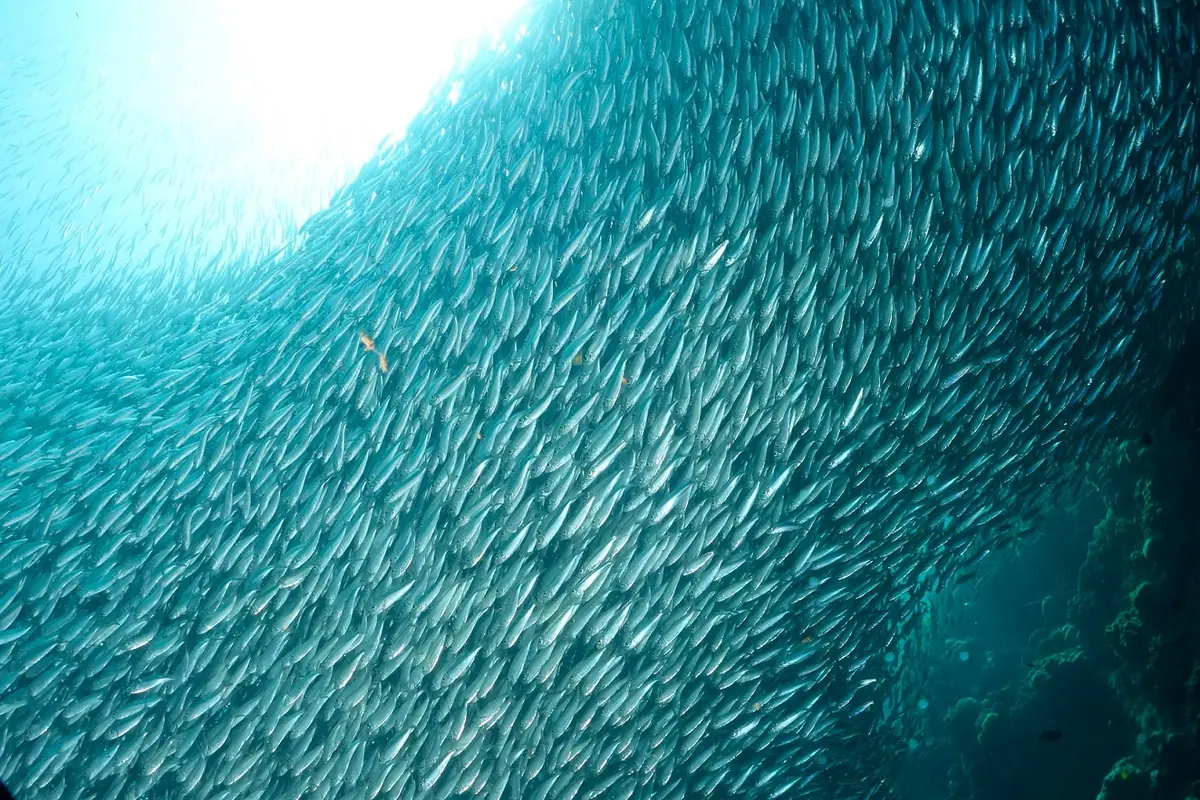
Head south and the accommodation gets smaller, cheaper and far more interesting. Moalboal's Panagsama Beach is the dive hub: a lane of guesthouses, dive resorts and sunset bars strung along the water, with the famous sardine run literally steps offshore and Pescador Island a short bangka ride out. Rooms are simple but comfortable, many with rooftop terraces, and the whole strip is walkable. Book ahead between December and May, when divers arrive in force.
Further south, Badian is the launch point for the Kawasan Falls canyoneering route, and Dalaguete puts you within striking distance of Osmeña Peak for sunrise. At the southern tip, Oslob is where whale shark watching happens at Tan-awan, with Tumalog Falls and the Sumilon Island sandbar filling out the rest of the day. Oslob's lodgings are mostly family-run guesthouses and small beachfront resorts — basic, friendly, and best booked directly.
The catch is distance. Moalboal is roughly three hours by road from Cebu City, Oslob closer to four, and the drive is winding. Plan at least two nights in the south rather than treating it as a day trip. Bring cash: ATMs thin out dramatically once you leave the city, and many small properties don't take cards.
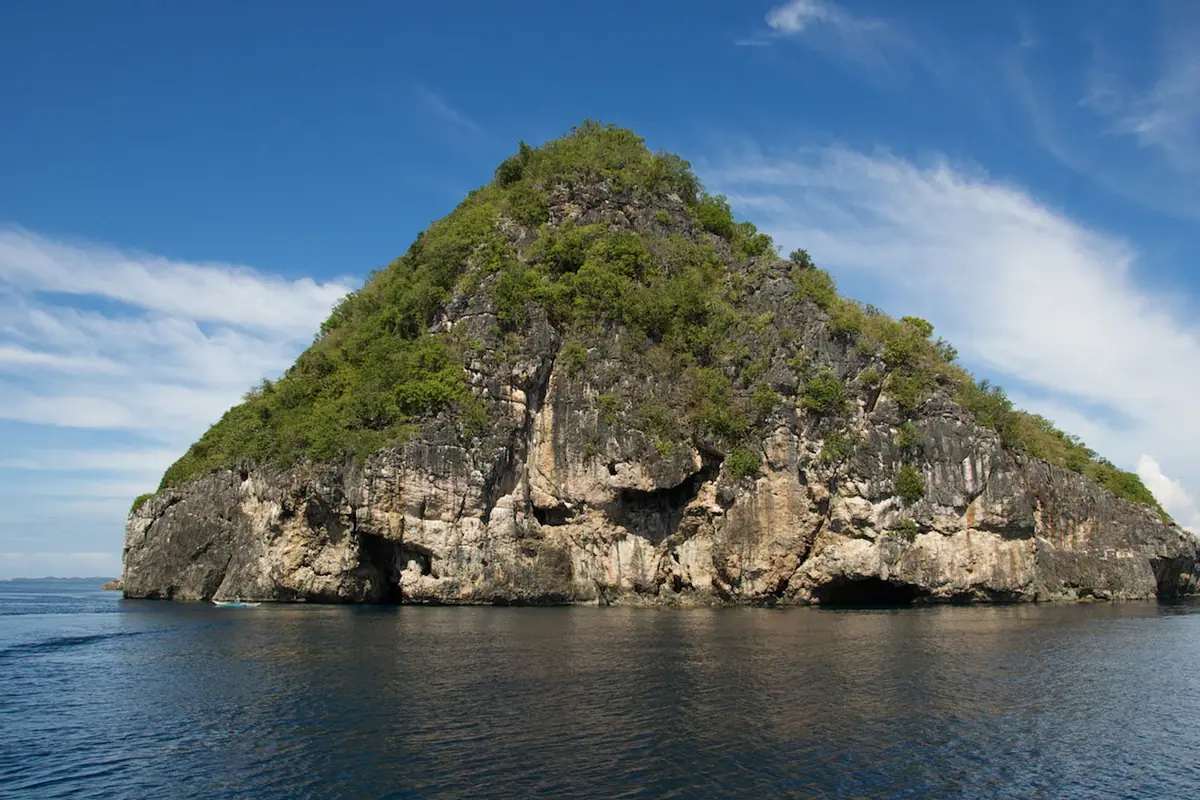
Northern Cebu: Bantayan Island and Malapascua
Bantayan Island, reached by bus to the northern port at Hagnaya and then a ferry of about an hour to Santa Fe, is the closest thing Cebu has to a slow island. Think beachfront bungalows, boutique guesthouses with hammocks, bicycles instead of cars, and the long white sandbar at Kota Beach that appears and disappears with the tide. The town is small enough to walk, food is cheap, and Holy Week turns the whole island into one enormous celebration — beautiful if you've booked, miserable if you haven't.
Malapascua, off the northern tip near Maya, is a different creature entirely: a diving island where people rise before dawn to see thresher sharks at Monad Shoal. Accommodation is dive lodges and small resorts, comfortable but unfussy, with occasional power cuts and no big-brand polish. Getting there takes around four hours by road plus a short boat crossing, which is exactly why it stays quiet.
Both islands reward travellers who don't mind a travel day at each end. Give each of them at least three nights, and check ferry schedules carefully — crossings can be cancelled in rough weather during the wet season.
When to Go, and How to Book Well
Cebu's dry season runs roughly from December through May, and that's when the light is best, the seas are calmest and the dive sites are clearest. April and May are the hottest, most humid months, so consider a hotel with a real pool. The wet season from June to November brings afternoon downpours and a higher chance of storms, with the riskiest stretch usually falling between August and October — though rain rarely means all-day rain, and low-season rates can be dramatically lower.
Peak demand arrives with Sinulog in January, Holy Week, and the Christmas-to-New-Year period. Mactan resorts and the better Moalboal dive properties can fill weeks or months ahead for those dates; city hotels have more inventory and hold out longer. Outside peak periods, you can often decide a day or two in advance, which suits the flexible island-hopping style this region rewards.
A few practical checks before you commit: confirm whether the property's 'beachfront' is actually swimmable or just rocky shoreline, ask how airport transfers work and what they cost, and look at how far the hotel sits from the places you actually want to eat. Only one or two areas of Cebu reward a car-free stay. Everywhere else, budget for transfers — and build slack into any day that involves leaving the city in the late afternoon.
Frequently asked questions
Which part of Cebu is best for a first visit?
Split your stay. Give Cebu City two nights for the heritage sites and food, then move to Mactan Island for two or three nights of resort time, or head south to Moalboal if you'd rather dive than lounge. Trying to cover both the city and the southern coast from one base means losing hours to the road.
How far is Mactan airport from hotels in Cebu City?
Allow 30 to 60 minutes in normal conditions, and closer to 90 minutes during the morning and evening rush. Because of that, many travellers spend their final night on Mactan Island rather than the city, especially if they have an early departure.
Should I stay overnight in Oslob for the whale sharks?
Yes, if you can. Tours from Cebu City leave in the middle of the night to reach the water at dawn, so sleeping nearby means a much calmer morning and enough energy afterwards for Tumalog Falls or the Sumilon sandbar. Simple guesthouses book out in high season.
Do hotels in Cebu take cards and online payments?
City and Mactan properties generally do, but guesthouses in Moalboal, Oslob, Bantayan and Malapascua often prefer cash, and some add a card fee. Carry pesos, and withdraw in Cebu City or Lapu-Lapu before heading to the islands.
What is the worst time of year to visit Cebu?
August through October carries the highest chance of storms and ferry cancellations, and Holy Week brings enormous domestic crowds to beaches like Bantayan. Late November to early March is the sweet spot — dry, slightly cooler and reliably calm at sea.
Sort the rest of your trip
Everything for Cebu, in one place
Transfer in Cebu
Private driver waiting on arrival — no queues, no surprises.
Book a transfer
Things to do in Cebu
Skip-the-line tickets, guided tours and standout experiences.
See experiences
Stay online in Philippines
Travel eSIM — data the moment you land, no roaming bills.
Get an eSIM