The Philippines is not one destination but 7,600-odd of them, stitched together by ferries, bangka outboats and a shared obsession with food and festivity. Travel here means eating with your hands in a highland village, riding a jeepney through Spanish-era streets, and singing karaoke with strangers who will insist you stay for one more plate. This guide maps the flavours, landmarks and local rhythms that make the islands unforgettable.
A Cuisine Built on Islands, Trade Winds and Generosity
Filipino food is a record of who passed through: Malay seafarers, Chinese traders, Spanish friars, American soldiers, and centuries of neighbours swapping recipes across the archipelago. The results are bold and sour-forward — adobo braised in vinegar, soy and garlic; sinigang, a tamarind-soured broth that cuts through tropical heat; kinilaw, raw fish cured in cane vinegar and calamansi; kare-kare, oxtail in a thick peanut sauce eaten with salty shrimp paste. Order any of these in a family-run eatery and you'll understand why rice is not a side dish here but the foundation of the plate.
If you eat one thing well, make it lechon. The roasted pig of Cebu is the country's benchmark — crisp skin lacquered to glass, meat perfumed with lemongrass and garlic — and locals will argue about the best town for it the way other countries argue about football. Pampanga, north of Manila, is the other culinary heartland to seek out, home to sizzling sisig made from chopped pork and calamansi, and to a style of cooking so prized that families drive hours for a Sunday lunch.
Sweet endings matter too. Halo-halo piles shaved ice, evaporated milk, purple ube, sweet beans, leche flan and toasted rice flakes into one glorious mess; bibingka and puto bumbong, the coconut and glutinous-rice cakes, appear on every street corner from September once the Christmas season unofficially begins. Give yourself a full food day in Manila's Binondo, the oldest Chinatown on earth, where a maze of lanes delivers lumpia, hopia and noodle houses that have been running for generations.
Manila: Layers of Empire, Faith and Everyday Chaos
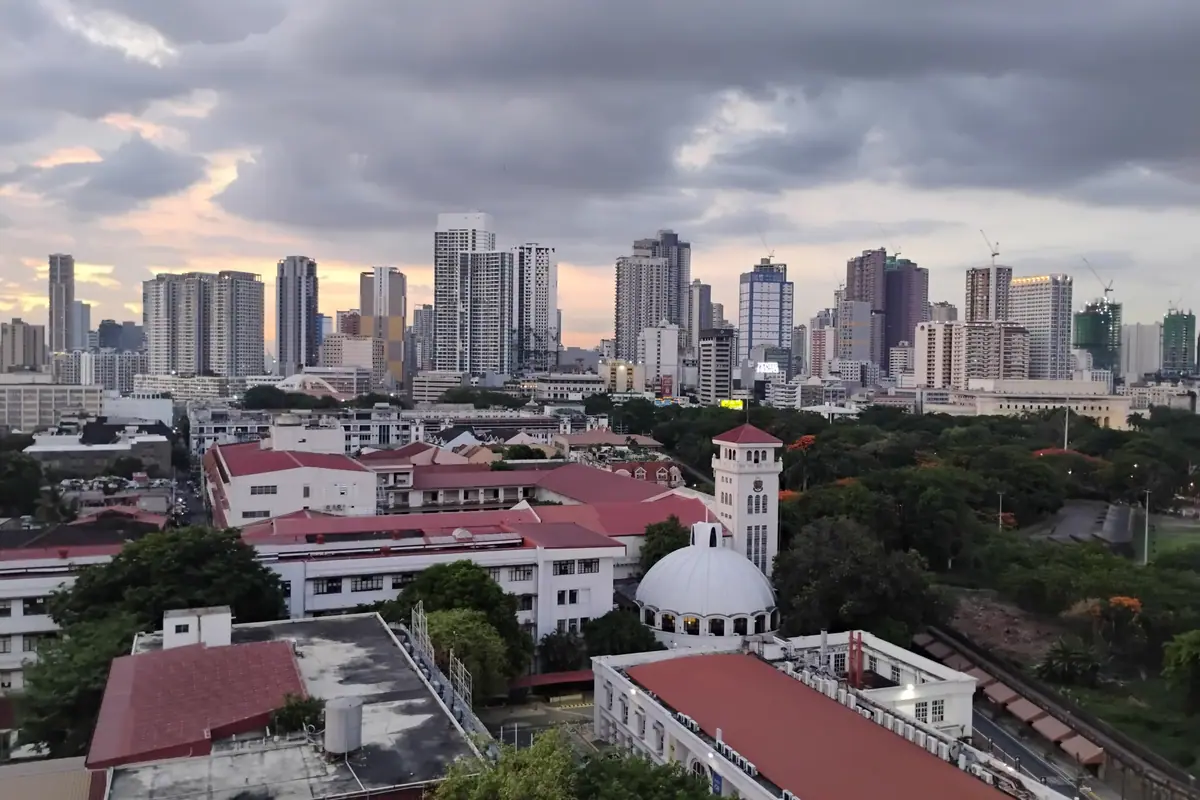
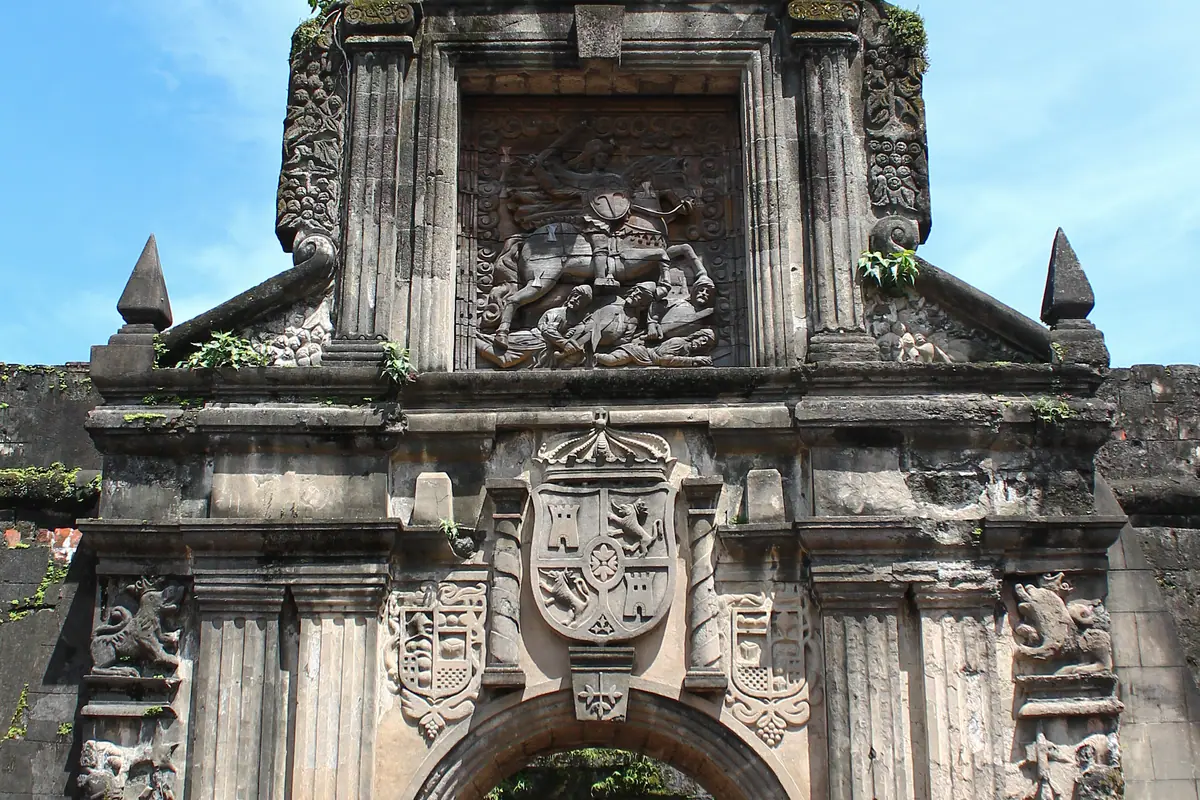
Start in Intramuros, the walled city the Spanish built at the mouth of the Pasig River. Its cobbled streets, cannons and mossy ramparts are the country's most concentrated dose of colonial history, and Fort Santiago, where the national hero José Rizal was imprisoned before his execution in 1896, remains the emotional centre of any visit. Nearby, San Agustin Church has survived earthquakes, war and four centuries of use — its trompe-l'oeil ceiling and carved wooden doors are worth a slow, quiet half hour.
Walk or ride a calesa from Intramuros to Rizal Park, a sprawling green lung where families picnic, kite-fly and watch the flag ceremonies at sunset. A short stroll away, the National Museum complex holds the finest collections of Filipino art and pre-colonial gold in the country, and entry is free — a rarity in a capital this expensive for visitors. In the late afternoon, cross into Quiapo, past the Black Nazarene church, for the market sprawl of fabrics, charms, herbs and second-hand treasures.
The city's real texture, though, is in its transport and its snacks. Jeepneys — repainted wartime vehicles turned into rolling folk art — still rattle along most major routes, alongside the elevated light rail and the motorcycle taxis that weave through gridlock. Give Manila two or three days, keep one evening free for the sunset over Manila Bay, and accept that the traffic will decide your itinerary for you.
The Cordillera: Rice Terraces, Hanging Coffins and Highland Cooking
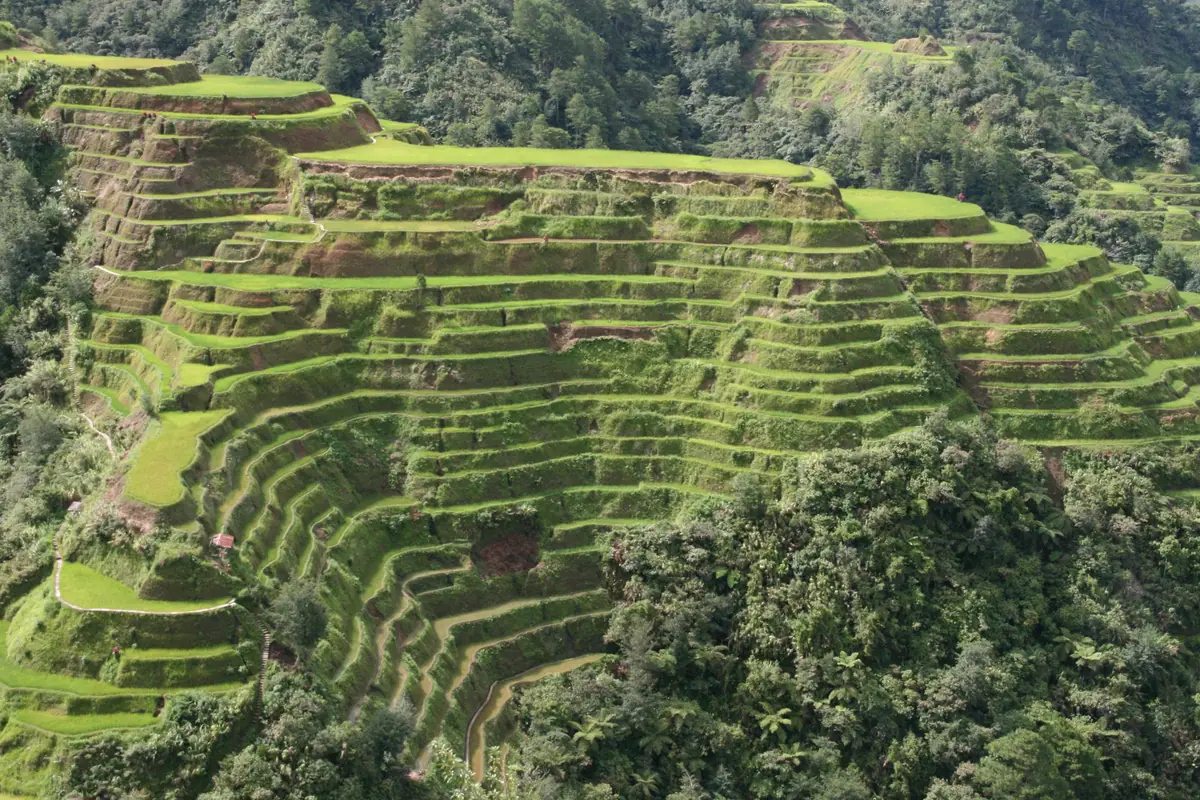
Fly or take an overnight bus north to Luzon's mountain spine and the country changes entirely. The Banaue Rice Terraces, carved into the Ifugao highlands more than two thousand years ago, staircase up mountainsides like green contour lines; the neighbouring village of Batad holds the most dramatic amphitheatre of all, reached by a steep trek and best seen in the clear light of early morning before clouds roll in. Bring sturdy shoes, a light rain shell and enough cash — ATMs are scarce up here.
Nearby Sagada cools down to sweater weather, with pine forests, cave connections and the famous hanging coffins fixed to limestone cliffs, a burial practice that continues to this day. Etiquette matters: these are living cultural sites, not photo props, so keep voices low, ask before photographing people, and hire local guides whose fees support the communities maintaining the trails.
Highland food is rustic and rewarding. Pinikpikan, chicken simmered with smoked pork and herbs, is the region's ceremonial dish; etag, cured mountain pork, turns up in soups and stews; and cups of locally grown Benguet coffee are the perfect antidote to the cold. Two to three days in Banaue and Sagada is a sensible minimum, with the dry months from November to May giving the best chance of terrace views unobscured by mist.
Island Time: Reefs, Beaches and the Great Outdoors
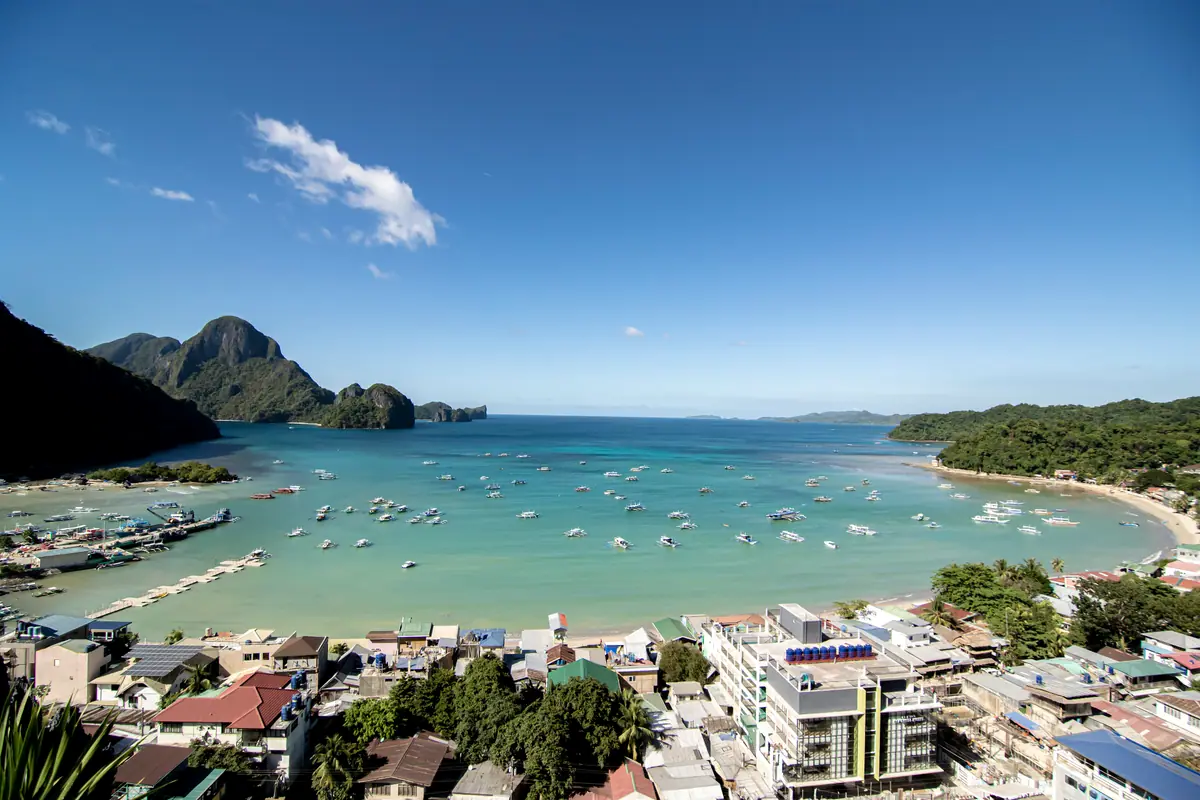
The Philippines sits in the heart of the Coral Triangle, and its underwater life is the headline act. El Nido's Bacuit Bay in Palawan stacks limestone karsts over lagoons so clear that boat tours feel like gliding through a painting; farther south, the Tubbataha Reefs are a UNESCO-listed diving pilgrimage reachable only by liveaboard between roughly March and June. Coron's wrecks, Siargao's Cloud 9 surf break and the whale sharks of Donsol round out a marine menu that could occupy a whole trip on its own.
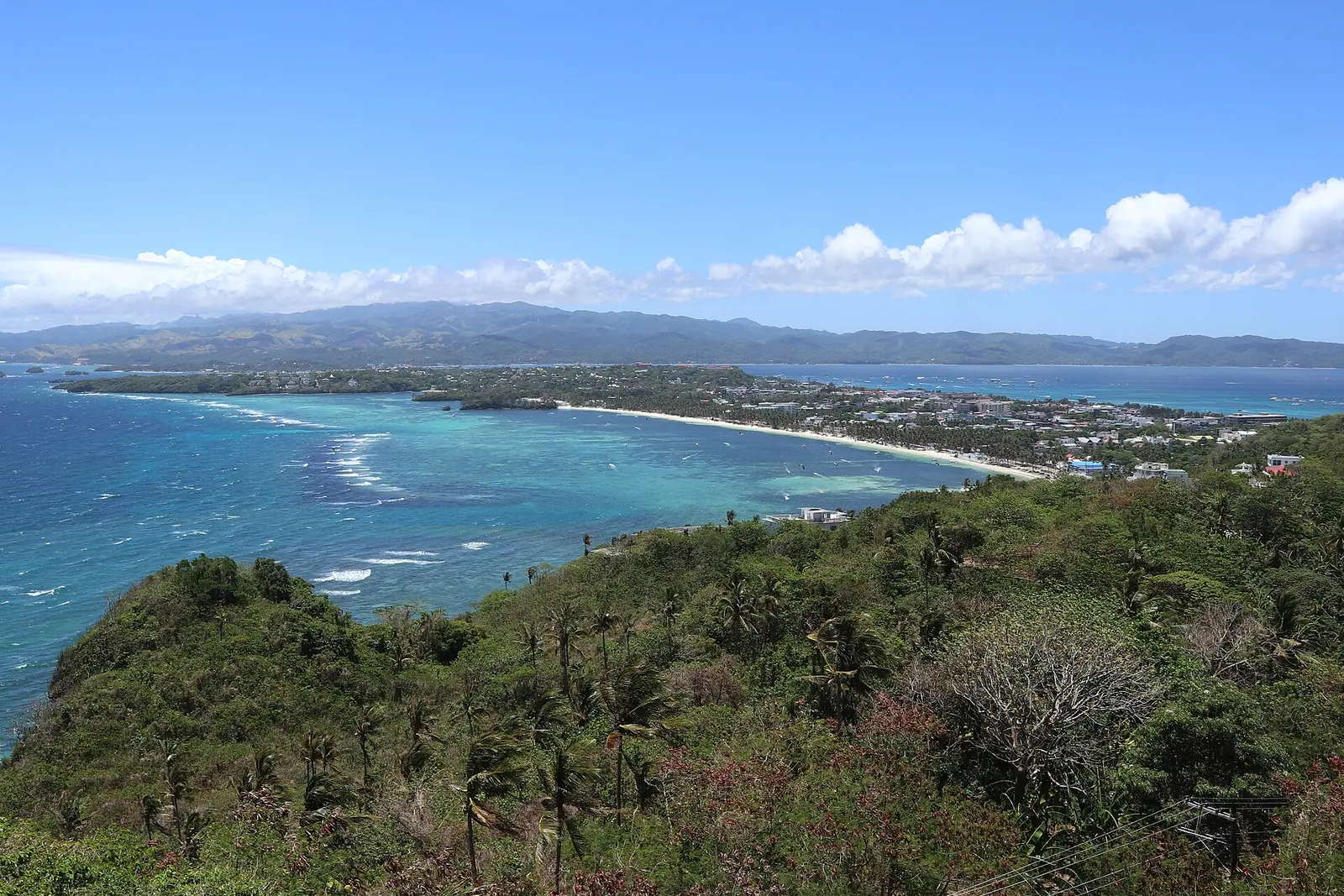
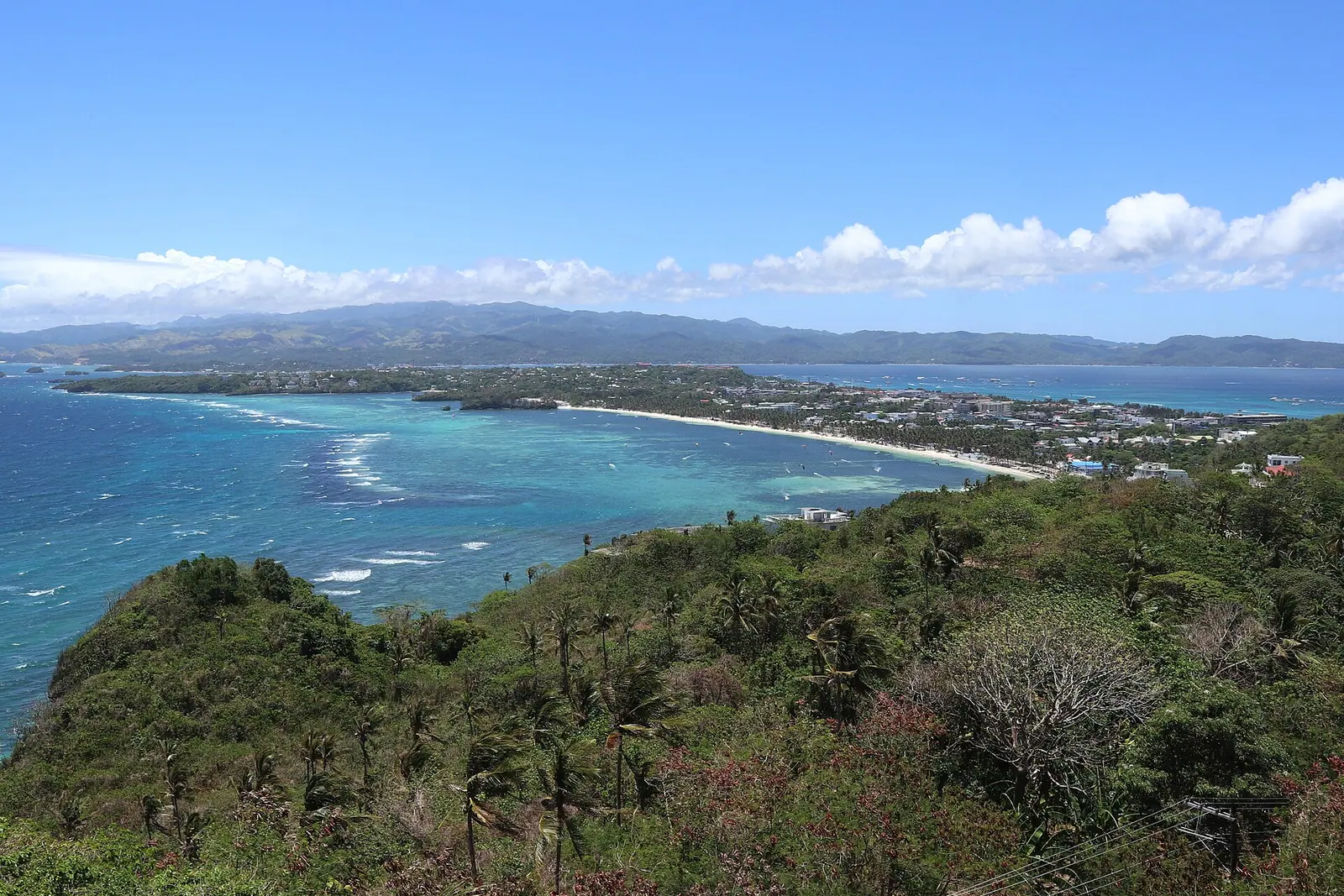
Above water, the country delivers just as hard. Boracay's White Beach remains the postcard — four kilometres of powdery sand best enjoyed in the shoulder months when it isn't shoulder-to-shoulder — while Bohol pairs the geological oddity of the Chocolate Hills with the Philippine Tarsier Sanctuary, where you can watch the world's tiniest primates in a protected setting. In Albay, Mayon Volcano's near-perfect cone rises above coconut groves and ATV trails; in Cebu, Kawasan Falls tumbles through jungle pools you can swim in after a canyoneering descent.
Island hopping is the standard rhythm: a bangka outrigger, a cooler of drinks, a packed lunch of grilled fish and rice, and four or five stops in a day. Standard trips run six to eight hours and cost far less than you'd expect — but respect the rules. Reef-safe sunscreen, no touching coral, no feeding wildlife, and never take sand, shells or starfish home.
Festival Season: When the Country Throws a Party
Filipino hospitality has a calendar, and it peaks in fiesta season. January brings Sinulog to Cebu, a thunderous street dance in honour of the Santo Niño, and Ati-Atihan in Kalibo, where revellers paint their faces with soot in one of the country's oldest celebrations. February fills Baguio's hillsides with flowers for Panagbenga, and August turns Davao into a harvest stage for Kadayawan. In May, the Pahiyas Festival in Lucban decorates entire houses with kiping — edible rice wafers dyed in bright colours — and Holy Week brings solemn processions and religious theatre to towns across Luzon.
Weather shapes everything. The dry, cooler months from December to February are the sweet spot for most regions, with pleasant temperatures in the highlands and calm seas in Palawan and the Visayas. March to May gets hot and humid, but the water is at its clearest and school-holiday crowds are heaviest around Holy Week. From June to November, typhoons can cross the islands, particularly in the eastern Visayas and Bicol — flexible bookings, travel insurance and a willingness to reroute to the west coast will save a trip.
Aim for a festival only if you enjoy crowds; accommodation books out months ahead and roads close. If you'd rather have the sights to yourself, travel in the shoulder weeks of late November and early June, when prices dip and the weather still cooperates more often than not.
Local Rituals: Markets, Transport and Small Courtesies
Shop where locals shop. The palengke, or wet market, is the beating heart of every town — arrive before 8am for the best fish, tropical fruit and cuts of pork, and you'll find mangoes, mangosteen, lanzones and rambutan at prices that make hotel breakfasts look absurd. The sari-sari store, a tiny neighbourhood shop selling everything in single portions, is the place to buy cold drinks, snacks and phone credit, and the taho vendor who walks the streets at dawn with warm silken tofu and syrup is a ritual worth waking up for.
Getting around is part adventure, part logic puzzle. Jeepneys and buses cover most provincial routes; tricycles handle short hops; habal-habal motorbikes reach the mountain villages cars cannot; ferries and bangkas link the islands, though schedules bend with the weather. Learn the phrase 'para po' to ask a driver to stop, and always carry small notes and coins — change can be genuinely scarce in rural areas.
Filipino social warmth is sincere and structured. Younger people greet elders with the mano, pressing the elder's hand to their forehead, and titles like kuya (older brother) and ate (older sister) are used generously with strangers. When you're invited to a salo-salo — a shared meal where dishes land in the middle of the table and everyone reaches in — accept, eat heartily, and expect to be asked for a karaoke number before the night is through. Tipping is not obligatory but a small extra for good service is very welcome, and modesty in dress at churches and shrines is appreciated. Give yourself at least two weeks to link three or four regions; anything shorter and you'll spend your holiday in transit.
Frequently asked questions
When is the best time to visit the Philippines?
December to February offers the most reliable dry, cooler weather across the highlands, Palawan and the Visayas. March to May is hotter but brings the clearest diving conditions, while June to November carries typhoon risk, especially in the eastern islands. Late November and early June are good shoulder options with fewer crowds.
What Filipino dishes should a first-time visitor try?
Start with adobo, sinigang, kinilaw and Cebu-style lechon, then branch into kare-kare, sizzling sisig from Pampanga and a bowl of halo-halo for dessert. A food walk through Binondo in Manila is the fastest way to cover noodles, dumplings and pastries in one afternoon.
How long do I need to see the Philippines properly?
Two weeks is a realistic minimum for three or four regions — for example Manila and Intramuros, the Banaue and Sagada highlands, and one island chain such as Palawan or the Visayas. With only a week, pick one island group and explore it slowly rather than chasing flights.
How do you travel between the islands?
Domestic flights connect the main hubs quickly, while ferries and bangka outriggers link closer islands and are often part of the experience. Provincial buses and jeepneys cover land routes, tricycles handle town trips, and habal-habal motorbikes reach remote mountain villages. Schedules can shift with weather, so build in buffer days.
What local etiquette should travellers know?
Greet elders with the mano gesture of taking their hand to your forehead, use kuya and ate when addressing people slightly older than you, and dress modestly at churches. Accept invitations to shared meals, remove shoes when entering homes, avoid touching coral or wildlife, and always ask before photographing people or ceremonial sites.
Plan it — tours in Philippines
Live search, booked directly with trusted providers.
Sort the rest of your trip
Everything for Philippines, in one place
Stay in Philippines
Hotels, guesthouses and apartments — compared in one search.
Search hotels
Transfer in Philippines
Private driver waiting on arrival — no queues, no surprises.
Book a transfer
Stay online in Philippines
Travel eSIM — data the moment you land, no roaming bills.
Get an eSIMMore guides in Philippines
Best Places to Visit in the Philippines: Islands, Lagoons and Rice Terraces
Where to Stay in the Philippines: Top Cities, Islands and Must-See Sights
Where to Stay in Cebu: Hotels by Area, From City Towers to Island Bungalows
Boracay in 5 Days: Flights, Airports and the Island Itinerary That Works