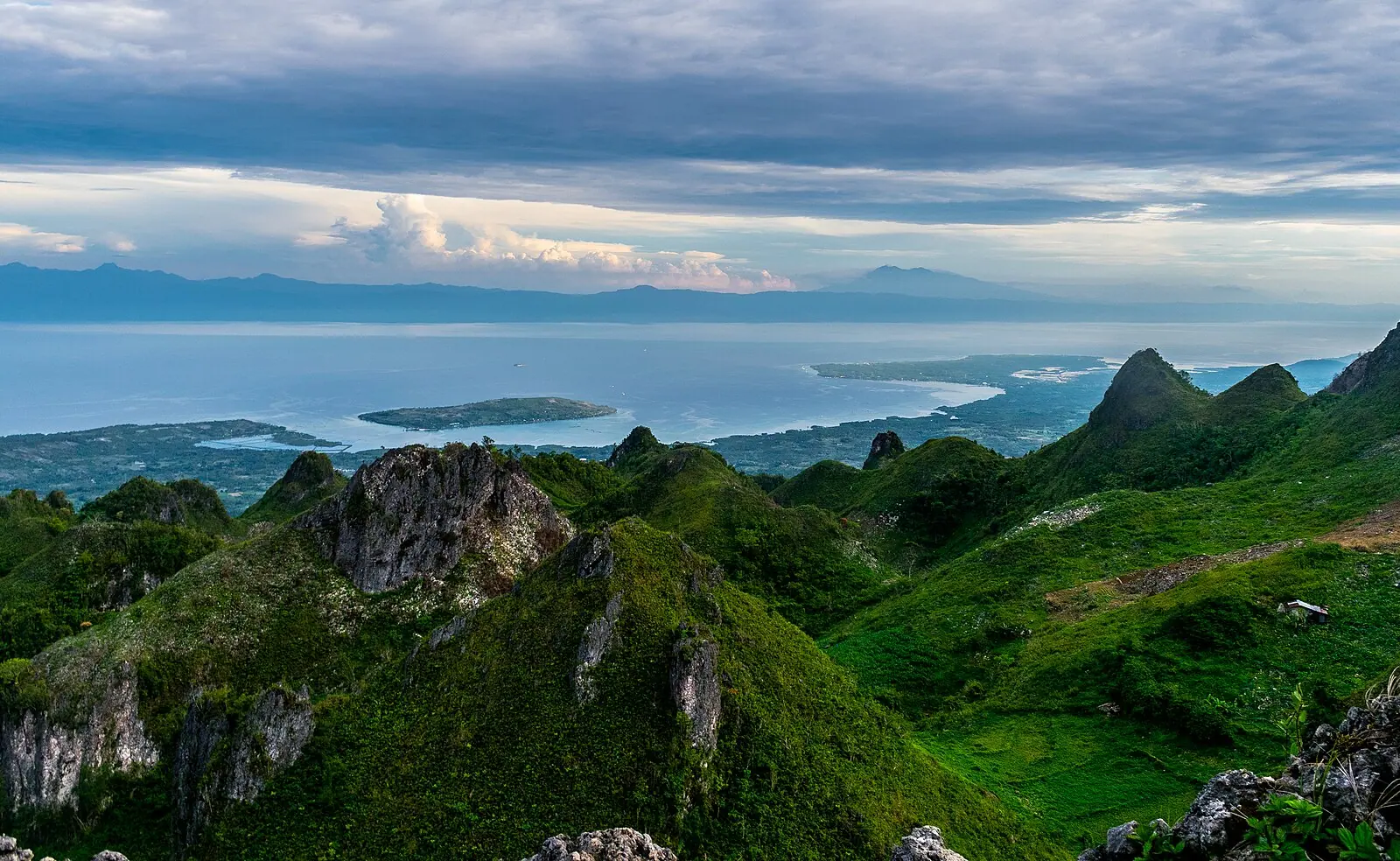
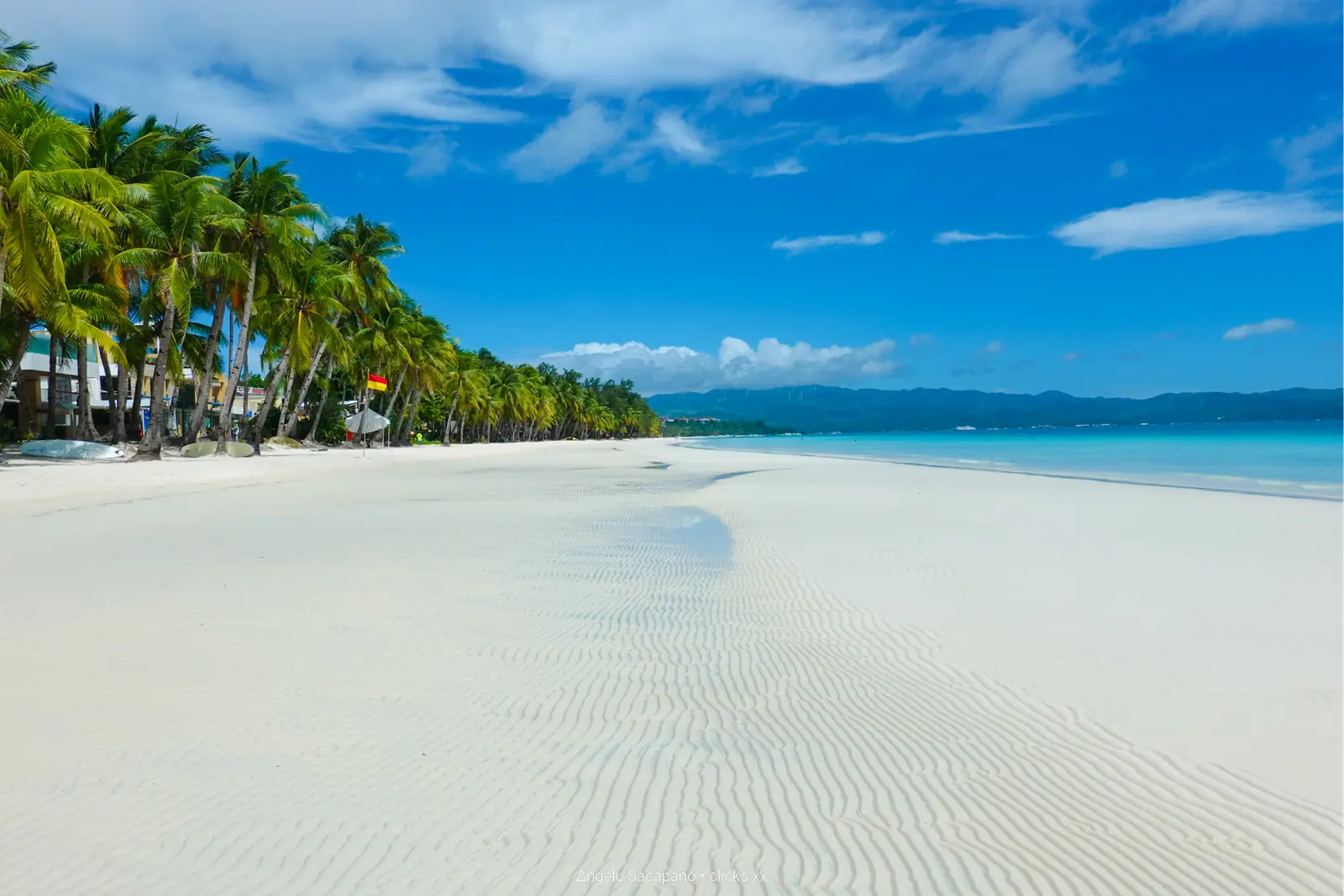
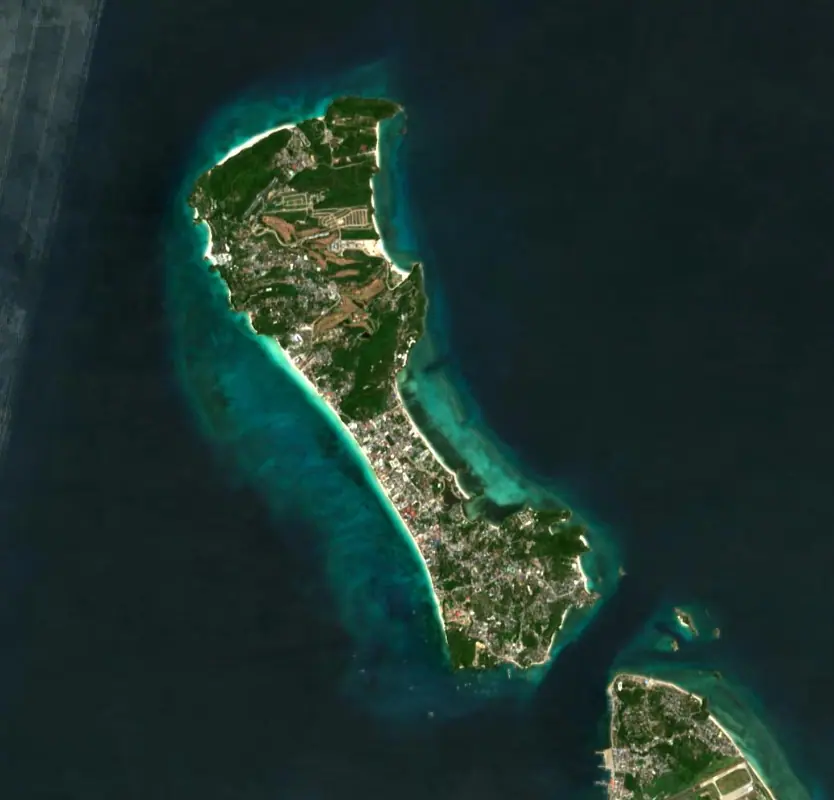
Boracay is a four-kilometre ribbon of powder-white sand where the plane ride is half the story — you land on one island, cross a strait by boat, and step onto another. This five-day plan moves at island pace: one arrival day to find your bearings, three days of water and viewpoints, and a final morning built around the flight home.
Landing in Paradise: Caticlan vs Kalibo, and How the Transfer Actually Works
Boracay has no airport of its own. You fly into one of two gateways on the neighbouring island of Panay, then finish the journey by land and sea. Caticlan Airport sits roughly ten to fifteen minutes from Caticlan Jetty Port, which makes it the default choice — the trade-off is that it handles small turboprop aircraft, so flights are limited, fares spike at peak times, and baggage allowances are tighter than you may be used to. Kalibo Airport is further out, about ninety minutes to two hours by van along a decent highway, but it takes larger jets, which means more departures and often cheaper seats.
From Caticlan Jetty Port the routine is fixed and worth knowing before you queue: you pay a terminal fee, an environmental fee that goes toward the island's upkeep, and a boat fare, then board a covered outrigger for the ten-to-fifteen-minute crossing to Cagban or Tambisaan jetty on Boracay. If you've booked a room in advance, most guesthouses and resorts will have your name on a registration list, which is checked on arrival. From either jetty, an electric tricycle — the island's only form of public transport — drops you at your accommodation for a few pesos, though drivers will ask more if you're hauling several bags.
A practical rule: aim to land before mid-afternoon. Ferries run frequently but stop overnight, and the last thing you want after a long connection is to be negotiating a boat at dusk. Also keep a little cash in small notes for the jetty fees; card readers are not a reliable assumption on the pier.
Day 1: White Beach, the Three Stations, and That First Sunset
Drop your bags and walk the beach. White Beach runs the full western length of the island and is divided into three loosely defined stations. Station 1, in the north, is the widest and quietest stretch, backed by upscale resorts and palms; Station 2 is the busy commercial heart, home to the warren of lanes, cafés and shops known as D'Mall; Station 3, in the south, is the most laid-back, with budget guesthouses, dive shops and a younger crowd. Walking the full beach end to end takes about forty minutes at a stroll — a good shakedown for legs that have been folded into an aeroplane seat.
Spend the late afternoon near Willy's Rock, the volcanic formation in Station 1 crowned by a small grotto shrine, where the water is calm and the sand stays cool underfoot. Boracay's sunsets are the island's real headline act, and the classic viewing spot is simply the waterline anywhere along the beach — though the paraw sailboats drifting past silhouetted against the orange sky make the northern end the better frame. Once the light goes, follow the smell of charcoal to a beachfront grill for fresh fish, squid and grilled pork, then wander south toward Station 2 where fire dancers perform on the sand most evenings.
Don't overplan day one. Jet lag, an airport van and a boat crossing add up, and the island rewards a slow start. Buy drinking water, arrange an e-trike number from your hotel, and turn in early — the next three days are the busy ones.
Day 2: Sailing, Snorkelling and the Art of Doing Very Little
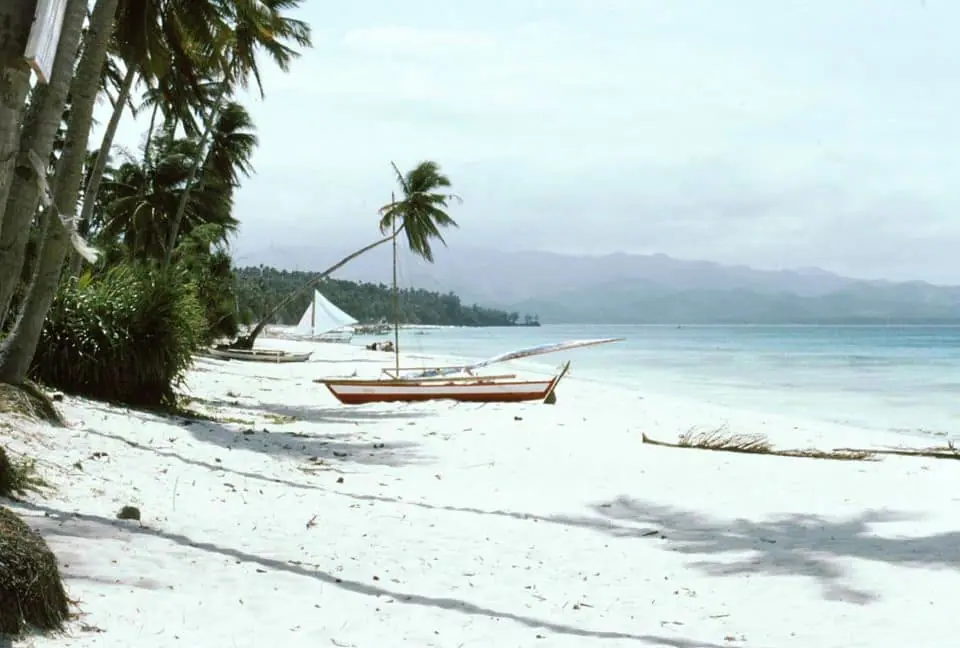
Your second day is about the water immediately off White Beach. A paraw ride — the traditional double-outrigger sailboat with two wide sails — is the signature Boracay experience: thirty to sixty minutes of gliding, usually booked for late afternoon so you're out on the water as the light turns gold. Boats leave from the beach itself, so you wade in knee-deep and climb aboard. Ask to go out toward the northern coves rather than straight along the crowded strip; the ride is smoother and the views back toward the island are better.
For those who want to get under the surface, the reef off Angol Point in the south and the waters near Crocodile Island hold reasonably healthy coral, parrotfish, sergeant majors and the occasional sea turtle, and the depths are shallow enough for first-time snorkellers. A mask, snorkel and life vest can be rented at any dive shop along the beach, and a short boat trip out is inexpensive. Stand-up paddleboarding, kayaking and helmet diving are all on offer if you'd rather stay closer to shore.
Afternoon is the moment to be horizontal. Boracay's sand stays remarkably cool even in full sun, so a beach towel and a book are legitimate equipment. Book any spa treatment in advance for after sunset — a traditional hilot-style massage at one of the beachfront spas is the standard way to close a day here, and the ones set just off the sand in Station 3 tend to be quieter and gentler on the budget than the Station 1 resort spas.

Day 3: Island Hopping — Coves, Cliff Jumps and Puka Shell Beach
Day three is the boat day. A standard island-hopping trip runs three to four hours and covers the north and east coasts, which you can't reach on foot from White Beach. Departures are typically in the morning, when the sea is flattest. Expect stops at a cliff-jump platform where the brave leap from a few metres into deep water, a snorkelling site with coral gardens, and a sheltered cove or two where you can swim off the boat. Trips usually include a simple beach lunch of grilled fish, chicken and rice.
The highlight for many is Puka Shell Beach at the northern tip — a wilder, shorter stretch of coarser sand where the famous puka shells wash up, backed by palms and far fewer people than White Beach. It has a couple of rustic beach bars but little else, so bring cash and sun protection. Nearby Diniwid Beach, tucked below a headland just north of Station 1, is a smaller, prettier alternative with a wooden walkway hugging the cliff and a handful of relaxed places to eat.
One caveat worth building your plan around: boat trips are subject to coast-guard clearance, and during the wetter months from roughly June to October the sea can be choppy enough that sailings are cancelled or rerouted. If island hopping is a priority, schedule it early in your stay rather than on your final full day, so you have room to reshuffle. Group tours are easy to join and split costs; private boats give you control over timing and stops for a modest premium.
Day 4: Kitesurfing at Bulabog, Mount Luho and a Seafood Feast
The east side of the island is a different world. Bulabog Beach faces the strait and catches the steady trade winds that blow from around November to March — this is one of Asia's established kitesurfing grounds, lined with schools, rental sheds and riders launching off a shallow, flat lagoon. Beginners can take a two-to-three-hour introductory lesson and usually get up on the board within a session or two; experienced kiters can hire gear and go. Even if you don't ride, the sight of dozens of kites filling the sky at mid-afternoon is worth the ten-minute walk across the island from White Beach.
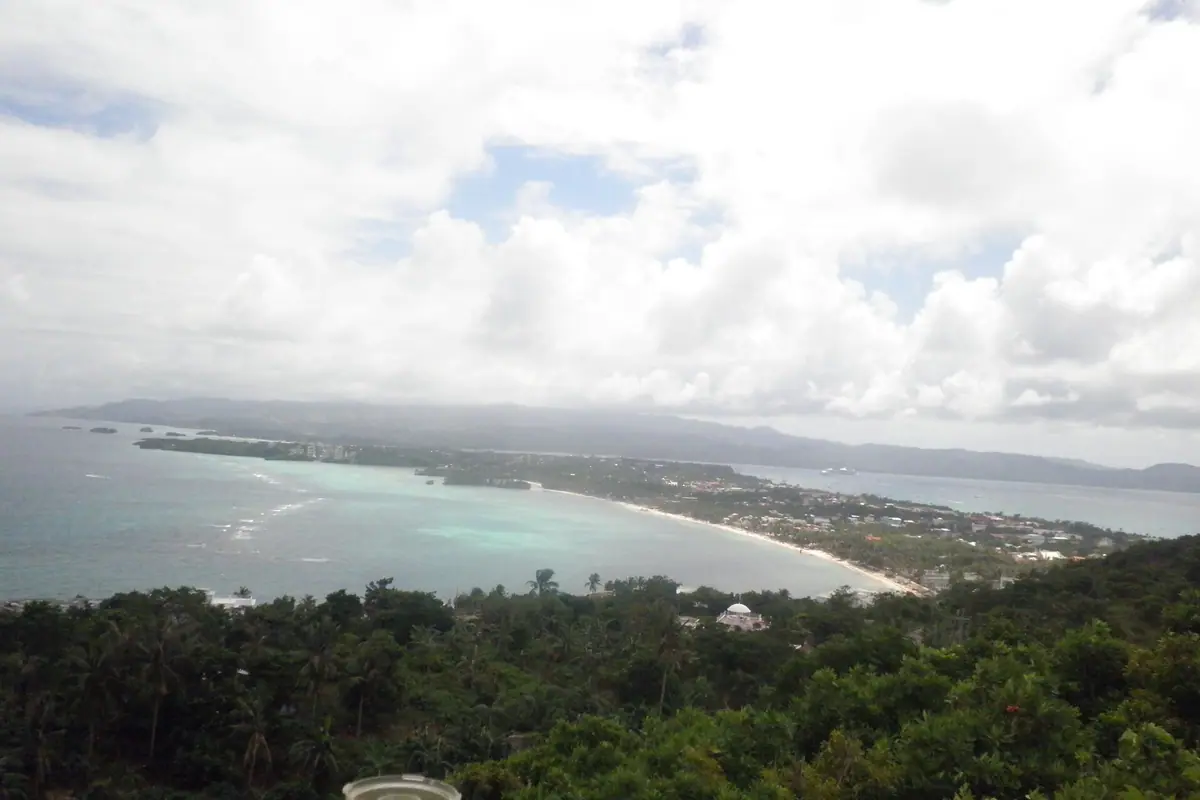
For a wider view, head inland to Mount Luho, the island's highest point, where a short climb and a small viewing deck open onto a panorama of both coasts, the white curl of White Beach on one side and the wind-rippled lagoon on the other. Continue on to Lambros Point or the quieter eastern beaches if you have time before lunch. It's also worth detouring to D'Talipapa, the local wet market in the middle of the island, where you pick your fish, prawns or crab from the tanks and hand it to an adjacent kitchen to cook — grilled with garlic butter, or simmered in sour broth.
Finish the day the way locals do: an early dinner, then a slow walk back along the beach as the lights come on. If you have any shopping left, this is the evening for it — D'Mall and the stalls around Station 2 sell pearl jewellery, woven bags and beachwear, and vendors are more relaxed once the day-trippers have thinned out.
Day 5: Departure Day, Ferry Timing and Flight Buffers
Departure day needs more buffer than most travellers expect. Work backwards from your flight: you'll need to be at Caticlan Jetty Port with time to buy your boat ticket and pay the terminal and environmental fees, cross to Caticlan, and take a short tricycle or van ride to the airport. In peak season — Christmas and New Year, Holy Week, and the weeks around the Ati-Atihan festival in Kalibo in January — queues at the pier and on the road can double your transfer time. A sensible cushion is three hours before a Caticlan departure, and four if you're flying out of Kalibo, where the van ride alone can take two hours.
If your flight is in the afternoon, you can still salvage the morning. A last swim before breakfast, a coffee on the sand, and a final wander to Station 1 are all achievable if you've packed the night before and settled your bill. Keep small notes handy for the jetty fees and tricycle, and confirm with your accommodation the night before how long they recommend allowing — local staff know the season's traffic patterns better than any schedule.
The weather decides the last variable. The dry, breezy season from November to May brings clear skies and reliable crossings; the wetter months from June to October can mean rain squalls and rougher water, and flights into Caticlan are more prone to weather delays than those into Kalibo. If you're connecting onward in Manila or Cebu on the same day, leave a generous gap — or better, an overnight — rather than gambling on a tight transfer.
Frequently asked questions
Which airport should I fly into for Boracay — Caticlan or Kalibo?
Caticlan is by far the closest, roughly ten to fifteen minutes from the jetty port, but it only handles small turboprop aircraft with limited daily seats and tighter baggage allowances. Kalibo takes larger jets, usually has cheaper and more frequent flights, and sits about ninety minutes to two hours away by van. If your priority is speed, choose Caticlan; if it's price, availability or a smoother ride on a big jet, choose Kalibo and budget the extra road time.
How long does the whole transfer from plane to hotel take?
From Caticlan, allow about an hour to ninety minutes: a short tricycle or van ride to the jetty port, queues for the terminal and environmental fees, a ten-to-fifteen-minute boat crossing, then an electric tricycle to your accommodation. From Kalibo, add the van transfer, so plan on three to four hours in total. Peak season and late-afternoon arrivals stretch everything.
What's the best time of year to visit Boracay?
The dry, breezy season from November to May offers the most reliable weather, calm crossings and the steadiest winds for kitesurfing at Bulabog. December, January and Holy Week are the busiest and most expensive periods. June to October is wetter and greener, with occasional trip cancellations, but also lower rates and thinner crowds.
Do I need to book boat trips and activities in advance?
For paraw sailing, island hopping and kitesurfing lessons, a day's notice is usually enough outside peak periods — you can arrange most things through your accommodation or the operators along the beach. During Christmas, New Year and Holy Week, book a day or two ahead. Spa treatments and popular sunset sailing slots are the first to fill.
How much luggage can I bring on flights into Caticlan?
Small turboprops serving Caticlan enforce strict weight and size limits, often lower than the standard allowance on bigger jets, and excess baggage can be refused rather than simply charged. Weigh your bags before you fly, check your carrier's rules for the specific aircraft, and consider Kalibo if you're travelling with bulky gear such as kitesurfing equipment.
Sort the rest of your trip
Everything for Boracay, in one place
Stay in Boracay
Hotels, guesthouses and apartments — compared in one search.
Search hotels
Transfer in Boracay
Private driver waiting on arrival — no queues, no surprises.
Book a transfer
Travel insurance
Medical cover, delays and lost baggage — sorted before you go.
Get covered