The Philippines is not one destination but 7,000-odd of them, which is exactly why choosing a hotel here is a geography decision before it is a comfort one. Pick the right island and your base becomes a launchpad to lagoons, rice terraces and coral gardens; pick the wrong one and you will spend your holiday in airport queues. This guide maps the country's essential stops and the kind of stay that makes sense in each.
Choosing Your Base: How the Archipelago Shapes Where You Sleep
Distances in the Philippines are deceiving. A flight from Manila to Cebu takes barely an hour, but the onward journey to a beach town often involves a second flight, a van ride and a ferry, which can swallow a full day. The smartest approach is to think in island clusters and commit: pair Palawan's El Nido with Coron in the north, or combine Cebu with Bohol and Siargao in the Visayas, rather than trying to touch every famous name on the map in two weeks.
Hotel style follows the same logic. Metro Manila and Cebu City reward a polished high-rise stay in districts such as Makati, Bonifacio Global City and Cebu IT Park, where walkable streets, malls and restaurants make city time genuinely enjoyable. Beach destinations work differently: on Boracay, El Nido and Siargao, location matters more than thread count, and a modest room steps from the sand usually beats a lavish resort a tricycle ride away.
Finally, accept two local realities. Island power and Wi-Fi can flicker, and water pressure comes and goes, so a well-run mid-range property often delivers a smoother stay than a cut-price luxury imitation. And because most island towns run on cash, choose a hotel that can help with transfers, tours and airport pickups rather than one that leaves you to improvise on arrival.
Manila: Hotels in the Heart of the Historic Capital
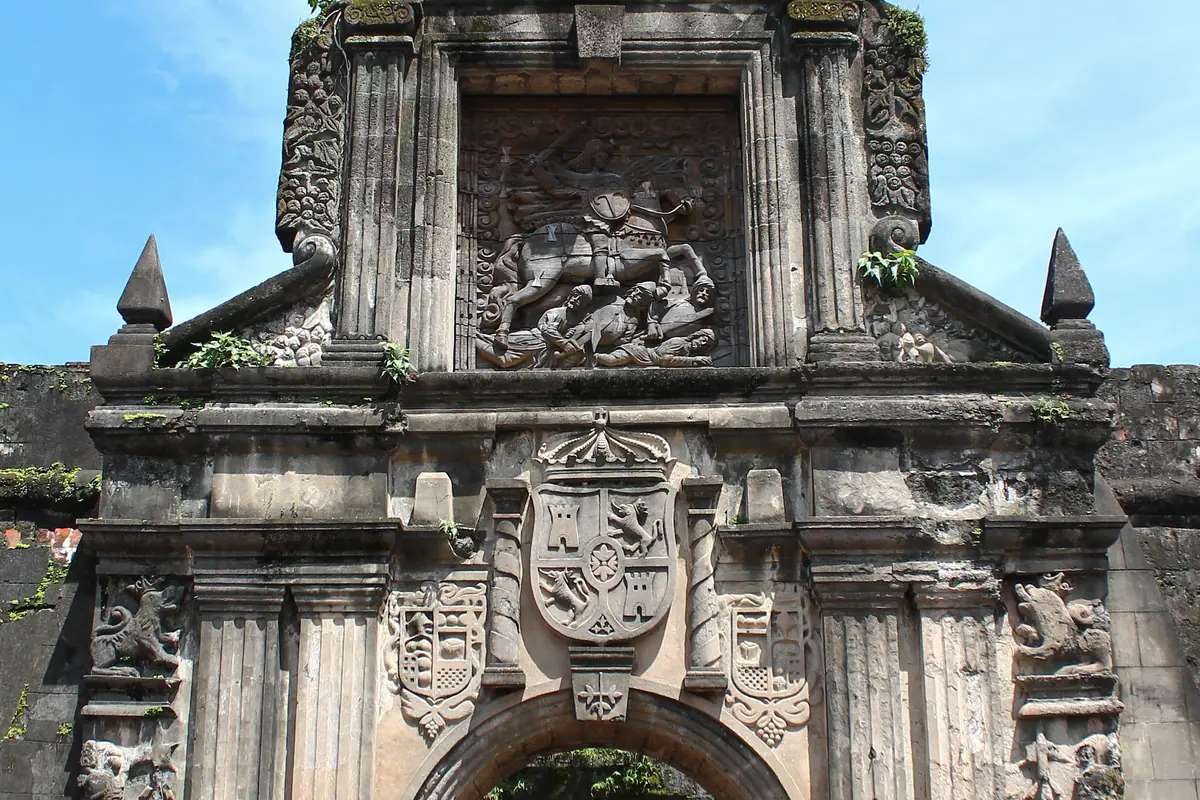
Most travellers land in Manila and immediately want to leave, but the city is worth at least two nights, ideally based around the walled district of Intramuros. Here you can walk to Fort Santiago, the old Spanish colonial citadel where José Rizal was imprisoned, and to San Agustin Church, a UNESCO-listed baroque survivor from the late 1500s. The grand Manila Cathedral and the leafy expanse of Rizal Park sit within the same compact, strollable pocket, so a hotel in or beside the walls turns sightseeing into a walking day rather than a traffic day.
For a different side of the capital, base yourself in Makati or Bonifacio Global City, where modern hotels, rooftop bars and excellent restaurants cluster within safe, well-lit blocks. From either, it is easy to reach the National Museum complex and the bayside promenade for the famous Manila Bay sunset — a slow, smog-tinted blaze that locals treat as a nightly ritual.
Practical notes: traffic is legendary, so a hotel near a metro station or inside a walkable district saves hours. Air-conditioning is non-negotiable from March to May, when the city becomes genuinely hot, and most sensible city hotels offer airport transfers for a modest charge. Two nights is usually enough to see Intramuros properly and adjust to the time zone before flying onward.
Palawan: El Nido, Coron and Puerto Princesa
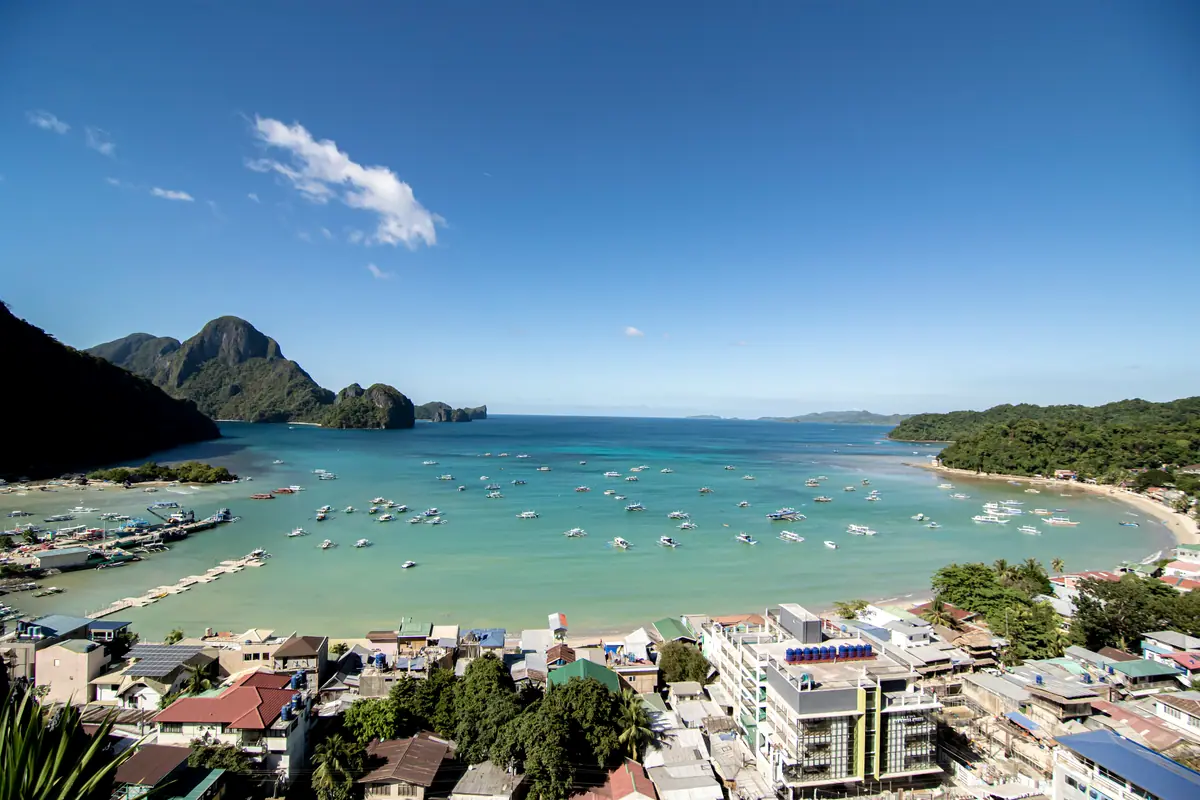
Palawan is the postcard version of the country, and its hotels are spread across three very different bases. In El Nido, the town itself is busy and functional, while the real magic lies along Corong-Corong and Las Cabanas, where sunset-facing beachfront guesthouses put you minutes from island-hopping boats heading to the Big Lagoon, Small Lagoon and Secret Lagoon. Rooms here range from simple fan cottages to stylish boutique stays, and booking early for the dry season is essential because the best spots sell out months ahead.
Further north, Coron is the gateway to Kayangan Lake, whose impossibly clear water sits beneath jagged limestone karsts, plus the wreck dives of the surrounding bay. Accommodation clusters in Coron Town, and a hillside room with a view over the harbour is worth the short climb. In the south, Puerto Princesa is more practical than beautiful, but it is the access point for the Puerto Princesa Subterranean River, a UNESCO-listed underground waterway navigated by paddle boat, and for the laid-back beach at Nacpan.
Travel within Palawan takes patience: road journeys are long and boat trips depend on weather, so plan one base per region rather than hopping daily. The dry months from December to May bring calm seas and reliable island-hopping; the wetter months mean cheaper rooms but cancelled boat tours.
The Visayas: Cebu, Bohol, Boracay and Siargao
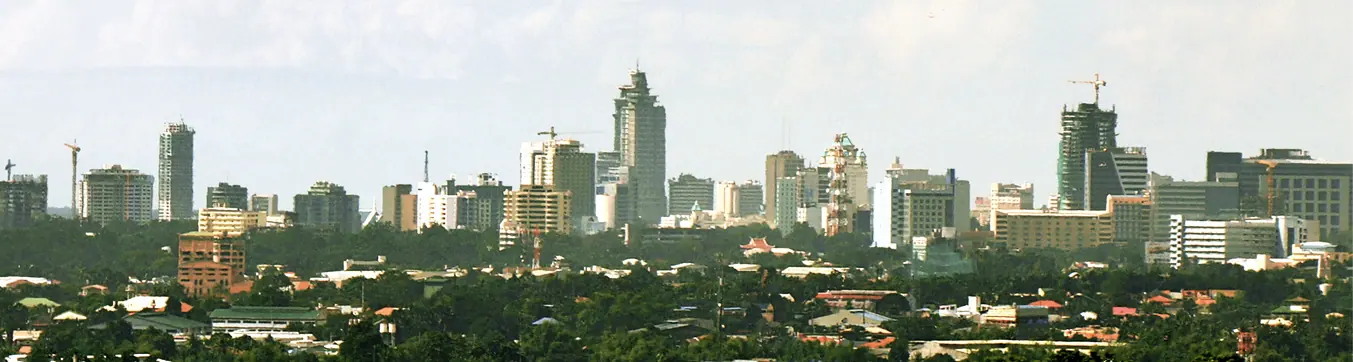
Cebu City is the archipelago's second hub and a genuinely rewarding base, especially near the Basilica del Santo Niño and Magellan's Cross, the two landmarks at the heart of the country's colonial story. Stay downtown for history and ferries, or in Cebu IT Park for restaurants and nightlife. From the city, day trips reach the whale sharks of Oslob and the turquoise tiers of Kawasan Falls, though staying overnight near the falls is far more peaceful than a rushed day return.
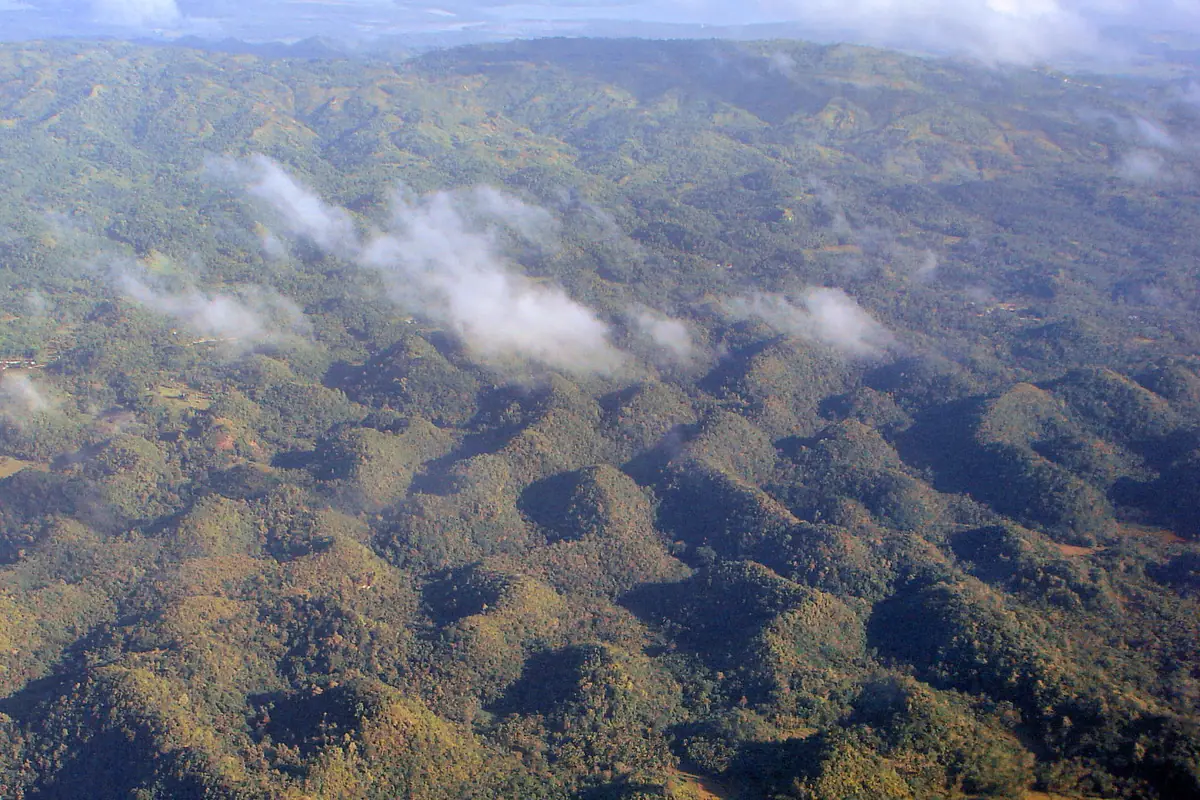
Bohol, an easy ferry ride away, is where you sleep among the Chocolate Hills — over a thousand grassy cones that turn cocoa-brown in the dry season — and beside the Loboc River, whose lunch cruises drift past jungle villages. The island's tarsier sanctuaries protect one of the world's smallest primates, and a hotel in Panglao puts you near Alona Beach for diving and dolphin-watching mornings.
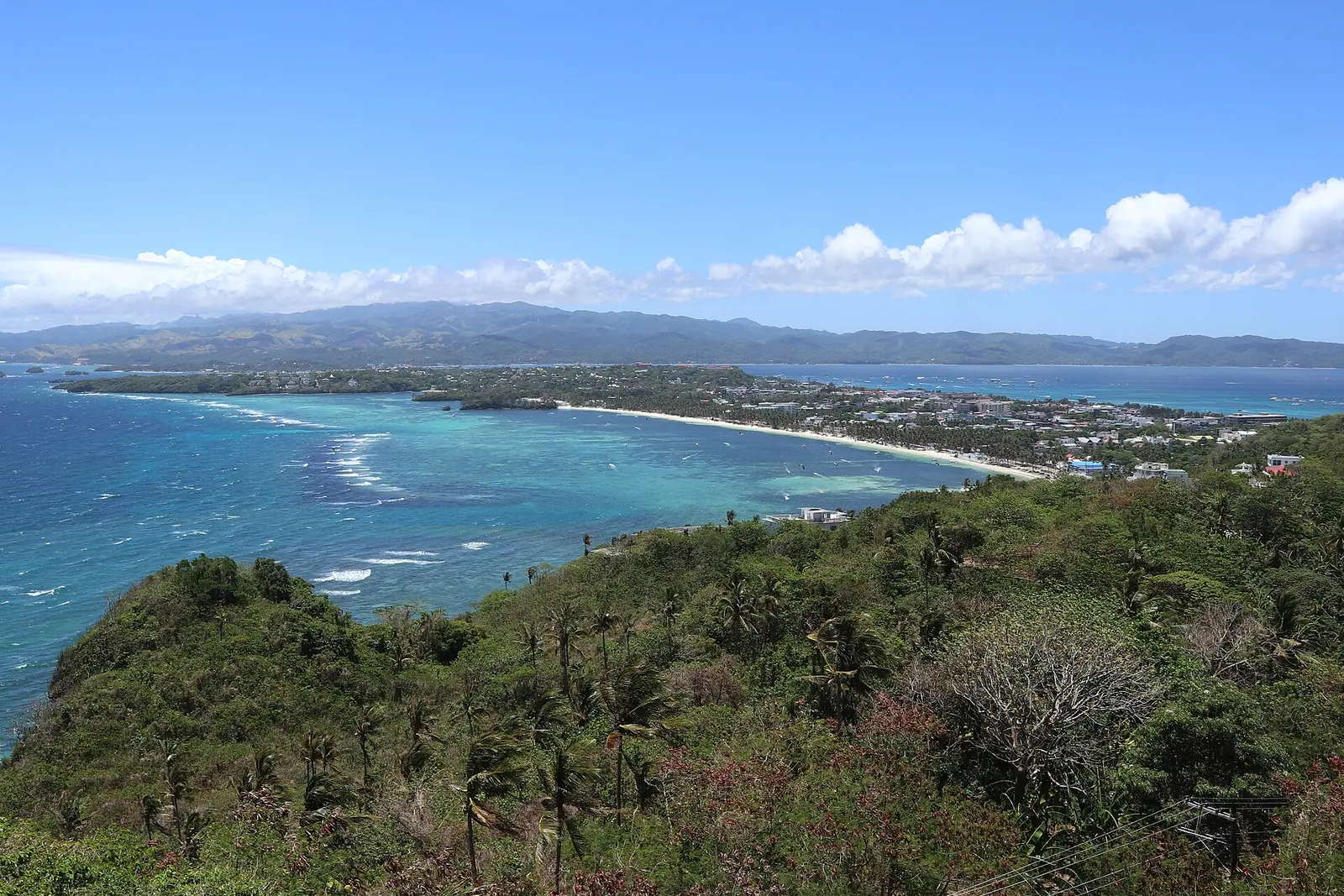
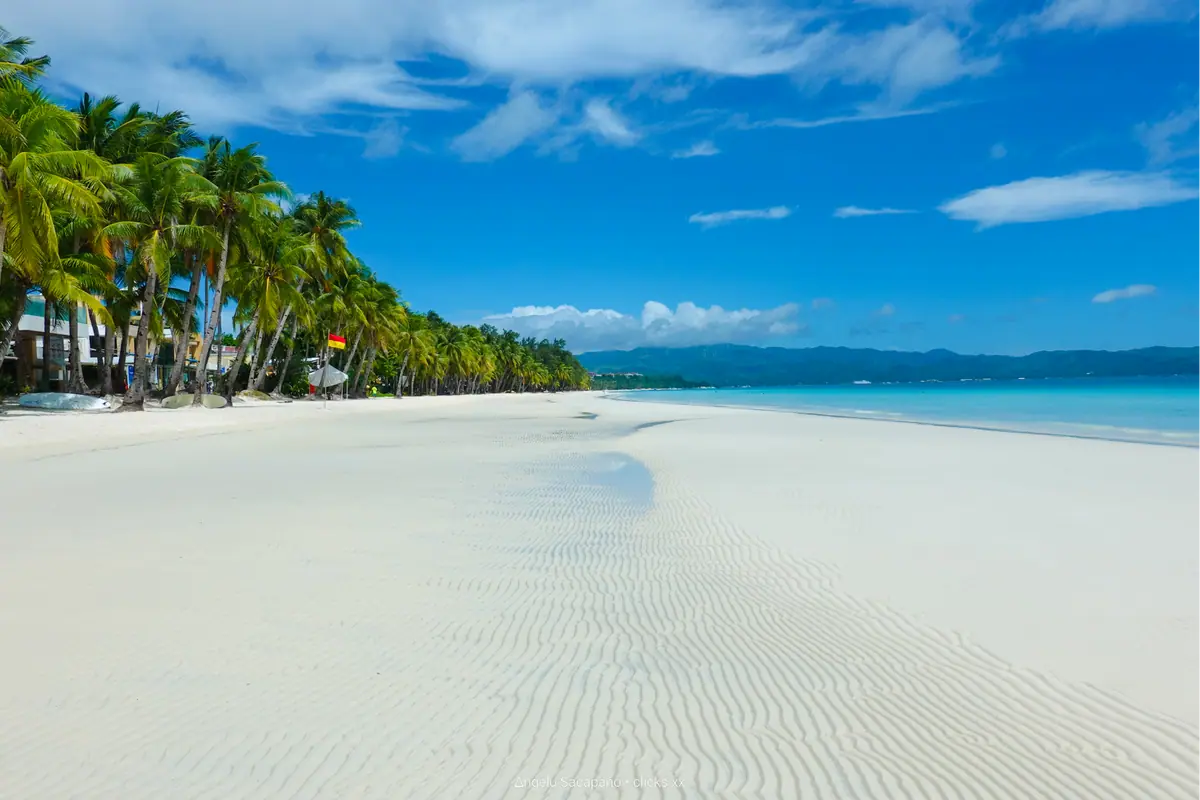
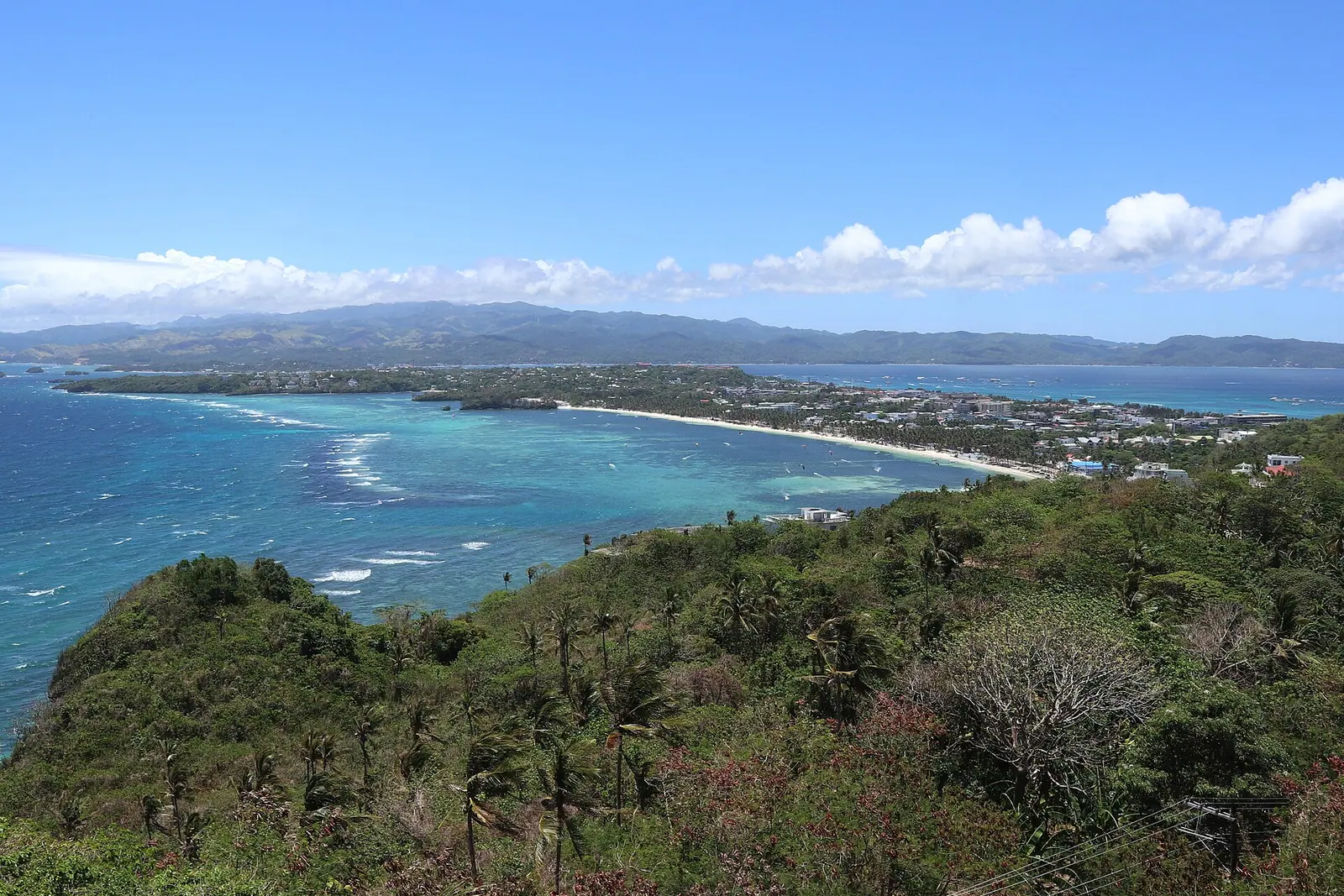
Boracay remains the country's most polished beach destination, with hotels tucked along White Beach's four-kilometre stretch of powder sand, plus quieter Diniwid and Bulabog for windsurfers. Siargao, meanwhile, has grown from a surf secret into a design-forward island: Cloud 9's famous reef break, the palm-lined lanes of General Luna, and day trips to Sugba Lagoon and the rock pools of Magpupungko. Rooms on Siargao skew boutique and rustic, so book far ahead for the August-to-November swell.
Luzon Beyond Manila: Banaue, Vigan and Mayon Country
North of the capital, the Cordillera mountains hide the rice terraces of Banaue and Batad, carved into steep slopes over two millennia and still farmed today. Hotels here are simple lodges and homestays with wood-fired warmth and valley views; the trade-off for the spectacular setting is basic plumbing and intermittent power. Come between May and June for emerald terraces, or during harvest for golden ones, and allow at least two nights — the overnight bus from Manila is long, and Batad's amphitheatre of paddies deserves a full day on foot.
On the northwest coast, Vigan preserves a Spanish-colonial street of cobbles and timber houses at Calle Crisologo, best explored by horse-drawn carriage, with hotels converted from ancestral homes that make the history feel lived-in. Further south in the Bicol region, Legazpi offers the country's most dramatic hotel view: Mount Mayon, a near-perfect cone that glows at sunrise. Choose a property with a rooftop or garden facing the volcano, and build in a buffer day, since the mountain likes to hide behind cloud.
These routes suit travellers who value landscapes over beach lounging. Expect long drives, early starts and guesthouses that are charming rather than polished — and bring a light jacket, because the highlands get genuinely cold at night.
Timing, Budgets and Practical Booking Tips
The dry season, roughly December to May, is peak time across the country, with calm seas, blue skies and the highest room rates; the Christmas and New Year weeks and Holy Week are the busiest of all, so book months in advance. June to November brings the southwest monsoon and, with it, typhoon risk — especially in the eastern Visayas and Bicol. Travel insurance, flexible bookings and a weather-tolerant itinerary matter far more here than in most regions.
On value, the Philippines rewards the mid-range traveller: comfortable air-conditioned rooms with breakfast are widely available, and splurge money is often better spent on location, a private island-hopping boat or a beachfront balcony than on marble lobbies. Resorts in remote areas add taxes and environmental fees at checkout, and many island properties charge for airport transfers, so ask before you book.
Practical habits make the difference. Carry cash for small islands, where ATMs are scarce and unreliable; bring a universal adaptor for the 220-volt, often two-pin sockets; and pack reef-safe sunscreen, a dry bag and sturdy sandals for boat landings. Domestic flights are frequent but delayed often, so avoid tight connections, and always leave one buffer day before an international departure.
Frequently asked questions
Which part of Manila is best for first-time visitors?
Intramuros, the walled historic district, is ideal if you want to walk to Fort Santiago, San Agustin Church, Manila Cathedral and Rizal Park. Makati and Bonifacio Global City suit travellers who prefer modern hotels, restaurants and nightlife, though you will rely on taxis or ride-hailing to reach the old city.
When is the best time to visit the Philippines?
December to May is the dry season and the safest bet for beach and island-hopping trips, with the calmest seas and clearest skies. June to November is wetter and carries typhoon risk, though it brings lower rates. For Siargao's surf, aim for August to November; for green rice terraces, May to June.
How many islands should I combine in one trip?
Two or three bases is realistic for a two-week holiday. A comfortable combination is Manila for history, then Palawan for lagoons and reefs, or Cebu with Bohol and Siargao. Each island transfer can take the best part of a day once flights, vans and ferries are counted.
Are hotels in the Philippines good value?
Generally yes, particularly in the mid-range: air-conditioned rooms with breakfast are widely available and often include airport transfers. Beachfront locations and peak-season dates drive prices up sharply, so booking early and prioritising location over luxury facilities usually gives the best value.
Do I need cash for hotels and tours around the islands?
Outside Manila and Cebu City, yes. Many island guesthouses, tricycle drivers and boat operators take cash only, and ATMs on smaller islands can be empty or out of service. Withdraw enough pesos in the cities to cover a few days, and keep small notes for fees and tips.
Plan it — hotels in Philippines
Live search, booked directly with trusted providers.
Sort the rest of your trip
Everything for Philippines, in one place
Transfer in Philippines
Private driver waiting on arrival — no queues, no surprises.
Book a transfer
Things to do in Philippines
Skip-the-line tickets, guided tours and standout experiences.
See experiences
Stay online in Philippines
Travel eSIM — data the moment you land, no roaming bills.
Get an eSIMMore guides in Philippines

Best Places to Visit in the Philippines: Islands, Lagoons and Rice Terraces

Philippines Travel Guide: Food, Culture and Local Experiences
Where to Stay in Cebu: Hotels by Area, From City Towers to Island Bungalows
Boracay in 5 Days: Flights, Airports and the Island Itinerary That Works