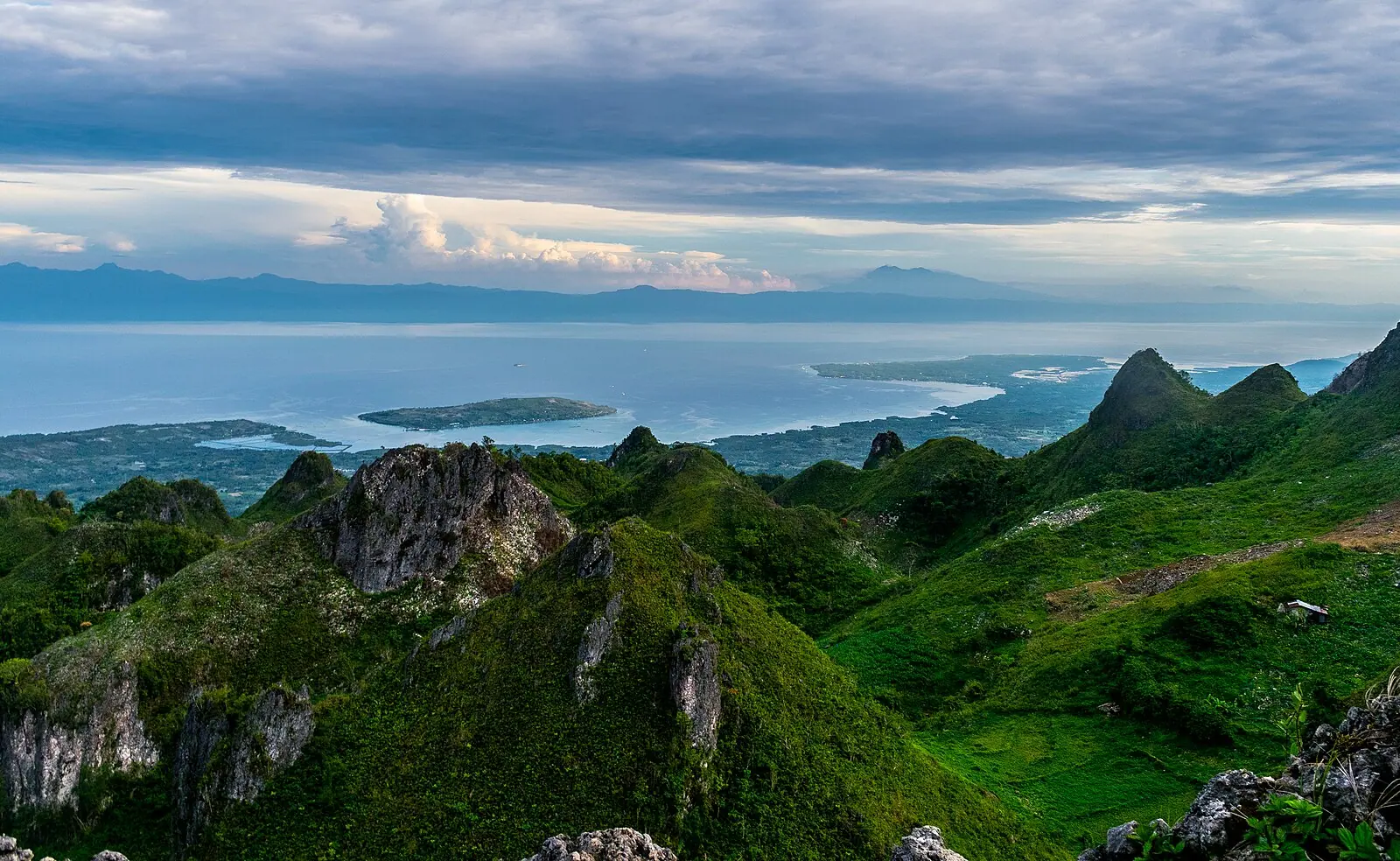
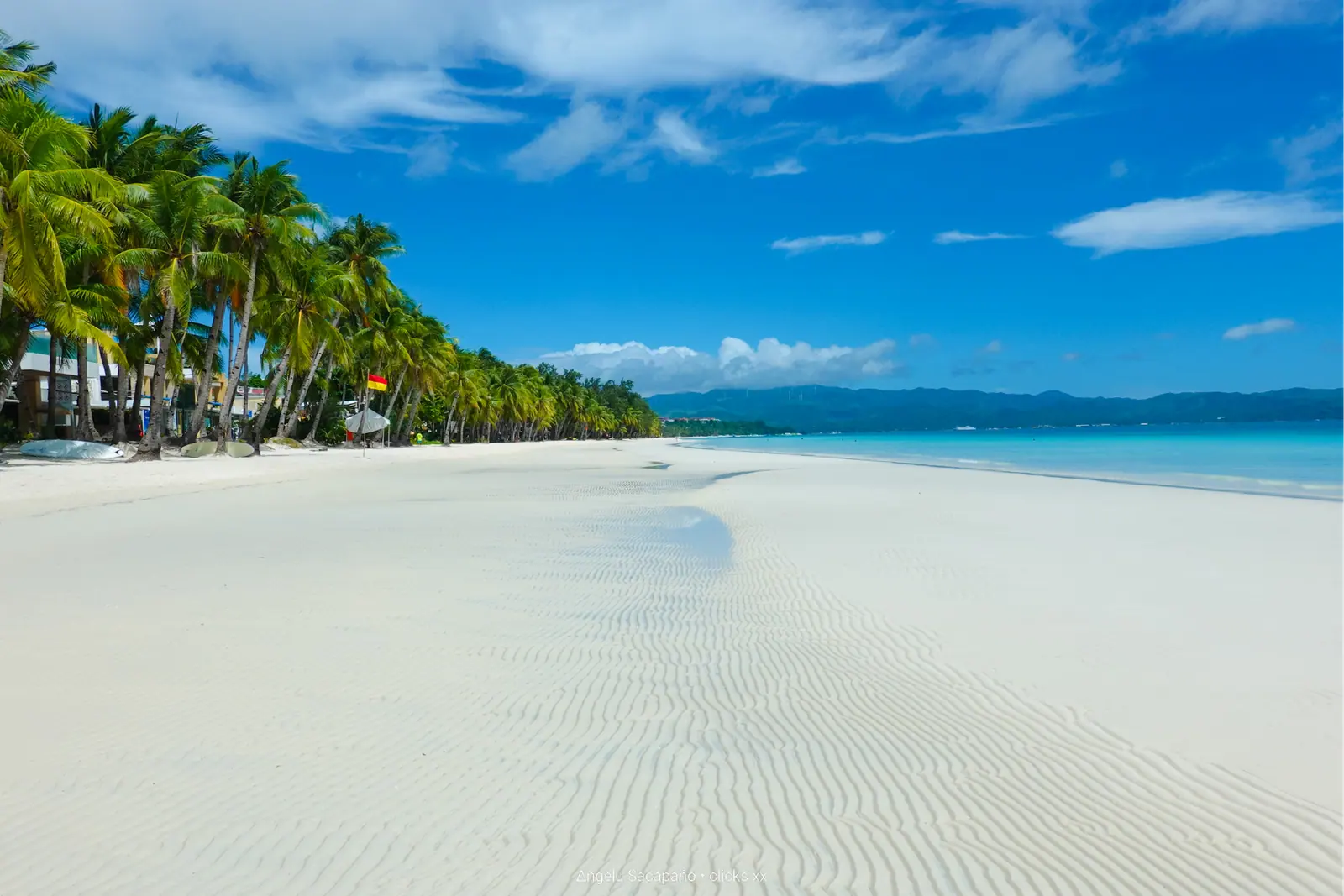
Boracay packs four kilometres of impossibly pale sand, a wind-sports beach on the opposite shore and a whole island you can cross in twenty minutes into one very compact weekend. The trick isn't finding a hotel — it's picking the stretch of coastline that matches how you want to spend two days. This guide walks you through the stations, the seasons and the small practical details that make a short trip work.
Why Boracay Works as a Two-Night Break
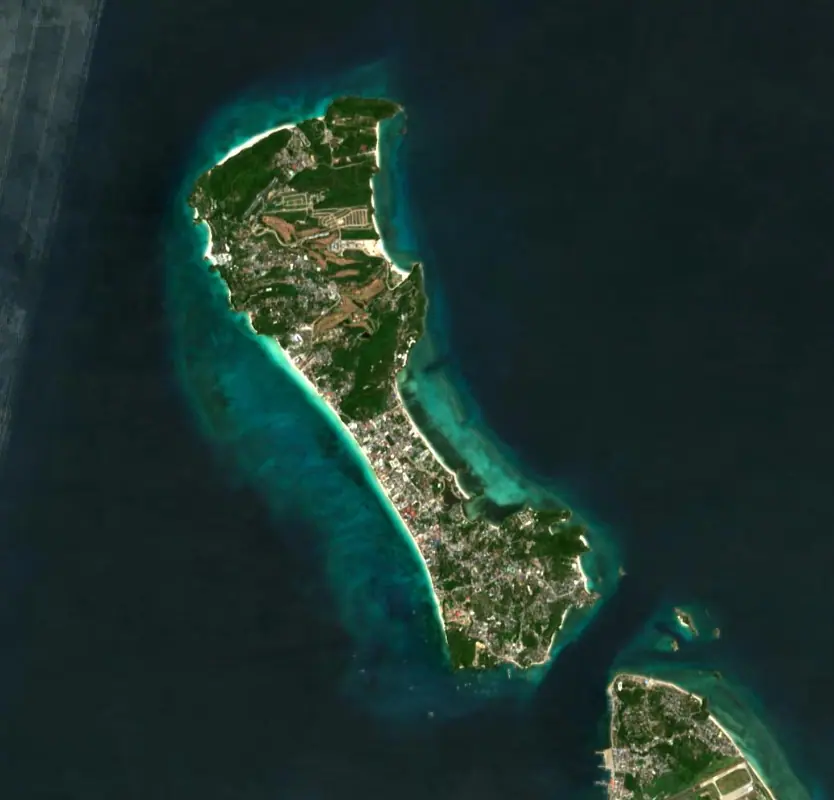
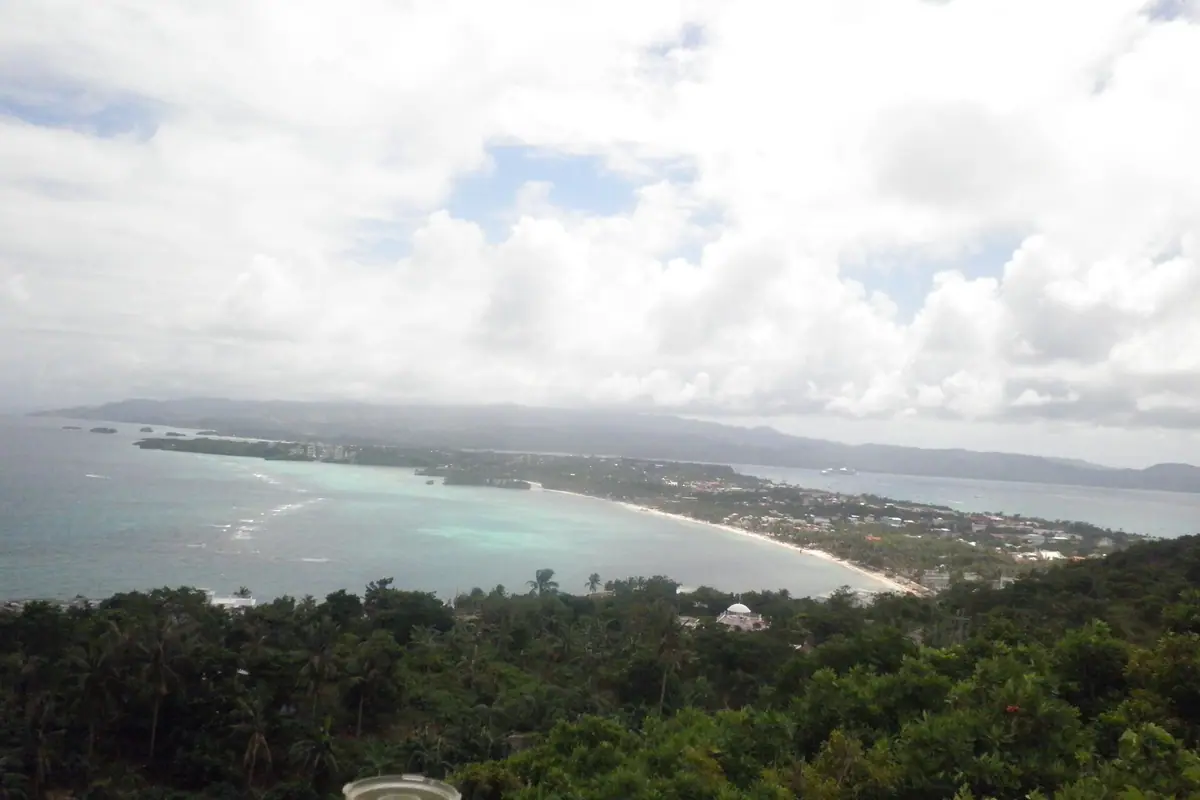
Boracay is a dog-bone-shaped island barely seven kilometres long and about one kilometre wide at its narrowest, sitting off the northern tip of Panay in Aklan province. Almost everything visitors come for is strung along White Beach, a four-kilometre crescent of powdery sand on the western shore, divided by locals and hoteliers into three numbered stations. Because the island is so small, no hotel is more than a short walk or a few minutes in an electric trike from the water — which is exactly why a Friday-to-Sunday trip feels satisfying rather than rushed.
Timing matters more here than on most islands. The northeast monsoon, known locally as Amihan, runs roughly from November through May and delivers dry, sunny days around 28–32°C with calm, glassy water along White Beach — this is the postcard version. The southwest monsoon, Habagat, takes over from June to October with heavier afternoon showers, onshore wind and seaweed washing up on the western shore. That wetter half of the year is when the kiteboarding crowd migrates to Bulabog Beach on the east side, and hotel rates soften considerably.
If your dates are flexible, aim for January to early March, or the shoulder weeks of November and early December. Christmas, New Year, Holy Week and the long stretch from late March through May are the busiest — and the most expensive — windows of the year. One more thing worth knowing before you book: after a six-month rehabilitation closure in 2018, the island came back with stricter rules. Bonfires, sandcastle building, beach vendors, smoking and drinking on the sand are all prohibited, and single-use plastics are effectively banned across the island, so pack a refillable bottle.
Station by Station: Which Stretch of Sand Suits You
Station 1, at the northern end, is the widest, quietest and most polished section of White Beach. The sand here is at its softest, the palms lean furthest over the water, and the hotels tend to be larger resorts with gardens, pools and proper breakfast rooms. The trade-off is that you're a ten- to fifteen-minute walk from the busiest dining and nightlife. Willy's Rock, the volcanic outcrop topped with a small grotto shrine that appears on virtually every Boracay postcard, sits at the southern edge of Station 1 and is a two-minute stroll from most of these properties.
Station 2 is the island's living room: the commercial heart, where the beach path fills with restaurants, bars and the pedestrian shopping lanes just behind the sand. Hotels here range from simple air-conditioned rooms above shops to mid-range resorts with rooftop pools, and you can step out of your room and into dinner within sixty seconds. It's noisier at night, and rooms facing the path can pick up music until the small hours — so ask for a room set back from the walkway if you sleep lightly.
Station 3, the southern end, has the most local, laid-back feel, with family-run guesthouses, budget rooms and a handful of small boutique stays tucked between fishing boats and palm groves. It's closest to Cagban Port, which is handy if you're arriving late or leaving early, and the sunsets here are arguably the best on the island because the beach curves away from you. Two alternatives sit outside the numbered stations: Diniwid, a small cove just north of Station 1 that feels genuinely secluded, and Bulabog Beach on the east coast, the island's kiteboarding hub, where rooms are cheaper and mornings are windy rather than still.
Beachfront, Second Row or Hillside: Choosing Your Room
The single biggest factor in what you pay is how close your door is to the water. True beachfront properties — where you walk off a terrace straight onto sand — command the highest rates, especially in Station 1 and along the quiet Diniwid cove. Second-row hotels, set just behind the beach path, cost noticeably less and are often only a one- or two-minute walk from the surf, which for a two-night trip is a very reasonable compromise. Inland and hillside stays, up on the slopes towards Mount Luho, trade the sea view for a pool, more space and a shuttle or short trike ride down to the beach.
Think about what you'll actually use. A weekend is short enough that a resort with a big pool, a spa and a beachfront restaurant earns its keep if you plan to stay put; it's wasted money if you intend to be out on boats and at beach bars from morning until midnight. Couples and honeymooners tend to gravitate north to Station 1 and Diniwid for the quiet and the sunsets; groups of friends and solo travellers often prefer the buzz of Station 2, where everything is walkable; families with small children do well in Station 3 or in the larger Station 1 resorts with shallow pool sections and shaded gardens.
A few practical checks before you commit: confirm whether the rate includes breakfast, whether the room has air conditioning (many budget stays still offer fan-only options), and whether airport or jetty transfers are included — some properties bundle them, others charge separately. Because the island has a strict building setback and height limit, almost nothing towers over the palms, so even mid-range rooms tend to have decent light and air.

Getting There and Getting Around
Most visitors fly into Caticlan, the small airport on the mainland roughly ten minutes from the jetty port that serves Boracay. From there it's a short trike or van ride to the port, where you pay an environmental fee and a terminal fee, then take a ten- to fifteen-minute ferry across to Cagban Port on the island's southern tip. The alternative is Kalibo, a larger airport about ninety minutes to two hours away by van, which often has cheaper fares and more flight options but adds a long road transfer at each end. For a two-night break, Caticlan is almost always worth the premium.
Once you're on the island, the main road runs behind White Beach and electric trikes cover most short hops for a modest fixed fare; agree the price before you get in, or use the shared-trike option. The beach path itself is pedestrian-only, so the most pleasant way to move between stations is simply to walk barefoot along the sand — Station 1 to Station 3 takes around thirty to forty minutes at an easy pace. If you're staying at Bulabog, expect a five- to ten-minute walk across the narrow neck of the island to reach White Beach.
Keep your onward travel in mind when you book. Ferries and trikes are busier around mid-morning and late afternoon, so build a buffer of at least two to three hours between leaving your hotel and your flight departure. Many hotels will hold luggage after check-out, which lets you squeeze in a last swim and a shower before heading to the port.
How to Spend Two Days Without Wasting Them
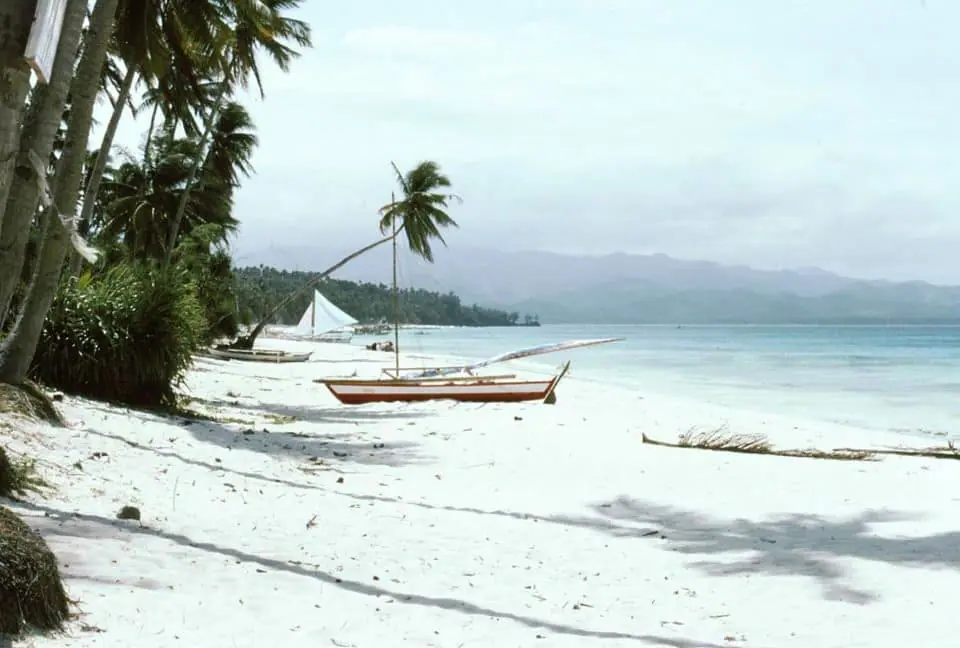
Start your first afternoon gently: claim a spot on White Beach, swim, and walk north to Willy's Rock for the classic view back along the bay. As the light softens, hire a paraw — the traditional double-outrigger sailboat with bamboo floats — for a sunset sail along the coast. It's the single best-value hour on the island, and the wind usually cooperates from November through May. Finish with dinner along the beach path in Station 2, where you can eat grilled seafood with your feet essentially in the sand.
Give your second day to the parts of Boracay that aren't White Beach. Take a trike or a short boat ride to Puka Beach in the north, a quieter, shell-strewn stretch backed by forest, or hike or ride up to Mount Luho, the island's highest point, for a panoramic view across both coasts. If you're after something more active, Bulabog Beach on the east side is the place to watch — or try — kiteboarding, and boat trips head out to cliff-diving spots and quiet coves along the neighbouring coastline for those with a full day to spare.
Save your last morning for a slow swim and a long breakfast, then wander the shopping lanes behind Station 2 for dried mangoes, woven bags and pearl jewellery before your transfer. If you have time to kill before a late flight, a beachfront café with a cold drink and a view is a perfectly good way to end a weekend.
Booking Smarts, Seasons and Island Rules
For peak periods — Christmas and New Year, Holy Week, and the busy March-to-May window — book your room two to four months ahead, and expect minimum-stay requirements of two or three nights at many properties. Outside those dates, a few weeks' notice is usually plenty, and the wetter months from July to October can bring genuinely good deals if you don't mind an afternoon downpour. Note that some smaller guesthouses close seasonally during the quietest weeks.
Pack light and pack smart. Bring reef-safe sunscreen, a refillable water bottle, cash for trikes and small vendors, and a light rain shell if you're travelling between June and October. The island's post-rehabilitation rules are enforced: no smoking, no littering, no bonfires or sandcastles on the beach, no beach vendors and no drinking on the sand. Respect them — they're the reason White Beach looks the way it does.
Finally, match your expectations to your budget rather than your budget to a photo. The difference between a mid-range and a top-tier Boracay hotel is mostly about space, service and how close you are to the water — not about whether you'll have a good weekend. On an island this small and this beautiful, almost everyone ends up on the same sand at sunset anyway.
Frequently asked questions
Which part of Boracay is best for a weekend stay?
Station 1 and Diniwid suit couples and anyone wanting quiet, wide sand and upscale resorts. Station 2 is the most convenient for restaurants, bars and shopping, with the widest range of mid-range hotels. Station 3 is best for budget travellers, families and anyone wanting a local feel or a quick hop to Cagban Port. Bulabog Beach is the pick for kiteboarders.
How long does it take to get to Boracay from the airport?
From Caticlan, it's roughly a ten-minute ride to the jetty port plus a ten- to fifteen-minute ferry to Cagban Port. From Kalibo, add a ninety-minute to two-hour van transfer to Caticlan. Allow two to three hours of buffer before a departure flight.
What is the best time of year to visit Boracay?
The dry Amihan season from November to May brings calm water and sunny days, with January to early March the sweet spot. Christmas, New Year, Holy Week and April to May are the busiest and priciest. June to October is wetter and windier but far quieter, and it's prime kiteboarding season at Bulabog Beach.
Do I need to book a Boracay hotel in advance?
Yes for peak dates — Christmas, New Year, Holy Week and the March-to-May high season often require booking two to four months ahead, and many hotels set two- or three-night minimum stays. In the off-peak months, a few weeks' notice is usually enough.
What should I know about Boracay's beach rules?
Since the island's 2018 rehabilitation, bonfires, sandcastle building, beach vendors, smoking and drinking on the sand are prohibited, and single-use plastics are effectively banned across the island. Bring a refillable bottle and reef-safe sunscreen, and take all rubbish with you.
Sort the rest of your trip
Everything for Boracay, in one place
Transfer in Boracay
Private driver waiting on arrival — no queues, no surprises.
Book a transfer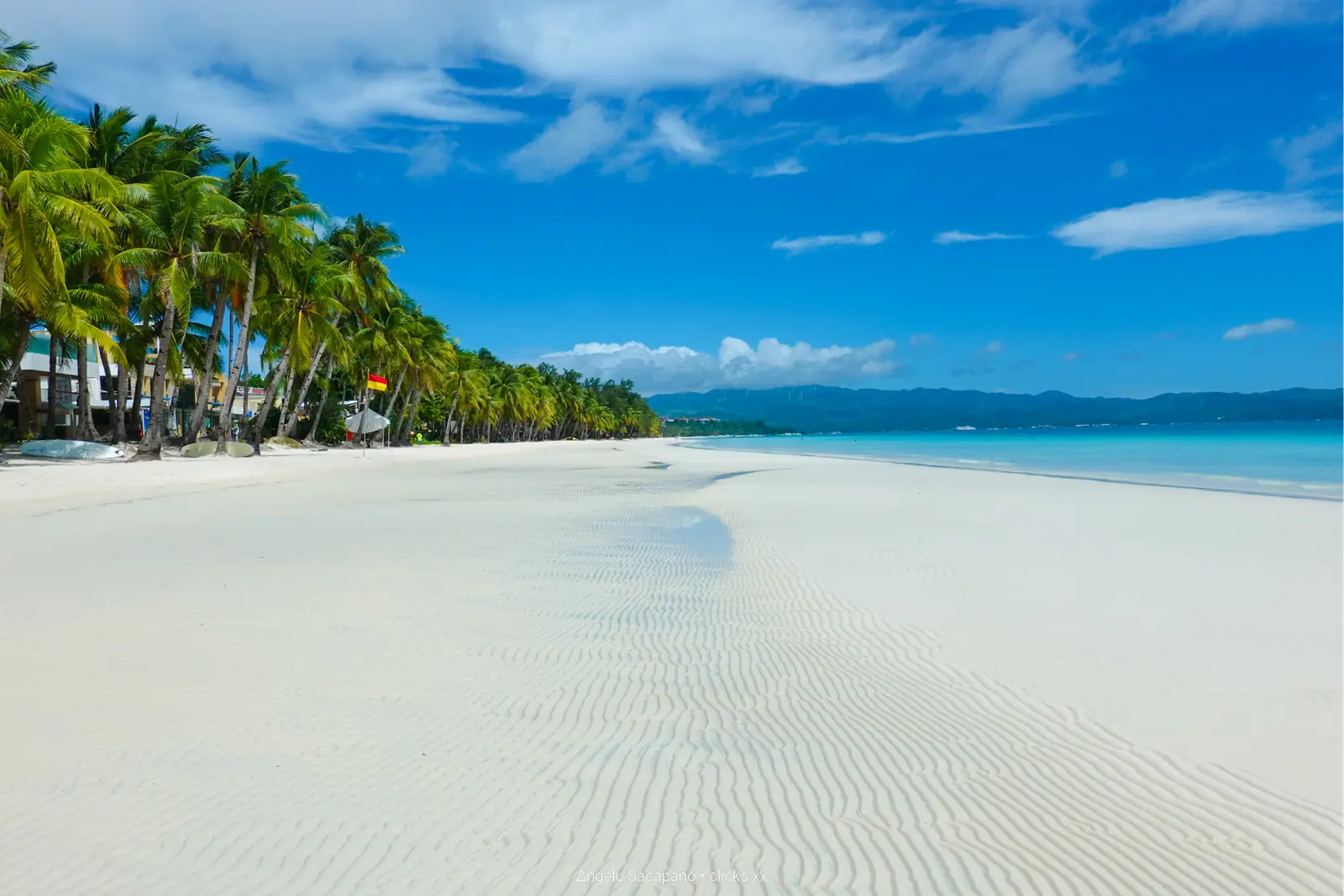
Things to do in Boracay
Skip-the-line tickets, guided tours and standout experiences.
See experiences
Stay online in Philippines
Travel eSIM — data the moment you land, no roaming bills.
Get an eSIM