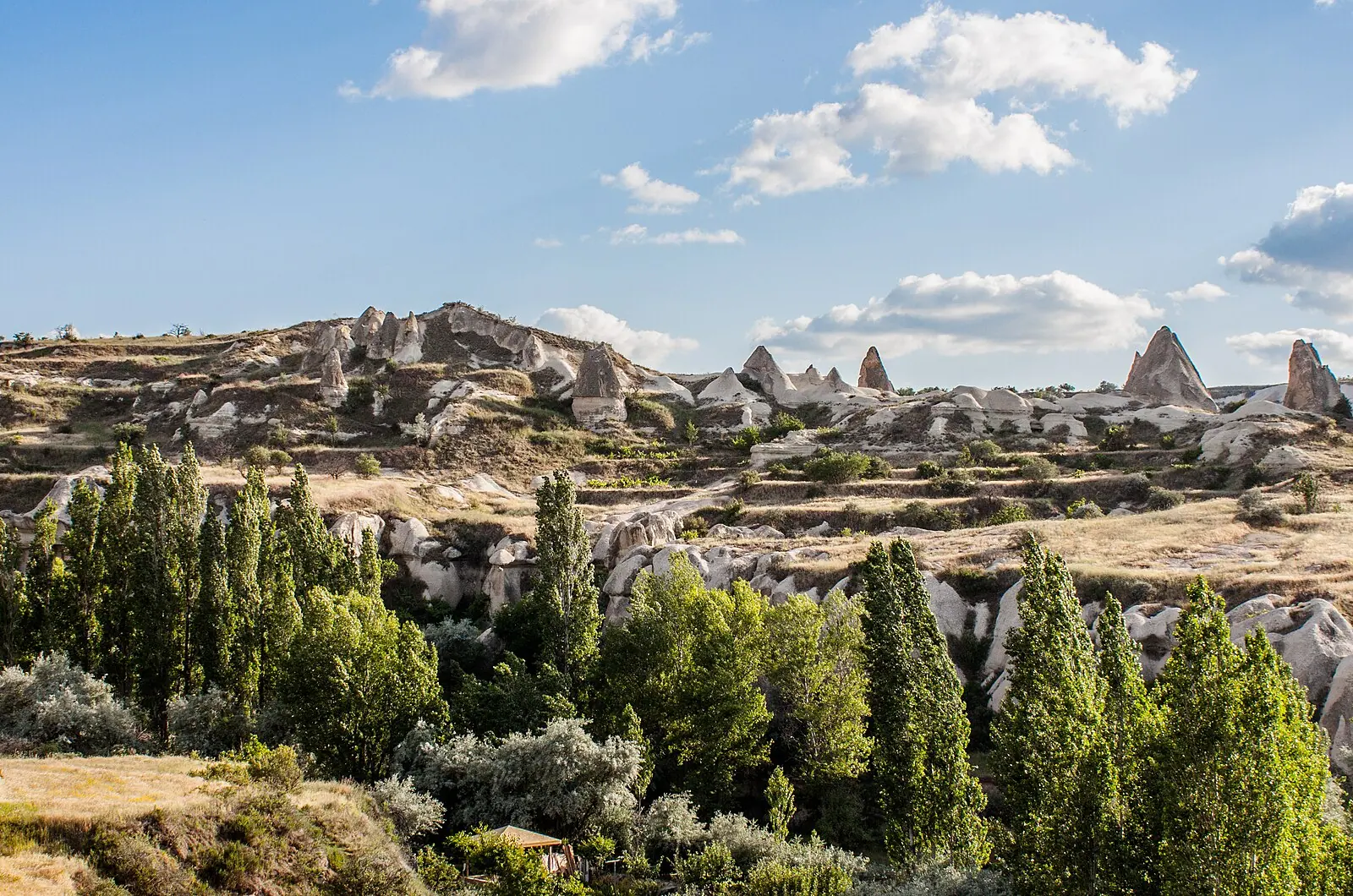
Türkiye is a country where your hotel decides the shape of your trip: a carved cave room in Cappadocia wakes you for the balloons, while a Bosphorus-facing balcony in Istanbul puts you inside the skyline itself. Choose your base well, and the sights — Hagia Sophia, Ephesus, Pamukkale, the Blue Lagoon — fall neatly into place around it.
How Türkiye's Hotel Map Works: Bases, Styles and Seasons
Türkiye is vast, and the hotel experience shifts dramatically from one region to the next. A restored Ottoman konak in Istanbul's old city, a room hollowed out of volcanic rock in Cappadocia, a whitewashed marina boutique in Bodrum and a sprawling all-inclusive on the Antalya coast are all described as Turkish hotels, yet they deliver completely different holidays. Most first-time visitors divide their trip between two or three bases rather than trying to see everything — Istanbul plus Cappadocia is the classic pairing, and adding a stretch of Aegean or Mediterranean coast turns it into a proper holiday rather than a sightseeing sprint.
Timing drives both price and comfort. Istanbul works year-round, though July and August bring real heat and heavy crowds; late spring and early autumn are the sweet spots. The Aegean and Mediterranean coasts are at their best from May to June and again in September and October, when the sea is still warm and the beaches are calmer. Cappadocia suits spring and autumn for balloon flights and valley walks; snow makes it magical in winter but cold, and summer midday heat can be punishing out among the fairy chimneys.
Wherever you book, build your days around Turkish rhythms: a long breakfast of white cheese, olives, tomatoes, cucumber and endless glasses of çay, an afternoon hammam, and dinner late in the evening. Breakfast is often the quiet highlight of a stay — in smaller boutique properties it's a spread of local jams, honeycomb, village eggs and pastries rather than a forgettable buffet.
Istanbul: Sleeping Among the Imperial Sights
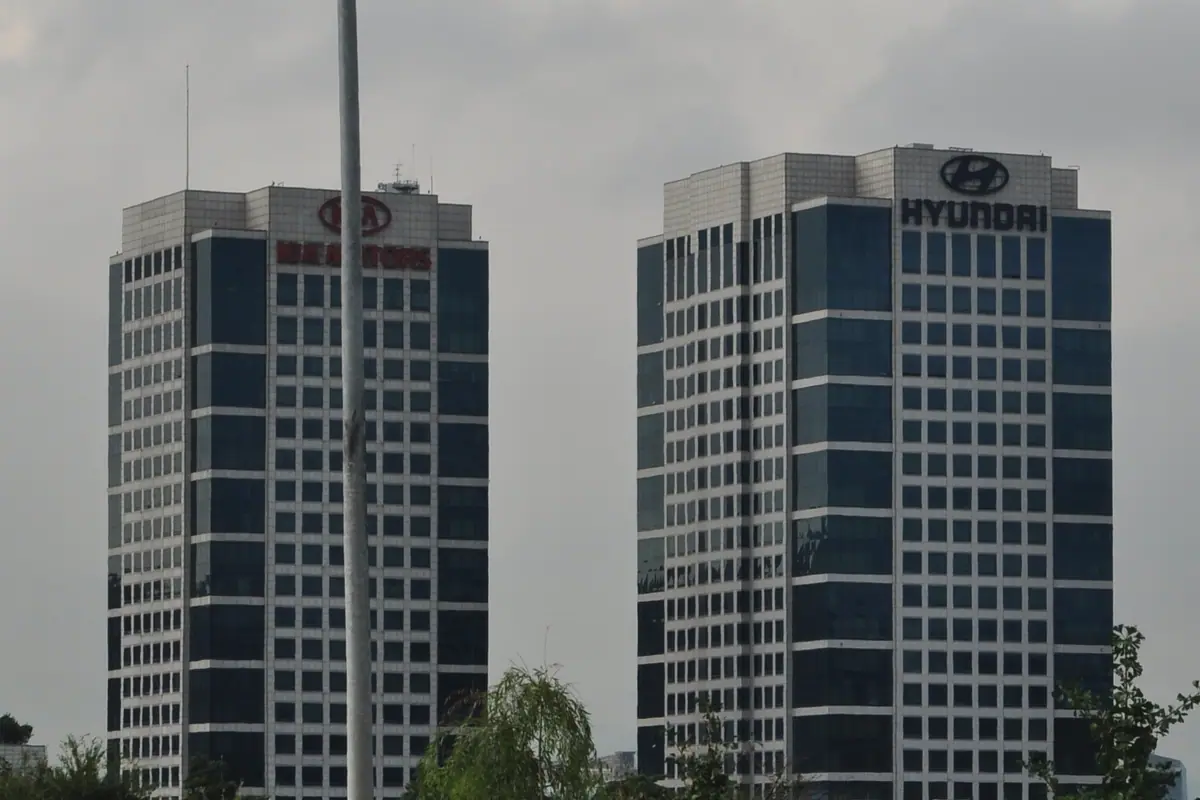
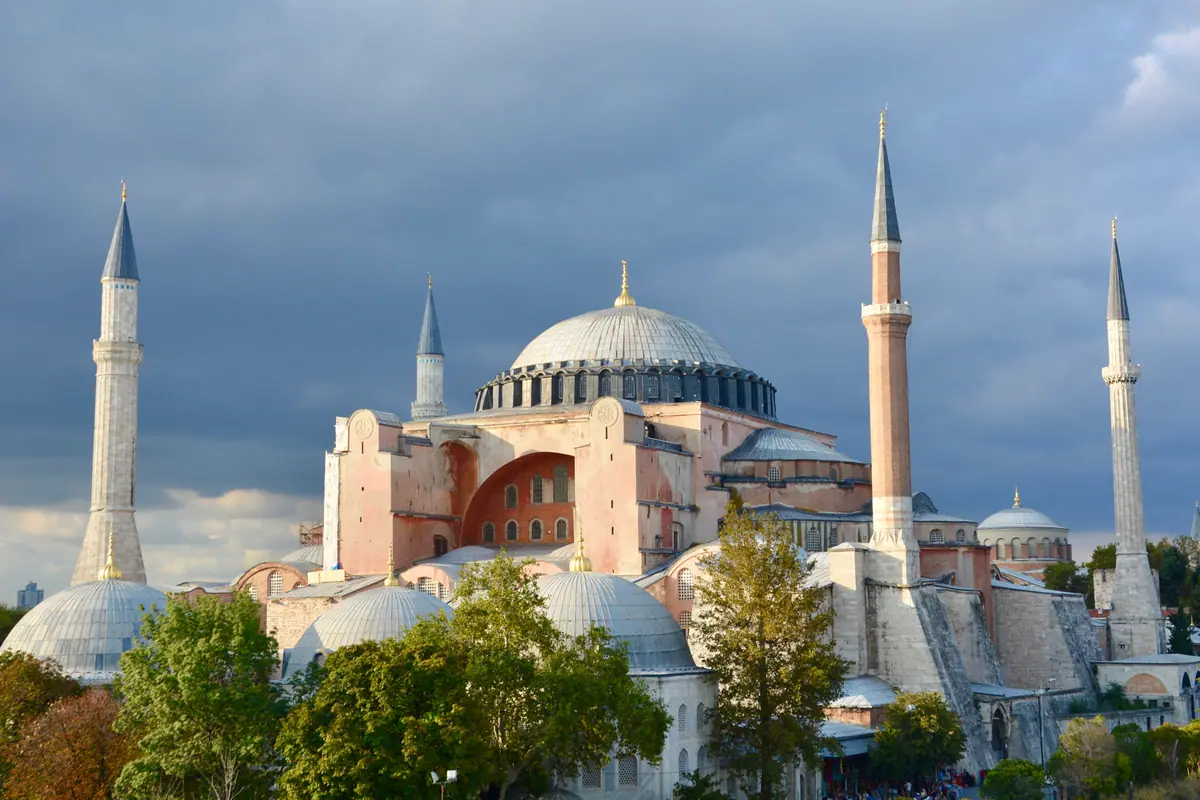
Istanbul is where most Türkiye journeys begin, and it's the city where your choice of neighbourhood matters most. On the historic peninsula, Sultanahmet puts you within walking distance of Hagia Sophia, the Blue Mosque, Topkapı Palace, the Basilica Cistern and the old Hippodrome. Staying here means you can be standing at the gates before the coach groups arrive, at the cost of a quieter, more touristy evening scene once the day trippers leave.
Across the Golden Horn, Beyoğlu and Galata offer a different city: steep lanes around the Galata Tower, rooftop bars, small galleries and the long pedestrian stretch of İstiklal Avenue, with trams running back to the old town. Karaköy, at the water's edge, has converted warehouses and design-led hotels, while Kadıköy on the Asian side is cheaper, more residential and a short ferry ride from the main sights. For a splurge, a room facing the Bosphorus and the Maiden's Tower at sunset is one of the great Istanbul experiences.
Practical notes: the Grand Bazaar and Spice Bazaar sit close to the peninsula hotels, and ferries to the Princes' Islands leave from Eminönü and Kabataş. Give Istanbul at least three nights; four or five if you want a Bosphorus cruise, a historic hammam and a wander along the old city walls.
Cappadocia: Cave Hotels and Balloon Dawns
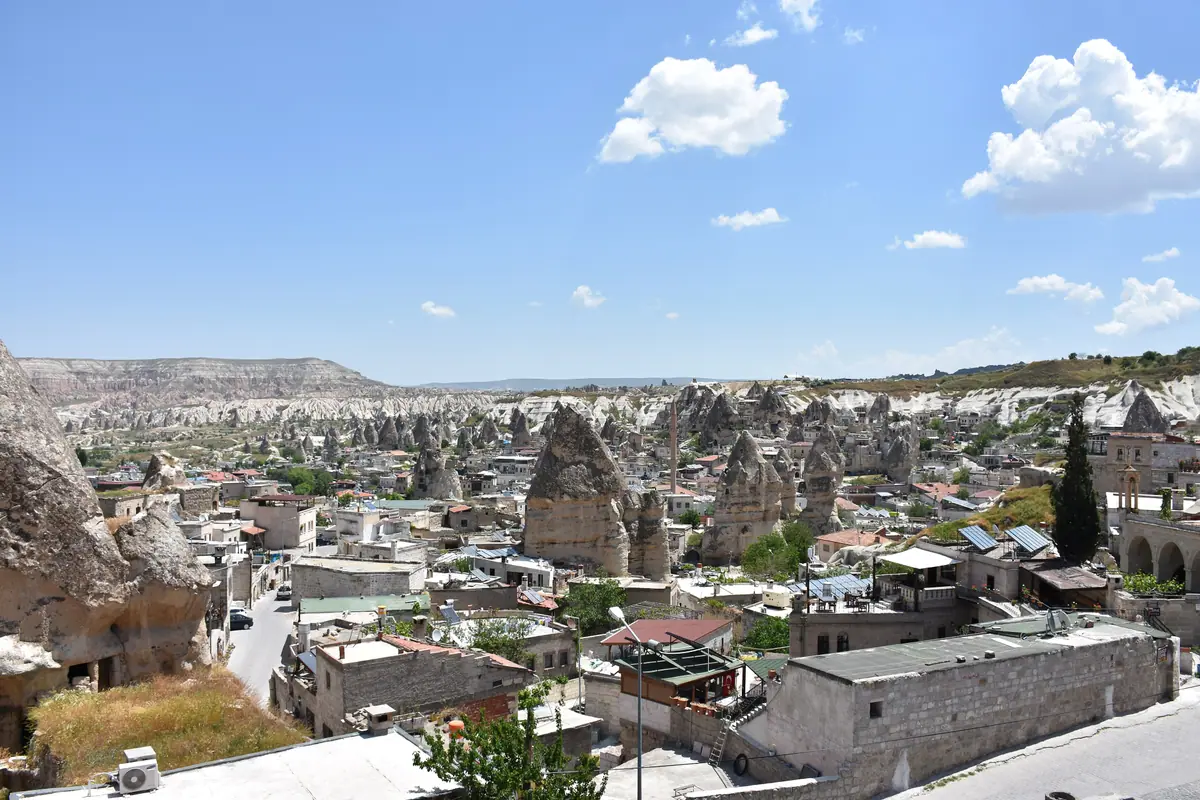
Cappadocia's hotels are the reason many people come at all. Rooms are carved into soft volcanic tuff, some in dwellings that are centuries old, with stone arches, thick walls that stay cool in summer and terraces looking straight out at the fairy chimneys. Göreme is the most convenient base, walkable to restaurants and to the Göreme Open-Air Museum, while Uçhisar, Ürgüp and Ortahisar are quieter — Uçhisar Castle is the highest point in the region, and many hotels frame it from their rooftop.
Mornings are the main event. Balloons lift off over Love Valley and Rose Valley around sunrise, and hotel roofs quietly become viewing platforms; book a terrace room even if you're not flying. Beyond the balloons, the region rewards walkers and drivers alike: Paşabağ, also called Monks' Valley, with its mushroom-capped pillars, Devrent Valley's animal-shaped rocks, the frescoed rock churches of the Open-Air Museum, and the deep underground cities of Kaymaklı and Derinkuyu.
Plan two or three nights. Cave rooms can feel cool and damp in winter and some have small windows, so ask about heating and ventilation in the cold months. Balloon flights depend entirely on wind and are cancelled fairly often — leave yourself a spare morning. April to June and September to November give the best light, comfortable hiking weather and the strongest chance of flying.
The Aegean and Mediterranean: Coast Hotels and Ancient Cities
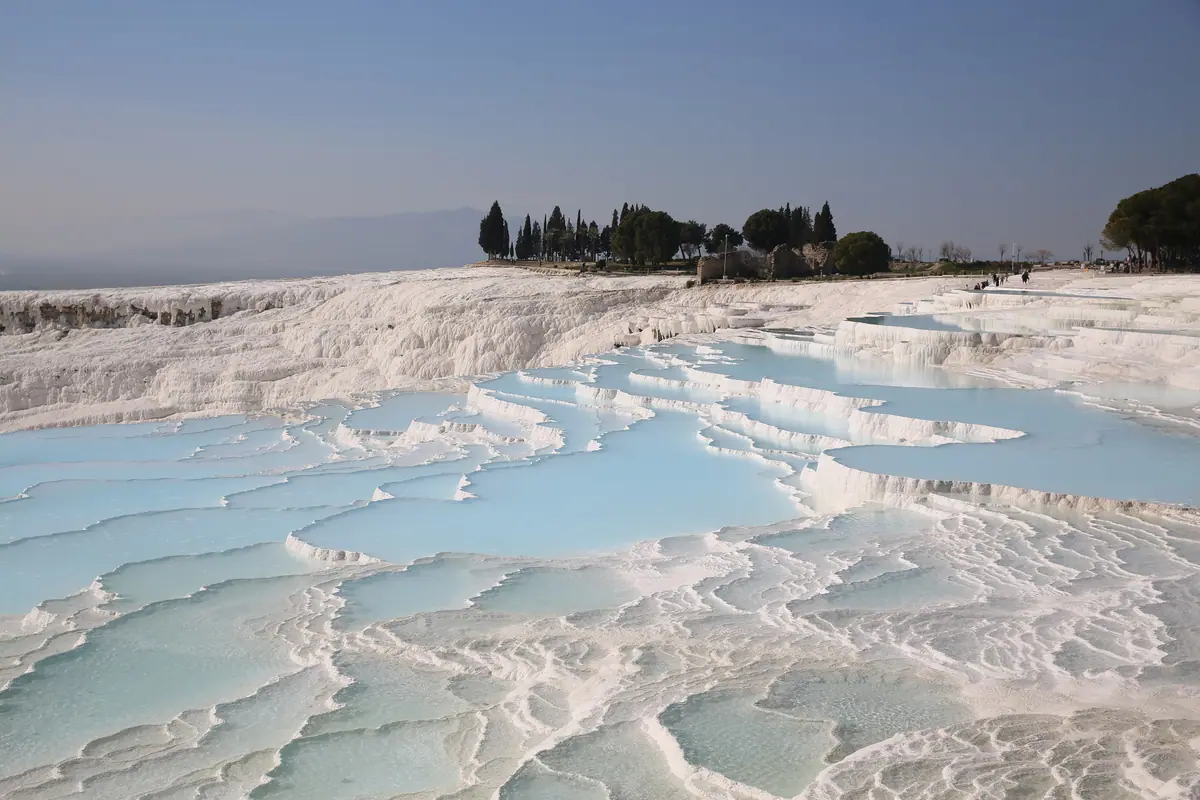
The western and southern coasts pack in Türkiye's greatest classical sites alongside its most polished resorts. Base yourself in Izmir or Selçuk to reach Ephesus, with the Library of Celsus and the Great Theatre, plus the hillside village of Şirince and the House of the Virgin Mary. Inland, Pamukkale's white travertine terraces spill down the hillside above the ancient spa city of Hierapolis, and several small hotels in the village have thermal pools fed by the same mineral springs.
Further south, Bodrum pairs its castle and busy marina with whitewashed houses and lively nights, while Antalya's Kaleiçi old town hides Ottoman houses, Hadrian's Gate and views over the old harbour. The Riviera then runs from Fethiye and Ölüdeniz — home to the famous Blue Lagoon — past Kaş and Kalkan to Side and Belek, where large all-inclusive resorts sit beside sandy beaches and Roman ruins.
Accommodation ranges from family-run pansiyons and stone konaks to marina boutiques and full-service resorts with pools, kids' clubs and spas. Book early for July and August; late spring and early autumn bring warm seas, gentler prices and space on the beach. A hire car makes the small coves and hill villages far easier to reach.
Ankara, Konya and the Anatolian Interior
Central Anatolia is often skipped, yet it holds some of the country's most important sights. Ankara, the capital, is a modern city with a monumental core: Anıtkabir, the vast mausoleum of Mustafa Kemal Atatürk, the Museum of Anatolian Civilizations with its Hittite and Phrygian treasures, and the Kocatepe Mosque. Business hotels here are efficient and well priced, making the city a sensible stop between Istanbul and Cappadocia.
Konya, south of Ankara, is the home of the Mevlana Museum and the whirling dervish tradition, with ceremonies held through the year and a Seljuk skyline of mosques and caravanserais. Further north, the ski slopes above Erzurum and Kayseri, and the thermal towns around Bursa and Yalova, have built hotels around hot springs — a very Turkish kind of winter break.
Moving between these cities is straightforward: an extensive bus network links almost everywhere, high-speed trains connect Istanbul, Ankara and Konya, and domestic flights put Cappadocia, Izmir and Antalya roughly an hour away. Guesthouses in Konya, and the timber mansions of Safranbolu, offer a more intimate look at Anatolian life than any big-city chain.
Practical Wisdom: Booking, Breakfast and Small Comforts
Turkish hotels are generally good value, but the details count. Room categories vary enormously inside the same building — lower tiers may have no window or a view of a wall — so read the description carefully and ask for a specific floor or outlook. Breakfast is usually included and often excellent; where it isn't, a neighbourhood bakery and a glass of tea costs almost nothing. Air conditioning is standard on the coasts but less dependable in older city hotels, worth confirming if you're travelling in high summer.
Hammams, both inside hotels and in historic bathhouses, deserve a slot in your plans; many properties can arrange a scrub and foam massage for guests. Tipping is modest and appreciated, and a small note left for housekeeping is normal. English is widely spoken in resort areas, while inland a few words of Turkish open doors quickly.
Think about how you'll get around. Istanbul's trams, metro and ferries are fast and cheap with a rechargeable transit card; in Cappadocia and along the coast, a hire car or pre-arranged transfers are the practical choice. Book Cappadocia cave rooms and coastal resorts well ahead for spring and autumn weekends, and keep one day deliberately unplanned — Turkish travel rewards slowing down, whether that's an extra balloon morning or an afternoon ferry to nowhere in particular.
Frequently asked questions
How many nights should I spend in Istanbul and Cappadocia?
Three to four nights in Istanbul covers the historic peninsula, a Bosphorus ferry and a hammam without rushing. Cappadocia needs two to three nights, partly because balloon flights are weather-dependent and you may want a spare sunrise. The two are about an hour apart by domestic flight, so combining them is easy.
What is the best time of year to book a hotel in Türkiye?
May, June, September and October are the sweet spots across most of the country: warm seas on the Aegean and Mediterranean, comfortable temperatures in Istanbul and reliable conditions for Cappadocia's balloons. Late July and August bring peak heat, peak prices and the biggest crowds, especially on the coast. Winter suits city breaks, ski resorts and thermal spa towns.
Are Cappadocia cave hotels comfortable?
Yes — the best ones blend original stone architecture with underfloor heating, modern bathrooms and comfortable beds. That said, cave rooms can feel cool and damp in winter, and some have very small windows. If you're visiting between November and March, ask about heating and ventilation before booking, and request a terrace room for the balloon views.
Should I choose an all-inclusive resort or a boutique hotel in Türkiye?
It depends on the trip. All-inclusive resorts around Belek, Side and Ölüdeniz suit families and anyone who wants pools, beaches and meals handled in one place. Boutique konaks and small pansiyons are better for exploring old towns like Kaleiçi in Antalya, Alaçatı or Sultanahmet, where you'll want to eat out and walk to the sights.
Do Turkish hotels usually include breakfast, and is it worth it?
Breakfast is included at most hotels outside the biggest luxury chains, and it's often a genuine highlight — cheeses, olives, tomatoes, eggs, honeycomb, fresh bread and unlimited tea. Even where it isn't included, the local kahvaltı spread is one of the great pleasures of travelling in Türkiye, so it's worth paying for at least once.
Sort the rest of your trip
Everything for Türkiye, in one place
Transfer in Türkiye
Private driver waiting on arrival — no queues, no surprises.
Book a transfer
Things to do in Türkiye
Skip-the-line tickets, guided tours and standout experiences.
See experiences
Stay online in Türkiye
Travel eSIM — data the moment you land, no roaming bills.
Get an eSIMMore guides in Türkiye
Best Things to Do in Türkiye: Top Places to Visit and Unmissable Experiences
Best Time to Visit Türkiye for Hotels: A Season-by-Season Guide
Türkiye in One Week by Plane: Istanbul, Cappadocia, Ephesus and Antalya
A Food and Culture Tour of Türkiye: Markets, Mezze and Must-See Sights
Things to Do in Türkiye: Must-See Landmarks from Istanbul to Cappadocia