Türkiye is a country that refuses to be one thing: an imperial capital straddling two continents, fairy-chimney valleys where balloons rise at dawn, and marble cities older than most nations. Whether you have a week or a month, these are the landmarks and experiences that define a first trip.
Istanbul's Imperial Core: Hagia Sophia, Topkapı and the Blue Mosque
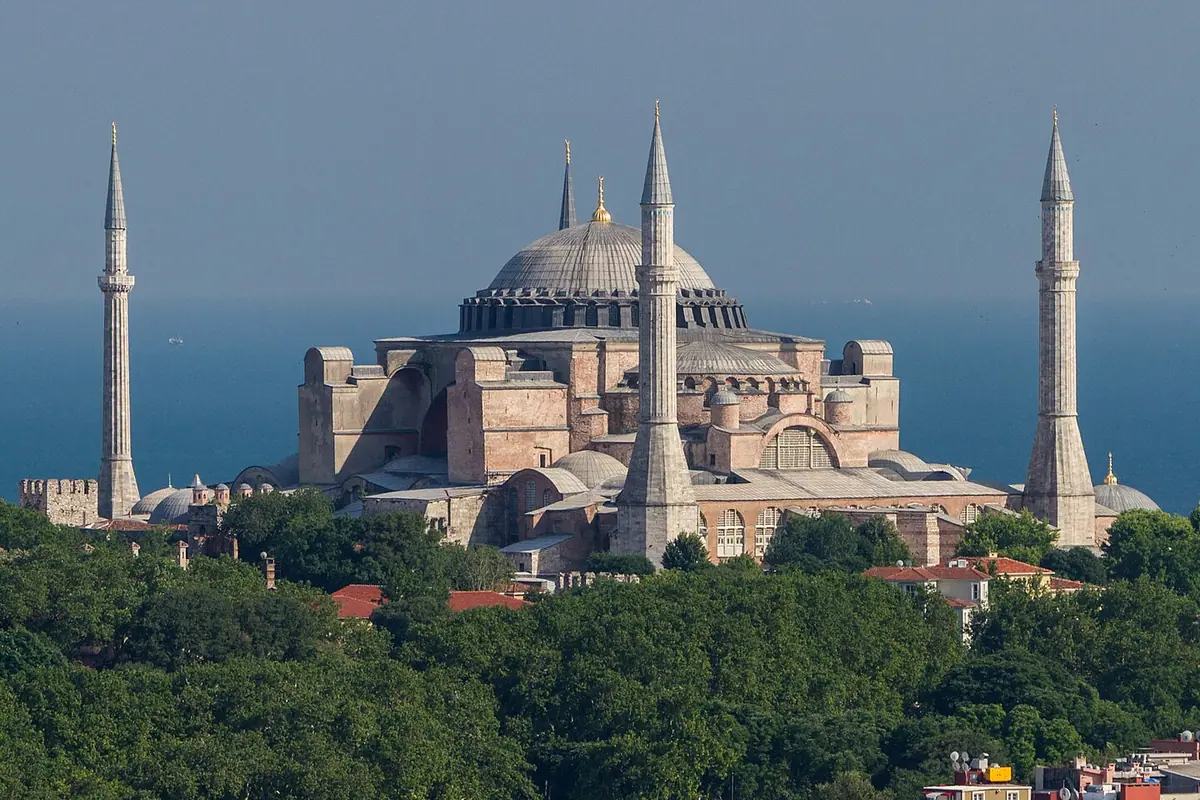
Almost every journey begins in Istanbul, and the old city rewards an early start. The Hippodrome, once the chariot-racing heart of Constantinople, still sets the stage: its obelisks and the twisted Serpent Column stand in the open square between the two great monuments. Beside it rises Hagia Sophia, a building that has served as cathedral, mosque and museum across nearly 1,500 years, its colossal dome floating above a sea of mosaics and calligraphy. A short walk away, the Sultan Ahmed Mosque — known everywhere as the Blue Mosque — answers with six minarets and more than 20,000 handmade Iznik tiles filtering light into blue haze.
Give both monuments a full morning and dress modestly; women should carry a scarf. Then walk uphill through the outer courtyards of Topkapı Palace, the Ottoman court for nearly four centuries. The treasury, the Baghdad Kiosk and the Harem apartments are the highlights, and the terrace at the palace's far tip looks straight down the Bosphorus. Budget two to three hours inside, more if you linger over the sacred relics and imperial robes.
Underneath the streets nearby lies the Basilica Cistern, a subterranean forest of 336 marble columns reflected in shallow water, with two Medusa heads used as column bases. It takes only 30–45 minutes, it is cool in summer, and it pairs perfectly with an afternoon at the Grand Bazaar or the Egyptian Spice Bazaar in Eminönü. Spring (April–May) and autumn (September–October) are by far the most comfortable months for walking this district.
Bosphorus, Galata Tower and the Pleasures of a Long Turkish Evening
Istanbul is best understood from the water. A ferry or a public boat ride up the Bosphorus passes the Dolmabahçe Palace, the ornate 19th-century residence of the last sultans, then the fortress of Rumeli Hisarı and the yalıs — wooden waterfront mansions — that line the Asian shore. A full cruise to the Black Sea entrance takes about six hours round trip; a shorter hop to Ortaköy or Kadıköy costs little and shows just as much.
Back on land, climb Galata Tower for the classic panorama over the Golden Horn, then walk down İstiklal Avenue as the evening crowds, buskers and bookshops come alive. From Galata Bridge you can watch fishermen haul lines while ferries slide past, and the smell of grilled mackerel and roasting chestnuts drifts up from the quays.
No trip is complete without a proper hammam — a historic bath house where you're scrubbed, rinsed and wrapped in warm towels — followed by a long dinner of mezze, grilled fish or kebabs, and endless glasses of çay. Finish with Turkish coffee and something sweet: the pistachio-stuffed pastries of Gaziantep and the syrupy künefe of Hatay are worth the calories. Dinner in Istanbul rarely ends before midnight, and that is entirely the point.
Cappadocia: Balloons, Fairy Chimneys and Underground Cities
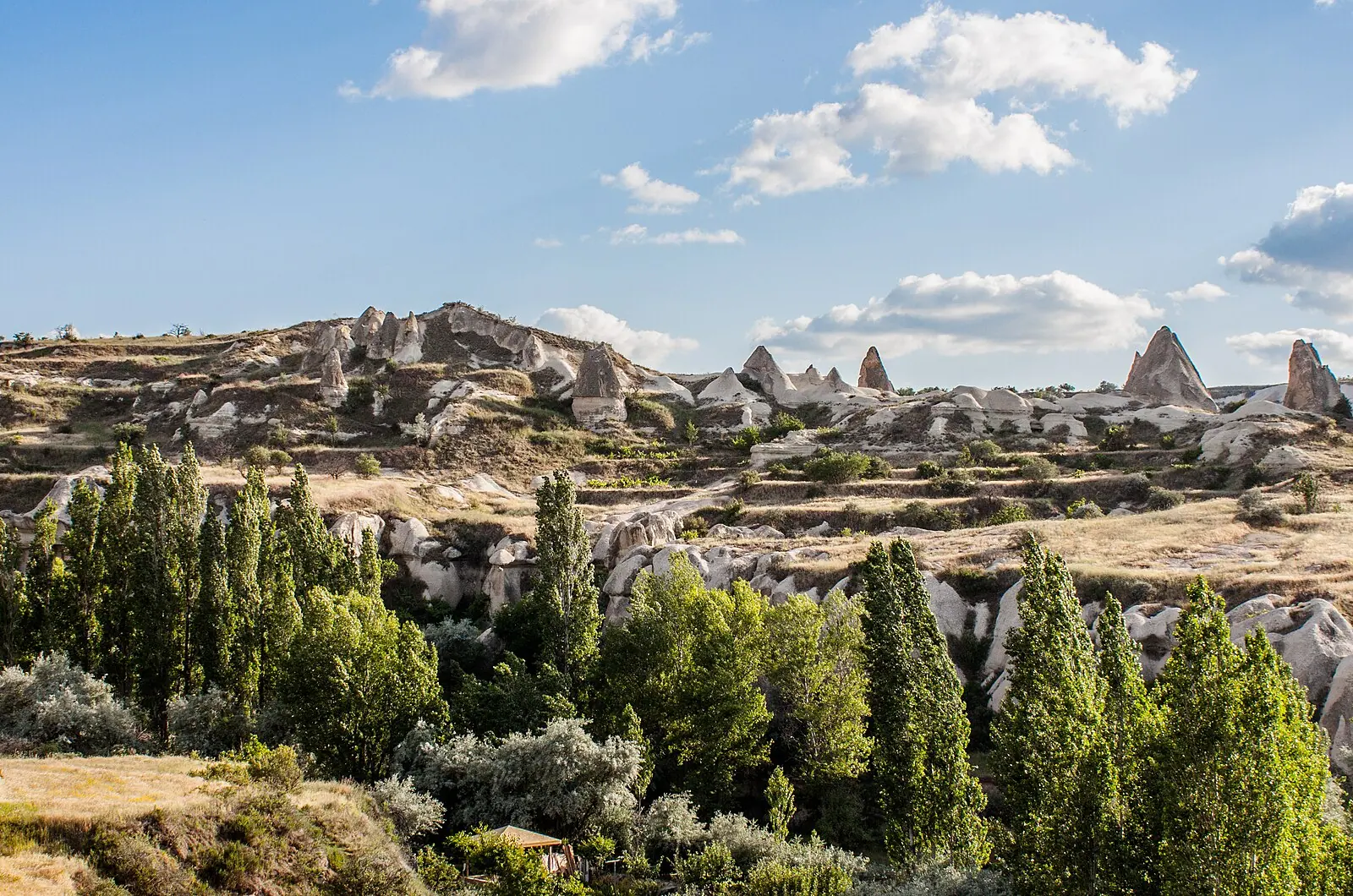
Inland Anatolia holds Türkiye's strangest landscape. Around Göreme, Ürgüp and Uçhisar, volcanic tuff has eroded into the conical formations nicknamed fairy chimneys, many of them hollowed out over centuries into churches, storerooms and entire dwellings. The Göreme Open Air Museum is the essential stop: a monastic complex of rock-cut chapels with vivid 10th–12th-century frescoes depicting scenes from the Gospels.
Sunrise is the reason most travellers come. Hot-air balloons launch before dawn, weather permitting, drifting above the valleys for roughly an hour — book early, and allow a spare morning in case flights are grounded by wind. Even without a balloon, watching 100 of them rise over the Rose and Red valleys from a terrace in Göreme or Uçhisar Castle is unforgettable.
Below ground, the region hides something more astonishing still. The underground cities of Derinkuyu and Kaymaklı plunge eight levels deep, with rolling stone doors, ventilation shafts, stables, wine presses and chapels built to shelter thousands during raids. Wear sturdy shoes, expect narrow tunnels, and go early — by mid-morning the queues are long. Cappadocia is bitter in winter and blazing in July and August; late spring and early autumn give the best light and mildest hiking.
Ephesus, Pamukkale and the Ancient Aegean
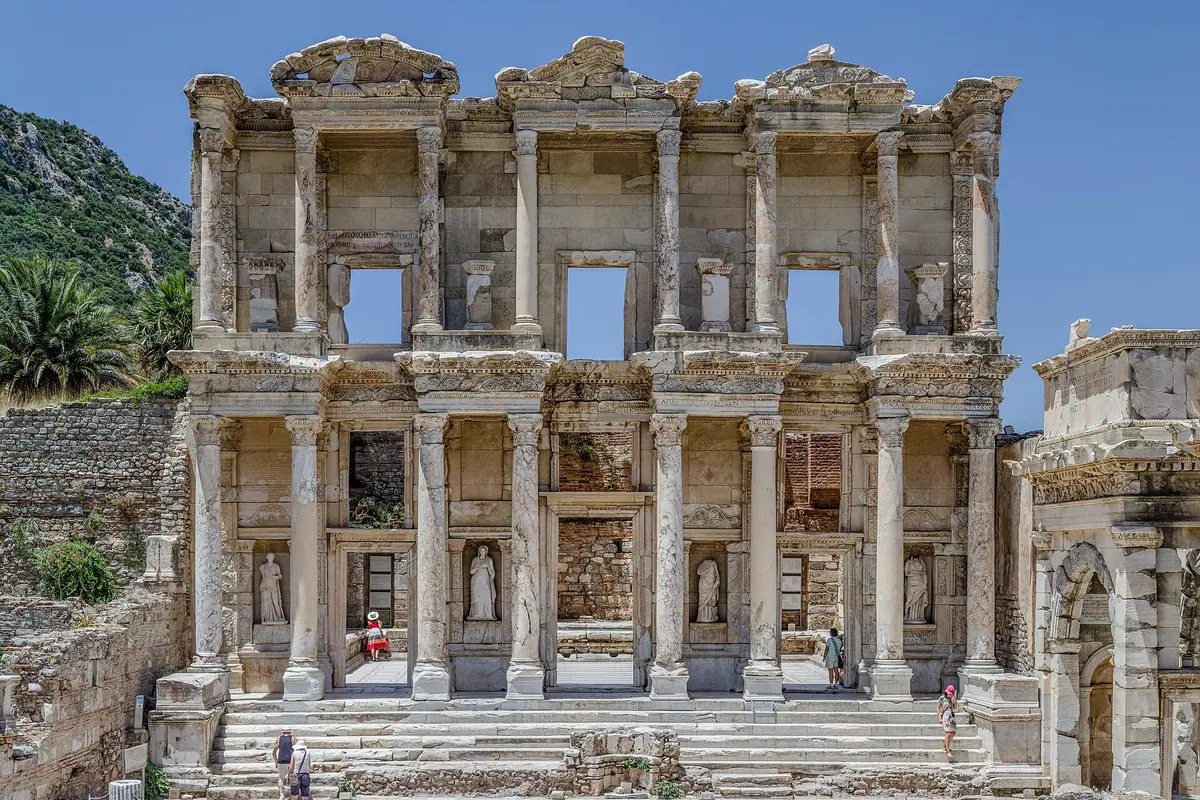
The Aegean coast holds the densest concentration of classical ruins anywhere in the Mediterranean. Ephesus is the headline act: walk the Marble Street past the Temple of Hadrian and the Terrace Houses, and arrive at the Library of Celsus, whose reconstructed facade is among the most photographed sights in the country. The Great Theatre once seated 25,000 people, and the nearby House of the Virgin Mary remains a pilgrimage site. Get there at opening time to beat both the heat and the tour groups.
Inland, Pamukkale — "cotton castle" — is a blinding-white cascade of travertine terraces filled with warm mineral water. Visitors must walk barefoot on the calcium shelves to protect them, which is bracing but worth it. Above the terraces sits Hierapolis, a Roman spa city with a vast necropolis, a theatre and the Cleopatra Antique Pool, where you can swim among submerged columns.
Further north lie Pergamon's steep theatre and the Asclepion healing sanctuary, while Aphrodisias, with its superb sculpture museum and near-intact stadium, sees a fraction of the crowds. If you have time, add the marble streets of Priene, Miletus and Didyma as a single day's loop. Distances are short but roads wind, so plan on a car or a small-group tour.
The Turkish Riviera: Antalya, Ölüdeniz and the Lycian Way
Türkiye's southwest coast is where the mountains meet turquoise water. Antalya's old town, Kaleiçi, is a maze of Ottoman houses, Roman gates and a harbour framed by cliffs; the nearby Düden and Kurşunlu waterfalls make an easy half-day. Two hours east, the Roman theatre of Aspendos is the best preserved in the ancient world and still hosts performances in summer.
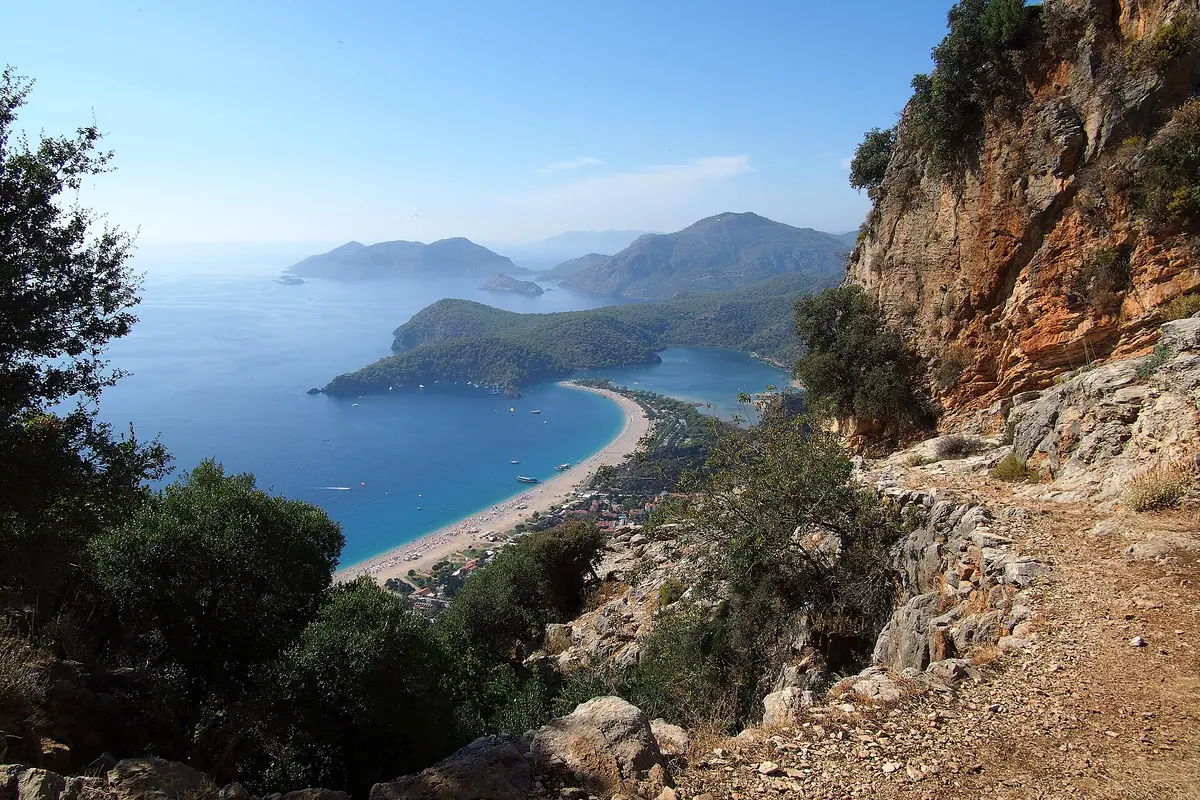
South along the coast, Ölüdeniz's Blue Lagoon is the postcard image of Türkiye — a sheltered bay of almost unreal colour, best seen from the Babadağ cable car or from a paraglider launching 1,900 metres above it. Boat trips from Fethiye and Ölüdeniz explore the sunken ruins of Kekova and the ghost village of Kayaköy, while Butterfly Valley rewards those willing to arrive by sea.
Walkers come for the Lycian Way, a waymarked long-distance route of roughly 540 kilometres between Fethiye and Antalya, passing sarcophagi, lighthouses and empty coves. You do not need to thru-hike: the sections around Faralya and Adrasan are gorgeous day walks. The swimming season runs from May to October, with June and September offering warm water without peak August heat.
Eastern Türkiye and Anatolia's Deep Past: Nemrut, Göbekli Tepe and Sumela
Beyond the tourist trail, eastern and central Anatolia reward the curious with sights that reshape your sense of history. On Mount Nemrut, at over 2,000 metres, colossal stone heads of gods and kings sit toppled around a 1st-century BC tumulus built by King Antiochus I — visit at sunrise or sunset, and bring a warm layer even in summer.
Near Şanlıurfa, Göbekli Tepe pushed the story of monumental architecture back roughly 11,000 years, before pottery, metal or writing. The region's bazaar, the sacred fish pools of Balıklıgöl and the honey-coloured stone houses of Mardin and Midyat make a compelling few days. Further northeast, the Sumela Monastery clings to a cliff face above a forested valley outside Trabzon, and the ruined medieval city of Ani stands alone on the Armenian border plain.
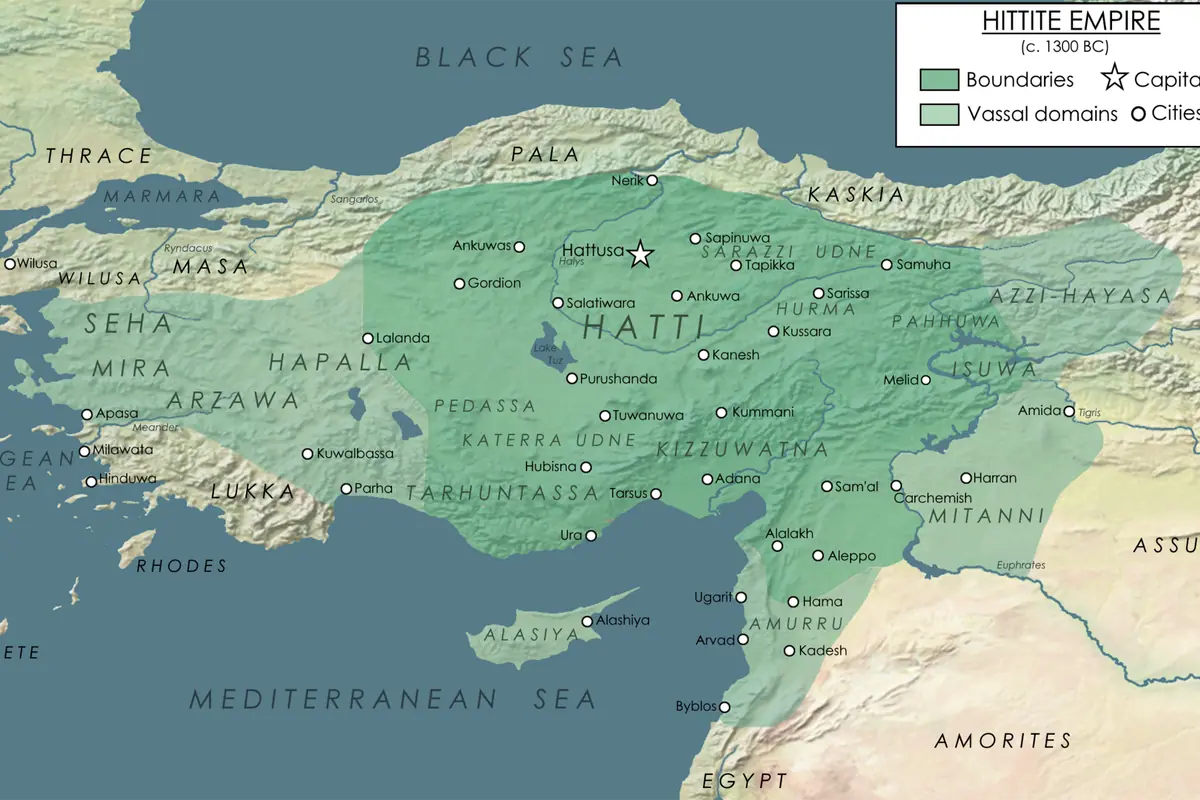
In central Anatolia, Konya's Mevlana Museum honours the poet and mystic Rumi and hosts whirling dervish ceremonies, while the Hittite capital of Hattuşa near Boğazkale offers lions' gates and a vast cyclopean wall. Ankara's Anıtkabir, the mausoleum of Mustafa Kemal Atatürk, is a sobering, beautifully proportioned modern monument. These routes need more time and planning — domestic flights help — but they are where Türkiye feels most quietly extraordinary.
Frequently asked questions
When is the best time to visit Türkiye?
April, May, September and October are ideal almost everywhere: mild temperatures, open sights and manageable crowds. Coastal swimming peaks from June to early September. Cappadocia's balloon flights are most reliable in summer and early autumn, while Istanbul is pleasant but wetter in late autumn and winter. July and August are hot inland and crowded on the Aegean and Mediterranean coasts.
How many days do I need in Türkiye?
One week covers Istanbul plus one region — Cappadocia or the Aegean coast — comfortably. Ten days to two weeks lets you combine Istanbul, Cappadocia and Ephesus or Pamukkale. Three weeks or more is needed to add the Riviera, Konya, and eastern sites such as Mount Nemrut or Göbekli Tepe.
What are the absolute must-see landmarks for a first visit?
At minimum: Hagia Sophia, the Blue Mosque, Topkapı Palace, the Basilica Cistern and the Grand Bazaar in Istanbul; the Göreme Open Air Museum and the underground city of Derinkuyu in Cappadocia; Ephesus with the Library of Celsus; and the travertine terraces and Roman ruins of Pamukkale and Hierapolis.
Do I need a car to see the main sights?
Not in Istanbul, where ferries, trams and metros are fast and cheap. Cappadocia and the Aegean coast are manageable with local buses and day tours, though a rental car gives far more freedom for ruins such as Aphrodisias, Priene or the Lycian Way trailheads. Domestic flights connect Istanbul, Kayseri, İzmir and Antalya quickly.
What should I know about etiquette and dress at religious sites?
Modesty is expected in mosques: shoulders and knees covered, shoes removed, and a headscarf for women. Many sites lend scarves at the entrance. Visit outside prayer times, keep voices low, and avoid photographing people at prayer. Tipping in restaurants and hammams is customary, usually around 5–10 percent.
Plan it — experiences in Türkiye
Live search, booked directly with trusted providers.
Sort the rest of your trip
Everything for Türkiye, in one place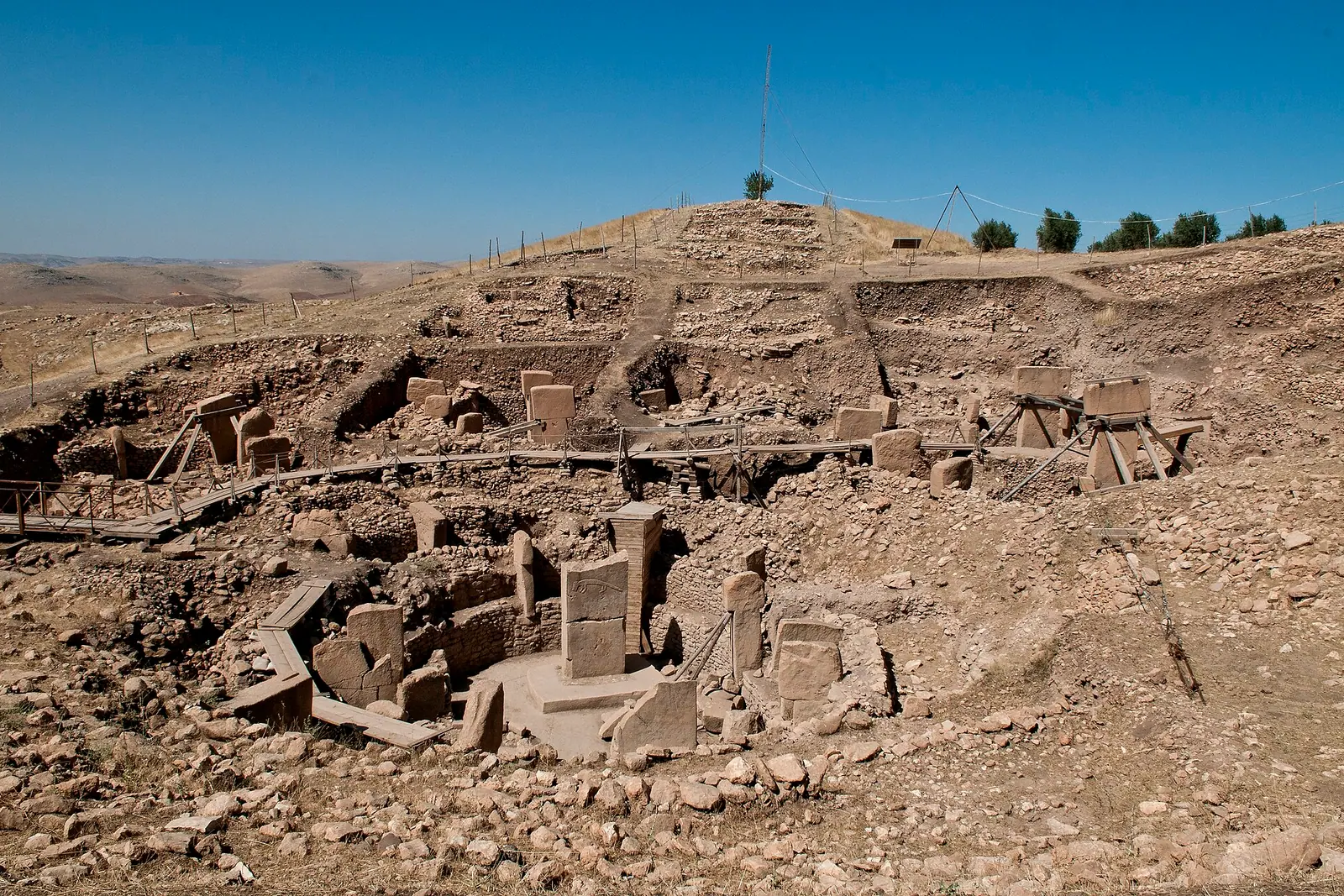
Stay in Türkiye
Hotels, guesthouses and apartments — compared in one search.
Search hotels
Transfer in Türkiye
Private driver waiting on arrival — no queues, no surprises.
Book a transfer
Stay online in Türkiye
Travel eSIM — data the moment you land, no roaming bills.
Get an eSIMMore guides in Türkiye
Best Things to Do in Türkiye: Top Places to Visit and Unmissable Experiences
Best Time to Visit Türkiye for Hotels: A Season-by-Season Guide
Türkiye in One Week by Plane: Istanbul, Cappadocia, Ephesus and Antalya
A Food and Culture Tour of Türkiye: Markets, Mezze and Must-See Sights
Hotels in Türkiye: Where to Stay in Istanbul, Cappadocia and on the Coast