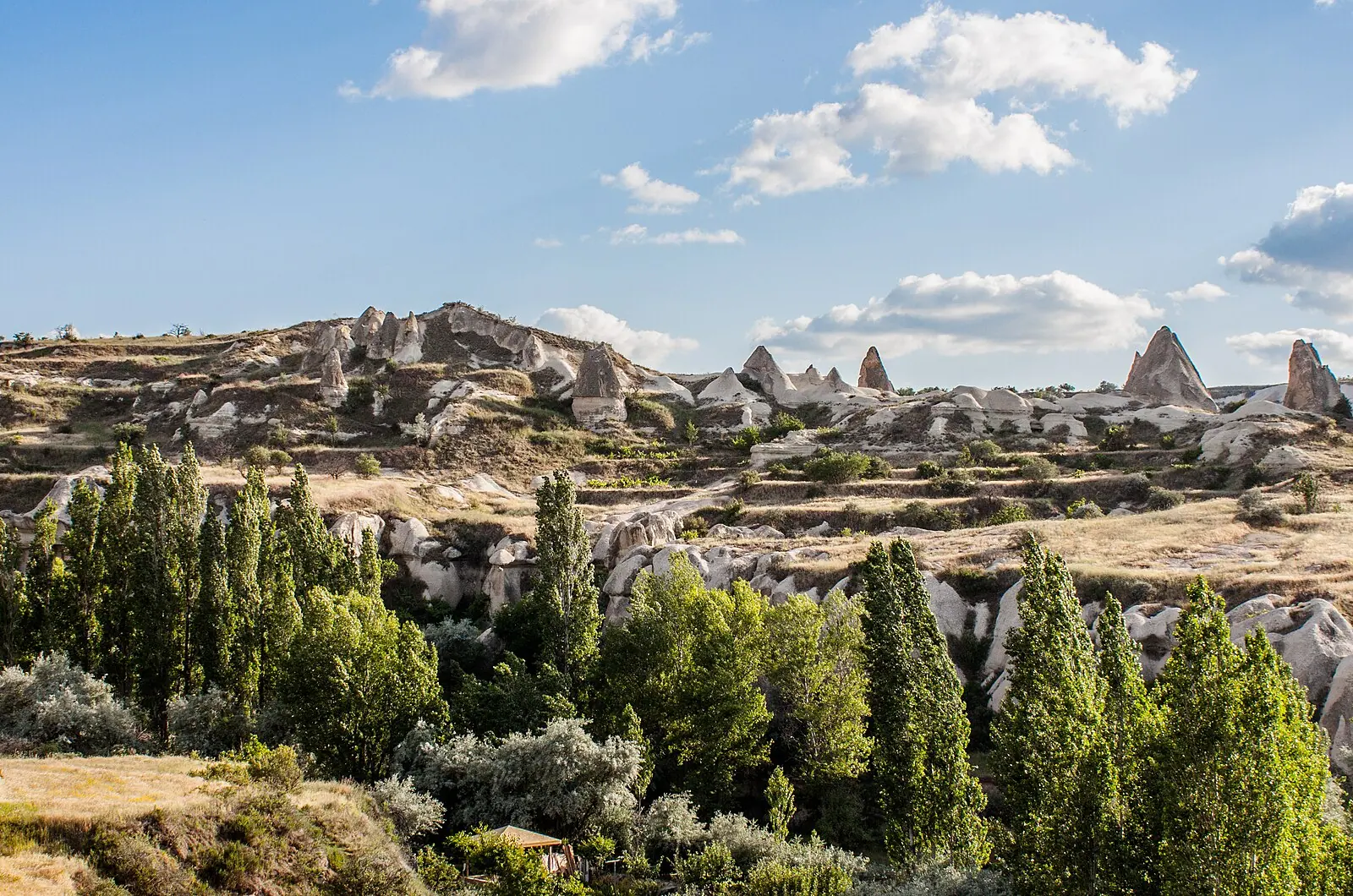
Türkiye rewards the traveller who flies: a country that looks compact on a map but stretches for more than 1,500 kilometres from the Bosphorus to the Syrian border. Stitch three or four short domestic hops together and you can breakfast beside Hagia Sophia, watch balloons drift over Göreme the next morning, and end the week walking the marble streets of Ephesus. This is how to do it without wasting a single day in transit.
Why Flying Beats Driving on a One-Week Türkiye Itinerary
Türkiye's road distances are deceptive. Istanbul to the Cappadocian valleys is roughly 750 kilometres of motorway, eight to nine hours behind the wheel; Istanbul to Antalya is another long haul across the Taurus Mountains, and the Aegean coast road between Izmir and Antalya twists for 450 kilometres past some genuinely beautiful scenery you will not have time to enjoy. Flights of 70 to 100 minutes replace all of it. The domestic network is dense and reliable, with trunk routes between the big cities departing several times a day, so a week of flying feels less like an ordeal and more like a series of short naps between entirely different worlds.
Plan your hops around Istanbul's two airports. The large hub on the European side handles most long-haul arrivals and many domestic departures; the second airport, on the Asian side, is a favourite for low-cost carriers flying to Izmir, Antalya and the south. The road transfer between them can swallow two hours in traffic, so never book a tight connection across the city — stay one night in Istanbul and leave the following morning. For Cappadocia you have two choices: Kayseri, about an hour by shuttle, or Nevşehir, closer at around 40 minutes. For Ephesus, fly into Izmir and drive 75 minutes south to Selçuk.
Two practical habits make a flying week run smoothly. First, take the earliest departure of the day; a 6.30am flight gets you to your destination before lunch, whereas a midday flight burns half a day in terminals. Second, check your baggage allowance when you book — most domestic fares include a cabin bag and a checked allowance of around 15 kilograms, but the cheapest tickets sometimes do not. Arrive 90 minutes before a domestic departure, two hours at Istanbul's big hub, and you will never be rushed.
Days 1–2: Istanbul — Byzantium, Ottoman Palaces and the Bosphorus
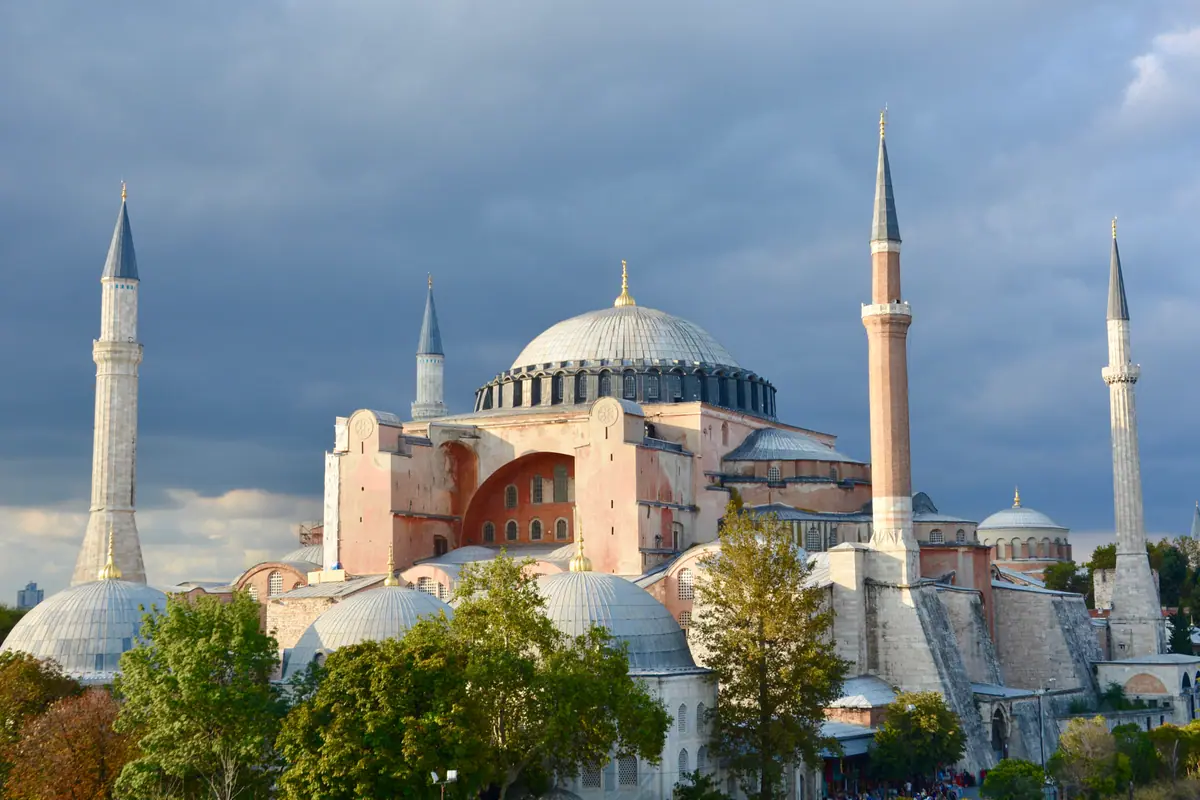
Start in Sultanahmet, the old city peninsula where the great monuments stand almost within shouting distance of each other. Hagia Sophia, rebuilt by Justinian in the sixth century and later a mosque, is the single most overwhelming building in the country; go at opening time to have the dome's light mostly to yourself. Across the square, the Sultan Ahmed Mosque — universally known as the Blue Mosque — is wrapped in six minarets and 20,000 hand-painted Iznik tiles, and just beyond it the Hippodrome still displays an Egyptian obelisk and the bronze Serpent Column. Allow a half day for Topkapı Palace, where the Ottoman sultans ruled for four centuries; the Harem requires a separate ticket and is worth every lira.
Descend into the Basilica Cistern, a subterranean forest of 336 columns and two mysterious Medusa heads, then walk uphill to the Grand Bazaar, a labyrinth of some 4,000 shops, and the smaller, more fragrant Spice Bazaar near Eminönü. Day two belongs to the water and the modern city: take a public ferry up the Bosphorus past the Dolmabahçe Palace, the Ortaköy Mosque and the Rumeli Fortress, then climb Galata Tower at sunset for a 360-degree view over the Golden Horn. Finish with dinner along İstiklal Avenue or, better, cross to Kadıköy on the Asian side for a market street full of meze, grilled fish and lokum.
Two days is the honest minimum here. If you can steal a third, add the Süleymaniye Mosque, the mosaics of the Chora Church and the Egyptian Bazaar's back lanes. Istanbul is a walking city with steep hills, so wear shoes you trust and keep a travel card topped up for trams and ferries — you will use both constantly.
Days 3–4: Cappadocia — Fairy Chimneys, Cave Hotels and Dawn Balloons
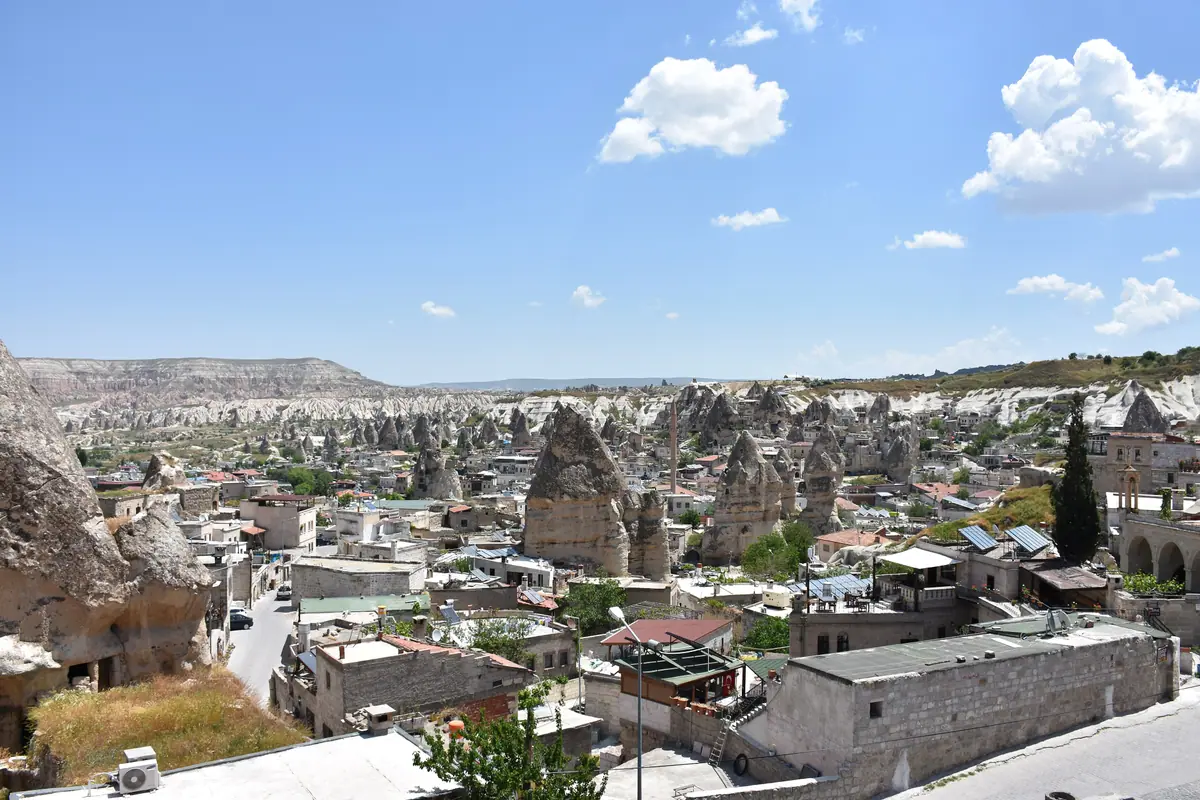
An early flight to Kayseri or Nevşehir puts you in Cappadocia by mid-morning, and the landscape announces itself from the air: a plateau of soft volcanic tuff eroded into cones, ridges and valleys the colour of pale honey. Base yourself in Göreme, Uçhisar or Ortahisar, where cave hotels carved into the rock offer thick stone walls, cool rooms in summer and rooftop terraces facing the sunrise. The Göreme Open-Air Museum is the essential first stop, a monastic complex of rock-cut churches whose tenth- and eleventh-century frescoes — the dark church in particular — have survived almost intact.
Spend the afternoon climbing Uçhisar Castle, the highest point in the region, or wandering the surreal formations of Paşabağ (Monks Valley) and Devrent, the so-called Imagination Valley. Sunset is best from the Rose and Red Valleys, where the tuff genuinely glows pink as the light drops. On day four, go underground at Derinkuyu or Kaymaklı, two of the dozens of multi-level cities where early Christian communities sheltered, then drive to Avanos on the Kızılırmak river for pottery workshops, or hike the green Ihlara Valley, a gorge of churches and poplars that feels a world away from the dust.
The balloon flight is the memory most people come for, and it is worth organising for your first clear morning because wind cancellations are common — a spare dawn gives you a second chance. Flights lift off around sunrise, last about an hour, and float over the valleys at low altitude. Even if you never leave the ground, watching 100 balloons rise above Göreme from a terrace is one of travel's great free spectacles. Spring and autumn are ideal here; midsummer is hot and dusty, and winter snow turns the cones into something closer to a fairytale.
Day 5: Izmir and Ephesus — Roman Marble on the Aegean
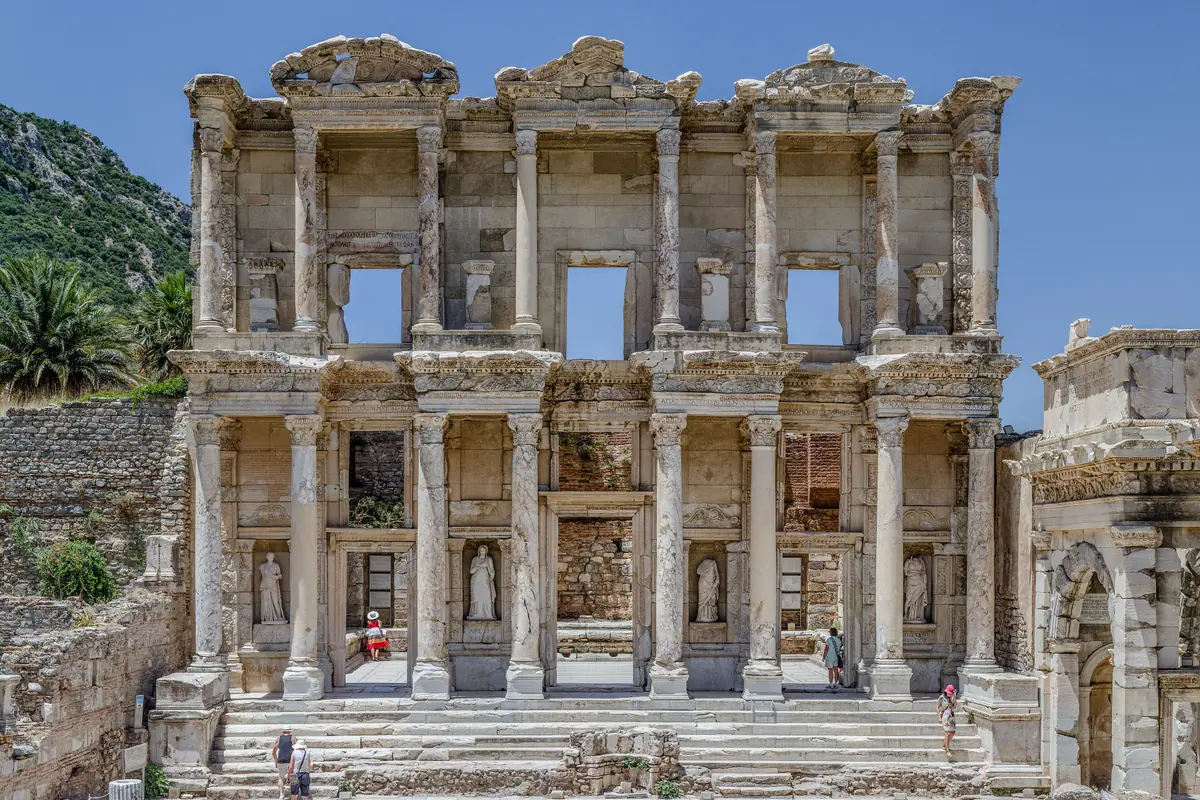
Fly west to Izmir, an hour from Cappadocia on a direct service, then drive south to Selçuk. Ephesus is the reason you came: a full Roman city excavated from the hillside, with marble avenues that once carried processions, merchants and imperial traffic. The Library of Celsus is the postcard image, its two-storey facade reconstructed from original fragments, but the Great Theatre, cut into Mount Pion and seating around 25,000 spectators, is the more astonishing structure. Walk the Terrace Houses under their protective roof to see frescoed walls, mosaics and underfloor heating exactly as wealthy Ephesians left them.
Add the smaller sights that most day-trippers miss: the lone reconstructed column of the Temple of Artemis, one of the seven wonders of the ancient world; the House of the Virgin Mary on a wooded hill above the ruins; and the Basilica of St John, whose crumbling brick dome marks the apostle's reputed burial place. Ten minutes away, the hill village of Şirince pours fruit wines and serves gözleme under grapevines — a pleasant contrast to all that marble. Come early or late to Ephesus; by mid-morning in July and August the exposed site is fiercely hot and crowded.
If you are flying onward from Izmir rather than staying, give Izmir itself a few hours. Konak Square's clock tower and the palm-lined Kordon waterfront are the city's face, while the Kemeraltı bazaar is a genuine, unsentimental market where you can eat your weight in stuffed mussels and grilled sardines for very little. Flights to Antalya take about 70 minutes.
Day 6: Antalya and the Turquoise Coast
Antalya is where Roman history meets a swimming holiday. The old town, Kaleiçi, tumbles down to a Roman-era harbour lined with gulets, and its narrow lanes hide Ottoman houses, boutique hotels and courtyards full of bougainvillea. Walk through Hadrian's Gate, built for the emperor's visit in 130 AD and still the most elegant doorway in the city, then up to the Hidirlik Tower for a view along the cliffs to the Beydağları mountains. The Antalya Museum, a short tram ride away, holds one of the finest collections of Roman sculpture in the Mediterranean, including the brooding statues from nearby Perge.
Use the day for one big archaeological trip and one swim. Aspendos, 45 minutes east, has the best-preserved Roman theatre anywhere, still used for performances because its acoustics never needed improving; pair it with the ruined city of Perge or the cliffside waterfalls at Düden and Kurşunlu. Alternatively head southwest to the flames of the Chimera at Olympos, burning from the hillside for millennia, or simply stake out a spot on Konyaaltı or Lara beach. The sea is warm enough for comfortable swimming from May to October, peaking around 28°C in August.
Renting a car for this day is worthwhile — coastal dolmuş services exist but eat time, and the mountain road between Antalya and the ancient sites is a pleasure in itself. If you fly home from Antalya, note that the airport sits only 13 kilometres from the old town, so you can swim in the morning and be at the gate by early afternoon.
Day 7 and Smart Extensions: Pamukkale, Konya, Nemrut or the Black Sea
With a seventh day you have choices, and they depend on where you fly out from. The classic finale is Pamukkale: fly to Denizli and stand on the white travertine terraces of calcium-rich springs, with the Roman spa city of Hierapolis and its vast necropolis spread across the plateau above. It is a UNESCO site, it is genuinely strange, and it fits neatly into a loop back through Izmir. Other strong options include Konya, where the Mevlana Museum and the whirling dervish tradition sit two hours by road or a short flight from the coast, and Ankara, whose Anıtkabir mausoleum and Museum of Anatolian Civilizations deserve more attention than they usually get.
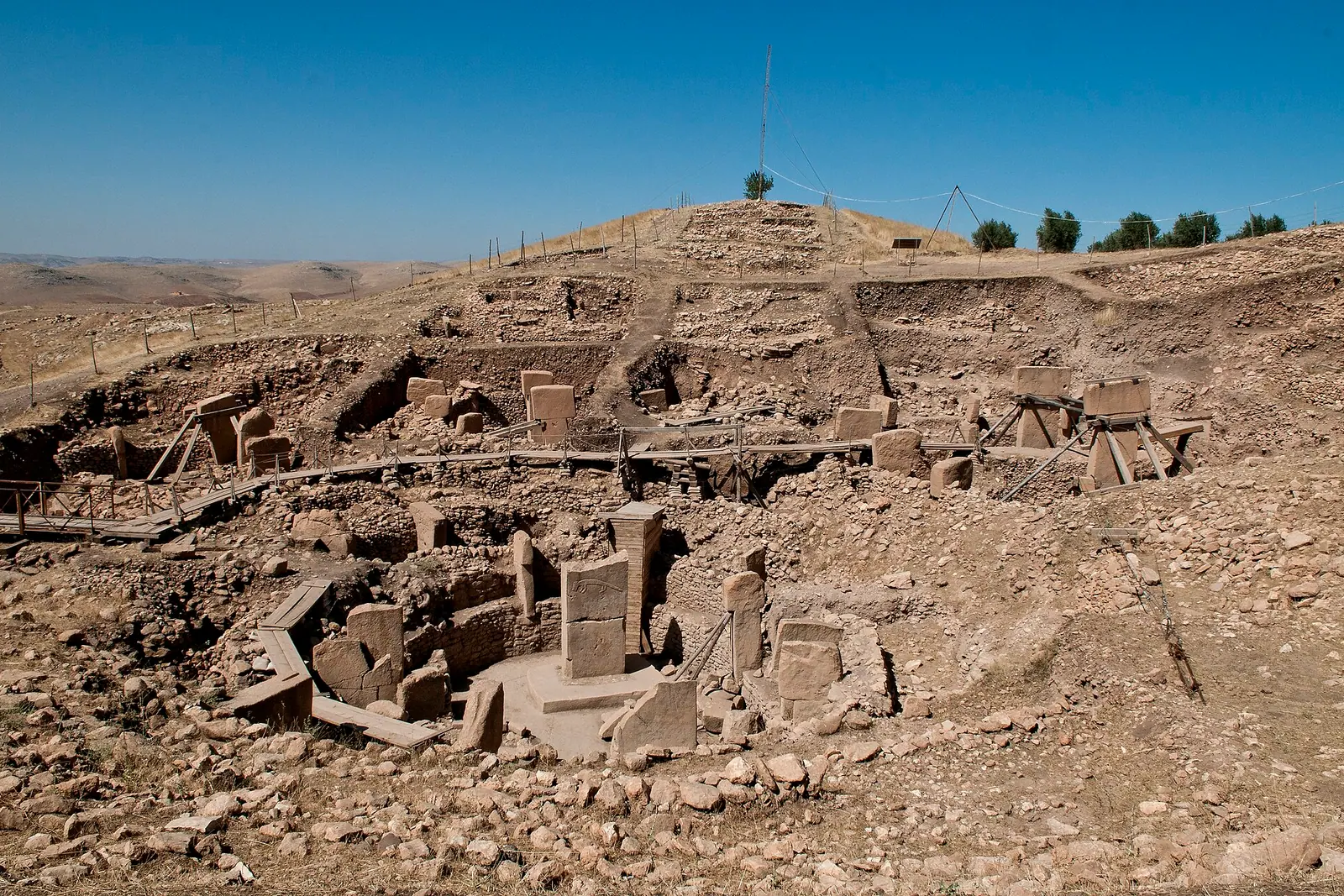
If you are willing to trade a city for a longer flight, eastern Türkiye is the reward. Mount Nemrut, reached via Adıyaman or Malatya, holds colossal stone heads of gods on a 2,100-metre summit that is best at sunrise; Göbeklitepe near Şanlıurfa rewrote the timeline of human monument-building; and Trabzon on the Black Sea offers the cliff-clinging Sumela Monastery, the alpine lake at Uzungöl and a completely different, greener, rainier Türkiye. Each of these needs two nights minimum, so treat them as an extension rather than a stop.
Season shapes everything. April, May, September and October are the sweet spot — mild in Istanbul, dry in Cappadocia, warm enough to swim in Antalya. July and August are hot and busy on the coast, and Cappadocia's balloons are more often grounded by wind in March and November. Winter suits Istanbul's museums and hammams but closes many coastal resorts. Book domestic flights early around religious holidays, when the whole country travels, and remember that the east is cold and snowy from December to March.
Frequently asked questions
How many domestic flights can I realistically fit into one week in Türkiye?
Three hops work comfortably, four is the maximum. Each flight is only an hour or so in the air, but add the transfer, the 90-minute airport buffer and the onward drive to your hotel, and a flying day costs you roughly half a day. The itinerary above uses Istanbul to Cappadocia, Cappadocia to Izmir and Izmir to Antalya, with two nights in Istanbul and Cappadocia and one each in the Aegean and on the coast.
When is the best time of year for a flying trip through Türkiye?
Late April to early June and September to mid-October are ideal. Temperatures sit in the comfortable low-to-mid twenties across Istanbul, Cappadocia and the Aegean, the sea in Antalya is still warm in September, and the ruins are bearable to walk. July and August are punishing at exposed sites such as Ephesus and Pamukkale, so sightsee before 9am and after 5pm if you travel then. Winter is best limited to Istanbul and the south coast.
Do I need to book domestic flights in advance?
Yes, especially for travel around religious holidays and long weekends, when domestic demand spikes and the cheapest fares vanish weeks ahead. Early-morning departures are consistently cheaper and get you to your destination before lunch. Book baggage at the same time if you need it, since allowances vary between fares on the same route.
Should I rent a car as well as flying?
A car is genuinely useful in Cappadocia, around Ephesus and along the Antalya coast, where sites are spread out and buses are slow. Skip it entirely in Istanbul — traffic is brutal and parking is scarce, and trams, ferries and walking cover the sights far better. Most rental desks at the smaller airports are quick, and a one-day rental is often enough per region.
Is one week enough to see Türkiye properly?
One week gives you a richly varied taste: two days in Istanbul, two in Cappadocia, and one each for Ephesus and Antalya. You will not see everything. If you have ten days, add a third night in Istanbul and an extra day in Cappadocia for the Ihlara Valley and the underground cities. Anything beyond that should go to eastern Türkiye, which deserves its own trip.
Sort the rest of your trip
Everything for Türkiye, in one place
Stay in Türkiye
Hotels, guesthouses and apartments — compared in one search.
Search hotels
Transfer in Türkiye
Private driver waiting on arrival — no queues, no surprises.
Book a transfer
Travel insurance
Medical cover, delays and lost baggage — sorted before you go.
Get coveredMore guides in Türkiye
Best Things to Do in Türkiye: Top Places to Visit and Unmissable Experiences
Best Time to Visit Türkiye for Hotels: A Season-by-Season Guide
A Food and Culture Tour of Türkiye: Markets, Mezze and Must-See Sights
Things to Do in Türkiye: Must-See Landmarks from Istanbul to Cappadocia
Hotels in Türkiye: Where to Stay in Istanbul, Cappadocia and on the Coast