Türkiye is a country that refuses to be one thing: imperial cities stacked with domes and mosaics, lunar valleys where balloons rise at dawn, and a coastline of sunken cities and pine-clad coves. Whether you have a long weekend in Istanbul or a fortnight to cross from the Aegean to the Armenian highlands, the country rewards curiosity with extraordinary range.
Istanbul: Imperial Landmarks Where Two Continents Meet
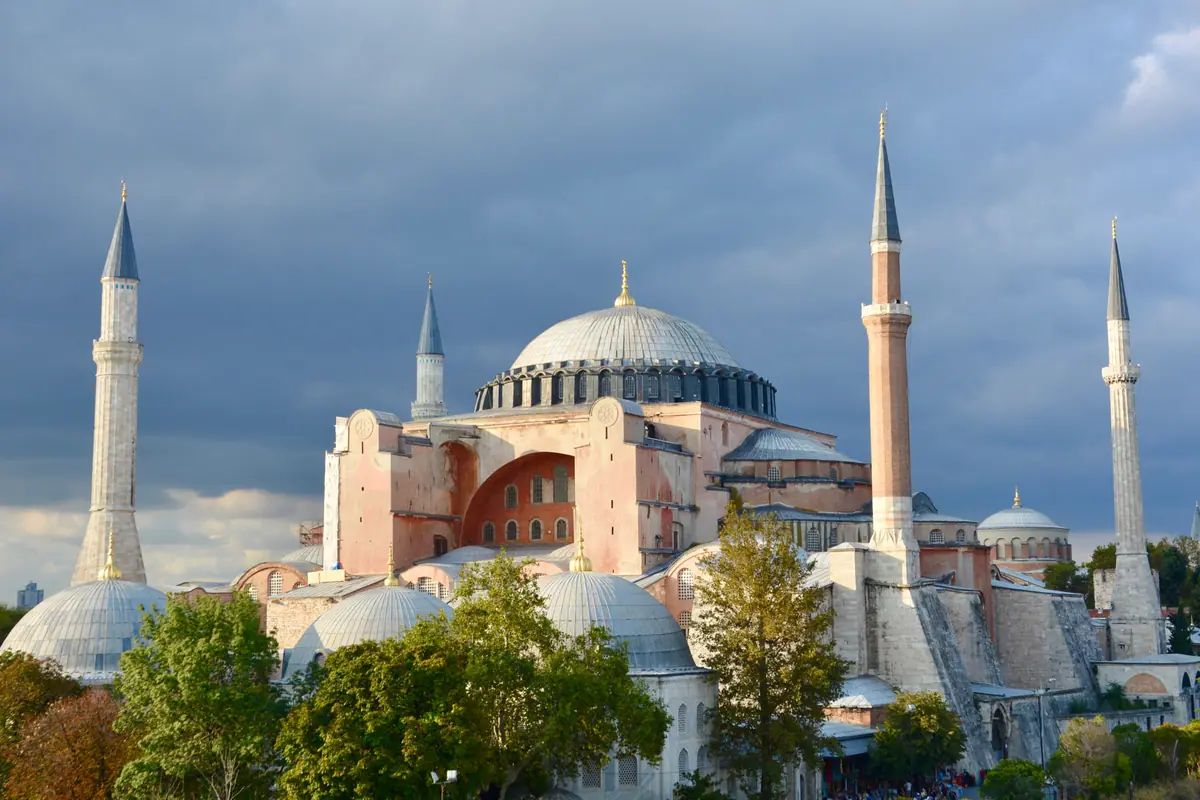
Most journeys begin in Istanbul, and the city earns its reputation within a single morning. In Sultanahmet, the great stones of Hagia Sophia, the Blue Mosque with its six minarets, the Hippodrome and the tiled courtyards of Topkapı Palace sit within a few minutes' walk of one another. Beneath the streets, the Basilica Cistern's drowned forest of columns — complete with a sideways Medusa head — offers a cool, echoing escape on a hot afternoon. Give the historic peninsula two full days and start early; by mid-morning the squares fill with tour groups.
Cross the Golden Horn for the city's more everyday pleasures. Climb Galata Tower for a skyline of domes, ferries and minarets, wander down Istiklal Avenue, then take a commuter ferry to Kadıköy on the Asian side for a market lunch of pickles, stuffed mussels and grilled fish. The Grand Bazaar's thousands of stalls and the Spice Bazaar's pyramid of dried fruits and lokum are obvious stops, but the real highlight is a sunset Bosphorus cruise, when the waterfront palaces glow gold and the bridges light up as you pass beneath them.
Round the day off the traditional way, in a historic hamam where you are scrubbed, rinsed and wrapped in a warm towel. It is a ritual rather than a spa treatment, and it remains one of the most distinctly Turkish experiences you can have.
Cappadocia: Balloon Flights Over Fairy Chimneys and Cave Cities
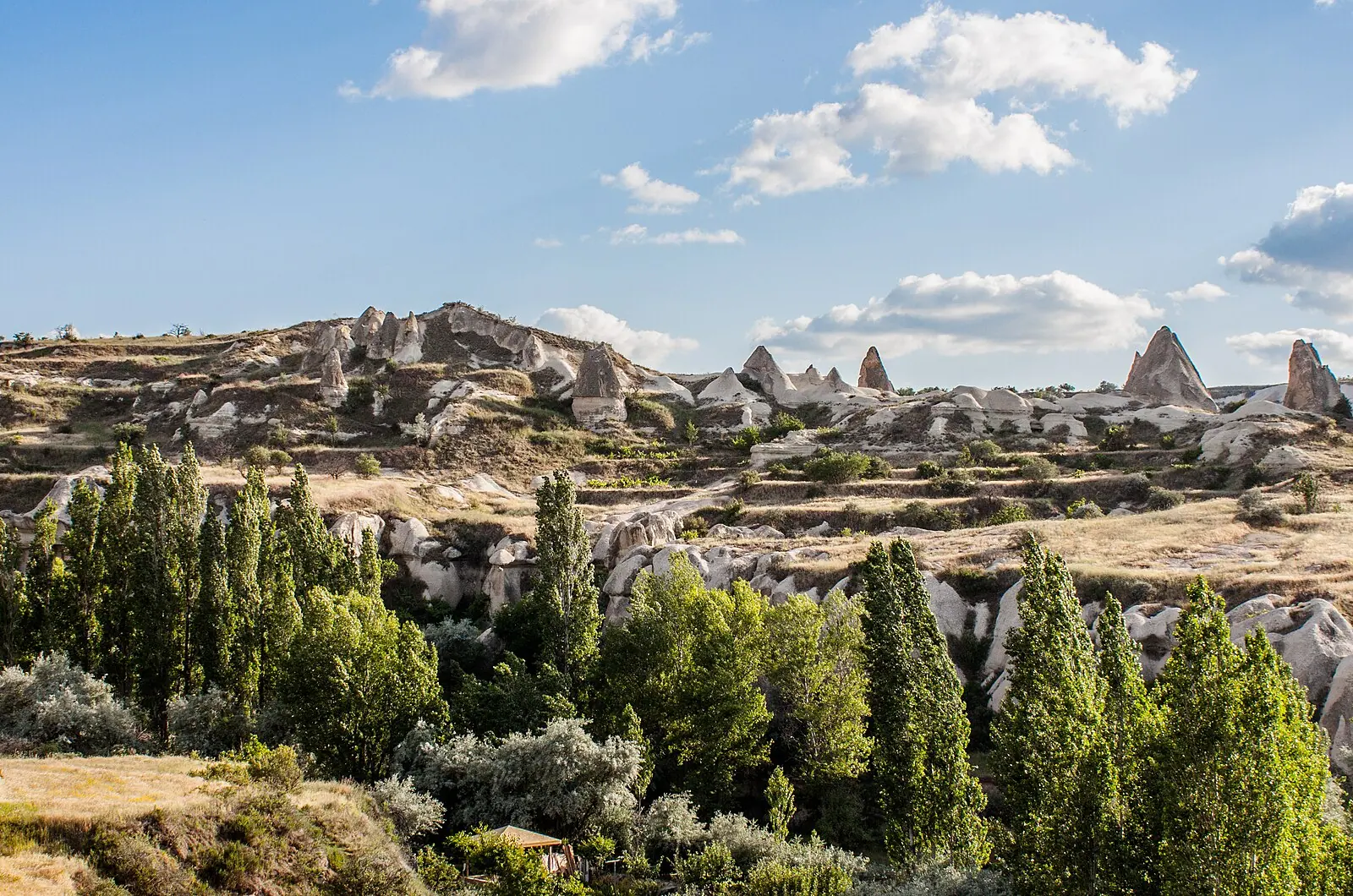
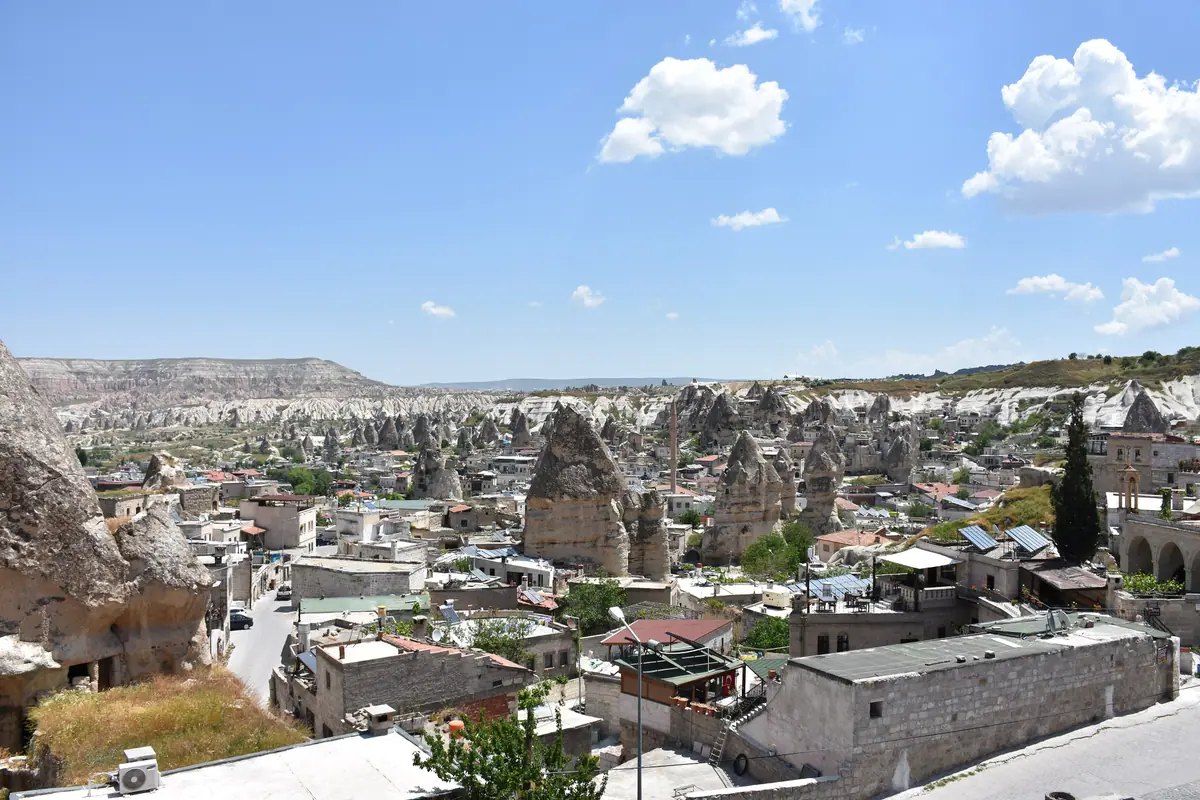
Cappadocia is the image most travellers carry of Türkiye before they arrive: soft volcanic rock carved into cones, dovecotes, churches and entire underground towns. In the Göreme Open-Air Museum, rock-cut chapels hold frescoes of saints and Byzantine emperors, while Uçhisar Castle and the honey-coloured spires of Paşabağ and Devrent Valley are best explored on foot or by scooter in the late afternoon light. Below ground, the multi-level cities of Derinkuyu and Kaymaklı plunge as deep as eight storeys, with wineries, stables and rolling-stone doors built to keep invaders out.
The signature activity happens before sunrise, when dozens of hot-air balloons lift off from the valleys around Göreme. Flights last roughly an hour and drift over Love Valley, Red Valley and the orchards of Avanos; they depend entirely on wind and can be cancelled at short notice, so allow at least two mornings in the region and dress in layers, since dawn on the plateau is properly cold. If your flight is grounded, replace it with a walk through Pigeon Valley or a pottery workshop in Avanos.
Spring and autumn are ideal here — April to June and September to November bring clear skies and comfortable hiking weather. Midsummer is hot and hazy but still flyable; winter brings snow-dusted cones and far fewer visitors.
Ephesus, Pamukkale and the Ancient Cities of the Aegean
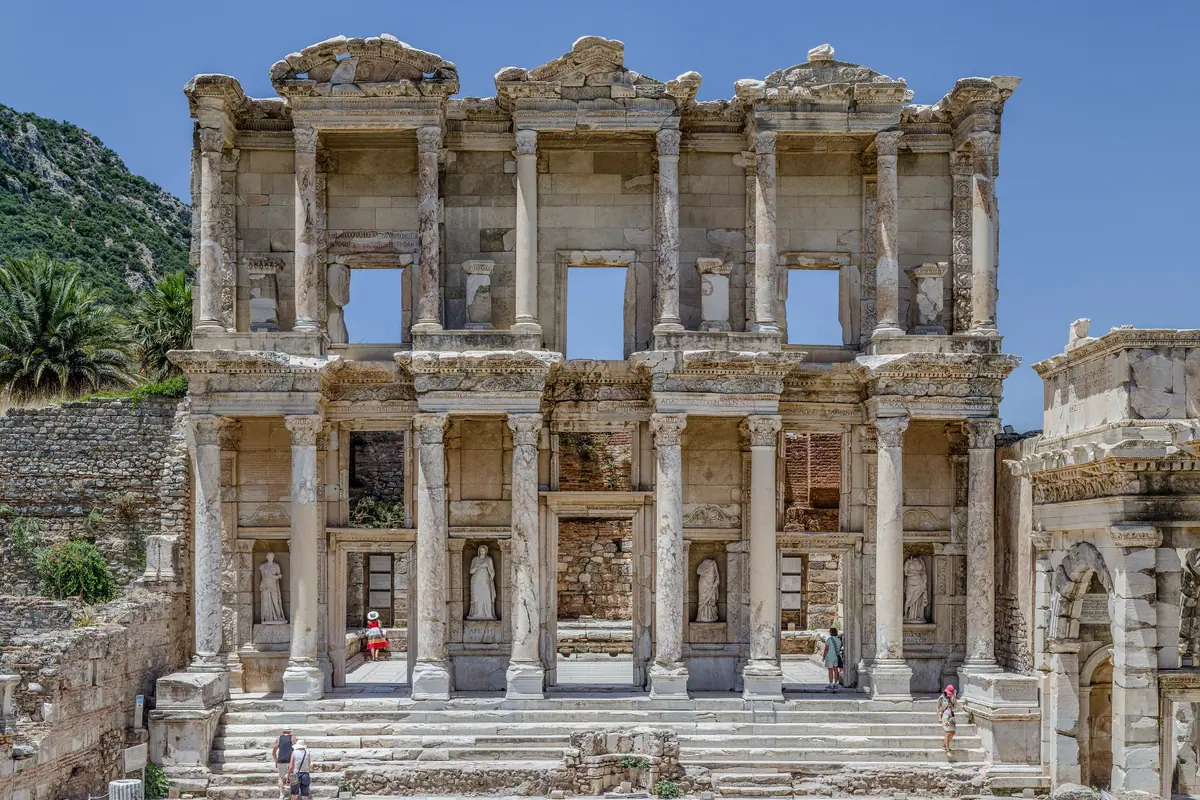
The Aegean interior is where Türkiye's classical past becomes tangible. At Ephesus you walk down Marble Street past the Temple of Hadrian to the Library of Celsus, then into a theatre so large it still swallows crowds whole. The Terrace Houses, roofed and glassed-in, reveal Roman frescoes and mosaics with startling freshness. Arrive at opening time or in the last two hours of the day, and pair the visit with the nearby hillside house believed to have sheltered the Virgin Mary and the hill village of Şirince, known for fruit wines and whitewashed lanes.
Further inland, Pamukkale's white travertine terraces spill down a hillside above the ruins of Hierapolis, whose theatre and necropolis are often skipped by visitors who come only for the pools. Walk the cascades barefoot early in the morning, then swim in the warm mineral water of the antique pool among fallen columns. Nearby stand the marble city of Aphrodisias, with its relief-carved stadium and museum, and the vertiginous acropolis of Pergamon at Bergama, whose steep theatre seems to hang over the plain.
Base yourself in Selçuk for Ephesus, in Denizli for Pamukkale, and allow a day each. A car makes the smaller sites — Priene, Miletus and Didyma on the coast road — far easier to reach.
The Turquoise Coast: Blue Cruises, Paragliding and the Lycian Way
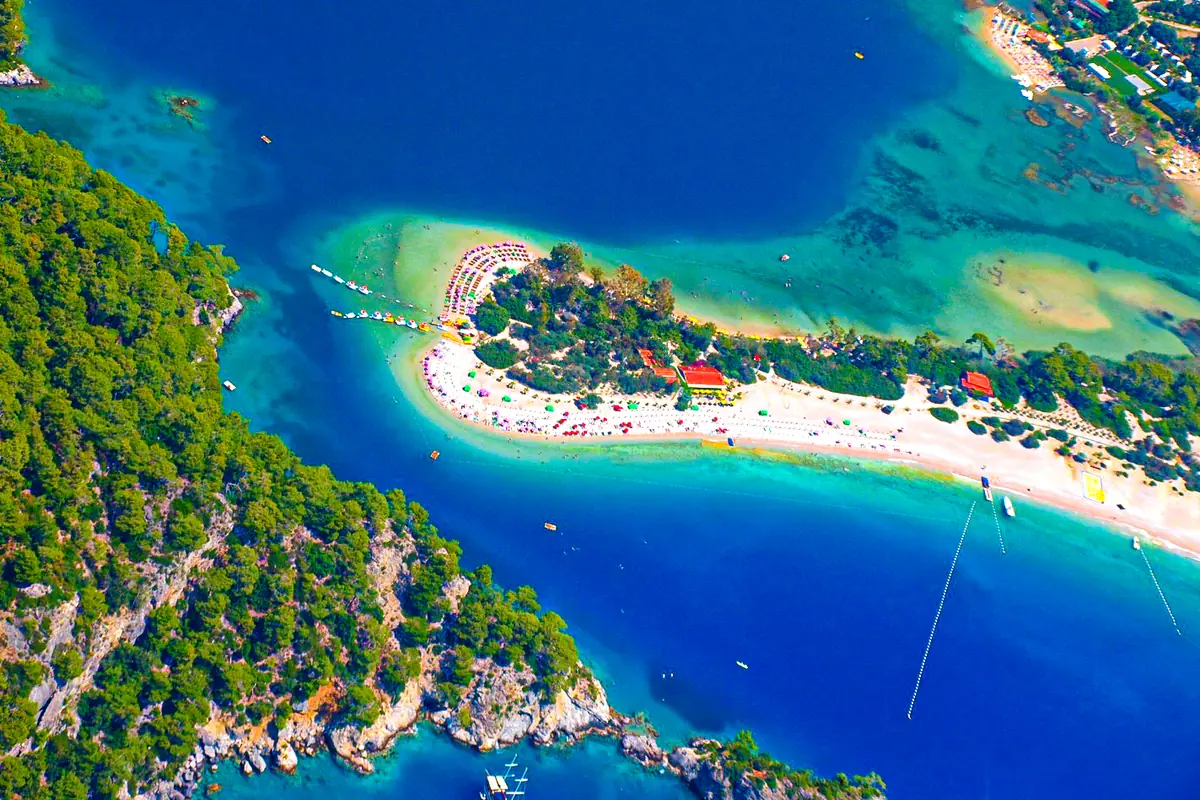
Türkiye's southwest coast is a long sequence of pine-covered headlands, aquamarine bays and Lycian rock tombs. Ölüdeniz's Blue Lagoon is the postcard, but the better thrill is launching from the summit of Babadağ by tandem paraglider and landing on the beach. From Fethiye, traditional wooden gulets sail multi-day routes east past Butterfly Valley and the sunken ruins of Kekova, where you glide over a half-submerged city, and on to the tiny island fortress of Simena.
Walkers come for the Lycian Way, a waymarked long-distance trail that links villages, ruins and beaches over roughly a month, though most people sample a few sections such as Kaş to Limanagzı. Diving, sea kayaking over Kekova, and the eternal flames of Yanartaş near Olympos fill the gaps between swims. Saklıkent Gorge, a slot canyon you wade through in cold meltwater, is a good inland escape from the August heat.
Antalya anchors the coast with its walled Kaleiçi quarter, Roman Hadrian's Gate and harbour cafés, while east of the city the nearly intact theatre at Aspendos and the seaside ruins of Side make easy day trips. Alanya's clifftop fortress and the beaches around Kemer round out the region.
Anatolia's Heartland and the East: Konya, Nemrut and Göbekli Tepe
Inland Türkiye trades beaches for depth. Ankara, the capital, holds the monumental mausoleum of Anıtkabir and the Museum of Anatolian Civilizations, whose Hittite and Urartian collections are among the finest in the country. South in Konya, the Mevlana Museum honours the Sufi poet Rumi, and on Saturday evenings the whirling sema ceremony — a slow, hypnotic turning in white robes — takes place in a hall nearby.
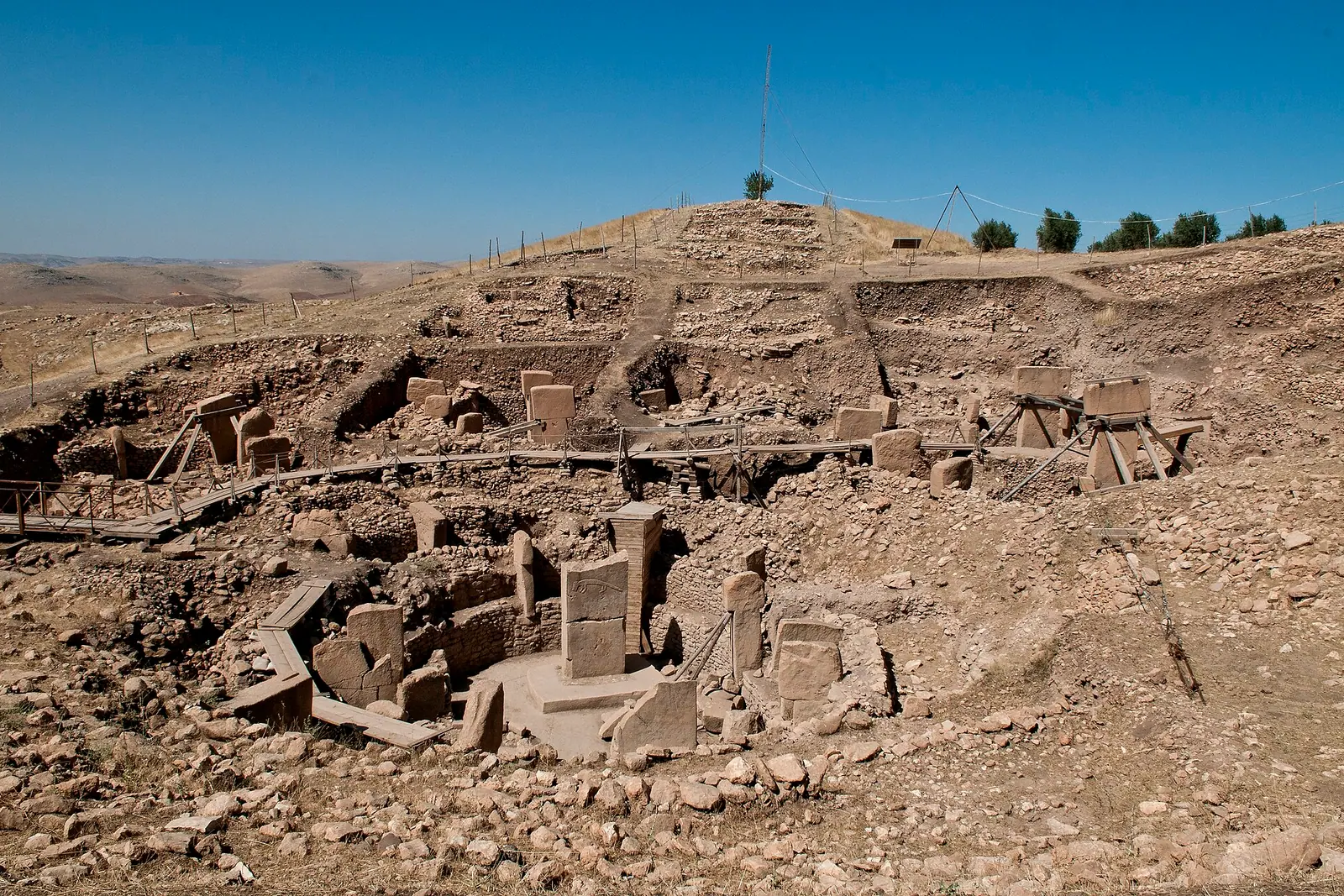
Far to the east, Mount Nemrut is the great spectacle: a tumulus ringed by colossal stone heads of gods and kings, best seen at sunrise after a pre-dawn climb. Near Şanlıurfa, Göbekli Tepe's carved pillars belong to one of the oldest known temple complexes on earth, and the mosaic collection in Gaziantep pairs well with that city's extraordinary food. Further afield still, Lake Van's blue expanse, the ghostly medieval churches of Ani on the Armenian border and the cliff-carved Sumela Monastery above Trabzon reward anyone willing to travel long distances.
The east is a summer destination — May to September, when mountain passes are clear and nights are mild. Allow five to seven days if you plan to combine Nemrut, Şanlıurfa and Gaziantep by car or long-distance bus.
When to Go, How Long to Stay and How to Get Around
Türkiye's size means no single best month suits everything. April, May, June, September and October are the sweet spots: warm seas, walkable cities and reliable balloon weather in Cappadocia. July and August are hot and busy on the Aegean and Mediterranean coasts, but ideal for the Black Sea highlands and for swimming. Winter suits Istanbul's museums, ski resorts such as Uludağ and Palandöken, and the snowy landscapes of Cappadocia — though some coastal ferries and small guesthouses wind down.
A sensible first itinerary gives Istanbul three to four days, Cappadocia two to three, Ephesus and Pamukkale a day each, and the coast four to seven days if you join a gulet cruise or trek part of the Lycian Way. Add a week for the east. Domestic flights cover long hops quickly, overnight trains and intercity buses connect the main cities affordably, and renting a car pays off for archaeological detours.
Eat breakfast like a local — white cheese, olives, tomatoes, honey and endless tea — and let the day's rhythm follow the call to prayer rather than a checklist. Book hot-air balloons, gulet cruises and Nemrut sunrise tours well ahead in high season, and carry cash for village markets and rural sites.
Frequently asked questions
What is the best time of year to visit Türkiye?
April to June and September to October offer the best balance of mild weather, open attractions and comfortable walking in Istanbul, Cappadocia and along the Aegean. July and August are hot and crowded on the coasts but excellent for the Black Sea and for beach holidays. Winter is quiet, cold and atmospheric, and works well for city breaks and skiing.
How many days do I need for Istanbul and Cappadocia together?
Plan three to four days in Istanbul to cover Hagia Sophia, Topkapı Palace, the bazaars and a Bosphorus cruise without rushing, then two to three nights in Cappadocia. That allows one morning for a balloon flight with a backup date and a full day for the Göreme Open-Air Museum, valleys and an underground city.
Are Cappadocia's hot-air balloon flights worth it, and when do they run?
They are the region's defining experience, lifting off at sunrise and drifting over the fairy chimneys for around an hour. Flights are weather-dependent and cancellations happen, so stay at least two mornings and dress warmly for the pre-dawn cold. Book ahead for spring and autumn, the busiest periods.
Is Türkiye a good destination for hiking, sailing and outdoor activities?
Yes — the Lycian Way offers long-distance coastal trekking, the Turquoise Coast is made for multi-day gulet cruises, and paragliding from Babadağ above Ölüdeniz is a bucket-list flight. Inland, Cappadocia's valleys are ideal for walking, and eastern mountains suit summer trekking.
Do I need a visa, and is it easy to travel around independently?
Entry rules vary by nationality, so check the official Turkish government channels before booking. Once in the country, independent travel is straightforward: a dense network of domestic flights, buses and trains links the main regions, and English is widely spoken in tourist areas, though learning a few Turkish phrases goes a long way in villages.
Plan it — experiences in Türkiye
Live search, booked directly with trusted providers.
Sort the rest of your trip
Everything for Türkiye, in one place
Stay in Türkiye
Hotels, guesthouses and apartments — compared in one search.
Search hotels
Transfer in Türkiye
Private driver waiting on arrival — no queues, no surprises.
Book a transfer
Stay online in Türkiye
Travel eSIM — data the moment you land, no roaming bills.
Get an eSIMMore guides in Türkiye
Best Time to Visit Türkiye for Hotels: A Season-by-Season Guide
Türkiye in One Week by Plane: Istanbul, Cappadocia, Ephesus and Antalya
A Food and Culture Tour of Türkiye: Markets, Mezze and Must-See Sights
Things to Do in Türkiye: Must-See Landmarks from Istanbul to Cappadocia
Hotels in Türkiye: Where to Stay in Istanbul, Cappadocia and on the Coast