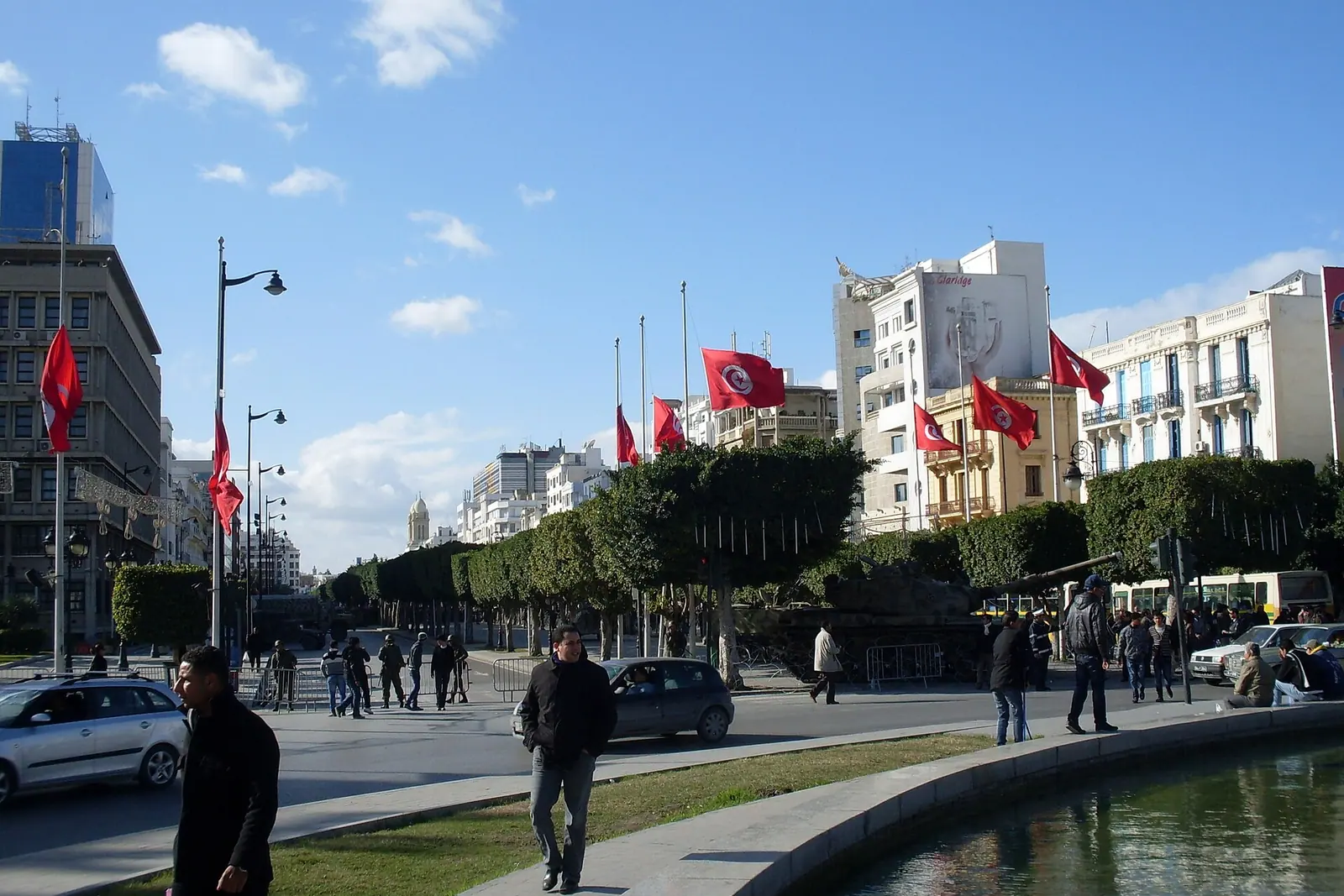
Tunisia fits an entire continent of holidays into a country you can cross in a day: whitewashed clifftop villages, Roman mosaics, palm-shaded oases and a coast that runs from Mediterranean pine down to Sahara sand. Where you sleep shapes the trip more here than almost anywhere — a medina courtyard house, a seafront thalassotherapy resort and a tented camp at the edge of the dunes are three completely different Tunisias. This guide maps the country by region and names the sights worth building a stay around.
Choosing Your Base: How Tunisia Splits Into Regions
The north revolves around Tunis. You can sleep inside the old city in a converted merchant's courtyard house, or out along the coast at La Marsa and Gammarth, where the large seafront hotels sit within a short drive of both Carthage's ruins and the blue-and-white lanes of Sidi Bou Said. Further west, Bizerte, Tabarka and the cork-oak hills around Ain Draham suit cooler, greener, quieter stays.
The centre is the resort belt: Hammamet and Nabeul on the Gulf of Hammamet, then Sousse, Monastir and Mahdia strung down the Sahel coast. Purpose-built beach hotels dominate here, many with seawater therapy centres attached, though the old towns hide small guesthouses behind their ramparts. Inland sit Kairouan and El Jem, best done as day trips from the coast or as a single overnight stop.
The south is the desert half. Djerba is a low, sandy island of palm groves and long beaches; beyond Gabès the landscape shifts to the oasis towns of Tozeur and Nefta, the salt flat of Chott el Jerid, Matmata's underground houses and the dunes around Douz and Ksar Ghilane, where you choose between palm-grove hotels and tented desert camps.
Tunis, Carthage and Sidi Bou Said: Mosaics and Blue Doors
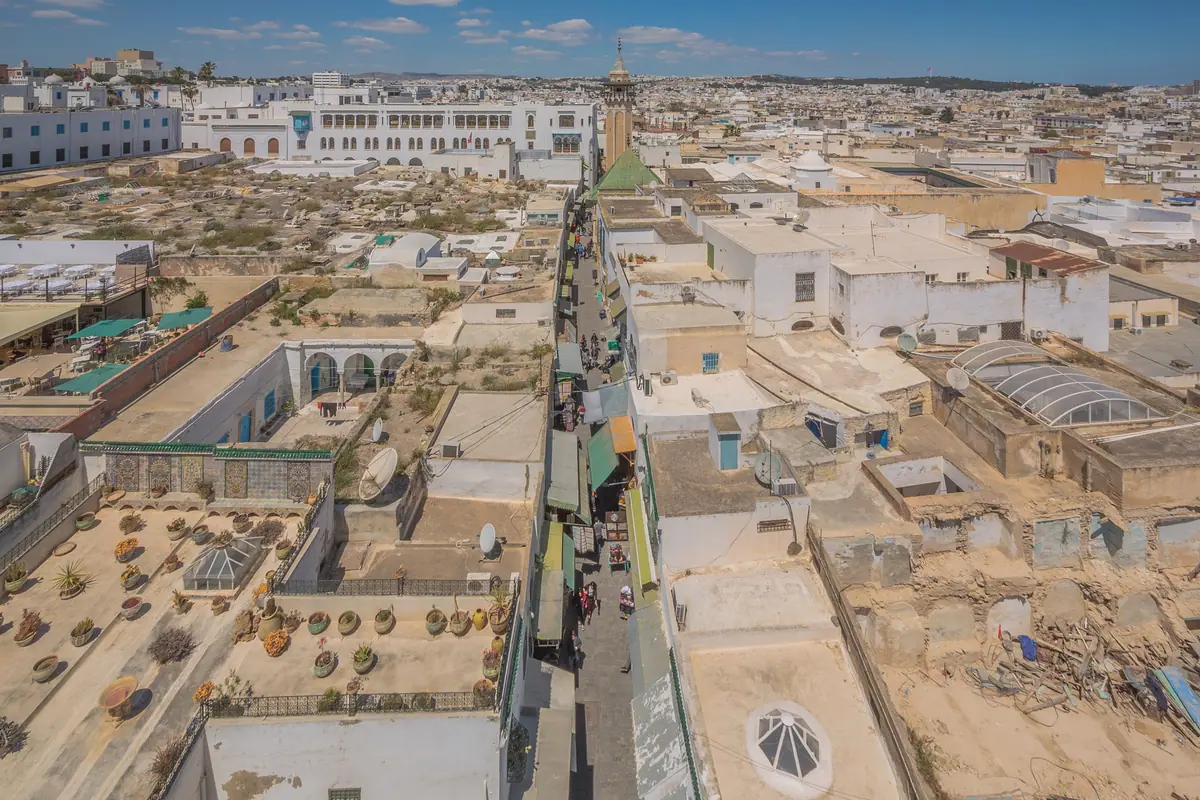
Stay in Tunis and three headline sights sit within a short ride of each other. The Medina of Tunis is a genuine labyrinth of workshops and domed souks — copper, perfume, chachia hats — with the Zitouna Mosque at its heart and a handful of restored palaces opening onto tiled courtyards. Just outside the old walls, the Bardo Museum holds one of the world's great collections of Roman mosaic floors.
Carthage, sprawled along the coast, is a scatter of ruins worth half a day: the vast Antonine Baths overlooking the sea, Byrsa Hill with its museum and cathedral, the faint outline of the circular and rectangular Punic harbours, and the amphitheatre and Roman villas strung between.
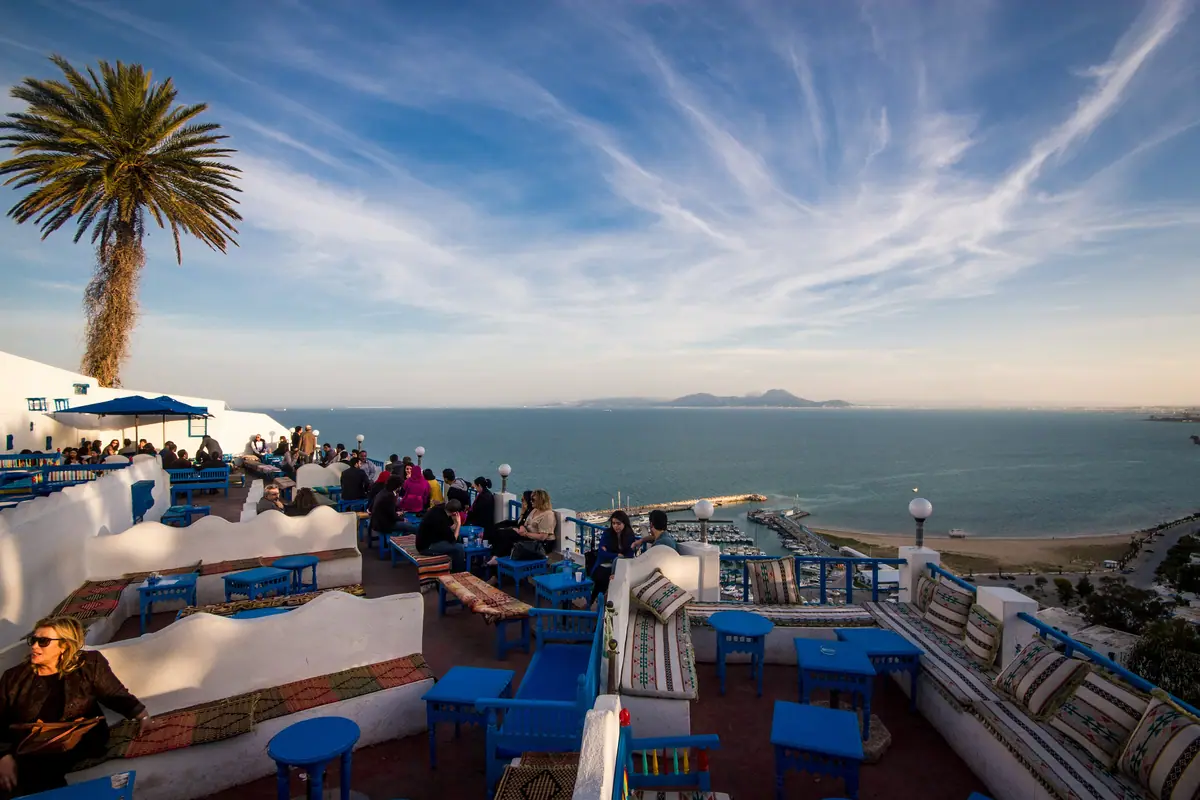
Finish in Sidi Bou Said, where every door is a deep blue and every wall whitewashed, and the striped minaret of the village mosque rises above terraced cafés. For accommodation, medina courtyard houses offer atmosphere in the thick of the souks; La Marsa and Gammarth offer space, sea air and family-friendly pools, ten minutes from Carthage.
Hammamet and Cap Bon: Beaches, Citrus and Hot Springs
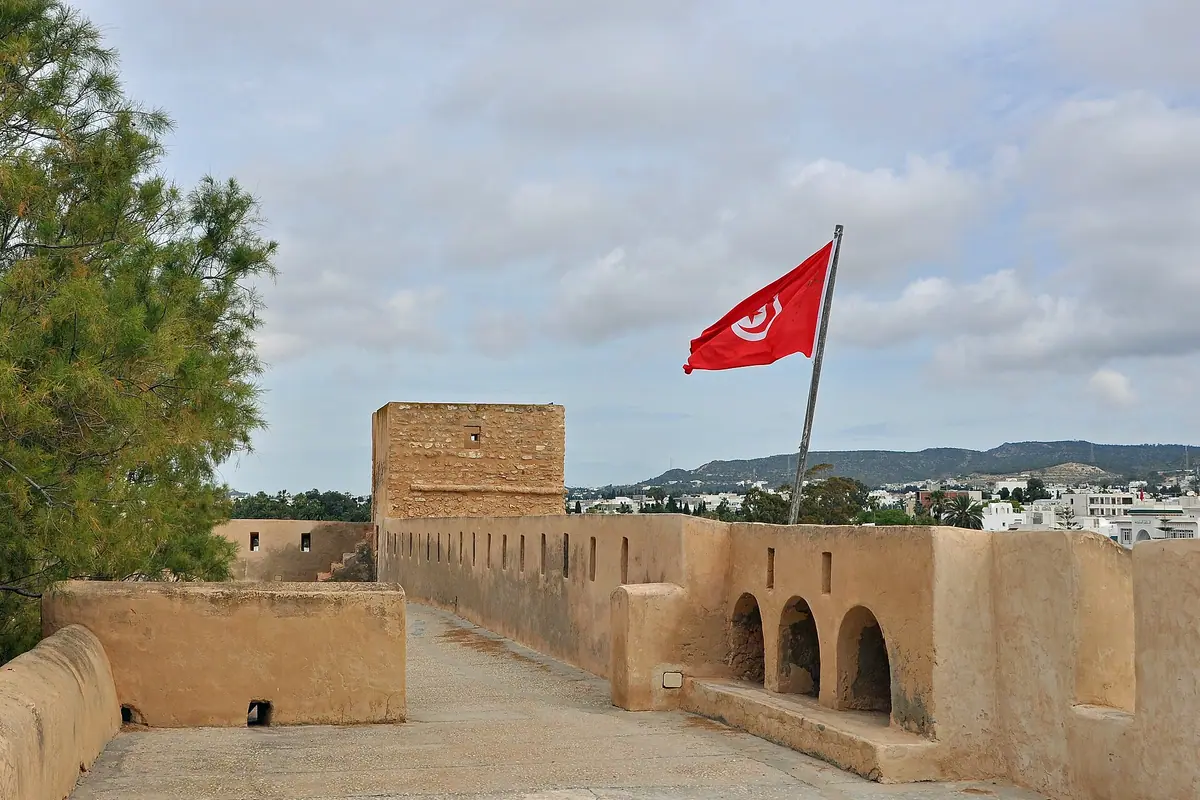
Hammamet is the classic Tunisian beach base, and its old town is the reason to pick it over any other resort strip. The medina sits directly on the water, its whitewashed walls threaded with bougainvillea, its Kasbah fort offering the best view along the bay. South of town, a long line of hotels faces the sand; north, the Port Yasmine marina handles yachts and evening promenades.
The Cap Bon peninsula behind Hammamet rewards a rental car. Nabeul is famous for pottery and for the orange-blossom season that perfumes the whole peninsula in spring; Korbous, on the opposite shore, has been used as a thermal spa since Roman times; and the coast road up to El Haouaria passes cliffs, vineyards and the Punic ruins of Kerkouane.
Accommodation here splits neatly: large all-inclusive resorts with multiple pools and seawater therapy centres on the bay, and smaller, cheaper guesthouses tucked into the medina lanes. Spring and early autumn are the sweet spots — warm sea, no crush.
Sousse, Monastir, Kairouan and the Amphitheatre of El Jem
Sousse and Monastir anchor the central coast. Sousse's walled medina is a compact maze of ramparts, the ribat fortress and the Great Mosque's curious square minaret, with the Dar Essid house museum showing how a wealthy local family once lived. Monastir's ribat stands almost in the surf, and the Bourguiba Mausoleum, with its golden dome and marble columns, is one of the country's most photogenic monuments.
Inland, Kairouan is the country's spiritual capital: the vast Great Mosque of Kairouan with its forest of ancient columns, the Aghlabid Basins that once supplied the city's water, and the shrine of Sidi Saheb with its painted courtyards.
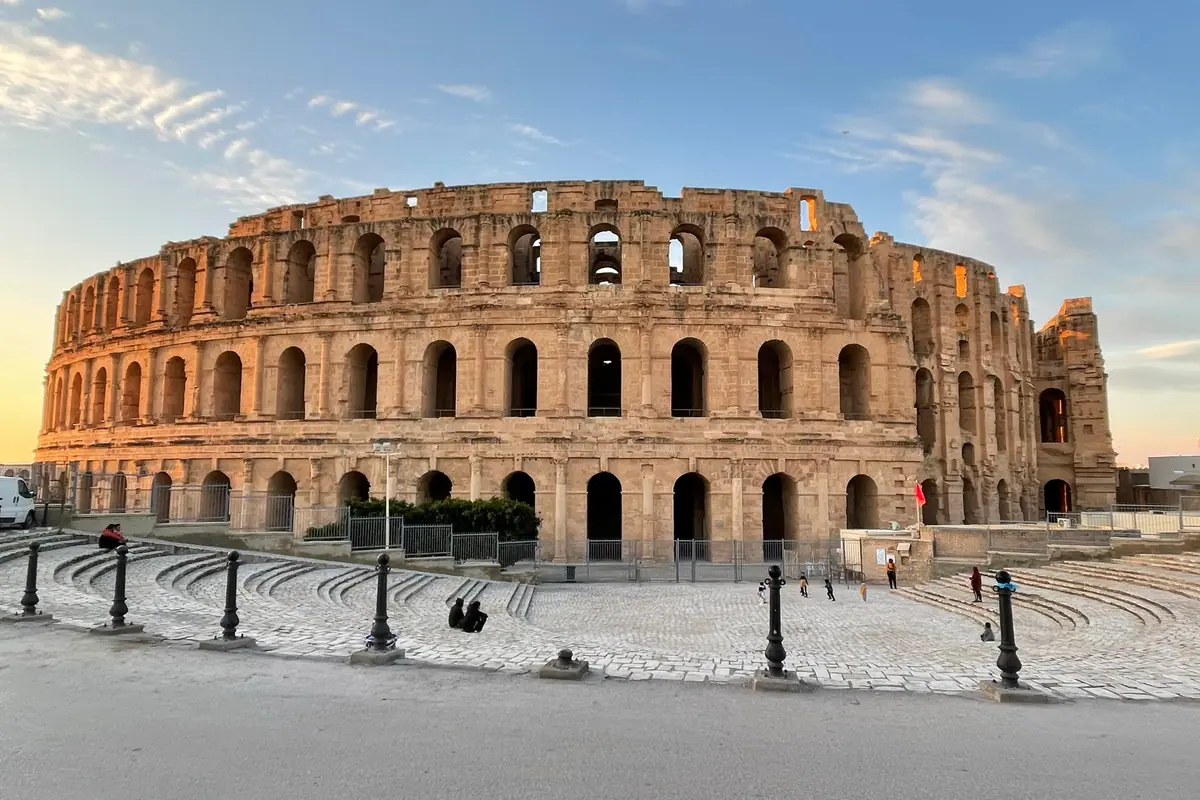
An hour south, the Roman amphitheatre of El Jem is the sight that surprises everyone — three tiers of arches rising out of flat farmland, once seating tens of thousands, and still used for concerts. Most visitors see it on a half-day trip, but staying overnight in one of El Jem's simple town hotels lets you walk the arena at golden hour when the coaches have gone.
Djerba, the Oases and the Deep South
Djerba is Tunisia's island escape: flat, palm-covered and ringed with shallow, gentle beaches. Houmt Souk is the main town, with a whitewashed core of cafés and a lively market; Guellala is the pottery village; the El Ghriba synagogue near Erriadh draws pilgrims from across North Africa. Along the causeway and the lagoon edges, flamingos wade at dawn. Accommodation ranges from large beach resorts on the north-east shore to small courtyard guesthouses in the villages.
Heading south from Gabès, the country turns properly desert. Matmata's lunar landscape hides pit dwellings dug into the rock; Ksar Ghilane is an oasis with a warm spring surrounded by dunes; Douz is the traditional gateway for camel treks and quad excursions into the sand.
Further west, Tozeur and Nefta are date-palm cities of honey-coloured brickwork, the setting-off point for the salt flat of Chott el Jerid, the mountain oases of Chebika and Tamerza, and the great dune field at Ong Jemal. Here you can stay in an oasis hotel with a pool among the palms, or in a desert camp where dinner is grilled over open fire and the stars are the main event.
When to Go and How to Choose Well
The best months overall are March to May and September to November: warm days, comfortable sightseeing and reasonable rates. The Mediterranean is pleasant for swimming from June through October, while the desert south is at its best between October and April, when daytime temperatures stay in the twenties rather than pushing past forty. July and August are hot inland and busy on the coast, so book beach hotels in Hammamet, Sousse and Djerba well ahead for that window.
Match the property to the trip. Families tend to be happiest in coast resorts with shallow water and kids' clubs; couples and photographers get more from a medina courtyard house in Tunis or a small guesthouse in Hammamet's old town; anyone chasing dunes should base in Tozeur, Douz or Ksar Ghilane rather than day-tripping from the coast.
Practical notes: the coastal rail line links Tunis, Sousse, Monastir and Mahdia comfortably, while shared minibuses cover almost everywhere else, so a car is only essential for Cap Bon and the mountain oases. During Ramadan, hotel restaurants still serve guests but many small local eateries close by day, and evenings become lively and late. Tipping is expected and small change is genuinely useful.
Frequently asked questions
Which part of Tunisia is best for a beach hotel?
Hammamet and the Gulf of Hammamet are the classic choice for large seafront resorts with pools and seawater therapy. Sousse and Monastir offer a similar formula further south, while Djerba's north-east shore has the gentlest, shallowest water and suits families with small children.
When is the best time to visit Tunisia for warm sea and fewer crowds?
Late May, June and September hit the sweet spot — the Mediterranean is warm enough to swim, daytime temperatures are comfortable for sightseeing, and the coast is noticeably quieter than in the July–August peak. October is ideal if you want to combine beaches with the desert south.
Is staying in a medina guesthouse in Tunis a good idea?
Yes, if you want atmosphere and walkable access to the souks, the Zitouna Mosque and the palace museums. Expect narrow lanes, limited parking and some noise; travellers who prefer space, sea views and easy parking usually do better in La Marsa or Gammarth, which are still close to Carthage and Sidi Bou Said.
How many days do you need to see Tunisia's main sights?
A week covers Tunis, Carthage, Sidi Bou Said, the Bardo Museum and either Hammamet or Sousse. Two weeks lets you add Kairouan, El Jem, Djerba and an overnight in the desert around Tozeur or Douz — which is the part most people remember longest.
Can you combine a beach stay with the Sahara?
Easily. Fly or drive south from Djerba or Gabès to Tozeur, Douz or Ksar Ghilane for two or three nights, then return to the coast. Distances are long, so plan the desert leg around an overnight rather than a single day of driving in each direction.
Sort the rest of your trip
Everything for Tunisia, in one place
Transfer in Tunisia
Private driver waiting on arrival — no queues, no surprises.
Book a transfer
Things to do in Tunisia
Skip-the-line tickets, guided tours and standout experiences.
See experiences
Stay online in Tunisia
Travel eSIM — data the moment you land, no roaming bills.
Get an eSIMMore guides in Tunisia
Best Places to Visit in Tunisia: Medinas, Roman Ruins and Sahara Oases
Best Time to Visit Tunisia: Seasons, Weather and When to Book Hotels
Tunisia Tours: Food, Culture and Local Experiences Worth Planning Around
Best Things to Do in Tunisia: Roman Ruins, Medinas and the Sahara
One Week in Tunisia: Tunis, Kairouan, El Jem and the Sahara