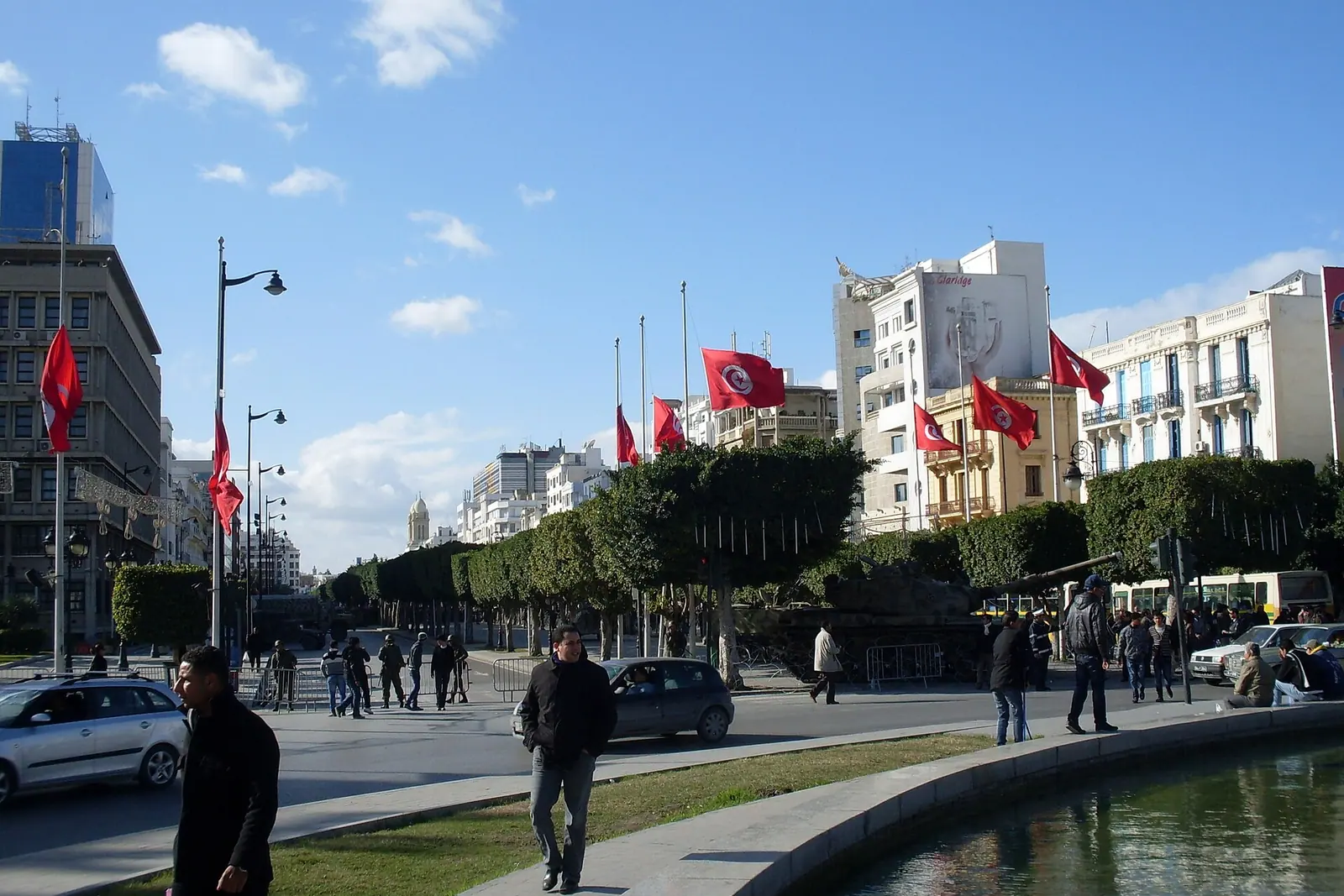
Tunisia packs three climates into a country you can cross in a day: a green, rain-fed north, a long Mediterranean coast, and a Sahara south where the temperature can swing twenty degrees between sunrise and sunset. Choosing when to go is really choosing which Tunisia you want — the ruin-climbing, sea-swimming or stargazing version. Here's how the seasons actually behave, and how that shapes where you book your hotel.
Tunisia's Seasons at a Glance: Which Tunisia You Want
Tunisia stretches roughly 1,300 kilometres of coastline along the Mediterranean, with the Atlas mountains folding through the north-west and the Sahara swallowing everything south of the Chott el Jerid salt flats. That geography means there is no single national forecast: on the same January day you can find drizzle in Tabarka, a mild 17°C in Tunis, and a crisp, sunny 20°C in Tozeur with frost after dark.
For most travellers, the two sweet spots are late March to mid-June and mid-September to early November. Temperatures sit in the comfortable low-to-mid twenties, the sea is warm enough for a swim from May and into October, and the big archaeological sites are walkable without collapsing. July and August belong to beach holidays; December and January belong to the desert, where daytime exploring is genuinely pleasant and hotel rates drop far below summer levels.
Spring (March to May): The Best All-Round Window
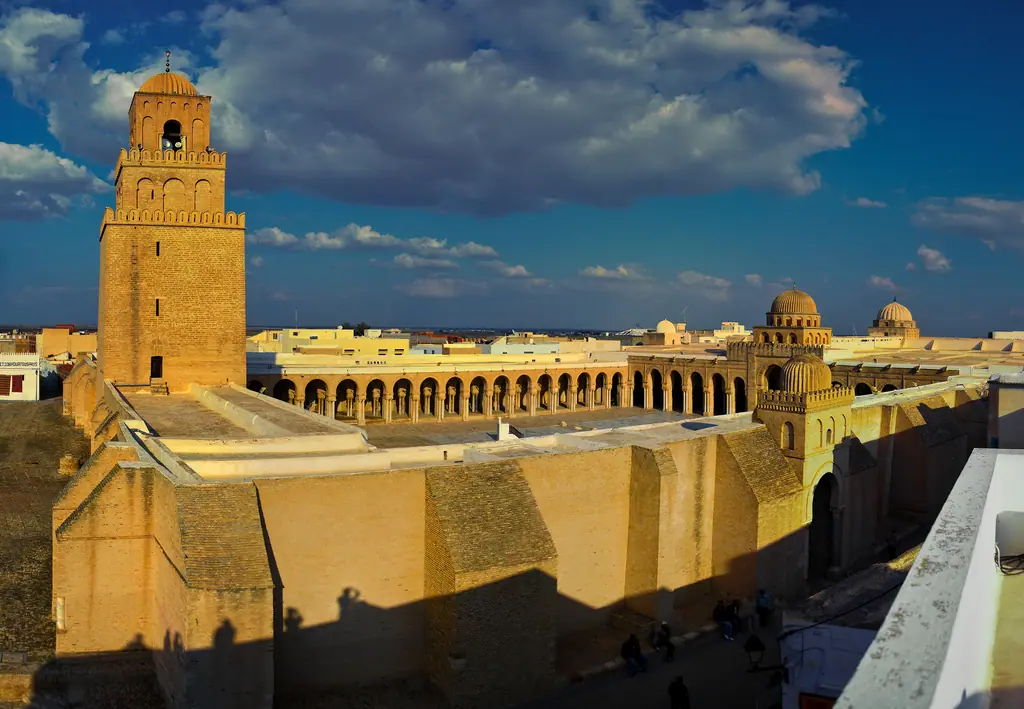
Spring is when Tunisia looks its most photogenic. The northern hills around Zaghouan and the Cap Bon peninsula turn green and flower-covered, and the light at the Roman site of Dougga — a hilltop city of temples, baths and a theatre that still hosts performances — is soft enough for long, unhurried afternoons. This is also prime time for Carthage and its Antonine Baths outside Tunis, and for the Great Mosque of Kairouan, one of the oldest and most important mosques in the Islamic world, where the courtyard's marble expanse bakes in summer but feels forgiving in April.
Pack layers and one windproof jacket. Late March and April can bring the ghibli, a hot, dusty southerly wind that clouds the sky and sends grit into everything for a day or two, and the north still catches occasional rain through April. May is usually the most stable month of the year: warm sea, dry skies, and long daylight for day trips to the Bardo Museum in Tunis or the Ribat of Sousse.
One practical note: Ramadan moves about eleven days earlier each year, and during it many small local restaurants and cafés close in daylight hours while hotel restaurants and beach bars keep running largely as normal. If eating out casually matters to you, check where the dates fall before locking in flights.
Summer (June to August): Beach Season and the Heat Inland
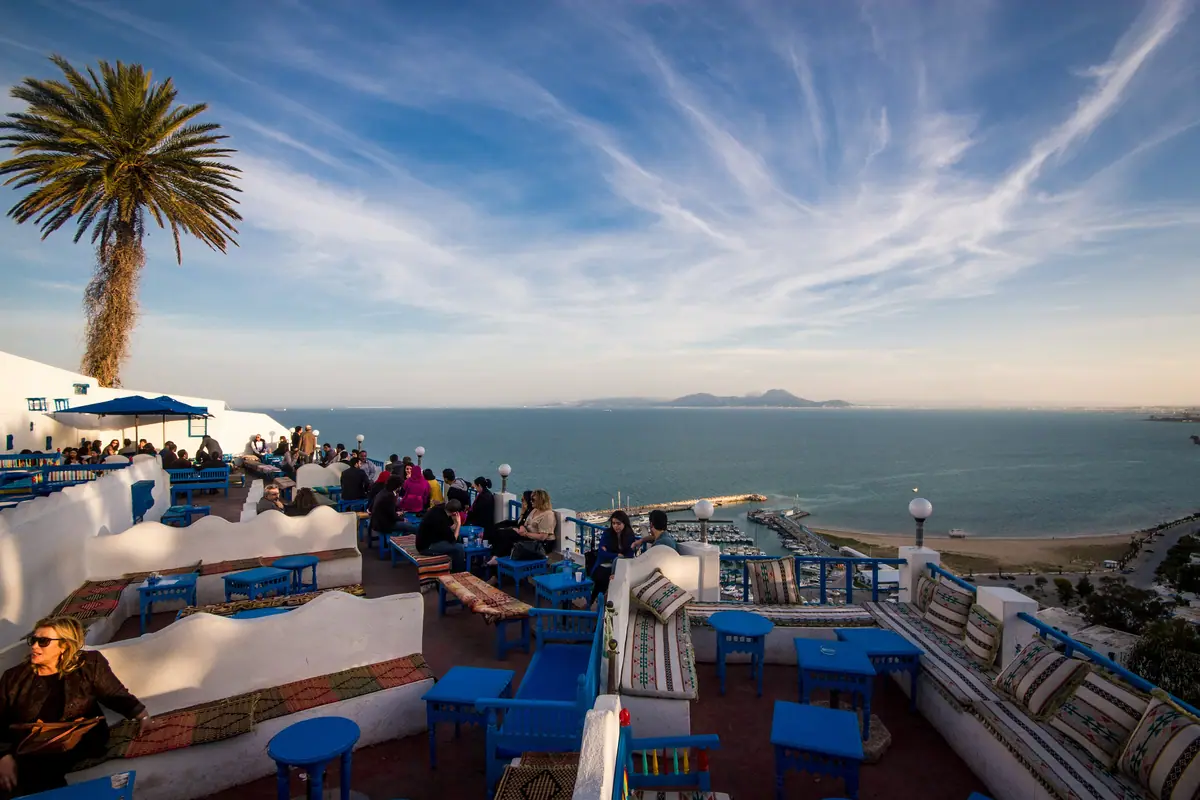
Summer is high season on the coast, and for good reason. The Mediterranean off Hammamet, Sousse, Monastir and Djerba reaches a bath-like 24-26°C, the breeze keeps the shoreline bearable even when the thermometer hits the mid-thirties, and the white-and-blue lanes of Sidi Bou Said above the Gulf of Tunis are at their most dazzling in the early morning before the coaches arrive. This is when Tunisia's resort hotels run at full capacity, with animation teams, watersports and evening markets in full swing.
Inland is a different story. Tunis, Kairouan and the interior plains can push past 38°C in July and August, which makes midday sightseeing genuinely punishing. If you're here in high summer, structure your days the Tunisian way: ruins and medinas before 10am, a long lunch and siesta, then the Bardo Museum or the Medina of Tunis in the late afternoon and evening, when the souks in Tunis come alive again after the heat breaks.
Book coastal hotels two to three months ahead for July and August, especially for the last two weeks of August, when domestic holidaymakers fill the beaches alongside European visitors. Sea-view rooms and family suites sell out first, and prices on Djerba and in Hammamet can double compared with June.
Autumn (September to November): Ruins Without the Crowds
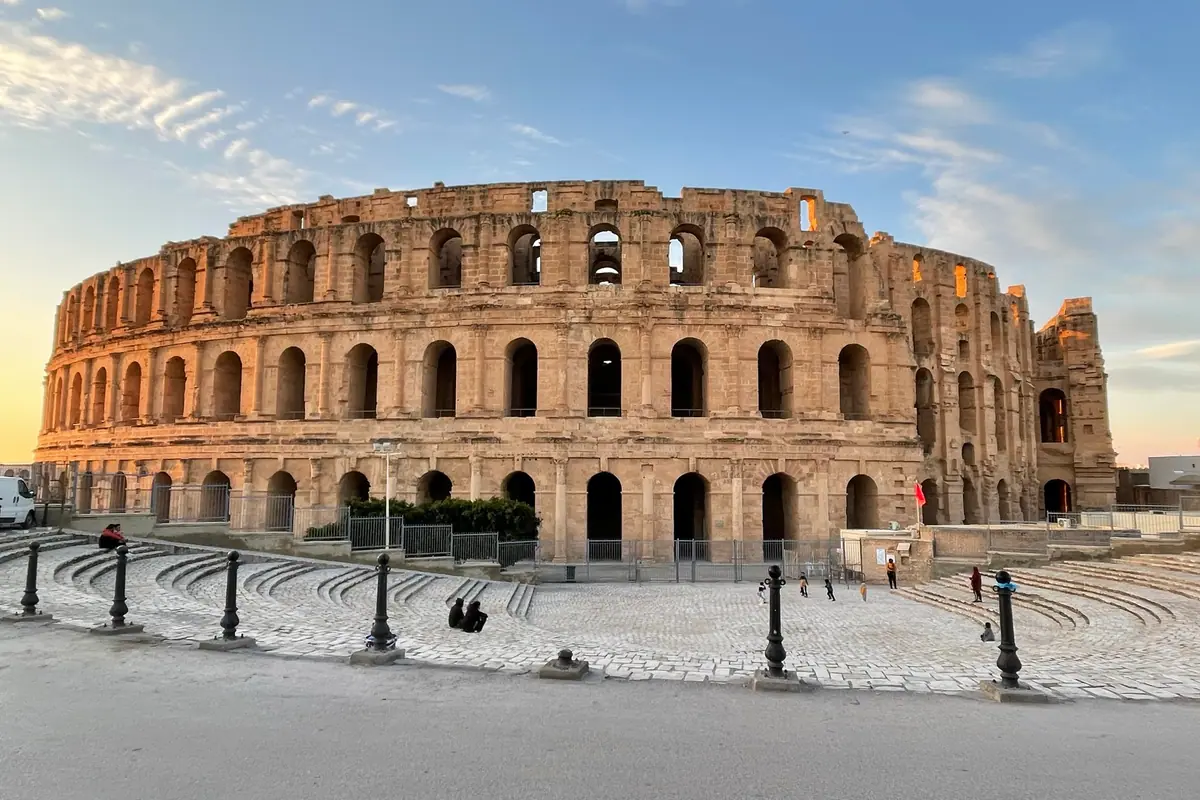
Autumn quietly rivals spring, and many seasoned visitors prefer it. The sea stays warm well into October, the summer crowds thin after the first week of September, and daytime temperatures slide back into the mid-twenties — ideal for the kind of walking that Tunisia rewards, from the vast amphitheatre of El Jem, the third-largest Roman arena ever built, to the mosaics and colonnaded streets of Sousse's medina and the hilltop Ribat with its sea views.
This is also harvest season. November brings olive picking across the Sahel and the interior, with roadside presses running and fresh oil appearing on every table, while the Cap Bon peninsula and the wetlands of Ichkeul National Park start filling with migrating birds. Rain returns to the north from late October, typically as short, heavy showers rather than all-day drizzle, so a light waterproof is worth packing even if you're mostly chasing sun.
Hotel-wise, September and October offer the best value of the year on the coast: full service, warm water, and rates noticeably below August. If you want a beach holiday with sightseeing built in, this is the window to aim for.
Winter (December to February): Desert Days and Quiet Medinas
Winter is desert season. In the south, around Tozeur, Douz and the oasis at Ksar Ghilane, daytime temperatures hover in the high teens to low twenties — perfect for camel treks, 4x4 routes across the Chott el Jerid salt pan, and exploring the troglodyte pit dwellings of Matmata and the fortified granaries of the Berber villages. Nights, though, are genuinely cold, sometimes dropping close to freezing, so desert camps need proper blankets and a real sleeping bag.
The coast and the north stay mild rather than warm, with Tunis and Sidi Bou Said often hitting 15-17°C on a sunny afternoon — pleasant for the Medina of Tunis, the Bardo Museum and day trips to Carthage, but not swimming weather, with sea temperatures around 15°C. Rain is concentrated between November and March, heaviest in the north-west around Tabarka and Ain Draham, where the cork oak forests turn properly green.
Some smaller seaside hotels close or run reduced services from December to February, particularly outside Djerba, Hammamet and Sousse. The upside is space and price: you can often walk into the great sites almost alone, and hotel rates in the low season are the lowest of the year.
Hotels by Region and Season: Where to Base Yourself
Where you sleep should follow the season. In summer, base yourself on the coast — Hammamet for a compact resort town with a kasbah right on the sand, Sousse for a medina-and-beach combination, Monastir for a quieter seafront, or Djerba for the most relaxed island feel and long, shallow beaches. In spring and autumn, split your stay: a few nights in a restored courtyard house in the Medina of Tunis or in Sidi Bou Said, then a coastal hotel, then a desert lodge in Tozeur or Douz.
In winter, flip the itinerary. Spend more nights in the south, where a handful of well-run desert hotels and tented camps operate from October to April, and keep coastal stops short and city-focused. Check whether your hotel has heating before booking a desert stay in January — many are built for heat, not cold, and a room that's perfect in April can be chilly at 6am in December.
Practical booking rhythms: reserve July and August coastal hotels two to three months out, Easter and October half-term a month or two ahead, and winter desert camps as soon as you've fixed dates, since capacity in Ksar Ghilane and around Douz is small. Half-board is common in resort hotels and often the best value, and air conditioning is standard on the coast but worth confirming inland.
Frequently asked questions
What is the best month to visit Tunisia overall?
April, May and October are the strongest all-round months. You get warm but not punishing temperatures, a sea that's swimmable from May into October, dry weather across most of the country, and comfortable conditions for the big sites like Dougga, El Jem and Kairouan.
Can you swim in Tunisia in winter?
Not comfortably. Mediterranean water temperatures drop to around 15°C between December and February, and resort pools are often unheated. Winter is better suited to the Sahara, the medinas and museums — save swimming for May through October.
How hot does Tunisia get in July and August?
Coastal resorts such as Hammamet, Sousse and Djerba usually sit in the low-to-mid thirties with a sea breeze, while inland Tunis and Kairouan can exceed 38°C. Sightsee early morning and late afternoon, and plan indoor stops like the Bardo Museum during the middle of the day.
When is the best time to visit the Sahara and the desert oases?
October to April. Days in Tozeur, Douz and Ksar Ghilane are mild and sunny, ideal for 4x4 excursions, camel treks and the Chott el Jerid. Nights from December to February get very cold, so choose a camp that provides proper bedding.
How far ahead should I book hotels in Tunisia?
Two to three months ahead for July and August on the coast, and for the last two weeks of August in particular. For spring and autumn, a month or so is usually enough, though small guesthouses in the Medina of Tunis and Sidi Bou Said fill quickly. Winter desert camps should be booked as soon as your dates are set.
Sort the rest of your trip
Everything for Tunisia, in one place
Transfer in Tunisia
Private driver waiting on arrival — no queues, no surprises.
Book a transfer
Things to do in Tunisia
Skip-the-line tickets, guided tours and standout experiences.
See experiences
Stay online in Tunisia
Travel eSIM — data the moment you land, no roaming bills.
Get an eSIMMore guides in Tunisia

Best Places to Visit in Tunisia: Medinas, Roman Ruins and Sahara Oases

Tunisia Tours: Food, Culture and Local Experiences Worth Planning Around

Best Things to Do in Tunisia: Roman Ruins, Medinas and the Sahara

Hotels in Tunisia: Where to Stay and What to See, Region by Region

One Week in Tunisia: Tunis, Kairouan, El Jem and the Sahara