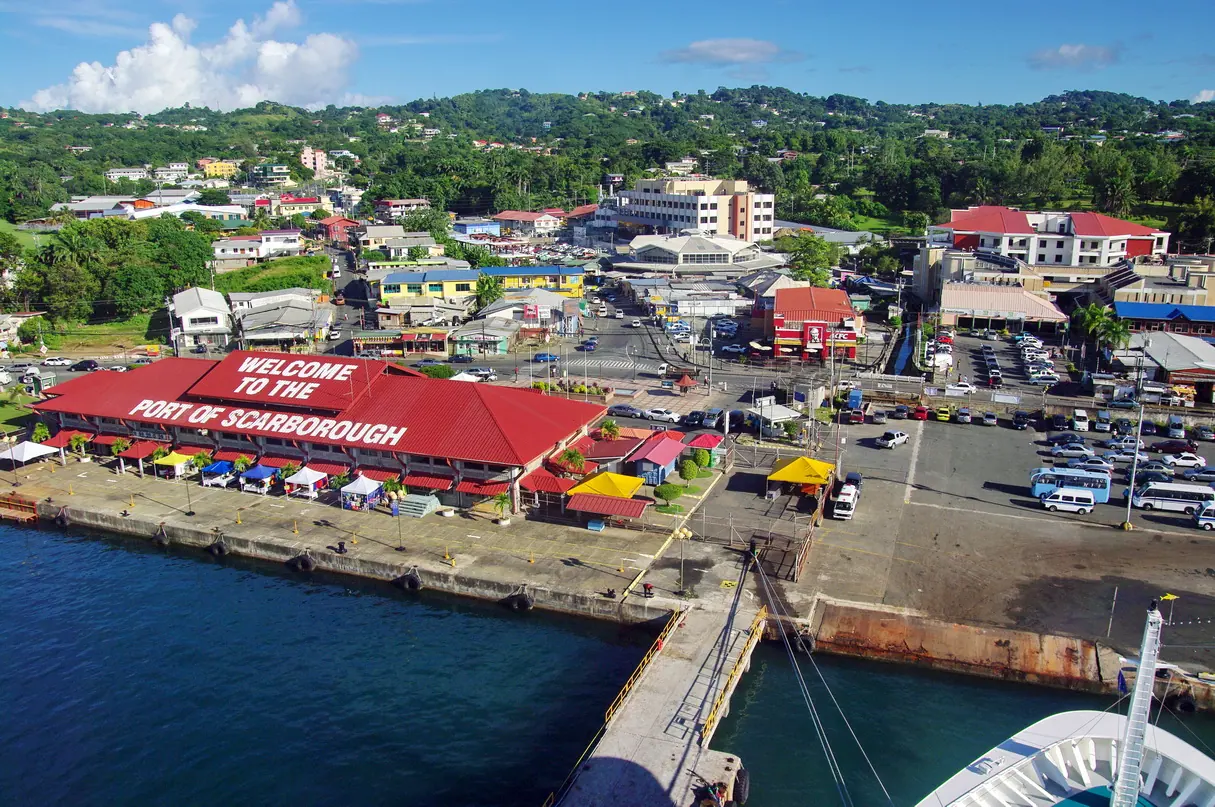
Trinidad and Tobago is really two holidays in one country: a bustling, food-obsessed island of carnival and commerce, and a sleepy sister isle of reefs, rainforest and villages where the boats still come in at dusk. Choosing the right base matters more here than almost anywhere, because the two islands are a short flight or ferry apart and each rewards a different kind of stay.
Two Islands, Two Moods: Choosing Your Base and Your Season
Trinidad is the larger, busier island, home to the capital Port of Spain, a roaring Carnival, a famous street-food culture and a landscape that runs from mangrove swamps to the forested Northern Range. Tobago, roughly 40 kilometres long, is slower and greener, ringed by coral reefs, quiet bays and fishing villages. Before comparing room types, decide which island suits your trip, because a beach resort in Tobago and a city hotel in Port of Spain deliver completely different holidays.
Timing shapes everything. The dry season from January to May brings calm seas, clearer reef visibility and the busiest rates. The rainy season runs roughly June to December, with short, heavy afternoon downpours, lush green hills and noticeably lower prices; September and October are the quietest months, when a few small guesthouses close altogether. Carnival, held in February or March depending on the church calendar, is the single biggest demand spike of the year in Port of Spain, while Divali lights up Trinidad in October or November and Tobago's Heritage Festival fills the smaller island in July.
Accommodation falls into a few clear categories: all-inclusive and mid-range resorts clustered on Tobago's southwest coast, boutique and business hotels around Port of Spain, marina-side apartments in Chaguaramas, rainforest lodges in Trinidad's Arima Valley, and simple guesthouses and self-catering cottages in Tobago's outlying villages. Match the style to how you actually plan to spend your days.
Port of Spain: Capital Stays Around Queen's Park Savannah
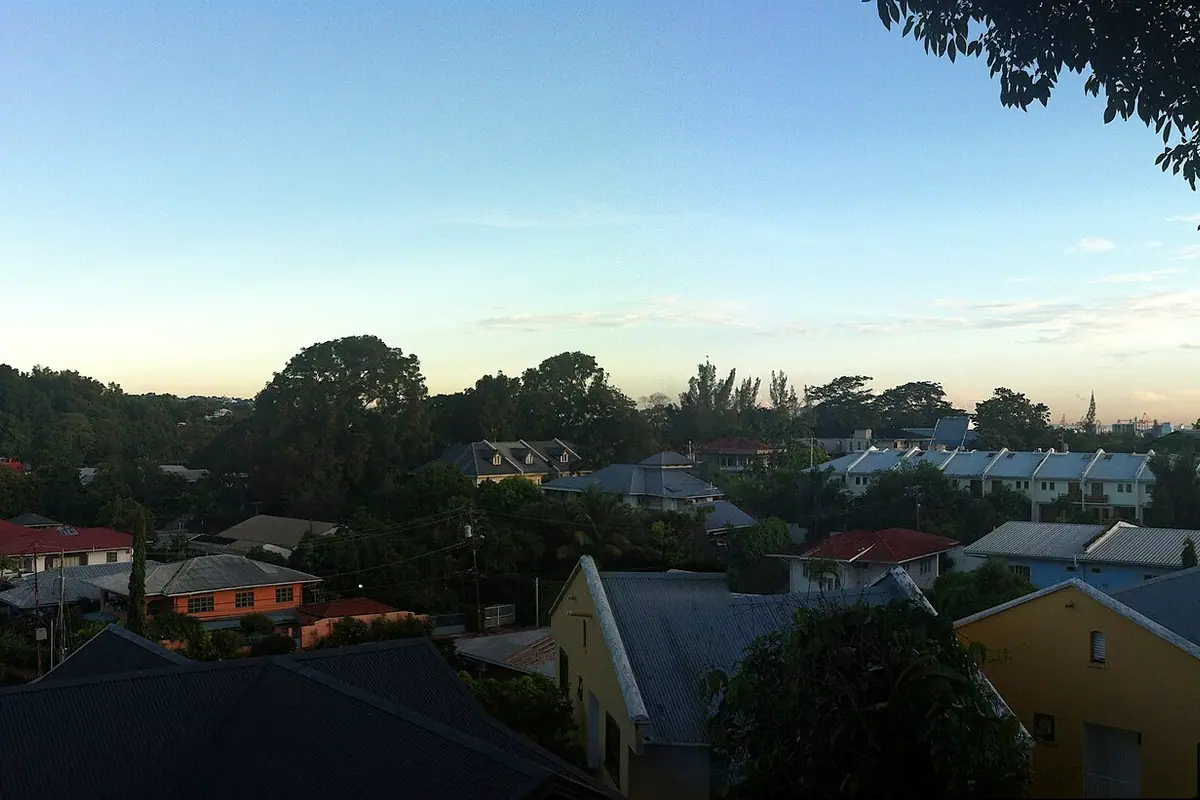
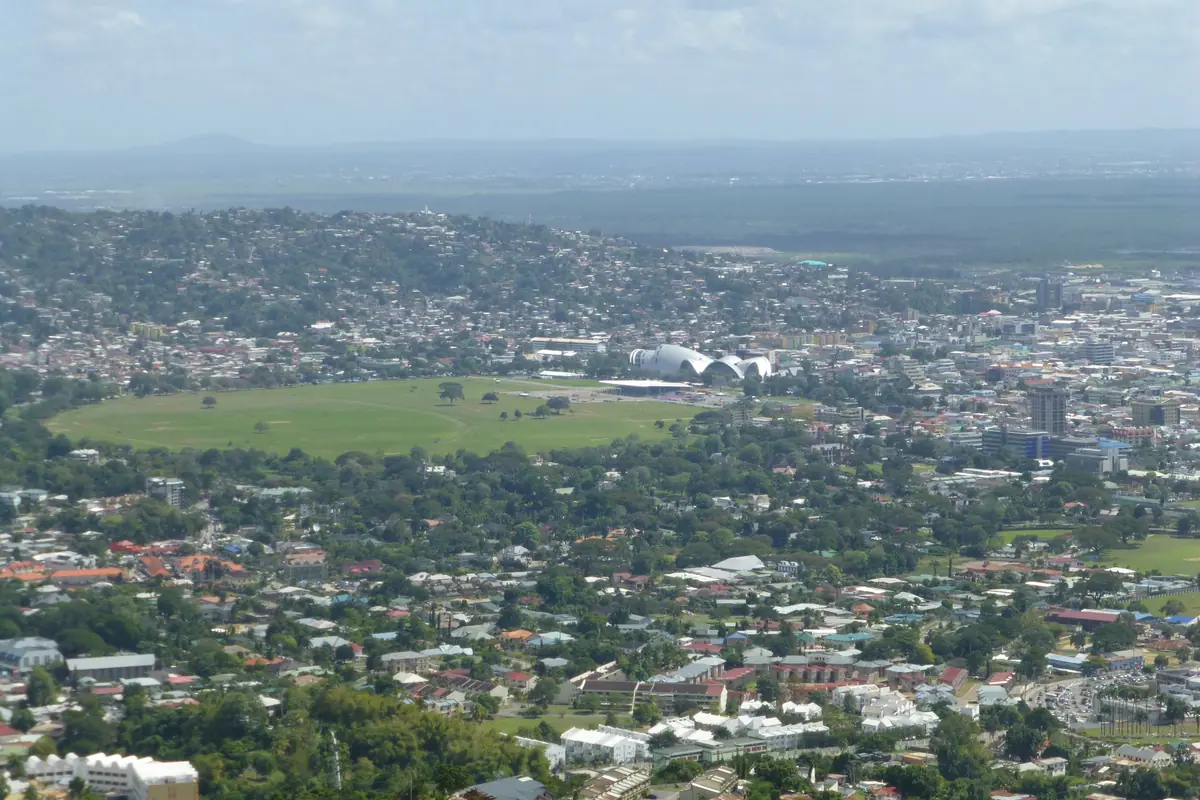
The natural anchor for a city stay is Queen's Park Savannah, a 260-acre expanse of grass ringed by a one-way road that locals cheerfully call the world's largest roundabout. Dawn joggers, kite flyers at Easter and impromptu cricket games all share the space. Along its western edge, Maraval Road is lined with the Magnificent Seven, a row of ornate early-20th-century buildings including Stollmeyer's Castle, Killarney and Queen's Royal College. Steps away are the Royal Botanic Gardens, one of the oldest in the Caribbean, the Emperor Valley Zoo and the National Museum and Art Gallery on Frederick Street, which holds a good collection of local art and history.
Hotels in St. Clair, Maraval and Woodbrook put all of this within walking distance, and Woodbrook is where the city eats and drinks after dark. Ariapita Avenue, known simply as the Avenue, strings together roti shops, doubles stands, cocktail bars and rum shops with live soca and calypso spilling onto the pavement. Staying near the Savannah also puts you close to the main Carnival judging route, which is why these rooms sell out first for February and March.
The capital is also the best launch pad for day trips. Fort George, perched above St. James, gives sweeping views across the Gulf of Paria towards Venezuela on a clear day. Mount St. Benedict Abbey in Tunapuna offers hilltop views and famously thick yogurt, and the Divali Nagar site in Chaguanas becomes the heart of the Festival of Lights. If you are in Trinidad for work, staying in the city saves you the winding drive over the Northern Range each morning.
Trinidad's North Coast and Interior: Maracas, Chaguaramas and the Wild South
Maracas Bay, about 40 minutes from Port of Spain over the Northern Range, is the island's postcard beach: a long curve of sand backed by steep forest, famous for the bake and shark stalls at its eastern end. The surf is lively here, so swim near the lifeguards and keep an eye on children. Nearby Las Cuevas and Blanchisseuse are quieter and greener, and a handful of guesthouses and villas let you wake up on the sand before the day-trippers arrive.
On the northwest peninsula, Chaguaramas is Trinidad's sailing and marina hub, with a boardwalk, a golf course and boat trips out to the islands locals call Down de Islands, including Gasparee and Monos, plus Chacachacare with its abandoned leper colony buildings and salt ponds. Marina-side hotels and serviced apartments here suit boaters and anyone who wants city access without city noise.
Inland and south, the standout sights are worth building an itinerary around. Boat tours into the Caroni Bird Sanctuary at dusk bring hundreds of scarlet ibis sweeping in to roost among the mangroves, best in the dry season. The Asa Wright Nature Centre in the Arima Valley, a former cocoa estate, has trails and verandas alive with hummingbirds. Further south, the Pitch Lake at La Brea is the largest natural asphalt lake on earth, explored on guided walks across its strange, crusted surface. Rincon Waterfall and the Nariva Swamp, where manatees and red howler monkeys live, both reward travellers who go with a local guide.
Tobago's Southwest: Crown Point, Pigeon Point and Buccoo Reef
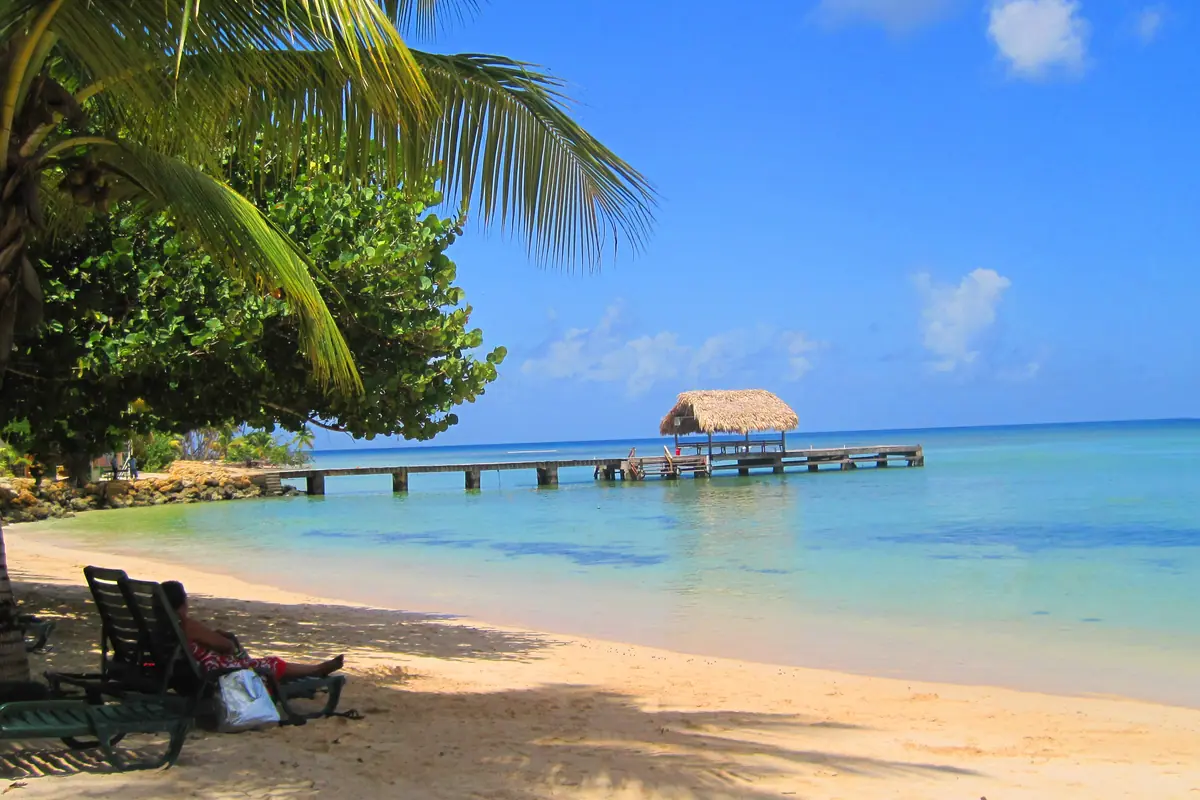
Most visitors fly into Crown Point and never stray far, which is understandable. Pigeon Point Heritage Park is Tobago's signature beach, with calm shallow water, a thatched jetty and groves of palms. Next door, Store Bay is where boats depart for Buccoo Reef and the Nylon Pool, a waist-deep sandbar in the middle of the sea where the water is almost absurdly clear. Glass-bottom boats run daily, and a mask and snorkel is the best investment of your holiday budget.
This corner of the island is resort territory: mid-range and all-inclusive properties around Crown Point, Bon Accord and Black Rock, villa rentals at Mount Irvine beside its golf course, and smaller guesthouses in Buccoo village. Buccoo's Sunday School, a weekly street party of steel pan, grilled food and dancing, happens minutes from most of these hotels and runs late into the night.
Other beaches within easy reach include Mount Irvine Bay, Grafton, Stonehaven and Back Bay. At Crown Point itself, the small clifftop remains of Fort Milford make a good sunset stop with a trail down to the water. Because Tobago's room stock is modest compared with Trinidad's, December to April bookings should be made well in advance, especially around Easter.
Tobago's Wilder North: Castara, Englishman's Bay and Speyside
Drive north and the roads narrow, the villages shrink and the hotels become guesthouses. Castara is a working fishing village with two bays, a handful of beachfront cottages and a Thursday-night bonfire; the catch arrives in the afternoon and the pace never really lifts. Englishman's Bay, a near-perfect scoop of sand hemmed in by rainforest, is one of the most photographed beaches in the Caribbean and has nothing beyond a small café. Parlatuvier and Bloody Bay continue the pattern, and Charlotteville at the northern tip looks over Man o' War Bay, a base for hikes and boat trips.
On the windward coast, Speyside is the launch point for Little Tobago, a small island reserve reached by glass-bottom boat and known for frigatebirds, boobies and excellent snorkelling. Behind the coast lies the Main Ridge Forest Reserve, protected since 1776 and often described as the oldest legally protected rainforest in the western hemisphere; the Gilpin Trace trail is a favourite with birdwatchers. Near Scarborough, Argyle Waterfall tumbles down three tiers through the forest, and Fort King George above the capital has cannons, a lighthouse and the island's museum.
Getting around Tobago takes patience: the island is only about an hour and a half from end to end, but the roads are steep and winding, and traffic drives on the left. Hiring a car gives you the freedom to reach Castara, Speyside and Englishman's Bay; taxis and maxi taxis work well if you would rather not drive. Accommodation out here is simple, sometimes solar-powered, usually with fans and mosquito nets, so adjust expectations and you will be rewarded.
Practicalities: Ferries, Cars and Booking Timing
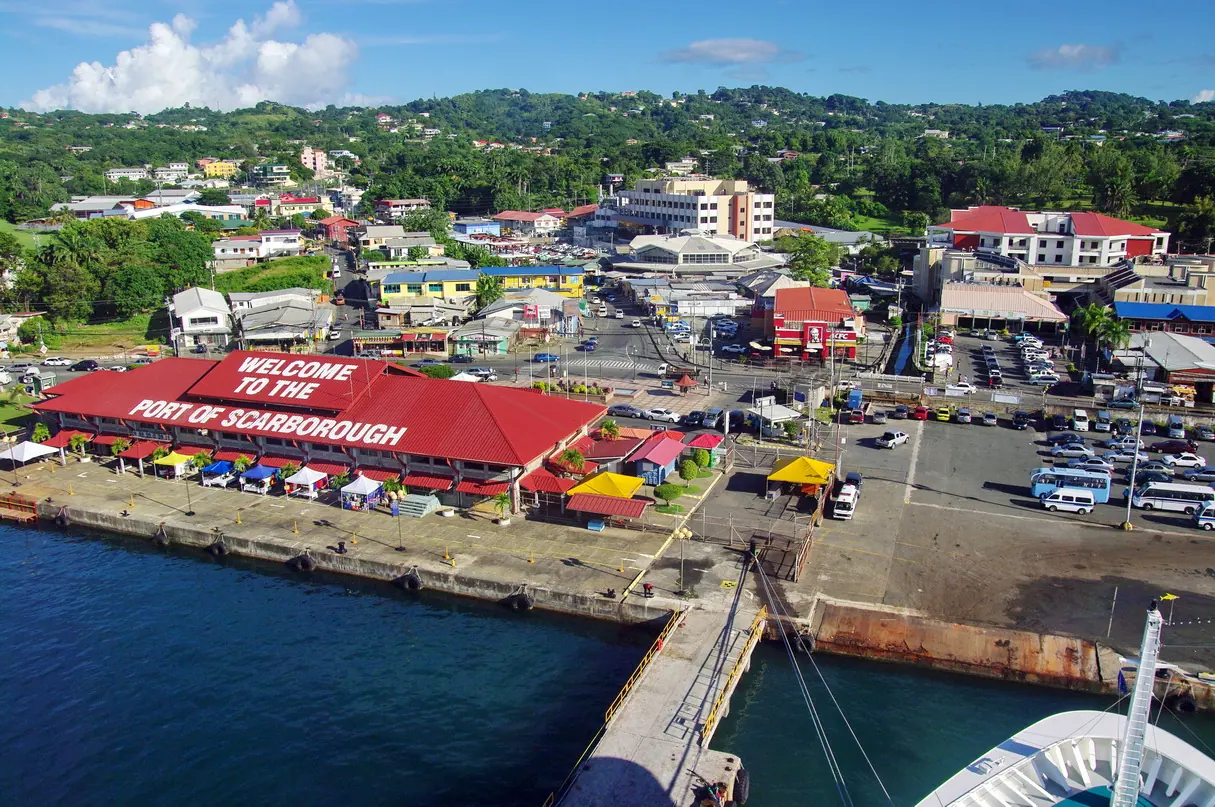
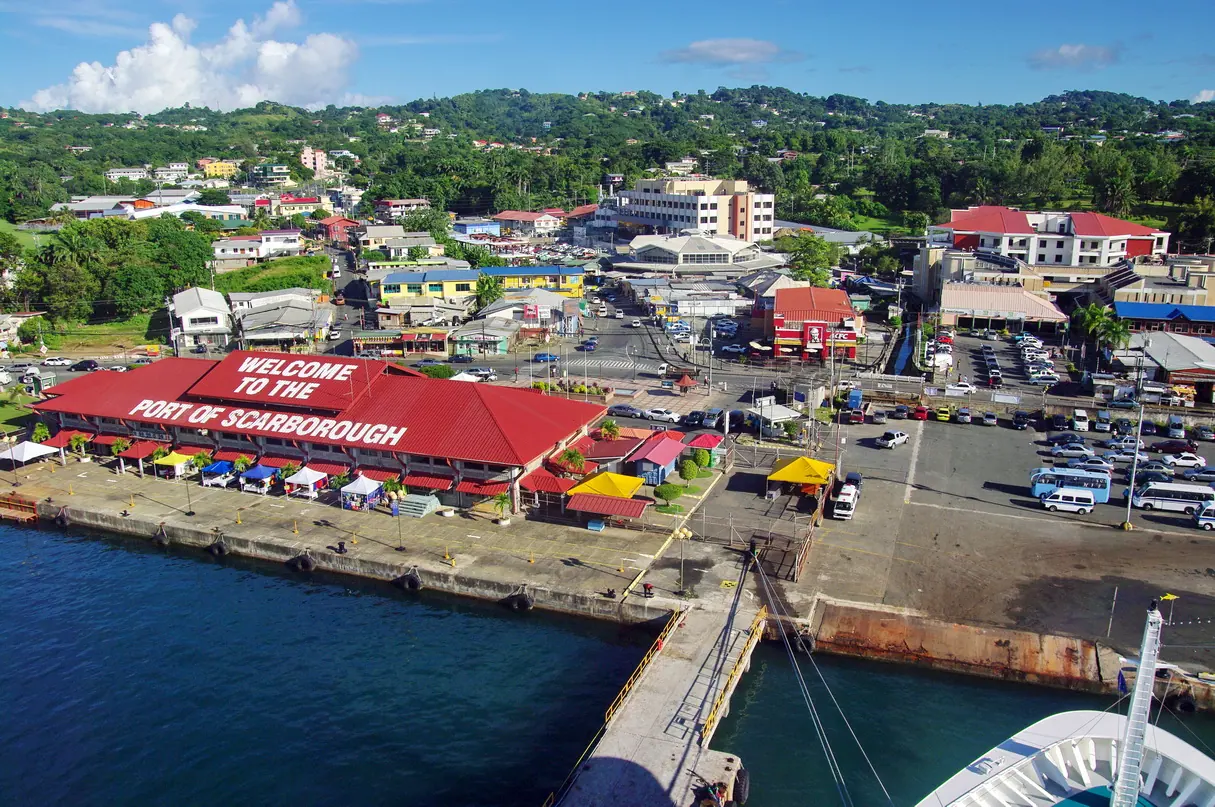
To combine both islands, a fast ferry crosses between Port of Spain and Scarborough in roughly two and a half to three hours, while a slower conventional ferry takes longer; short flights cover the same route in about 20 minutes. Ferries fill up around Carnival, Easter and school holidays, so reserve both directions as soon as your dates are fixed. If you are splitting the trip, ending in Tobago is the gentler way to finish.
Transport is straightforward once you understand it. Traffic drives on the left, and visitors need a temporary driving permit, which hire companies usually arrange as part of the rental. Trinidad's maxi taxis and route taxis are cheap and frequent, particularly in Port of Spain, while in Tobago a car genuinely changes the holiday. Ask your hotel about airport or ferry transfers before arrival, since public transport thins out after dark.
On timing and value: December to April is high season, so book three to six months ahead for Tobago and even earlier for Carnival. The wetter months from June to December bring lower rates, sudden heavy showers and a much greener landscape, with September and October the quietest of all. Travel insurance is worth having during hurricane season, even though the islands sit near the southern edge of the storm belt. As a rule, a mid-range Tobago beach hotel costs more than a comparable city hotel in Port of Spain, and self-catering cottages in the villages offer the best value on either island.
Frequently asked questions
Where should first-time visitors stay in Trinidad and Tobago?
For a first trip, base yourself in Port of Spain, ideally in St. Clair, Maraval or Woodbrook near Queen's Park Savannah, then move to Tobago's southwest coast around Crown Point if you want beach resorts and easy access to Pigeon Point, Store Bay and Buccoo Reef. Travellers seeking a quieter, more local experience often prefer village guesthouses in Castara or Charlotteville instead.
When is the best time to visit Trinidad and Tobago?
The dry season from January to May offers the calmest seas, clearest reef visibility and most reliable beach weather, which is why it is peak season. Carnival in February or March is spectacular but extremely busy in Port of Spain. The rainy season from June to December brings short heavy downpours, lower room rates and lush scenery, with September and October the quietest months.
How do you travel between Trinidad and Tobago?
A fast ferry connects Port of Spain and Scarborough in about two and a half to three hours, with a slower conventional ferry taking longer, and short flights cover the route in roughly 20 minutes. Ferries sell out around Carnival, Easter and school holidays, so book both legs early. Many visitors put Tobago at the end of their trip.
Do you need a car in Trinidad and Tobago?
In Trinidad, taxis and maxi taxis are enough if you are staying in or near Port of Spain, though a car helps for the north coast and the Pitch Lake. In Tobago, a hire car is the easiest way to reach Castara, Speyside, Englishman's Bay and Argyle Waterfall. Traffic drives on the left and visitors require a temporary driving permit, usually arranged by the rental company.
What are the must-see attractions in Trinidad and Tobago?
In Trinidad, do not miss Queen's Park Savannah and the Magnificent Seven in Port of Spain, the Royal Botanic Gardens, Maracas Bay, the Caroni Bird Sanctuary, Fort George, the Asa Wright Nature Centre and the Pitch Lake at La Brea. In Tobago, the highlights are Pigeon Point, Store Bay, Buccoo Reef and the Nylon Pool, the Main Ridge Forest Reserve, Argyle Waterfall, Little Tobago, Fort King George and the villages of Castara, Englishman's Bay and Charlotteville.
Plan it — hotels in Trinidad and Tobago
Live search, booked directly with trusted providers.
Sort the rest of your trip
Everything for Trinidad and Tobago, in one place
Transfer in Trinidad and Tobago
Private driver waiting on arrival — no queues, no surprises.
Book a transfer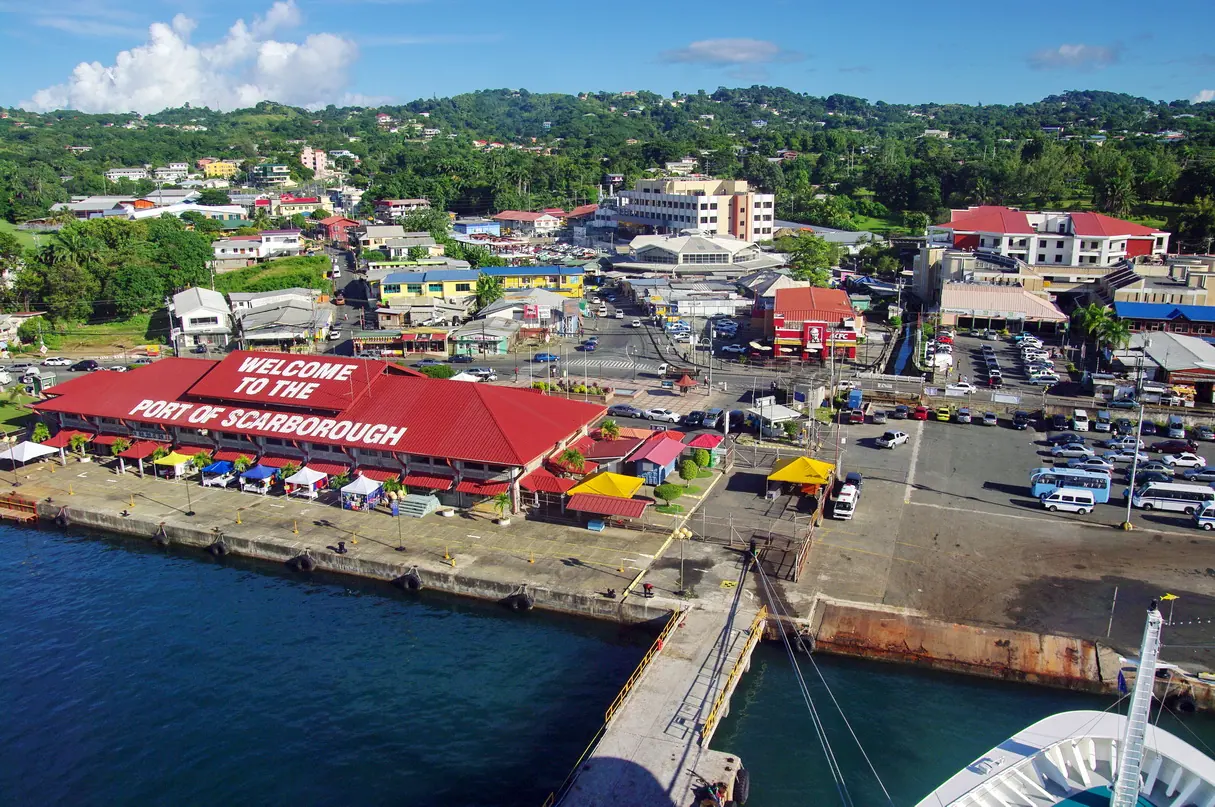
Things to do in Trinidad and Tobago
Skip-the-line tickets, guided tours and standout experiences.
See experiences
Stay online in Trinidad and Tobago
Travel eSIM — data the moment you land, no roaming bills.
Get an eSIMMore guides in Trinidad and Tobago
Best Time to Visit Trinidad and Tobago: Hotels, Weather and Carnival Timing
Top Things to Do in Trinidad and Tobago: Landmarks, Beaches and Wild Places
Trinidad and Tobago Food, Culture and Local Experiences: A Guide to the Real Islands
Best Places to Visit in Trinidad and Tobago: Beaches, Rainforest and Carnival