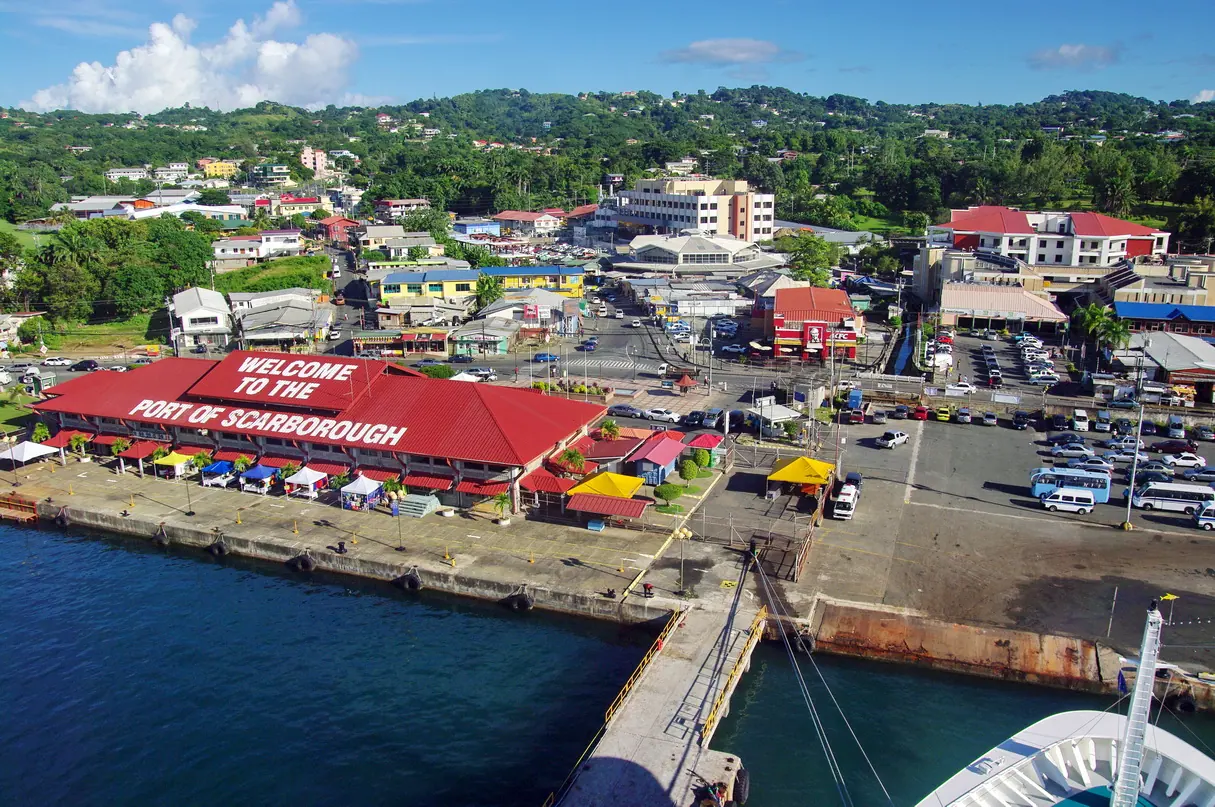
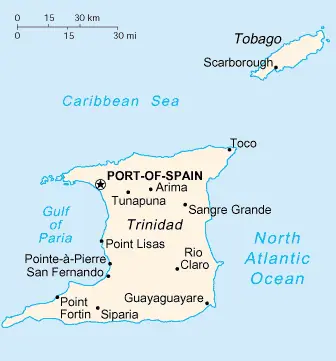
Two islands, one country, and two very different holiday rhythms: Trinidad pulses with Carnival, business travel and a busy festival calendar, while Tobago slows to the pace of reef, rainforest and rum punch on the sand. Choosing when to go matters more here than in most Caribbean destinations, because the difference between a cheap, rain-spattered week and a flawless dry-season stay can come down to a single month.
Two Islands, Two Seasons, One Windy Calendar
Trinidad and Tobago sits just off Venezuela's coast, which keeps it warm year-round (typically 25–32°C) and, unusually for the Caribbean, largely outside the main hurricane belt's worst tracks. What shapes your trip instead is the divide between the dry season, roughly January to May, and the wet season, June to December. Rain in the wet months tends to arrive as short, dramatic afternoon bursts rather than all-day drizzle, so mornings on the beach are often bright and the countryside turns a deep, glossy green.
The islands also have their own microclimates. Trinidad's Northern Range, home to the misty forests and trails above Maracas Bay, catches far more rain than Port of Spain or the flat sugar-cane plains of the Caroni region. Tobago is generally drier along its southwestern tip around Crown Point and Pigeon Point, while the windward Atlantic coast near Speyside and Charlotteville is breezier and wetter. If you're splitting your stay between the two, plan the beach-heavy Tobago half first and the city-and-culture Trinidad half second, or vice versa depending on where the trade winds are pushing.
Carnival: The Busiest — and Most Expensive — Window
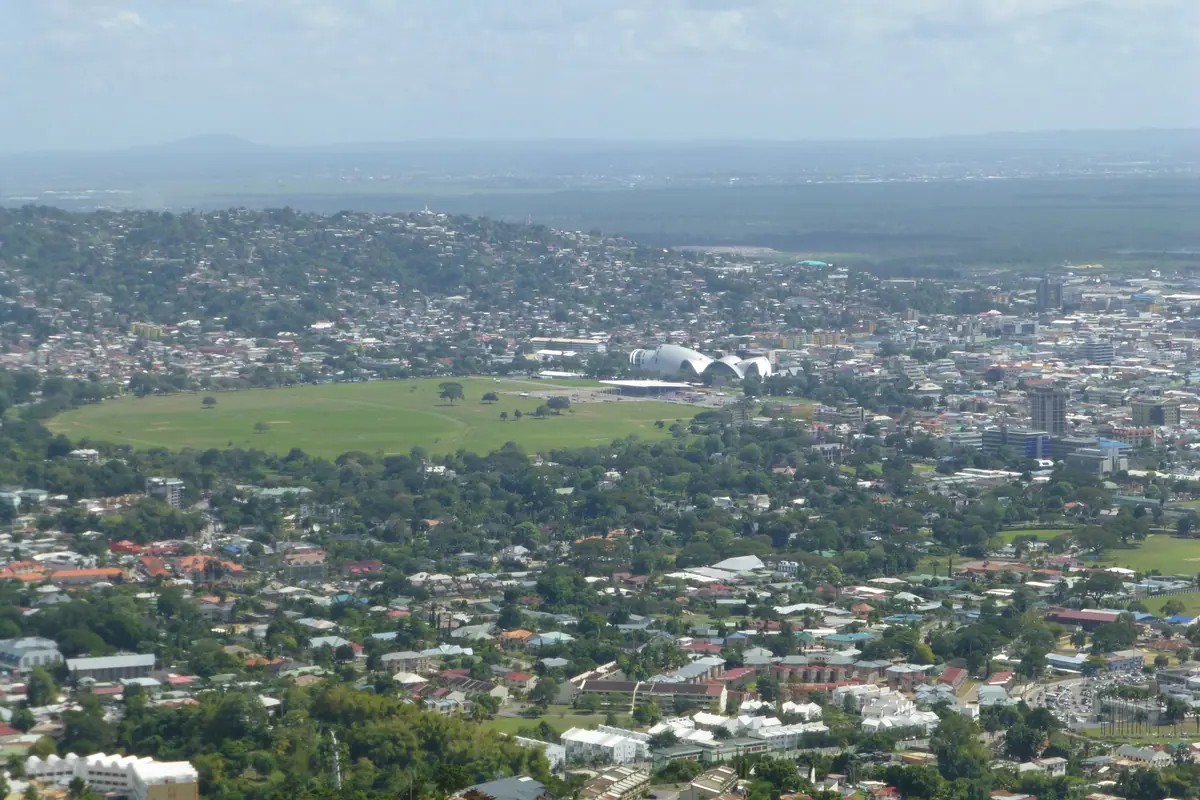
Carnival lands on the Monday and Tuesday before Ash Wednesday, which means late February in some years and early March in others. It is the single biggest driver of hotel demand in the country. Port of Spain and the surrounding neighbourhoods of Woodbrook, St Clair and Maraval fill up six to twelve months ahead, and minimum-stay requirements of four to seven nights are common. Room rates in the capital can double or triple, and the quieter guesthouses in the hills above the city are booked out by returning regulars long before the bands even release their songs.
If you want Carnival without the crush or the premium, base yourself outside the capital — Chaguaramas, San Fernando or even a Tobago guesthouse paired with a short flight or fast ferry hop over for the parades. Just be realistic about transport: road closures around Queen's Park Savannah and the Savannah Stage make walking the best way to move on the big days. Book accommodation first, flights second, and expect everything from airport transfers to restaurant tables to be stretched thin.
The flip side is that the weeks immediately after Carnival are a genuine sweet spot. The crowds vanish, the parades come down, and hotels in Port of Spain return to normal business rates while the weather is still at its driest and most reliable.
The Sweet Spot: February to May
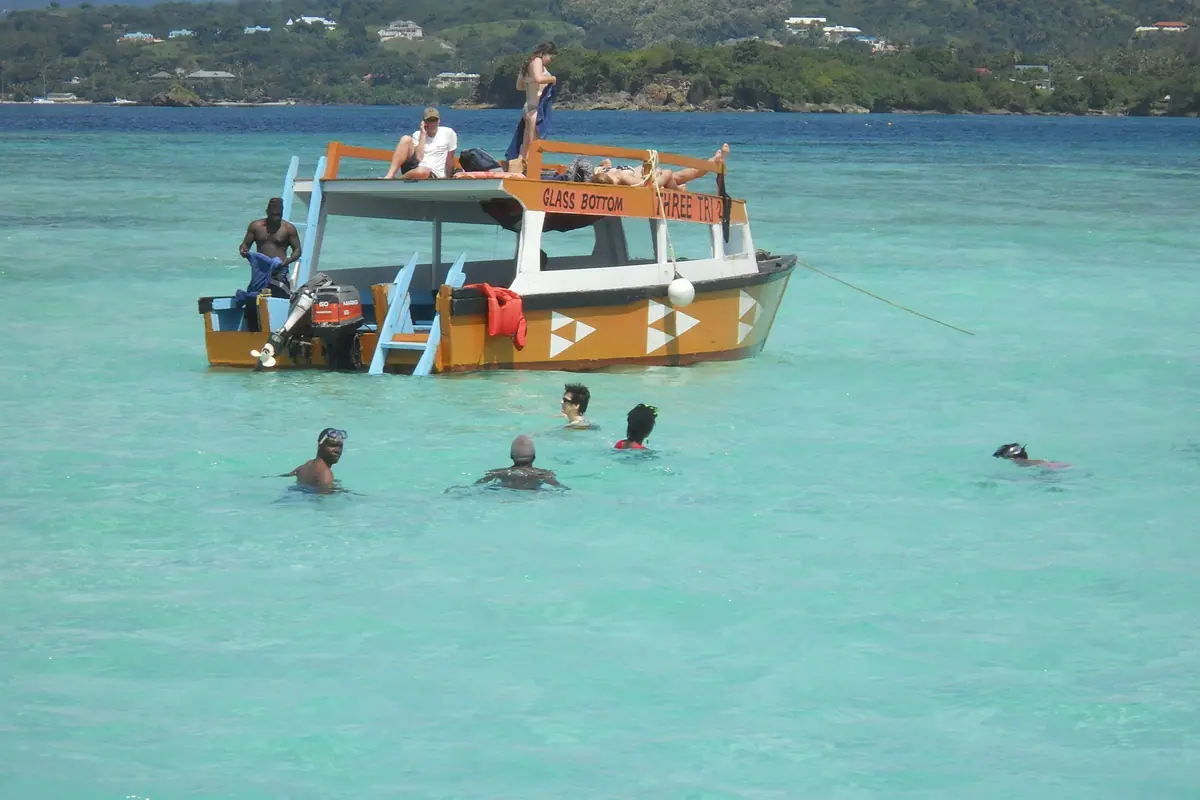
For most visitors, February through May is the ideal window. Post-Carnival February gives you dry, sunny days in the high twenties, low humidity and calm seas on the Caribbean side — perfect for the drive over the Northern Range to Maracas Bay for a bake and shark, or a boat out to the Nylon Pool and Buccoo Reef off Tobago's Pigeon Point. March and April stay dry, and the sea is warm enough for long swims without the sting of wet-season runoff.
Easter week is the one exception to the calm. Tobago's Easter Tuesday goat and crab races at Buccoo draw a huge local crowd, and Trinidad's beaches at Las Cuevas and Blanchisseuse get busy with families. Book Tobago accommodation well ahead for that long weekend, and be aware that some restaurants and shops close on Good Friday and Easter Sunday.
May bridges the gap before the rains. Hotel prices soften slightly, the countryside is still green from the tail of the dry season, and you can hike the Main Ridge Forest Reserve in Tobago or tackle Trinidad's Northern Range trails without wading through mud. It's a forgiving month for travellers who want good weather without peak-season pricing.
The Wet Season: Cheaper Rooms, Wilder Landscapes
June to December is green season, and it's when the best value appears. Rates at beachfront resorts in Tobago's Crown Point and Black Rock, and at city hotels in Port of Spain, drop noticeably from June through November, with September and October — the height of the rainy months — offering the deepest discounts. You'll dodge the crowds entirely at places like Store Bay and Mount Irvine, though some smaller guesthouses on the quieter north coast shut for refurbishment during this period.
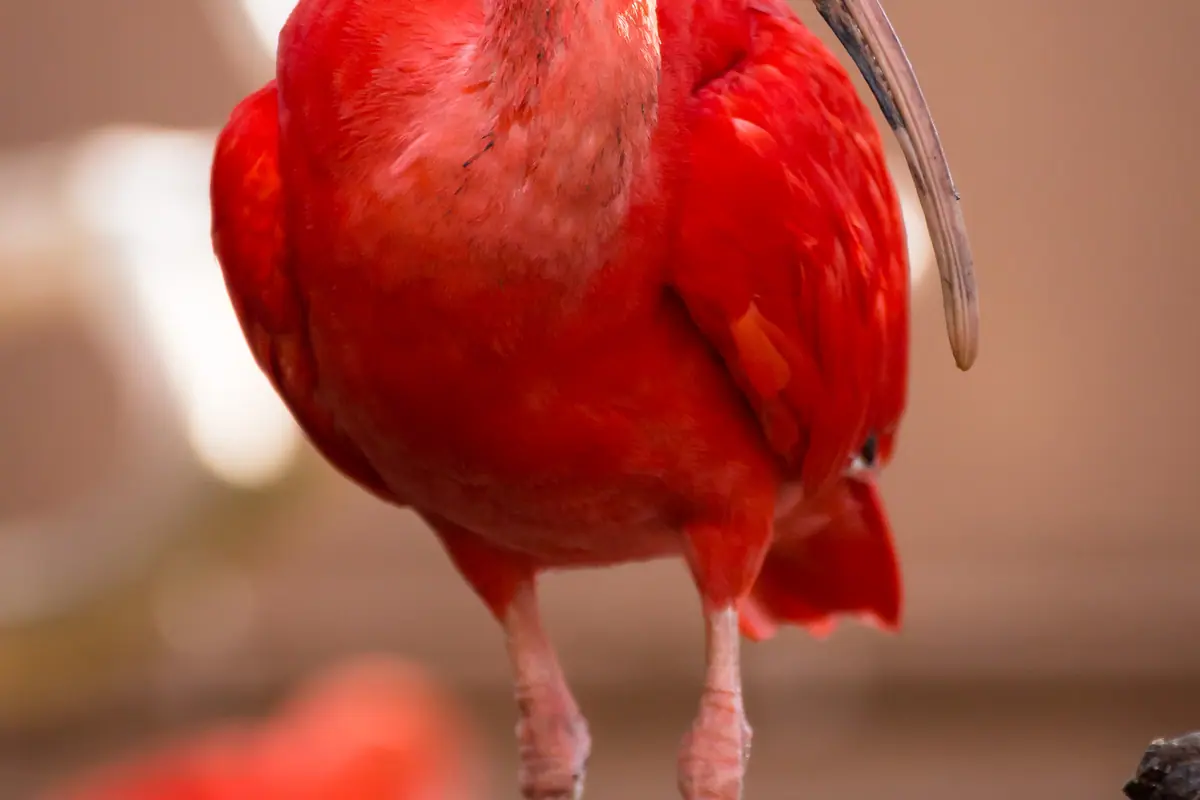
The rain isn't a dealbreaker if you plan around it. Mornings are frequently clear, so schedule boat trips to Little Tobago, snorkelling at Buccoo Reef or hikes to Argyle Waterfall early, and keep afternoons for rum shops, the National Museum and Art Gallery in Port of Spain or the stalls of the Savannah. The wettest stretches also coincide with the most dramatic scenery: Trinidad's Caroni Swamp turns lush, and the scarlet ibis roost at dusk remains one of the country's unmissable sights year-round.
Hurricane season technically runs June to November, and although Trinidad and Tobago usually escapes direct hits, tropical storms can still bring heavy swell and ferry cancellations between the islands. Travel insurance and a flexible itinerary are worth more here than a slightly cheaper room.
Culture Month by Month: Divali, Emancipation and Tobago's Festivals
Timing your stay around a festival is one of the best reasons to visit. Divali, the Hindu festival of lights, falls in October or November and transforms Trinidad's Temple in the Sea at Waterloo and the towering Hanuman Murti near Carapichaima into seas of flickering deyas — an experience you won't find elsewhere in the Caribbean. August 1 brings Emancipation Day celebrations and the accompanying street parades, while July and August host Tobago's Heritage Festival, with folk dancing and storytelling across Scarborough and the villages.
Musically, April's Tobago jazz weekend and August's Great Race powerboat event between Trinidad and Tobago both push up demand for beds in Crown Point and Chaguaramas respectively. If a festival is your anchor, book accommodation the moment the dates are confirmed, then build the rest of the trip around it. If you'd rather keep things spontaneous, avoid the festival weeks and you'll find Trinidad and Tobago's hotels remarkably easy to book at short notice.
Trinidad's Hosay commemorations, held during the Islamic month of Muharram and moving each year, add another layer of colour, particularly in the crowded streets around St James. These are living community festivals, not staged tourist shows — bring your camera, but ask before photographing people at prayer or in procession.
When the Weather Suits Each Island's Must-See Sights
Some sights genuinely reward a particular season. The Pitch Lake at La Brea, the world's largest natural asphalt lake, is best walked in the dry months when the surface is firm rather than slick. In Trinidad's capital you'll want a clear day for the view from Fort George above St James, the Royal Botanic Gardens and the Magnificent Seven mansions along the edge of Queen's Park Savannah — all far more pleasant in the dry-season breeze than in humid wet-season heat.
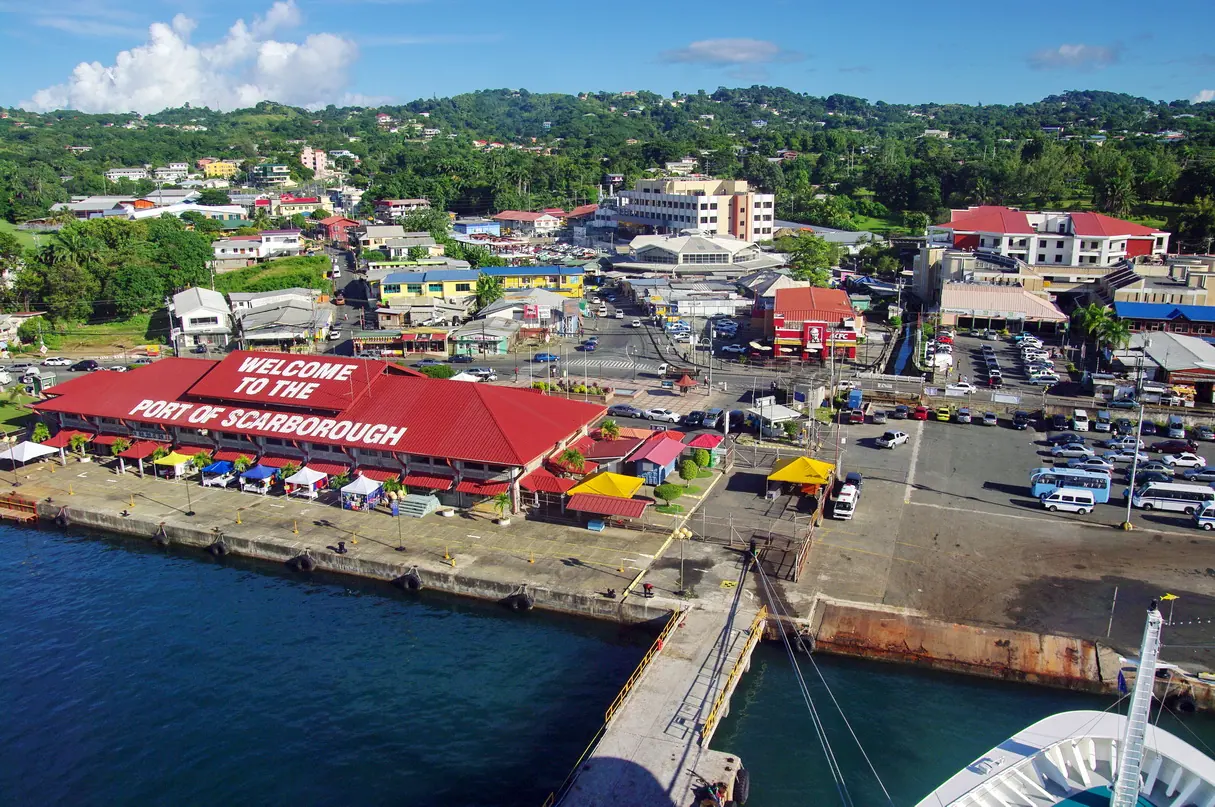
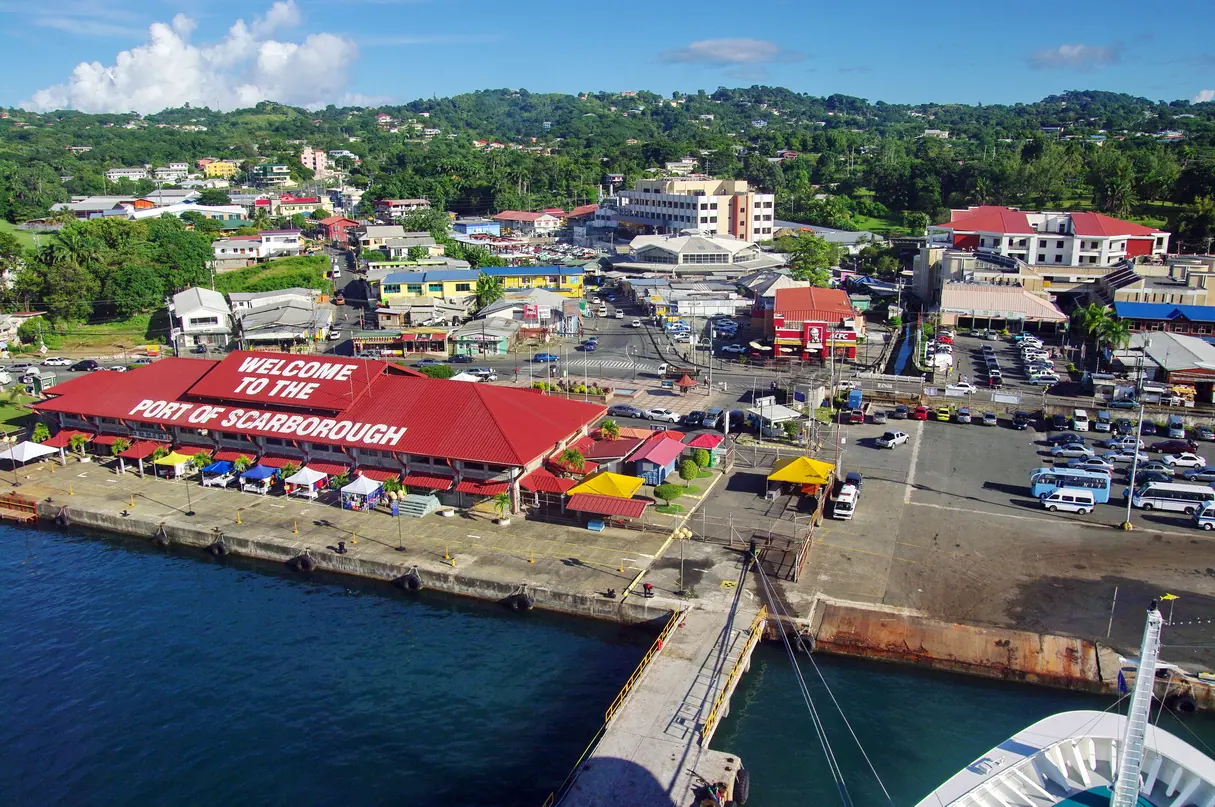
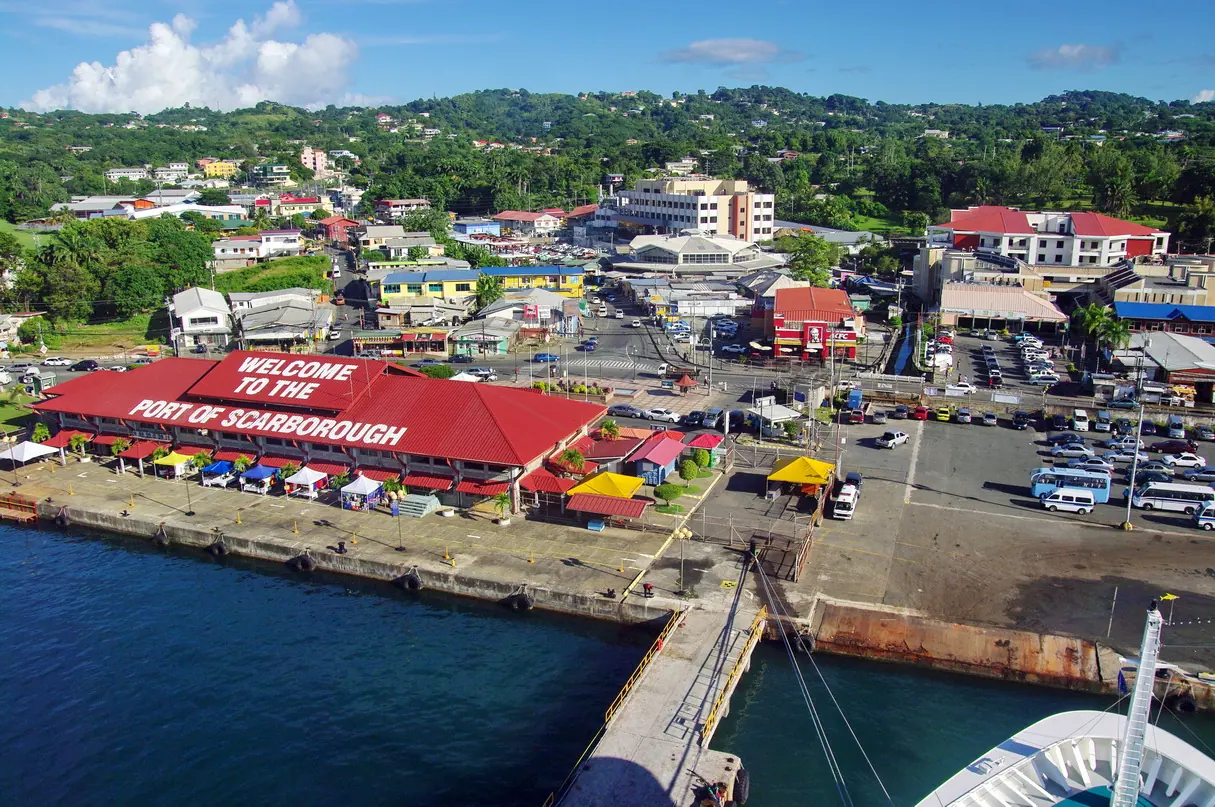
In Tobago, the dry months from January to May are ideal for the glass-bottom boats out to Buccoo Reef and the sandbar at Nylon Pool, for snorkelling trips to Little Tobago, and for the short but steep trail to Argyle Waterfall, which runs heavier and muddier after rain. Pigeon Point Heritage Park, with its jetty and palm-lined shallows, is at its postcard best then, as is the view down over Scarborough from Fort King George.
Shoulder months bring their own compensations. The Main Ridge Forest Reserve, one of the oldest protected rainforests in the western hemisphere, is at its most alive in the wet season, and birders visiting Trinidad's Asa Wright Nature Centre and Nariva Swamp on the east coast often prefer the breeding months for sightings. Whichever season you choose, pack light rain gear, reef-safe sunscreen and insect repellent — mosquitoes are a year-round reality, and worst just after heavy rain.
Frequently asked questions
What is the best month to visit Trinidad and Tobago?
February to May is the sweet spot. The dry season is in full swing, humidity is lower, seas are calm for trips to Buccoo Reef and the Nylon Pool, and hotel prices settle back to normal once Carnival week is over.
Is it worth visiting during the wet season?
Yes, if you want lower rates and fewer people. Rain usually comes as short afternoon downpours between June and December, with September and October the wettest. Mornings are often clear, and many north-coast guesthouses close for refurbishment, so check opening dates before booking.
How far ahead should I book a hotel for Carnival?
Six to twelve months ahead for Port of Spain and nearby Woodbrook, St Clair and Maraval. Many properties impose minimum stays of four to seven nights during Carnival, and rates in the capital can double or triple compared with the rest of the year.
Which island is better for a beach-focused hotel stay?
Tobago, particularly around Crown Point, Black Rock and Pigeon Point, where calm Caribbean water and reef trips are on your doorstep. Trinidad suits city stays in Port of Spain with day trips to Maracas Bay, Las Cuevas and the Northern Range.
Do hurricanes affect Trinidad and Tobago?
The islands sit near the southern edge of the Atlantic hurricane belt and rarely take a direct hit, but tropical storms between June and November can bring heavy swell and disrupt ferry crossings between the two islands. Flexible bookings and travel insurance make the wet season much less stressful.
Plan it — hotels in Trinidad and Tobago
Live search, booked directly with trusted providers.
Sort the rest of your trip
Everything for Trinidad and Tobago, in one place
Transfer in Trinidad and Tobago
Private driver waiting on arrival — no queues, no surprises.
Book a transfer
Things to do in Trinidad and Tobago
Skip-the-line tickets, guided tours and standout experiences.
See experiences
Stay online in Trinidad and Tobago
Travel eSIM — data the moment you land, no roaming bills.
Get an eSIMMore guides in Trinidad and Tobago
Trinidad and Tobago Hotels: Where to Stay on Each Island
Top Things to Do in Trinidad and Tobago: Landmarks, Beaches and Wild Places
Trinidad and Tobago Food, Culture and Local Experiences: A Guide to the Real Islands
Best Places to Visit in Trinidad and Tobago: Beaches, Rainforest and Carnival