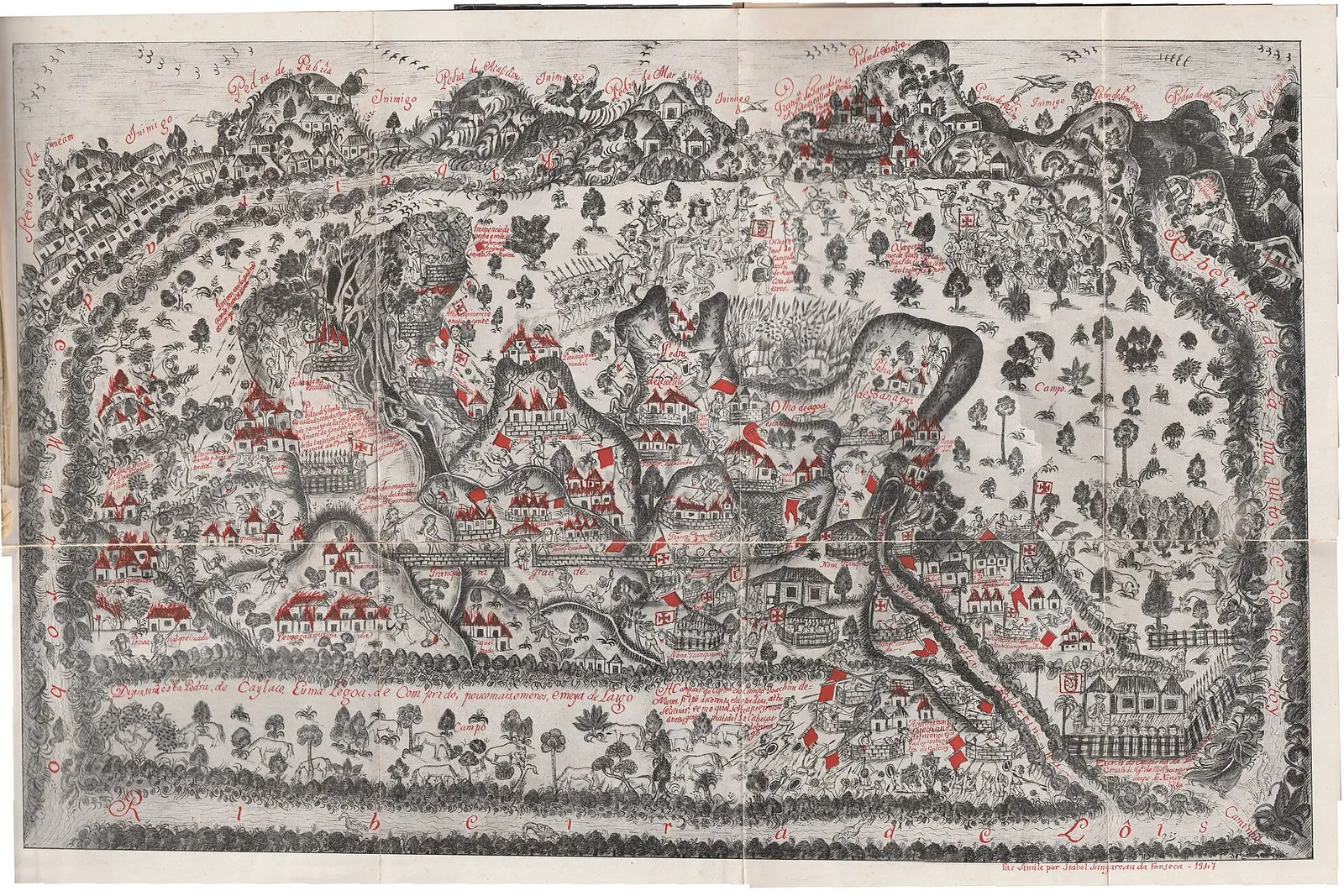
Timor-Leste is small enough to cross in a long day's drive and varied enough that where you sleep changes what you see. Base yourself on Dili's bay for the museums and the statue on the cape, climb into the cool coffee highlands, or take a boat to an island where the nearest neighbour is a reef wall. This guide maps the country's accommodation by region, and the landmarks that make each base worth the journey.
Dili: Where Nearly Every Timor-Leste Trip Begins
Almost every visitor lands at Presidente Nicolau Lobato International Airport on the edge of Dili, and most spend their first nights in the capital while they find their feet. The city curls around a wide bay, and its accommodation follows the coastline. Backpacker-style guesthouses cluster in Bairro Pite and Fatuhada, a short ride inland, where rooms are simple, fans hum through the night and the streets fill with warung-style eateries. Move east along the water through Lecidere and Bidau and you hit the mid-range and business hotels, many of them within walking distance of the seafront promenade, the cathedral and the main restaurant strip.
Keep going east towards Metiaut and the character changes again. Here the bay bends towards Cape Fatucama, the palms thicken, and a handful of larger properties sit close to Areia Branca, the white-sand beach where Dili residents swim at weekends. Staying out here means trading walkability for sea views and quiet; you will want a car or a reliable driver.
Wherever you settle, Dili is compact. Nothing in the centre is more than about fifteen minutes from the airport, and most trips around town take ten to twenty minutes by taxi or microlet. The trade-off is heat: the coastal flats are humid year-round, while hillside suburbs such as Fatuhada catch a little more breeze and a little less traffic noise.
The Landmarks That Anchor a Stay in the Capital
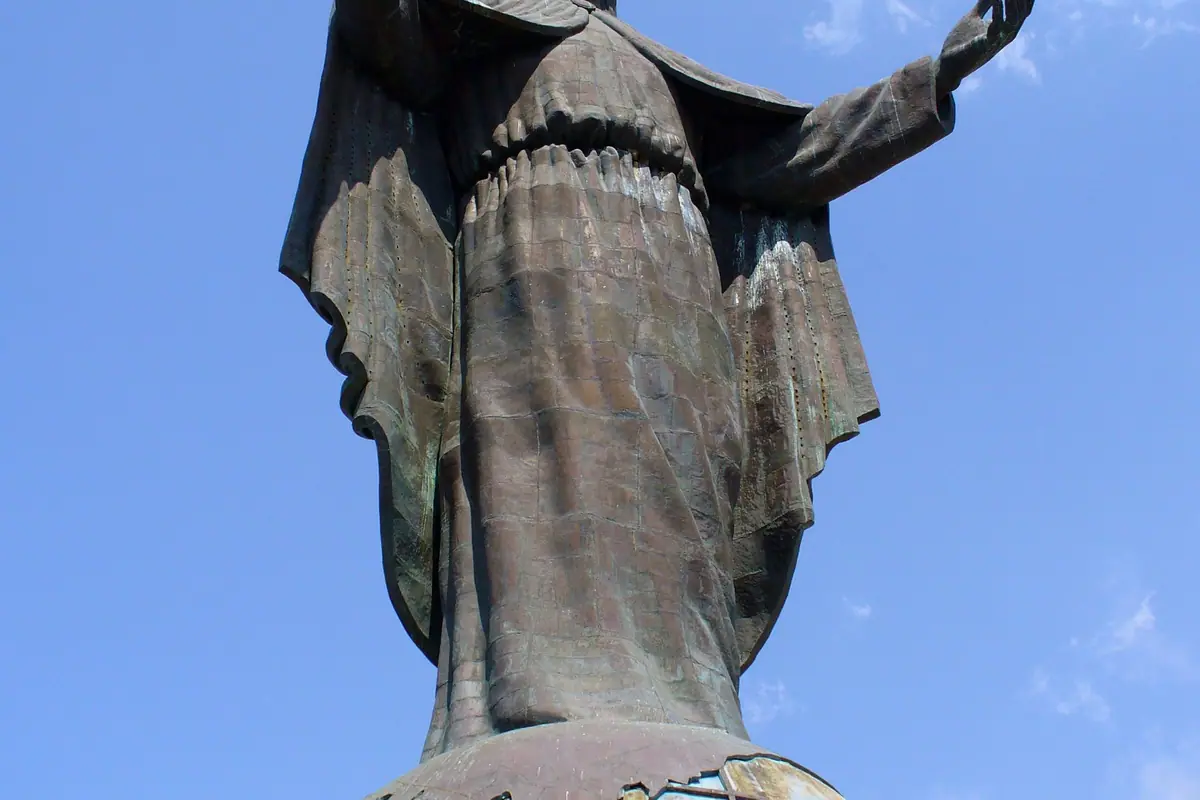
The single most recognisable sight in the country is the Cristo Rei of Dili, a towering figure of Christ standing on a globe at the tip of Cape Fatucama, east of the city. You reach it by a long staircase cut into the hillside, with the bay opening out behind you and the reef visible through clear water below. It is a twenty-minute drive from central Dili and easily combined with a swim at Areia Branca on the way back.
In town, the Arquivo & Museu da Resistência Timorense occupies the old colonial-era prison building and traces the long occupation and independence struggle through photographs, documents and personal effects. Nearby, Santa Cruz Cemetery is a place of quiet pilgrimage, marked by the events of 1991 that turned world attention towards the island. A few blocks away, the Immaculate Conception Cathedral raises three slender spires above the waterfront, close to the palatial Government Palace and the old Portuguese-era administrative buildings that give central Dili its faded, ornate skyline.
Leave time for the Tais Market, where weavers sell the intricately patterned cloth that is one of the country's proudest crafts, and for the waterfront itself, which fills with food stalls and families as the sun drops. If you dive, Dili Rock, just west of the city, is the classic introduction to the reefs that make this coastline famous.
Highland Guesthouses and Colonial-Era Stays Beyond the Capital
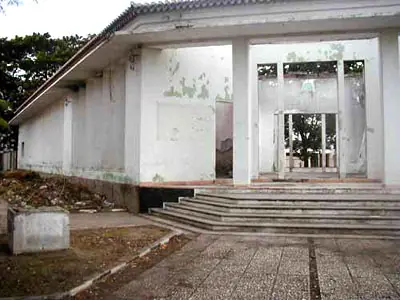
Timor-Leste's second city, Baucau, sits about three hours east of Dili along a road that climbs through eucalyptus and then drops into a valley of rice fields. The old town is the draw: crumbling Portuguese arcades, a lively morning market, and a ridge-top pousada in a colonial building with views across the valley to the sea. Below town there is a black-sand beach, and hot springs sit a short drive away. Guesthouses here are modest but genuinely welcoming, and the cool evening air after Dili's humidity feels like a small holiday in itself.
Further inland, Maubisse sits at around 1,400 metres in the coffee-growing highlands, where mornings are misty and the Sunday market draws farmers from the surrounding ridges. It is the natural base for climbing Mount Ramelau, also called Tatamailau, the country's highest peak at 2,963 metres. Most hikers overnight in the village of Hatobuilico, start before dawn and reach the summit statue in time for sunrise over the whole island.
The Ermera and Gleno districts, west of Dili, offer a similar change of climate among coffee plantations and mountain roads, with small family-run lodgings rather than formal hotels. On the south coast, Same and Suai provide plain but functional rooms for travellers heading between the north and the Timor Sea, and Suai's cathedral is worth a stop on the way.

Atauro Island: Eco-Lodges, Homestays and Reef Life
Atauro rises out of the Wetar Strait roughly 25 kilometres north of Dili, and getting there is part of the appeal: a passenger boat crossing of a couple of hours, or a faster private crossing in good weather. The island has no large resorts. Instead you find small eco-lodges and community-run guesthouses in villages such as Vila, Beloi, Makili, Biqueli and Berau, some with solar power, bucket showers and meals cooked by the family who owns the land.
What brings people here is the water. The reefs around Atauro are extraordinarily rich, with walls, coral gardens and an abundance of fish within a short swim of shore. Snorkellers can see plenty without a tank; divers tend to stay a week and still not run out of sites. Between roughly October and November, the strait becomes a corridor for migrating whales and dolphins, and boats go out specifically to find them.
On land, trails link the coastal villages and climb towards Mount Manucoco, the island's rugged high point. Book homestays ahead where you can, bring cash because there are no ATMs, and expect seafood, rice and whatever is growing in the garden. This is the side of Timor-Leste that surprises people most.
The Wild East: Base Camps for the National Park and Jaco Island
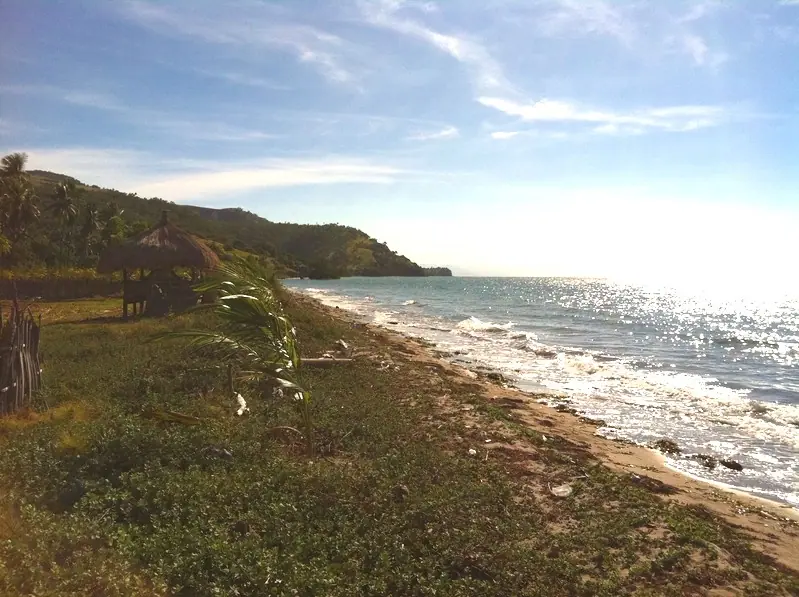
The far eastern tip of the island is protected as Nino Konis Santana National Park, a mosaic of monsoon forest, savannah, coral coastline and traditional land. Lospalos, known locally as the land of the rising sun, is the main town and the usual overnight stop, with simple guesthouses and a market worth wandering. From here the road continues to Tutuala and down to Valu Beach, where basic camping and community-run huts put you within sight of the sea.
Jaco Island lies just offshore, uninhabited and fringed with white sand and clear water. Local custom treats it as sacred, so visitors are asked to treat it with restraint: no fishing, no removing anything, no disturbing the reef. Boats run from the beach at Valu, and most people go for a few hours rather than a full day. Inland, Lake Ira Lalaro is the country's largest lake, ringed by grassland and birdlife, and the hot springs and caves scattered through the park reward anyone with a vehicle and patience.
On the south coast, the old Portuguese bathing pools at Marobo, near Maliana, and the whitewashed 18th-century fort at Maubara in Liquiçá are both easy additions to a westward loop. Both have small local lodgings nearby, though neither has anything approaching a large hotel.
Practical Pointers: When to Go, What to Bring, How to Book
The dry season runs roughly from May to November and is by far the easiest time to travel: roads hold up, reef visibility improves late in the season, and the highlands are cool rather than muddy. The wet season, December to April, brings heavy afternoon downpours, washed-out rural roads and a real chance of being stuck somewhere for a day. On the coast it stays hot and humid in every month, so pack light, breathable clothing and a decent rain shell regardless.
Outside Dili, accommodation is limited and booking rarely happens through the big international platforms. Many guesthouses and eco-lodges take reservations by phone, email or message, and community tourism associations on Atauro and in the east can arrange homestays. Confirm your bed before you set off, especially around national holidays such as 20 May and 30 August, when Dili's hotels fill up with visitors and officials. The currency is the US dollar, with locally minted centavo coins; ATMs exist in Dili and a few larger towns, but carry cash for the districts. Power is 220 volts with European-style two-pin plugs, and outages are common enough that a torch and a power bank are worth packing.
Travelling between regions means either hiring a four-wheel drive, which you drive on the left, or hiring a driver for the day or the week. Distances look short on a map and rarely feel that way. Give yourself three hours for Dili to Baucau, three or more to Same, and five to six hours to reach Lospalos. Many nationalities can obtain a visa on arrival at Dili's airport, but rules change, so check before you fly. Bring mosquito repellent, drink bottled or filtered water, and remember that rural Timor-Leste is conservative: dress modestly away from the coast and ask before photographing people or ceremonies.
Frequently asked questions
What is the best time of year to visit Timor-Leste?
The dry season from May to November is the most comfortable and reliable window, with the clearest diving from around September to November. December to April is the wet season, when rural roads can become impassable and travel plans need slack built into them. The coast stays hot and humid year-round, so pack accordingly whatever month you choose.
Are there international-standard hotels in Timor-Leste?
Yes, but almost all of them are in Dili, concentrated along the bay between Lecidere, Bidau and the eastern stretch towards Areia Branca beach. Outside the capital you will find guesthouses, colonial-era pousadas, eco-lodges and family homestays rather than large hotels, and standards vary widely.
How do I get to Atauro Island and where should I stay?
A passenger boat crosses from Dili in roughly two hours, and faster private crossings are possible in good weather. Accommodation is in community-run guesthouses and small eco-lodges in villages such as Vila, Beloi and Makili. Book ahead, bring cash since there are no ATMs, and expect simple rooms, shared bathrooms and excellent snorkelling straight off the beach.
Is it easy to travel outside Dili?
It is rewarding but slow. Roads wind through mountains, and a trip that looks short on a map can take half a day. Most visitors hire a four-wheel drive or a local driver, drive on the left, and break long journeys with overnight stops in Baucau, Maubisse or Same. Carry cash, water and a sense of patience.
What should I know about money and electricity before booking?
Timor-Leste uses the US dollar alongside locally issued centavo coins, and ATMs are largely confined to Dili and a few larger towns, so cash matters in the districts. Electricity is 220 volts with European-style two-pin plugs, and short power cuts are common, so a torch, a power bank and a willingness to go with the flow are all useful.
Plan it — hotels in Timor-Leste
Live search, booked directly with trusted providers.
Sort the rest of your trip
Everything for Timor-Leste, in one place
Transfer in Timor-Leste
Private driver waiting on arrival — no queues, no surprises.
Book a transfer
Things to do in Timor-Leste
Skip-the-line tickets, guided tours and standout experiences.
See experiences
Stay online in Timor-Leste
Travel eSIM — data the moment you land, no roaming bills.
Get an eSIMMore guides in Timor-Leste
Timor-Leste in One Week: Flights, Dili Landmarks and Atauro Island
Best Things to Do in Timor-Leste: Landmarks, Mountains and Island Escapes
Best Time to Visit Timor-Leste for Hotels: Seasons, Rates and Sights
Timor-Leste Tours: Food, Culture and Local Experiences Across Asia's Youngest Nation