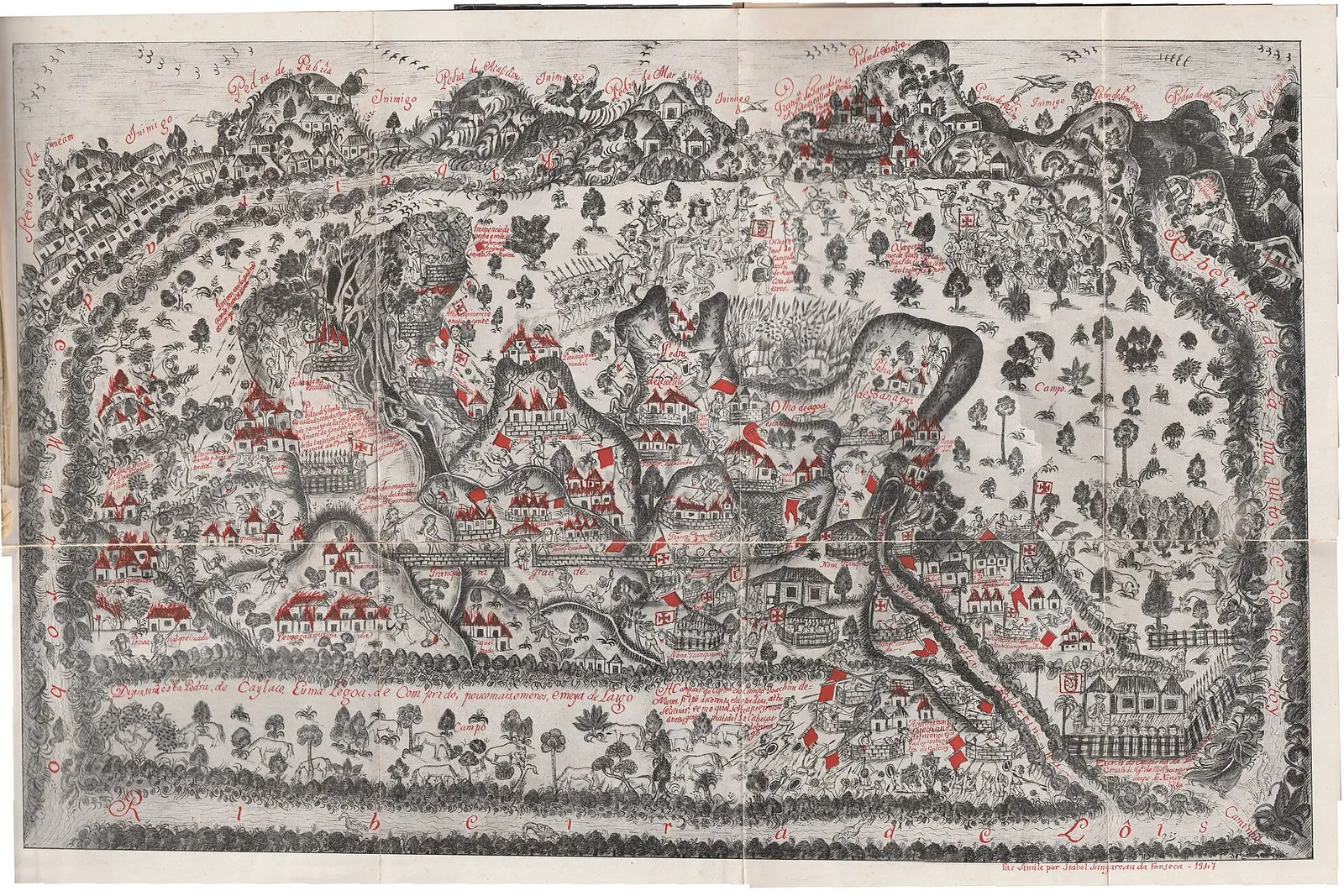
Timor-Leste is the kind of place that rewards travellers willing to take one more flight than everyone else — a rugged half-island of coffee highlands, Portuguese-colonial towns and reefs that teem with more fish species than almost anywhere on earth. This one-week route starts at the runway in Dili, swings east to Baucau and the far tip at Jaco Island, climbs the country's highest peak at sunrise, and finishes with a short hop to Atauro's coral walls.
Landing in Dili: Flights, Gateways and the Rhythm of the Dry Season
Almost every visit to Timor-Leste begins at Dili's Presidente Nicolau Lobato International Airport, a single-runway strip squeezed between the hills and the Wetar Strait on the north coast. There are no long-haul arrivals: the two usual approaches are a short hop from Darwin in Australia's Northern Territory, roughly an hour and a half in the air, or a connection through Bali, which takes about two hours and often pairs a dawn departure with a view of the Lesser Sunda chain unfolding below. Because the airport is small, immigration and baggage are quick, but schedules are thin and a missed connection can cost you a day — build a buffer into the front end of the trip.
Try to land in daylight if you can. The approach over the strait, with Atauro Island floating on the horizon and the mountains stacked behind the city, is one of the great underrated arrivals in Southeast Asia, and it sets up the geography you will spend the week crossing. Once you are through, change money — the country uses the US dollar, supplemented by small local coins — pick up a local SIM in the city centre, and resist the urge to immediately head for the hills.
Timing matters enormously here. The dry season runs roughly from May to October, when roads hold firm, the diving visibility is at its best and the highlands are cool rather than sodden. The wet season, November to April, brings landslides, washed-out mountain roads and weather delays that can strand small aircraft. The sweet spot for many visitors is October and November, when the sea is still calm, the reefs are clear and humpback whales and dolphins move through the straits off Dili and Oecusse.
Days 1–2: Dili's Landmarks — Cristo Rei, the Resistance Museum and the Old Waterfront
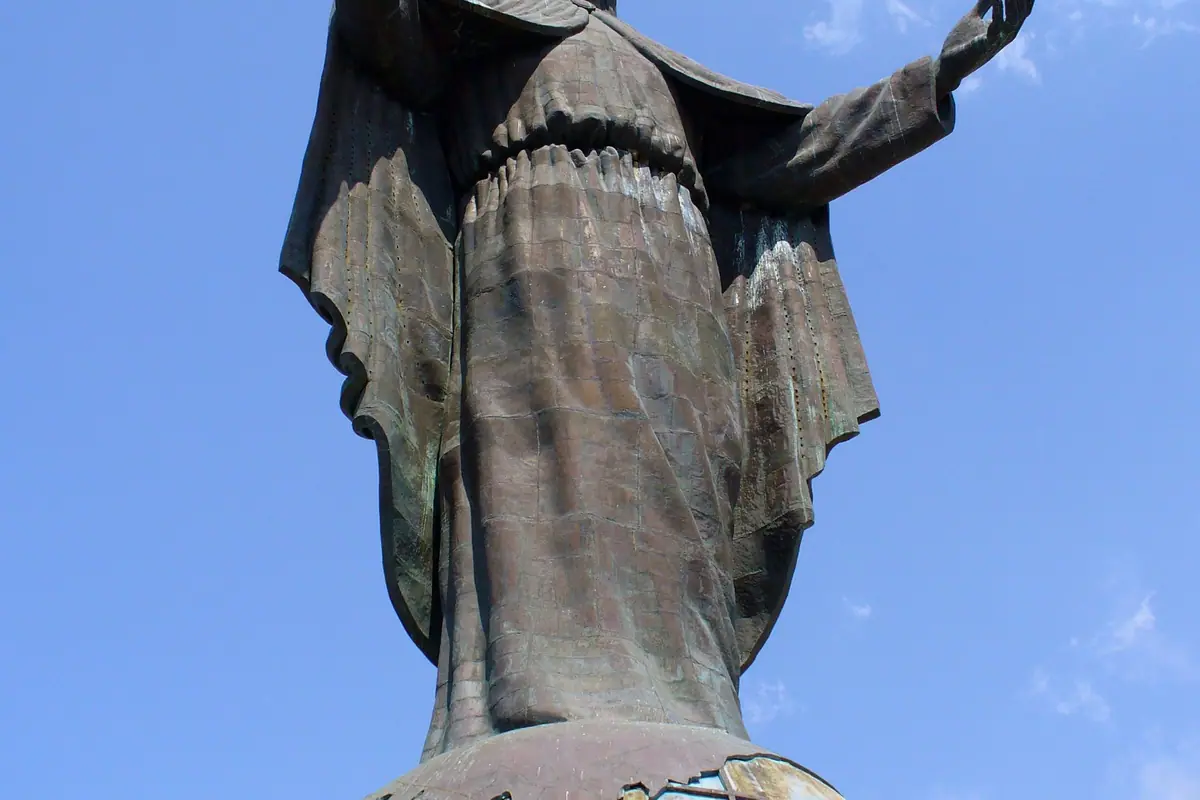
Give Dili two full days before you fly or drive anywhere else. The city's defining image is the Cristo Rei of Dili, a towering figure of Christ standing on a globe at the tip of Cape Fatucama, reached by a long staircase that climbs through scrub with the Wetar Strait glittering below. Come early in the morning for the climb and the light; the reward is a panoramic view back along the coast to the city and out toward Atauro.
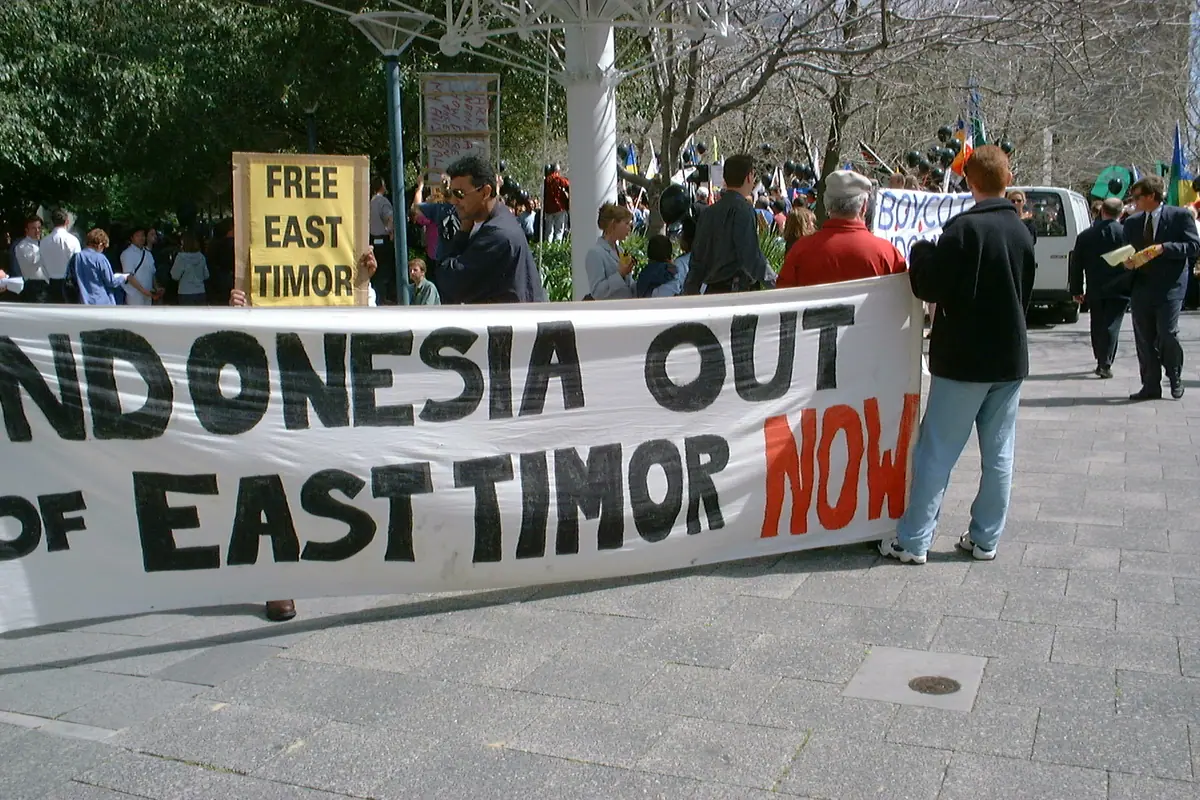
Back in town, the Museu da Resistência Timorense, housed in a Portuguese-era building on the waterfront, is the essential stop for understanding the country's recent history — the Indonesian occupation, the long independence struggle and the hard-won vote for self-determination. Nearby, the Santa Cruz cemetery and Motael Church are quiet, deeply significant sites tied to the darkest moments of that era. Together they give context to everything else you will see on the island.
Finish your Dili days along the seafront. The Lecidere waterfront is where families gather at dusk, and the Tais Market is the place to buy handwoven textiles directly from the women who make them. For swimming and sunset, head east to Areia Branca, the long white-sand beach on the road to Cristo Rei, and west to Tasi Tolu, where three salt lakes sit behind a black-sand shore that also happens to be one of the country's most famous dive sites. Eat Portuguese-Timorese food — grilled fish, stewed goat, rice, and coffee grown in the Ermera hills — and go to bed early; the next day starts with a drive.
Days 3–4: East to Baucau, Venilale and the Road to Jaco Island
The coastal road east from Dili to Baucau takes about three hours for around 125 kilometres, winding past rice paddies, fishing villages and cliffs that drop straight into the sea. Baucau itself is the country's second city and its most atmospheric: a Portuguese-colonial old town of faded arcades, a sprawling market and the landmark Pousada de Baucau, a hilltop rest house with tiled corridors and a huge spring-fed swimming pool that feels preserved from another century. Below town, the old market and the warm springs nearby make an easy afternoon, and the mountain road inland toward Venilale leads to more hot springs set in cool hill country.
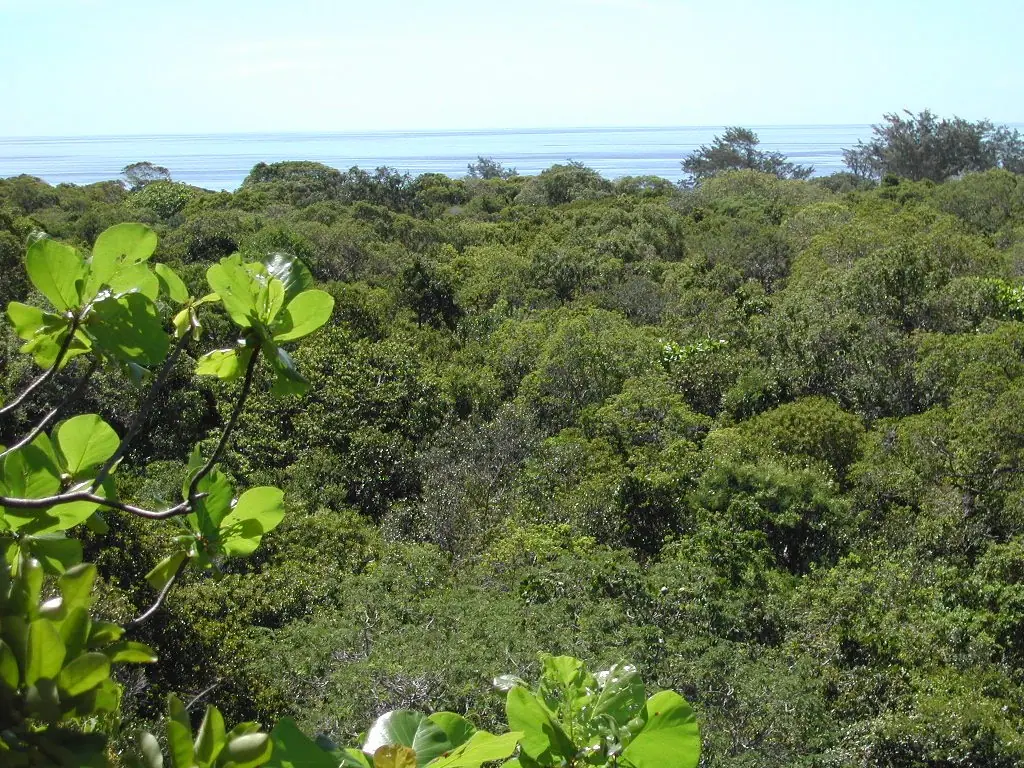
From Baucau the road continues east through Lospalos, the cultural heart of the Fataluku-speaking far east, and on to Tutuala at the very tip of the island. This is the gateway to Nino Konis Santana National Park, Timor-Leste's first national park, a mosaic of monsoon forest, savannah and coast that protects some of the island's most extraordinary sites. Chief among them is the Ili Kere Kere cave, where rock art and shell middens record thousands of years of human presence, and Lake Ira Lalaro, the largest lake in the country, fringed with reeds and birdlife.
The finale is Jaco Island, an uninhabited, culturally sacred islet just off Valu Beach, reached by a short boat ride arranged with local fishermen. The water here is absurdly clear, the reef drops away quickly and there is nothing on the island but sand, forest and silence. Note that the last stretch from Lospalos to Tutuala is rough, unsealed in parts and best done in a high-clearance vehicle — allow two hours from Lospalos, and consider overnighting in Tutuala or Lospalos rather than attempting the return to Dili in one push.
Day 5: Sunrise on Mount Ramelau and the Highlands of Maubisse
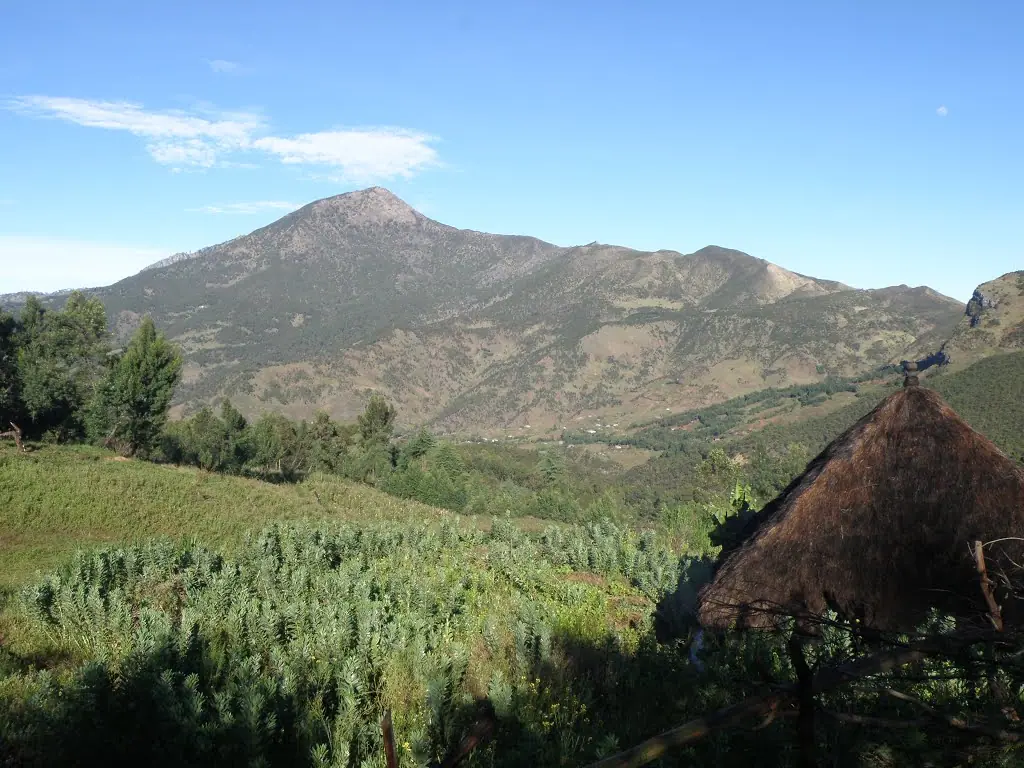
Mount Ramelau, also called Tatamailau, is the highest point in Timor-Leste at 2,963 metres, and climbing it for sunrise is the country's signature trek. Most people stay the night in the village of Hato-Builico and start walking around 3am with a local guide, reaching the summit in three to four hours in time for first light. A statue of Christ the King stands at the top, and on a clear morning you can see both the north and south coasts at once, with cloud pooled in the valleys below.
It is cold up there — genuinely cold, often close to freezing before dawn — so bring layers, a headlamp and windproof clothing even though you are in the tropics. The trail is not technical but it is steep and can be slippery after rain, and the access road to Hato-Builico is rough enough that a 4WD and a driver who knows the route are strongly advised.
On the way back, break the journey in Maubisse, a hill station with a red-and-white Portuguese pousada perched above terraced gardens, and in Ainaro and Ermera, where coffee bushes cover the slopes and the beans end up in the espresso you drank in Dili. If you would rather not hike in the dark, the highlands still reward a slower day: cool air, mountain markets, and some of the most dramatic scenery in the country along the winding ridge roads.
Day 6: Atauro Island and the Reefs Around Dili
Atauro Island lies about 25 kilometres north of Dili across the Wetar Strait, and it is the reason many divers never leave the country. A small airstrip on the island is served by light aircraft on a limited schedule, while a slow passenger ferry from Dili harbour takes a couple of hours in the right conditions — flying saves time, but the boat is more reliable in the wet season. Either way, the crossing alone often produces sightings of dolphins, and between October and November migrating whales.
On the island, the main settlements of Vila and Beloi are quiet, friendly and organised around community homestays and small guesthouses rather than resorts. The diving and snorkelling off the west coast near Biqueli and Adara are the headline act: surveys here have recorded reef fish diversity that ranks among the richest anywhere on the planet, with steep coral walls, drop-offs and clear water close to shore. Arrange dives or snorkelling trips through your guesthouse, and give yourself a full day on the water rather than a rushed half-day.
If you stay in Dili instead, you are still not short of underwater options. Tasi Tolu, Dili Rock and the sites east toward K41 offer muck diving, coral gardens and easy shore access, while the reef around Jaco Island in the far east is as pristine as anything in the region. Whatever you choose, respect local rules on sacred sites and marine protection — much of this coast is community-managed, and the diving is good precisely because it has been looked after.
Day 7: Domestic Flights, Oecusse and Practical Know-How
Timor-Leste's domestic air network is small but genuinely useful. Light twin-engine aircraft connect Dili with Suai on the south coast and with Oecusse, the country's strange and beautiful exclave on the western side of the island, completely surrounded by Indonesian West Timor. Services are limited, luggage allowances are tight, and afternoon cloud can cancel flights, so book morning departures and keep a day of slack in your plans. The alternative to flying to Oecusse is a long overland route through Indonesian territory with border formalities, or a slow sea crossing.
Baucau and Atauro also have airstrips, which means you can stitch the country together by air if your schedule is short — for example, flying east and returning by road, or hopping to Atauro at the end of the week before your international departure. Speak to a local travel agent in Dili rather than relying on online booking; seats are sold through local channels, and schedules shift with demand and weather.
On the ground, the practicalities are simple but firm. Carry US dollars in cash, because ATMs are scarce and unreliable outside Dili. Hire a 4WD with a driver for anything beyond the main coast road — driving is on the left, roads are narrow and winding, and mountain routes can become impassable in the wet season. Beyond Dili, accommodation ranges from simple guesthouses to a handful of restored colonial pousadas, so book ahead in peak months. Finish your week with a final swim at Areia Branca, a last coffee in the capital, and an early flight out — the kind of goodbye this quiet, stubborn, beautiful country deserves.
Frequently asked questions
How do you fly to Timor-Leste?
There are no long-haul flights. Most visitors arrive at Dili's Presidente Nicolau Lobato International Airport on a short hop from Darwin in northern Australia, or via a connection through Bali. Schedules are limited, so allow a buffer day on either side of your trip in case of delays.
What is the best time of year to visit Timor-Leste?
The dry season, roughly May to October, offers the most reliable roads, the clearest diving conditions and the best highland weather. October and November add calm seas and migrating whales and dolphins. The wet season, November to April, brings landslides, road closures and flight delays.
Do you need a visa for Timor-Leste?
Many nationalities can obtain a visa on arrival at Dili airport, and an advance electronic visa is also available. Rules and fees change, so check current requirements with an official Timorese diplomatic mission before booking, and make sure your passport has at least six months of validity.
Can you fly within Timor-Leste?
Yes, but on a small scale. Light aircraft link Dili with Suai and with the Oecusse exclave, and there are airstrips at Baucau and on Atauro Island. Flights are limited, luggage-restricted and weather-dependent, so book morning departures through a local agent and keep flexibility in your plans.
How much time do you need to see Timor-Leste?
One week is enough for Dili, Baucau and either the far east around Jaco Island, the Mount Ramelau highlands or Atauro Island — but not all three comfortably. Two weeks lets you add the south coast, Suai and Oecusse without spending every day in a vehicle.
Plan it — flights in Timor-Leste
Live search, booked directly with trusted providers.
Sort the rest of your trip
Everything for Timor-Leste, in one place
Stay in Timor-Leste
Hotels, guesthouses and apartments — compared in one search.
Search hotels
Transfer in Timor-Leste
Private driver waiting on arrival — no queues, no surprises.
Book a transfer
Travel insurance
Medical cover, delays and lost baggage — sorted before you go.
Get coveredMore guides in Timor-Leste
Where to Stay in Timor-Leste: Hotels and Must-See Sights
Best Things to Do in Timor-Leste: Landmarks, Mountains and Island Escapes
Best Time to Visit Timor-Leste for Hotels: Seasons, Rates and Sights
Timor-Leste Tours: Food, Culture and Local Experiences Across Asia's Youngest Nation