Timor-Leste is a young nation draped along the eastern end of the Lesser Sunda chain, where volcanic ridges fall into coral reefs, coffee grows on misty terraces and nearly every village keeps its own drumbeat. A tour here is not a checklist of monuments — it is markets at dawn, palm wine at dusk and long, slow meals of corn, pumpkin and just-caught fish. This guide covers the food, culture and local experiences worth building a trip around, from Dili's waterfront to the sacred heights of Mount Ramelau.
Dili: Where Every Timor-Leste Tour Begins
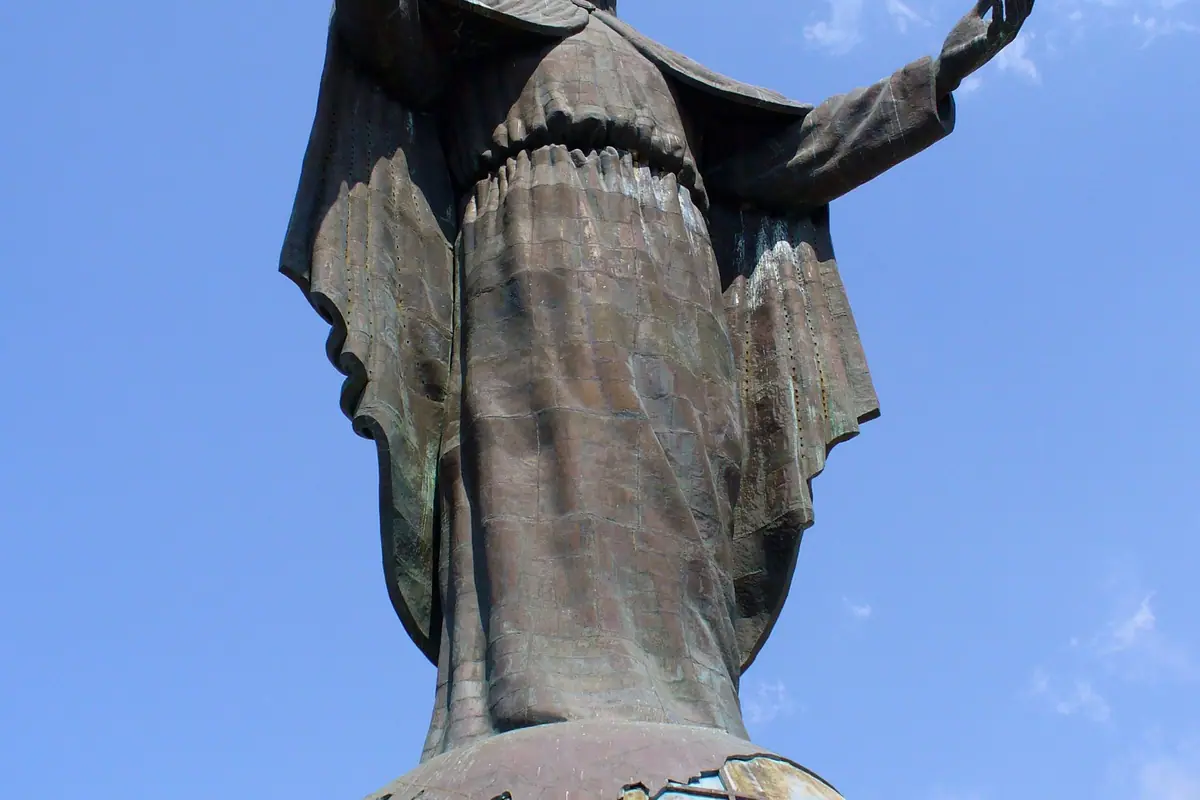
The capital is a low-rise, unhurried city wedged between steep hills and the Ombai Strait, and most journeys start on its waterfront. Walk the palm-lined shore at Lecidere in the early evening, then head east past the small fishing harbour to the Cristo Rei, a towering statue of Christ on a headland with sweeping views back over the bay. Continue a little further to Areia Branca — 'white sand' — where beach shacks grill snapper and squid over charcoal and families swim until the light goes orange. It is the easiest introduction to Timorese hospitality you will get.
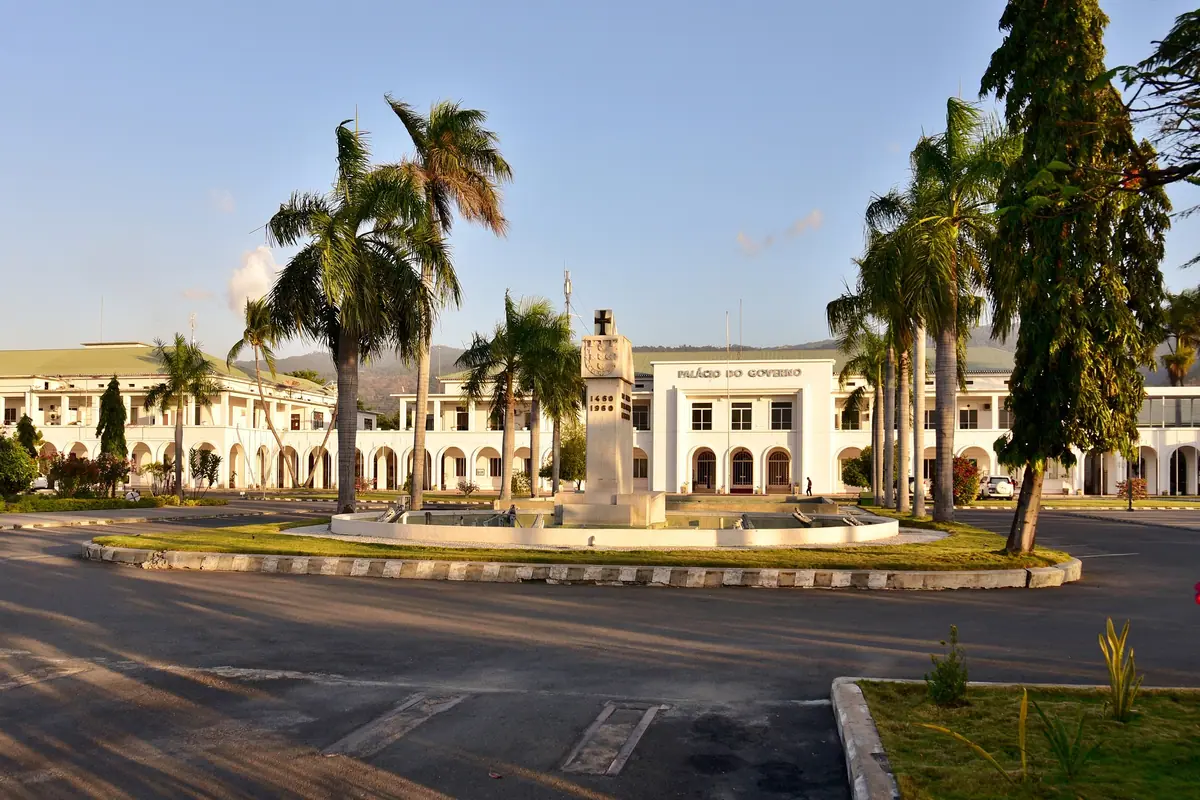
For context on why this country feels the way it does, spend a morning at the Resistance Museum, housed in a Portuguese-era building in the city centre, and at Santa Cruz Cemetery and Motael Church, both central to the story of the 1991 struggle for independence. The Immaculate Conception Cathedral nearby is the city's landmark for Sunday mass, when Dili fills with tais, pressed shirts and music. These are sombre, moving places rather than polished attractions, and visitors are expected to dress and behave accordingly.
Then go to market. The Tais Market in central Dili is the place to see handwoven cloth in every regional pattern and colour, with weavers happy to explain motifs if you ask politely. Further west, Comoro Market is the city's great everyday bazaar: pyramids of cassava and pumpkin, green beans and taro, bundles of ai-manas chillies, sandalwood, tobacco and buckets of reef fish. Arrive before eight in the morning, carry small US dollar notes, and eat whatever is bubbling in the pot — usually batar daan (corn and pumpkin stew) or koto, a hearty rice-and-bean one-pot.
What Timor-Leste Tastes Like: From Batar Daan to Palm Wine
Timorese cooking sits at the meeting point of island Southeast Asia and five centuries of Portuguese presence, with a strong Indonesian thread running through the towns. The base is rice, maize, cassava, taro and pumpkin, stretched with beans and greens and lifted with lime, garlic, lemongrass and fiery ai-manas chilli. Fish is often wrapped in banana leaf and steamed or grilled as ikan pepes, or simply cooked whole over coals and eaten with rice. Katupa — rice packed into woven palm-leaf parcels and boiled — turns up at festivals and roadside stalls alike, and fehuk (cassava and sweet potato) is the snack you will eat most often without noticing.
Everyday eating is informal. Family-run kiosks serve two or three dishes a day; roadside grills sell corn cobs, cassava chips and skewers after dark; and in the highlands, meals often come with a glass of sabuko, fermented palm sap tapped from the lontar palm, or its stronger distilled cousin, tuak. In Dili you will also find Chinese noodle houses and Indonesian warungs selling tempeh, tofu and nasi campur, which is useful if you want vegetables. Coffee, introduced by the Portuguese, is drunk strong and very sweet in small glasses, and it is grown rather than imported — a point of real national pride.
A few practical notes make meals smoother. Eat with your right hand when food is served traditionally, accept at least a little of whatever a host offers, and ask before photographing people or food stalls. Stick to freshly cooked food, peel your own fruit, and drink bottled or boiled water rather than tap water. Vegetarian travellers can get by on tempeh, tofu, pumpkin, greens and rice, but it helps to learn the phrase for 'no meat' in Tetum and to be flexible in remote districts, where menus are whatever the garden produced that week.
Coffee Highlands and the Mount Ramelau Sunrise
The road south from Dili climbs through eucalyptus and coffee terraces to Maubisse, a cool hill town at around 1,400 metres where the Saturday market brings Mambai traders down from surrounding ridges with beans, cabbage, coffee cherry and livestock. Stay in one of the restored Portuguese-era pousadas for the log fires and valley views. This is the Timor-Leste most visitors do not expect: cold nights, mist in the ravines, horses on the road and air that smells of woodsmoke and drying coffee.
The surrounding districts — Ermera, Letefoho, Hatulia, Aileu — produce the shade-grown arabica that is the country's most valuable export. Harvest generally runs from May into September, when families hand-pick cherry and process it beside their compounds; smallholder farms welcome visitors who arrive with a local guide and a genuine interest. Many Dili cafés serve single-origin brews, so taste your way through the capital first, then go and see where the beans came from.
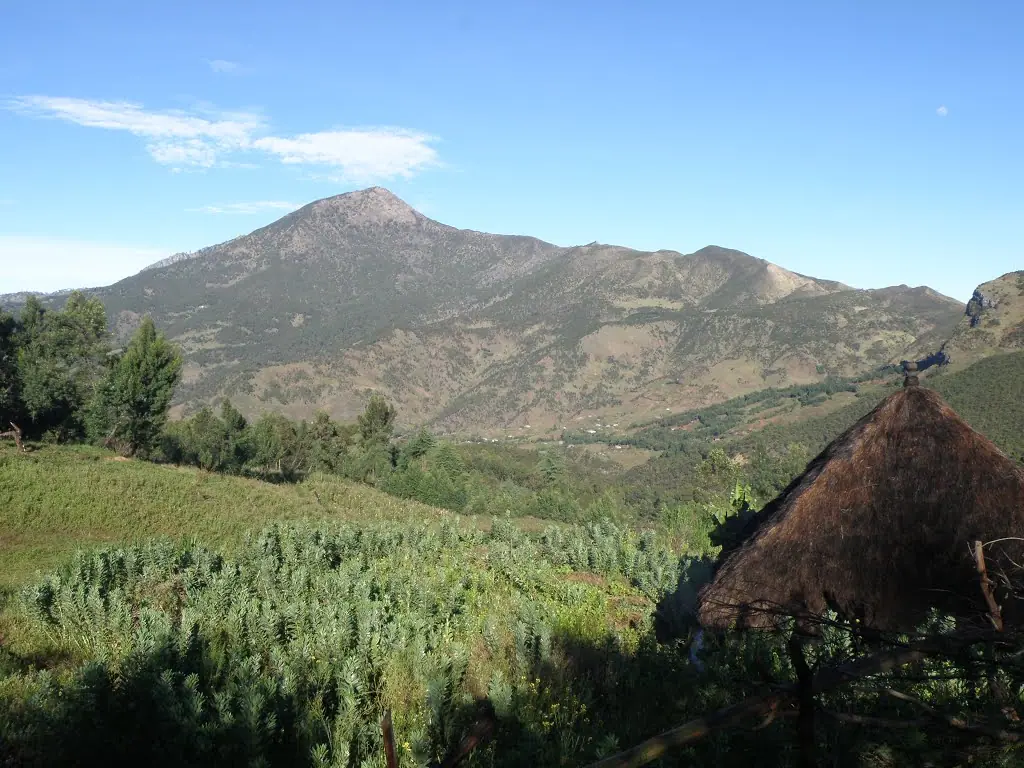
The highlands' great pilgrimage is Mount Ramelau, also called Tatamailau, the country's highest peak at 2,963 metres. Climbers usually sleep in a village near Hato-Builico and set off around three in the morning to reach the summit statue of Our Lady for sunrise — a genuinely cold, windy, unforgettable hour above a sea of cloud. The dry season from May to November gives the best conditions, and hiring a local guide supports the villages that maintain the trail.
Tais, Sacred Houses and the Dance Calendar
Tais is the thread that ties Timorese identity together. Woven on backstrap looms from cotton dyed with indigo, morinda root and other plants, each region has its own motifs and rhythm — the reds and blacks of the east differ from the softer palettes of the centre. Watching a woman warp a loom on a veranda, then buying directly from her, is far more rewarding than browsing a shop. Suai, Ossu, Viqueque and the villages around Baucau are all known for their cloth, and a tais worn over the shoulder is the correct gesture of respect at ceremonies.
Equally central is the uma lulik, the sacred ancestral house found across the country and especially striking in the far east, where steep thatched roofs rise like ships' prows above the treeline. These are not museums: they are living shrines, rebuilt for ceremonies, sometimes with buffalo sacrifice, and often holding heirlooms. Never enter, photograph or touch carvings without an invitation from the family and a local host to interpret; the right approach is to ask a guide to arrange a visit and to bring a small gift rather than money.
Festival life follows the agricultural and national calendar. Tebe is a circling, hand-linked dance performed at harvest thanksgivings and weddings, while likurai is the women's drum dance of the south-west, performed with small hand drums around Covalima and Suai. The national holidays on 20 May and 30 August fill Dili with processions, tais, singing and late-night grills. If you are travelling in the west, the old Portuguese fort at Balibo, now a heritage site and memorial, and the hot springs at Marobo in Bobonaro are both worth a detour on the road toward the Indonesian border.
The Wild East: Jaco Island and Nino Konis Santana National Park
The eastern tip of the country is its wildest and most beautiful corner. Driving from Dili through Baucau and on to Lospalos takes the better part of a day, and the landscape shifts from rice flats to dry savanna, karst and empty coast. Lospalos is the heart of Fataluku country, a town of carved totems, strong coffee and a language entirely unrelated to Tetum. From there a rough road runs to Tutuala, the gateway to Nino Konis Santana National Park, which protects forest, coral reef and the beaches where turtles nest.
Beyond Tutuala lies Jaco Island, an uninhabited, forested speck of white sand that the Fataluku hold sacred. Custom asks visitors not to set foot on it at all; instead you swim or snorkel from the beach at nearby Valu, where the water is glass-clear and the reef drops away quickly. Sea turtles surface offshore, and the surrounding coast holds limestone caves with ancient rock art that should only be visited with a local guide who knows which sites are open to outsiders. It is one of the most quietly spectacular places in Southeast Asia, and you will likely share it with no one.
Practicalities matter here. Bring more cash than you think you need, since ATMs are scarce east of Baucau; fuel up whenever you can; and expect simple guesthouses with cold showers and mosquito nets. A four-wheel drive is wise in the wet season, when river crossings and clay roads become unpredictable. The dry months from May to November are far easier, and the light on the reefs at Valu is at its best in the calm mornings.
Ataúro Island: Reefs, Whales and Slow Village Life
About 25 kilometres north of Dili, across the deep Wetar Strait, Ataúro rises steep and dry from the sea. Passenger boats and faster crossings run from Dili's harbour, and the arrival point is Beloi, a straggling village of painted houses and fishing canoes. Life here moves at the pace of tide and mule cart. Community guesthouses and homestays in Beloi and the northern village of Biqueli are the way to stay, and most meals come from the family kitchen: grilled fish, cassava, pumpkin greens and rice, eaten with a view of the water.
The island's reefs are its fame — coral walls and gardens with extraordinary fish life, easily reached from shore at several points, and dive centres in Beloi run trips for all levels. Between roughly October and November, deep water close to the island becomes a corridor for migrating blue, sperm and other whales, and lucky boat trips turn into something people remember for decades. Inland, the climb up Mount Manucoco, the island's highest point, rewards the sweaty hour or two with views back to Dili and across to the Indonesian island of Wetar.
Ataúro is also the country's best place to buy woodcarving. Biqueli in particular is known for carvers working in local timbers, producing figures, bowls and masks that make far better souvenirs than anything airport-adjacent. Pack cash, drinking water, reef-safe sunscreen and a torch, since shops are minimal and power can be intermittent. Crossings are smoothest in the dry season; from December to March the strait can be genuinely rough, and some boats stop running altogether.
Frequently asked questions
When is the best time to visit Timor-Leste?
The dry season, roughly May to November, is the most comfortable and practical window: roads hold up better, mountain trails to Mount Ramelau are clear, the crossing to Ataúro is calmer and visitation is easiest in remote districts. October and November add the whale migration off Ataúro. The wet season from December to March brings heavy afternoon downpours, humidity and occasional landslides on interior roads, but the landscape is vividly green and the coast is quieter.
How long do I need, and what route works well?
Ten days to two weeks lets you travel without rushing. A sensible shape is two or three nights in Dili for markets and the Resistance Museum, two or three on Ataúro for reefs and village life, two in the Maubisse and Hato-Builico highlands for coffee country and the Ramelau sunrise, then three or four working east through Baucau and Lospalos to Tutuala, Jaco Island and the national park. Anything shorter and you spend most of your time in transit on mountain roads.
Do I need a guide for tours in Timor-Leste?
Dili is easy to explore independently, and Baucau and Maubisse are manageable with a shared minibus and patience. But a local guide is close to essential for the Ramelau night climb, visits to uma lulik sacred houses, rock-art caves near Tutuala, and homestays on Ataúro and in the far east. Guides arrange permission, translate between Tetum, Fataluku and English, and make sure the money you spend stays in the village.
Is the food safe, and can I drink the water?
Tap water is not suitable for drinking — stick to bottled or boiled water and avoid ice of unknown origin. Food is generally fine if it is freshly cooked and hot; market produce is best peeled or washed in treated water. Chillies are used generously, so ask for it mild if you need to. Vegetarian options exist in Dili through tempeh, tofu and greens, but in remote districts you may be eating rice, pumpkin, cassava and beans most days.
What money, language and practical details should I know?
The US dollar is the currency, and small notes are essential because change is scarce outside the capital. ATMs are reliable in Dili and patchy or absent further east and in the highlands, so carry cash. Tetum and Portuguese are the official languages, with Fataluku, Mambai, Bunak and Makasae spoken regionally and English limited outside tourism. Driving is on the left, roads are slow and winding, and modest dress plus a willingness to greet people properly will open far more doors than any tip.
Plan it — tours in Timor-Leste
Live search, booked directly with trusted providers.
Sort the rest of your trip
Everything for Timor-Leste, in one place
Stay in Timor-Leste
Hotels, guesthouses and apartments — compared in one search.
Search hotels
Transfer in Timor-Leste
Private driver waiting on arrival — no queues, no surprises.
Book a transfer
Stay online in Timor-Leste
Travel eSIM — data the moment you land, no roaming bills.
Get an eSIM