Timor-Leste is one of the least-visited countries in Asia, a half-island of knife-edge mountains, coffee-scented highlands and reefs that drop away into impossibly clear water. Most travellers land in Dili expecting a quiet capital and end up planning a second trip before they leave. Here is how to see the places that matter, from the Cristo Rei statue to the summit of Mount Ramelau.
Dili's Landmarks and the Waterfront That Faces the Sea
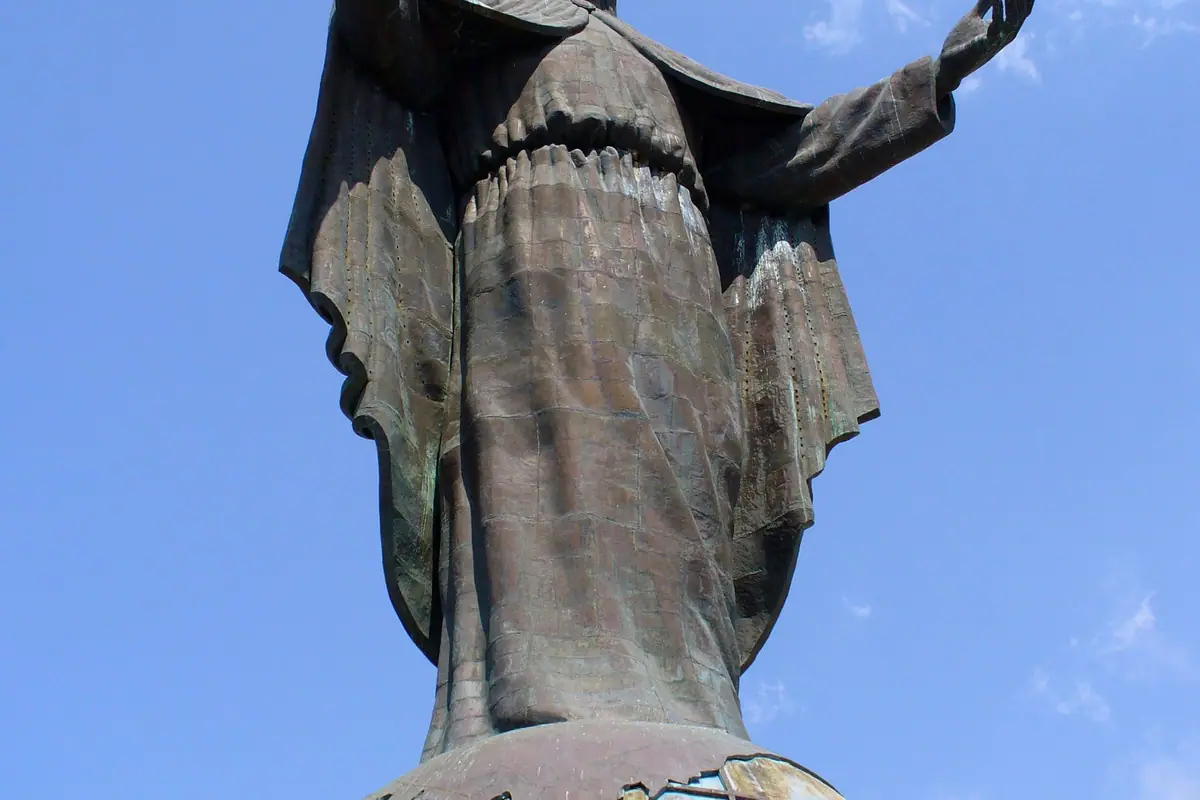
Start with the image everyone recognises: Cristo Rei de Díli, a towering figure of Christ standing on a globe at the tip of the Fatucama peninsula, back turned to the city and eyes out over the Wetar Strait. A long flight of steps climbs through dry scrub to its base, and the reward is one of the finest panoramas in the country — Dili's white waterfront on one side, the island of Atauro floating on the horizon on the other. Come early, before the heat builds, and continue a few minutes further east to Areia Branca, a curve of pale sand where families grill fish at weekend stalls and the water stays shallow far out.
Back in the centre, the Museu da Resistência Timorense tells the country's modern story with photographs, documents and personal objects gathered from the long occupation and the struggle for independence. It is small, sobering and essential context for everything else you will see. Nearby, Santa Cruz Cemetery is both a working burial ground and a memorial to the 1991 massacre that turned world attention toward Timor-Leste; visitors should move quietly and dress respectfully. For something lighter, the Tais Market in the centre of town is the best single place to buy handwoven tais cloth, sold directly by weaving families from the districts.
Finish the day in the hills above the city at the Dare Memorial, a hillside tribute with sweeping views over Dili bay, or at the three salt lakes of Tasi Tolu on the western edge of town, where the sun sets behind the mountains and egrets pick through the shallows. Dili is compact and walkable in the cooler hours, but a car and driver makes the scattered sights far easier to string together.
Mount Ramelau and the Coffee Highlands
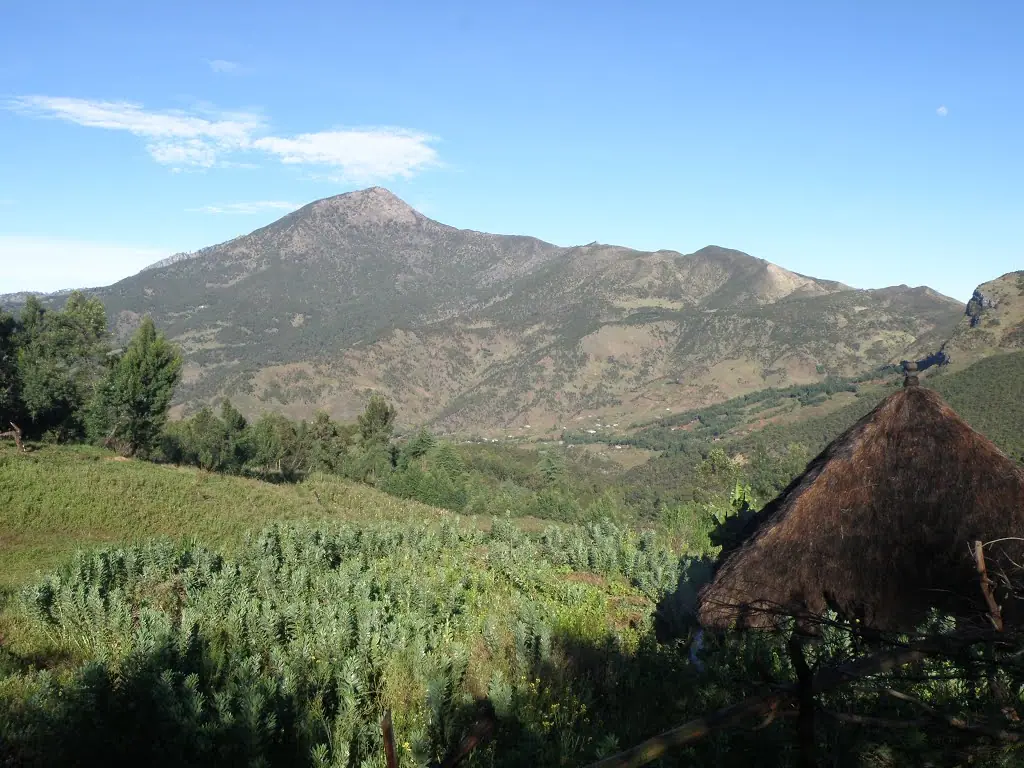
The central spine of Timor-Leste is a chain of mountains that climbs to Mount Ramelau, also called Tatamailau, the country's highest peak at just under 3,000 metres. Almost every visitor who makes the effort calls the sunrise from the summit the highlight of their trip. The usual approach is to sleep in the village of Hatu-Builico, wake around 3am and walk up in the dark for two to three hours along a rough jeep track, reaching the top as the clouds below turn pink and the whole island appears in layers. A small statue of the Virgin Mary stands at the summit, and the wind up there is genuinely cold — bring a fleece, a hat and a headtorch.
The climb is best attempted in the dry months from May to October; in the wet season the track turns to slick clay and the views vanish. Even if you skip the summit, the highlands are worth the drive. Maubisse, perched at around 1,400 metres, has a cool climate, a lively Saturday market and a historic hilltop pousada that feels like a piece of another century. The road from Dili through Aileu twists past terraced gardens, eucalyptus and pine, and every bend seems to open onto another valley.
This is also coffee country. Around Ermera and Letefoho, smallholder families grow and hand-process the arabica that has become one of the country's most important exports, and a cup brewed in a roadside stall here tastes nothing like what you get in the capital. Ask politely at a farm or cooperative and you will usually be shown the drying beds and the hand-cranked hullers, and given a cup while you watch.
Atauro Island: Reefs, Whales and Very Slow Days
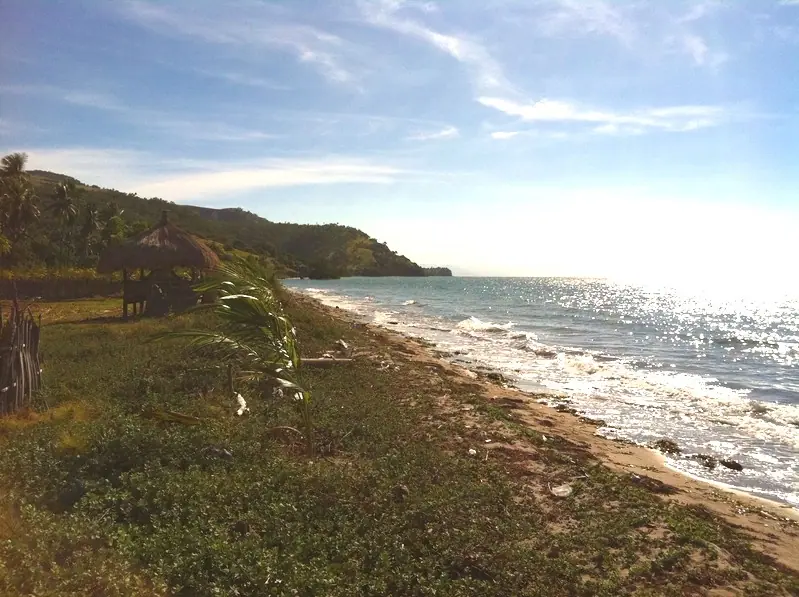
Atauro sits about 25 kilometres north of Dili and is reached by a passenger ferry that takes roughly two and a half hours, or by a much faster boat in good weather. The island is dry, hilly and sparsely populated, with a handful of villages — Vila Maumeta, Beloi and Adara among them — connected by a rough coastal road. What draws people here is the water: the reefs fringing Atauro are extraordinarily rich, with steep walls, coral gardens and an abundance of fish close to shore, making it one of the best and least crowded places to dive or snorkel in the region.
On land, the walking is excellent. Trails link the villages through maize fields and along the coast, and the climb up Mount Manucoco, the island's highest point, takes most of a day and rewards you with views back to the mainland. Between roughly October and December, deep water channels off the island become a migration route for whales and dolphins, and boat trips from the villages often run during that window.
Accommodation is small-scale — family-run guesthouses, a few eco-lodges, homestays where you eat what the household eats. Power and water can be intermittent, so bring a torch and a power bank. The dry season from May to November offers the calmest seas and the clearest visibility; crossings in the wet season can be rough and occasionally cancelled.
The Wild East: Baucau, Tutuala and Jaco Island
The road east from Dili climbs through green hills to Baucau, the country's second city, where Portuguese-era buildings, a decaying colonial hotel and a huge, crumbling pousada give the place a sleepy, film-set atmosphere. Below town, natural hot springs feed pools where you can soak in the late afternoon, and the market is a good place to buy tais and local honey. Further along the coast, Venilale is known for its cooler air and its own thermal pools, and the drive continues through Com and on to Lospalos, the cultural heart of the far east.
Beyond Lospalos lies Nino Konis Santana National Park, Timor-Leste's first protected area, a patchwork of monsoon forest, savanna and coastline that shelters birds found nowhere else on earth. Lake Iralalaro, the country's largest lake, sits at its centre, and the limestone cave of Ili Kere Kere, considered sacred by local communities, is one of the most striking natural sites in the country. Trails here are unmarked, so hiring a local guide from Tutuala or Com is both practical and a way of putting money into the villages.
The prize at the end of the road is Jaco Island, an uninhabited speck of white sand and forest just off Valu Beach, reached by a short boat ride arranged in the village. It is a place of local spiritual significance — visitors are welcome to swim and snorkel but should not camp or leave anything behind, and should ask permission before crossing. The beach at Valu itself, with fishing boats pulled up on the sand and no development at all, is worth the long drive on its own.
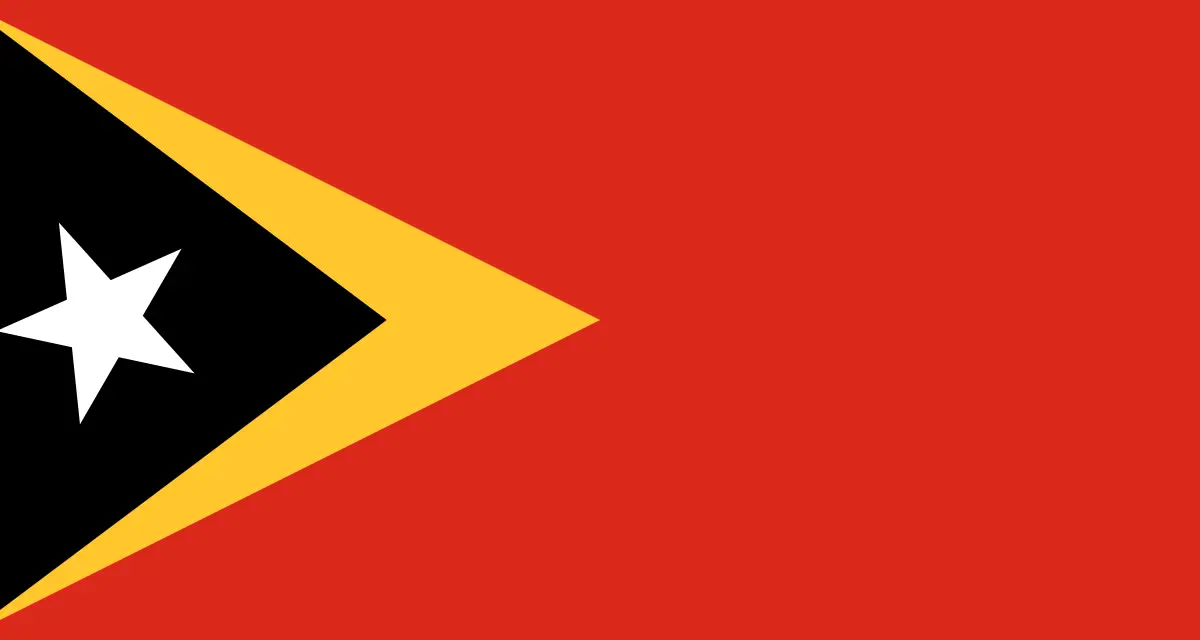
Forts, Springs and Empty Beaches on the Coasts
West of Dili, the coast road passes the dark sands and salt flats near Tibar before reaching Maubara, where a small Dutch-era fort overlooks the sea and a cluster of old cannons and a colonial church give the village a melancholy charm. Liquiçá, a little further on, has a wide black-sand bay and a market on the waterfront; it is an easy half-day trip from the capital. Inland from here, near Maliana and the border with Indonesian West Timor, the Marobo hot springs spill out of the hillside in warm terraces — a lovely, low-key stop if you are heading south.
Balibo, in the hills above the north coast, is home to a weathered Portuguese fort with panoramic views and a difficult history tied to the events of 1975; the small museum and the family-run guesthouses make it a thoughtful overnight stop. Further south, the island narrows into a dry, dramatic landscape of ridges and riverbeds. Suai and Same are the main towns, and the south coast beaches around Betano and Zumalai are almost entirely empty, with fishing villages, horses on the sand and nothing resembling a resort.
This is also where Timor-Leste's waters get wild. The south coast faces the Timor Sea, and the waves and currents here are far stronger than in the sheltered north — good for surfing and scenery, less forgiving for casual swimming. Roads south are slow and often unsealed, so allow a full day for what looks like a short hop on a map, and check conditions locally before setting out in the wet season.
Practical Timor-Leste: Timing, Food and Getting Around
The dry season, roughly May to November, is the best time to visit. Days are hot and bright, the mountain tracks are passable, and the sea is calm enough for diving and island crossings. December to March brings heavy rain, landslides on mountain roads and muddy trails; travel then is possible but slower and less predictable. Whenever you come, plan around daylight — driving after dark on unlit roads with wandering livestock is best avoided.
Timor-Leste's food is one of its quiet pleasures. Look for ikan sabuko, grilled fish marinated with tamarind and lime, batar daan, a hearty corn and bean soup, and katupa, rice steamed in woven palm leaf. Seafood is superb in Dili and in coastal villages, and the local coffee is excellent everywhere. Vegetarians are catered for, but menus are small outside the capital, so it helps to be flexible and to ask what is fresh that day.
Getting around takes patience. There is one main airport near Dili, plus small aircraft services to the Oecusse enclave, and a ferry linking the capital with Atauro. Elsewhere you rely on hired cars, 4WDs with drivers, shared minibuses or motorbikes. Distances look short and rarely are: Dili to Baucau is around three hours, while Dili to Lospalos or the far east can swallow seven or eight. Carry cash, since card payments are rare outside Dili, and remember that Sunday is a quiet day when many businesses close. A week lets you see Dili, the Ramelau highlands and either Atauro or the east; two weeks lets you do all three properly.
Frequently asked questions
What are the must-see landmarks in Timor-Leste?
For most first-time visitors the essentials are Cristo Rei de Díli and the Areia Branca beach on the capital's doorstep, the Museu da Resistência Timorense and Santa Cruz Cemetery in Dili, the sunrise summit of Mount Ramelau, the old town and hot springs of Baucau, the reefs and villages of Atauro Island, and Jaco Island off Valu Beach in the far east. Maubara Fort, Balibo Fort and Lake Iralalaro round out a solid itinerary.
When is the best time to visit Timor-Leste?
The dry season from May to November is the sweet spot: clear mountain views, calm seas for diving and the Atauro ferry, and passable roads. June to October is cooler in the highlands, though summit mornings on Ramelau can be near freezing. The wet season from December to March brings rain, landslides and rough crossings.
How hard is the Mount Ramelau climb?
It is a long walk rather than a technical climb. Most people overnight in Hatu-Builico, start around 3am and reach the summit in two to three hours on a rough jeep track. The altitude and the cold wind at the top are the main challenges, so bring layers, a torch, water and snacks. It is best tackled in the dry season.
How do you reach Atauro Island and Jaco Island?
Atauro is served by a passenger ferry from Dili taking roughly two and a half hours, with faster boats available in calm weather. Jaco Island has no regular service — you travel overland to Tutuala and Valu Beach in the far east, then arrange a short boat trip with villagers on the beach. Jaco is sacred to local communities and is not a place to camp.
How many days do you need in Timor-Leste?
A week is enough for Dili's landmarks, the central highlands including Mount Ramelau, and either Atauro or the eastern coast. Two weeks lets you add the far east with Jaco Island and Nino Konis Santana National Park, plus the western districts around Maubara and Balibo. Roads are slow, so build in travel days rather than scheduling something every day.
Plan it — experiences in Timor-Leste
Live search, booked directly with trusted providers.
Sort the rest of your trip
Everything for Timor-Leste, in one place
Stay in Timor-Leste
Hotels, guesthouses and apartments — compared in one search.
Search hotels
Transfer in Timor-Leste
Private driver waiting on arrival — no queues, no surprises.
Book a transfer
Stay online in Timor-Leste
Travel eSIM — data the moment you land, no roaming bills.
Get an eSIMMore guides in Timor-Leste
Timor-Leste in One Week: Flights, Dili Landmarks and Atauro Island
Where to Stay in Timor-Leste: Hotels and Must-See Sights
Best Time to Visit Timor-Leste for Hotels: Seasons, Rates and Sights
Timor-Leste Tours: Food, Culture and Local Experiences Across Asia's Youngest Nation